In this article:
- What Tsuyu Actually Is
- Umbrellas and Gear
- What Looks Better in the Rain
- Indoors
- Why June Is Worth It
- Japan Rainy Season Travel Tips: Frequently Asked Questions
Introduction
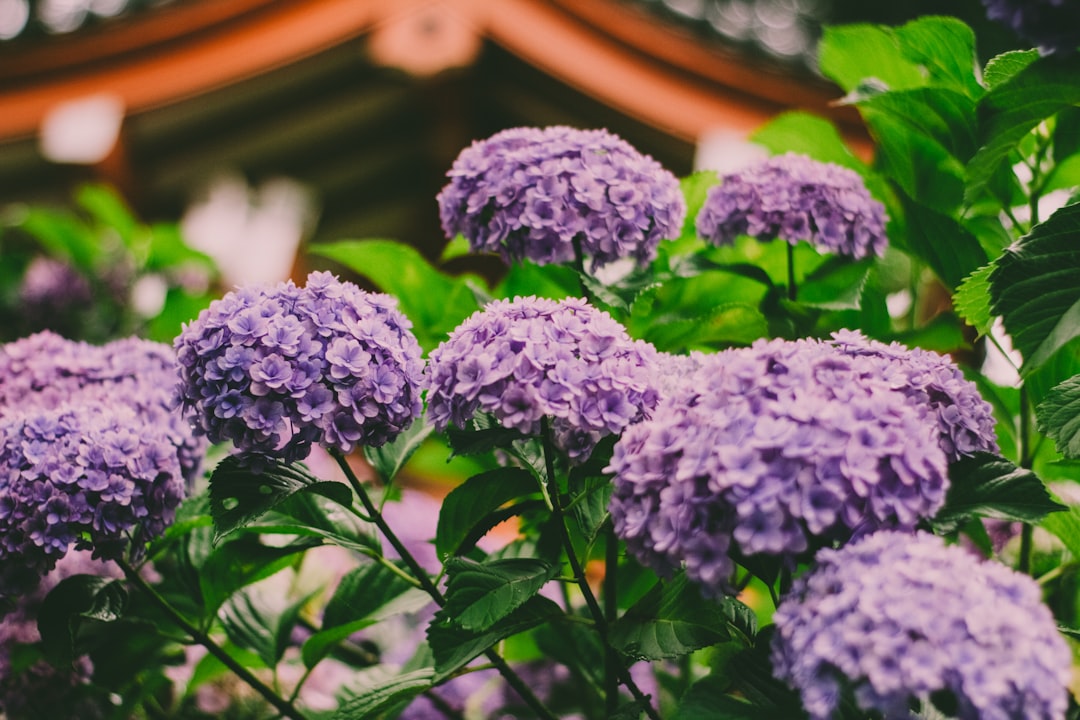
The hydrangeas at Meigetsu-in in Kamakura are at their best in drizzle, under grey light, with wet stone underfoot. That is not making the best of things; it is the correct viewing condition and Japanese visitors go specifically when it is raining.
Tsuyu is the front that sits over the Japanese archipelago from roughly early June to mid-July. It is humid, frequently overcast, and produces intermittent rain rather than continuous downpour. It is also the shoulder season nobody books, which means Kyoto’s temples are quiet and a room costs what it costs in February.
We would not choose June for a first trip to Japan. We would choose it for a second one without hesitation, and a number of the travelers we work with now specifically ask for it.
What Tsuyu Actually Is
A seasonal rain front, and it behaves differently across the country.
The Timing
On Honshu — Tokyo, Kyoto, Osaka — tsuyu is declared in early June and lifts in mid to late July, though the dates shift by a week or two annually and are announced by the Meteorological Agency.
Kyushu starts slightly earlier. Okinawa’s rainy season runs earlier still, from early May to late June, and is over before the main islands get going.
Hokkaido has no tsuyu at all. This is the single most useful fact in this article.
What the Weather Does
Not constant rain. A typical June in Tokyo has rain on somewhere between a third and half of the days, and much of that falls as showers rather than all-day rain.
The dominant condition is overcast and humid, with temperatures in the low to mid twenties rising toward the end. It is warm rather than cold, and the humidity is the thing people find difficult rather than the rain.
Full days of rain do happen. So do clear ones.
The Serious Version
Worth stating plainly: tsuyu also produces genuinely heavy rainfall events, and Japan has experienced serious flooding and landslides in June and July in recent years.
The Meteorological Agency issues warnings and the transport network suspends services in advance when conditions warrant, which is a system that works. Follow the warnings, install the Safety Tips app, and treat a heavy rain warning in a mountainous area as a reason to change plans.
This affects a small minority of days and it is not a reason to avoid June. It is a reason to have the alerts switched on.
Expert Tip
If your dates are locked to June and you want to avoid rain entirely, go to Hokkaido. It is the only part of Japan without a rainy season, and June there is one of the best months in the country — long daylight, temperatures in the low twenties, lavender and wildflowers starting, and none of the summer crowds that arrive in July and August. Flights from Tokyo take ninety minutes.
Umbrellas and Gear
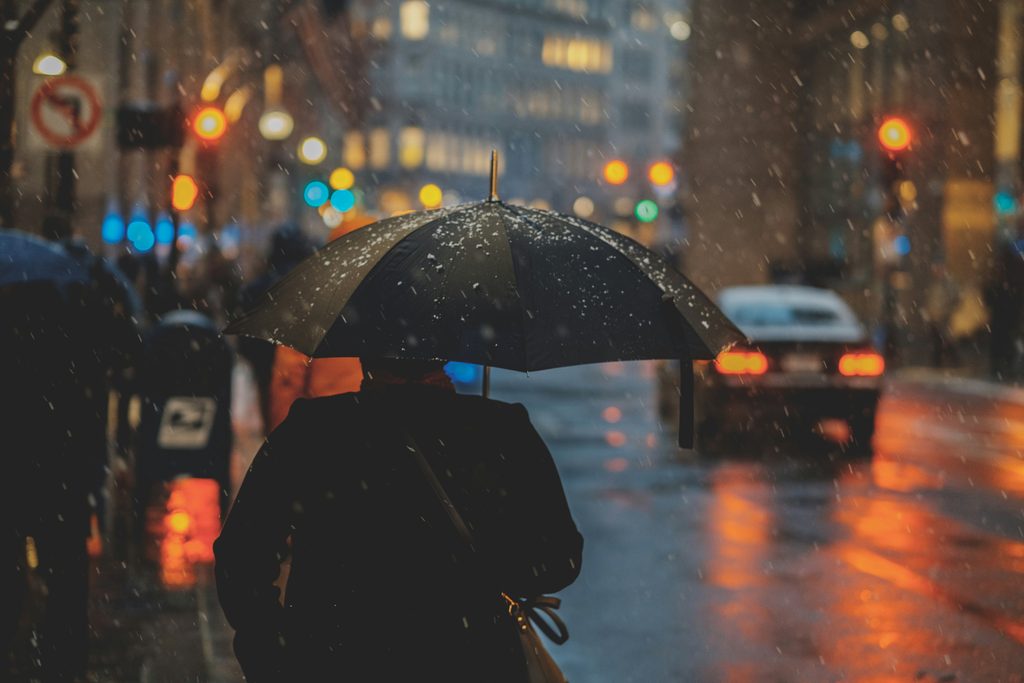
Japan is the best-equipped country in the world for rain, and the infrastructure around it is genuinely impressive.
The Clear Umbrella
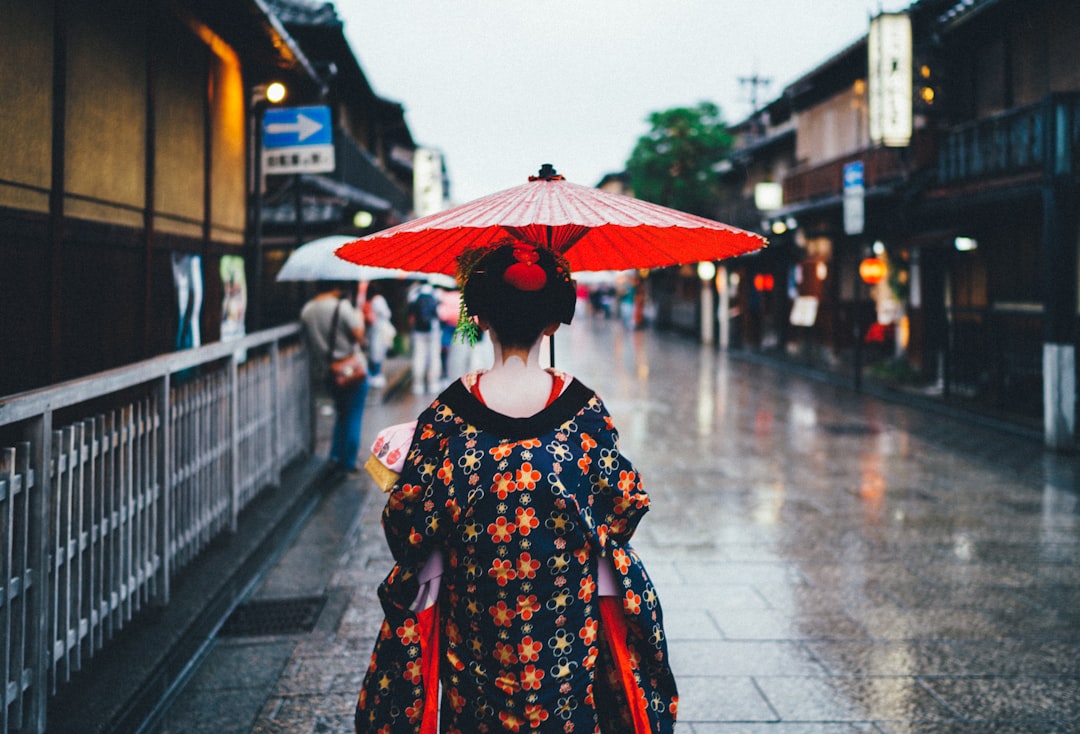
The transparent vinyl umbrella sold in every convenience store for a few hundred yen is a national object. It is see-through, which means you can walk with it low over your face in a crowd and still see, and it is cheap enough to be disposable and sturdy enough not to be.
Buy one on arrival. Buy another when you leave the first somewhere, which you will.
Better folding umbrellas are sold at every station and department store, and Japanese umbrella design is a serious category. If you want one good object to take home, a well-made Japanese folding umbrella is a strong candidate.
The Supporting Infrastructure
Umbrella stands outside every shop and restaurant. Locks and numbered umbrella lockers at larger buildings. Plastic sleeve dispensers at department store and museum entrances so a wet umbrella does not drip inside.
Umbrella hooks under restaurant counters and on train seats. Roofed shopping arcades that run for kilometres in Osaka and Kyoto.
None of this exists in most countries and all of it makes a wet day in a Japanese city substantially less unpleasant than a wet day elsewhere.
Shoes
The genuine problem of a rainy Japanese trip is footwear, because you will walk fifteen kilometres a day.
Bring two pairs and alternate, so one dries while you wear the other. Waterproof or quick-drying is better than leather or canvas. Water repellent spray is sold at every drugstore and shoe shop and is worth applying before you go out.
Wet shoes dry overnight if you stuff them with newspaper, which every hotel will give you. Hotel coin laundries have dryers, and coin laundries are everywhere.
Clothing
Light layers and quick-drying fabrics. A packable rain jacket is more useful than a heavy one because the temperature is warm.
Humidity is the real adversary. Cotton stays wet; synthetics and linen do not.
Japanese drugstores sell cooling wipes, antiperspirant sheets, and portable fans, all of which are more useful in June than they sound.
What Looks Better in the Rain
This is the argument for June, and it is a real one.
Hydrangeas
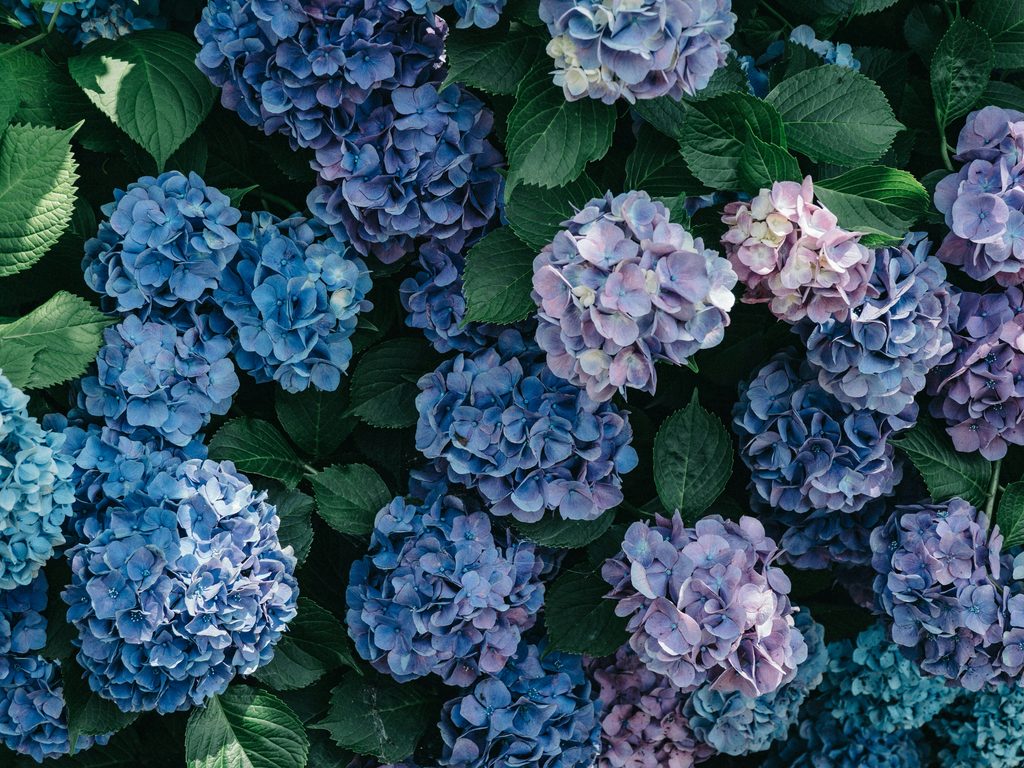
Ajisai are the flower of the Japanese rainy season, and they are everywhere from mid-June to early July.
Kamakura is the destination: Meigetsu-in, known as the hydrangea temple, and Hasedera, where thousands of plants cover a hillside with the sea behind. Both operate timed entry at peak and both are worth the queue.
Mimurotoji in Uji, near Kyoto, has an enormous hydrangea garden. Hakone’s mountain railway runs between banks of hydrangeas planted along the track and lights them at night in season, which is one of the more charming things in Japan.
The colour is determined by soil acidity, which is why a single garden shows blue, pink, and purple simultaneously.
Moss
Japanese moss gardens exist for wet weather and are visibly better in it — saturated, luminous green, in a way they simply are not in dry sunshine.
Saihoji in Kyoto, the moss temple, requires advance application and a period of sutra copying before you are admitted, which filters the crowds entirely. Sanzen-in in Ohara and Gioji in Arashiyama are more accessible and equally good in rain.
Go in drizzle. This is the one situation where a wet forecast is the reason to visit rather than an obstacle.
Gardens and Temples Generally
Wet stone, dripping eaves, the sound of rain on a temple roof, and mist in the hills behind. Japanese garden design accounts for rain and a great deal of it is designed to be seen in exactly these conditions.
Photographs taken in June have a quality that the clear blue-sky version does not.
Onsen
An outdoor bath in the rain is better than an outdoor bath in the sun, and this is not a consolation prize.
Sitting in hot water in a wooded valley with rain falling on your head and steam rising around you is one of the specific pleasures of Japanese travel. June is the season for it.
Indoors
Japan’s indoor options are unusually good, and a wet day here is easier to fill than in most countries.

Digital Art
teamLab Planets in Toyosu and teamLab Borderless in Azabudai Hills are the obvious answer in Tokyo, and both are genuinely excellent rather than merely photogenic.
Both use timed entry booked in advance and both sell out at peak. Note that Planets involves walking through water and requires bare feet, which is a strange thing to do in a rainstorm and is also entirely fine.
Covered Arcades
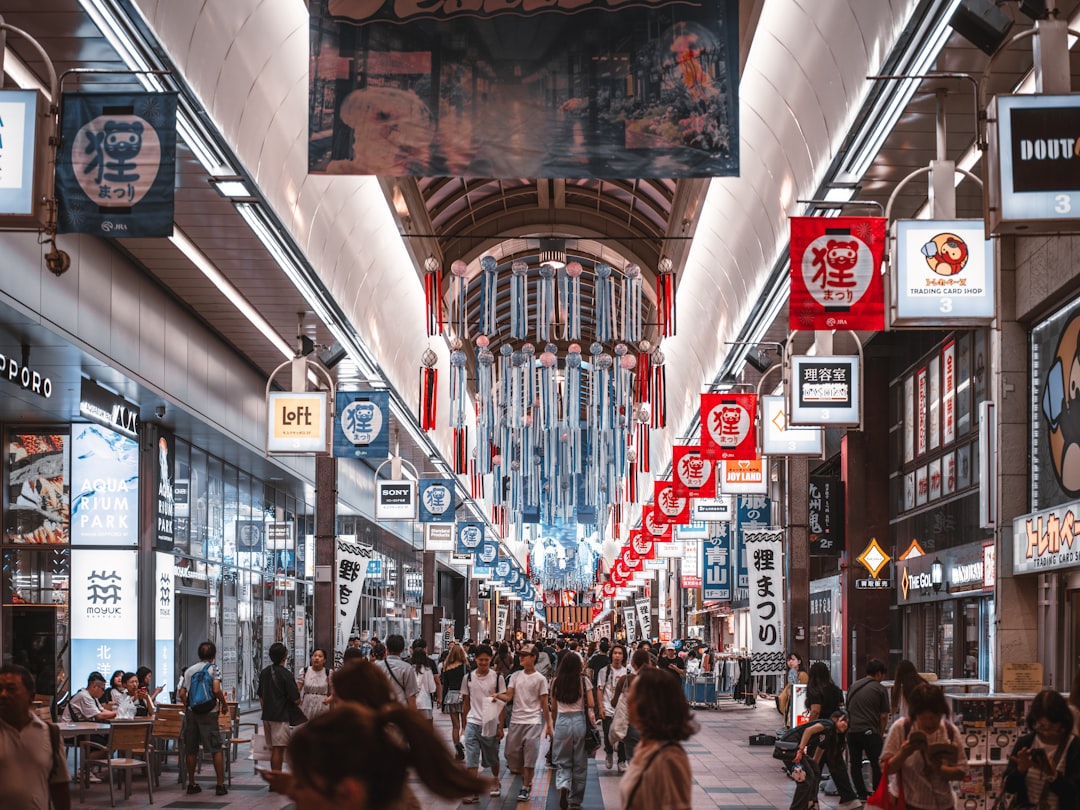
Japanese shotengai — covered shopping streets — run for considerable distances and are dry end to end.
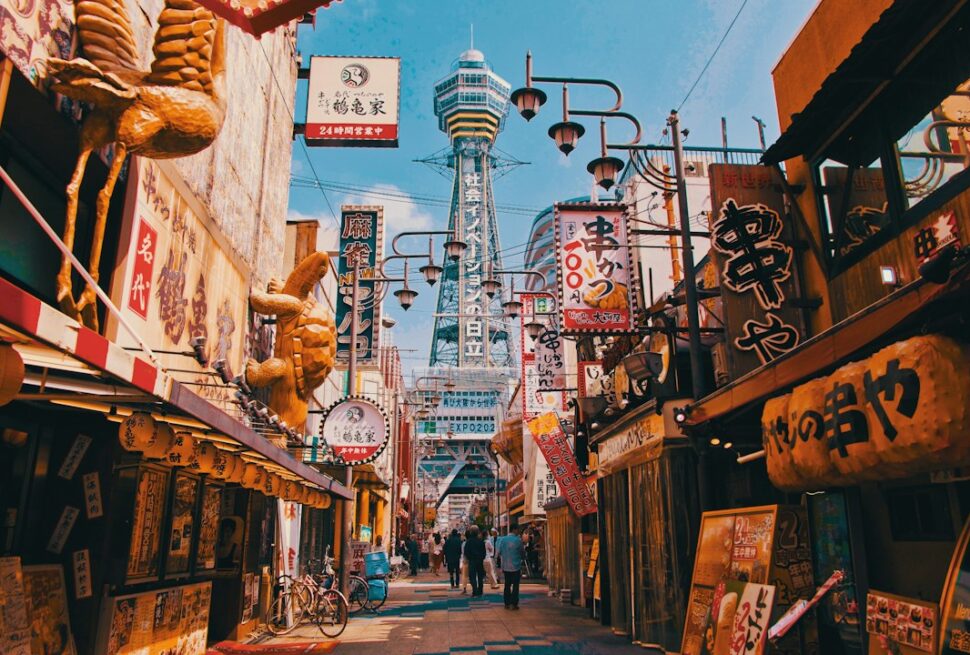
Shinsaibashi-suji and Tenjinbashisuji in Osaka, the latter of which is the longest covered shopping street in Japan at 2.6 kilometres. Nishiki Market and the Teramachi and Shinkyogoku arcades in Kyoto. Sunroad in Kobe.
These are proper local shopping streets rather than tourist attractions and they are a good way to spend a wet afternoon.
Depachika and Underground Cities
Department store basement food halls are worth an hour in any weather. In rain they are perfect.
Beyond that, the underground networks beneath Tokyo, Osaka, Nagoya, and Fukuoka stations connect enormous areas of shopping and dining without surfacing. Osaka’s Umeda underground is a small city.
Museums and Baths
The Tokyo National Museum, the Edo-Tokyo Museum’s successor institutions, the Kyoto National Museum, and the smaller specialist museums are all quiet in June.
Sento and super sento — urban bathhouses — are a genuinely good wet-afternoon option and cost a few hundred yen. Every city has neighbourhood sento, and the larger bathing complexes add saunas and rest areas.
Expert Tip
Book anything with timed entry a week ahead if you are travelling in tsuyu. teamLab, the Ghibli Museum, and popular indoor attractions fill faster on rainy days because every visitor in the city has the same idea at nine in the morning. A slot booked in advance turns a wet day into a plan; a walk-up attempt at midday during a downpour turns it into a queue.
Why June Is Worth It
The case for travelling in the season everyone avoids.
Price
June is genuinely off-peak. Flights, hotels, and ryokan are priced accordingly, and the difference from April or November is substantial.
A ryokan room that costs a certain amount in the autumn colour season costs meaningfully less in June, and the room, the food, and the bath are identical.
Crowds
Fushimi Inari in June is not empty and it is a completely different experience from Fushimi Inari in April. So is Arashiyama, so is Kiyomizudera, so is every popular site in the country.
Japan’s overtourism problem is concentrated in specific weeks. June is not one of them.
Green
The mountains, the rice paddies, and the gardens are at their most saturated. Rice is newly planted and the fields are bright green and full of water, which is one of the defining Japanese landscapes and only exists in early summer.
Cherry blossom lasts a week. This lasts two months and hardly anyone comes for it.
What You Give Up
Fair is fair: humidity, unreliable weather, no cherry blossom, no autumn colour, and the possibility of a genuinely washed-out day.
For a first visit to Japan with two weeks and one chance, April or November remains the better choice. For a second visit, for a longer stay, or for anyone who dislikes crowds more than they dislike rain, June is the value in the calendar.
Japan Rainy Season Travel Tips: Frequently Asked Questions
Does it rain all day every day?
No. A typical June in Tokyo sees rain on roughly a third to a half of days, much of it as showers rather than all-day downpour, and the dominant condition is warm, humid, and overcast. You will have clear days. You will also probably have one or two days of sustained rain, which is what the indoor list is for. The rainy season is a front sitting over the country rather than a monsoon, and travelers who arrive expecting continuous rain are usually pleasantly surprised.
What should I pack for June?
Two pairs of shoes so one can dry, in quick-drying or waterproof materials rather than leather or canvas. Light synthetic or linen clothing rather than cotton, because humidity rather than temperature is the problem. A packable rain jacket. A small quick-dry towel. Buy the umbrella when you arrive — Japanese convenience store umbrellas are better and cheaper than anything you would bring. Water repellent spray and cooling wipes are worth picking up at a drugstore on day one.
Where can I dry wet shoes or clothes?
Coin laundries are everywhere in Japan, open late, and have powerful dryers — a load dries in half an hour for a few hundred yen. Most business hotels have a coin laundry on site or a laundry corner with a washer and dryer. For shoes specifically, ask the front desk for newspaper: stuffing wet shoes tightly with paper overnight works remarkably well, and hotels will supply it without comment because everybody does this in June. Some hotels have shoe dryers. Bathroom heated towel rails and the bathroom’s ventilation drying function, common in Japanese hotels, will dry clothes overnight if you hang them there.
Related Tours
Conclusion
Buy a clear vinyl umbrella at the first convenience store you pass, bring a second pair of shoes, and plan the trip around hydrangeas and moss gardens rather than around avoiding the weather.
And if the rain is genuinely the problem rather than the price, fly to Hokkaido. It has no rainy season, June there is one of the best months anywhere in Japan, and it is ninety minutes from Tokyo.
Plan Your Japan Trip with Local Experts
Our team has guided 40,000+ travelers across Japan. Tell us about your trip and we’ll get back to you within 24 hours.