In this article:
- The Trains
- Five Minutes Early
- Delay Certificates
- What Lateness Means
- Where It Applies to You
- Japan Punctuality Culture: Frequently Asked Questions
Introduction
In 2017 a Japanese railway operator published an apology after one of its trains left a station twenty seconds ahead of the timetable. News outlets around the world reported it as a curiosity, slightly missing the point.
The apology was not about twenty seconds of inconvenience. It was about a system in which the timetable is a promise, several million people plan their morning against it to the minute, and a train that leaves early has broken something.
That is the useful frame for a visitor. Japanese punctuality is not fussiness. It is a shared piece of infrastructure that only works because everybody upholds it, and participating in it is one of the easier courtesies available.
The Trains
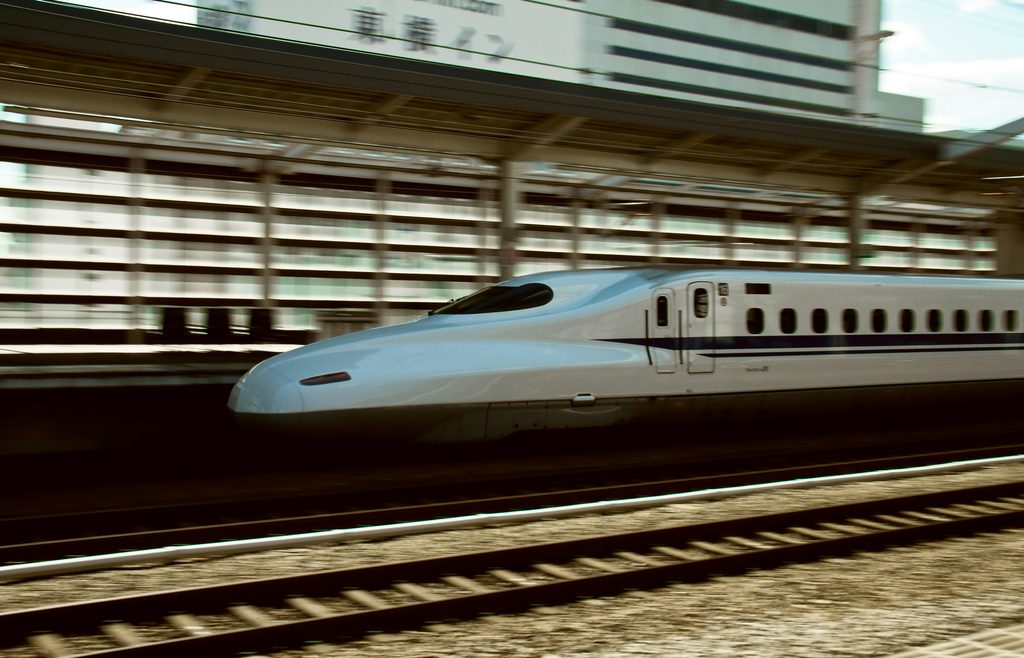
The most visible expression of it, and the statistics are genuinely remarkable.
The Numbers
The Tokaido Shinkansen’s average delay per train, measured across a full year and including delays caused by typhoons, earthquakes, and snow, is well under a minute.
That figure covers hundreds of trains a day carrying hundreds of thousands of passengers, on a line that has never had a passenger fatality from a derailment or collision in sixty years of operation.
Local and commuter lines run to the same standard, in a network moving many millions of people daily through stations with trains departing every two minutes at peak.
How It Is Done
Railway operators build timetables to the second, calculate station dwell times precisely, and train drivers to meet them. Platform staff manage boarding so doors close on schedule.
Cleaning crews turn a Shinkansen around in seven minutes — a choreographed operation, performed by teams who bow to the train as it arrives, and which is itself a minor tourist attraction at Tokyo Station.
Passengers do their part: queueing at the marked positions on the platform, boarding briskly, standing clear of doors.
When It Fails
It does fail, and understanding why is useful.
Personal injury incidents on the tracks are the most common cause of significant delay in urban Japan, and they can suspend a line for an hour or more.
Weather is the other. Since 2018 the railways have used planned suspensions — announcing a day or more in advance that services will stop ahead of a typhoon, rather than running until conditions become dangerous. This is a deliberate policy and a sensible one, and it means a typhoon can cancel your Shinkansen the day before it arrives.
Snow, earthquakes, and strong winds have similar effects. Check the operator’s live status page in bad weather.
Expert Tip
Find your carriage number and stand at the marked position on the platform before the train arrives. Shinkansen platforms have numbers painted on the ground corresponding to carriage doors, and a reserved seat in car 9 means standing at the mark for car 9. A train stops for two minutes and the doors close on time whether or not you have walked the length of the platform. Travelers who board at the wrong end and then move through with luggage are the single most common cause of their own stress.

Five Minutes Early
Gofun-mae kodo — acting five minutes ahead — is the convention that governs everything outside the railway.
What It Means
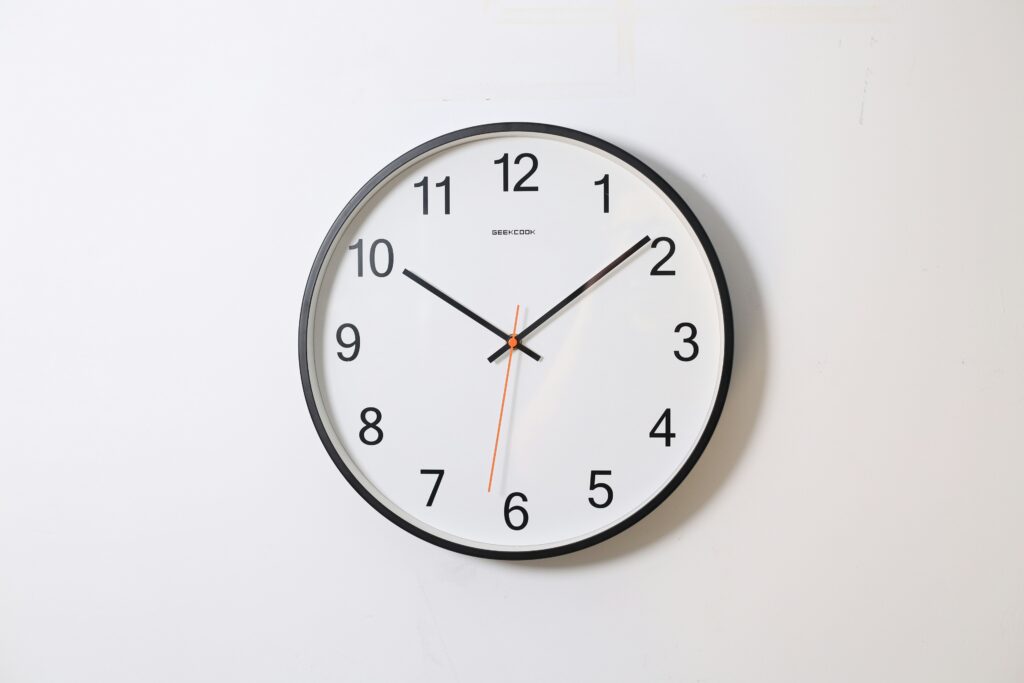
On time means early. For a meeting at ten, you arrive at the building by 9:45, check in at reception by 9:50, and have your materials ready when the clock reaches ten.
Ten o’clock is when the meeting starts, not when you walk through the door. Arriving at 9:59 is technically on time and is read as cutting it fine.
This is taught in schools and reinforced in workplaces. It is not a rule that anybody states out loud, which is why visitors miss it.
In Business
Take it seriously. Arriving late to a first business meeting in Japan does more damage than in most business cultures, and it is difficult to recover from.
The margin should be larger than you think, because Japanese office buildings frequently have reception procedures, visitor passes, and lifts that take time.
If you are running late, telephone rather than email, and do it as soon as you know rather than when you arrive.
Socially
The same convention applies among friends, more loosely. People arrive on time or a couple of minutes early to meet, and a message is sent if that will not happen.
Being ten minutes late without notice to meet a friend registers here in a way it does not in a great many countries.
The notification is the crucial part. Lateness with a message is a minor inconvenience; lateness in silence is the discourtesy.
The Exception
Arriving early at someone’s home is not polite. A host preparing for a dinner at seven is not ready at ten to seven, and turning up early makes them scramble.
For a private home, arrive exactly on time or a very few minutes after. This is the reverse of the business rule and it is the mistake foreign visitors most often make in the other direction.
Delay Certificates
The institution that reveals how seriously this is taken.
What They Are
A chien shomeisho — a delay certificate — is a slip issued by a railway company confirming that a given line was delayed on a given morning by a given number of minutes.
Staff hand them out at ticket gates when a line runs late, in quantity, without being asked.
Commuters take them to work and students take them to school as documentary proof that the lateness was not theirs.
Why They Exist
Because Japanese employers and schools distinguish sharply between lateness that is your fault and lateness that is not, and the certificate settles the question.
Railway companies also publish delay certificates on their websites, downloadable for any date and line, covering delays over a threshold of a few minutes. You can retrieve one days later.
What It Tells You
Two things. First, that the system’s reliability is high enough for a delay to be an event requiring documentation.
Second, that the social expectation of punctuality is strong enough that people need to prove they were not at fault. That combination is unusual and it is the whole culture in one piece of paper.
What Lateness Means
The underlying logic, which makes the rest of it coherent.

Time as Shared Property
The reasoning is not efficiency. It is that being late imposes your disorganisation onto other people, who now wait — and imposing on others is the thing Japanese social norms are most concerned with.
Ten people waiting ten minutes is a hundred minutes of other people’s lives spent on your behalf. Framed that way, the strictness makes sense.
This is the same principle that underlies queueing, keeping your voice down on a train, and not eating while walking.
The Notification
Because lateness is an imposition, the remedy is information: tell people immediately so they can adjust.
A message saying you will be seven minutes late is expected and largely absolves the delay. Silence does not.
This is genuinely the most actionable thing in this article. If you are going to be late for anything in Japan, send a message the moment you know.
Restaurant Reservations
Restaurants hold a booking for ten to fifteen minutes and then release the table. High-end places may charge a cancellation fee, and some counter restaurants operate a strict no-show policy that will bar you from returning.
At a small counter restaurant with eight seats and one chef, a no-show is a meaningful financial loss. This is why the reaction is disproportionate to what you might expect.
If you are running late, call. Every restaurant will hold the table if they know.
Expert Tip
Screenshot your reservation details, including the restaurant’s phone number, before you leave your hotel. When you are late in Japan the correct action is to telephone immediately, and searching for a restaurant’s number on a phone with poor signal in a taxi is exactly when you will fail to find it. Have the number ready and the call takes twenty seconds — after which the table is held and the problem has gone away.

Where It Applies to You
Five situations where a visitor’s punctuality actually matters.
Trains
Be on the platform before the departure time, at your carriage marker. The doors close to the second and the train leaves without you.
Reserved seats are for a specific train, not a specific route. Missing it means buying again or travelling non-reserved on a later service.
Tours and Pickups
Coaches and guided tours leave at the stated time. Being five minutes late means being left.
This is not harshness; it is the same principle as the trains, and the other fourteen people on the coach are why.
Arrive ten minutes early to a pickup point and confirm you are in the right place.
Timed-Entry Attractions
teamLab, the Ghibli Museum, the Nintendo Museum, and an increasing number of popular sites admit by timed slot, and the slots are enforced.
Arriving after your window may mean not being admitted at all, with no refund. Arriving far ahead may mean waiting outside.
Aim for five to ten minutes before the slot opens.
Restaurants and Ryokan
Dinner at a ryokan is served at a fixed time you chose at check-in, and the kitchen has prepared a multi-course meal to arrive at that moment. Being late genuinely disrupts it.
Restaurant bookings, as above: call if you are running late.
Meetings and Appointments
Fifteen minutes of margin, phone rather than email if delayed, and the assumption that on time means early.
For anything involving a Japanese company, this is the single most valuable adjustment a foreign visitor can make.

Japan Punctuality Culture: Frequently Asked Questions
What if I am ten minutes late for a restaurant booking?
Call, immediately, the moment you know. Restaurants typically hold a table for ten to fifteen minutes before releasing it, and a phone call resolves the situation entirely — they will hold it and thank you for telling them. If you cannot speak Japanese, have your hotel concierge call, or use a translation app; even a halting attempt is received well. What causes a problem is silence, because a small restaurant with a handful of seats has no way to fill the table. If you are not going to make it at all, cancel rather than simply not appearing.
Why do Japanese trains sometimes run late anyway?
Three main causes. Personal injury incidents on the tracks, which suspend a line for an hour or more and are the most common significant delay in urban areas. Weather — typhoons, heavy snow, high winds, and earthquakes — where since 2018 operators have used planned suspensions, announcing cancellations a day in advance rather than running into dangerous conditions. And occasional equipment or signal faults. The system is extraordinarily reliable and it is not magic; in a typhoon it stops, deliberately and with warning. Check the operator’s live status page in bad weather rather than assuming your train will run.
Is arriving exactly on time rude for a dinner at someone’s home?
Exactly on time is fine, and early is not. This is the reverse of the business rule and it catches people out. A host preparing dinner for seven o’clock is still preparing at ten to seven, and an early guest forces them to stop and receive you. Arrive at the stated time or within a very few minutes after it. Bring a small gift, take your shoes off at the entrance, and if you are going to be genuinely late, send a message.
Related Tours



Conclusion
Add fifteen minutes of margin to everything and send a message the moment you know you will be late. Those two habits cover every situation in this article and they are the whole of what is expected of a visitor.
The underlying idea is worth taking home as well. Japanese punctuality is not about the clock, it is about not spending other people’s time without their permission — and once you see it that way, standing on the marked spot on the platform two minutes early stops feeling like a rule and starts feeling like the obvious thing to do.
Plan Your Japan Trip with Local Experts
Our team has guided 40,000+ travelers across Japan. Tell us about your trip and we’ll get back to you within 24 hours.