In this article:
- Getting to Lake Toya From Sapporo
- Mount Usu and a Landscape Still Being Made
- On the Water and Along the Shore
- When to Go and How Long to Stay
- Lake Toya: Frequently Asked Questions
Introduction
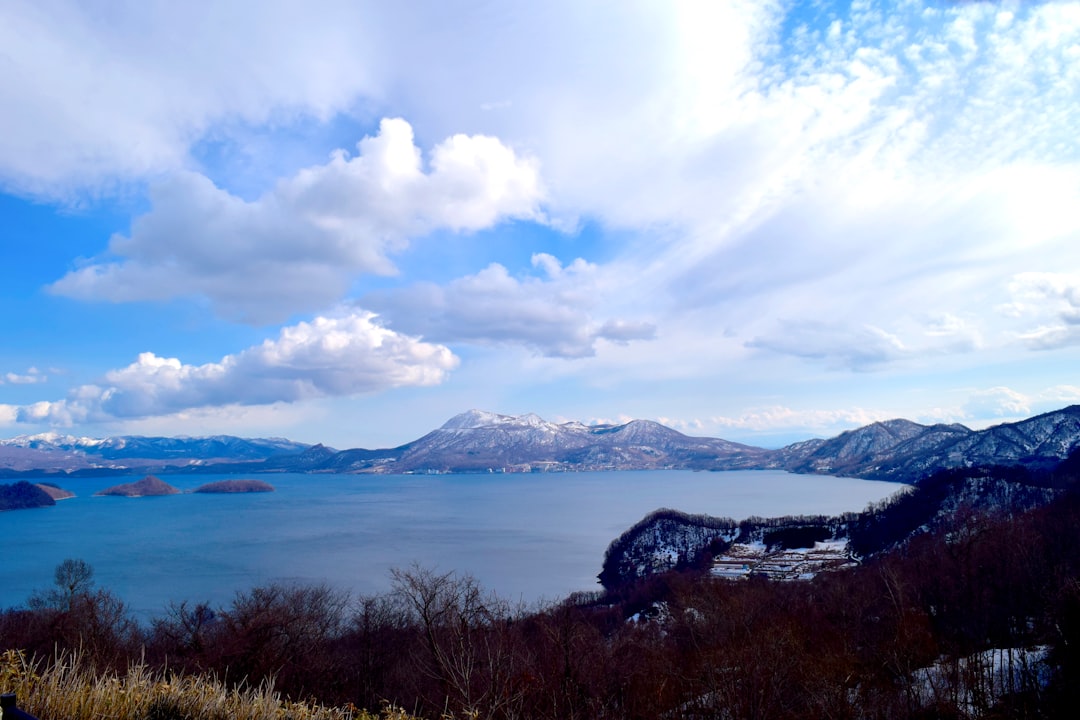
Lake Toya looks calm from the shore, which is misleading. The water fills a volcanic caldera, a cluster of wooded islands sits in the middle of it, and on the southern rim Mount Usu is still active. It last erupted in 2000, and the damage is still there to walk through.
That combination is what sets it apart from the other lakes in Hokkaido. You can stand at a ropeway observation deck looking into a steaming crater basin in the afternoon, and by evening be sitting in a lakeside bath while fireworks go up over the water. Few places in Japan put geology this close to the surface of an ordinary holiday.
For travelers building a route through Hokkaido, Lake Toya is the natural stop between Sapporo and the south of the island. We think it deserves a night rather than a rushed day, and the rest of this guide explains why.
Getting to Lake Toya From Sapporo
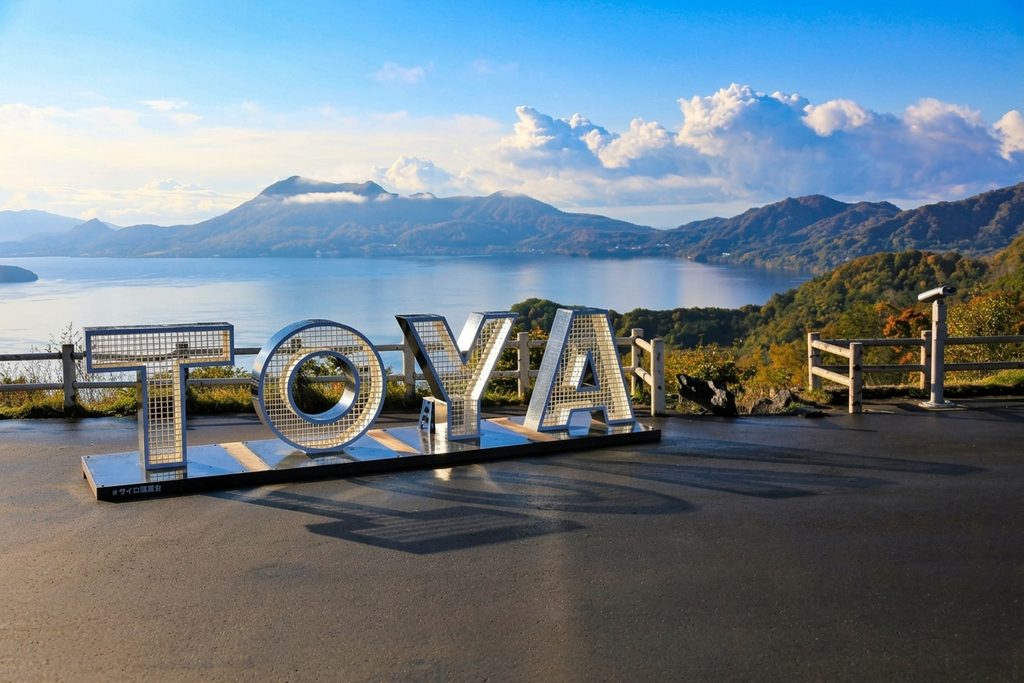
The lake sits southwest of Sapporo and New Chitose Airport, inside Shikotsu-Toya National Park. Getting there is simple. Getting around once you arrive is the part that needs planning.
Train and Bus: The Hokuto to Toya Station
The Limited Express Hokuto runs from Sapporo to JR Toya Station in about two hours, and the Japan Rail Pass covers it. Toya Station is not on the lake, though. From there, a local Donan Bus climbs to the Toyako Onsen bus terminal in around fifteen minutes, running roughly once an hour.
A direct highway bus also runs from Sapporo to Toyako Onsen. It takes longer, close to three hours, but it drops you in the hot spring town itself with no change. With heavy luggage, that can be the more comfortable option.
Driving: Why a Rental Car Changes the Trip
Buses around the lake are infrequent, and there is no public transport link to nearby Lake Shikotsu. That shapes what you can realistically do in a day. By car, the drive from Sapporo is roughly two hours, and the road over the mountains is part of the experience.
We recommend a car for most travelers who want to see more than the onsen town. It lets you reach the crater trails early, stop at viewpoints on the far shore, and continue south without checking a timetable. If you are coming from the United States, read our guide to driving in Japan with a US license before you book, because the permit rules are specific.
Where Lake Toya Fits in a Hokkaido Loop
Most itineraries that include the lake follow a loop out of Sapporo: Otaru or Niseko to the west, Lake Toya, then Noboribetsu, and back toward New Chitose for the flight out. The lake also sits on the rail line between Sapporo and Hakodate, so it works as an overnight break on that longer journey.
Our Hokkaido travel playbook covers the wider island. For the loop itself, the one piece of advice we repeat is to leave Sapporo’s own day for the beginning or end of the trip, not squeezed between drives.
Mount Usu and a Landscape Still Being Made
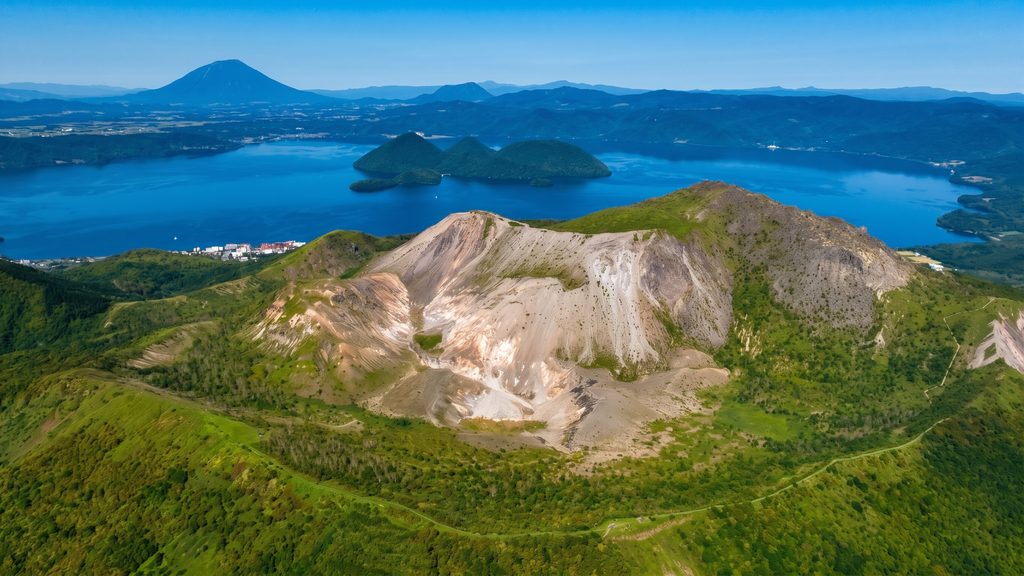
Mount Usu is the reason to come. Much of what people call scenery at Lake Toya is really the aftermath of eruptions within living memory.
The Usuzan Ropeway: The Lake, the Crater, and the Pacific
The Usuzan Ropeway runs from the foot of the mountain to observation decks near the summit in about six minutes. From the top you look back over the full width of Lake Toya, down onto Showa Shinzan, and on a clear day out to the Pacific. A further deck overlooks the Usu crater basin, which is the view most visitors remember.
A round trip costs ¥2,000 for adults. Cars leave every fifteen minutes, but the last descent moves earlier as the year goes on, from 5:45pm in summer to 4:30pm from mid-October. In autumn, go up in the morning. The light over the lake is cleaner, and you are not racing the final car.
Showa Shinzan and the Postmaster Who Measured It
Showa Shinzan, the reddish lava dome at the base of the ropeway, did not exist before the Second World War. At the end of 1943, earthquakes began lifting a wheat field, and over the following two years it grew into a mountain.
Wartime authorities kept the event quiet. Masao Mimatsu, the local postmaster in Sobetsu, recorded it anyway, measuring the dome’s height and sketching its growth. His chart, known as the Mimatsu Diagram, was later praised by volcanologists at an international conference in 1948.
The small memorial hall at the foot of the dome displays his records and photographs. Most visitors walk past it on the way to the ropeway. We think it is the most human story at the lake, and worth twenty minutes.
Walking Through the 2000 Eruption: Konpira and Nishiyama Trails
In the spring of 2000, dozens of new craters opened on the western flank of Mount Usu, a short distance above the onsen town. Two free walking trails now run through that ground. They are the most affecting thing to do at Lake Toya.
The Konpira trail starts near the Toyako Visitor Center and takes about forty minutes one way, passing two of the largest craters and the erosion-control dams built afterward. The Nishiyama trail goes further in, past a collapsed road, a ruined apartment block, and a destroyed bathhouse that have been left as they fell. Nothing here is staged. That is why it works.
Both trails close from early November to mid-April. In summer, walk them in the morning before the day warms up, since there is little shade.
Expert Tip
Do the crater trails and the ropeway on the same day, in that order. The trails show you the eruption at ground level, and the view from the Usu summit afterward puts the craters, the town, and the lake into one frame. Seen the other way round, the summit is a pleasant view; seen after the trails, it reads as a map of what happened.
On the Water and Along the Shore
Once you have seen the volcano, the lake itself asks for less effort. Still, two things on the water are worth planning around.
The Nakajima Cruise
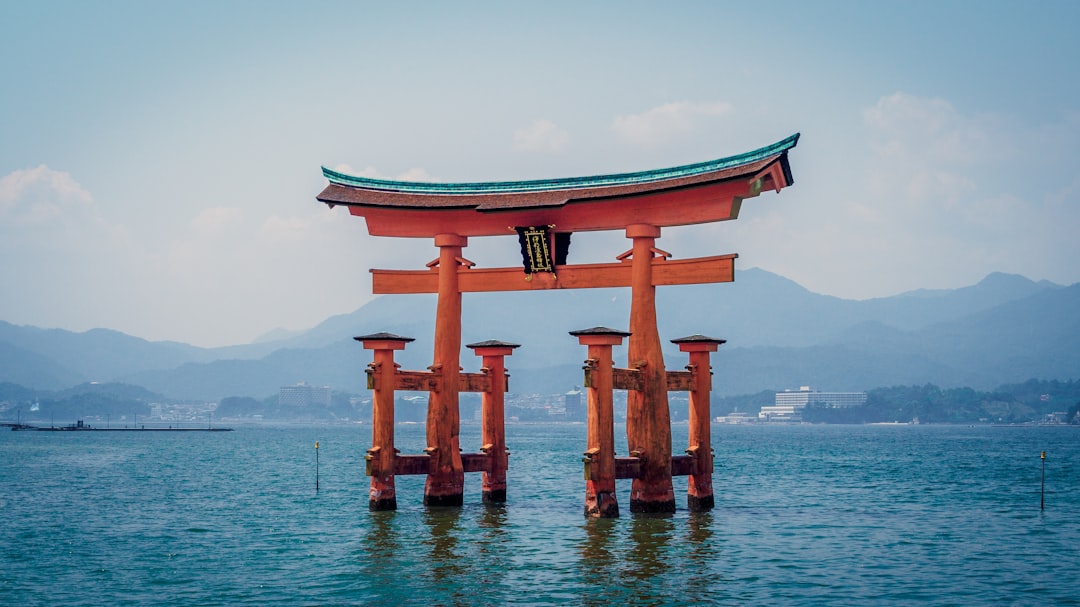
Toyako Kisen runs sightseeing boats from the onsen town out to Nakajima, the group of forested islands in the middle of the lake. The basic loop takes around fifty minutes. From late April to the end of October, you can also land on the main island and catch a later boat back.
Most passengers spend the loop watching the shore. However, the water is the point. Lake Toya is known as one of the clearest lakes in Japan, and it is also said to be the northernmost lake in the country that does not ice over in winter.
The Long Run Fireworks: Twenty Minutes, Every Night
From late April to the end of October, fireworks go up over the lake every night from 8:45pm to 9:05pm, unless the weather is bad. The display is set off along the Toyako Onsen shore, so the hotels along that shore have the best seats. Watching from the lakeside promenade is free.
In season, Toyako Kisen also runs a fireworks cruise that leaves shortly before the display starts. We prefer the view from the shore, or from a room facing the lake. It is quieter, and you can go back to the bath afterward.
This is the practical reason not to treat Lake Toya as a day trip. At 9:05pm the last reasonable connection back to Sapporo has long gone.
Toyako Onsen and Staying Above It
Toyako Onsen is the hot spring town on the southern shore. It is functional rather than beautiful, built around large hotels, but many of them have baths looking straight across the water to Nakajima. If you are new to public bathing, our onsen etiquette guide covers what to expect.
For a quieter stay, look above the lake. The Windsor Hotel Toya sits on a ridge overlooking both the lake and the sea, and hosted the G8 summit in 2008. A handful of smaller resorts on the north and east shores also trade the town’s convenience for stillness.
When to Go and How Long to Stay
Lake Toya has no bad season. Each one changes what you can do there.
Season by Season
From late April through October, everything is open: the crater trails, the landing on Nakajima, and the nightly fireworks. Summer is the busiest time. Late September and October are, in our view, the best balance, with cooler air, autumn color on the caldera walls, and the fireworks still running.
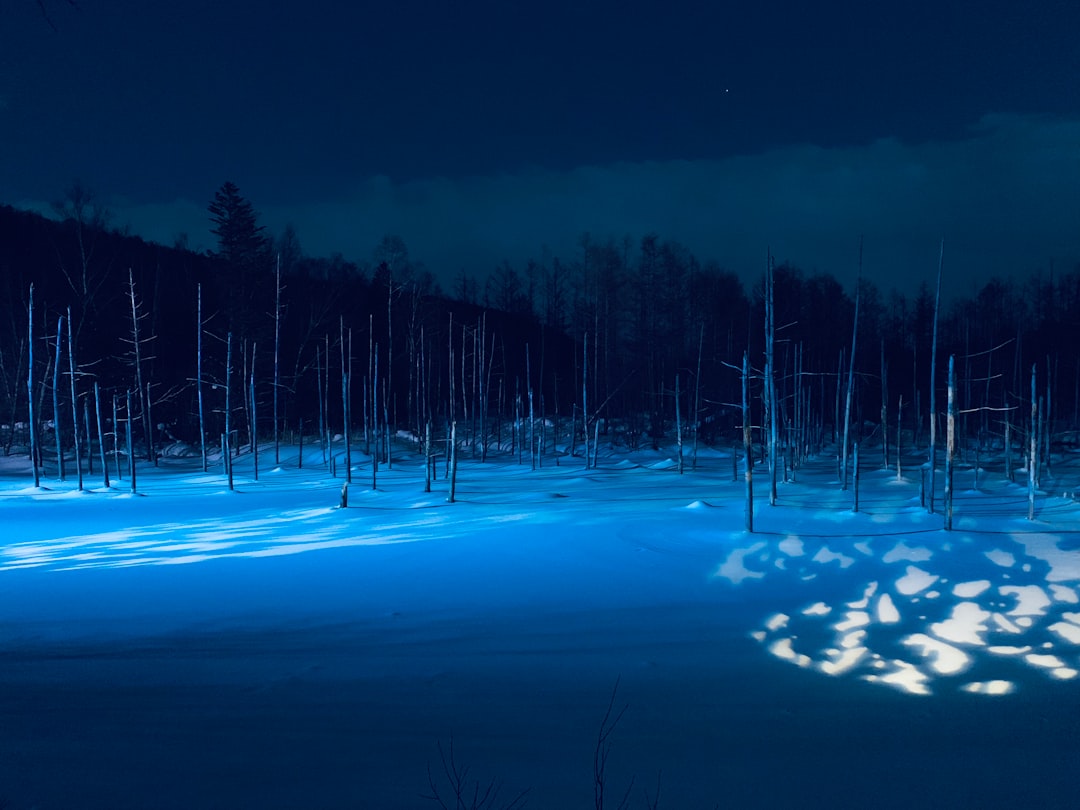
Winter is a different trip. The crater trails close, the fireworks season ends, and the ropeway runs shorter hours. That said, the lake stays open water while snow covers the rim around it, and a hot bath on a snowy evening is its own argument for going. Roads can ice over, so drive only with winter experience.
One Night or Two
One night covers the essentials: arrive by early afternoon, walk the crater trails, take the ropeway, bathe, and watch the fireworks. Two nights let you add the cruise, a slow drive around the lake, and a morning without an alarm.
Pair it with a day in Sapporo either side. Our private Sapporo tour starts at Sapporo Station’s North Square and runs about four hours, covering stops like Hokkaido Shrine, the Sapporo Beer Museum, and the Mount Moiwa ropeway. It is an easy way to see the city before or after the lake, without spending your own time on logistics.
Expert Tip
Book a lake-facing room and choose the side of the building before you choose the hotel. At Toyako Onsen, the fireworks go up along the shore in front of the town, and a room facing the water turns them into something you watch from the window rather than a crowd you join. In peak summer, these rooms go first.
Lake Toya: Frequently Asked Questions
How long does it take to get from Sapporo to Lake Toya?
About two hours by car or by the Limited Express Hokuto to Toya Station, plus a fifteen-minute bus ride from the station to the onsen town. The direct highway bus from Sapporo takes close to three hours but needs no change.
Does Lake Toya freeze in winter?
No. Lake Toya is said to be the northernmost lake in Japan that stays unfrozen through winter, a claim it shares with nearby Lake Shikotsu. The sightseeing boats keep running in winter on a reduced schedule, although landing on Nakajima is limited to the warmer months.
Can I visit Lake Toya as a day trip from Sapporo?
You can, but we would not. Around four hours of round-trip travel leaves little time for the crater trails and the ropeway, and you miss the fireworks, which start at 8:45pm. If a day trip is the only option, drive, go straight to Mount Usu, and skip the town.
Related Tours
Conclusion
Lake Toya rewards the traveler who stays the night. The volcano is best seen in daylight, on foot and from the ropeway, and the lake is best seen after dark, from a bath or a window, while the fireworks go up over the water.
Plan your arrival for early afternoon, walk the crater trails before the ropeway, and book a lake-facing room. If you are visiting in winter, check which trails and services are open before you set the route, and give the drive over the mountains extra time.
Plan Your Japan Trip with Local Experts
Our team has guided 40,000+ travelers across Japan. Tell us about your trip and we’ll get back to you within 24 hours.