In this article:
- A Firebreak That Became a Park
- Odori Park Through the Year
- The Snow Festival at Odori
- Walking Odori Park Well
- Odori Park: Frequently Asked Questions
Introduction
Most city parks are somewhere you go. Odori Park is something you keep crossing.
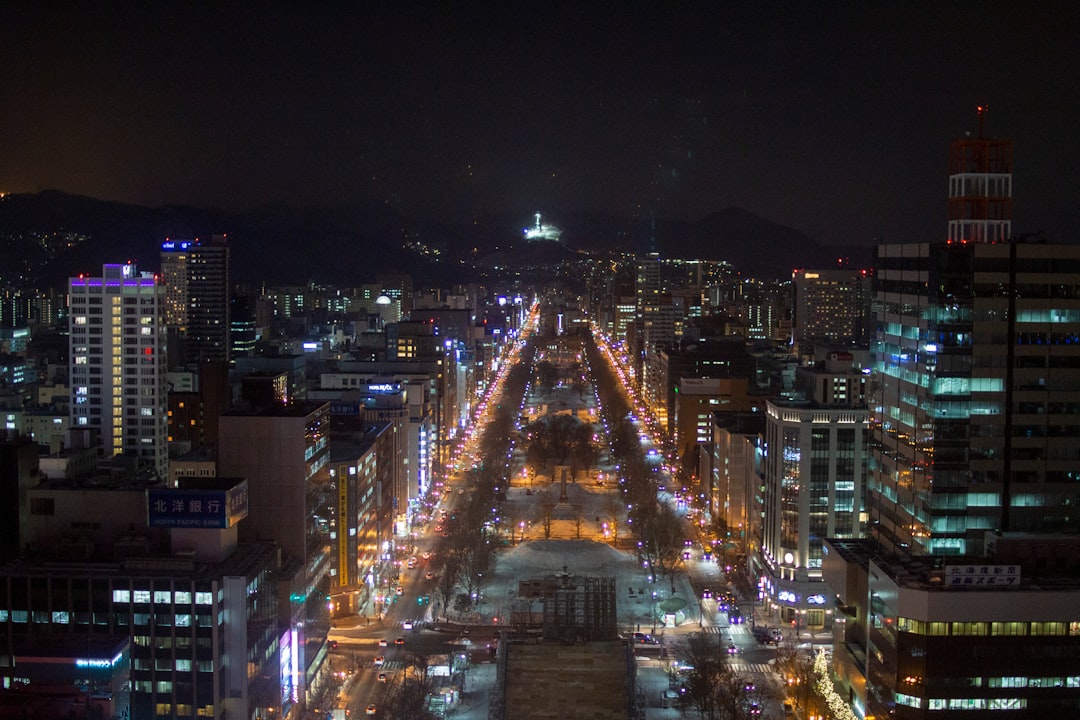
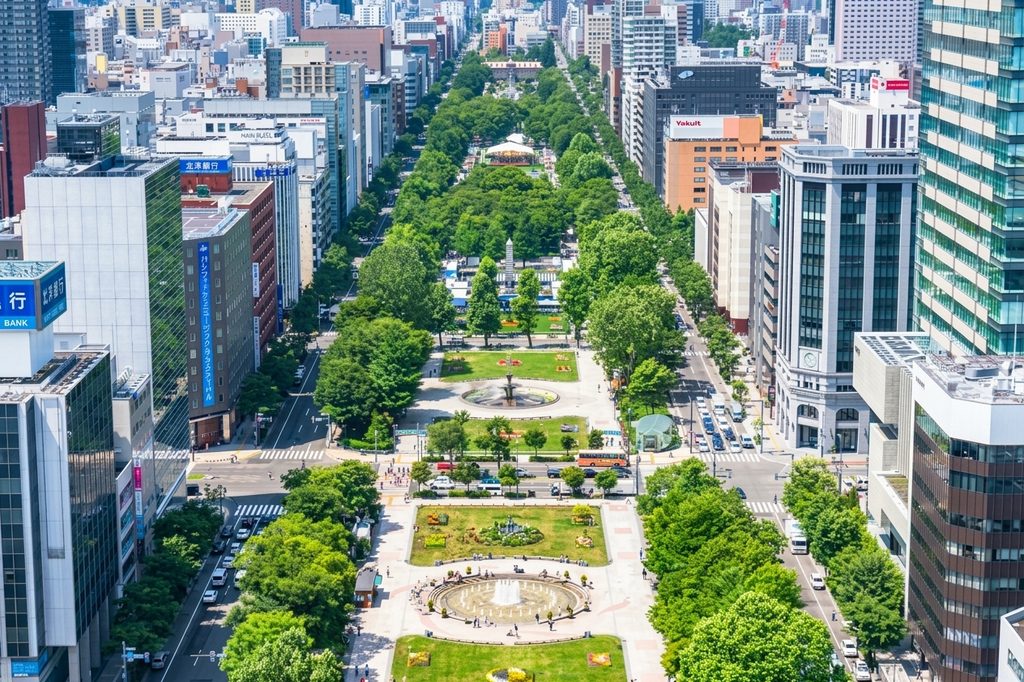
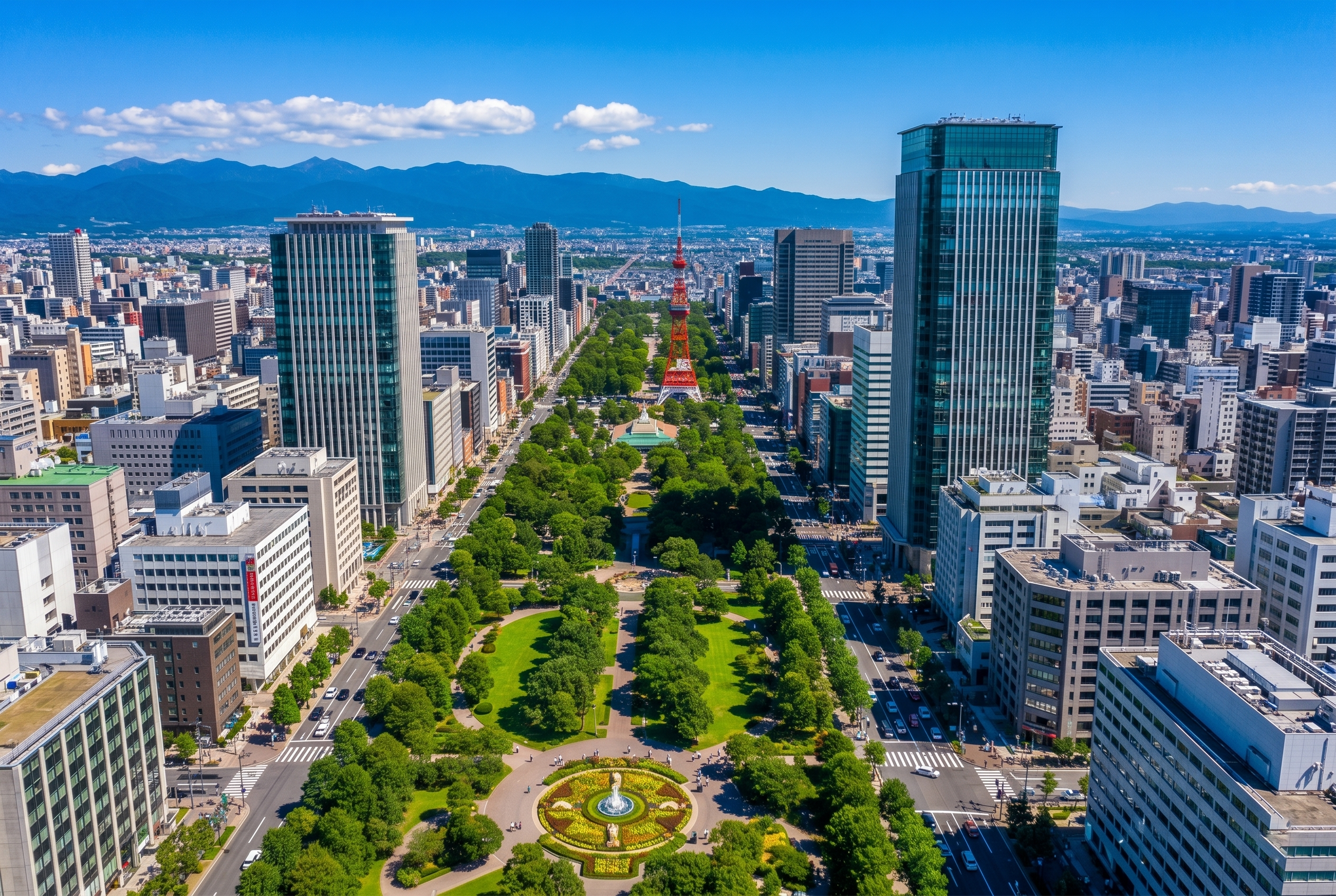
It runs east to west through the middle of Sapporo for about a kilometre and a half. It is a long band of grass, flowerbeds, and fountains between two lanes of traffic. The TV Tower stands at one end. The old court building, which now houses the city archive museum, stands at the other end. Every north-south street downtown has to pass through it. If you spend two days in Sapporo, you will walk across Odori a dozen times whether you plan to or not.
That is why it rewards a little understanding. You should know why the park exists and how the city numbers its blocks. It is also helpful to know what event organizers set up on it in the month you visit. Understanding these details turns a pleasant strip of green into the clearest explanation of how planners built this city. It also tells you whether you are arriving in beer garden season, festival season, or the quiet weeks in between. This changes the experience more than the weather does.
A Firebreak That Became a Park
Odori began as a gap, not a garden.
Why a Wide Strip Runs Through the Grid
Sapporo was planned on paper from 1869, when the new Meiji government set out to develop Hokkaido. In 1871, the planners cleared a broad strip of land across the new town as a firebreak. This strip separated the government district to the north from the residential and commercial streets to the south. Wooden towns burned easily, and a wide empty band was the cheapest defence available.
The name came a decade later. Officials briefly gave the street a different official name. However, that name never caught on. In 1881, they renamed it Odori, which means “large street”. Over the following decades, workers planted the empty ground, laid paths, and turned it into the park you see now.
In practice this history is still visible. Look north from the middle of the park. You will see more institutional buildings. Look south and you will face Tanuki-koji and Susukino. These are the main shopping and nightlife districts. The line the planners drew in 1871 still sorts the city.
Reading the Blocks: Nishi 1-chome to Nishi 13-chome
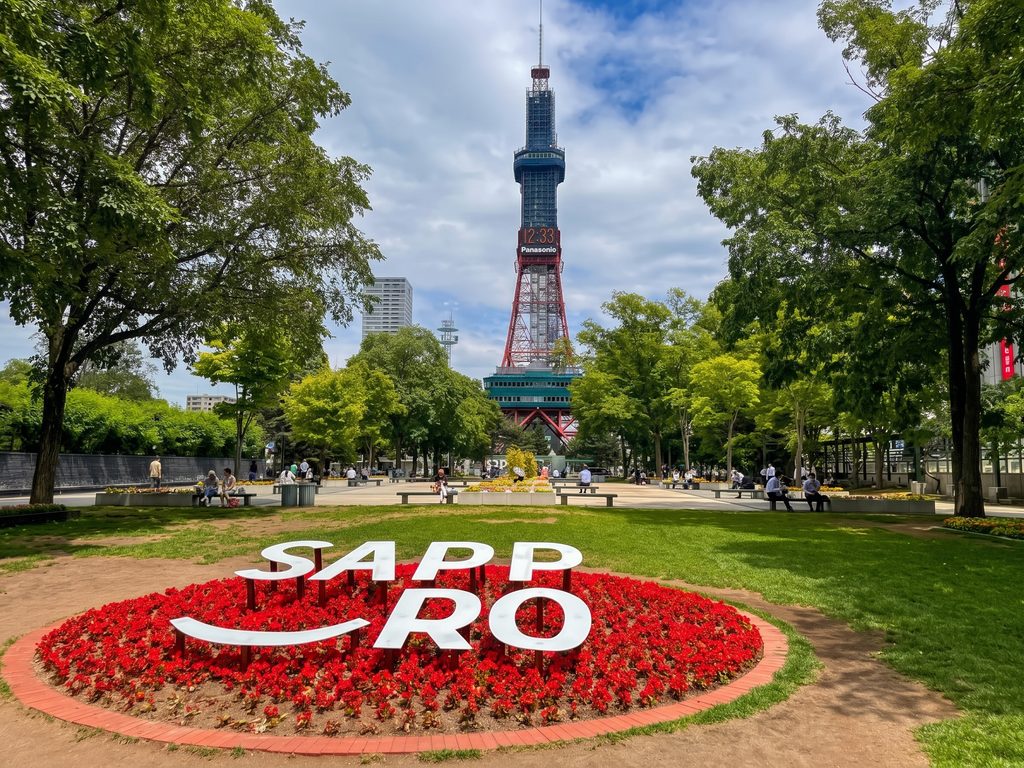
Sapporo addresses are coordinates, and Odori is the zero line for north and south. Blocks are numbered westward from the TV Tower. Odori Nishi 1-chome is at the eastern end. Nishi 13-chome is at the western end. Once you know this, event listings and meeting points stop being cryptic. “Odori 5-chome” means five blocks west of the tower.
Each block is a self-contained section, divided from the next by a cross street with traffic lights. Walking the full length takes about twenty minutes without stopping, closer to forty with pauses. Most visitors only see the first five or six blocks near the station and the TV Tower, which is a mistake in our view. The western half is quieter, greener, and where the more interesting details sit.
What to Look For Along the Way
The park holds around 4,700 trees of more than ninety species, and the lilac, Sapporo’s official tree, is the one to notice. Fountains run through the central blocks in the warmer months, and the flowerbeds change with the season.
At Nishi 8-chome stands Black Slide Mantra, a spiralling black granite sculpture by Isamu Noguchi. It is a working slide, and children use it constantly. That is the point: Noguchi designed it to be climbed on, not admired from behind a rope, and watching a queue of small children polish it with their trousers is a better introduction to his work than most galleries offer.
The western end finishes at the Sapporo City Archive Museum, a stone building that served as a court of appeals. Few tourists walk that far. Those who do find the most peaceful block in the park.
Expert Tip
Walk Odori from west to east in the late afternoon. You start at the quiet end by the archive museum, the light is behind you, and the TV Tower grows in front of you as you go. By the time you reach Nishi 1-chome the tower’s lights are coming on, and you are two minutes from dinner in Tanuki-koji or a short subway ride from Susukino.
Odori Park Through the Year
The same park looks like a completely different place from one month to the next. Odori is Sapporo’s main events ground, and for large parts of the year several blocks are given over to tents, stages, or snow.
Spring and Early Summer: Lilacs and YOSAKOI
Sapporo’s spring arrives late. Cherry blossoms usually come in early May rather than late March, and the lilacs follow them later in the month. The Sapporo Lilac Festival is held around Odori Park in the second half of May, with music, a wine garden, and roughly four hundred lilac trees in flower at the Odori site. Entry is free.
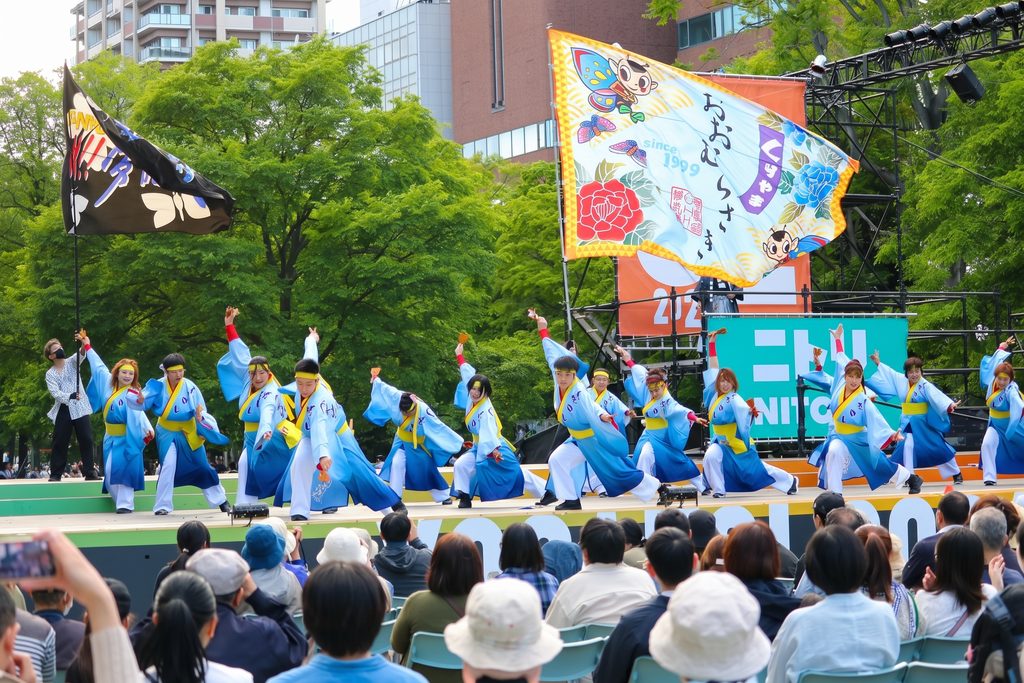
In early June the YOSAKOI Soran Festival takes over the park and the surrounding streets. Teams from across Japan perform high-energy choreographed dances built on a Hokkaido fishermen’s work song, holding wooden clappers called naruko. It is loud, colourful, and nothing like a traditional festival. That said, it is a good window into how contemporary Japan celebrates, and we would not dismiss it.
High Summer: The Odori Beer Garden
From late July to mid-August, the western blocks from around Nishi 5-chome to Nishi 11-chome become the Sapporo Odori Beer Garden, with each block run by a different brewery or sponsor. In 2026 it ran from July 23 to August 18.
This is the most Sapporo thing the park does. Office workers arrive straight from work, long tables fill by six, and the summer evenings in Hokkaido stay mild enough to sit outside for hours. If you are interested in the story behind the brands on the tents, our guide to Japanese beer and its major breweries gives the background.
Autumn: Sapporo Autumn Fest and the Corn Wagons
In September the tents return, this time for the Sapporo Autumn Fest, a food festival built around Hokkaido produce. Stalls sell seafood, ramen, dairy, and local wine and sake across several blocks. The 2026 edition runs from mid-September into early October.
From late April to mid-October, small corn wagons also sell grilled and boiled Hokkaido corn and buttered potatoes near the eastern blocks. It is an unglamorous snack. However, eating a cob of sweet Hokkaido corn on a bench in Odori is one of those small experiences that returning visitors mention more often than the famous ones.
Late Autumn to Christmas: Lights and a Christmas Market
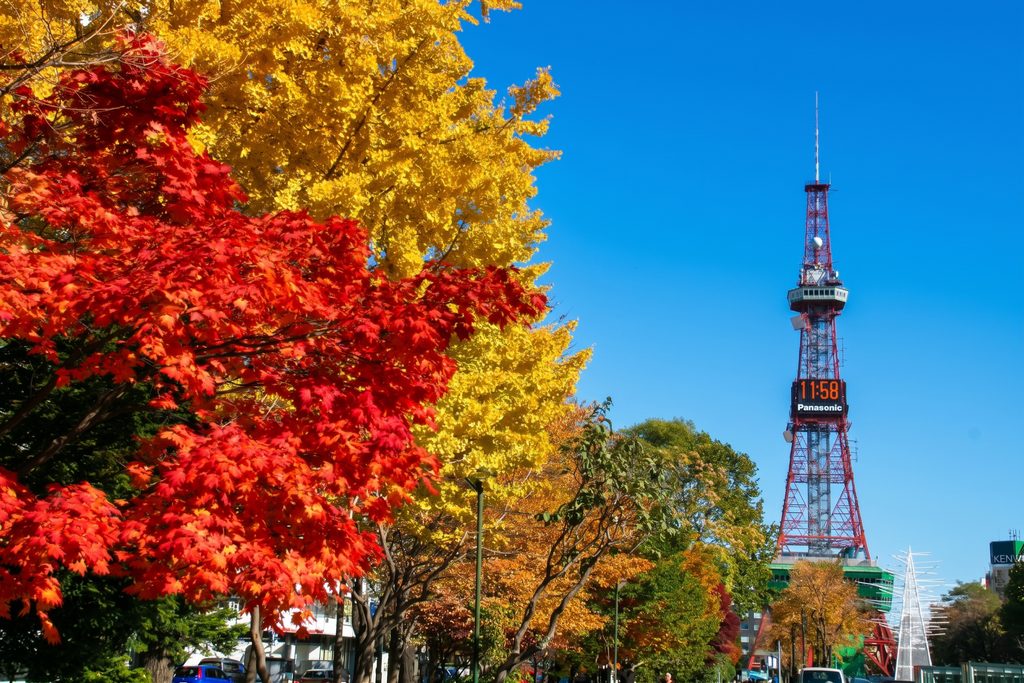
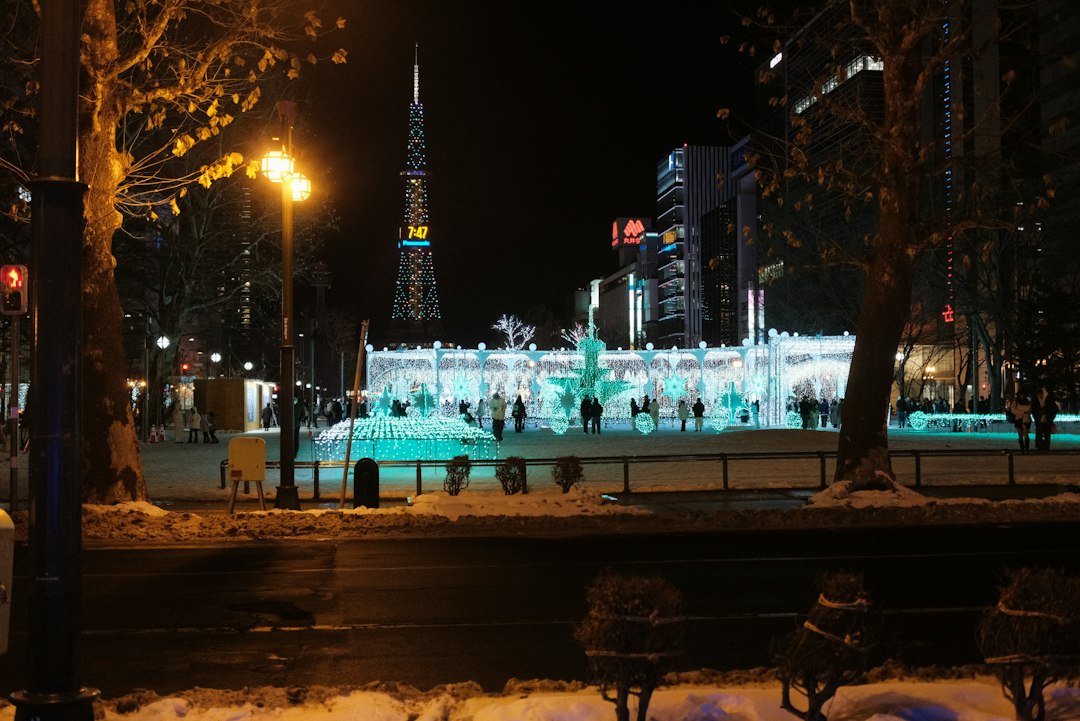
From late November, the Sapporo White Illumination lights up the eastern blocks of the park and several streets around the station. Sapporo describes itself as the city that began Japan’s winter illumination tradition, with the first display in 1981.
Alongside it, the Munich Christmas Market sets up in Nishi 2-chome with German food, hot wine, and ornaments, running until Christmas Day. It is small. Still, with snow on the ground and the TV Tower lit above the stalls, it is a pleasant place to spend an hour before dinner.
The Snow Festival at Odori
For one week in early February, Odori Park is the main site of the Sapporo Snow Festival, and the city’s population is joined by a very large number of visitors.
How the Odori Site Is Laid Out
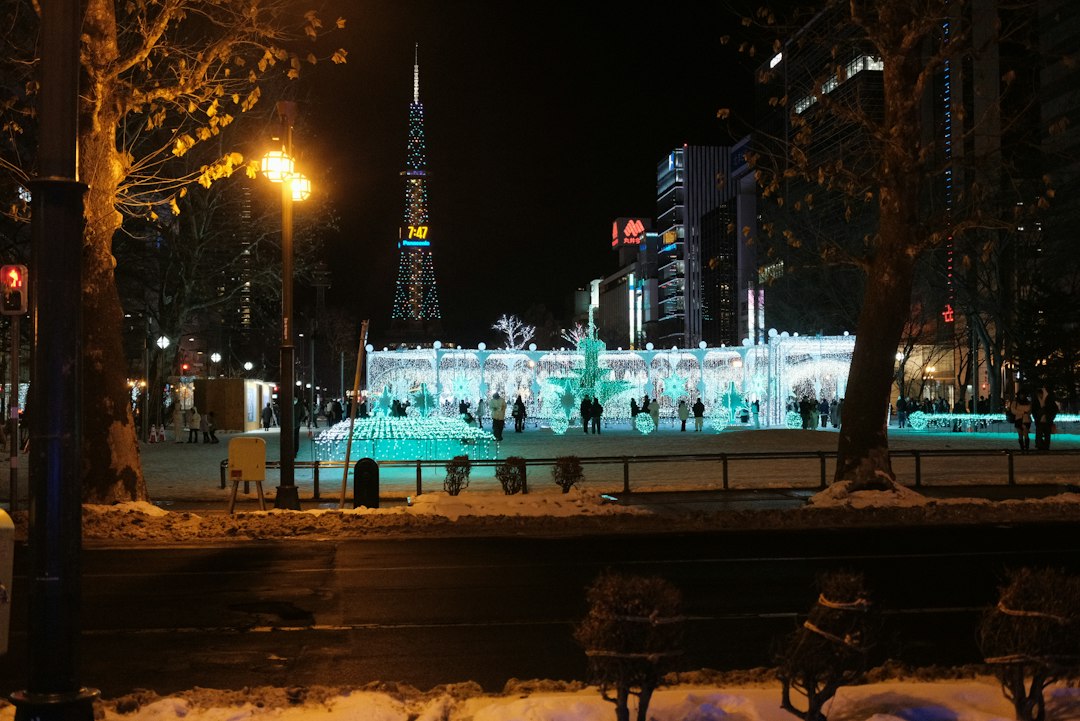
The festival uses the park’s block structure directly. The largest snow sculptures, some well over twenty metres wide, are built in individual blocks, with smaller sculptures, ice carvings, food stalls, and stages filling the blocks between. You walk the park from end to end, and each crossing brings the next sculpture into view.
The festival also has other sites, including the ice sculptures in Susukino. Odori is the one people mean when they picture the festival. The 2027 festival is scheduled for February 4 to 11. For a full breakdown of venues and logistics, see our Sapporo Snow Festival guide.
When to Walk It
The sculptures are lit in the evening until 10pm, and this is when they look best and when the crowds are heaviest. Our advice is to see the park twice. Walk it once in the early morning on a weekday, when the sculptures are sharp and you can stand in front of them without a crowd, and return after dark for the lighting.
The TV Tower observation deck is worth considering during festival week in particular. From above, the sculptures resolve into a sequence along the park, and the scale of the whole event becomes clear in a way it never does at ground level.
Dressing for Ice, and Booking Early
Sapporo in February is cold, and the pavements freeze. Footwear with real grip matters more than any other item of clothing; slips on packed snow are the most common way a winter trip here goes wrong. Warm layers, gloves you can operate a phone in, and a hat are the rest of the list.
Accommodation near Odori and Susukino fills early for festival week and prices rise sharply. If the festival is the reason for your trip, book rooms as soon as your dates are fixed. Our guide to travelling around Hokkaido covers how to build the rest of the island around a Sapporo winter stay.
Walking Odori Park Well
Odori takes almost no planning to enjoy. A little planning, though, makes it the backbone of a very good day in Sapporo.
The TV Tower: Worth It, and When
The Sapporo TV Tower was built in 1957 and stands at the eastern end of the park. Its observation deck sits about ninety metres up, and it is open from 9am to 10pm. Adult admission is ¥1,200.
Is it worth it? In summer, on a clear day, the view straight down the park is the best way to see how neatly Sapporo was laid out. On an ordinary grey afternoon, less so. We would go up at dusk, when the park lights come on below you, or skip it in favour of Mount Moiwa, which gives a far wider view over the whole city and the bay.
Linking Odori to the Rest of Sapporo
Odori sits at the centre of everything a first visit to Sapporo covers. The Clock Tower is a short walk north of Nishi 2-chome. JR Sapporo Station is about ten minutes’ walk north, and Odori subway station, directly beneath the park, is where all three of the city’s subway lines meet.
On our private Sapporo day tour, the guide meets travellers at Sapporo Station’s North Square and usually walks them through the Clock Tower and Odori first. The reason is practical: standing in the middle of Odori with the grid running away in every direction explains the city faster than any museum. From there the day can move west to Hokkaido Shrine in the woods of Maruyama Park, to the Sapporo Beer Museum, or up Mount Moiwa by cable car.
We often suggest finishing on Mount Moiwa after dark. From the top, Odori is visible as a lit band cutting straight across the grid, and after a day spent walking it, that view makes sense in a way it would not have that morning.
The Underground Walkways for Bad-Weather Days
Sapporo has built much of its city centre twice, once at street level and once underground. An underground pedestrian passage connects Sapporo Station to Odori, and shopping arcades run beneath the park itself toward the TV Tower and south toward Susukino.
In January, or on a wet day in any season, you can move between the station, Odori, and Susukino without going outside at all. It is not scenic. It is, however, how residents move around in winter, and it makes a bad-weather day in Sapporo far more manageable than it would be in most cities.
Odori Park: Frequently Asked Questions
How long does it take to walk the whole of Odori Park?
Walking the full 1.5 kilometres from the TV Tower to the archive museum takes around twenty minutes without stopping. With time for the fountains, Black Slide Mantra, and a few photographs, allow forty minutes to an hour. During the Snow Festival or the beer garden, allow considerably longer.
Is Odori Park worth visiting outside the Snow Festival?
Yes. The Snow Festival is the most famous week, but the park is at its most pleasant from late May to early October, when the lilacs, fountains, beer garden, and Autumn Fest follow one another. Even in a quiet week it is the easiest place in Sapporo to understand the layout of the city, and it sits a few minutes from most central hotels.
How do I get to Odori Park from Sapporo Station?
Walk south for about ten minutes along Ekimae-dori, or take the underground passage from the station, which is useful in winter. By subway, Odori Station is one stop from Sapporo Station on the Namboku or Toho lines, and it sits directly beneath the park.
Related Tours
Conclusion
Odori Park is not a place you need to set aside a day for. It is the spine of Sapporo, and it works best when you treat it that way: something to cross, return to, and understand gradually, rather than tick off in a single visit.
Check what is happening on the park in the month you arrive, because that decides whether you find lilacs, beer tents, food stalls, lights, or snow. Then walk it once from end to end, preferably from the quiet western blocks toward the TV Tower late in the day. After that, the rest of Sapporo becomes much easier to read.
Plan Your Japan Trip with Local Experts
Our team has guided 40,000+ travelers across Japan. Tell us about your trip and we’ll get back to you within 24 hours.