In this article:
- The Changing Room
- Washing Before You Get In
- The Small Towel
- In the Water
- Getting Out and What Comes After
- Onsen Etiquette Japan: Frequently Asked Questions

Introduction
There is one rule in a Japanese onsen and everything else is a consequence of it: the bath is for soaking, not for washing, and it is shared.
That single idea explains why you scrub thoroughly before getting in, why no towel touches the water, why long hair is tied up, why nobody swims, and why soap never comes near the tub. The water is not changed between people. It has to stay clean.
Get that and you will not go wrong. Everything below is detail, and the Japanese people around you are considerably more relaxed about a foreign visitor doing this imperfectly than the internet suggests.
The Changing Room
Baths are gender-separated. Red curtain and 女 is women; blue and 男 is men. The curtains are sometimes swapped between morning and evening, so read the character rather than the colour.
Shoes Off
Shoes come off before the changing room, at a shoe rack or lockers at the entrance. Slippers are worn to the threshold and left there.
Never wear outdoor shoes or slippers onto the changing room floor. The threshold is usually a raised step or a change of flooring.
Everything Comes Off
Fully undressed. Swimwear is not worn in a Japanese onsen and wearing one will be corrected.
This is the part that stops most first-time visitors and it is over within about ninety seconds. Nobody looks at you. Public bathing here has been ordinary for centuries and the social convention is complete non-observation.
Underwear, jewellery, watches, and glasses all come off — though glasses may be carried in if you need them to see, and many people do.
Storing Things
Baskets on open shelves, or coin lockers. Fold your clothes and leave them in the basket.
Theft is essentially unheard of. Valuables generally go in a locker at reception before you enter, if one is provided.
Take contact lenses out. Sulphurous water and hot steam are bad for lenses and losing one in a bath is a genuine nuisance.
The Two Towels
You are given or you buy two: a large one for drying, which stays in the changing room, and a small one which you carry into the bathing area.
The small towel does the washing and provides modesty while you walk. It never enters the water.
Expert Tip
Drink a glass of water before you go in and another when you come out, and eat something first if it has been a while. A hot bath at 42 degrees for fifteen minutes is a genuine cardiovascular event — people faint in onsen changing rooms, and the two most common contributing factors are dehydration and an empty stomach. Most facilities have a water fountain or vending machine at the entrance for exactly this reason.
Washing Before You Get In
The single most important part, and where visitors most often go wrong by being too quick.
Kakeyu
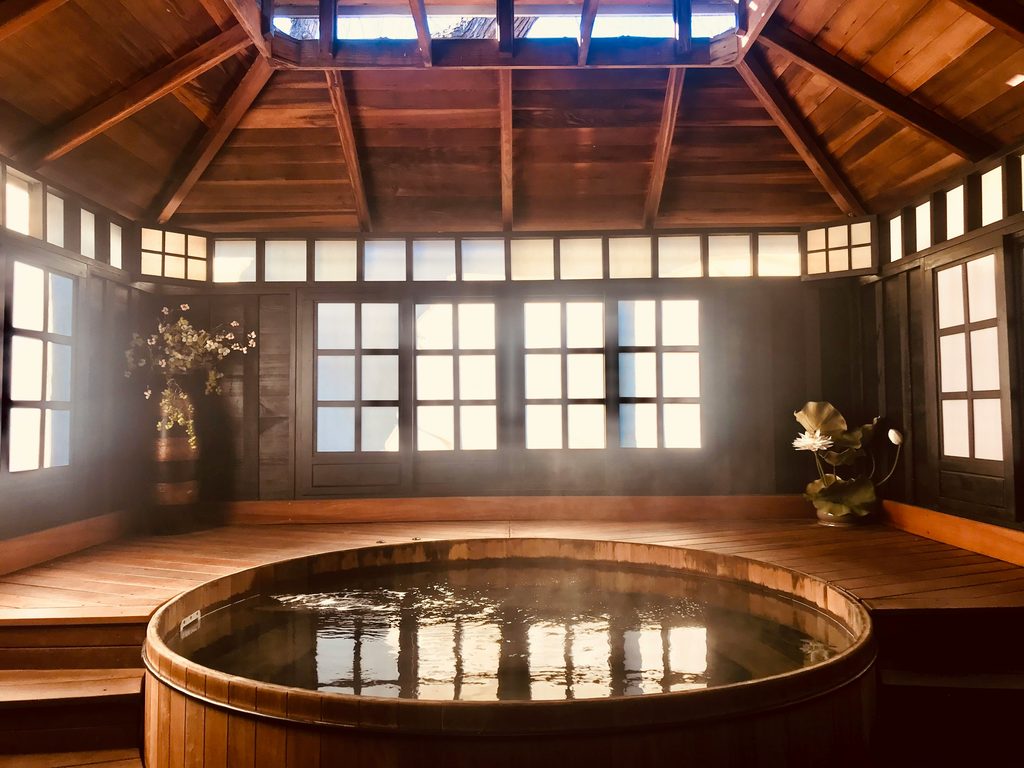
On entering the bathing area, before anything else, rinse yourself with hot water. There is usually a wooden or plastic bucket at the edge of the bath, or a tap by the door.
Pour water over your feet, legs, and body several times. This rinses off the immediate surface and lets your body begin adjusting to the temperature.
Some facilities have a small dedicated kakeyu basin at the entrance for this.
The Wash Station
Rows of low taps with a handheld shower, a mirror, a small plastic stool, and a bowl. Soap and shampoo are usually provided.
Sit on the stool. Do not stand and shower — the water splashes onto the people either side of you, and the stools exist for this reason.
Wash thoroughly and completely. This is a proper wash, not a rinse: hair, body, everywhere. Japanese bathers take five to ten minutes over it.
Rinse Everything Off
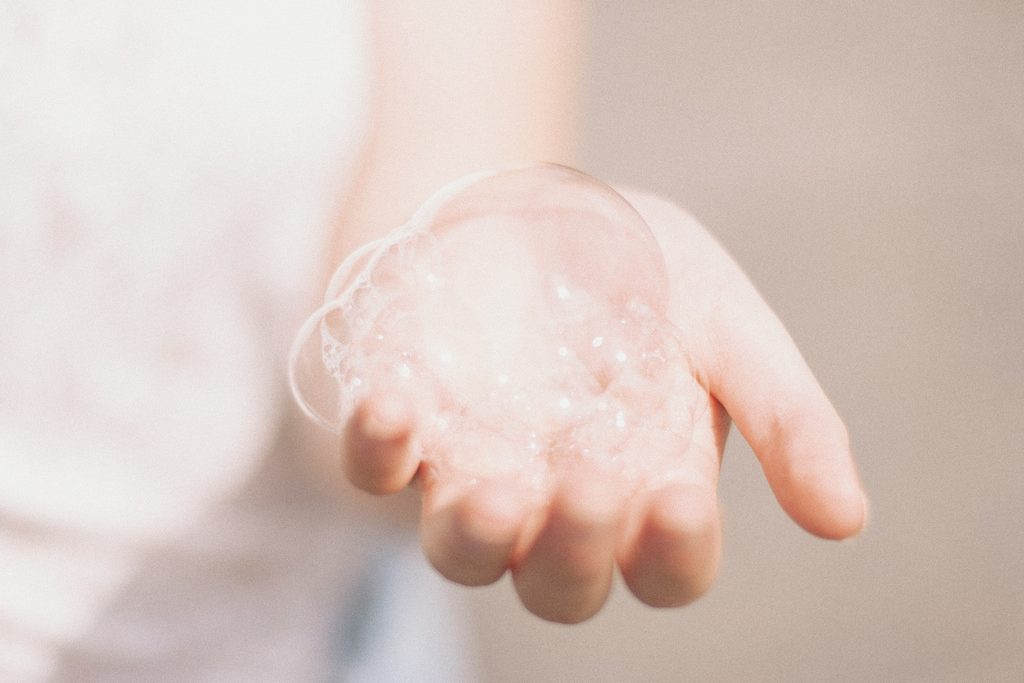
Every trace of soap and shampoo, off your body and off the stool, the bowl, and the area around you before you leave it.
Rinse the stool and bowl with clean hot water and return them upright for the next person. This is a small courtesy that is universally observed and immediately noticed when it is not.
Then walk to the bath with no bubbles anywhere on you.
Long Hair
Tie it up above the shoulders, or wear it under the small towel on your head. Hair must not touch the bath water.
Hair ties are usually available in the changing room. Bring one if yours is long.
The Small Towel
The one item people are unsure what to do with, and there is a clear answer.
Walking
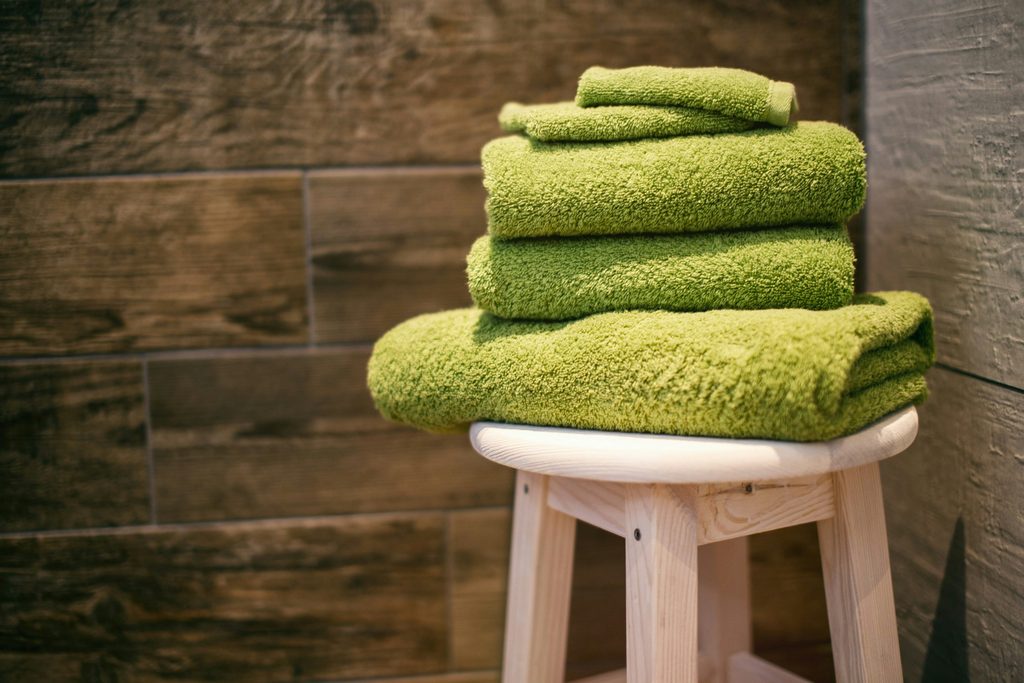
Hold it in front of you as you walk between the changing room, the wash station, and the bath. That is its modesty function and it is what everyone does.
There is no expectation of complete concealment. It is a gesture rather than a garment.
In the Bath
It does not go in the water. Ever.
Fold it and place it on your head — which is the classic image and is genuinely what people do — or lay it folded on the stone edge of the bath beside you.
Both are correct. The head is more common in outdoor baths, where it also keeps your head warm.
Wringing
Wring it out at the wash station drain, not over or into the bath.
Afterwards
The small towel is what you use to wipe the water off yourself before returning to the changing room. See below — this is the step visitors skip.
In the Water
Get in slowly and do very little.
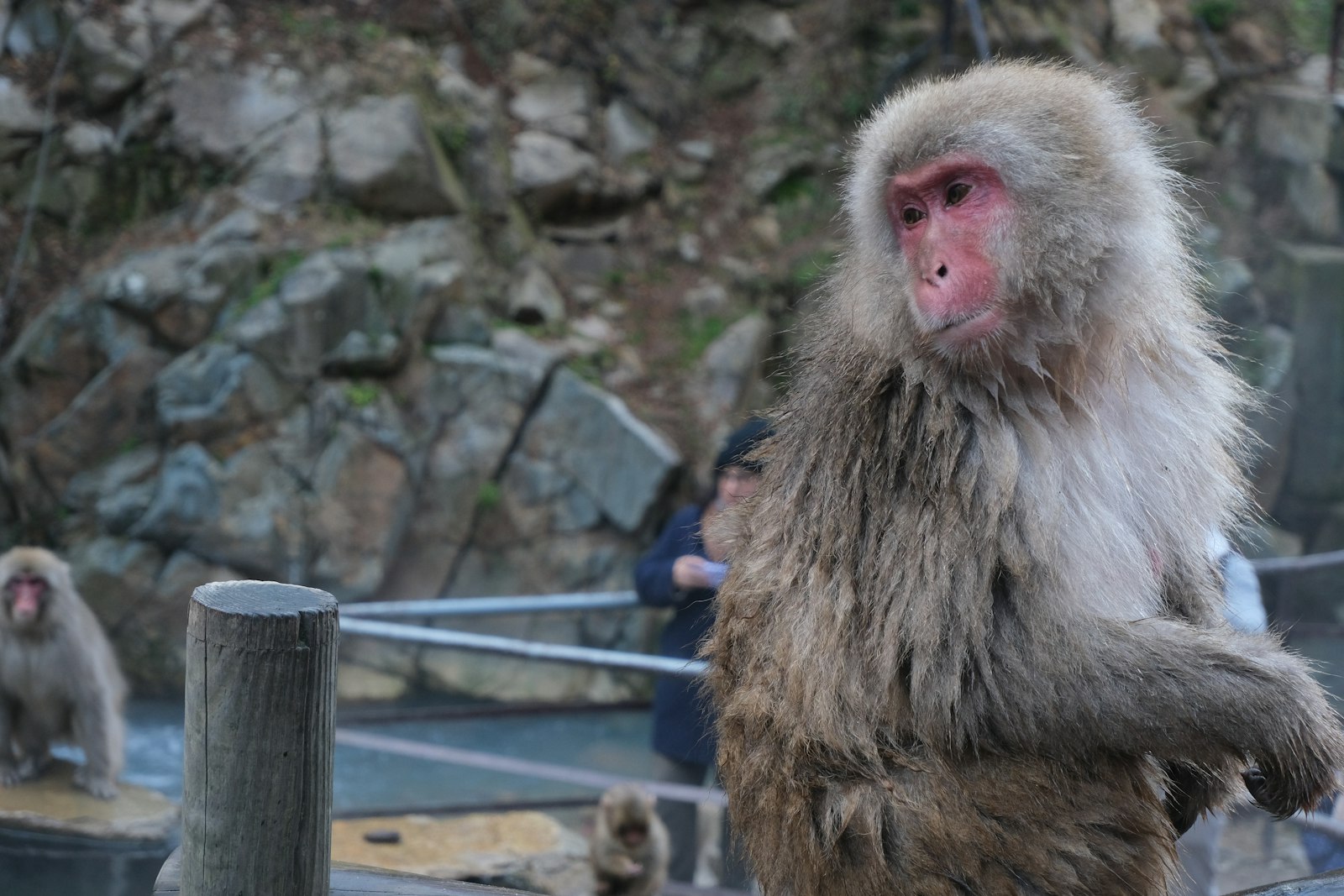
Entering
Step in gradually and sit down. Do not jump, dive, or drop in.
Japanese baths run hot — 40 to 44 degrees is normal and some are hotter. Give yourself a moment at each stage: feet, waist, chest.
If it is too hot, it is entirely acceptable to sit on the edge with your legs in.
Behaviour
No swimming, no splashing, no putting your head under, no washing of any kind.
Talk quietly if at all. Many people bathe in silence and the room is calm; a loud conversation changes the whole atmosphere.
No phones, no cameras, no exceptions. This is the rule taken most seriously in Japan and photographing in a bathing area is a serious matter.
How Long
Ten to fifteen minutes is a normal soak. Many people get out, cool down at the wash station or in the air, and get back in — the cycle is the tradition rather than one long immersion.
Get out before you feel unwell rather than after. Overheating comes on faster than people expect and the floor is wet stone.
Do not bathe after drinking alcohol. This is the most frequently ignored piece of advice in every onsen town in Japan and it is the source of most incidents.
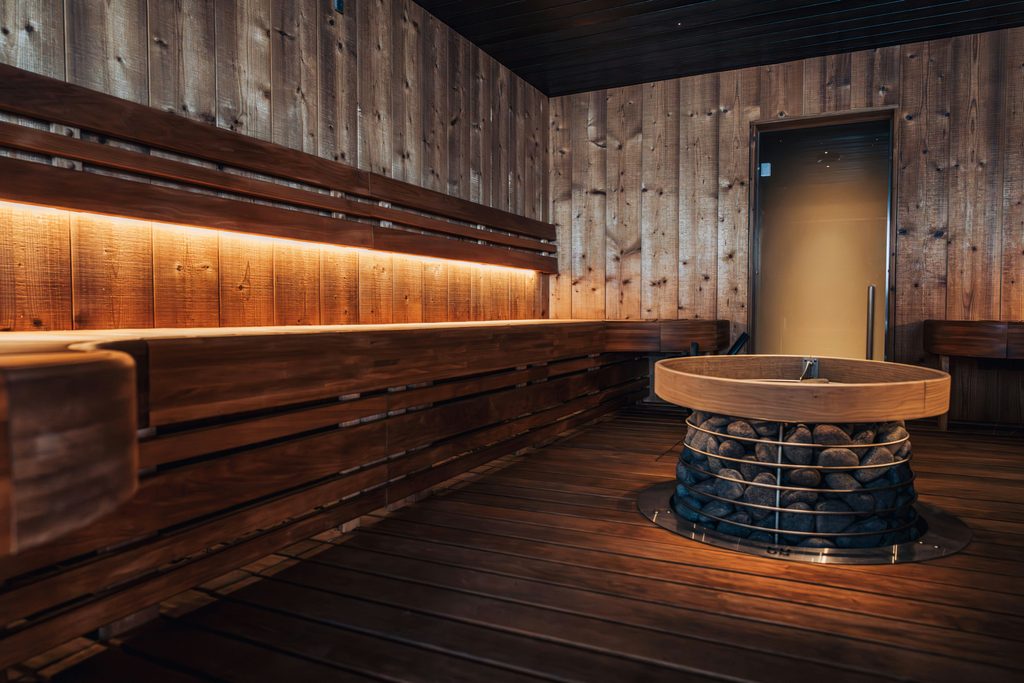
Sauna and Cold Bath
Where a sauna and cold plunge exist, the sequence is sauna, cold bath, rest, repeat — a practice Japanese bathers call totonou.
Rinse off sweat before entering the cold bath. The same principle applies: nothing dirty goes into shared water.
Expert Tip
Wipe yourself down with the small towel before you step back into the changing room. This is the etiquette point foreign visitors miss most often and the one Japanese bathers notice most. Squeeze the towel out and dry your body roughly at the doorway, then dry properly with the large towel inside. Walking dripping onto a tatami or carpeted changing room floor is the equivalent of walking through a house in wet boots.
Getting Out and What Comes After
Two final points, one practical and one enjoyable.
To Rinse or Not
At a mineral-rich onsen, many people do not rinse with fresh water afterwards, leaving the minerals on the skin.
The exception is strongly acidic or sulphurous water, which can irritate — Kusatsu, for instance, where rinsing is advisable. If you have sensitive skin, rinse.
The Yukata
At a ryokan you dress in the yukata provided. Left side over right, always — the reverse is used only for dressing the dead, and getting it wrong is noticed immediately and is mildly alarming to Japanese people.
Tie the sash at the waist, not the stomach. Wear the outer jacket if provided.
The Drink
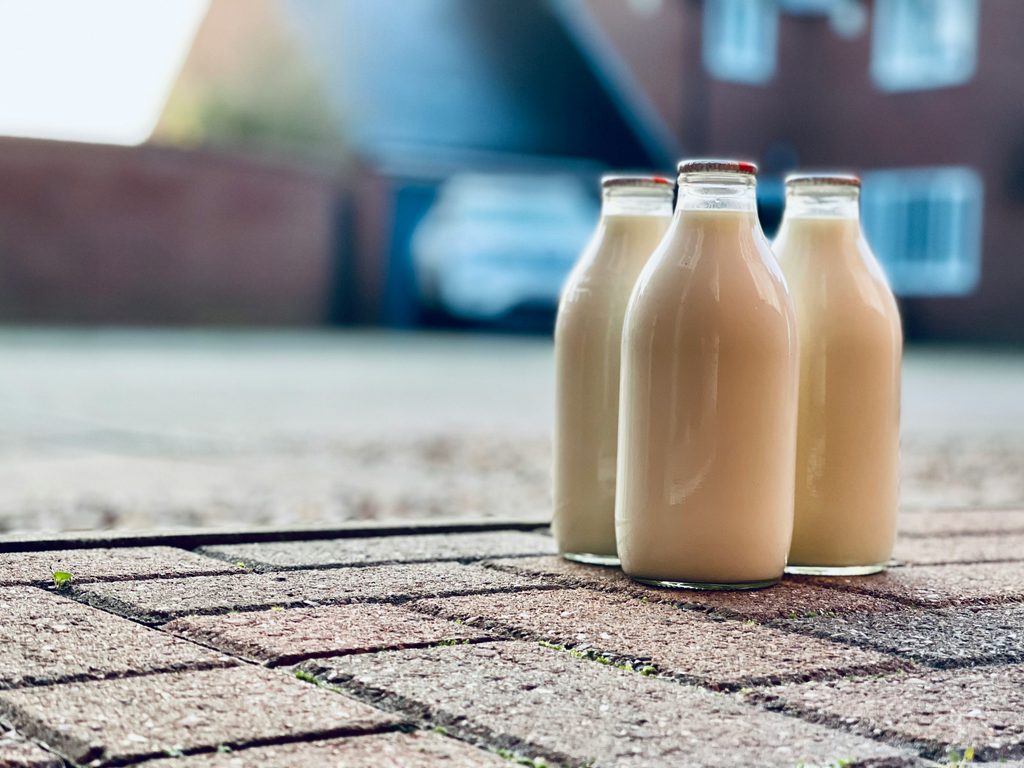
The tradition after a bath is cold milk, drunk straight from the bottle standing at the vending machine, one hand on your hip.
The hand on the hip is genuinely part of it. Coffee milk and fruit milk are the other two classics, and a cold beer is the adult version.
This sounds like a joke and it is a real and widely observed custom. Do it once.
Rest
Most facilities have a tatami rest area. Use it. Sitting down for fifteen minutes after bathing is part of the process rather than an afterthought.
Do not go straight from a hot bath into a cold street, and do not drive immediately.
Onsen Etiquette Japan: Frequently Asked Questions
What do I do if I have tattoos?
It depends on size and on the facility. Many onsen still refuse entry to visibly tattooed guests, a rule rooted in the historical association with organised crime. Four workable options: cover small pieces with skin-tone tape, sold in Japanese drugstores and at some onsen receptions; book a private bath, kashikiri, which most ryokan and many day facilities offer by the hour; choose a facility that states a tattoo-friendly policy, and there are increasingly many; or go to Kinosaki Onsen, where all seven public bathhouses admit tattooed guests as a matter of town policy. Asking at reception is normal and the answer is given without judgement.
Is mixed bathing still common?
Rare, and shrinking. Konyoku — mixed-gender bathing — was once standard and now survives at a small number of mostly rural and historic outdoor baths. Where it exists, the convention usually permits a bathing towel or a simple bathing garment, which is the exception to the no-textiles rule, and many such baths run women-only hours at set times. Do not assume: read the notice at the entrance, and if a bath is mixed and you are unsure of the convention, ask at reception. Photography rules are, if anything, stricter at these baths.
Is it safe for pregnant women or small children?
For children, generally yes, with short soaks and close attention — a child overheats considerably faster than an adult, and ten minutes at 42 degrees is a long time for a small body. Rules on which changing room an older child uses vary by prefecture, typically drawing the line somewhere between ages seven and ten, and are posted. On pregnancy, Japan’s Ministry of the Environment revised its official onsen guidance in 2014 to remove pregnancy from the list of contraindications, so the blanket prohibition that appears in older material no longer reflects the official position. That is not the same as medical clearance for an individual — discuss it with your own doctor, avoid very hot baths, keep soaks short, and take care on wet floors.
Related Tours
Conclusion
Wash properly, keep the towel out of the water, and dry off before you walk back into the changing room. Those three things are ninety percent of onsen etiquette and everything else follows from the same principle.
And then stop worrying about it. The anxiety visitors bring to their first onsen is out of all proportion to how much anyone else in the room cares, and the single most common thing travelers say afterwards is that they wish they had gone in on the first night instead of the last.
Plan Your Japan Trip with Local Experts
Our team has guided 40,000+ travelers across Japan. Tell us about your trip and we’ll get back to you within 24 hours.