In this article:
- What the Godzilla Head Actually Is
- How to See It: Street, Lounge, or Hotel Room
- Timing Your Visit and Taking the Photograph
- After the Head: Where Kabukicho Leads
- Godzilla Head Shinjuku: Frequently Asked Questions
Introduction
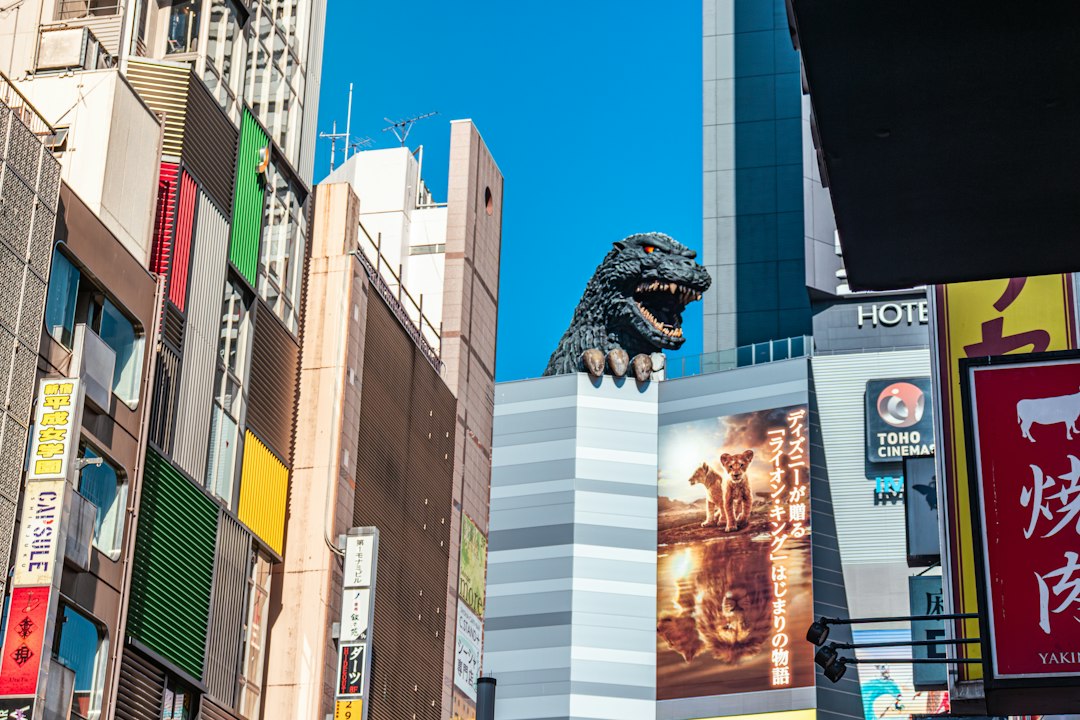
Walk north out of Shinjuku Station’s East Exit, cross Yasukuni-dori, and look up. A grey reptilian head leans over the edge of a building above the signboards of Kabukicho. It looks as if it has just climbed out of Tokyo Bay. That is the Godzilla head in Shinjuku. In fact, it is the main reason so many first-time visitors walk into Kabukicho.
It is a stranger thing to see in person than in photographs. Pictures flatten it into a novelty. Stand underneath, and you immediately notice its massive scale. You can see the ridged texture of the skin up close. It instantly turns this dense entertainment district into something like a film set. Children love it. So, in our experience, do adults who have never sat through a Godzilla film.
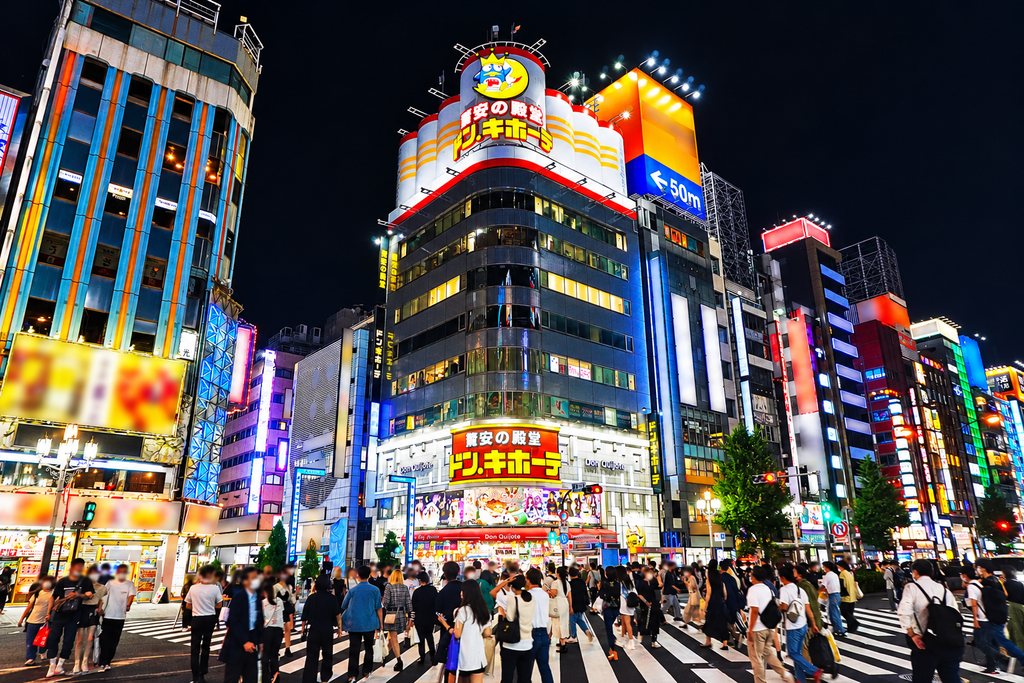
Our Shinjuku evenings cross Kabukicho between Omoide Yokocho and Golden Gai, and we see a great many travelers stop, look up, take the photograph, and then stand there wondering what to do next. This guide answers both halves of that: how to see the head properly, and where Shinjuku takes you once you have.
What the Godzilla Head Actually Is
The head is a life-size sculpture mounted on the 8th-floor terrace of the Shinjuku Toho Building, a tower with a TOHO Cinemas multiplex in its lower floors and Hotel Gracery Shinjuku above.
Toho is the studio that released the first Godzilla film in 1954, so the placement is deliberate. The building is, in effect, the company’s monument to its most famous character, set at the centre of the district where Tokyo goes out at night.
A Landmark Built on the Site of the Koma Theater
The tower stands on the former site of the Shinjuku Koma Theater, a large stage venue that anchored Kabukicho for decades before it closed. Its replacement opened in April 2015, and the head was unveiled the same month.
The timing tied into a wider revival of the franchise. The head served as publicity for Shin Godzilla, Toho’s 2016 film, and it has stayed in place ever since. For many Tokyo residents it marked the point at which Kabukicho started to feel less like a place to avoid and more like a place to visit.
That shift is real, though incomplete. The district still has touts and late-night edges. Even so, the blocks around the Toho Building now belong as much to cinema crowds and hotel guests as to anyone else.
Shinjuku’s Official Tourism Ambassador
When the head was unveiled, Shinjuku City named Godzilla a tourism ambassador and presented the monster with a special residence certificate. It is a joke, but a sincere one. The ward was using the character as a symbol of a cleaner, more welcoming Kabukicho.
You will see the result around the area in signage, merchandise, and the occasional photo spot. Of all of it, the head on the terrace is the only version worth a detour.
How to See It: Street, Lounge, or Hotel Room
There are three ways to see the Godzilla head, and they differ far more in cost than in quality. For most travelers, the street is enough.
From the Street Below
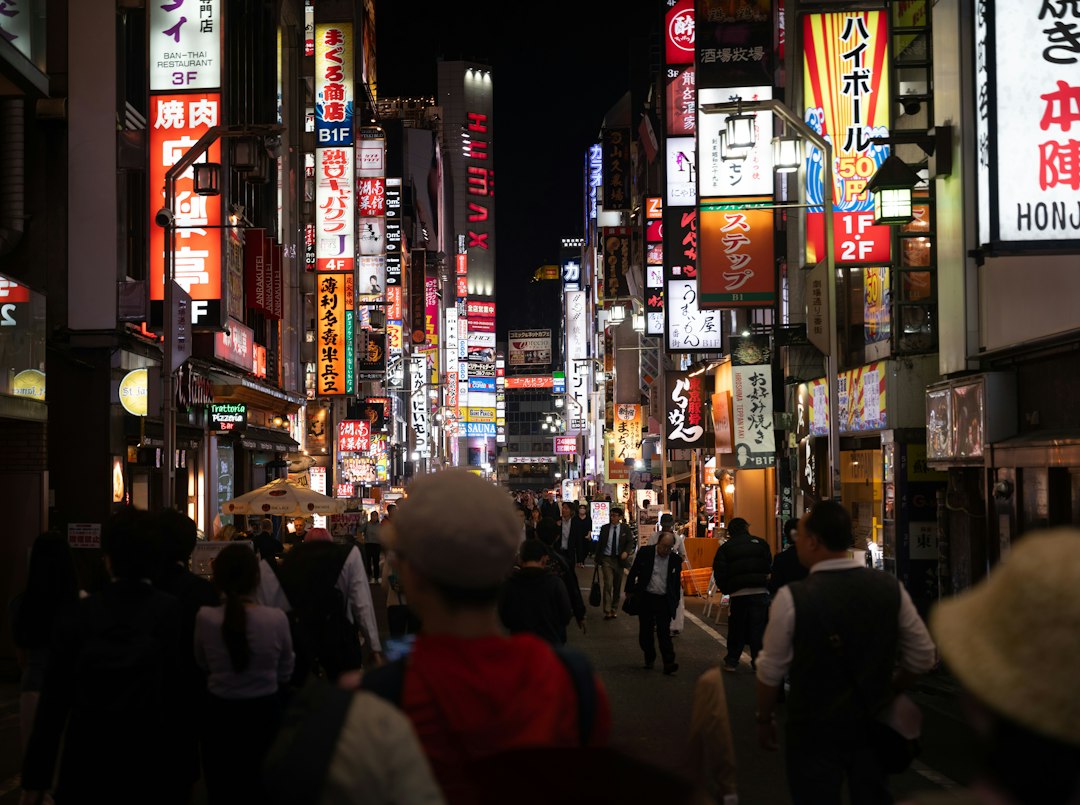
The free view is from the street that runs north into Kabukicho from Yasukuni-dori. The Toho Building closes off the end of it, and the head is visible from a long way down the block, framed between signboards and lit shopfronts.
From the East Exit of JR Shinjuku Station the walk takes about five minutes. Seibu-Shinjuku Station is closer, roughly three minutes on foot. There is no ticket, no booking, and no opening time.
We think this is the best view, not merely the cheapest. From street level you see the head in context, looming over the crowd while Kabukicho carries on underneath. Up close it becomes a sculpture. From below it is still a monster.
Hotel Gracery Shinjuku’s 8th Floor
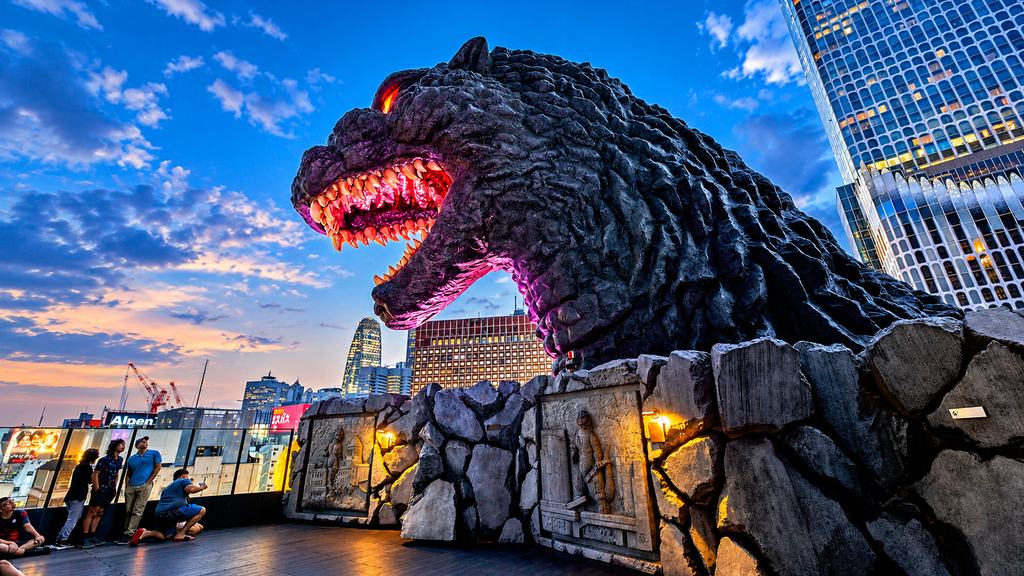
Hotel Gracery Shinjuku has its lobby on the 8th floor, the same level as the terrace where the head is mounted. The GRACERY LOUNGE, next to the lobby, has large windows facing it, and the hotel itself describes the lounge as a place to see the head up close.
Two practical points. The lounge takes cashless payment only and does not accept transit IC cards, so carry a credit card rather than relying on a Suica. Access to the outdoor terrace, and whether non-guests can sit in the lounge, has changed more than once over the years. Check with the hotel before building a visit around it.
If the lounge is open to you, a coffee there is a calm way to see the head at eye level. Expect hotel-lounge prices, and expect other people with the same idea.
Staying the Night in a Godzilla Room
For committed fans, the hotel sells Godzilla-themed rooms. The six Godzilla View Rooms are ordinary doubles whose windows look straight at the head. Separate themed rooms on the 30th floor go further, with Godzilla set dressing and merchandise included.
These sell out well in advance. The hotel does not take bookings for them by phone and does not keep a waitlist, so if a Godzilla room matters to the trip, book it at the same time as your flights.
Expert Tip
Most visitors approach from the station and see the head only from straight ahead. Walk to the end of the street, turn, and look back up from the side of the Toho Building as well. The profile view, with the jaw open over the pavement, is the angle that makes people in the photograph look properly small, and the crowd there is usually thinner.
Timing Your Visit and Taking the Photograph
The head is visible at any hour, so timing is about what you want from it. A daytime stop and an evening stop are almost different attractions.
The Hourly Roar
At intervals the head comes to life with a roar, a burst of smoke, and glowing eyes. Several recent visitor guides put the performance on the hour, from around noon to 8pm. The hotel does not publish a schedule on its website, so treat that as a guide rather than a timetable.
In practice the roar is better heard from the 8th floor than from the street. Down below it competes with traffic, shop music, and announcements, and many people miss it entirely. If the effects matter to you, arrive five minutes before the hour and stand near the base of the building.
Day Versus Night
By day the head reads as a piece of sculpture: grey, detailed, faintly comic against a blue sky. After dark it is lit, and the neon below gives it the look of a scene from one of the films.
We recommend the evening. Kabukicho is designed to be seen at night, and the head is part of that design. The hour after sunset is the sweet spot, when the sky still holds some colour and the signs are fully on.
Framing the Shot
A phone handles this well. Stand some distance back down the street, hold the camera low, and let the signboards fill the lower half of the frame with the head at the top. A wide lens exaggerates the height in a way that suits the subject.
That said, this is a working street, not a viewing platform. Step to the side of the pavement to shoot, keep the moment short, and avoid photographing people outside host clubs and bars, who generally do not want to be in your picture.
After the Head: Where Kabukicho Leads
The Godzilla head is a five-minute stop. What makes it worth the walk is where it sits: within a few minutes of the most interesting eating and drinking streets in Tokyo.
Godzilla Store Tokyo and Other Fan Stops
Fans who want more than a photograph should head to Godzilla Store Tokyo, Toho’s official shop, on the ground floor of the Shinjuku Marui Annex near Shinjuku-sanchome Station. It is a walk of roughly ten minutes from the head, south and east across Yasukuni-dori.
The shop carries figures, apparel, and Shinjuku-specific items that are hard to find elsewhere. Opening hours have shifted over the years, so check the official page before going. For a broader sweep of character shopping, our guide to anime spots in Tokyo covers Akihabara and Nakano Broadway.
Golden Gai and Omoide Yokocho on Foot
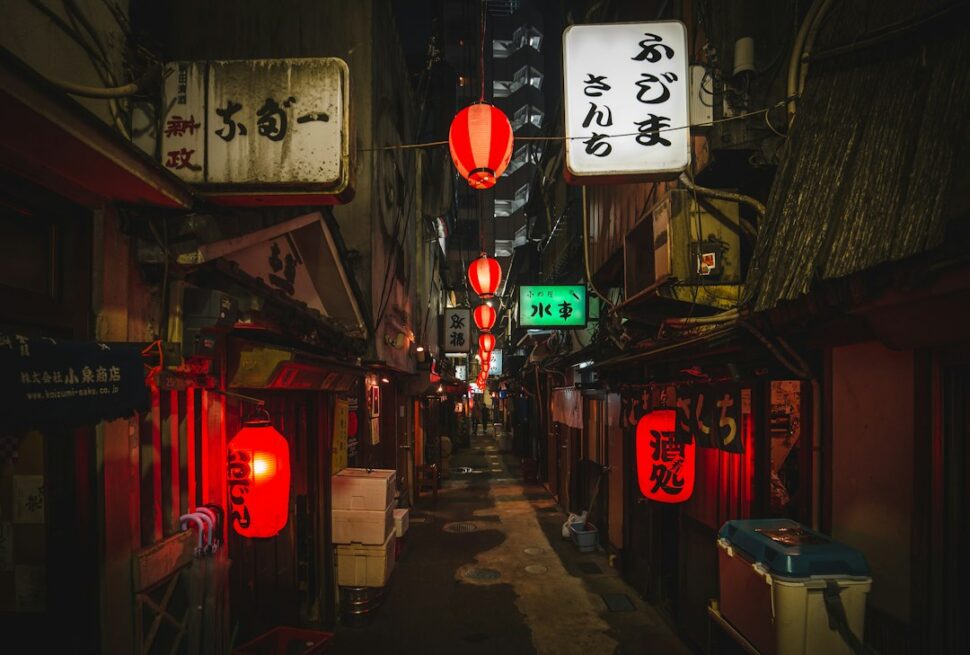
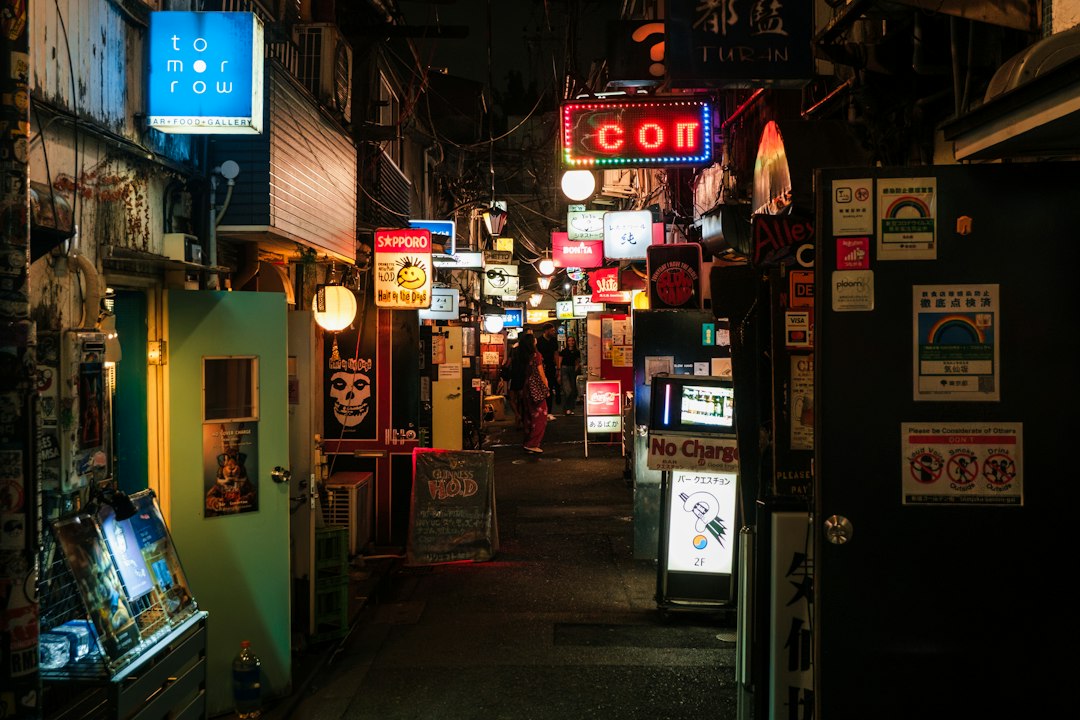
Golden Gai is a few minutes’ walk east of the head: six narrow alleys packed with tiny bars, some seating barely half a dozen people. Omoide Yokocho, the lantern-lit lane of yakitori counters beside the station, is on the far side of Yasukuni-dori. Between them they hold much of what makes Shinjuku memorable after dark.
The difficulty is that neither is easy to read on a first visit. Many Golden Gai bars carry a seat charge and some prefer regulars, while the Omoide Yokocho counters work from handwritten menus. Our guide to eating and drinking in Omoide Yokocho covers the lane in detail.
Our own Shinjuku evenings follow almost exactly this geography. On our Shinjuku bar and izakaya crawl, guests meet their guide in front of Kitakata Ramen Bannai in Omoide Yokocho, walk through Kabukicho, and finish around Golden Gai and a karaoke bar three hours later. The Godzilla head sits between those stops, which is why we suggest seeing it as part of an evening rather than on its own.
Expert Tip
Combine the head with dinner rather than treating it as a separate outing. Arrive at Omoide Yokocho around dusk, eat, then walk north through Kabukicho so you reach the Toho Building in full darkness. You see the head at its best, and you are already standing in the right neighbourhood for the rest of the night.
Godzilla Head Shinjuku: Frequently Asked Questions
Is it free to see the Godzilla head?
Yes. The head is clearly visible from the street below the Shinjuku Toho Building at any time of day, with no ticket or entry charge. You only spend money if you go up to the hotel lounge, which requires an order, or book one of the Godzilla rooms.
Can non-guests go up to the 8th floor of Hotel Gracery Shinjuku?
The 8th floor is the hotel lobby level, and the lounge there faces the head. Whether non-guests can use the lounge or step onto the terrace has varied over time, and the current rules are not clearly published. Contact the hotel before you go if a close view is the main reason for your visit.
Is Kabukicho safe to visit at night?
For a walk along the main streets to see the head, yes. Kabukicho is busy and well lit, and the area around the Toho Building is full of cinema-goers and hotel guests. The real risk is touts steering visitors into bars with inflated bills. Ignore anyone who approaches you on the street with an offer, and read our Tokyo nightlife safety guide before a late night out.
Related Tours
Conclusion
Do not make a separate trip for the Godzilla head. Build it into an evening in Shinjuku instead, arriving after dark and approaching from the station so it rises out of the signboards the way its designers intended.
Spend ten minutes there, photograph it from the side as well as the front, and then keep walking. Golden Gai is a few minutes east and Omoide Yokocho is just across Yasukuni-dori, and the night you have in either will stay with you far longer than the photograph.
Plan Your Japan Trip with Local Experts
Our team has guided 40,000+ travelers across Japan. Tell us about your trip and we’ll get back to you within 24 hours.