In this article:
- What the Hakone Freepass Actually Covers
- The Break-Even Arithmetic
- Buying It and Using It Well
- When the Freepass Is the Wrong Ticket
- Hakone Freepass: Frequently Asked Questions
Introduction
The Hakone Freepass is the ticket nearly every independent visitor to Hakone ends up holding, and for once the popular choice is usually the right one.
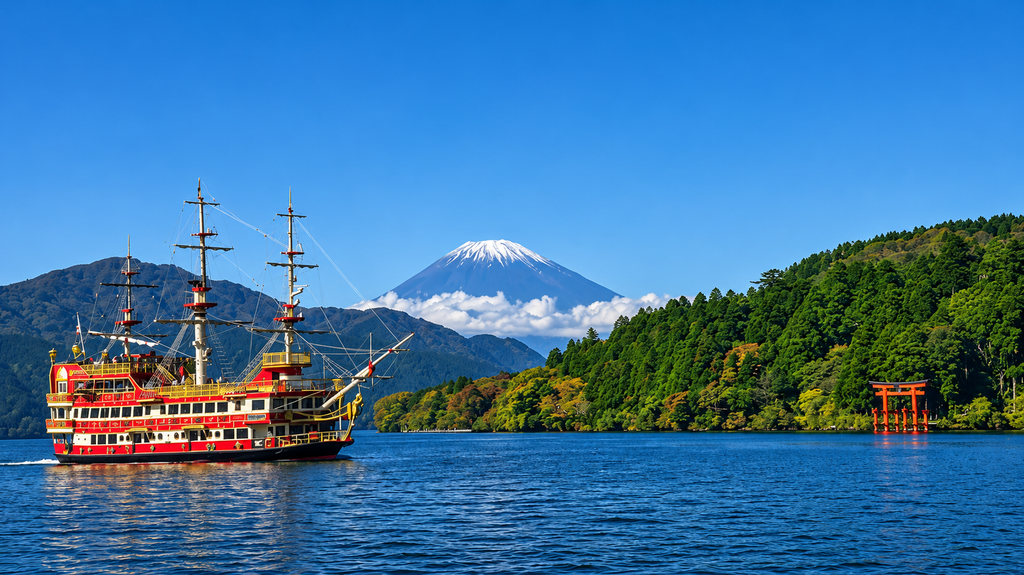
Hakone is not one place. It is a chain of valleys and ridges connected by six or seven separate pieces of transport: a mountain railway that climbs by switchback, a funicular, a ropeway over a steaming volcanic crater, a boat across a caldera lake, and a network of buses that ties the ends together. Each is run on its own fare table. Paying leg by leg is possible, but it means a ticket purchase at every change, often in a queue, often in cash.
The pass removes all of that. What it does not do is save money in every case, and the gap between a good purchase and a wasted one comes down to how many of those legs you will actually ride. We plan Hakone days for travelers every week, and the honest answer depends on the itinerary, not on the pass.
What the Hakone Freepass Actually Covers
The pass is sold by Odakyu, the private railway that runs from Shinjuku to Odawara, and it is built around the Odakyu group’s own network in Hakone.
Eight Modes of Transport on One Ticket
Within Hakone, the pass gives unlimited rides on eight operators: the Hakone Tozan Train, the Hakone Tozan Cable Car, the Hakone Ropeway, the Hakone Sightseeing Cruise on Lake Ashi, Hakone Tozan Buses in designated areas, the Kanko Shisetsu-Meguri sightseeing bus, Odakyu Highway Buses in designated areas, and Tokai Buses in designated areas.
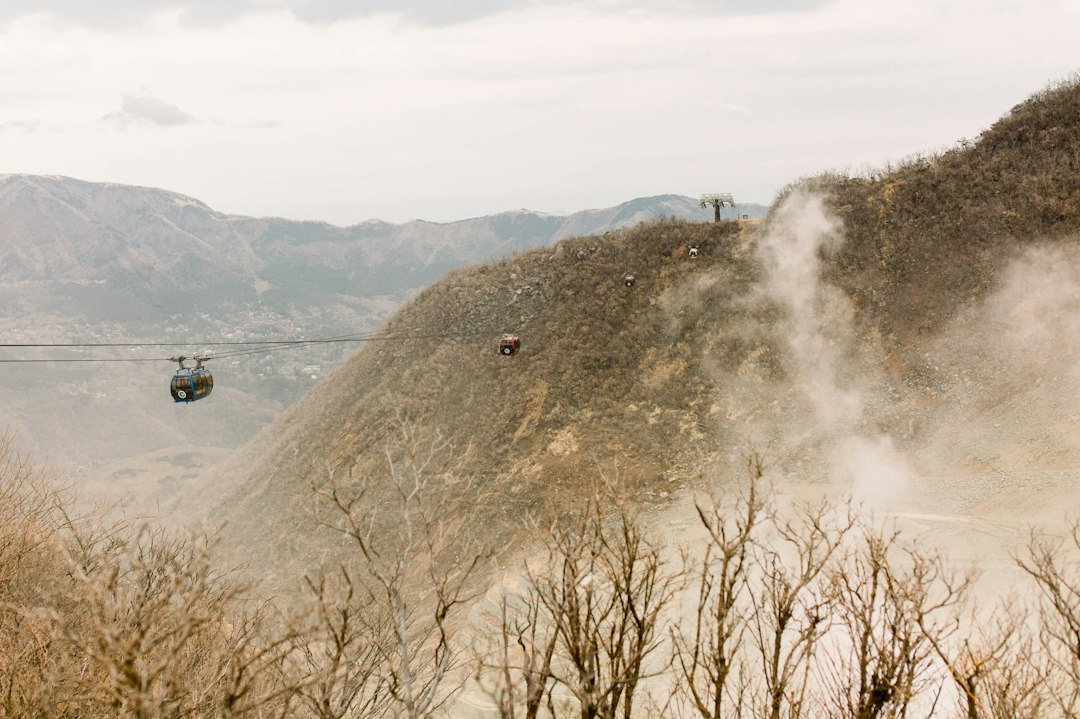
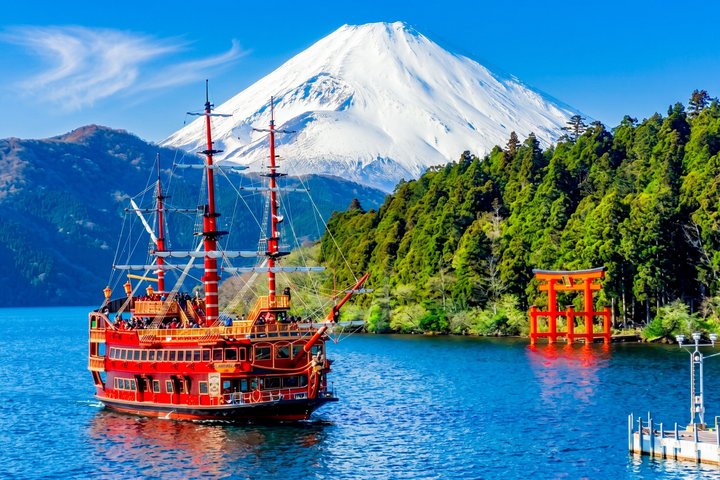
In practice, that list covers every leg of the classic circuit. You can ride the train up from Hakone-Yumoto to Gora, take the cable car to Sounzan, cross Owakudani on the ropeway to Togendai, sail the lake to Moto-Hakone or Hakone-machi, and take the bus back down. Getting off midway costs nothing, which matters more than it sounds: it is what makes a stop at Chokoku-no-Mori for the Hakone Open-Air Museum, or an hour in an onsen at Gora, feel free rather than expensive.
The phrase “designated areas” on the bus lines is the one to read carefully. The pass covers buses within Hakone, not every route those companies run.
Shinjuku Version or Odawara Version
There are two main versions, and the difference is whether the Odakyu Line ride from Tokyo is included.
The Shinjuku version includes one return trip on the Odakyu Line between Shinjuku and Odawara. According to Odakyu, the adult price is ¥7,100 for two days and ¥7,500 for three; children aged 6 to 11 pay ¥1,600 and ¥1,850.
The Odawara version covers the Hakone area only. It costs ¥6,000 for two days and ¥6,400 for three for adults. This is the one to buy if you arrive at Odawara by Shinkansen, which is the usual route for travelers using a Japan Rail Pass. The JR pass gets you to Odawara; it does not cover the Odakyu-run network beyond it.
What It Leaves Out: Romancecar Seats and the Izu Hakone Bus
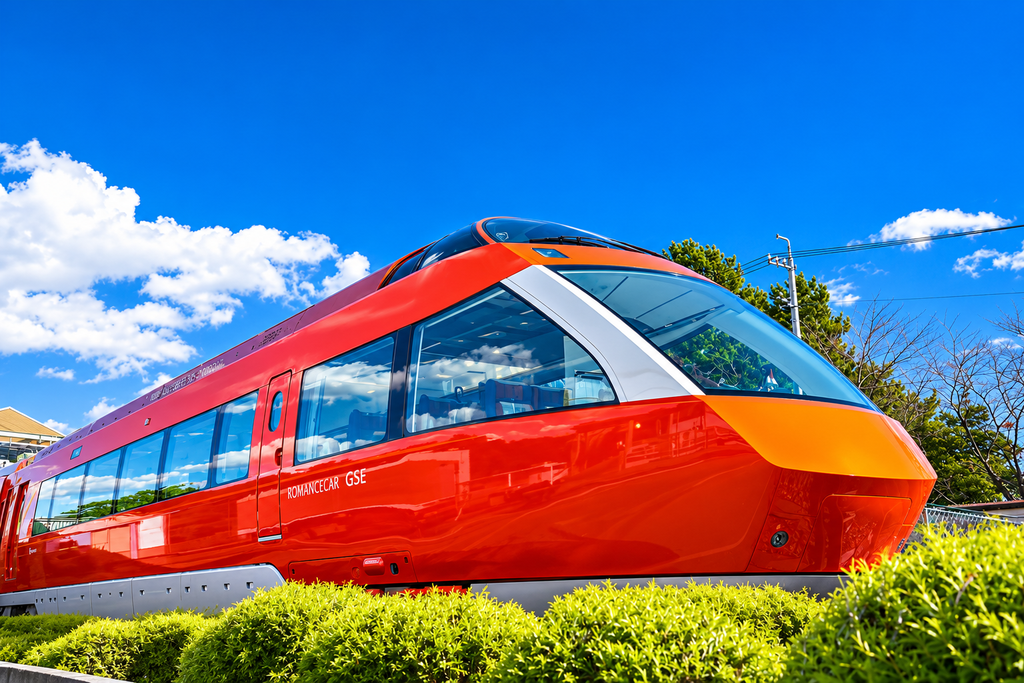
The Romancecar, Odakyu’s limited express from Shinjuku, is not included in the fare. You can ride it with the pass, but you pay a separate limited express ticket. From Shinjuku to Hakone-Yumoto, Odakyu lists that surcharge at ¥1,200 one way for adults, so a pass plus a Romancecar seat in both directions comes to ¥9,500.
We think the surcharge is worth it. Without it, the trip from Shinjuku usually involves a change at Odawara and a slower train, and the Romancecar runs straight through to Hakone-Yumoto with a reserved seat and a window.
The other gap is the Izu Hakone Bus. It runs some of the same corridors as the Tozan buses, including routes toward Lake Ashi, and the Freepass is not valid on it. At bus stops where both operators stop, check the company name on the front of the bus before you board.
Expert Tip
Odakyu sells the Romancecar limited express ticket through its EMot online ticket service for ¥50 less than the station price, and buying ahead secures a seat. Weekend morning departures from Shinjuku fill early, and a Freepass without a seat on the first useful train means standing or taking the slower service.
The Break-Even Arithmetic
The pass pays for itself on the full loop, and it pays for itself fairly early in the loop. That is the short answer.
Pricing the Classic Hakone Loop Leg by Leg
Start with the three largest fares. Odakyu lists the regular fare from Shinjuku to Hakone-Yumoto at ¥1,270 one way, so ¥2,540 for the return. The Hakone Ropeway from Sounzan to Togendai is ¥2,000 one way for adults. The Lake Ashi cruise is ¥1,700 one way.
Those three alone come to ¥6,240. Against the two-day Shinjuku Freepass at ¥7,100, that leaves a gap of ¥860, and you have not yet paid for the Tozan Train up to Gora, the cable car to Sounzan, or the bus from the lake back to Hakone-Yumoto. On the full circuit, those three legs close the gap and then some.
Several older guides online still quote the ropeway at ¥1,500 and the cruise at ¥1,200. Both fares rose in 2025, and so did the pass. The comparison still favors the pass, but by less than some of those articles suggest.
Two Days or Three
The three-day pass costs ¥400 more than the two-day pass in either version. If you are staying two nights in Hakone, buy the three-day version without thinking about it further. The extra day covers the trip back down and any second-day bus rides to Lake Ashi or the onsen villages.
For a single night, the two-day pass fits exactly. Use day one for the loop and day two for a slower morning and the trip home.
The Discounts at Around 70 Facilities
The pass also unlocks discounts at roughly 70 museums, hot springs, and restaurants in Hakone, including reduced entry at the Hakone Museum of Art in Gora. Odakyu publishes the current list through its Hakone Navi site.
These discounts are small and they should not decide the purchase. That said, they are worth checking against your plans, because two museum visits in a day can add a few hundred yen of value without any effort. If an afternoon in a bathhouse is part of the plan, our guide to Hakone onsen covers where to go.
Buying It and Using It Well
Buying the pass is easy. The rules on validity are where travelers lose a day without noticing.
Digital Tickets on EMot or Paper at the Station
Odakyu sells the Freepass in two forms. The digital version is bought through EMot Online Tickets and lives on your phone; one device can hold up to four tickets for a group traveling together. The paper version is sold at the Odakyu Sightseeing Service Centers and at ticket machines, and the machines accept cash, Suica and PASMO, and the major international credit cards.
We prefer the digital ticket for couples and small families with charged phones, mostly because it removes the visit to a service counter. For anyone who would rather not rely on a phone battery on a mountain, the paper ticket is the sturdier choice. You can still use a Suica or ICOCA for incidental purchases along the way; our Suica guide explains how.
Two Days Does Not Mean 48 Hours
This is the rule that catches people. The day you start using the pass counts as day one, and the pass expires after the last service on the final day. Odakyu states it plainly in its own FAQ: two days does not mean 48 hours.
A two-day pass started at 3pm on a Friday gives you an evening and a Saturday. It does not run to 3pm on Sunday. If you arrive in Hakone late in the afternoon, either buy the three-day pass or pay individual fares for that first evening and start the pass the next morning.
Running the Loop in the Right Direction
The ropeway sets the pace of the day. Between February and November it runs from 9am to 4:45pm, and from December to January it closes at 4:15pm. Everything else on the loop runs later.
For that reason we recommend going uphill first: Tozan Train to Gora, cable car to Sounzan, ropeway across Owakudani, then the boat. Starting the other way puts the ropeway at the end of the day, when a weather hold or a long queue at Togendai can leave you on the wrong side of the mountain. Our Hakone loop guide covers the stops along the way in more detail.
Expert Tip
Leave Shinjuku early enough to be at Gora by mid-morning. The cable car from Gora to Sounzan is short and frequent, but the queue for the ropeway at Sounzan builds steadily after 10am on weekends and in autumn. A thirty-minute earlier start often saves an hour of waiting later in the day.
When the Freepass Is the Wrong Ticket
There are two situations where we tell travelers not to buy it.
Single-Day Visits and Coach Tours
A same-day trip from Tokyo that covers only part of the loop often costs less on individual fares. If your plan is the Romancecar to Hakone-Yumoto, a ryokan lunch, and the train home, the pass gives you nothing but convenience.
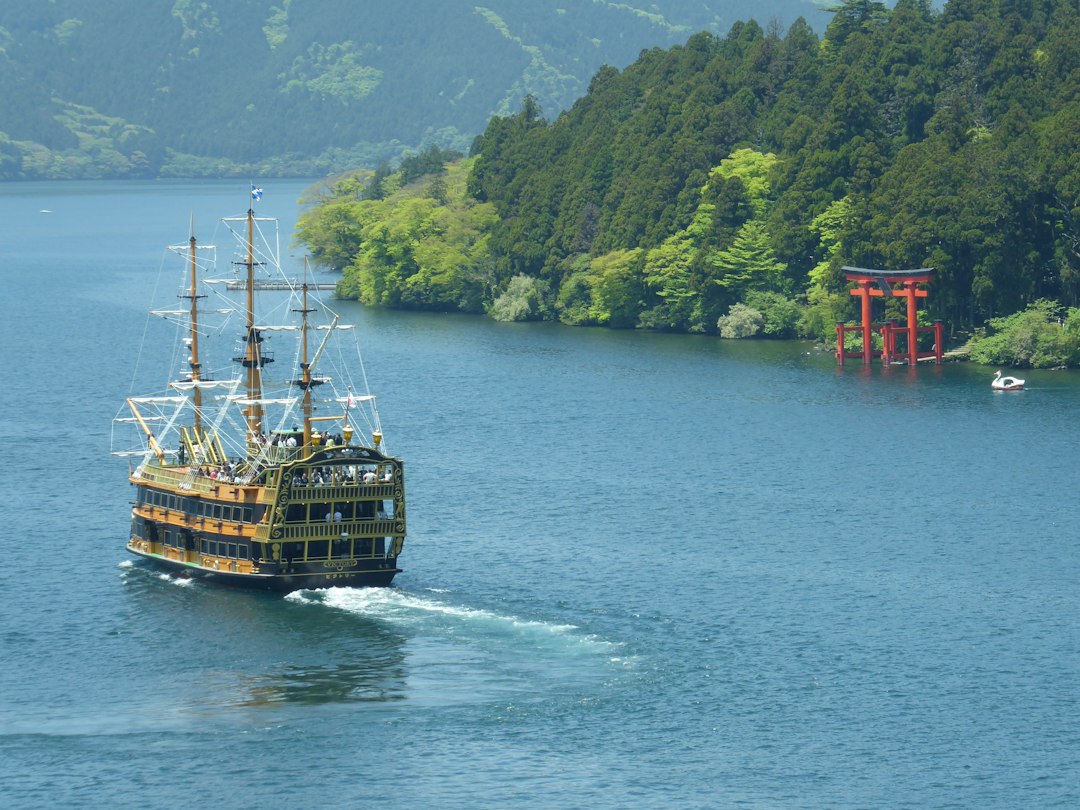
Coach tours are the clearer case. On our own day tour from Shinjuku and Tokyo Station, the coach handles the road travel between Owakudani, Hakone Shrine, and Lake Ashi, and guests pay only for the ropeway (¥2,000) and the pirate ship cruise (¥1,700) on the day, in cash, if they want them. That is ¥3,700 against a pass that costs nearly twice as much and would mostly go unused.
The pass is a product for independent travel. If someone else is driving, leave it.
Owakudani Closures and Weather
Owakudani is an active volcanic valley, and access closes at short notice when activity rises. When that happens, the central section of the ropeway can be suspended while the rest of the network keeps running.
The Freepass does not get cheaper when part of the loop is shut. If an alert is in place before you leave Tokyo, look at what is still running and redo the arithmetic. With the ropeway out of the equation, the pass loses its largest single fare and may no longer be the better choice. The same caution applies on days of high wind, when the ropeway and the lake boats are the first services to stop. Our Hakone Ropeway guide covers what to expect on the crossing itself.
Hakone Freepass: Frequently Asked Questions
Does the Hakone Freepass include the Romancecar?
No. The Shinjuku version includes the basic Odakyu Line fare between Shinjuku and Odawara, but riding the Romancecar requires a separate limited express ticket. From Shinjuku to Hakone-Yumoto that is ¥1,200 each way for adults, and the ticket can be bought at stations or through Odakyu’s EMot online service.
Is the Hakone Freepass worth it for one day?
Only if you ride most of the loop. The two-day pass is the shortest version sold, so a day visitor pays for a second day they will not use. If your day includes the Tozan Train, cable car, ropeway, cruise, and bus back, the pass still comes out ahead of individual fares. If it does not, add up the legs you will actually ride before buying.
Can a family share one digital Hakone Freepass on a single phone?
Yes, within limits. EMot lets one device hold up to four tickets, adults and children combined, under its group option. Everyone on that phone has to travel together through every gate, so a family that plans to split up for an afternoon should give each group its own device or buy paper tickets instead.
Related Tours
Conclusion
For an independent overnight trip to Hakone that follows the loop, buy the Freepass and stop thinking about fares. The ropeway, the cruise, and the Odakyu return already come close to its price on their own, and the trains, cable car, and buses take it past that point.
Make the decision on two questions: how many nights you are staying, and whether you are traveling under your own steam. Two nights means the three-day pass. A coach tour or a short visit to Hakone-Yumoto means individual fares. Whichever you choose, check the volcanic alert status for Owakudani on the morning you leave Shinjuku, and book the Romancecar seat before you book anything else.
Plan Your Japan Trip with Local Experts
Our team has guided 40,000+ travelers across Japan. Tell us about your trip and we’ll get back to you within 24 hours.