In this article:
- Fushimi Inari Before the Day Begins
- Higashiyama on Foot: Kiyomizu-dera to Gion
- Kinkaku-ji, Arashiyama, and the West of the City
- How Kyoto Eats and Drinks Tea
- Must Do in Kyoto: Frequently Asked Questions
Introduction
Every list of what you must do in Kyoto names the same five or six places. And those lists are right. Fushimi Inari, Kiyomizu-dera, Gion, Kinkaku-ji, and Arashiyama are famous because they are extraordinary. What the lists rarely say is that each of them is two different places depending on the hour you arrive.
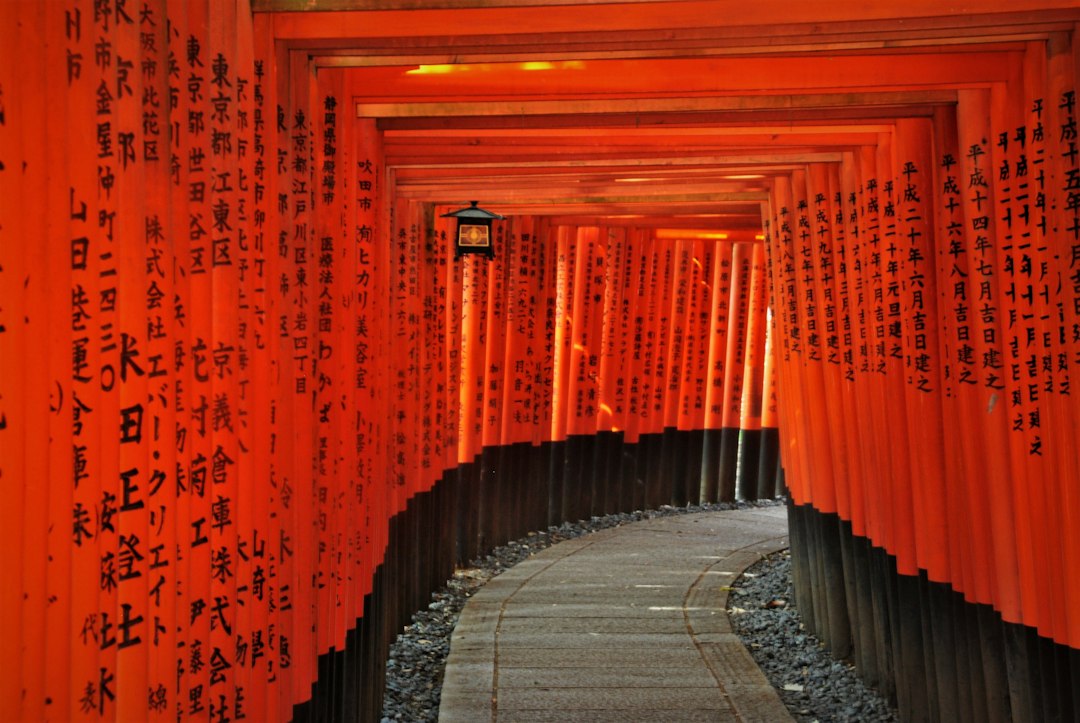
Kyoto’s great sites are physically small. The torii tunnel at Fushimi Inari is only a few people wide. The viewing path at Kinkaku-ji is a single railed walkway. Down below, the lanes leading to Kiyomizu-dera were laid out strictly for foot traffic. That design came centuries before anyone could imagine tour bus crowds. Between roughly ten in the morning and four in the afternoon, those spaces fill. Before and after, they empty out, and the city you came to see reappears.
So this is not a longer list. This is the concise guide. It includes the right timing, the proper order, and the best pace. We have found that this approach makes a first visit work. In our experience, the travelers who come back happiest did fewer things and did them at the right hour.
Fushimi Inari Before the Day Begins
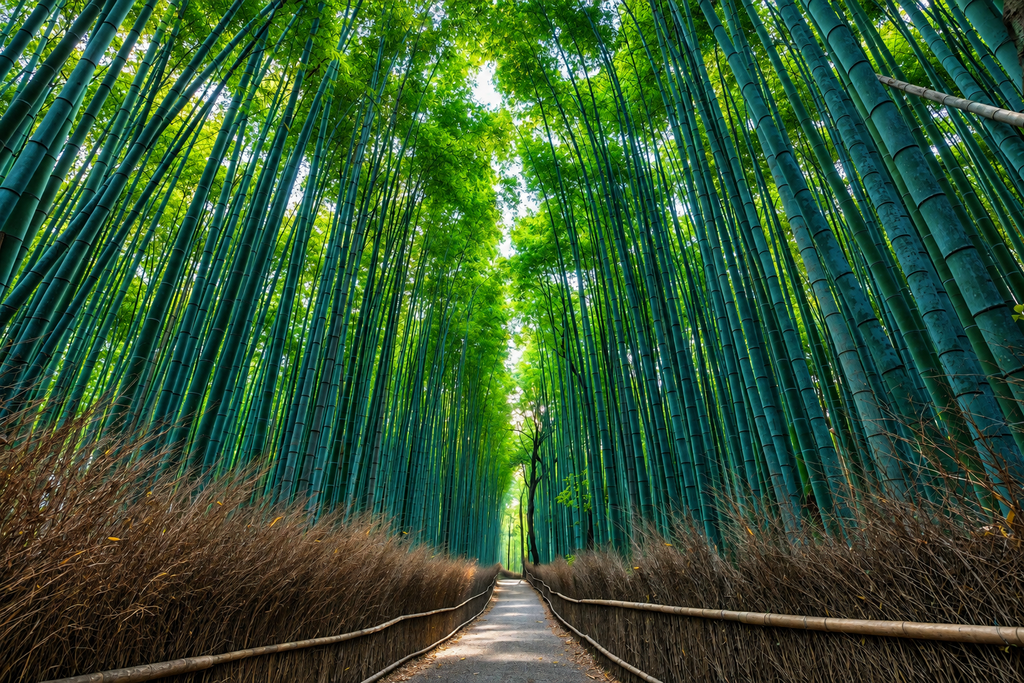
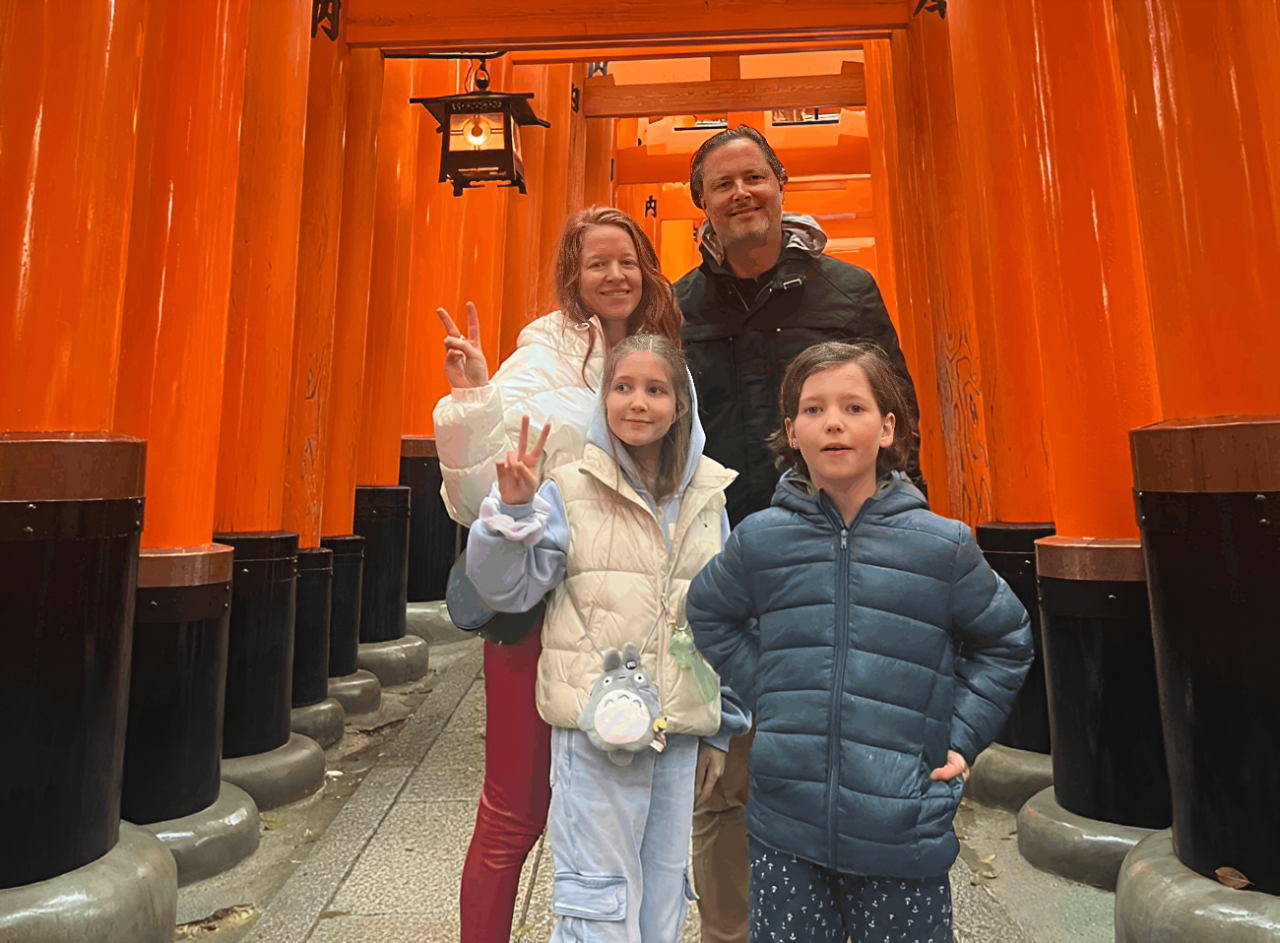
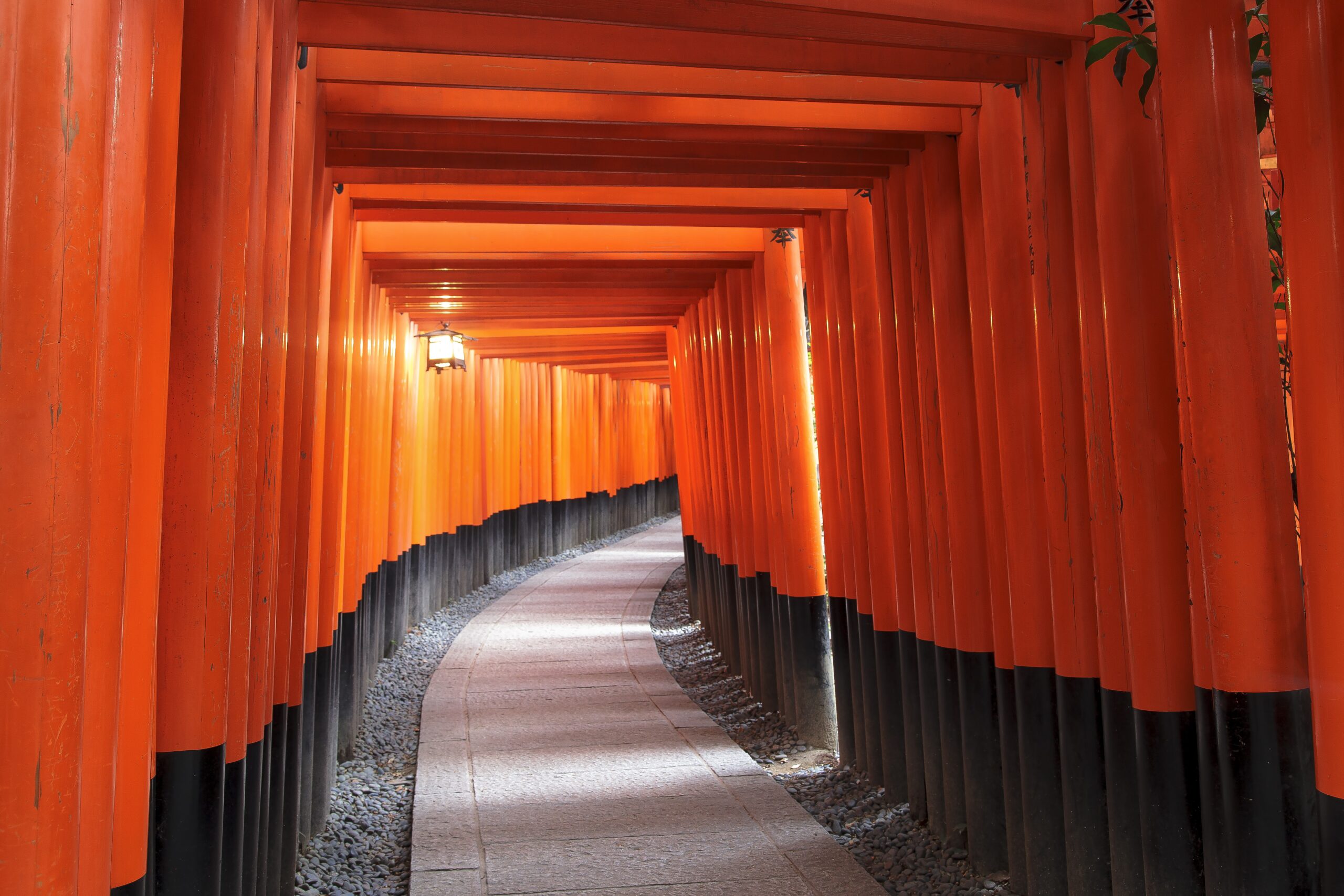
Fushimi Inari Taisha is the one place in Kyoto we would put first on almost any itinerary. The shrine is dedicated to Inari, the deity of rice and prosperity, and its mountain is threaded with thousands of vermilion torii gates donated by businesses and individuals over generations.
Why the Torii Tunnel Needs an Early Start
The grounds are open around the clock and there is no admission charge. That matters, because it means you can arrive at first light with nothing to wait for.
At seven in the morning the Senbon Torii, the double row of gates just behind the main hall, is quiet enough to hear your own footsteps on the stone. By late morning it moves at the pace of the slowest photograph. Same gates, same light filtering orange through the gaps, a different experience entirely.
Getting there is easy. JR Inari Station on the Nara Line sits directly opposite the main entrance, a few minutes from Kyoto Station.
How Far Up to Climb
The full loop to the summit of Mount Inari and back takes most people two to three hours with stops. Few first-time visitors need all of it.
Our usual advice is to climb as far as Yotsutsuji, the intersection roughly halfway up, where the trees open onto a view across southern Kyoto. The crowds thin sharply after the first stretch of gates, and the upper mountain has small sub-shrines, stone fox statues, and tea stalls that most visitors never see. Turning back at Yotsutsuji keeps the morning free for what comes next.
If you want the full route mapped out, our Fushimi Inari hiking guide covers each section of the climb.
Expert Tip
Wear shoes with real grip. The upper paths at Fushimi Inari are steep stone steps, often damp in the morning, and the climb is more of a hike than most visitors expect. Bring water from a convenience store before you arrive, since the shops on the lower approach may not be open yet at an early hour.
Higashiyama on Foot: Kiyomizu-dera to Gion
Eastern Kyoto is best understood as a single walk, and the direction matters. Start high at Kiyomizu-dera and let the slope carry you downhill through the old lanes to Gion.
Kiyomizu-dera at Opening Time
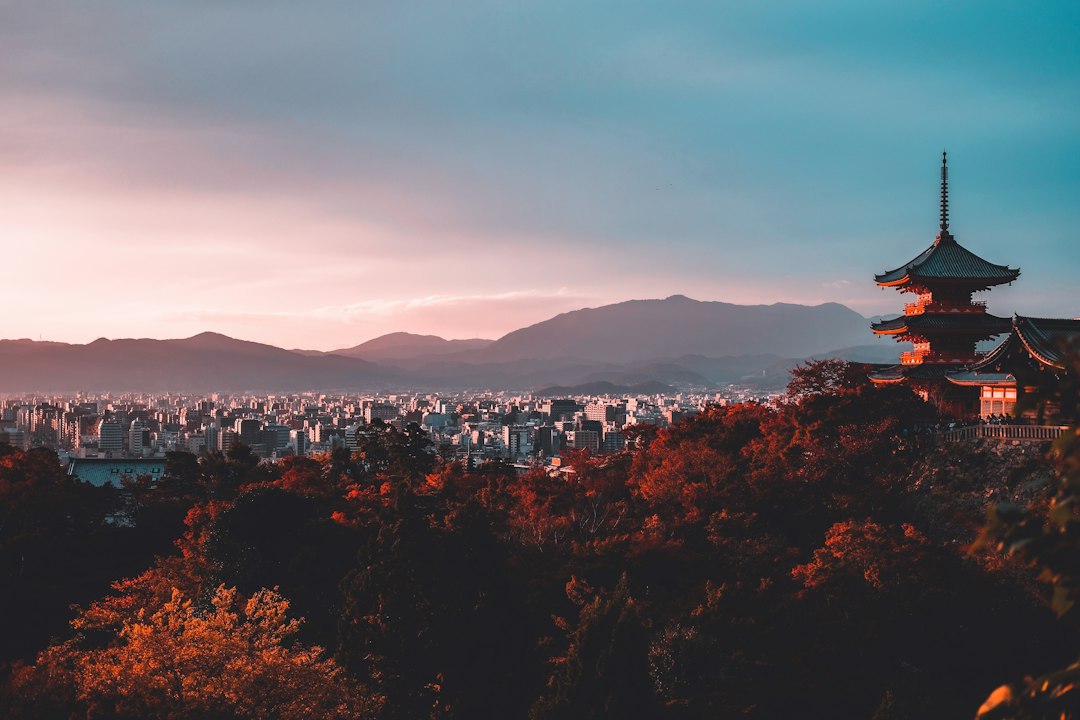
Kiyomizu-dera opens at six in the morning, earlier than almost any other major temple in the city. Few visitors take advantage of that. Those who do find the wooden stage, projecting from the hillside on a lattice of timber pillars, almost to themselves, with the city still pale and hazy below.
The stage is the image everyone knows. The quieter pleasure is the walk around the far side of the valley, where you can look back at the main hall standing over the trees. By mid-morning the stage is a queue, and that view is the better one anyway.
Sannenzaka, Ninenzaka, and the Walk Downhill
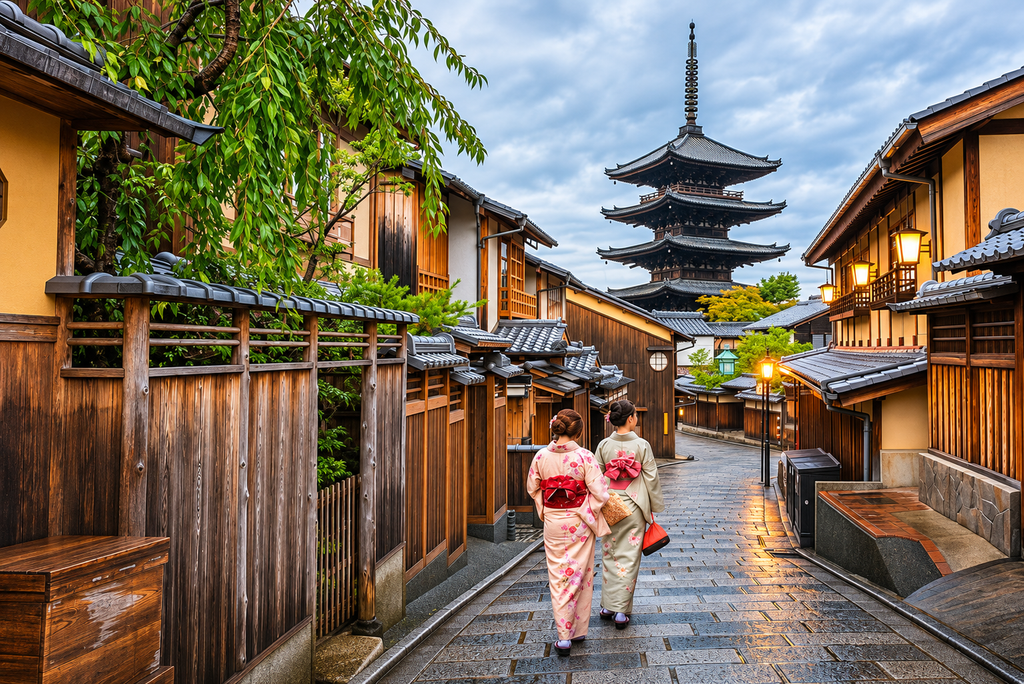
From the temple gate, Sannenzaka and Ninenzaka descend as stepped lanes of wooden shopfronts, tiled roofs, and small sweet shops. They are among the most photographed streets in Japan, and in the middle of the day they are close to impassable.
Walked early, they are a different thing: shutters half up, shopkeepers sweeping the steps, the five-storey Yasaka pagoda appearing at the end of a lane. Continue past the pagoda, through Maruyama Park, and down to Yasaka Shrine, which sits at the top of Shijo and anchors the eastern end of Gion.
The whole walk is about an hour without stops. It is also downhill, which is the reason to do it in this order.
Gion, Geiko, and the Etiquette of the Alleys
Gion is the geiko district, and the part of it most people imagine is Shirakawa: a shallow canal, willows trailing into the water, and wooden teahouses with bamboo screens. At first light there is no one on the stones. That is the hour we take travelers there.
Many of the narrow lanes off Hanamikoji are private roads, and residents have put up signs asking visitors not to photograph or enter them. Please respect those signs. If you see a geiko or maiko on her way to an appointment, she is working, and stopping her for a photograph is the single behavior residents complain about most. Our guide to seeing geiko and maiko respectfully explains what is real, what is staged, and how to watch without intruding.
Kinkaku-ji, Arashiyama, and the West of the City
The western side of Kyoto holds two of its most famous sights, and they are far enough apart that each deserves its own half-day. Trying to do both after lunch is how visitors end up seeing them through other people’s phones.
Kinkaku-ji Ahead of the Coaches
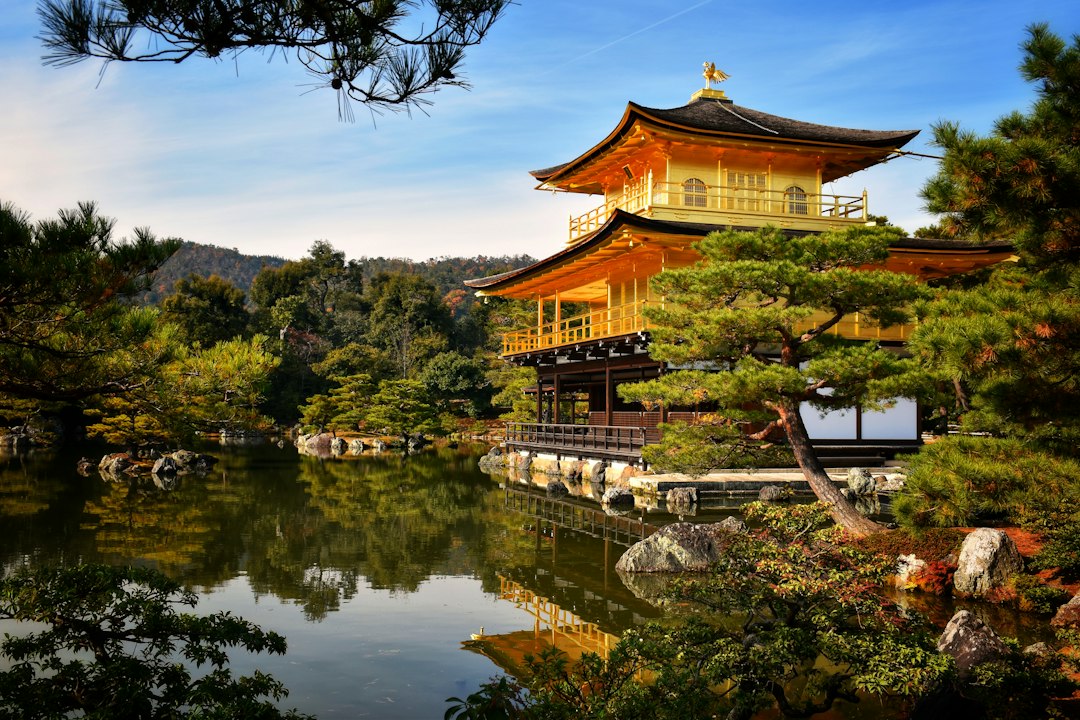
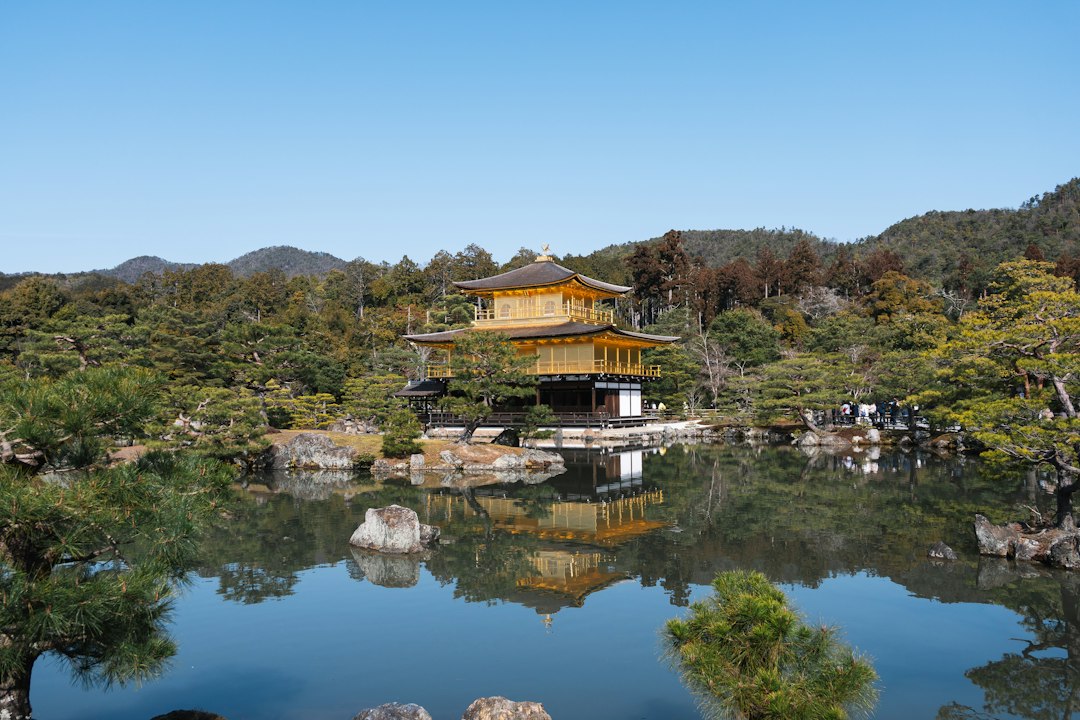
Kinkaku-ji, the Golden Pavilion, is a Zen temple whose upper floors are covered in gold leaf, set on the edge of a still pond that doubles it. It opens at nine. The viewing path is narrow and runs one way, so arriving at opening time means standing at the rail rather than queuing to reach it.
Is it worth the effort, given the crowds? Yes. It is one of the few buildings in Japan that looks more remarkable in person than in photographs, particularly when the morning sun hits the gold across the water. However, the visit itself is short, since the route is a single loop around the pond, so pair it with something nearby rather than building a morning around it.
Our early morning walking tour reaches Kinkaku-ji after Gion Shirakawa and Yasaka Shrine, which is a reasonable model even if you go alone. Do the east of the city at dawn, then cross to the northwest for opening time.
Arashiyama Beyond the Bamboo Grove
The bamboo grove at Arashiyama is the image on every list, and it is shorter than people expect: a few minutes’ walk through stalks that creak and knock against each other in the wind. Go early, or accept that you will share it.
The district rewards a longer stay than the grove alone. Tenryu-ji, a Zen temple whose garden borrows the forested hills behind it as a backdrop, sits beside the grove’s entrance. Beyond the main path, the lanes toward Sagano get quieter with every few hundred metres, with small temples set among moss and maple. The Togetsukyo Bridge over the Katsura River marks the centre of the district and is where most visitors turn back.
We think Arashiyama is best treated as a half-day of its own, ideally a weekday morning, ending with lunch by the river.
How Kyoto Eats and Drinks Tea
Food in Kyoto is quieter than in Osaka, and that is the point. The city’s cooking is built on tofu, yuba, pickles, river fish, and vegetables grown in the surrounding valleys, with flavors kept clean so the season comes through.
Nishiki Market, Done Properly
Nishiki Market is a narrow covered street in central Kyoto lined with stalls selling pickles, dashi ingredients, fish, knives, and sweets. Locals have shopped here for generations, and it is still a working market rather than a food court.
Go before lunch, when the stalls are stocked and the aisle is passable. Many shops ask that food bought there be eaten at the stall rather than while walking, and following that request makes for a better visit anyway, since you get to talk to the people selling it. Our Nishiki Market guide lists what to try and where.
Matcha and the Tea Ceremony
Kyoto is the heart of Japanese tea culture, and Uji, just south of the city, has grown tea for centuries. At minimum, drink matcha somewhere that whisks it to order and serves it with a small seasonal sweet.
A tea ceremony is worth an hour if it is small and led by someone who practices it seriously. The value is not the tea. It is the attention: the precise movements, the single scroll in the alcove, the bowl turned before you drink. Large group ceremonies tend to lose exactly that quality, so we suggest choosing a smaller setting even if it costs more.
Kaiseki and Seasonal Cooking
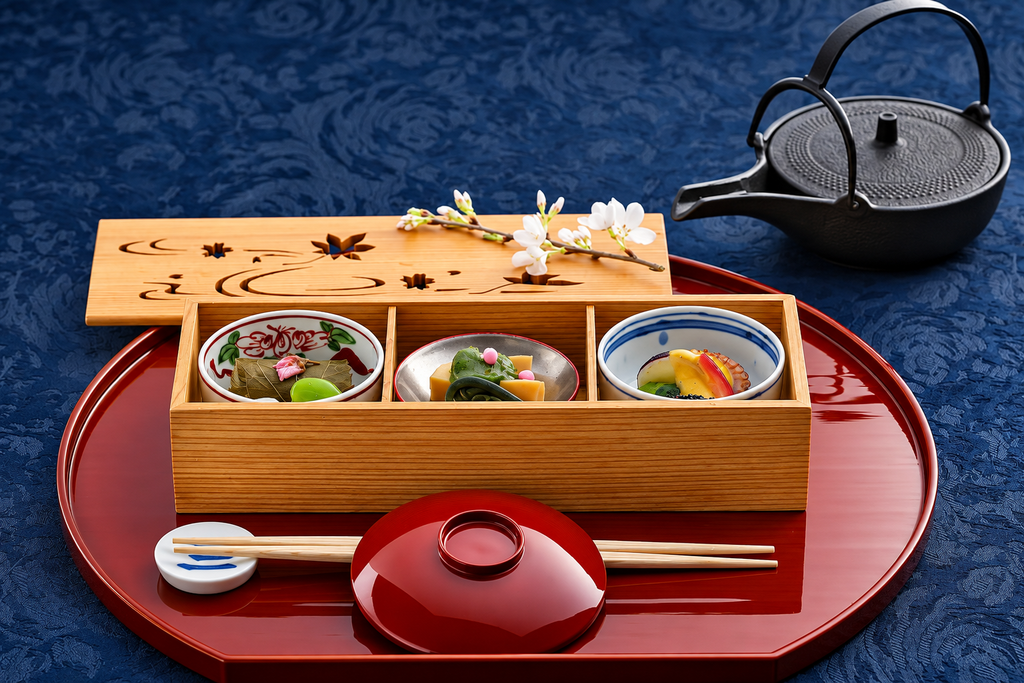
Kaiseki, the multi-course meal built around the season, is the dinner most closely tied to Kyoto. A full kaiseki dinner is a significant commitment of time and money, and it is the meal travelers most often describe to us afterwards.
If one dinner feels like too much, many kaiseki restaurants serve a shorter lunch course at a fraction of the evening price. It is the most efficient way to understand what the fuss is about.
Expert Tip
Kyoto’s city buses are the default advice in older guidebooks, and in peak seasons they are often too full to board on the busiest routes. Where you can, use the subway, the Keihan and Hankyu lines, and JR to move between districts, and walk the last stretch. Carry an IC card such as ICOCA so every fare is a tap.
Must Do in Kyoto: Frequently Asked Questions
How many days do I need in Kyoto for a first visit?
Three full days is the minimum we would plan for. That gives one day for Fushimi Inari and Higashiyama, one for Kinkaku-ji and Arashiyama, and one for Nishiki, tea, and whatever you discovered you wanted more of. Two days is possible but means choosing between the east and west of the city rather than doing both well.
What is the best order to see Kyoto’s main sights?
Group by geography and time each day around the crowds. Start the eastern day at Fushimi Inari or Kiyomizu-dera at opening, then walk downhill to Gion. Start the western day at Kinkaku-ji at nine or at the Arashiyama bamboo grove before that. Save markets, shopping, and covered museums for the middle of the day, when the outdoor sites are at their busiest.
Is it worth hiring a private guide in Kyoto?
In Kyoto more than most cities, yes. The main sites are close together but the crowds move through them on a predictable schedule, and a guide who knows that schedule can re-plan your day around it as it unfolds. Three or four stops done properly is a realistic day; anyone promising more is mostly moving you between car parks.
Related Tours

Conclusion
The list of what to do in Kyoto on a first visit is short and well known. Fushimi Inari, the walk from Kiyomizu-dera down to Gion, Kinkaku-ji, Arashiyama, and an unhurried morning with the city’s food and tea cover the essential city. Nothing about that list needs reinventing.
What changes the trip is the clock. Arrive at opening time, walk Higashiyama downhill, give each district its own half-day, and stop at three or four places rather than six. Kyoto does not reward the traveler who sees the most. It rewards the one who was standing at the right gate at seven in the morning, before everyone else arrived.
Plan Your Japan Trip with Local Experts
Our team has guided 40,000+ travelers across Japan. Tell us about your trip and we’ll get back to you within 24 hours.