In this article:
- What bonsai actually is (and what it isn’t)
- The bonsai culture in Tokyo and Omiya
- What happens during a bonsai workshop
- The TJT bonsai experience with a master practitioner
- Taking your bonsai home: customs and care
- Practical details and booking
- Frequently asked questions
Introduction
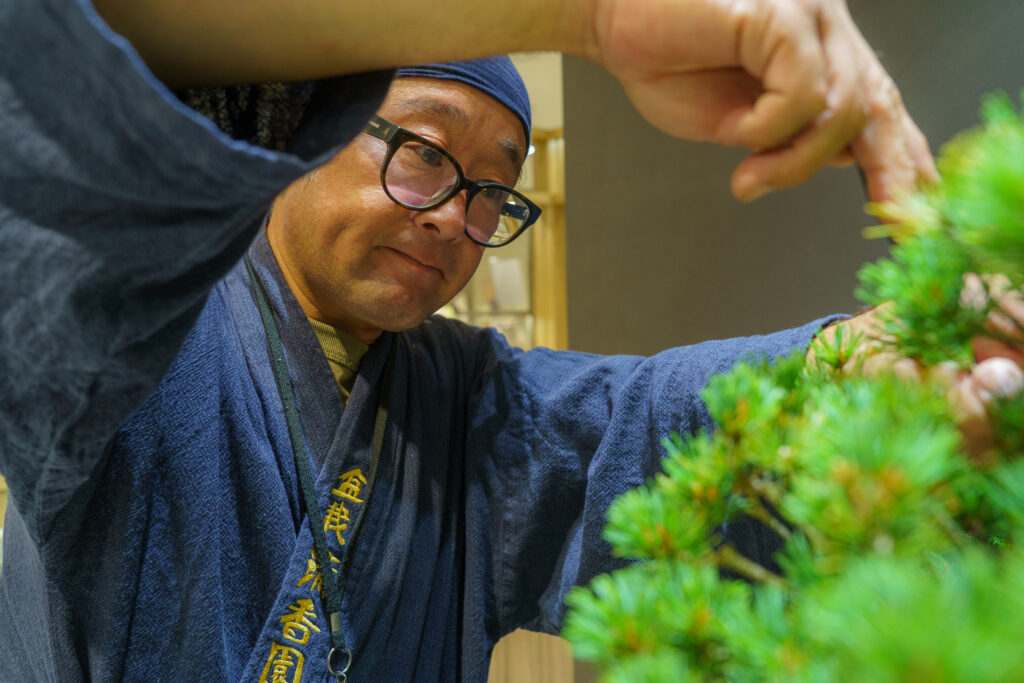
Bonsai is misunderstood outside Japan in a specific way: it’s treated as a product — a small, shaped tree — rather than a practice. In Japan, bonsai is a decades-long conversation between the practitioner and a living thing. The tree that a bonsai master works with may be 100 years old. The decisions being made — which branch to remove, which direction to wire, how much to water — are made with the next 20 years of the tree’s development in mind.
A bonsai workshop doesn’t make you a practitioner. What it does is give you direct experience of the aesthetic principles that guide the practice — the relationship between negative space and the shape of the tree, the concept of time expressed through a living thing that grows visibly over years and invisibly over decades — in a way that looking at finished bonsai in a museum doesn’t.
Tokyo has several bonsai workshops available to visitors, ranging from casual tourist introductions to sessions with masters who have spent their lives in the practice. This guide covers how to find the latter.
What Bonsai Actually Is
The Philosophy
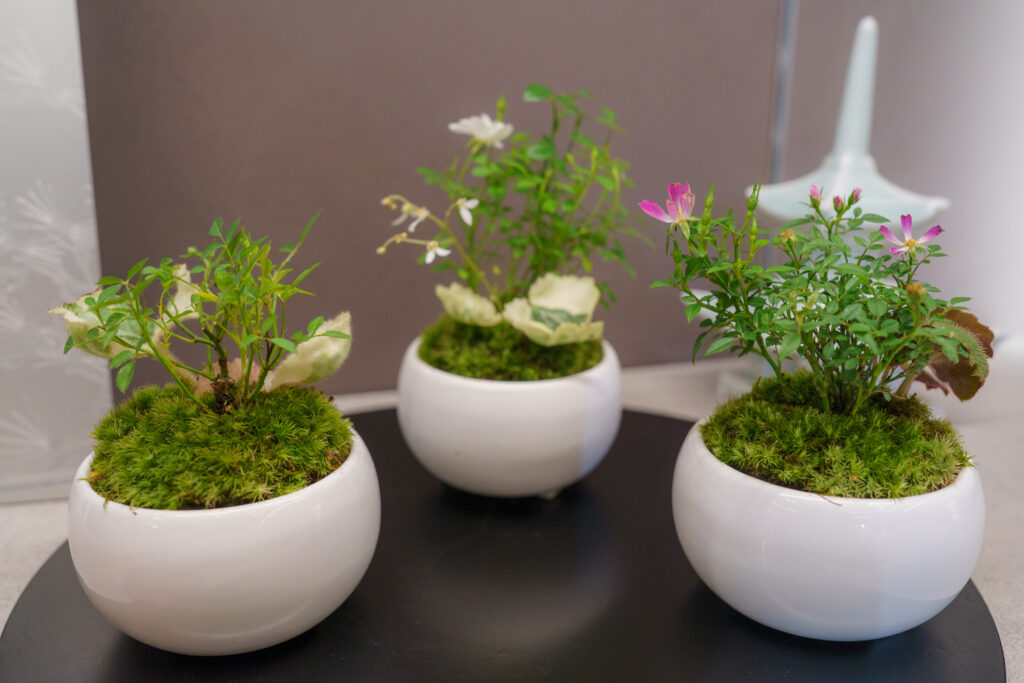
Bonsai (盆栽) translates literally as “planted in a container” — a deliberately minimal description of a practice with considerable philosophical depth. The goal is not miniaturization for its own sake, but the creation of a living landscape that suggests — without literally depicting — a tree in a natural setting. The visual language involves negative space (the emptiness around the tree matters as much as the tree itself), asymmetry, and the visible signs of age and struggle that the practitioner cultivates over years.
The aesthetic principles overlap with other Japanese arts: ikebana (flower arrangement), karesansui (rock gardens), and the broader concept of wabi-sabi — the beauty found in imperfection and impermanence.
The Timeline
Serious bonsai work operates on timelines that most contemporary life doesn’t. A tree being prepared for formal exhibition might have been in training for 50 years. The practitioner’s decisions about a branch today will shape what the tree looks like in 15 years. This relationship with extended time is part of what makes the practice philosophically interesting — and part of what makes a single workshop session humbling.
The Bonsai Culture in Tokyo and Omiya
Omiya Bonsai Village
The most significant bonsai cluster in Japan is in Omiya, Saitama — 30 minutes from central Tokyo by train. The Omiya Bonsai Village (Omiya Bonsai Mura) is a residential area where approximately eight bonsai nurseries and the Omiya Bonsai Art Museum operate in proximity. Visiting on a weekday allows you to walk between the nurseries, see trees spanning centuries of cultivation, and occasionally watch masters at work. The Museum itself has permanent and rotating exhibitions that place individual trees in historical context.
For serious bonsai interest, a morning in Omiya followed by a workshop session in Tokyo produces a more complete understanding than either alone.
Tokyo’s Bonsai Nurseries
Several bonsai nurseries operate within Tokyo, concentrated in areas like Asakusa and Ueno. These typically sell finished and in-progress bonsai, offer basic care advice, and occasionally host workshop sessions. The range in quality and price is substantial — from ¥3,000 for a small starter tree to ¥500,000+ for exhibition-quality specimens.
What Happens During a Bonsai Workshop
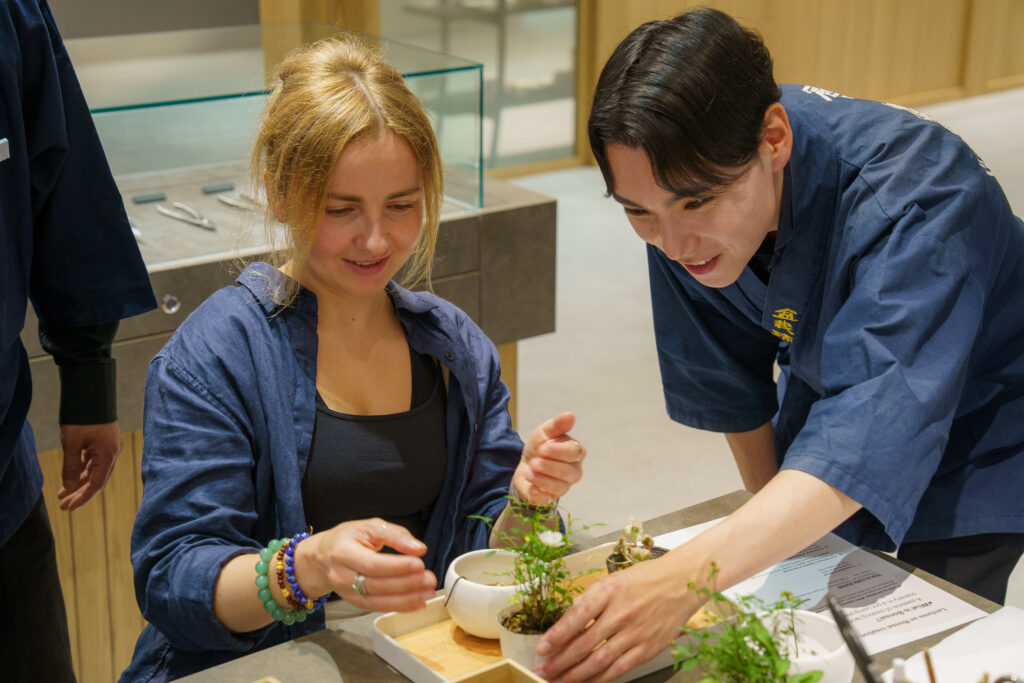
A typical bonsai workshop for visitors runs 90 minutes to two hours and covers: the history and philosophy of bonsai (brief overview), selection of your tree (typically from a range of starter trees at different stages of development), an introduction to the tools — scissors, wire, concave cutters — and their use, and guided work on your specific tree with the instructor.
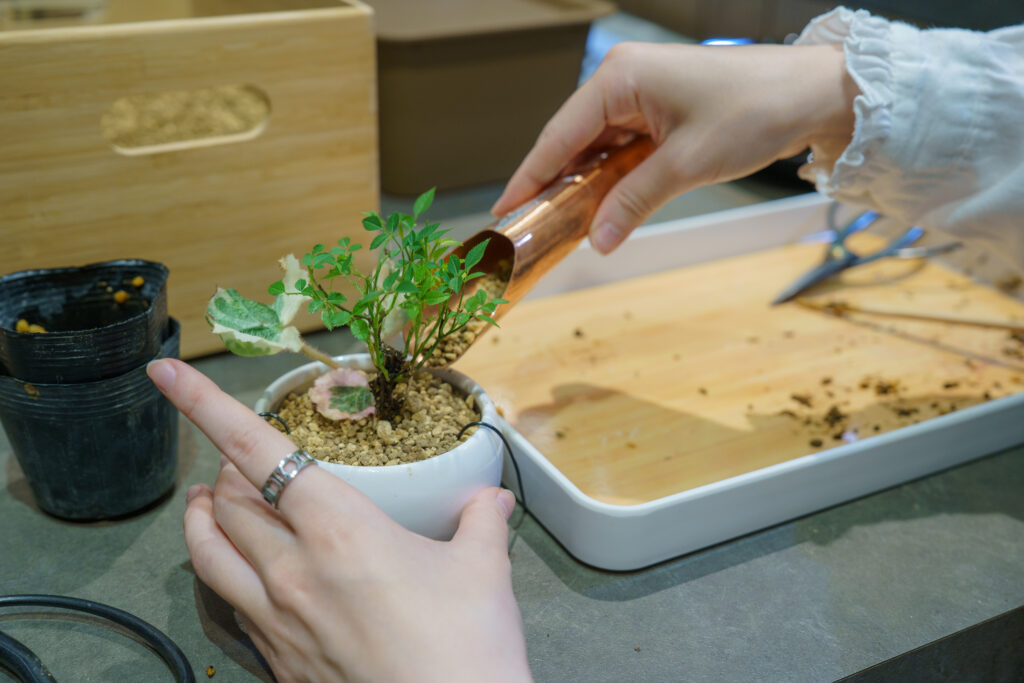
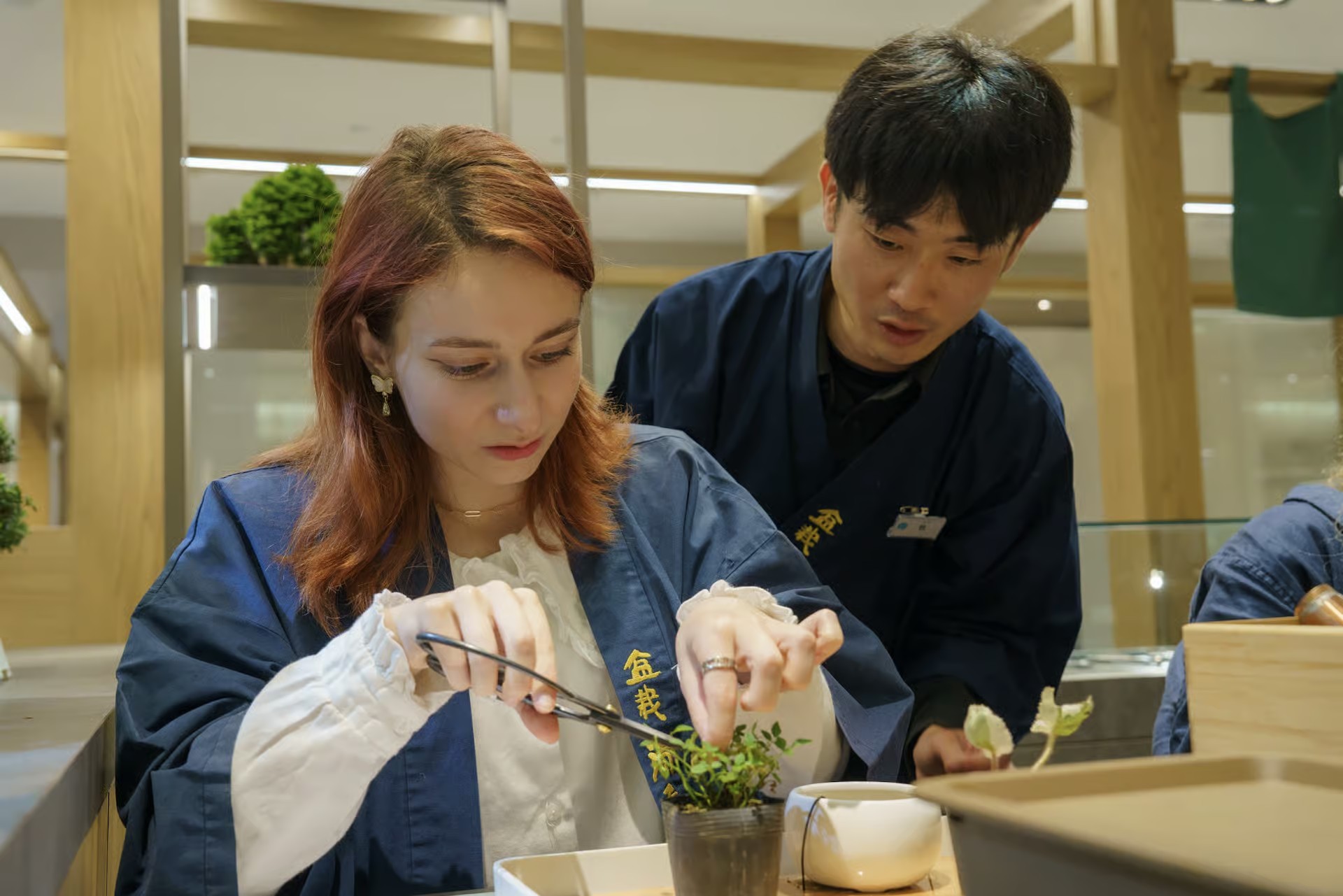
The guided work is where the workshop distinguishes itself from a lecture. With the tree in your hands, decisions become concrete: this branch or that branch, this angle of wire, this degree of lean. The instructor’s guidance shows you the visual logic behind each choice. By the end, you’ve made genuine changes to a living thing based on aesthetic principles — which is a different kind of understanding than description provides.
Most workshops end with participants taking their tree home. Depending on your travel situation, this either means carrying it as cabin luggage (small trees in appropriate containers are generally permitted) or arranging shipping.
Expert Tip
When selecting your tree at the beginning of a workshop, don’t choose the most “finished” looking specimen. Choose the one that presents the most interesting problems — the branch that doesn’t know where to go, the trunk that has interesting movement but an unclear direction. The workshop is more valuable when you’re genuinely uncertain what the tree should become, because that uncertainty forces you to think through the aesthetic principles rather than just executing what’s already obvious.
The TJT Bonsai Experience
TJT’s bonsai workshop is conducted by a practitioner with 30+ years of experience who has trained under recognized masters in the Kanto tradition. Sessions are small — maximum four participants — and run approximately two hours including philosophy introduction, hands-on work, and a tea break.
The format is genuinely instructional rather than demonstrational: each participant works on their own tree with direct guidance, making the aesthetic decisions themselves under the practitioner’s coaching. The English-language instruction is clear and specific — not a translation of Japanese concepts into vague generalizations, but a direct explanation of what the tree needs and why.
Taking Your Bonsai Home
Customs and Regulations
Bringing a bonsai into most Western countries requires customs clearance. The regulations vary by country but typically require: the tree to be bare-rooted (soil removed, roots wrapped in damp moss and plastic), a phytosanitary certificate from a Japanese agricultural inspection station, and documentation of species. This is manageable but requires planning — ideally arrange the inspection and documentation 2–3 days before your departure.
Some travelers choose to ship rather than carry. Several specialist bonsai shippers in Tokyo can arrange international shipping with full documentation; expect 2–3 weeks for delivery and ¥15,000–40,000 in shipping and documentation fees.
Care After Return
Bonsai care requirements vary by species. The workshop instructor will provide specific care instructions for your tree. The basics: outdoor trees need outdoor conditions (not windowsills); watering frequency depends on the pot size, species, and season; repotting every 1–3 years in early spring. The most common cause of bonsai death among beginners is overwatering combined with insufficient light.
Frequently Asked Questions
Do I need any experience to take a bonsai workshop? No. The workshops are designed for complete beginners. The principles are accessible to anyone who approaches them with genuine curiosity.
How much does a bonsai workshop cost in Tokyo? Range: ¥5,000–15,000 depending on the session length, instructor credentials, and what you take home. TJT’s workshop is at the higher end of this range because of the master practitioner and the small group size.
Can I take the bonsai I create back to my home country? With the right documentation and preparation, yes. The workshop instructor can advise on the process for your specific country.
Related Tours
Conclusion
A bonsai workshop gives you a direct, physical experience of an aesthetic philosophy that has been central to Japanese culture for centuries. The principles — negative space, the beauty of age, the relationship between practitioner and living material — are accessible through the hands in a way they’re not accessible through description. Even a single two-hour session with a master practitioner produces an understanding that visits to bonsai exhibitions and museum displays don’t. That understanding, and the tree you take home, are worth the morning.
Plan Your Japan Trip with Local Experts
Our team has guided 40,000+ travelers across Japan. Tell us about your trip and we’ll get back to you within 24 hours.