In this article:
- What Nishiki Market actually is (and isn’t)
- The best things to eat on a Nishiki food tour
- The specialty shops worth stopping for
- How to navigate Nishiki without the crowds
- Beyond the market: connecting to Gion and Pontocho
- Practical tips, timing, and budget
- Frequently asked questions
Introduction
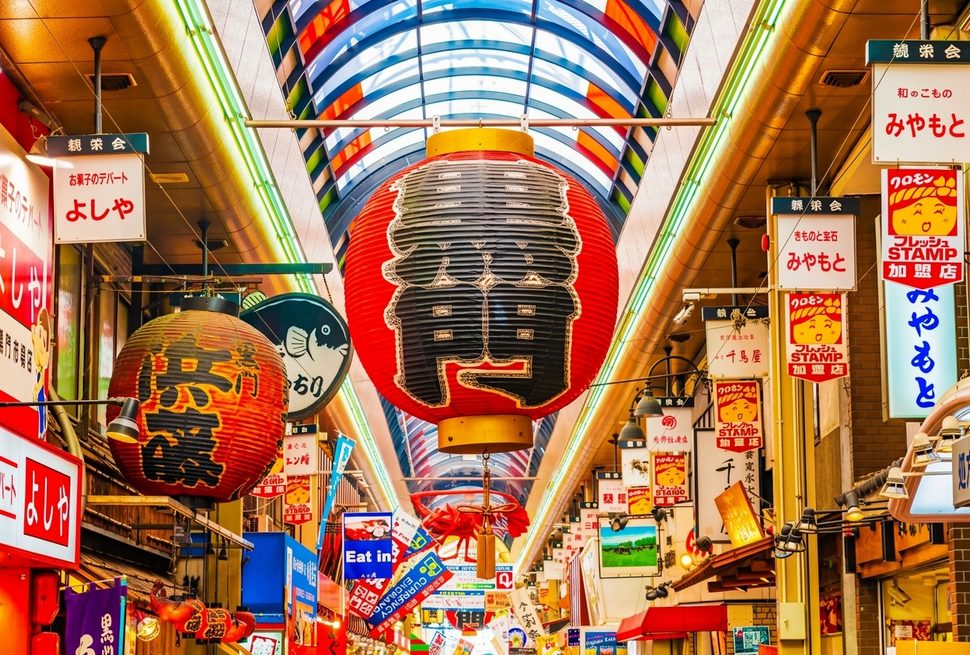
Nishiki Market — Kyoto’s “kitchen” — has been feeding the city for 400 years. The covered shopping arcade runs five blocks between Teramachi and Takakura Streets near Shijo, and somewhere between 130 and 160 stalls operate within it depending on the season. About half are food-related; the rest cover kitchen equipment, dried goods, and the kinds of specialty products that don’t fit neatly into supermarket categories.
The market’s reputation has created a management problem: it now attracts so many visitors that the traditional function — supplying restaurants and households with fresh Kyoto produce — competes with the tourist traffic. Some stalls have oriented entirely toward visitors; others maintain their original business and tolerate the foot traffic. Knowing which is which is the difference between a mediocre tourist walk and a genuine food experience.
This guide covers the second version.
What Nishiki Market Actually Is
The Historical Context
Nishiki began as a fish market in the early Muromachi period (14th–15th century). Kyoto’s climate — hot summers, humid — required fresh fish to be sold close to its source and consumed quickly. The location, with natural groundwater from underground springs running beneath the street, kept temperatures low and product fresh. By the Edo period, the market had expanded to cover vegetables, tofu, pickles, and prepared foods alongside the fish.
The 400-year-old institutions — the pickle shops, the tofu makers, the soy sauce breweries — that still operate in the market are not preserved for tourism. They’re businesses that have continued doing what they do because their products remain genuinely better than what you can buy elsewhere.
What Nishiki Is Not
Nishiki is not a pristine traditional market. The western end has more tourist-facing operations; some stalls that appear traditional are relatively recent additions. The market has electricity, credit card readers, and social media-ready food items. This isn’t criticism — it’s a functional market that has adapted to the 21st century while maintaining its core. But approaching it as an unspoiled historical experience will produce disappointment. Approaching it as a living food district with a historical foundation produces something better.
The Best Things to Eat on a Nishiki Food Tour
Kyo-Tsukemono (Kyoto Pickles)
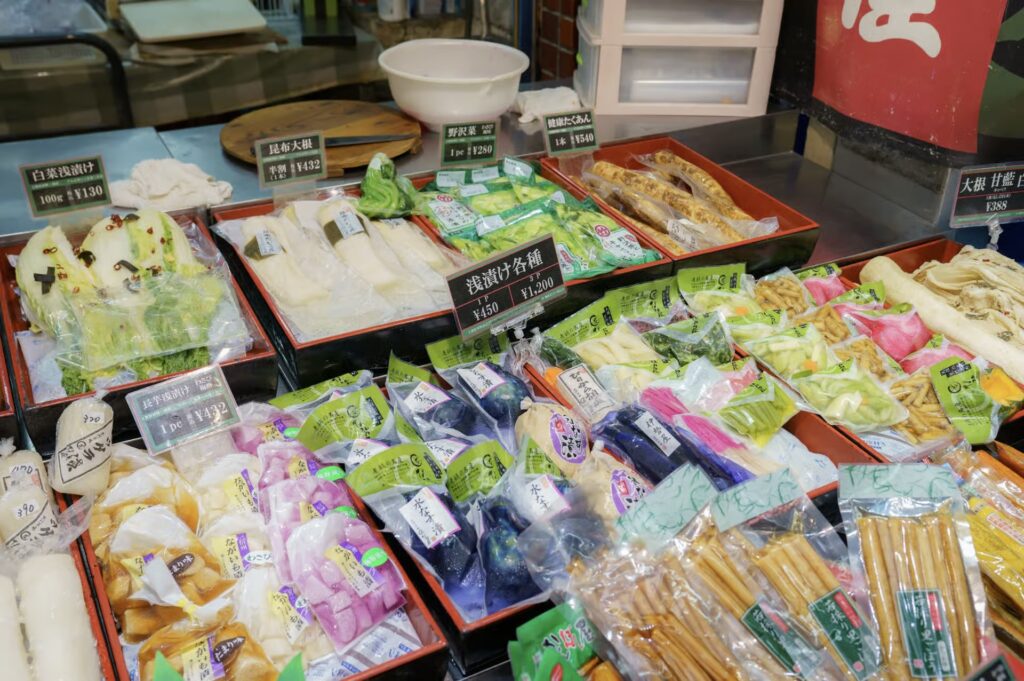
Kyoto pickles are categorically different from the pickles available outside the prefecture. The specific Kyoto vegetables (kyo-yasai) — Kamo eggplant, Kujo green onion, Shogoin turnip, Manganji pepper — produce pickles with distinct flavors and textures. The fermentation times, salt concentrations, and seasonings vary by shop and by season.
The pickle specialists in the eastern and central sections of the market let you taste before buying. The best approach is to try three or four varieties at different shops rather than committing to the first one you see. The turnip pickled in sweet vinegar (senmaizuke) and the eggplant pickled in sake lees (nasu no shiba-zuke) are the most specifically Kyoto options.
Tofu and Yuba
Nishiki has several tofu and yuba (tofu skin) specialists. Fresh yuba — the thin film that forms on the surface of heated soy milk — is served at room temperature with soy sauce and wasabi at market stalls, or sold in sealed containers for same-day consumption. The texture, when fresh, is entirely different from what you find outside Kyoto. Budget ¥500–800 for a tasting portion.
Tamagoyaki
Kyoto tamagoyaki (rolled egg omelette) is sweeter and lighter than the Tokyo version, made with a higher proportion of dashi and eaten at room temperature rather than warm. Several stalls in Nishiki cook to order; the freshly made version on a skewer is the best format. ¥200–300 per stick.
Sesame Products
Nishiki has at least two shops dedicated entirely to sesame — seeds, oils, pastes, and preparations made from seeds processed on the premises. The sesame oil, roasted to different depths, has a complexity that changes completely depending on the application. Worth buying if you cook; worth tasting at the stall regardless.
Grilled Skewers and Street Food
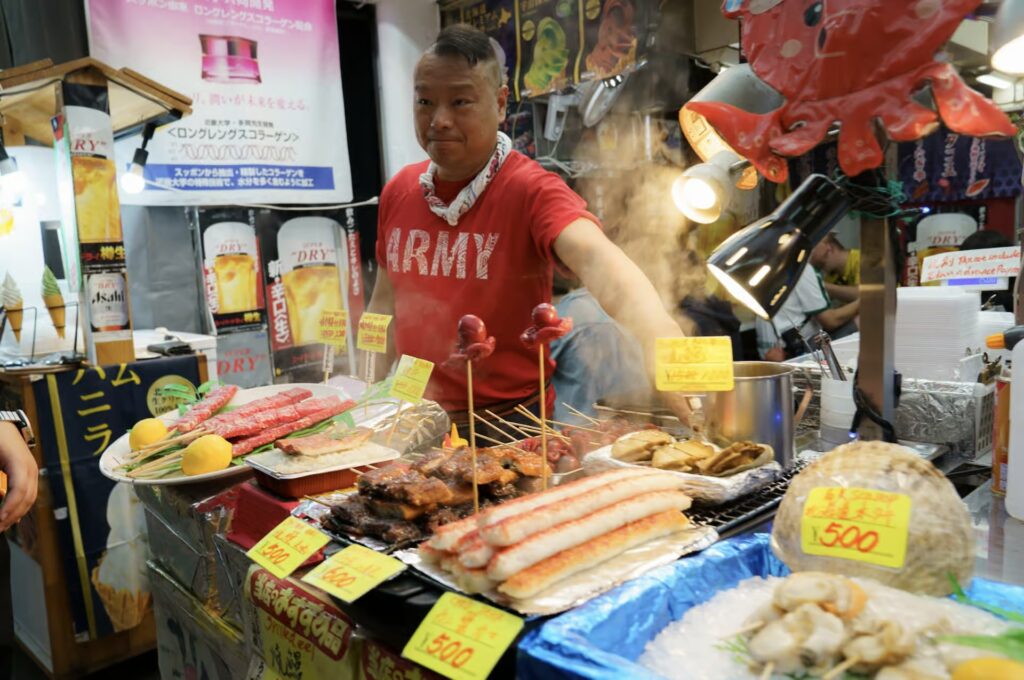
Toward the western end of the market, stalls prepare grilled skewers to order — octopus, fish, chicken, vegetables. The quality varies; the format is convenient for eating while walking (acceptable at outdoor stalls, less so inside the covered arcade itself). Budget ¥300–600 per skewer.
Expert Tip
Walk the entire market once before buying anything. It’s five blocks — 15 minutes at a slow walk. This reconnaissance pass shows you what’s available, identifies the specialist shops from the general ones, and prevents you from spending your appetite on the first thing you see. The best items in Nishiki (the kuzukiri at Kagizen, the fresh yuba, the specific pickle varieties) are not at the obvious end nearest the station.
The Specialty Shops Worth Stopping For
Pickle Specialists
The best pickle shops in Nishiki are in the central and eastern sections. Look for stalls with barrels of vegetables in brine rather than pre-packaged product. The shops that have been operating for multiple generations typically have handwritten labels rather than printed packaging. Tasting is expected and offered without obligation to buy.
Soy Sauce and Miso
Several shops in Nishiki sell soy sauce and miso produced on the premises or sourced from small producers in the Kyoto region. The range of flavor profiles — from sweet white miso (shiro miso) to the dark, complex hatcho miso from Aichi — is wider than what’s available in supermarkets. Staff at these shops will typically explain the differences and offer tasting.
Japanese Sweets
The western end of Nishiki connects to Teramachi-dori, which has a concentration of traditional sweet shops. Toraya’s Kyoto branch (one of Japan’s oldest confectionery brands) is accessible within a 5-minute walk. Namagashi (seasonal fresh wagashi) made to order at the shops adjacent to the market is worth trying — these are the sweets served at tea ceremony.
How to Navigate Nishiki Without the Crowds
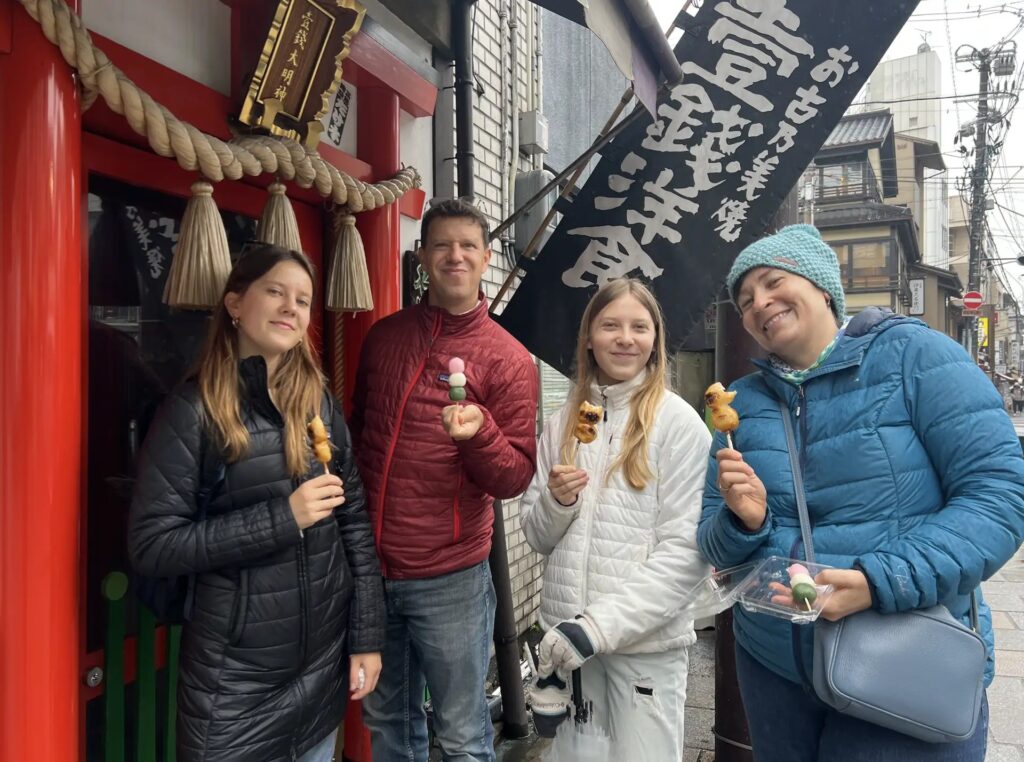
Nishiki on a weekend afternoon between 11am and 3pm is at maximum density — the 4-metre-wide covered arcade fills completely. The alternatives: arrive before 9:30am (most stalls open by 9am; the market is at its quietest in the first hour); come on a weekday morning; or visit in the late afternoon after 4pm when day-trippers have left.
The crowd doesn’t make the market impossible — it makes the standing-still tasting more difficult. If the goal is buying and walking rather than standing to sample, any time works. If the goal is genuine engagement with the specialty shops, mornings and late afternoons are substantially better.
Beyond the Market: Connecting to Gion and Pontocho
Nishiki Market is ideally positioned for an afternoon that flows into the Gion and Pontocho neighborhoods. From the eastern end of the market (Teramachi end), Gion is a 10-minute walk east. From the western end (Takakura end), Pontocho is a 5-minute walk southeast. A morning at Nishiki, lunch in the area, and an evening in Pontocho or Gion is a full-day Kyoto food itinerary that requires no transportation.
Practical Tips, Timing, and Budget
Budget for a thorough Nishiki food tour: ¥1,500–2,500 for a morning of tastings (pickles, tofu, tamagoyaki, a grilled skewer or two). If buying products to take home — pickles, miso, soy sauce — add ¥2,000–5,000 depending on selections.
Most stalls accept cash only; a few in the tourist-facing sections take cards. Carry ¥3,000–4,000 for eating and small purchases. The market is closed on Wednesdays — check before making it the centerpiece of a day.
Frequently Asked Questions
Is Nishiki Market worth visiting? Yes — as a tasting experience in the specialty shops rather than a general tourist walk. Go for the pickles, the fresh tofu, and the specific stalls with 50-year histories. Skip the tourist-facing skewer stalls on the main corners.
What should I buy at Nishiki to take home? Pickles (if traveling to a country that allows food imports), sesame products, and miso paste — all travel reasonably well. Fresh tofu and yuba are for same-day consumption only.
Is Nishiki Market covered (good for rainy days)? Yes. The entire arcade is covered. It’s one of Kyoto’s best rainy-day options.
Related Tours
Conclusion
Nishiki Market is best understood as a living document of Kyoto’s food culture rather than a historical monument. The 400-year-old shops are there; so are the newer additions; so are the tourist-facing stalls. Knowing which is which, and spending your time at the ones that have been doing something genuinely for centuries — that’s the food experience. The rest is background.
Plan Your Japan Trip with Local Experts
Our team has guided 40,000+ travelers across Japan. Tell us about your trip and we’ll get back to you within 24 hours.