In this article:
- The Minpaku Law: Why Rentals Are Regulated
- The Passport Copy Requirement
- House Rules: Living Like a Responsible Local
- Airbnb vs. Business Hotels
- Noise and Neighborhood Relations
- Airbnb in Japan: Frequently Asked Questions
Introduction
Renting an apartment in Japan gives you space, a kitchen, and a neighborhood to belong to for a few days — real advantages for families and longer stays. What surprises many travelers is how regulated the system is. Since 2018, Japan’s short-term rental law has required hosts to register, verify guests, and follow strict rules, and guests share responsibility for getting it right.
None of this makes Airbnb difficult. It just means booking a properly licensed place and behaving like the considerate neighbor the system assumes you will be.
The Minpaku Law: Why Rentals Are Regulated
“Minpaku” is the Japanese term for private-home lodging, and the 2018 law that governs it shapes what you can and cannot book.
Look for the License Number
A legal listing displays a registration or license number, usually in the description. This is your single best signal that a place operates within the law and will not vanish before your trip. If you cannot find a license number, treat the listing with caution and consider messaging the host to ask for it.
The 180-Day Rule
The law caps many private-home rentals at 180 nights of operation per year. This is why some listings show limited availability or go dark during parts of peak season — the host has used their allotted nights. It is a normal feature of the system, not a red flag on its own.
Avoiding Illegal Listings
Unlicensed rentals still slip through occasionally, and they carry a real risk: sudden cancellations when a property is reported, or a host who cannot be reached. Booking a listing with a visible license number, solid recent reviews, and a responsive host is the simplest protection.
The Passport Copy Requirement
Why Hosts Record Your Passport
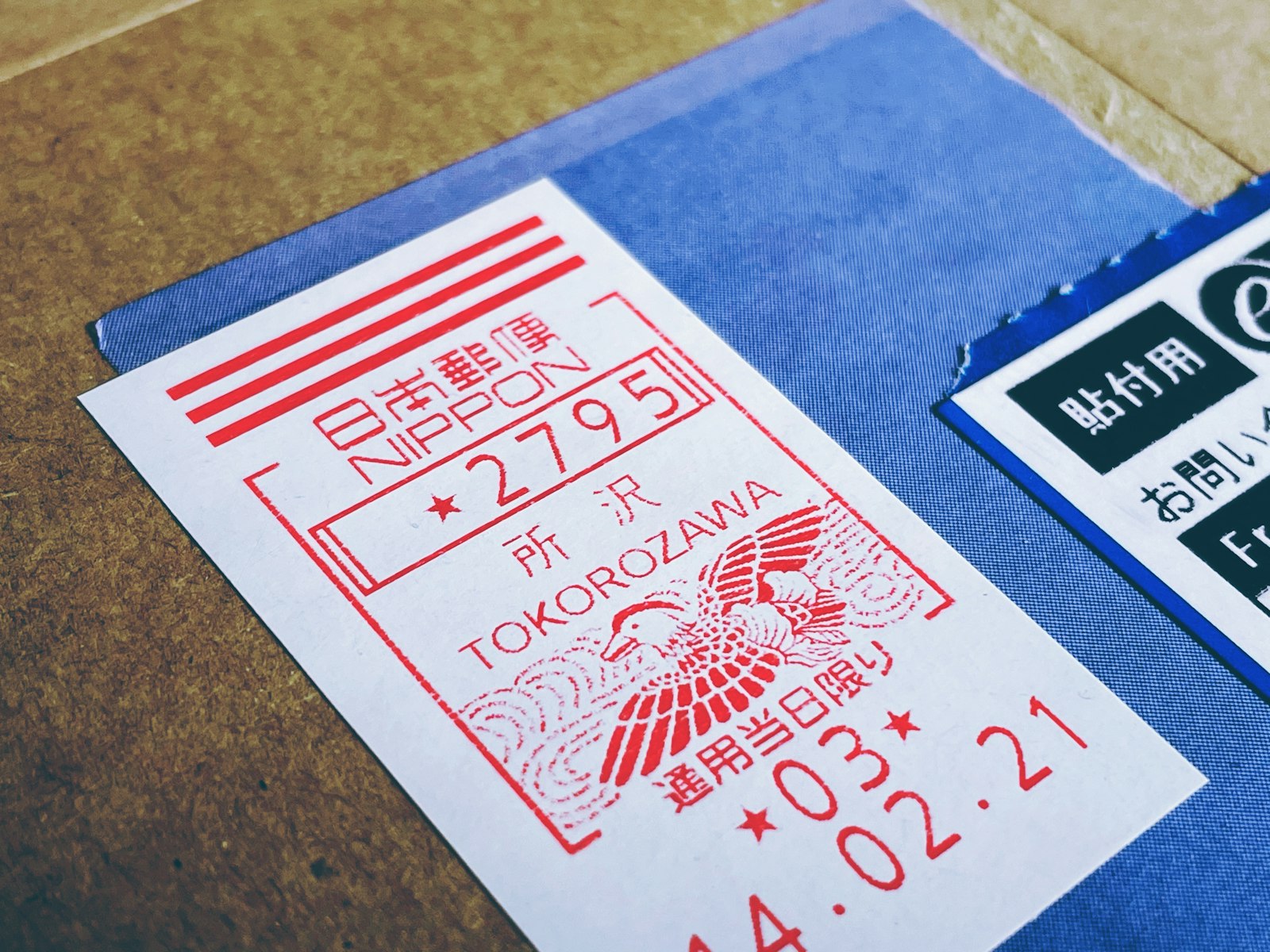
Japanese law requires hosts to verify and record the identity of foreign guests, which usually means photographing or scanning your passport. This is not a scam or an overreach — it is a legal obligation the host must meet. Have your passport ready at check-in.
Registering Everyone in Your Group
Every guest staying, not just the person who booked, generally needs to be registered. Provide the names of your whole party when the host asks, ideally before arrival, so check-in is quick.
Self Check-In Kiosks
Many apartment buildings use a tablet kiosk in the lobby for video identity verification and key collection. You hold your passport to the camera, confirm your details, and receive access instructions. Follow the host’s step-by-step message and it takes only a few minutes.
Expert Tip
Message your host the day before arrival to confirm the exact check-in method, the building address in Japanese, and the nearest station exit. Japanese addresses are notoriously hard to find by GPS alone, and having the Japanese-script address to show a taxi driver or paste into a map saves a frustrating wander with your luggage.
House Rules: Living Like a Responsible Local
Garbage Separation
Japan sorts household waste with a rigor that surprises many visitors: combustibles, plastics, cans, bottles, and PET are separated, and each has a collection day. Your host should leave instructions. Follow them carefully — putting the wrong bag out on the wrong day creates a genuine problem for the host and the building.
Shoes Off at the Genkan
Remove your shoes at the genkan, the recessed entryway, and switch to the slippers provided. Never step onto the raised floor in outdoor shoes. It is the most basic rule of a Japanese home, and observing it immediately marks you as a respectful guest.
Balcony and Laundry Rules
Some buildings restrict hanging laundry on balconies or have rules about when and how to do it. Check the house manual before draping clothes over the railing, and keep balcony use quiet — it is shared airspace with the neighbors.
Airbnb vs. Business Hotels
Space vs. Services
An apartment gives families room to spread out that a compact business hotel cannot match. The trade-off is services: no daily housekeeping, no front desk holding your bags before check-in or after checkout. If same-day luggage storage matters, plan for a coin locker or a hotel that offers it.
Kitchen and Laundry
A kitchen and washing machine change the economics of a longer stay. Cooking a few meals and doing your own laundry cuts costs and lets you shop in local supermarkets — itself one of the quiet pleasures of staying in a residential neighborhood.
Communicating with Hosts
Not every host speaks fluent English, but translation apps bridge the gap easily, and most hosts are used to international guests. Keep messages clear and simple, and allow a little time for replies across time zones if you book from abroad.
Noise and Neighborhood Relations
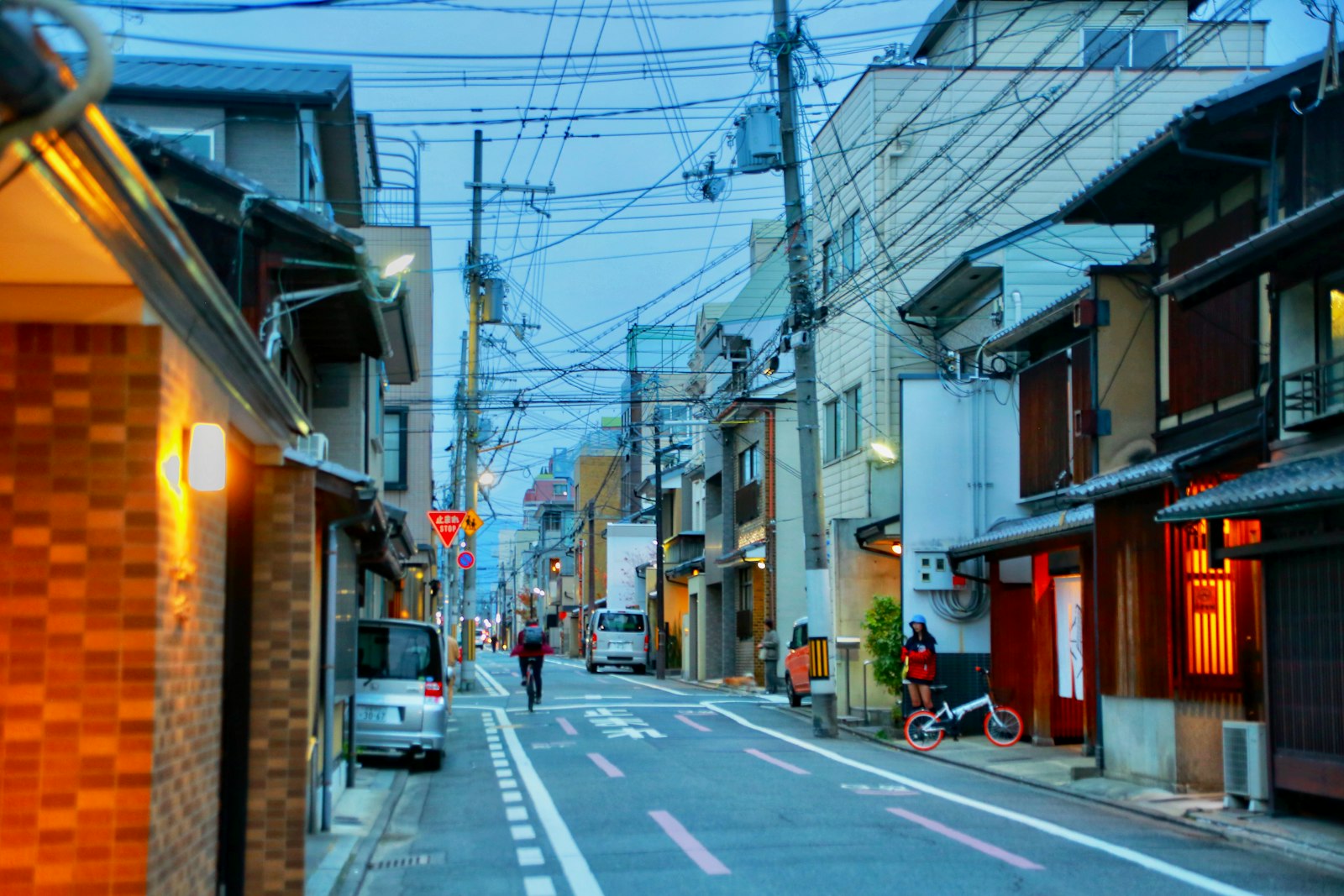
Quiet After 9 PM
Respect quiet hours, generally from around 9:00 PM. Noise complaints are the fastest way to sour a stay, and in Japan they are taken seriously enough that repeated disturbance can bring a visit from building management or police. Keep evenings calm.
Thin Walls and Late Nights
Many Japanese apartments have thin walls and floors. Loud conversation, music, or wheeling a hard-cased suitcase across the floor late at night carries to neighbors more than you would expect. Move gently after dark.
No Parties
Party bans are near-universal and strictly enforced. These are residential homes in quiet buildings, not event spaces. Keeping your group small and considerate is simply the expectation.
Airbnb in Japan: Frequently Asked Questions
Is it safe to book a listing with no license number? It is best avoided. A missing license number can signal an unregistered rental at risk of cancellation. Ask the host directly, and if no number is forthcoming, choose another place.
How do I handle garbage if my host left no instructions? Message the host and ask for the sorting rules and collection days before you check out. Do not simply leave bags outside — timing and separation both matter, and getting it wrong falls back on the host.
Can I have pocket Wi-Fi delivered to my Airbnb? Usually yes, but confirm with the host first, since deliveries to an apartment they do not staff can be tricky. Many travelers instead have devices delivered to their first hotel or pick them up at the airport.
Related Tours
Conclusion
Airbnb rewards travelers who want to live in Japan for a few days rather than just visit it. Book a licensed listing, have your passport ready, sort your garbage the way your host asks, and keep the evenings quiet.
Plan Your Japan Trip with Local Experts
Our team has guided 40,000+ travelers across Japan. Tell us about your trip and we’ll get back to you within 24 hours.