In this article:
- What Is a Ryokan?
- Kaiseki: The Traditional Banquet
- Wearing the Yukata Correctly
- Onsen Rituals and Etiquette
- Shoes, Luggage, and Quiet
- Ryokan Etiquette: Frequently Asked Questions
Introduction
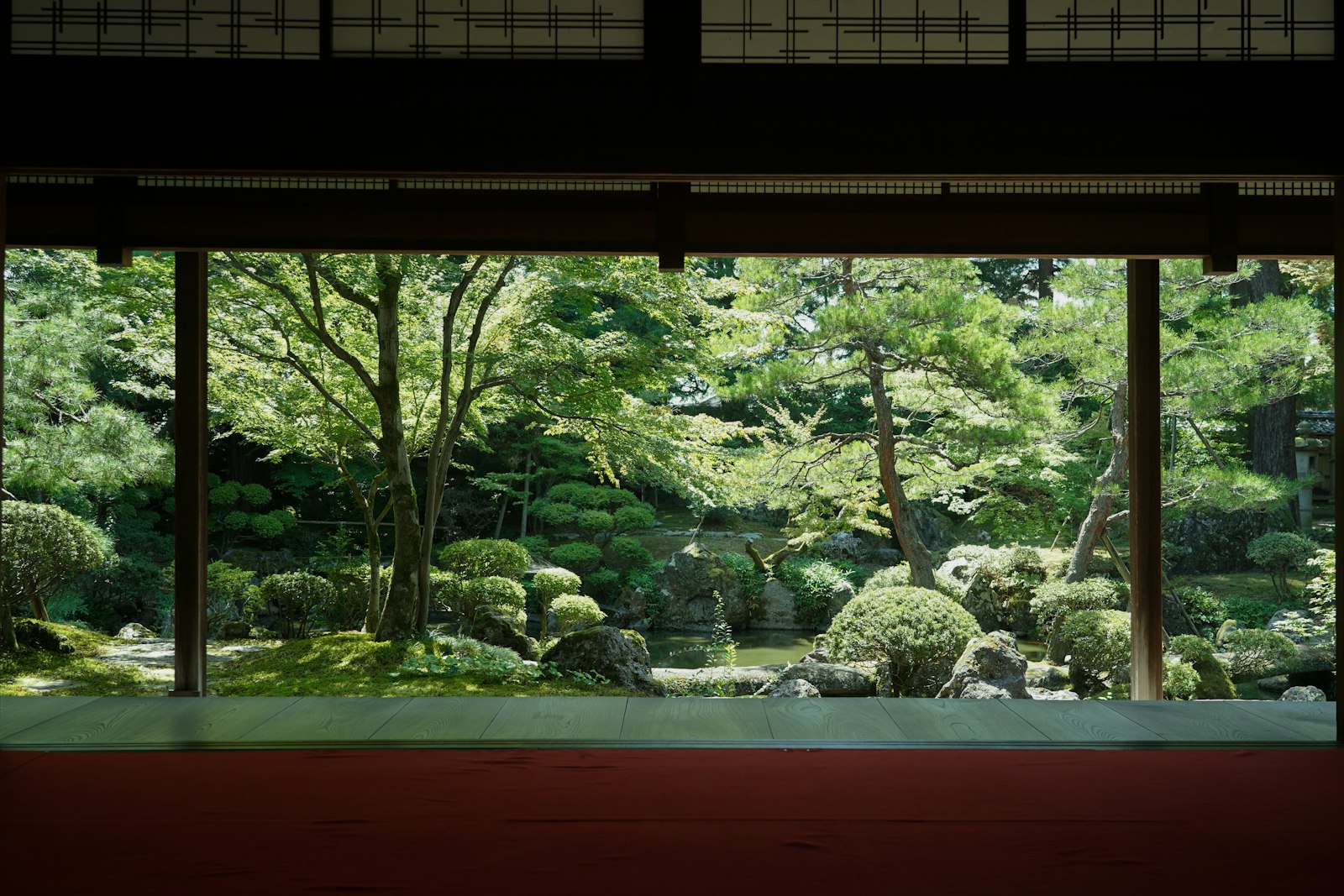
A ryokan is not simply a traditional hotel. It is a place built around omotenashi — a form of hospitality that anticipates your needs before you voice them — and around the rhythm of a single evening: arrive, bathe, dine, sleep on a futon laid out while you were at dinner, wake to the mountains.
The etiquette can feel opaque at first, but it is all logical once explained. Understand a handful of customs and you are free to simply relax into one of the finest nights Japan can give you.
What Is a Ryokan?
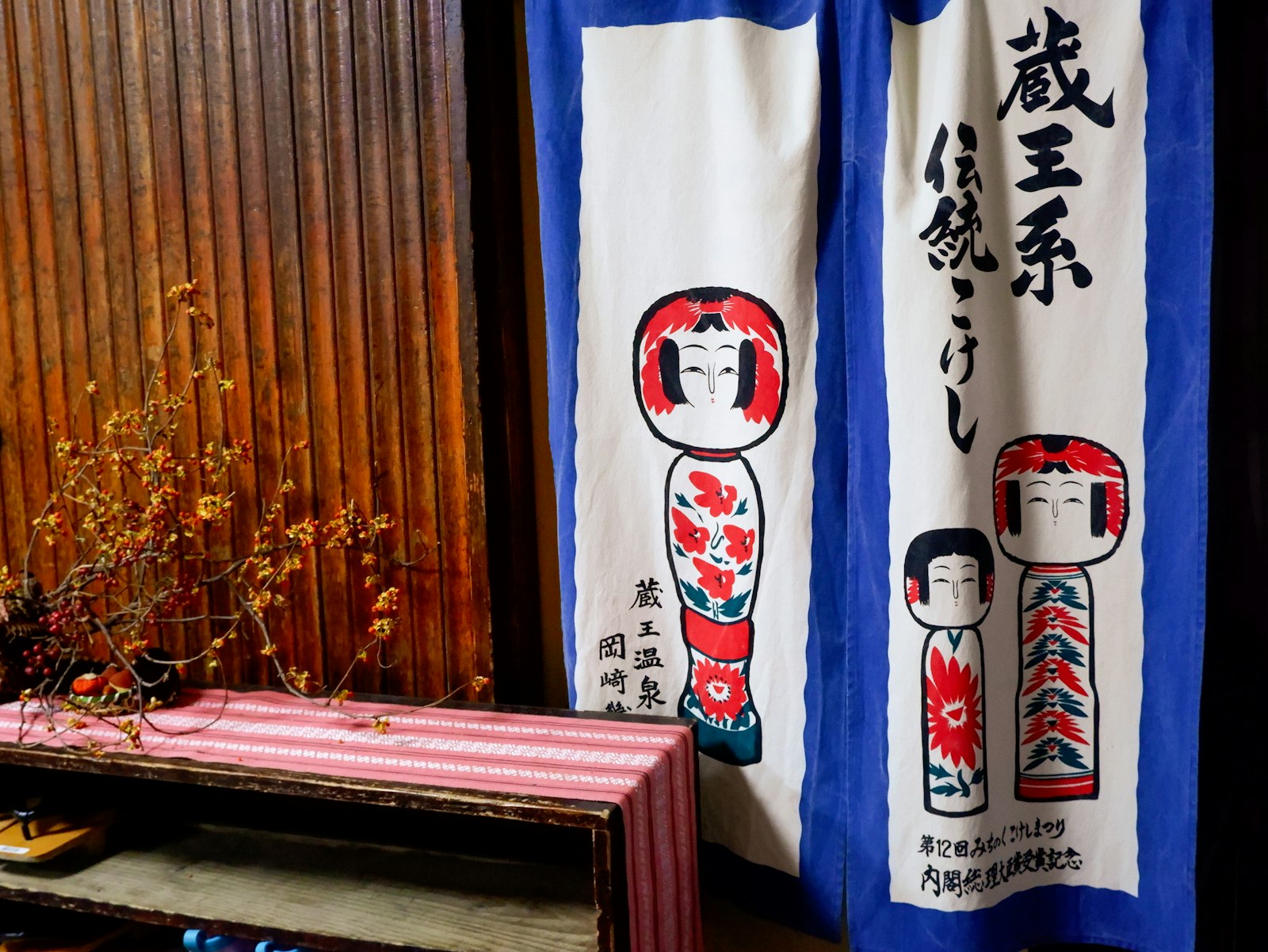
The physical space itself carries much of the experience, and its elements repeat across ryokan of every grade.
Tatami, Shoji, and Sliding Doors
Your room is floored with tatami — woven straw mats with a faint grassy scent — and divided by shoji, translucent paper screens, and sliding doors rather than hinged ones. There is usually a low table, floor cushions, and an alcove displaying a scroll or a seasonal flower. The room is meant to be lived in barefoot or in socks, seated low.
The Nakai-san
Many traditional ryokan assign a room attendant, the nakai-san, who welcomes you with tea and a sweet, explains the meal and bath times, and looks after your stay. Accepting this attention graciously is part of the experience; a simple “arigato gozaimasu” and a small bow go a long way.
The Futon Transformation
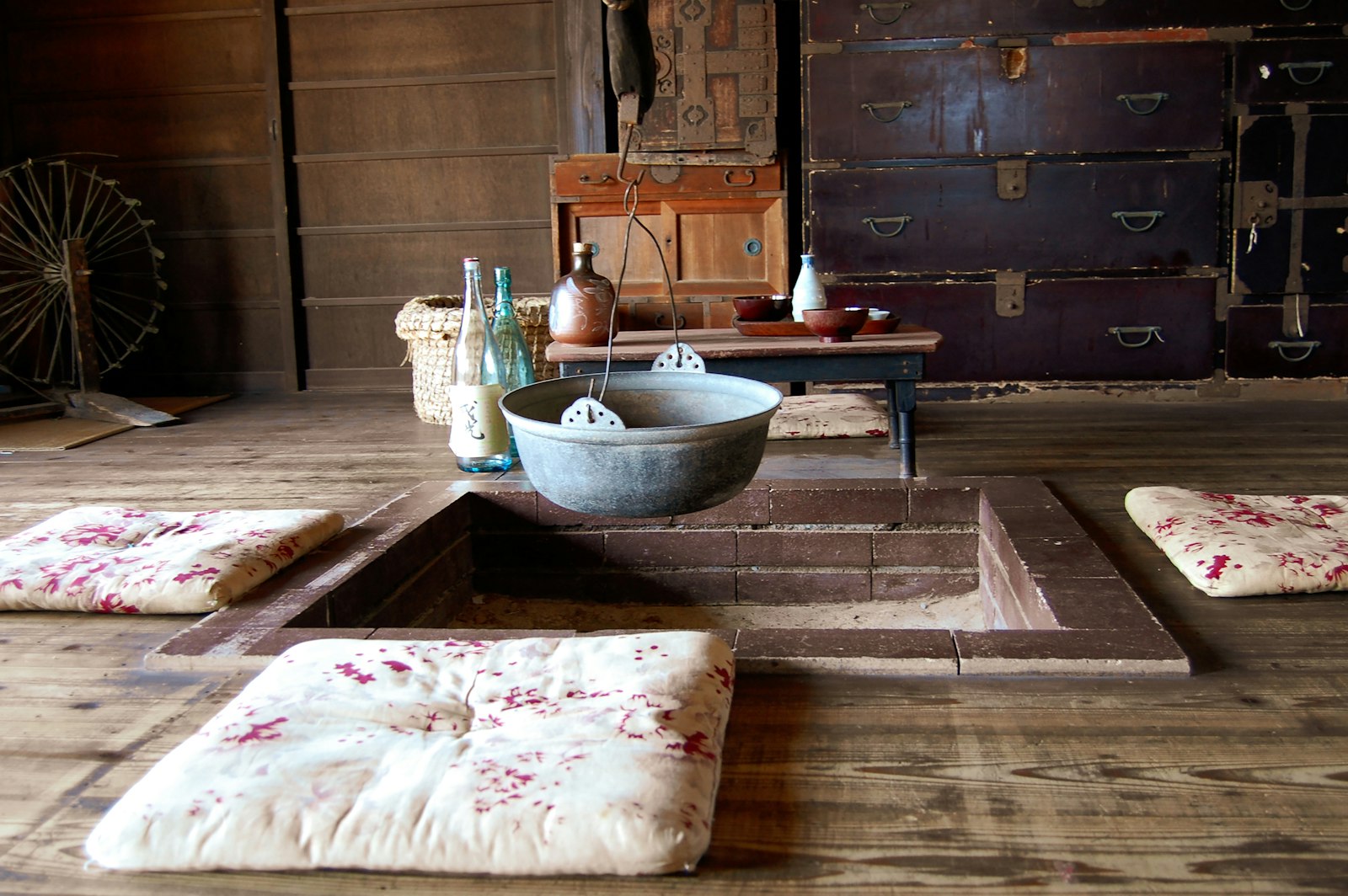
While you are at dinner, staff clear the low table and lay out your futon bedding on the tatami. You return to a bedroom where your sitting room used to be. In the morning it is folded away again. This quiet transformation is one of the small pleasures people remember most.
Kaiseki: The Traditional Banquet
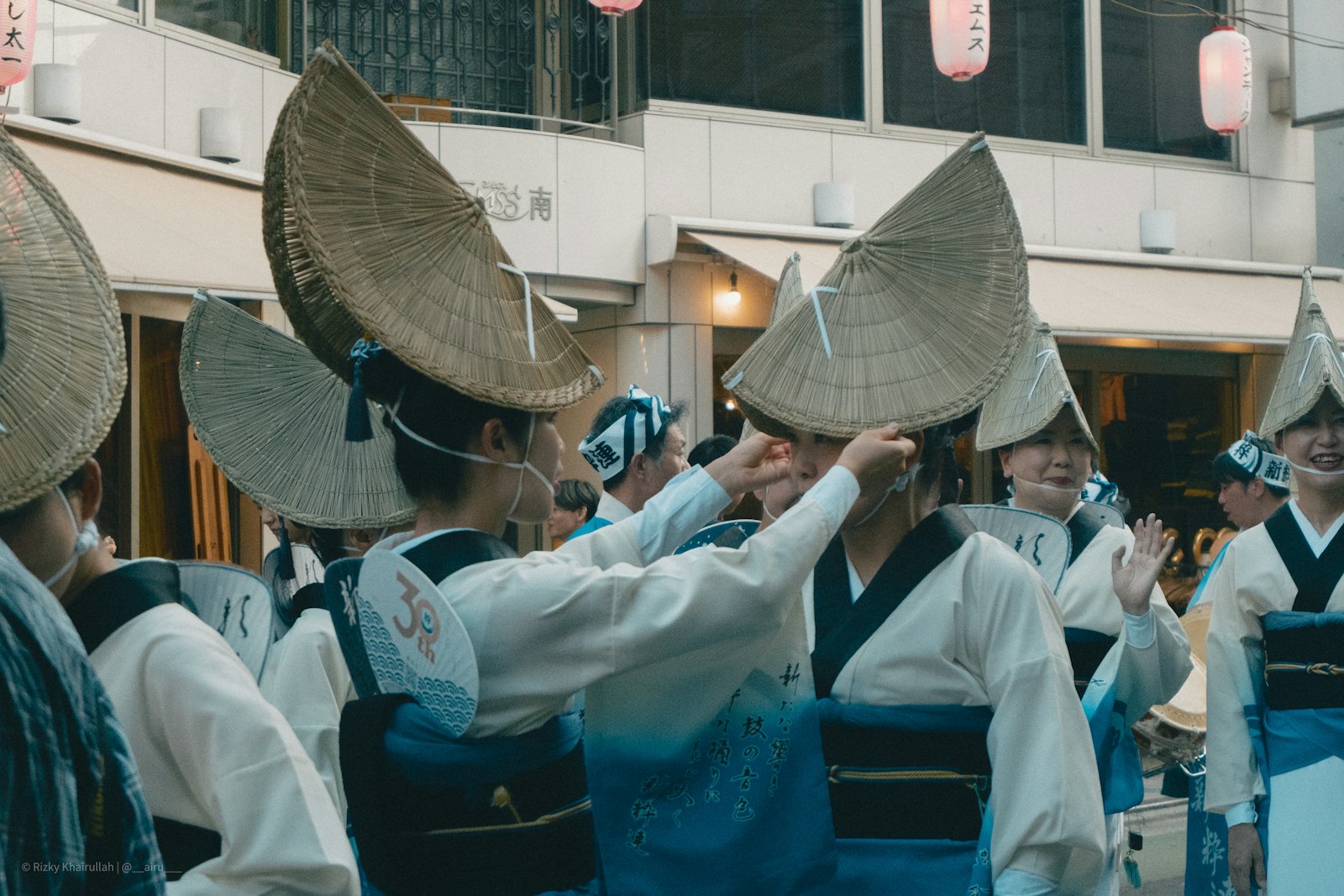
The Multi-Course Feast
Dinner at a good ryokan is kaiseki: a sequence of small, seasonal courses, each plated with care, drawing on local seafood, mountain vegetables, and regional specialties. It is as much a presentation of the season and the place as a meal. Pace yourself — there is more coming than you expect.
In-Room or Dining Hall
Some ryokan serve kaiseki in your room, others in a private or shared dining space. Your attendant will tell you which and when. Neither is better; in-room dining is more intimate, a dining hall often allows a more elaborate kitchen.
Keep to the Schedule
Meal times at a ryokan are fixed, and the kitchen builds the courses around them. Arriving late for your scheduled dinner disrupts a carefully timed sequence, so aim to be back from your afternoon and bathed in time. Confirm your slot at check-in.
Expert Tip
Bathe before dinner, not after. The classic ryokan evening runs bath, then kaiseki, then a second soak before bed if you like. Going into dinner freshly out of the onsen, wrapped in your yukata, is the intended rhythm — and it means you are not rushing a long, multi-course meal to make a bath time later.
Wearing the Yukata Correctly
Left Over Right
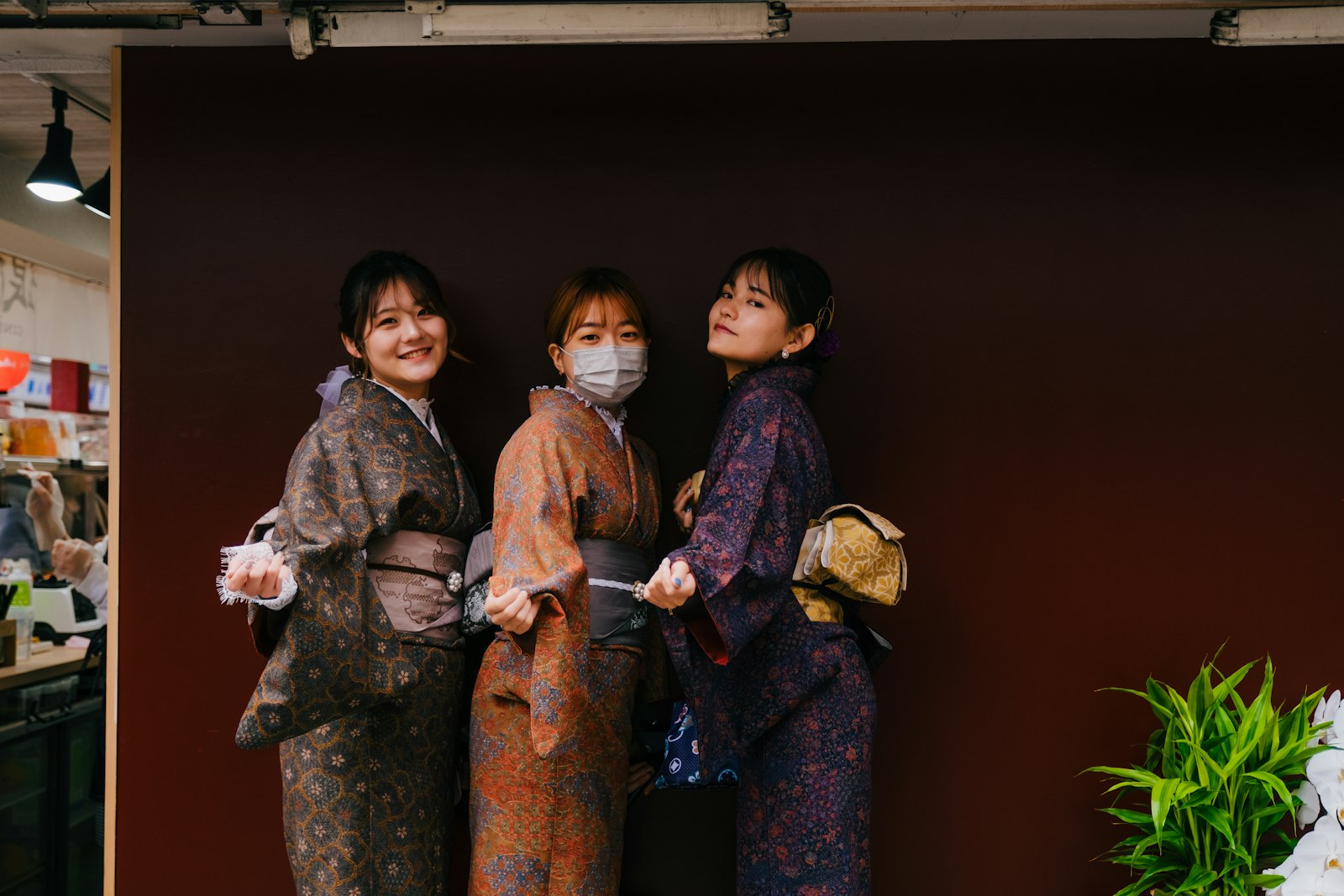
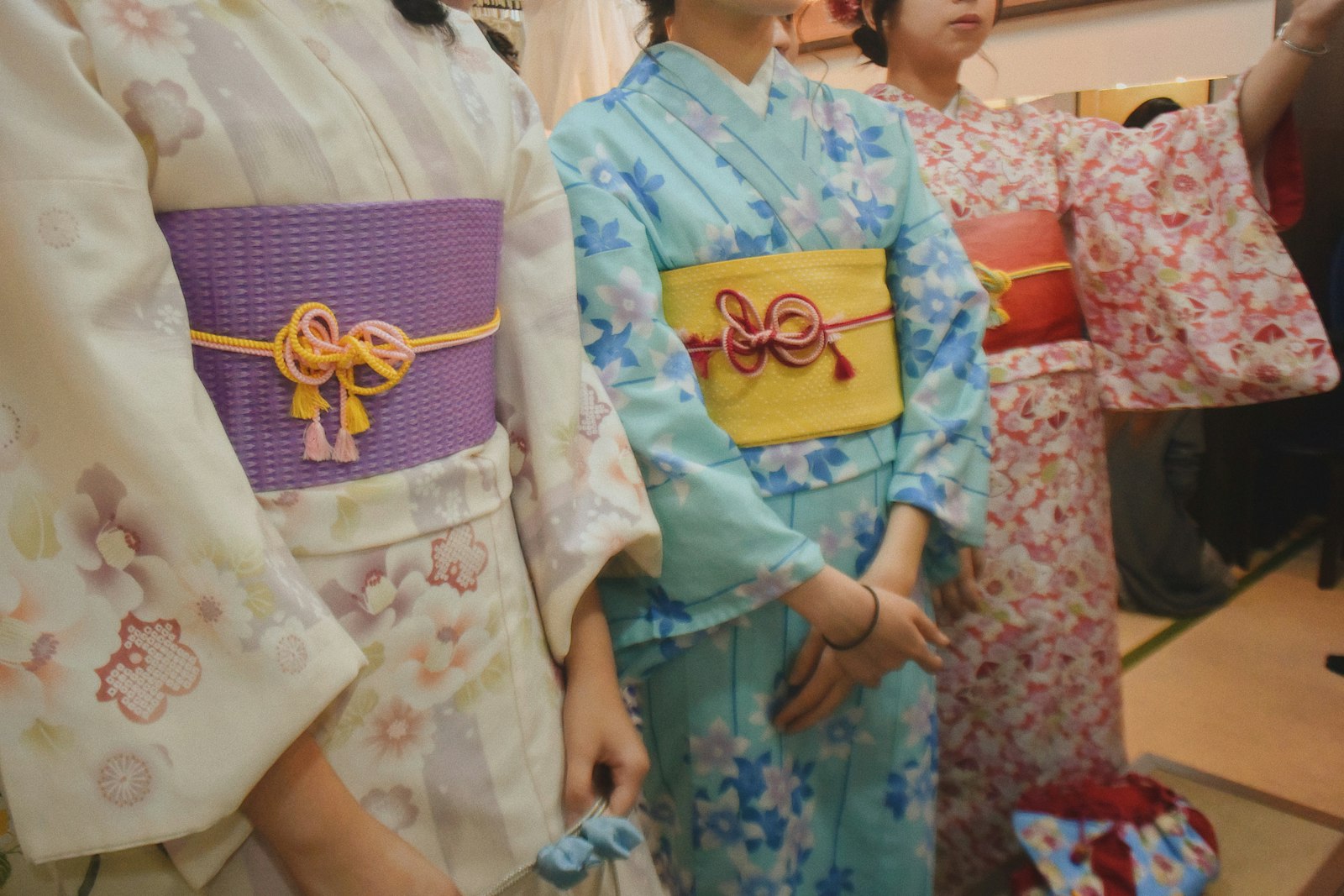
The ryokan provides a yukata, a light cotton robe, to wear during your stay. Wrap the left side over the right. This matters: right-over-left is used only to dress the deceased, so the reverse fold is one custom worth getting right the first time. Left over right, always.
Wearing It Around Town
In hot-spring towns it is normal to walk outside in your yukata and the provided outer jacket, strolling between footbaths and shops. It is part of the atmosphere, not a faux pas. Wear the wooden geta sandals if they are provided and expect a pleasant clack as you walk.
Tying the Obi
Secure the yukata with the obi sash tied gently at the waist — a simple bow to the side is fine. It should be snug enough to stay closed as you move but never tight. If yours keeps loosening, your attendant will happily re-tie it.
Onsen Rituals and Etiquette
Wash Before You Soak
Before entering the shared bath, sit at a wash station and clean your body thoroughly — soap, rinse, all of it. The bath itself is for soaking, not washing. Everyone shares the same water, so arriving at it clean is the foundation of onsen etiquette.
No Swimsuits
Onsen bathing is done without clothing, in gender-separated baths with their own changing rooms. Swimsuits are not worn. It feels unfamiliar to many visitors for about five minutes, after which it feels entirely natural.
The Modesty Towel
You carry a small towel to the bath for modesty and washing, but keep it out of the water — most people fold it and rest it on their head or the side. Keeping the towel out preserves the cleanliness of the shared bath.
Shoes, Luggage, and Quiet
Shoes at the Entrance
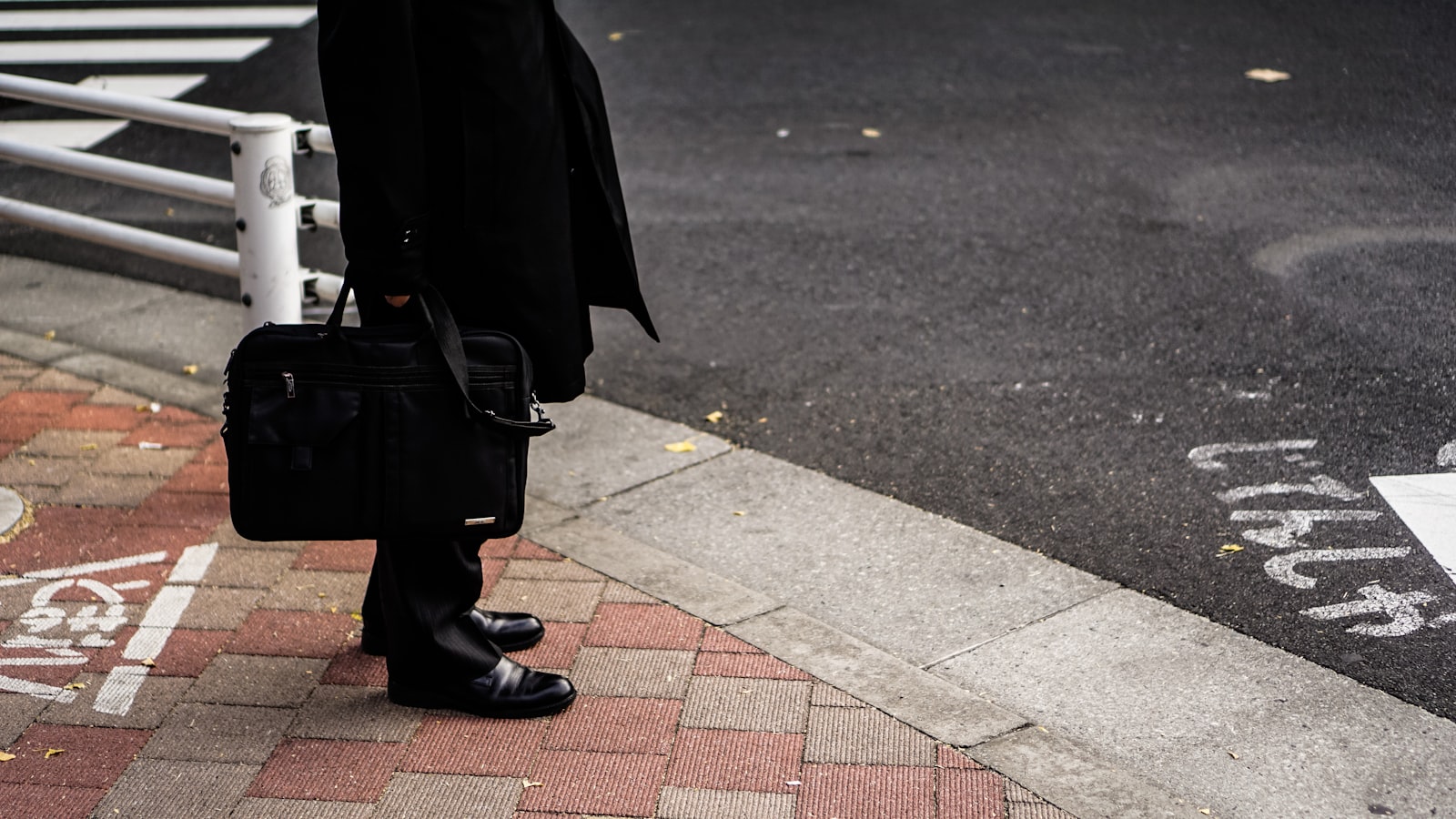
Remove your outdoor shoes at the genkan when you enter the ryokan and change into the provided slippers. There is often a further change to bare feet or socks on the tatami, and separate slippers for the toilet. Follow your attendant’s lead.
Protecting the Tatami
Do not wheel a hard suitcase across tatami — it marks the delicate straw. Lift luggage onto the designated rack or luggage space, and keep slippers off the tatami too. Small courtesies like these are noticed and appreciated.
Quiet in the Corridors
Ryokan are places of calm, often in old wooden buildings where sound carries. Speak softly in corridors, close sliding doors gently, and let the hush be part of the stay. The quiet is much of what you came for.
Ryokan Etiquette: Frequently Asked Questions
Should I tip my room attendant? Tipping is not customary in Japan, and service is included. A discreet cash gift (kokorozuke) in an envelope is a traditional gesture at higher-end ryokan, but it is entirely optional and never expected. Warm thanks are always enough.
What if I am vegetarian or gluten-free? Tell the ryokan when you book, not on arrival. Kaiseki is planned in advance around specific ingredients, and many ryokan can accommodate dietary needs with notice — but they cannot improvise a full multi-course menu at the table.
Are young children welcome? Many ryokan welcome children, though some quieter, high-end inns cater to couples and note age policies. Check when booking, especially if you are traveling with toddlers, so you choose a place that fits your group.
Related Tours

Conclusion
A ryokan stay asks a little of you — a few customs, a fixed dinner time, a robe folded the right way — and returns a great deal: a meal built from the season, a bath under the open sky, and a bed made while you dined.
Plan Your Japan Trip with Local Experts
Our team has guided 40,000+ travelers across Japan. Tell us about your trip and we’ll get back to you within 24 hours.