In this article:
- What Toei Kyoto Studio Park Is, and What Changed in 2026
- Tickets, Hours, and Getting There
- What to See and Do Inside
- Planning a Family Day in Uzumasa
- Toei Kyoto Studio Park: Frequently Asked Questions
Introduction
Toei Kyoto Studio Park is the one place in Kyoto where a child can watch a samurai lose a sword fight. They can also cross a wooden bridge that looks older than it is. In addition, they can eat lunch in a street built for the camera. Most visitors still search for it under that name. However, the park has changed considerably since the last guidebook you may have read.
In March 2026 it reopened as Uzumasa Kyoto Village. The Edo streets remain, and so does the film studio next door. What changed is the tone: longer hours into the evening, new restaurants, and attractions aimed squarely at adults.
For families with children between roughly five and twelve, we still think it earns a half day. Kyoto’s temples ask a great deal of patience from young travelers. Spending a few hours here tends to buy back goodwill for the quieter sites that follow. The rest of this guide explains how to plan it well.
What Toei Kyoto Studio Park Is, and What Changed in 2026
This site functions primarily as a film set and secondarily as a theme park. This setup creates a distinct atmosphere unlike anything else in Japan.
A Working Film Lot Since 1975
Toei, one of Japan’s major film studios, has made period dramas in Uzumasa for decades. In 1975, the park opened its backlot to the public, and film crews use these same Edo streets to shoot jidaigeki, the samurai dramas that dominated Japanese television for a generation.
Filming still happens. Some areas close without notice when a crew is working, and the park asks visitors not to photograph or approach cast members during a shoot. That occasional closed street is part of the appeal. Few theme parks can say their scenery is still in use.
The Uzumasa Kyoto Village Renewal
Phase one of the renewal opened on 28 March 2026, under the new name Uzumasa Kyoto Village. The operator describes the venue as an immersive experience park for adults, basing its design on the concept of getting lost in Edo-period Kyoto, and plans to open a second phase in spring 2027.
The practical changes are these. Opening hours now run into the evening, with a separate night ticket. New restaurants serve Kyoto food inside the old town set. Among the new attractions are a dice-gambling house based on the Edo game of cho-han and an interrogation room that simulates a period courthouse questioning, without any physical discomfort.
Is It Still Worth It for Families?
Yes, with some selection. The adult-focused additions are easy to skip, and much of what families came for remains: the ninja show, the costumed street, the samurai residence, and an indoor area called Padios with Toei’s children’s hero franchises, including a Kamen Rider and Super Sentai history exhibition.
Teenagers are the group we would think hardest about. Children under ten usually take the park at face value. Fifteen-year-olds sometimes find it staged, although the gambling house and the evening atmosphere may now suit them better than the old daytime version did.
Tickets, Hours, and Getting There
The logistics are simple, and a couple of rules are worth knowing before you arrive.
Admission Prices and the Night Ticket
A standard one-day ticket costs ¥2,800 for anyone aged 13 and over and ¥1,600 for children aged 3 to 12. Children under 3 enter free. The official site notes that prices can vary by date, so check the ticket page for the day you plan to go.
The night ticket covers 17:00 to 21:00 and costs ¥2,000 for adults and ¥1,300 for children. Families with small children rarely benefit from this deal, since most young kids tire out by seven. For couples or families with teenagers, the evening is the more interesting time to be here.
The park charges an extra ¥600 to ¥800 for some attractions, sells an unlimited attractions pass for ¥1,500, and prices cultural experiences like the tea ceremony separately at around ¥2,700. Visitors can buy tickets online in advance or at the gate.
Hours and Closed Days
The full-day ticket is valid from 10:00 to 21:00, with last admission an hour before closing. That said, hours vary through the year and the park closes on some days, so look at the business calendar on the official site before committing a day to it.
Two Entrances and Four Stations
The park sits in Uzumasa, in western Kyoto, about twenty minutes from Kyoto Station. The main entrance is a five-minute walk from Uzumasa-Koryuji Station on the Randen, the small tram line that runs to Arashiyama. It is around thirteen minutes on foot from JR Hanazono Station and fourteen from Uzumasa Tenjingawa on the Tozai subway line.
A second gate, the Satsueisho Entrance, is two minutes from Randen Satsueisho-mae Station and five from JR Uzumasa Station. It only admits visitors until 17:00, so arrive through the main entrance if you are coming later in the day.
Strollers, Lockers, and the No Re-entry Rule
The information desk lends strollers for free for children up to 18 kg. Staff keep only a limited supply, so visitors cannot reserve them. The same information center has a baby room with a formula preparation machine, and there is a diaper vending machine.
The park does not allow re-entry. Once you leave, you invalidate your ticket, which matters if you plan to step out for lunch. Coin lockers sit near both entrances, with a maximum size of about 76 by 34 by 47 centimetres, which takes a carry-on but not a large suitcase.
Expert Tip
Because there is no re-entry, eat inside rather than planning lunch in the neighborhood. Several restaurants in the park offer children’s menus, and the official FAQ allows snacks for young children and food for allergy needs to be brought in. Alcohol cannot be brought in from outside.
What to See and Do Inside
The best parts of the park are the ones that cost nothing beyond the entry ticket.
Edo Streets, Nihonbashi Bridge, and the Samurai Residence
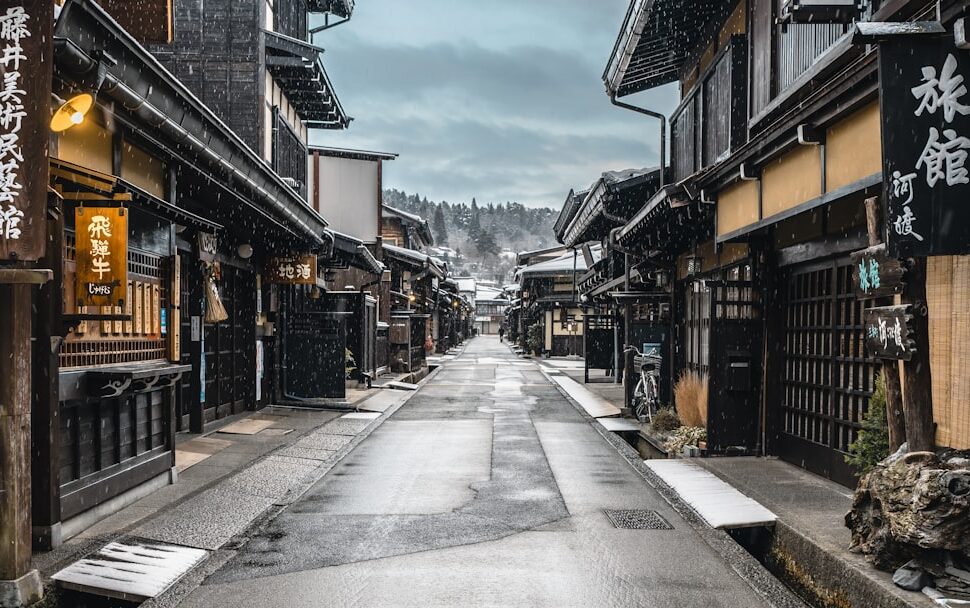
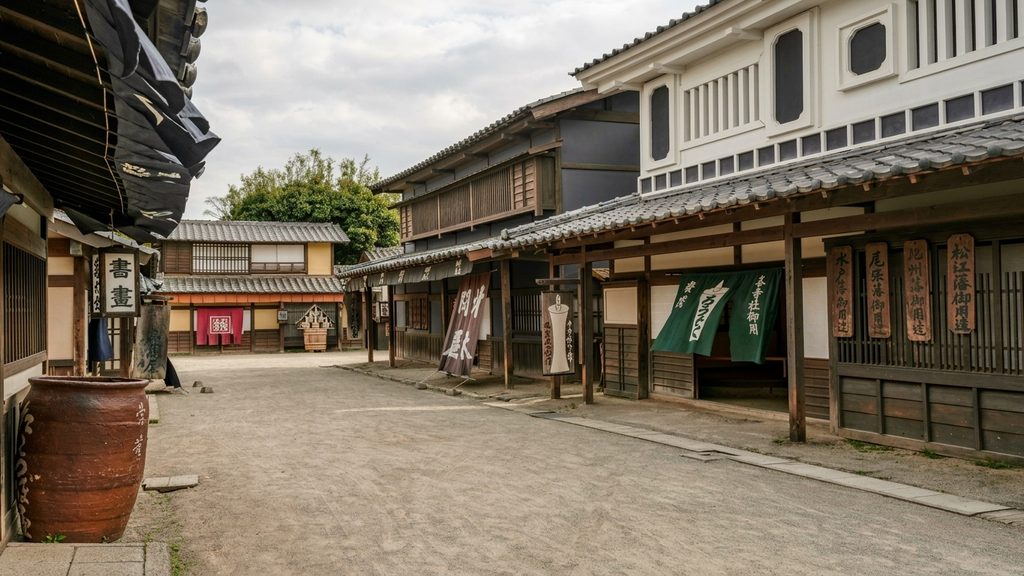
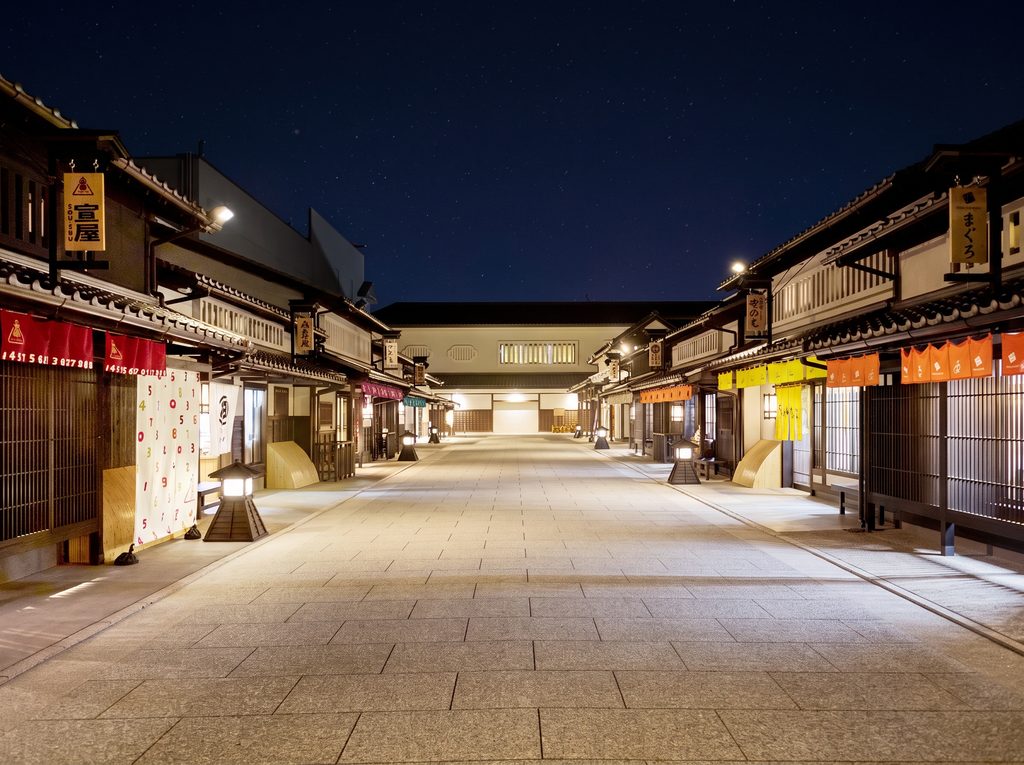
Walk the streets before you look at a single show schedule. The set includes a replica of the old Nihonbashi Bridge, a period courthouse, a samurai residence, and a Meiji-era police box, laid out so that each corner frames like a shot from a drama.
Children tend to respond to the scale of it. These are full-size buildings with sliding doors and deep eaves, not miniatures, and the dust on the street is real. By contrast, adults usually notice the details: the weathered shop signs, the water barrels, the way the streets curve so that no modern building ever appears behind them.
Ninja Show and the Live Performances
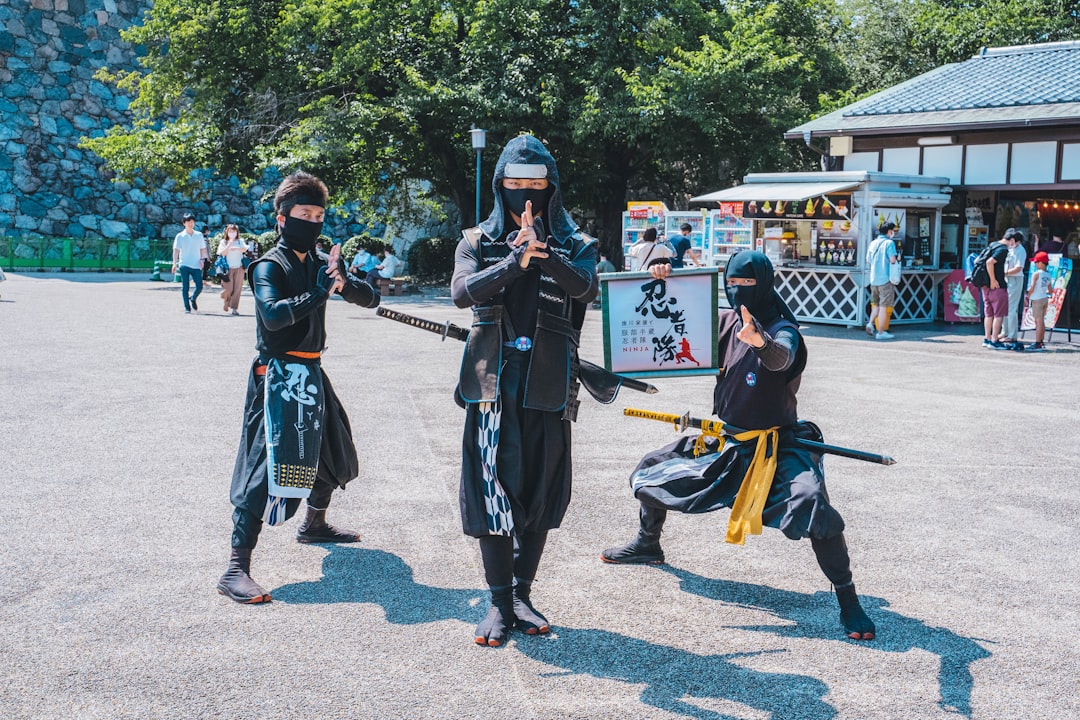
The ninja show is the one most families plan their day around. The creators redesigned the performance without spoken dialogue for the reopening, which makes it far easier to follow for visitors who do not speak Japanese. Heavy rain moves outdoor shows indoors or forces their cancellation.
The larger new production is Bridal Procession: A Feast of Cherry Blossoms, a live show with samurai and ninja that runs through the streets. Show times vary by season, and staff post them on the official schedule page and at the entrance. Check them first, then plan the walk around them.
If your children have a real interest in ninja, the park works well alongside a smaller, more focused visit such as the Samurai and Ninja Museum in central Kyoto, where the emphasis is on the weapons and history rather than the performance.
Costume, Tea Ceremony, and the Paid Attractions
The costume experience lets visitors dress as Edo-period figures, from Shinsengumi swordsmen to geisha. It is one of the most photographed things in the park and one of the most expensive, so decide in advance whether it matters to your family.
One rule surprises people. Only children of elementary school age or younger may enter the park in costume from outside, so a teenager arriving in a ninja outfit will be asked to change. Adults who want to dress up should use the in-park experience or a kimono rental shop elsewhere in Kyoto.
Tea ceremony, ikebana, and noh performances are also offered. However, if a family has only one tea ceremony in them this trip, we would save it for a setting that is not a film set.
Planning a Family Day in Uzumasa
Half a day is right for most families. Plan it as the lighter part of a day rather than the whole of one.
How Long to Stay and When to Arrive
Three to four hours covers the streets, one or two shows, and lunch. With young children, arrive at opening. School groups often visit in the late morning, and the first hour is when the streets are emptiest and the light across the rooftops is softest.
Families with teenagers can reverse the plan. Spend the morning at a temple, come to Uzumasa in the late afternoon, and stay into the evening when the lanterns go on. That is the version of the park the renewal was designed for.
Pairing It With Arashiyama and Koryu-ji
Uzumasa is a few stops from Arashiyama on the Randen tram, which makes the two a natural pairing. In practice, we suggest Arashiyama early, before the crowds arrive at the bamboo grove, then the tram to Uzumasa for lunch inside the park. Our guide to visiting Arashiyama without the crowds covers the timing on that side.
Koryu-ji, the temple that gives the nearest station its name, is a short walk away. It is one of the oldest temples in Kyoto and houses a wooden Miroku Bosatsu that many visitors consider the most moving sculpture in the city. Even children who have had enough of temples usually give it ten quiet minutes.
On our private Kyoto days, families often ask to build this exact combination. Because entry fees and transport are paid as you go, Uzumasa slots into a four- to eight-hour day without changing the plan much, and a guide can rearrange the order when a show time moves.
Photographs Without the Crowd
The park is built for cameras, but so are its busiest corners. The bridge and the main street are best photographed in the first thirty minutes after opening, before tour groups arrive.
That said, the most personal family photographs we see from Kyoto rarely come from a set. They come from the stone lanes of Higashiyama in the early morning, where a local photographer knows which doorway is empty at which hour. Our one-hour portrait session starts at the west gate of Yasaka Shrine and suits families who want real Kyoto behind them rather than a reconstruction.
Toei Kyoto Studio Park: Frequently Asked Questions
Is Toei Kyoto Studio Park the same as Uzumasa Kyoto Village?
Yes. Toei Kyoto Studio Park was renamed Uzumasa Kyoto Village when the first phase of its renewal opened on 28 March 2026. The location, the Edo streets, and the adjoining Toei studio are the same. Many maps, ticket sites, and taxi drivers still use the old name, so either will get you there.
Can children wear costumes into the park?
Children of elementary school age or younger may enter in costume. Older children and adults may not, although they can dress up through the in-park costume experience. If your child wants to arrive as a ninja, bring the outfit and let them wear it through the gate.
Is it worth visiting if we do not speak Japanese?
For families, yes. The ninja show was redesigned without spoken dialogue, the streets need no explanation, and the official site has an English version with the show schedule. The comedy-driven performances and some exhibits in Padios are in Japanese, and those are the parts non-Japanese speakers tend to enjoy least.
Related Tours

Conclusion
Uzumasa Kyoto Village is a different place from the Toei Kyoto Studio Park described in older guides, but the core has held. The streets are real sets, the ninja are still falling off rooftops, and a child who has walked through three temples will still light up at the sight of a sword fight.
Check the business calendar and show schedule the evening before, arrive at opening with young children or in the late afternoon with teenagers, and eat inside. Then take the Randen to Arashiyama or across to Koryu-ji, and let the rest of the day be quieter.
Plan Your Japan Trip with Local Experts
Our team has guided 40,000+ travelers across Japan. Tell us about your trip and we’ll get back to you within 24 hours.