In this article:
- What This Place Actually Is
- The Samurai Half
- The Ninja Half
- Tours, Add-Ons, and Children
- Booking and What Is Nearby
- Samurai Ninja Museum Kyoto: Frequently Asked Questions
Introduction
Two different visitors book this museum and only one of them enjoys it.
The first arrives expecting an hour of dressing up, throwing things, and photographs, guided by a staff member who is good company. They get exactly that and leave pleased.
The second arrives expecting the Kyoto equivalent of a national collection — provenance, curation, scholarship. They find an activity centre in a commercial building off a shopping arcade and are disappointed, and their review says so.
We are direct with travelers about which of these they are. The place is well run and genuinely fun. It is not a museum in the sense that word usually carries, and it does not pretend very hard to be one.

What This Place Actually Is
A guided hands-on experience with a small collection attached, in central Kyoto.
The Format
Entry is by timed session with a guide, typically running about an hour to ninety minutes depending on the option booked. You move through a short exhibition, then into the practical activities.
Everything is led in English by staff whose job is largely performance. The good ones are very good — funny, informed, and comfortable with a mixed group of adults and children.
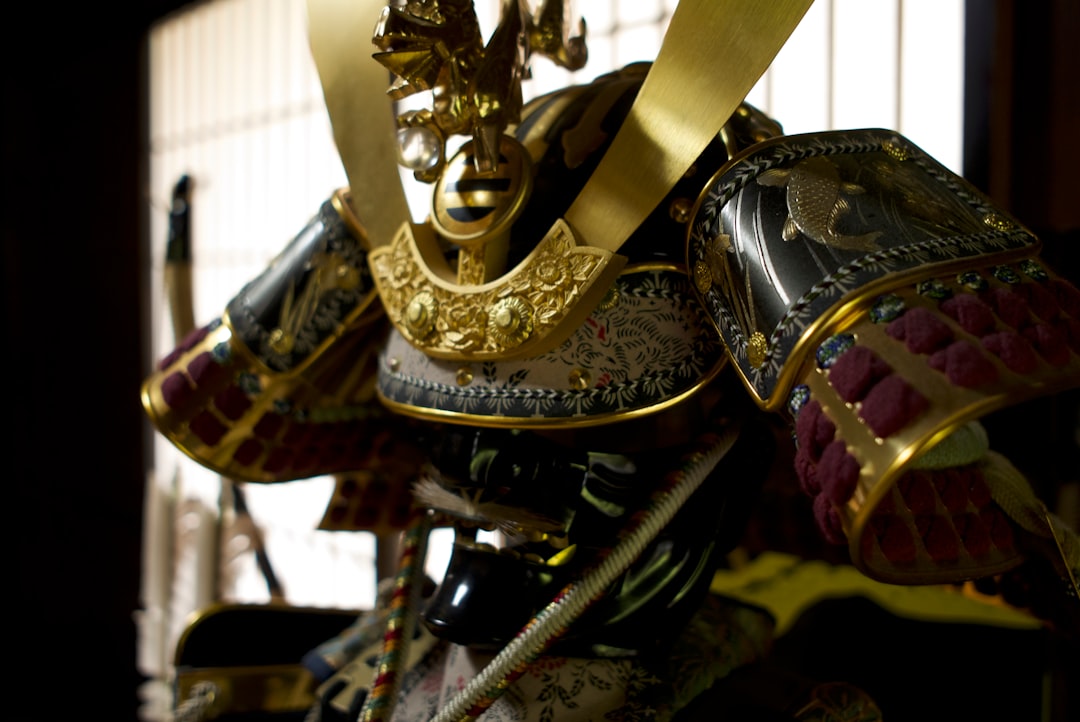
The collection includes genuine Edo-period pieces alongside replicas used for handling. Labelling distinguishes them, and staff will tell you which is which if you ask.
Where It Is
The Kyoto branch sits in the Kawaramachi area, a minute or two from the covered Teramachi and Shinkyogoku arcades and roughly five minutes’ walk from Nishiki Market.
This location is the strongest practical argument for it. You are already going to be in this part of Kyoto, and the museum slots into an afternoon without any travel cost at all.
There is a separate branch in Tokyo, in the Asakusa area, run on the same model. They are not the same site and reviews for one do not describe the other.
What It Is Not
If you want the serious version, the Kyoto National Museum holds arms and armour of national importance, and the Kyoto Samurai and Ninja Museum is not competing with it.
For actual ninja history rather than the popular version, the Iga-ryu Ninja Museum in Iga-Ueno, Mie Prefecture, is built on the ground where the tradition originated and is a substantially more serious institution. It is also two hours from Kyoto, which is why most visitors do not go.
We say this not to discourage the booking but because managing the expectation is the difference between a good afternoon and a bad review.
Expert Tip
Book the earliest slot of the day if you can. Sessions run consecutively, groups are capped, and the first one of the morning is usually the smallest — which means more time holding things and fewer people in your photographs. It also means the guide is fresh, and on a job that involves delivering the same script eight times a day, that is not a trivial difference.
The Samurai Half
The armour and the sword, in that order.
Wearing the Armour
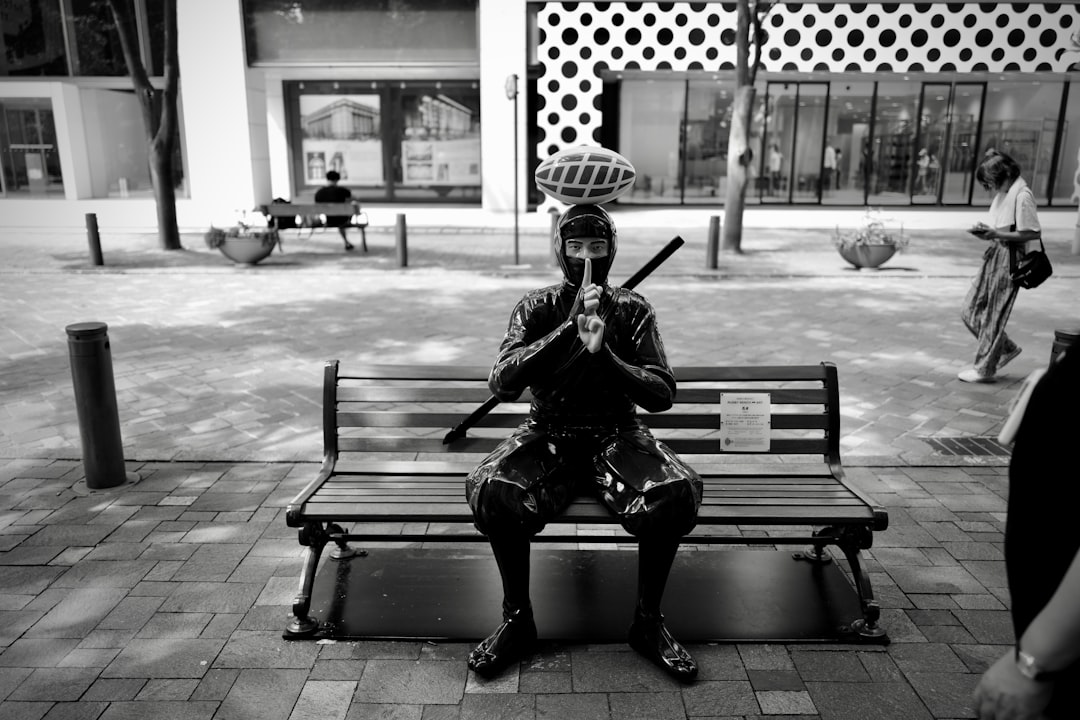
Full replica yoroi is fitted over your clothes by staff — cuirass, shoulder guards, helmet, and a face mask if you want one. It takes a few minutes and it is heavier than people expect.
Sizes accommodate a wide range of adults, and children’s versions exist. Staff handle the fitting entirely; there is no wrestling with cords yourself.
Photographs are taken on your own phone by the guide, and they take a lot of them. There is no separate photo package to buy, which is a point in the museum’s favour.
The Sword
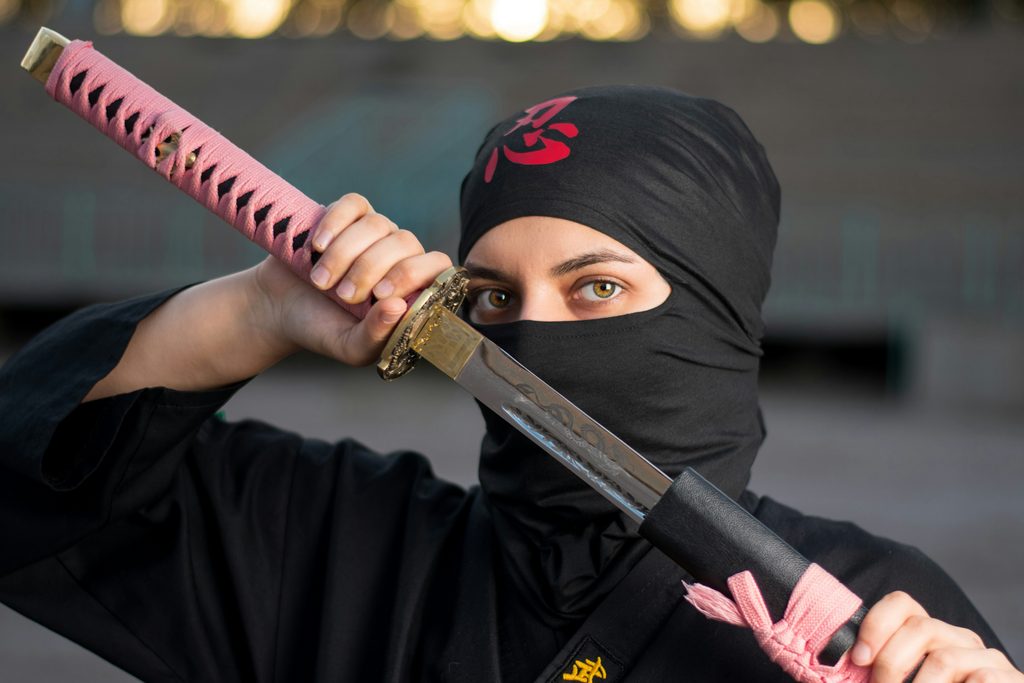
You are taught a basic kata — the standing posture, the draw, the cut, the return to the scabbard — with a blunt training sword.
The instruction is simplified and about ten minutes long. It is not a martial arts class and does not claim to be. What it does convey, effectively, is how much heavier and less agile a real katana is than films suggest.
Staff then demonstrate with a live blade, and the difference in speed and sound between a trained cut and your own attempt a minute earlier is the most educational thing in the building.
The Collection
The display cases hold Edo-period blades, armour components, matchlock firearms, and everyday items of the warrior class.
It is a modest collection and takes fifteen minutes. The value is in the guide’s commentary rather than the labels — how armour changed once guns arrived, why the shorter sword existed, what a samurai actually did on a normal day in a period with no wars.
That last point is the one visitors remember. Most of the Edo period was peaceful, and most samurai were administrators.
The Ninja Half
More physical, more fun, and where the children in your group will want to spend the time.
Shuriken
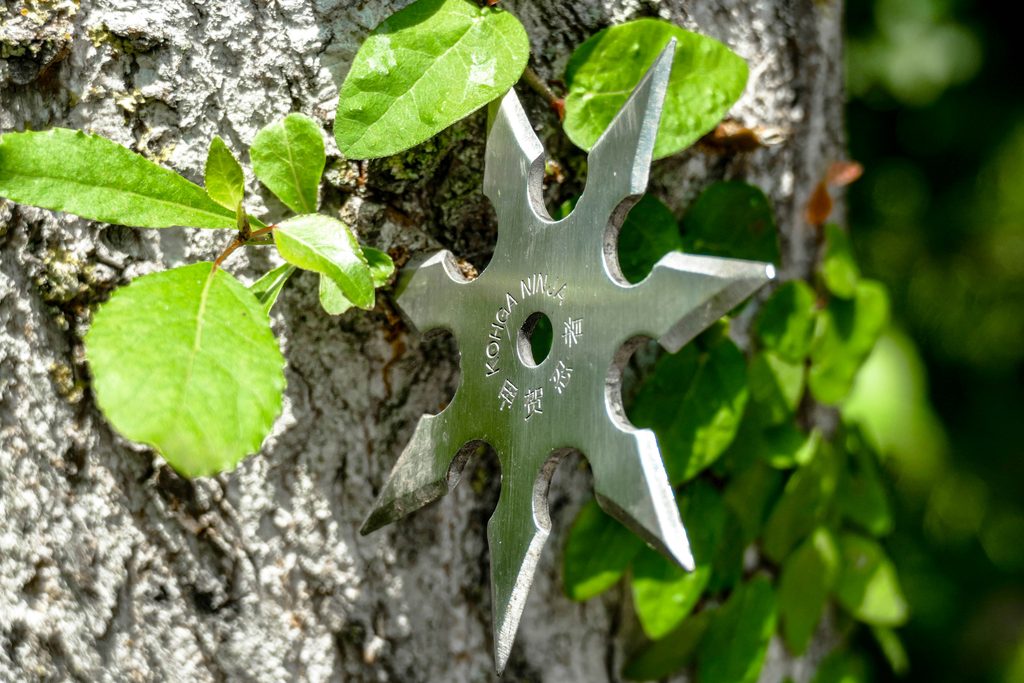
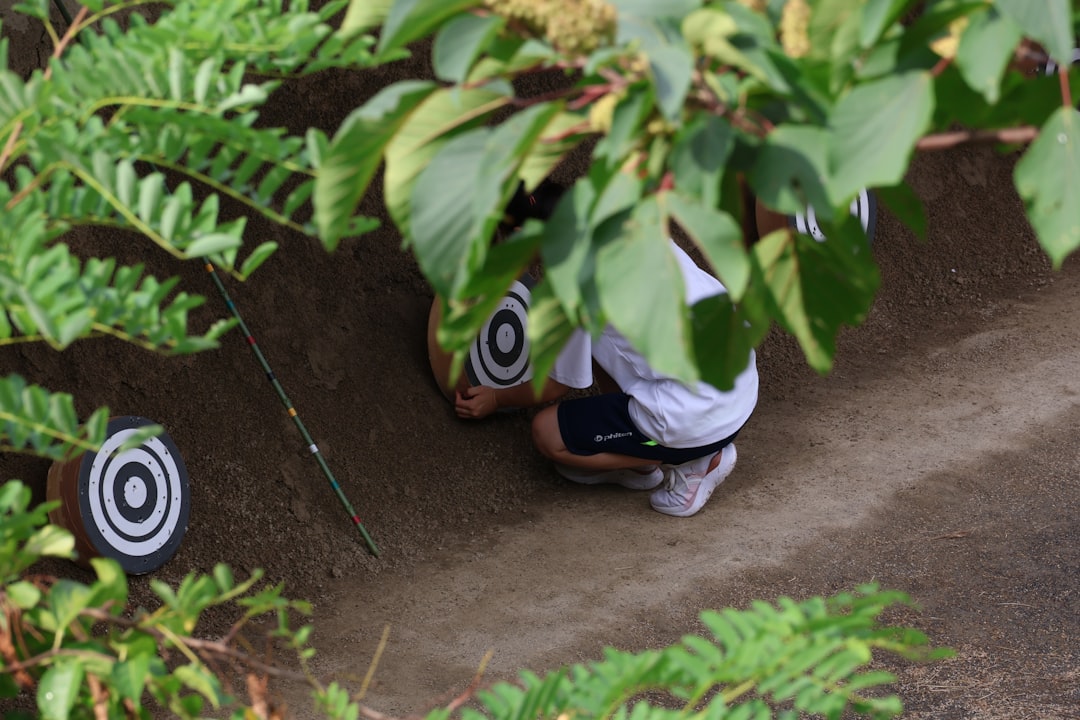
You throw real metal stars at a wooden board, after instruction on grip and release. Everyone gets several rounds.
They are heavier and blunter than the cinema version, and the technique is closer to throwing a dart than flicking a frisbee. Most people hit the board within a few attempts and nobody hits it well.
This is the single most enjoyed activity in the session by a clear margin.
Blowguns
Fukiya — a long tube and a light dart, aimed at a target across the room. Easier than shuriken and more accurate, which makes it satisfying in a different way.
The historical note attached is worth hearing: blowguns were quiet, concealable, and could be tipped with something, which made them a plausible tool for people whose actual work was surveillance rather than combat.
What Ninja Actually Did
The guides are reasonably good on this, and it is the part we would push travelers to pay attention to.
The historical shinobi of Iga and Koka were intelligence operatives — infiltration, observation, message carrying, and occasionally sabotage. The black costume, the acrobatics, and most of the weaponry are largely a construction of Edo-period theatre and twentieth-century film.
Hearing that in a building full of shuriken is a slightly odd experience, and the honesty is to the museum’s credit.
Tours, Add-Ons, and Children
The standard ticket covers the core session. Two upgrades are worth considering and one is worth taking.
The Standard Session
Guided tour, armour fitting, sword lesson, shuriken, and blowgun. Around an hour, and it is a complete experience — nobody needs the add-ons to feel the ticket was worth it.
Groups are mixed and capped at a manageable size. Sessions run through the day, and the last ones are in the early evening.
Tameshigiri: Cutting With a Real Sword
The add-on worth taking. You cut a rolled tatami target with a live blade, under close supervision, after specific instruction.
Rolled tatami approximates the density of a human limb, which is why it has been the traditional test material for centuries, and the sensation of a sharp sword going through it cleanly is genuinely unlike anything else on offer.
There is an age minimum and a briefing you must follow exactly. It carries an extra fee and it is the thing people talk about afterwards.
Children
Well handled. Smaller costumes, lighter training swords, and the shuriken throwing is supervised closely enough for young children to take part.
The exhibition portion is short enough not to lose them, and the guides adjust the delivery when there are children in the group.
Very young children — under about five — will get the dressing up and little else. The sweet spot is roughly seven to fourteen, where this is one of the better hours available to a family in Kyoto.
Expert Tip
Do this on a rainy afternoon and save the temples for dry weather. Kyoto’s gardens and shrine approaches are largely outdoors and the city has relatively few strong indoor options for a family, which means every wet day in tourist season sends the same crowds to the same handful of places. Holding one indoor activity in reserve, unbooked, until the forecast is clear is a better use of it than fixing it to a date.
Booking and What Is Nearby
Book online, and then use the location for what it is worth.
Reserving a Slot
Sessions are booked online for a specific time, in English, and this is the correct way to do it. Walk-ins are sometimes possible and frequently are not, particularly in spring and autumn.
Cancellation terms vary by platform. Booking direct with the museum is generally more flexible than booking through a third-party activity site.
Confirm whether your booking includes the tameshigiri add-on at the time of reservation rather than assuming you can add it on arrival.
Nishiki Market
Five minutes away, and the natural pairing. Nishiki is a covered market street of roughly four hundred metres, selling pickles, knives, tofu skin, grilled seafood, and tea.
Go before noon or after two. The middle of the day in season is genuinely unpleasant, and standing eating in the aisle is now discouraged at many stalls — buy, step aside, and eat where the shop indicates.
Pontocho in the Evening
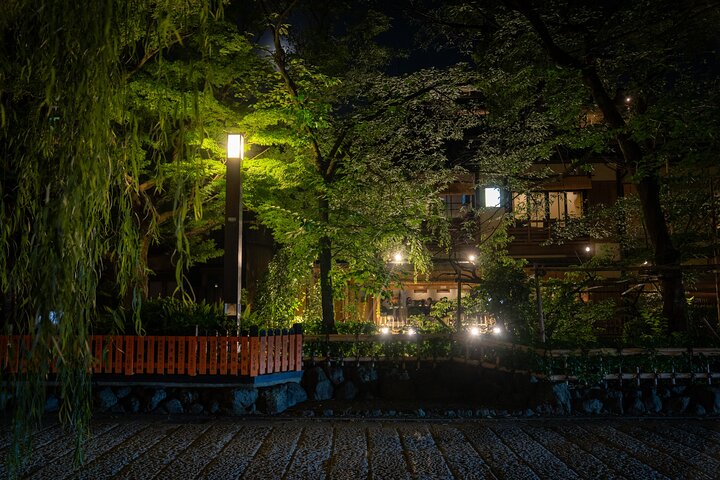
A ten-minute walk east brings you to Pontocho, the narrow lantern-lit alley running parallel to the Kamo River between Shijo and Sanjo.
It is at its best after dark, and an evening session at the museum followed by a walk down Pontocho is a well-shaped end to a day. Restaurants here range from tourist-priced to excellent; the ones with no English menu and a noren curtain across the door are usually the second kind.
In summer, the restaurants on the river side build kawayuka — raised platforms out over the Kamo — and eating on one is one of the pleasures of Kyoto in July and August.
Samurai Ninja Museum Kyoto: Frequently Asked Questions
Do I get to keep the photos from the armour fitting?
Yes. Staff take photographs on your own phone or camera during the session, and they take plenty of them — this is a standard part of the experience rather than an upsell. There is no separate photo package and no watermarked prints to buy at the exit, which is unusual for an attraction of this type and worth noting in its favour. Bring a phone with charge and storage available.
Is it suitable for young children?
For roughly seven and up, yes, and it is one of the better family options in central Kyoto. Child-sized costumes are available, the training swords are light, and the shuriken and blowgun activities are closely supervised. Below about five, expect the dressing up to land and the rest to pass them by. The exhibition portion is short, which helps. Check age minimums for the sword-cutting add-on, which are firm.
How much time should I allow?
An hour for the standard session, ninety minutes if you add the tameshigiri, plus a little at either end. Arrive ten minutes before your slot; sessions start on time and latecomers are folded into the next group where space allows. Combined with Nishiki Market, this makes a comfortable half-day in central Kyoto without a single train journey.
Related Tours

Conclusion
Book it for what it is: a well-run hour of dressing up and throwing things, in a location so central that it costs you nothing in travel time. On those terms it delivers reliably, and with children it delivers very well.
Take the sword-cutting upgrade. It is the one element of the session that could not be approximated anywhere else, and it is the part every traveler we have sent here mentions afterwards.
Plan Your Japan Trip with Local Experts
Our team has guided 40,000+ travelers across Japan. Tell us about your trip and we’ll get back to you within 24 hours.