In this article:
- A Village, Not a Resort
- The Thirteen Baths
- The Water Is Too Hot
- The Skiing
- The Fire Festival
- Nozawa Onsen: Frequently Asked Questions
Introduction
There is no ticket office at any of the thirteen bathhouses in Nozawa. You open the door, you take your clothes off, you wash, you get in, and on the way out you put a coin in a wooden box if you feel like it.
The baths are owned and maintained by the village, cleaned in rotation by the households of each neighbourhood under a system that predates anything resembling tourism. They are for residents. Visitors are welcome and are guests in someone else’s bathroom, which is a useful frame for how to behave in them.
Nozawa also happens to have one of the better ski mountains in Japan and one of its three great fire festivals. The combination of those things in a village of a few thousand people is why it is on this list.
A Village, Not a Resort
This distinction matters and it is the reason people prefer Nozawa to the larger Nagano ski destinations.
The Layout
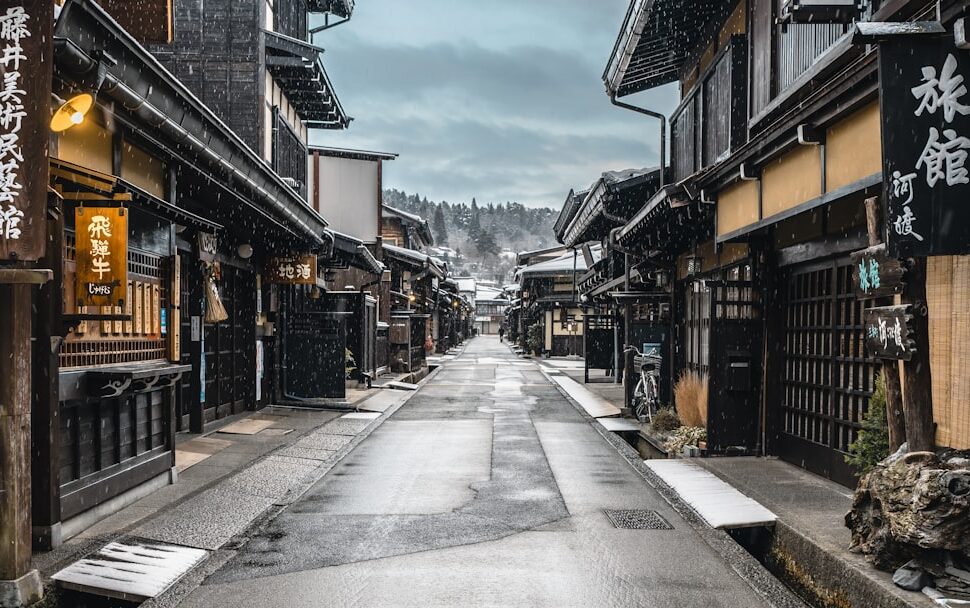
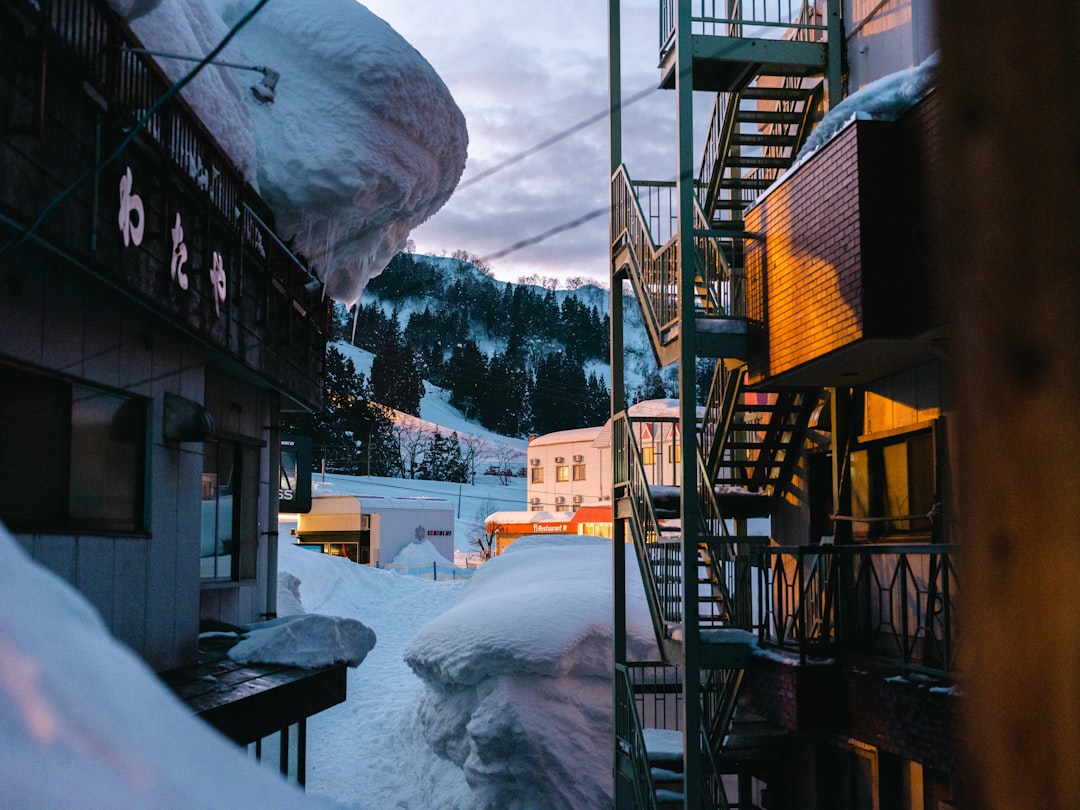
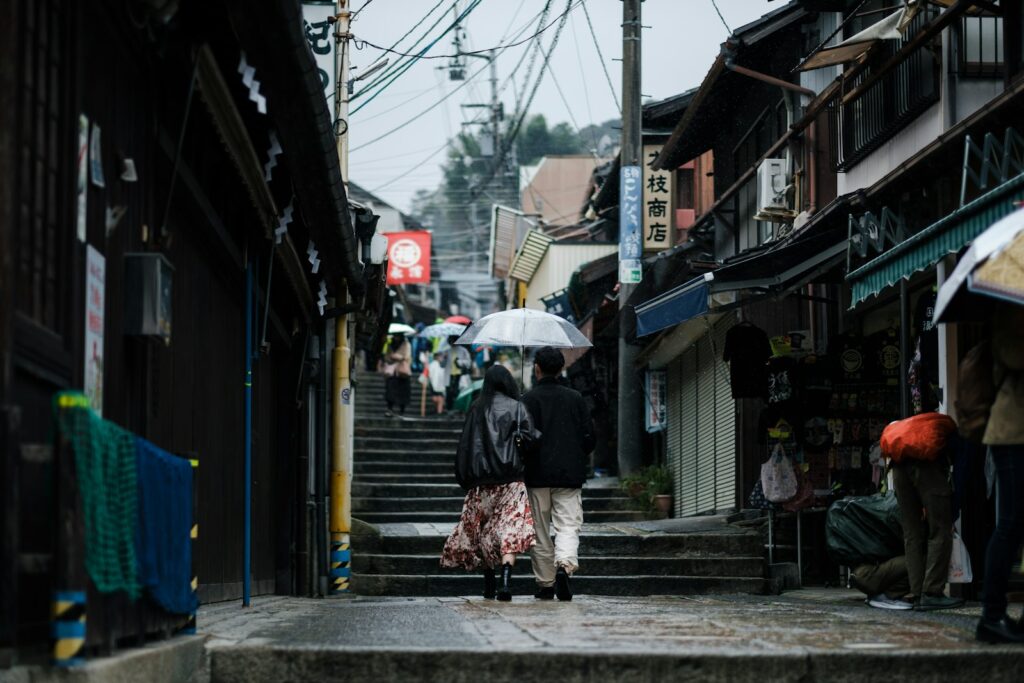
Steep, narrow streets on a hillside, wooden buildings, small inns run by families who have run them for generations, and steam coming out of drains and gutters everywhere.
There is no purpose-built base village and no resort strip. Accommodation is scattered through the town and you walk to the lifts, or take a short shuttle.
The village predates the ski area by several centuries. The skiing was added to the village rather than the other way round, which is unusual in Japan and immediately obvious.
Ogama
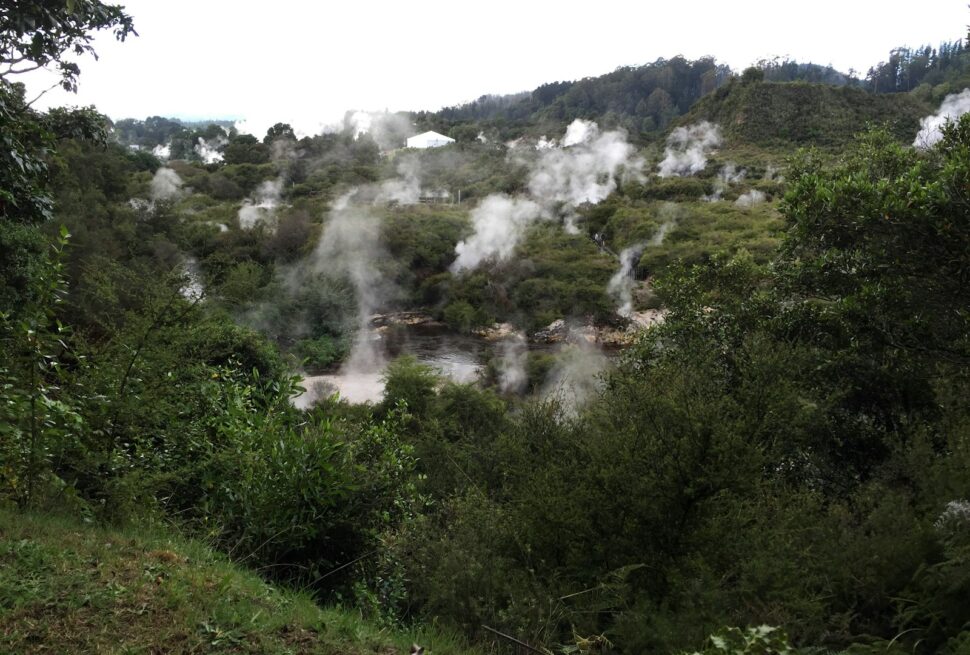
The central hot spring source, and not a bath. Ogama is an open pool of water emerging at around 90 degrees, enclosed and gated, used by villagers to cook.
Vegetables and eggs are lowered in baskets. Nozawana, the local pickling green, is washed here. Locals come with buckets.
Bathing is prohibited and would be dangerous. It is a working utility in the middle of the town, in continuous use, and standing next to it is the clearest illustration of what an onsen village actually is.
Nozawana
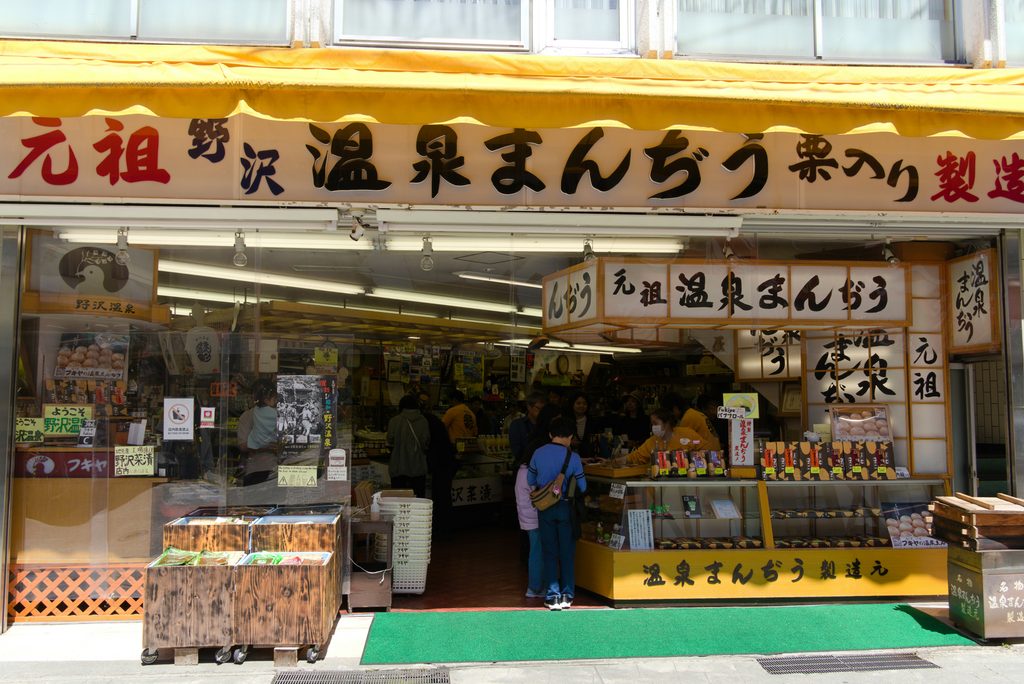
The leafy green vegetable named after the village, pickled in salt and served everywhere.
It appears as a side dish, wrapped around rice as oyaki dumplings, and stir-fried. It is genuinely good and it is on every table.
The washing of the harvested leaves in hot spring water in late autumn is a village event and a photograph you will see all over Nagano.
Expert Tip
Bring your own small towel, and put a hundred-yen coin in the donation box at every bath you use. The soto-yu are free by long-standing principle and they are maintained by residents who clean them in rotation, unpaid, as a neighbourhood duty. The boxes fund materials and repairs. Visitors now substantially outnumber locals in the baths in winter, and the coin is the minimum acknowledgement of what you are using.
The Thirteen Baths
Scattered across the village, each with its own character, water temperature, and neighbourhood.
O-yu
The landmark: a two-storey wooden bathhouse in the Edo temple style at the centre of the village, and the one on every photograph of Nozawa.
Two baths inside — one hotter than the other — with a divider. It is the busiest and the most visited, and it is worth doing for the building.
Go early or late. In ski season the early evening is crowded with people coming off the mountain.
The Others
Twelve more, spread up and down the hill: Kawahara-yu, Shinden-no-yu, Kumano-no-yu, Nakao-no-yu, Asagama-no-yu, Matsuba-no-yu, and the rest.
They differ substantially in temperature — some are famously scalding, others manageable — and in size, from a room with a single tub to a slightly larger room with two.
Doing all thirteen over a multi-day stay is a recognised project and the village sells a stamp sheet for it. It is a good way to see parts of the village you would otherwise never walk into.
How to Use Them
No attendant, no lockers with keys, no soap or shampoo provided. Bring a towel and, if you want it, your own soap.
Undress in the anteroom, wash and rinse thoroughly at the tap or basin before getting in, and do not let soap reach the bath. Keep the small towel out of the water.
Leave your things folded in the shelves. Theft is effectively unheard of; leave valuables at your inn anyway.
Speak quietly. Locals use these baths daily and a bathhouse full of loud visitors is the specific complaint the village has about ski season.
Opening Hours
Broadly from early morning until eleven at night, varying seasonally. Some close for cleaning at set times.
They are unstaffed and simply open. Signs on the door indicate anything unusual.
The Water Is Too Hot
This is the practical thing visitors most need to know and the thing most guides mention in passing.
How Hot
Nozawa’s sources emerge at high temperature and the baths commonly run between 42 and 45 degrees, with some hotter than that. Several are genuinely at the limit of what a person unaccustomed to it can enter.
Getting in slowly, sitting still, and staying three minutes rather than fifteen is the correct approach. Moving around in water this hot accelerates the effect considerably.
If a bath is unbearable, walk to the next one. They vary, and the villagers know which is which.
Adding Cold Water
Cold taps exist in most bathhouses, and using them is a delicate matter.
The water is regulated by the neighbourhood to a temperature the regulars want. A visitor running the cold tap to bring a 45-degree bath down to 40 is changing it for everyone who comes in afterwards, and this is a genuine source of friction.
If a local is present, ask — a gesture at the tap and a questioning look is entirely sufficient and will be understood. If you are alone, add a little and turn it off. Do not leave it running.
Practical Advice
Hydrate before and after. Do not bathe immediately after drinking, which in a ski village is the most commonly ignored piece of advice here.
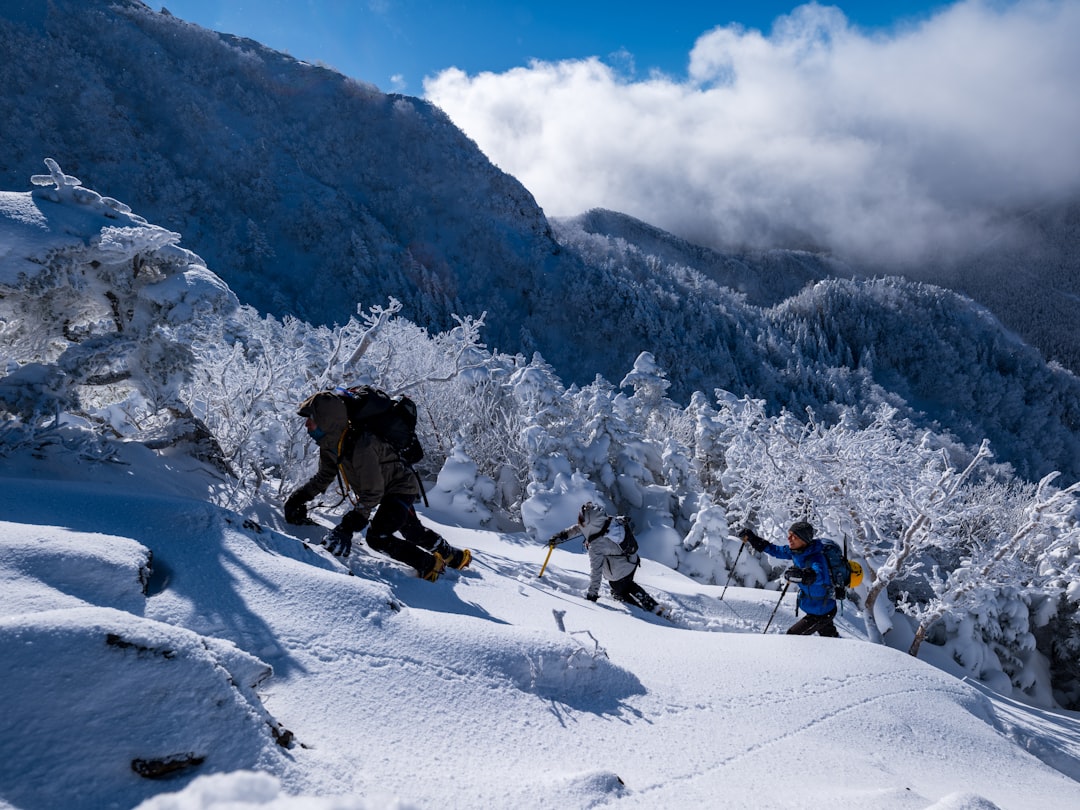
Get out before you think you need to. The onset of overheating in water this hot is faster than most visitors have experienced, and the walk home is in snow.
The Skiing
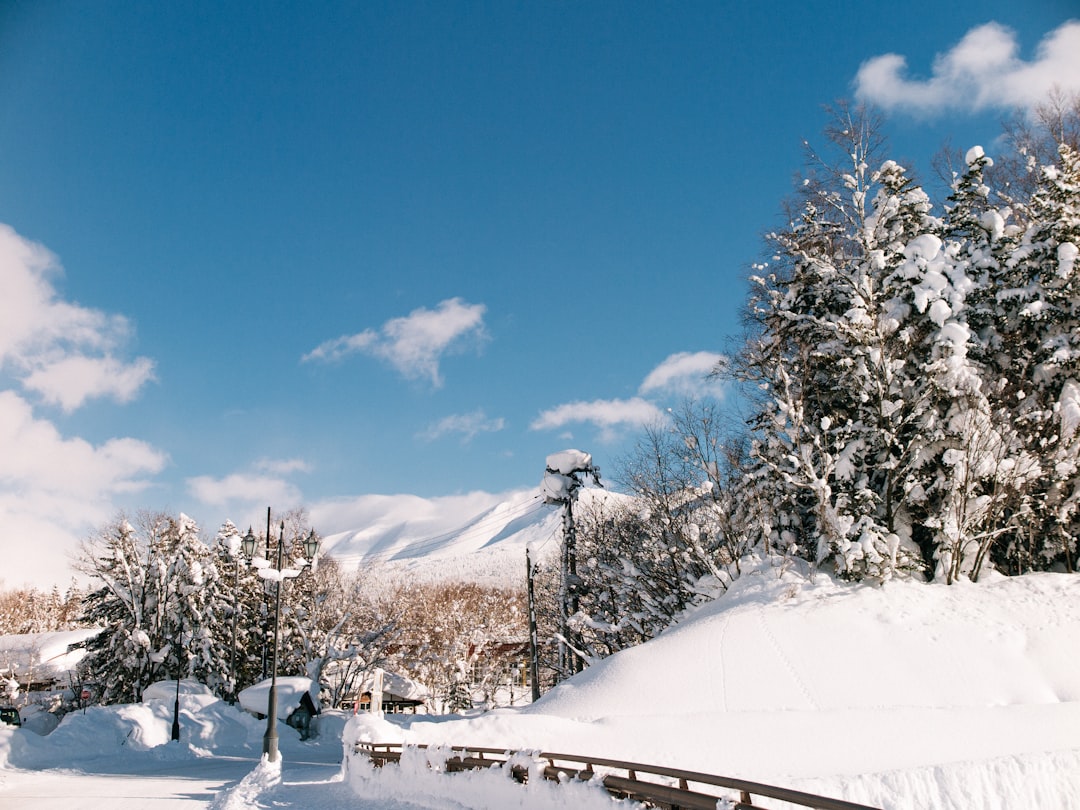
One of the largest ski areas in Japan, on a single mountain, with the village at the bottom of it.
The Mountain
Terrain runs from the summit at Yamabiko down to the village, with a substantial vertical drop and a wide spread of pitches. The Yamabiko area at the top holds the best snow and the tree runs.
Nozawa gets the same Sea of Japan snowfall that made Hakuba and Myoko famous — cold, dry, and frequent. Powder days are common in January and February.
The Skyline course is the signature run: roughly ten kilometres of continuous descent from the top to the village, which is long enough that most people stop partway.
Compared With Hakuba and Niseko
Nozawa is less international than either. English is spoken at the ski school and at the bars catering to Australians, and considerably less elsewhere.
The terrain is less extreme than Hakuba’s and the snow is less consistently deep than Niseko’s. What Nozawa has that neither does is the village — a real one, with thirteen public bathhouses and residents.
For skiers who want the mountain and nothing else, Hakuba. For skiers who want to ski and then walk through a snowbound Japanese village to a wooden bathhouse, Nozawa.
Off the Snow
The season is winter and the village is a genuine summer destination too — hiking, the Kesho-no-yu sports park, and the same baths without the crowds.
Autumn colour in the surrounding mountains is excellent and the village is nearly empty in October.
Expert Tip
Ski in your own clothes and then use the baths, rather than the reverse. The Japanese pattern is to come off the mountain in the late afternoon, go straight to a soto-yu, and then eat — and the bathhouses at four in the afternoon are the best social hour in the village. Foreign visitors tend to bathe late at night after drinking, which is both less pleasant and, given the water temperature, actively unwise.
The Fire Festival
The Dosojin Matsuri, held on 15 January every year, and one of the three great fire festivals of Japan.
What Happens
A large wooden shrine structure is built in the village over several days from beech felled in the autumn. On the night of the fifteenth, the men of the village aged 42 and 25 — the traditionally inauspicious ages — take positions on and around it.
The rest of the village attacks with burning torches. The defenders fight them off with branches. This goes on for hours, with real fire, at close quarters, in deep snow, fuelled by a great deal of sake.
At the end, the shrine is deliberately burned to the ground with everyone watching.
Watching It
It is genuinely dangerous-looking and it is a religious observance rather than a display — a prayer for the health of children, a good harvest, and a good marriage for the villagers of those ages.
Spectators stand close. Sparks and embers land on the crowd. Wear clothes you do not mind burning small holes in, and do not wear anything synthetic.
It runs late into the night. It is cold, it is crowded, and it is one of the more extraordinary things happening in Japan on any given night of the year.
Booking
Accommodation in Nozawa for the night of 15 January books out months and often a year in advance, and rates rise sharply.
If the festival is the reason you are going, secure the room before anything else. Day trips from Nagano city are possible but awkward, because the event runs past the last transport.
Nearby Iiyama and Nagano have accommodation, with the same caveat about getting back.
Nozawa Onsen: Frequently Asked Questions
Are the thirteen soto-yu tattoo-friendly?
There is no posted prohibition at the village bathhouses, which are community facilities rather than commercial ones, and tattooed visitors do use them without incident. That is not quite the same as a stated welcome — these are baths used daily by residents, some of them elderly, and the courteous approach is to be discreet, keep a towel where practical, and read the room. If you want certainty, hotels and ryokan in the village with private baths offer it. Nozawa is considerably more relaxed about this than most of Japan and it is not the formal town-wide policy that Kinosaki operates.
How do I get there from Tokyo?
Take the Hokuriku Shinkansen from Tokyo to Iiyama Station, which takes roughly an hour and forty minutes, then the Nozawa Onsen Liner bus for about twenty-five minutes into the village. Total journey is close to two and a half hours, which makes Nozawa one of the more accessible ski destinations from Tokyo. The Shinkansen leg is covered by the Japan Rail Pass; the bus is not. In winter, book the bus in advance online — it fills on weekends and during the New Year period, and taxis from Iiyama are expensive.
Do I have to pay to use the public baths?
No. All thirteen soto-yu are free to enter, with no ticket, no attendant, and no barrier. Each has a wooden donation box near the exit, and putting a coin in is expected practice rather than a formal charge — the baths are cleaned and maintained by village households in rotation and the boxes cover materials. Bring your own towel and soap, because neither is provided. Given what you are using and who maintains it, the donation is the least a visitor should do.
Related Tours
Conclusion
Use the baths in the late afternoon, put a coin in the box, and keep your voice down. Nozawa’s thirteen soto-yu are the reason to come here rather than to a larger ski resort, and they work because a village of a few thousand people has maintained them for centuries as a shared utility.
If you can only be in Japan for one week in January, look at the fifteenth. The fire festival is not a performance staged for visitors, it is not safe in any conventional sense, and there is nothing else quite like it — but book the room now, not later.
Plan Your Japan Trip with Local Experts
Our team has guided 40,000+ travelers across Japan. Tell us about your trip and we’ll get back to you within 24 hours.