In this article:
- Decoding Apartment Layouts
- Key Features: Genkan and Unit Baths
- Tatami and Sliding Doors
- Balconies and Appliances
- Noise and Community Etiquette
- Japanese Apartments: Frequently Asked Questions
Introduction
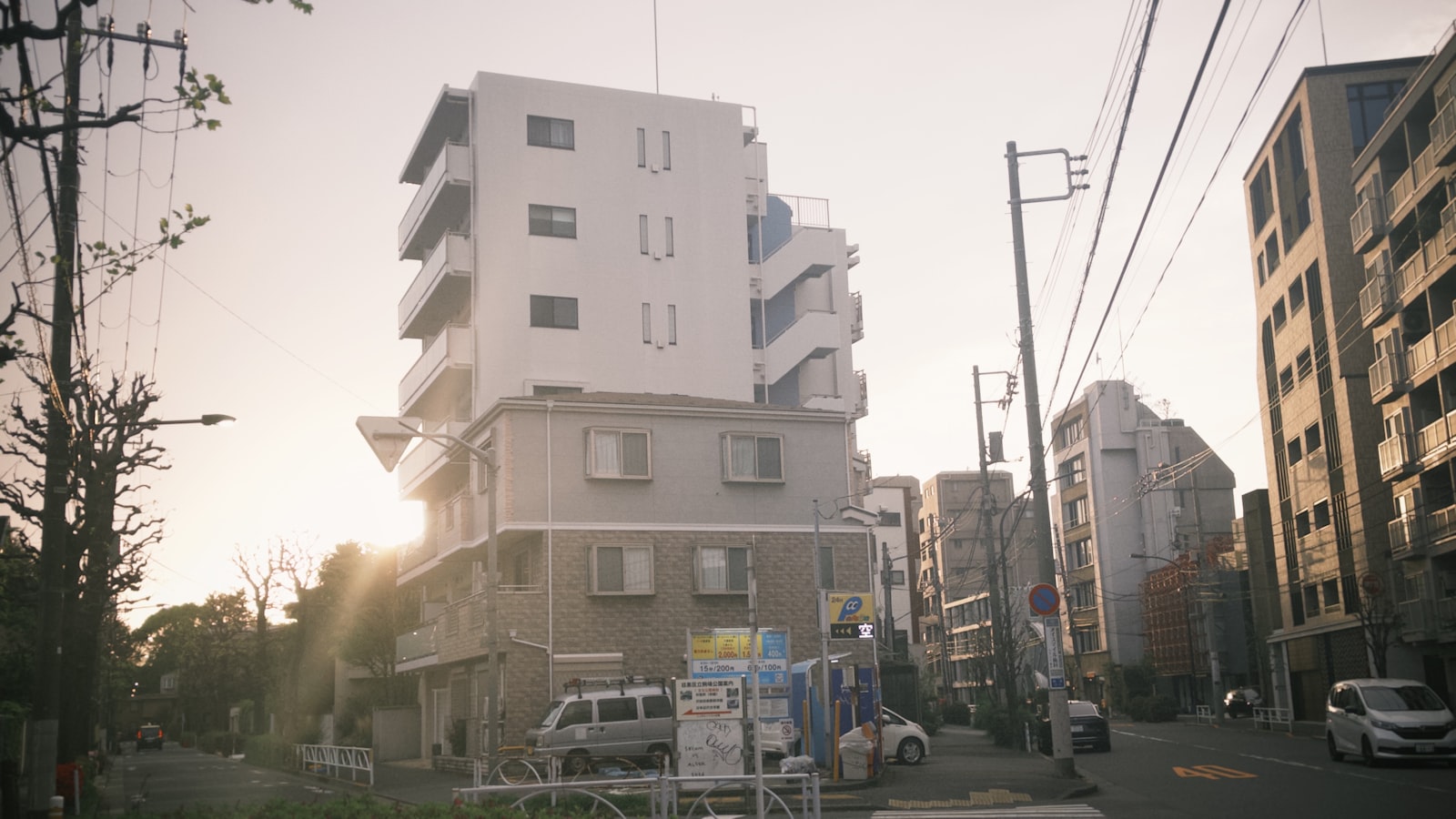
Step into a Japanese apartment and you enter a small masterclass in efficient living: not a square meter wasted, storage tucked into every wall, and a set of quiet conventions that keep dense city living civil. The listings, with their codes and mat-based measurements, look baffling at first, but the logic is simple once explained.
Whether you are moving in or just curious, understanding how these spaces work — and the unwritten rules that govern them — makes them far less mysterious. Here is the guide.
Decoding Apartment Layouts
The listing codes are the first thing to learn.
What the Letters Mean
Apartment layouts are written as a number plus letters: the number is the count of rooms, and the letters stand for L (living), D (dining), and K (kitchen), with R meaning a single room. So a 1K is one room plus a kitchen; a 2LDK is two rooms plus a combined living-dining-kitchen area. Once you know the code, the listings make sense at a glance.
Rooms Measured in Mats
Room size is often given in jo, the number of tatami mats that would fill it, since a tatami mat is a roughly standard size. A “6-jo room” is six mats’ worth of floor. Even in carpeted or wood-floored apartments, this mat-based measure persists as the intuitive way to picture a room.
Compact by Design
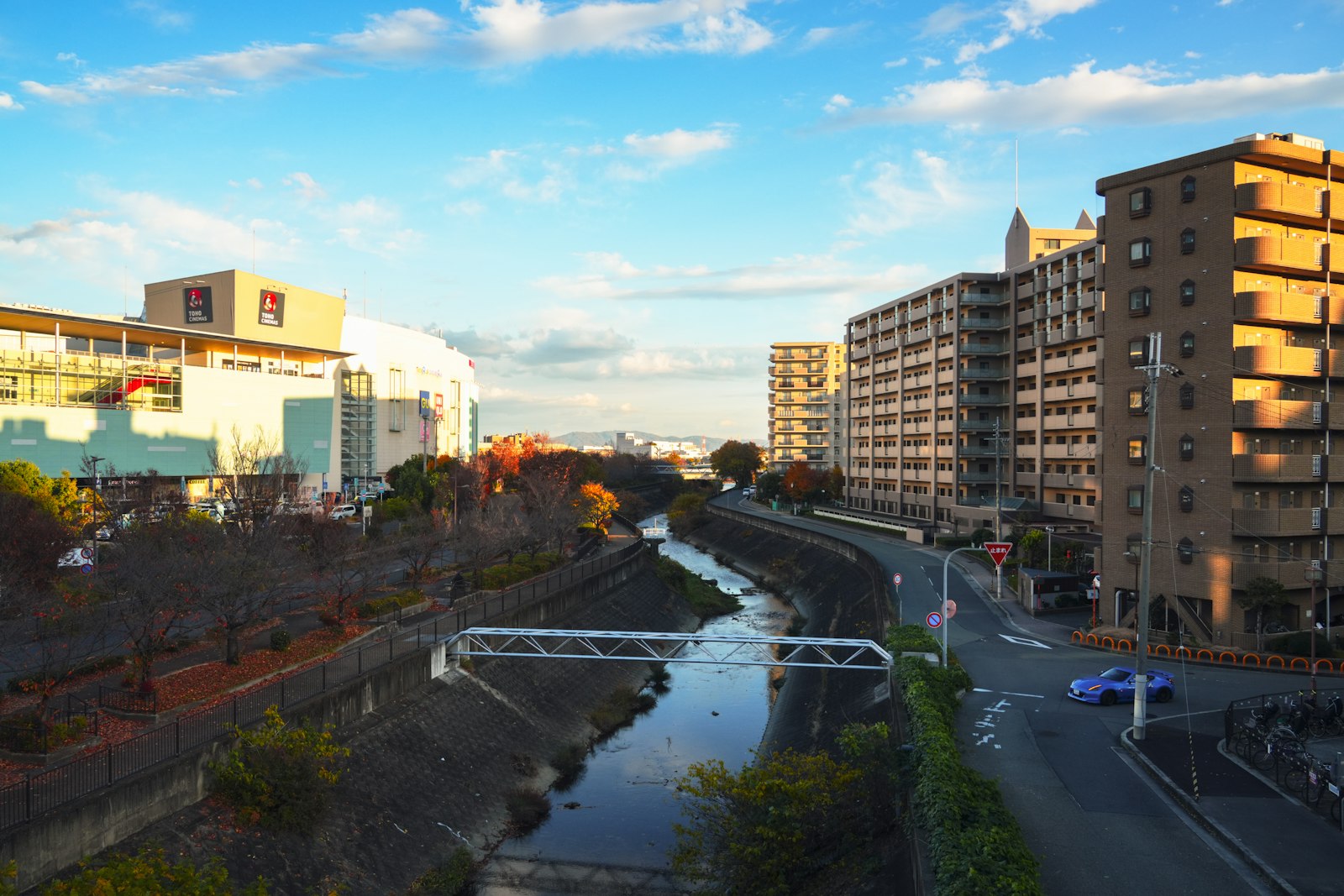
Urban apartments are small, and they answer this with clever, built-in storage — deep closets (oshiire), overhead cupboards, and multi-use spaces. Living well in one is a matter of embracing the efficiency rather than fighting it. The best small apartments feel surprisingly livable.
Key Features: Genkan and Unit Baths
The Genkan
Every apartment has a genkan, the recessed entry area where you remove outdoor shoes before stepping up into the living space. This is non-negotiable: shoes come off at the genkan, and slippers go on. It keeps the home clean and marks the boundary between outside and in.
Unit Baths
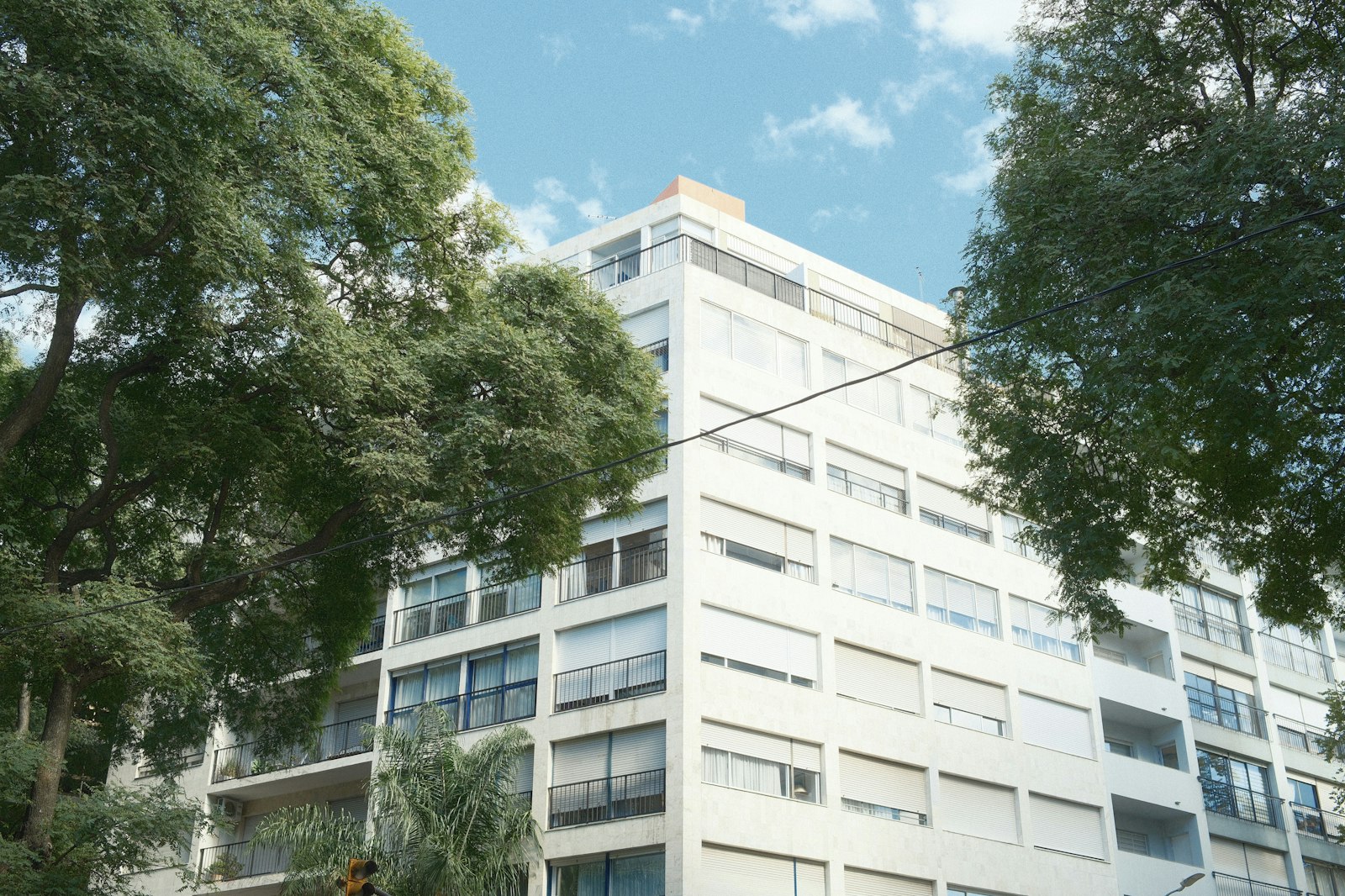
Many apartments have a “unit bath” — a prefabricated, molded plastic bathroom module, often with a deep soaking tub and a controller panel for the ofuro. In compact apartments the bath, shower, and sometimes toilet may share this one waterproof room, designed for easy cleaning and efficient use of space.
The Washlet Toilet
The toilet is frequently separate from the bath, and it is likely a washlet — a heated seat with a bidet spray and various functions, sometimes with a small hand-wash basin built into the cistern to save water. The high-tech toilet is one of the small daily pleasures of Japanese living.
Tatami and Sliding Doors
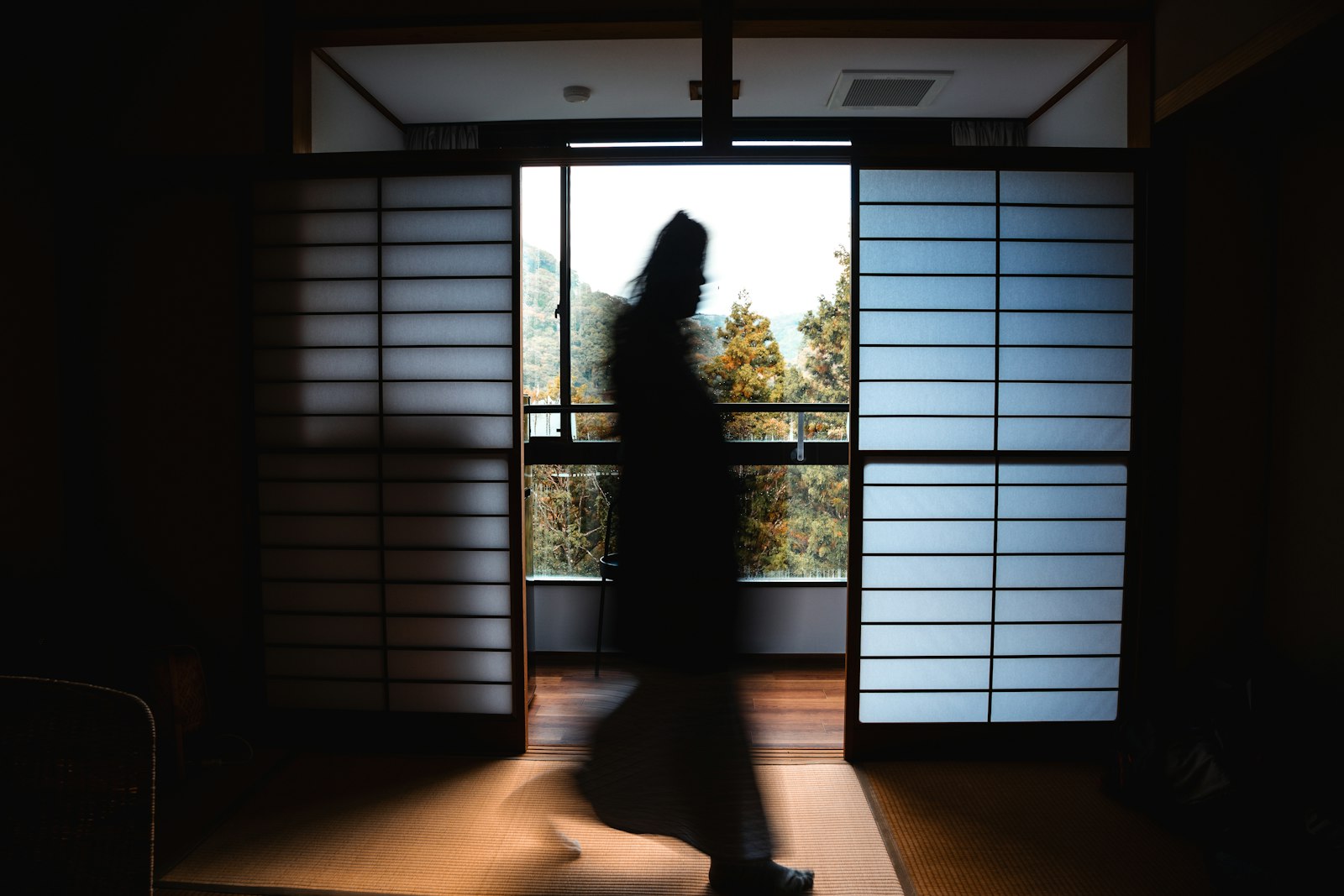
Caring for Tatami
If your apartment has a tatami room, care for the mats by vacuuming along the direction of the weave and keeping the room ventilated to prevent moisture and mold. Avoid dragging heavy furniture across them. Tatami is durable but delicate, and a little care keeps it fresh for years.
Paper Screens
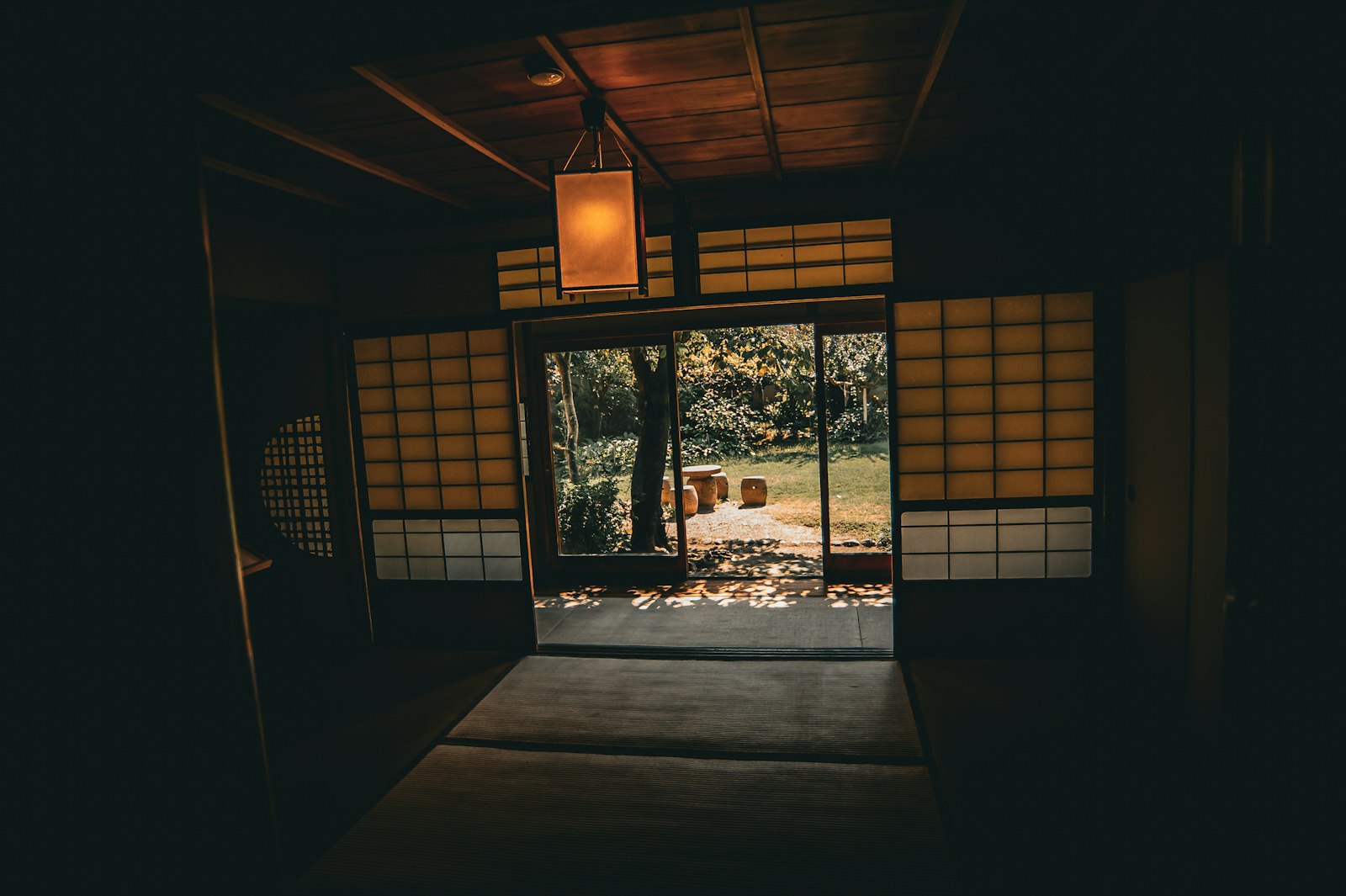
Fusuma (opaque sliding partitions) and shoji (translucent paper screens) divide and light traditional-style rooms, and their paper is easily torn, so handle them gently by the frame or handle. They are beautiful and functional but not built for rough treatment.
Futon Living
In a tatami room, you may sleep on a futon laid directly on the mats and folded away each morning, freeing the room for daytime use. Airing the futon regularly — over a balcony rail on a sunny day — keeps it fresh and is a common sight across Japan.
Balconies and Appliances
Drying Laundry Outside
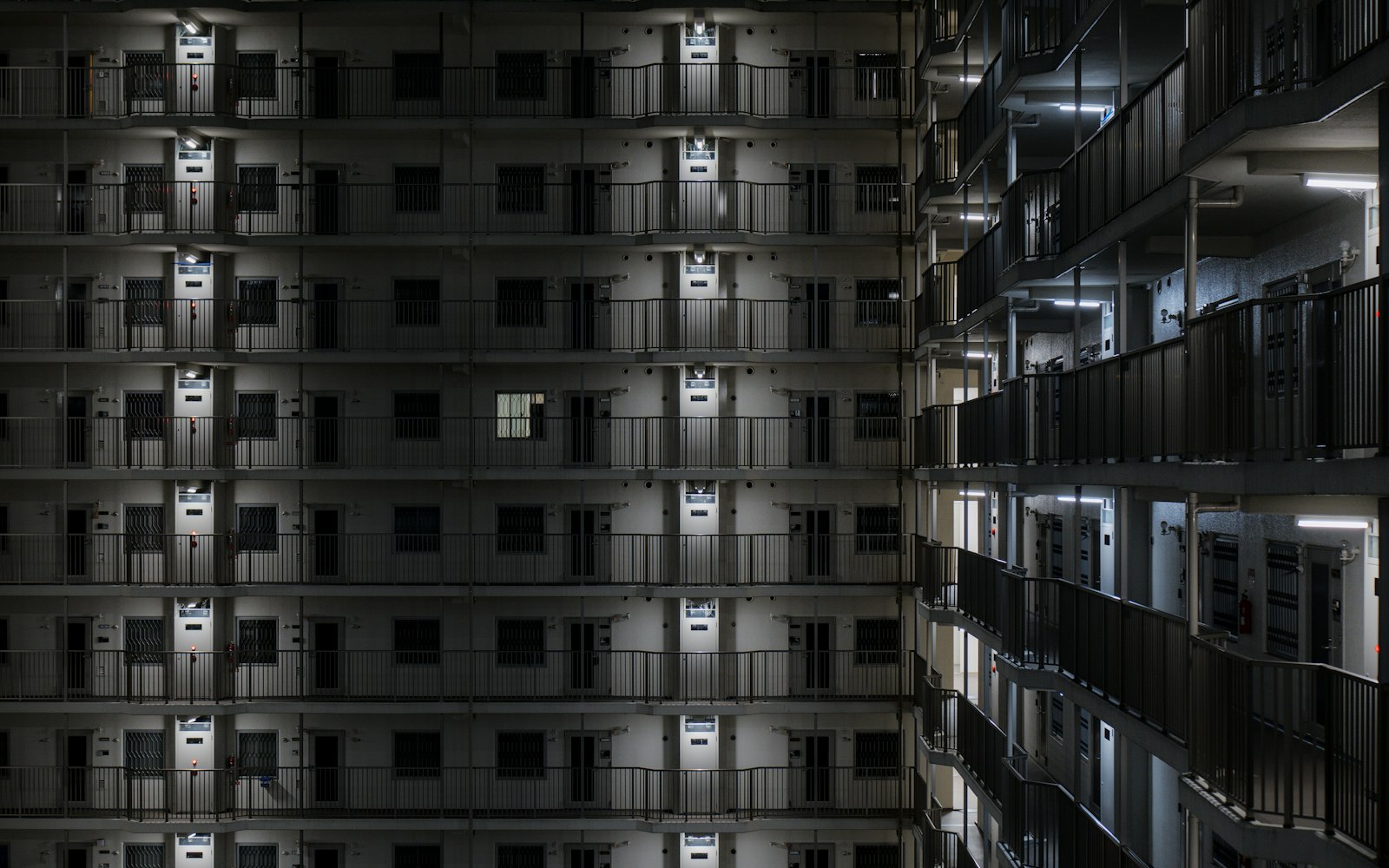
Most apartments rely on the balcony for drying laundry in the sun rather than using a tumble dryer, which are less common. Poles and hangers on the balcony are standard, and hanging out the washing is part of the daily rhythm. Follow any building rules about how and when.
Sorting the Trash
Compact kitchens make room for the several bins that Japan’s strict waste sorting requires — combustibles, plastics, cans, bottles — each collected on set days. Learning your building’s and ward’s sorting rules and collection schedule is essential; getting it wrong is a real faux pas.
Heating and Cooling
Apartments are typically heated and cooled by a wall-mounted air-conditioning heat pump rather than central heating, so you warm the room you are in. Using it efficiently — heating occupied rooms, not the whole flat — suits both the design and the utility bills.
Noise and Community Etiquette
Thin Walls
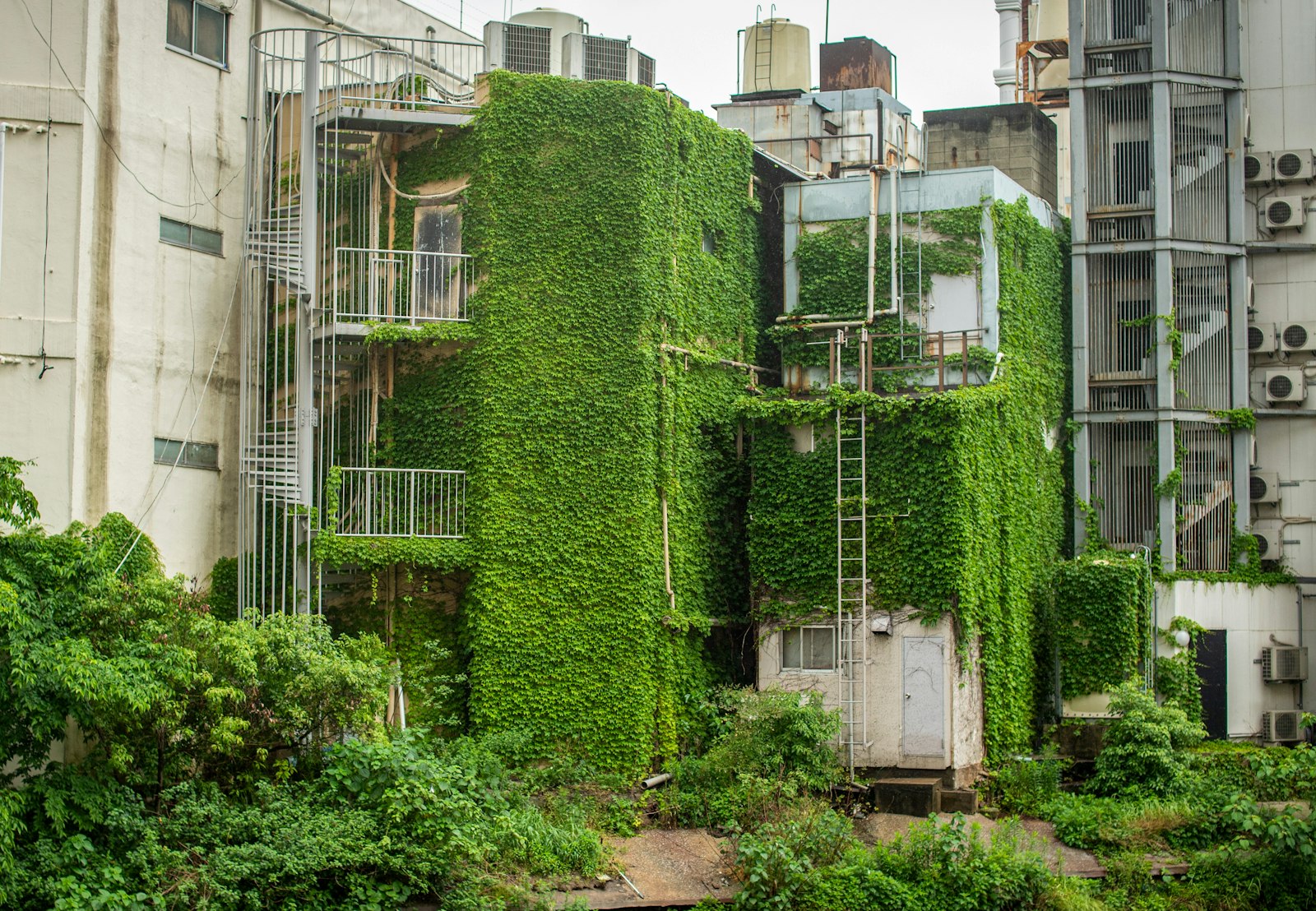
Construction ranges from lighter wooden buildings (mokuzo), where sound carries easily, to sturdier reinforced concrete (RC), which insulates better. Whatever the build, assume neighbors can hear you and keep noise down, especially footsteps, music, and late-night conversation.
Quiet and Shared Spaces
Observe quiet hours, generally after around 9:00 PM, and take your turn keeping shared hallways and entrances clean where expected. These courtesies are taken seriously in Japanese apartment buildings, and observing them keeps you on good terms with neighbors.
Balcony Rules
Barbecues and smoking are generally forbidden on balconies, both for fire safety and out of consideration for neighbors affected by smoke and smells. Balconies are for laundry and storage, not gatherings. Respect the rules and the shared airspace.
Expert Tip
Learn your ward’s exact trash-sorting rules and collection calendar on day one. This is the single detail newcomers most often get wrong, and it genuinely matters — bins are sorted into several categories, each collected only on specific days, and putting the wrong bag out at the wrong time is a real breach of local etiquette that neighbors notice. Your building or ward office provides a schedule, often with English versions in major cities. Getting it right from the start earns quiet goodwill.
Japanese Apartments: Frequently Asked Questions
What is the difference between a “mansion” and an “apartment”? In Japanese real estate, “apartment” (apāto) usually means a smaller, lighter, often wooden building, while “mansion” (manshon) means a larger, sturdier reinforced-concrete building, not a grand house. Mansion units are generally better insulated and more soundproof.
How do I set up utilities? New residents arrange electricity, gas, and water with the local providers, and internet separately, usually by phone or online after moving in, with your residence details. Some services can be started before or on the day you move; ask your agent for the local contacts.
Are pets allowed? Many standard rentals prohibit pets, and pet-friendly apartments are a specific, often pricier category. If you have a pet, search specifically for pet-allowed listings and expect additional deposits or conditions.
Related Tours
Conclusion
The Japanese apartment is a small triumph of design and convention: cryptic on the listing, clever in the layout, and governed by quiet rules that keep dense living pleasant. Decode the codes, respect the genkan, master the trash calendar, and keep the noise down.
Plan Your Japan Trip with Local Experts
Our team has guided 40,000+ travelers across Japan. Tell us about your trip and we’ll get back to you within 24 hours.