In this article:
- The Philosophy of Danshari
- Roots in Zen and Shinto
- Minimalist Living Practices
- Marie Kondo and Fumio Sasaki
- Adopting Minimalist Habits
- Japan Minimalism: Frequently Asked Questions
Introduction
Japanese minimalism has traveled the world, from the tidying method that became a global bestseller to the images of near-empty apartments that go viral. But behind the trend is something older and deeper: a cultural comfort with simplicity, restraint, and empty space, rooted in Zen and in the everyday reality of compact living.
You do not have to strip your home to thirty possessions to benefit from it. A few of its principles can quietly change how you live. Here is the philosophy and how to use it.
The Philosophy of Danshari
Danshari is the practice at the heart of Japanese decluttering, and its three characters describe its method.
Dan: Refuse
The first principle, dan, is to refuse — to stop unnecessary things from entering your life in the first place. Much clutter is prevented rather than cleared, by simply not acquiring what you do not need. It shifts the focus upstream, to the moment of acquiring.
Sha: Dispose
The second, sha, is to dispose — to let go of the clutter and unused belongings already filling your space. This is the active clearing most people associate with decluttering, releasing what no longer serves you. Done honestly, it is freeing.
Ri: Separate
The third and deepest, ri, is to detach — to separate yourself from an obsession with possessions altogether, gaining a kind of mental freedom. Beyond a tidy room, danshari aims at a lighter relationship with material things. This inner shift is the real goal.
Roots in Zen and Shinto
Zen Simplicity
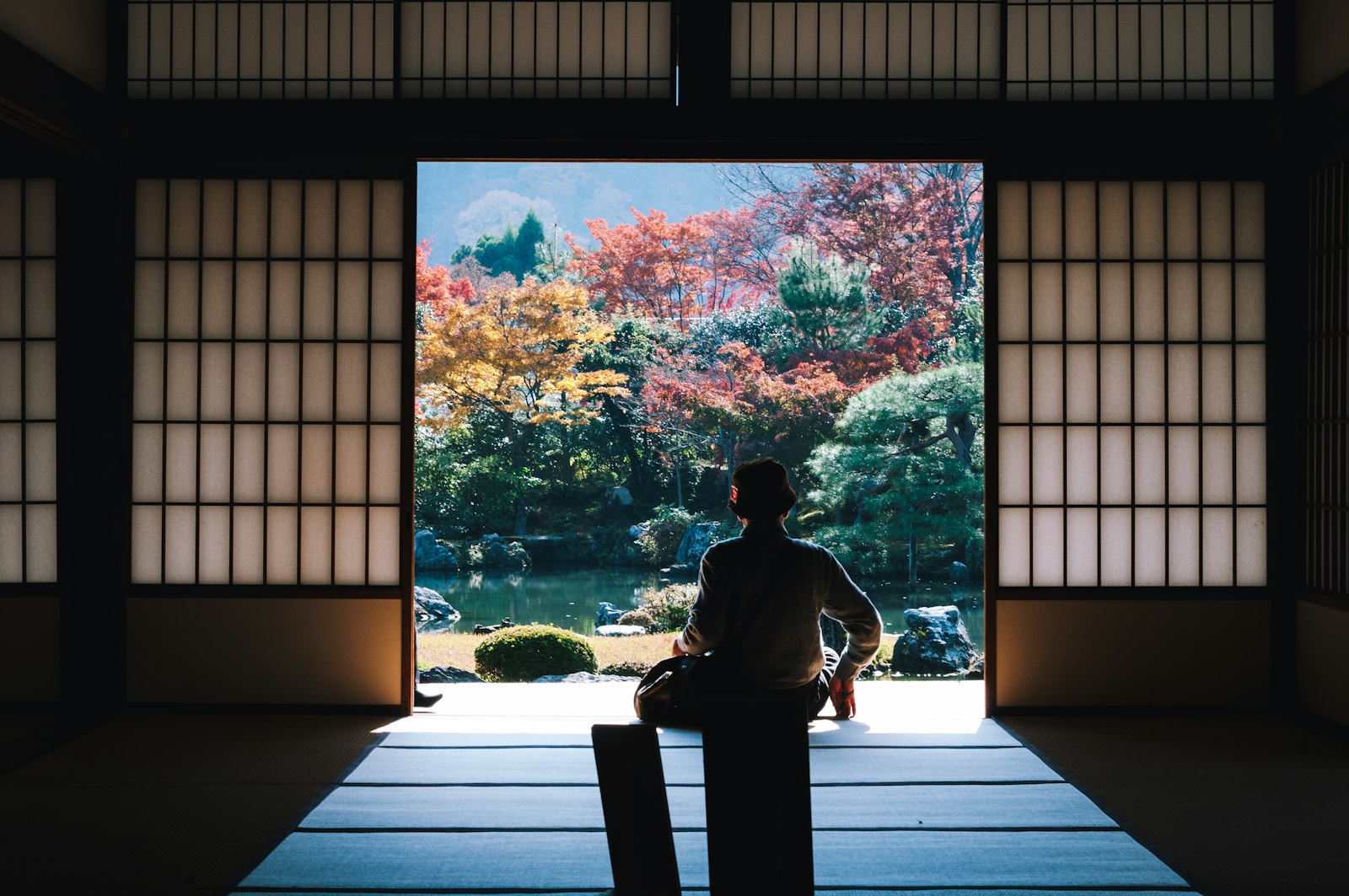
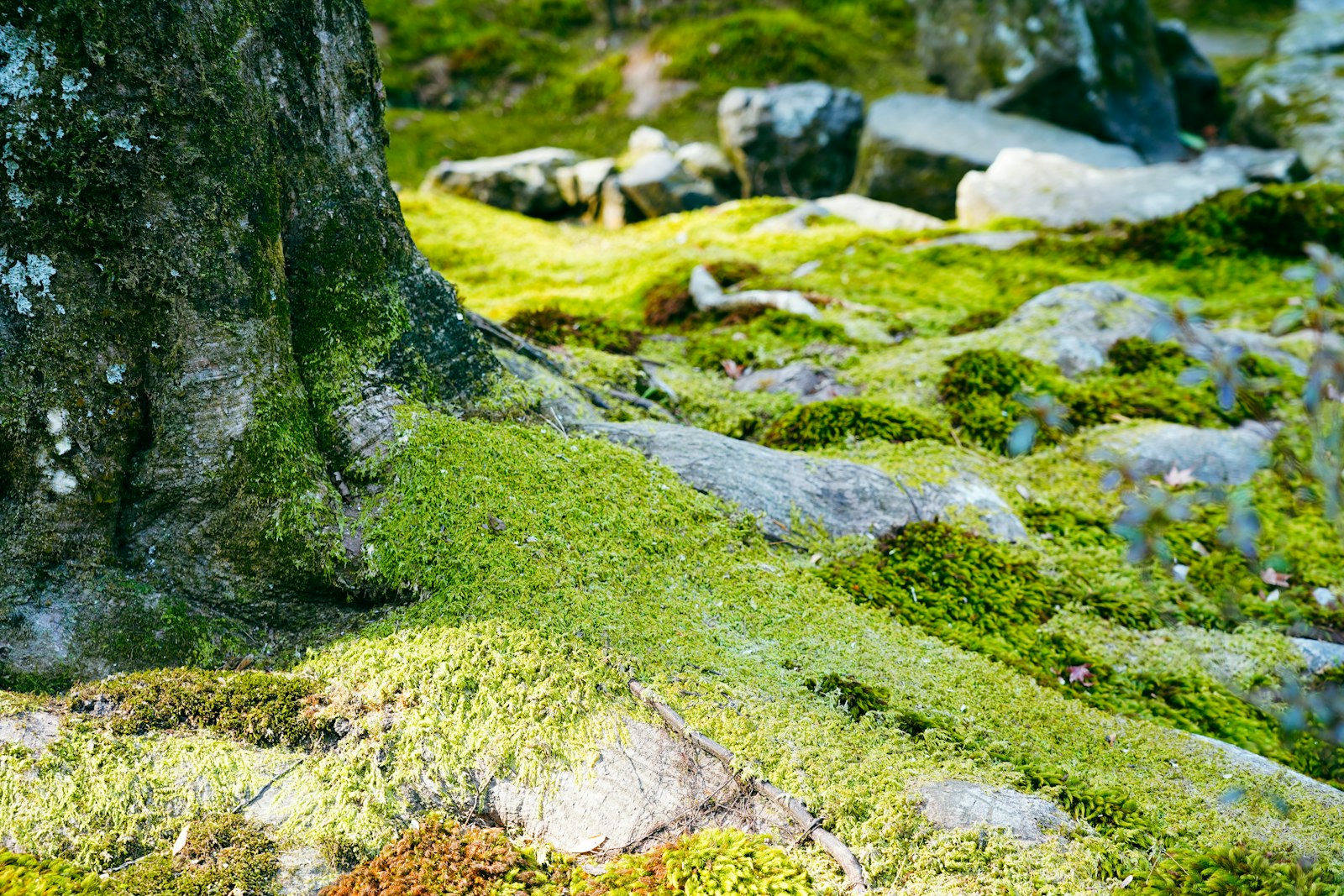
Japanese minimalism draws on Zen Buddhism’s stripping away of distraction to cultivate focus and presence. The bare tea room, the empty space in a painting, the single flower — Zen finds richness in restraint. Minimalism inherits this idea that less can hold more meaning.
Shinto Cleanliness
Shinto’s emphasis on purity and cleanliness treats clean, open space as something close to sacred, a place where good energy can flow. This cultural reverence for the clean and uncluttered underpins the Japanese comfort with empty space, giving minimalism a spiritual dimension.
Mottainai
The concept of mottainai — a sense of regret at waste — balances minimalism, encouraging you to value and fully use what you have rather than discard carelessly. True Japanese minimalism is not mindless throwing away but a thoughtful relationship with objects, keeping what matters and wasting nothing.
Minimalist Living Practices
Multi-Purpose Space
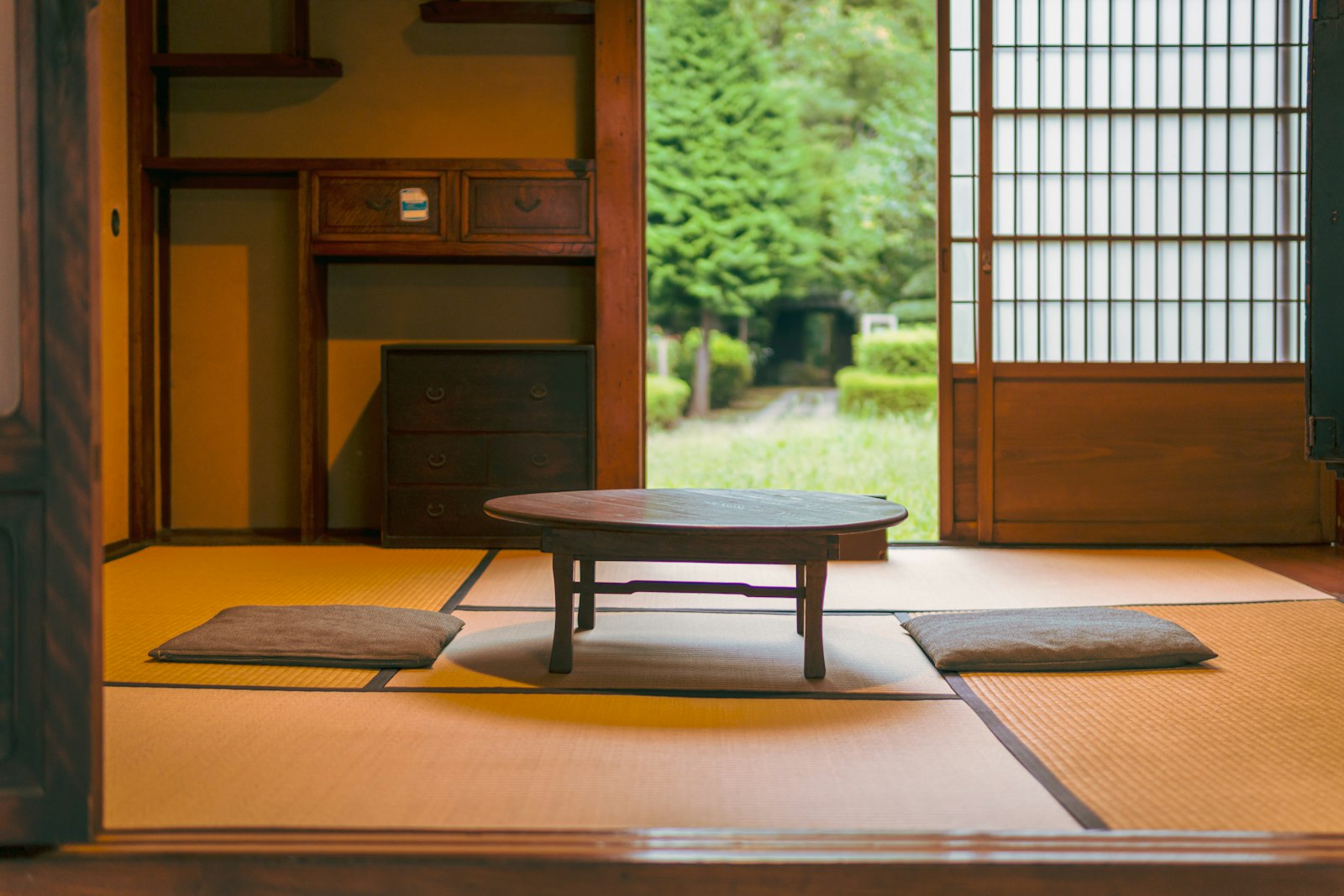
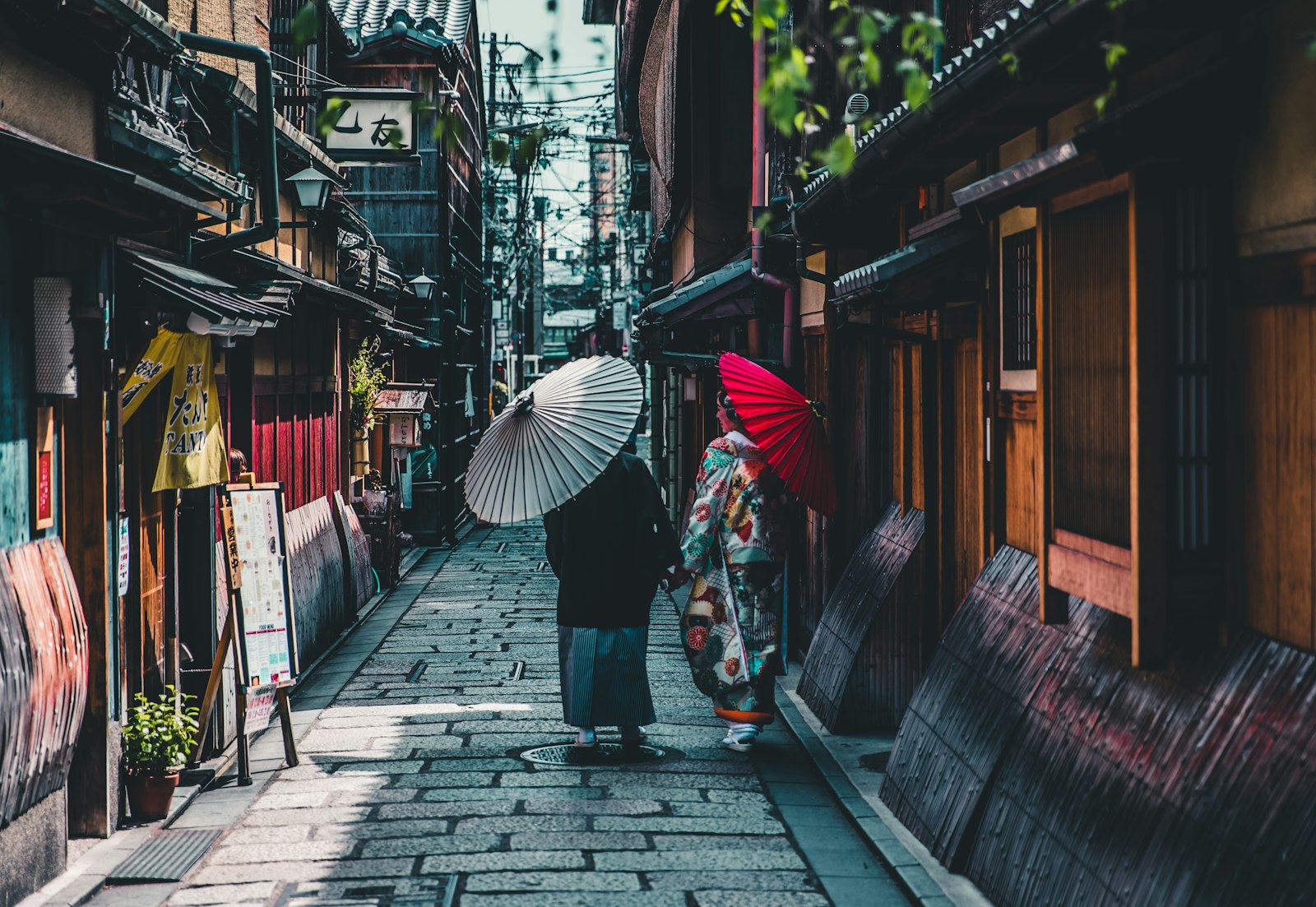
Traditional Japanese living already leans minimalist: a futon folded away each morning turns a bedroom back into a living room, so one small space serves many uses. This flexibility, rather than dedicated rooms full of furniture, is minimalism built into the architecture.
Natural, Muted Palettes
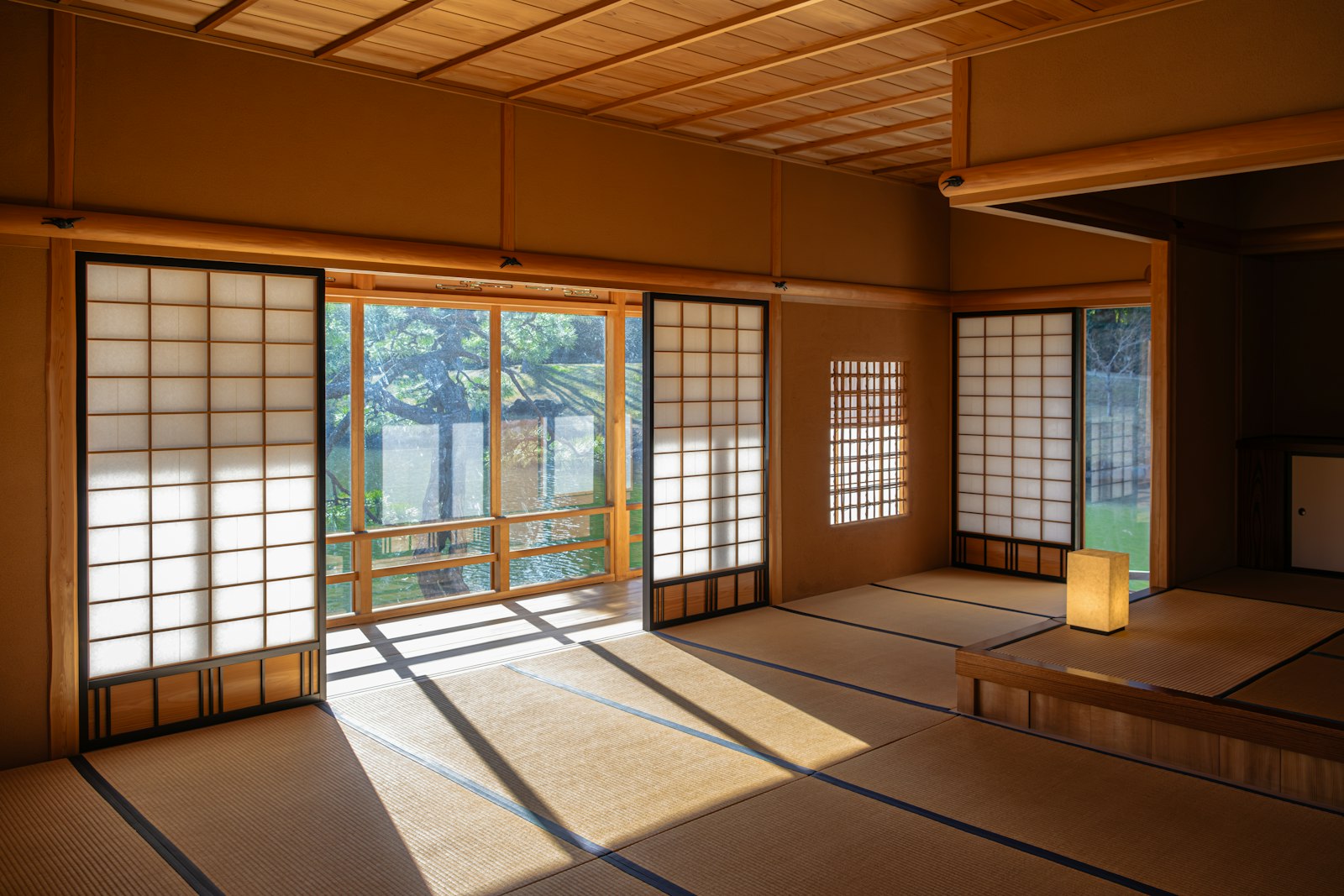
Minimalist interiors favor natural materials and muted, monochromatic palettes — pale wood, linen, and soft neutral tones — that create calm. The restraint of the color scheme is as important as the lack of clutter, producing a quiet, restful whole.
Hidden Storage
Keeping surfaces clear relies on generous, concealed storage — built-in closets and cupboards that hold everyday things out of sight. Minimalism is not about having nothing but about seeing nothing unnecessary; smart storage makes clear surfaces sustainable.
Marie Kondo and Fumio Sasaki
The KonMari Method
Marie Kondo’s globally famous method asks a single question of each possession: does it spark joy (tokimeku)? You keep only what does, and thank and release the rest. Its focus on a positive feeling, rather than grim purging, is what made it resonate worldwide.
Extreme Minimalism
Fumio Sasaki took minimalism further, paring his belongings down to a remarkably small number and writing about how it transformed his life and mind. His example is extreme and not for everyone, but it illustrates how far the philosophy can be taken and the freedom some find in it.
Digital Minimalism
Minimalism increasingly extends beyond objects to the digital — streamlining the apps on your phone, reducing notifications, and clearing paper documents. In a cluttered digital age, applying the same principles to screens is a natural and valuable extension.
Adopting Minimalist Habits
One In, One Out
A simple, sustainable habit: for every new item you bring in, let one go. This one-in, one-out rule keeps possessions from creeping upward over time without demanding a dramatic purge. It is minimalism as maintenance rather than a one-off event.
Buy Mindfully
Choose fewer, better things — investing in quality, long-lasting craftsmanship over cheap, disposable goods. Owning less of higher quality is both more satisfying and more sustainable, and it fits the mottainai spirit of valuing what you have.
Simplify Decisions
A capsule wardrobe of versatile, coordinated pieces reduces the daily friction of choosing what to wear, freeing mental energy. Minimalism’s quiet benefit is fewer decisions and less overwhelm, and clothing is an easy place to start.
Expert Tip
Start with one category, not your whole home. The most common mistake is trying to declutter everything at once and burning out. Pick a single, contained category — your clothes, your books, your phone’s apps — and apply one principle, like keeping only what sparks joy or the one-in, one-out rule. A single finished category delivers a visible win and the motivation to continue, whereas an all-at-once overhaul usually stalls halfway.
Japan Minimalism: Frequently Asked Questions
Do most Japanese households practice minimalism? Not in the extreme sense — most homes are ordinary, and dedicated minimalism is a movement rather than the norm. But a cultural comfort with simplicity, cleanliness, and compact, efficient living is widespread and shapes everyday Japanese homes.
How do minimalists store seasonal clothing in small apartments? Through disciplined, concealed storage — vacuum bags, under-bed and closet space, and owning fewer items overall so seasonal rotation is manageable. Small-space living rewards owning less and storing the rest neatly out of sight.
What are the best resources to learn more? The books by Marie Kondo and Fumio Sasaki are the most popular starting points, alongside the broader writing on danshari. Begin with whichever approach — joy-based or minimal-possessions — matches your temperament.
Related Tours

Conclusion
Japanese minimalism is not deprivation but discernment — refusing the unnecessary, releasing the unused, and detaching from the grip of things, all rooted in Zen calm and Shinto cleanliness. It offers a quieter, lighter way to live in a cluttered world.
Plan Your Japan Trip with Local Experts
Our team has guided 40,000+ travelers across Japan. Tell us about your trip and we’ll get back to you within 24 hours.