
In this article:
- How Japan’s Consumption Tax and Tax-Free System Work
- The Reforms Changing How Refunds Work
- What Qualifies and the Spending Minimums
- How to Claim Your Refund, Step by Step
- Getting the Most Out of It
- Tax-Free Shopping: Common Questions
How Japan’s Consumption Tax and Tax-Free System Work
Japan charges a consumption tax on almost everything you buy, and short-term foreign visitors can have it removed on qualifying purchases. Understanding the basics first will save you confusion at the register, where the rules are applied quickly and rarely explained.
The tax itself is not high by European standards, but on electronics, watches, or a large cosmetics haul, ten percent adds up. The system exists specifically to encourage visitors to spend, so it is worth using — provided your purchases clear the thresholds.
The Two Tax Rates
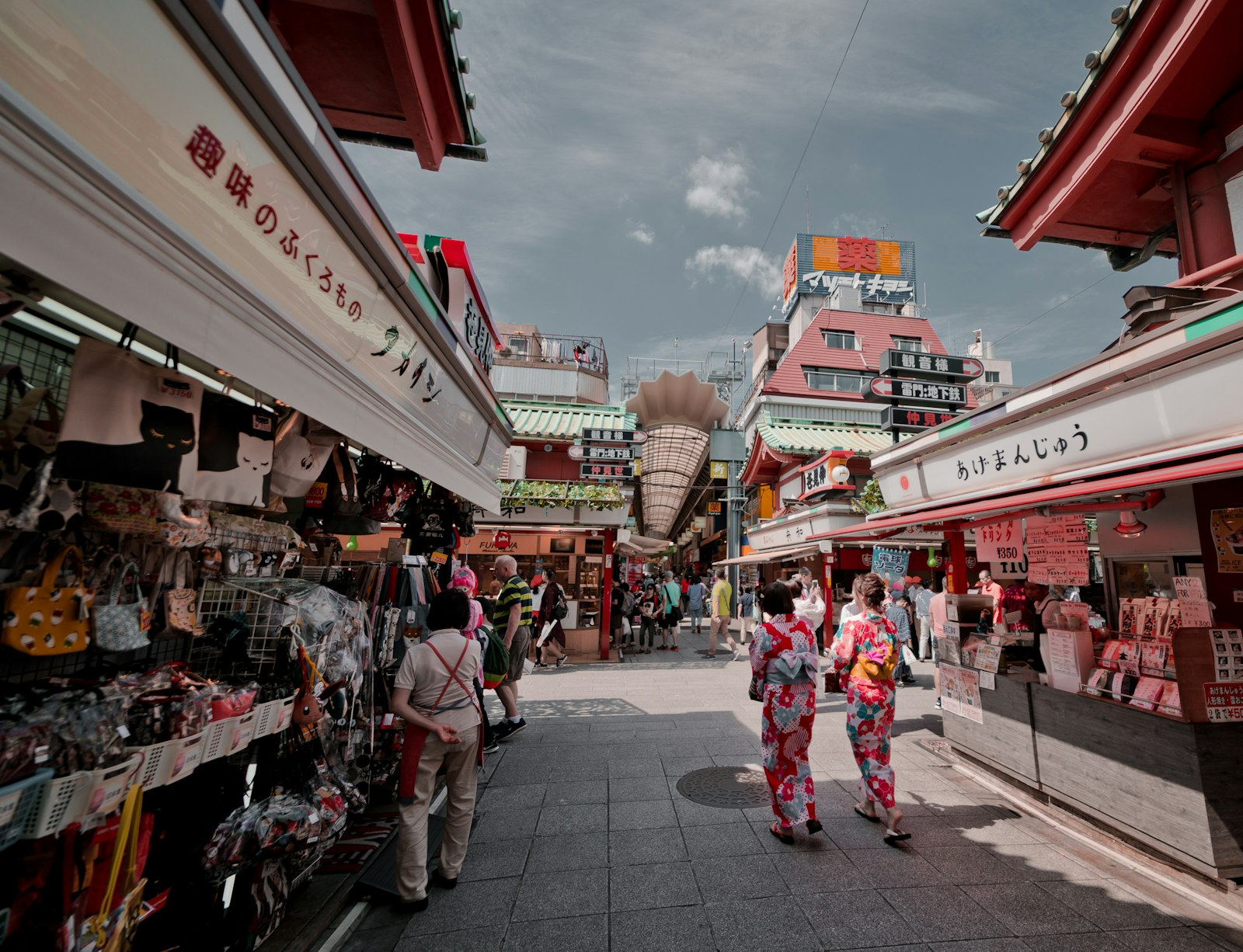
Japan’s consumption tax has two bands. The standard rate is 10 percent, applied to most goods. A reduced rate of 8 percent covers food and non-alcoholic drinks, along with newspaper subscriptions. For tax-free shopping purposes, what matters is that the 10 percent on general goods is the saving you are chasing; the 8 percent on consumables is handled under its own set of rules, which we will come to.
Tax-Free Is Not Duty-Free
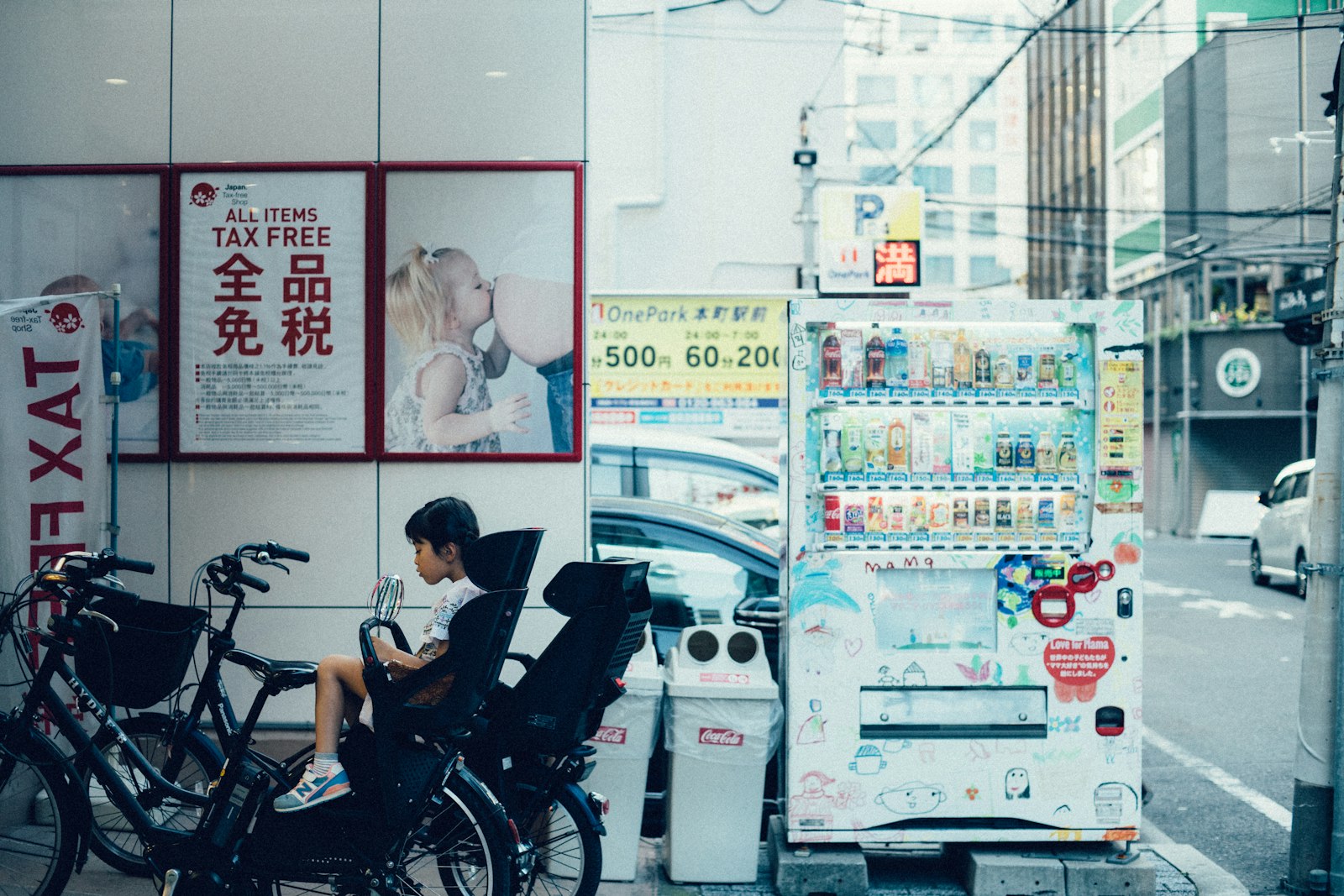
The two terms get confused constantly. Duty-free, in the strict sense, refers to goods exempt from import duties and taxes, typically sold in the sealed zone of an airport after you pass security — alcohol, tobacco, fragrances. Tax-free shopping, by contrast, happens at ordinary shops in the city and removes Japan’s domestic consumption tax for eligible visitors. When you see the “Japan Tax-Free Shop” logo on a storefront downtown, that is the system this guide is about.
Who Qualifies
The exemption is for foreign visitors on a short-term stay — generally those in Japan for under six months on a temporary-visitor status. You will need your passport, and increasingly your entry record is checked digitally rather than by a physical stamp. Residents of Japan, including foreign nationals living here, do not qualify. The system is built around the genuinely visiting tourist, and the documentation exists to enforce exactly that.
Expert Tip
Carry your actual passport when you shop, not a photo of it. Stores are required to verify the original document and your entry status to process a tax-free sale, and a photo on your phone will not be accepted at most counters. If you are out shopping for the day, your passport needs to be in your bag — there is no way around it.
The Reforms Changing How Refunds Work
Japan’s tax-free system is in the middle of a significant overhaul, and the way the benefit reaches you is changing. If you shopped tax-free in Japan a few years ago, do not assume the process is identical now. Because the details and timing are still being phased in, treat the following as direction of travel and confirm the current procedure when you arrive.
Shipped Items No Longer Qualify
One change already in effect: goods bought tax-free and shipped internationally from the store, rather than carried out by the traveler, have lost their exemption under the tightened rules. The benefit is meant for items you personally take out of the country. If a shop offers to post a bulky purchase home, understand that doing so may forfeit the tax saving.
The Shift to Airport Refunds
The larger reform moves Japan toward a model already common elsewhere: you pay the full, tax-included price in the store, and then claim the refund at the airport as you depart, once customs has confirmed you are taking the goods out of the country. This replaces the long-standing system of having the tax simply removed at the register. The change is designed to curb abuse, but it means you should budget for paying the full amount upfront and recovering it later.
Simplified Packaging Rules
Alongside the refund change, the old requirement to seal consumable goods in tamper-evident bags — which you were not allowed to open until leaving Japan — is being streamlined. This removes one of the more awkward features of the previous system. As with everything in this transition, the exact rules in force depend on when you travel, so check at the point of sale.
What Qualifies and the Spending Minimums
Not everything qualifies, and the category an item falls into determines the minimum you must spend. The split between “general goods” and “consumables” is the part that trips up most shoppers.
General Goods Versus Consumables
General goods are the durable items: clothing, bags, electronics, watches, jewellery. Consumables are things meant to be used up — cosmetics, skincare, medicines, food, drinks. The distinction matters because the two are counted separately toward the spending minimum and, historically, handled under different packaging rules. A day’s shopping often produces some of each.
The 5,000-Yen Minimum
To qualify for a tax-free purchase, you generally need to spend at least 5,000 yen, before tax, at a single store in a single day. This threshold applies separately to general goods and to consumables in most cases. The practical lesson: consolidate. Buying a little at many shops may leave each purchase below the line, while concentrating your spending at one tax-free store gets you over it.
Rules on Using Consumables in Japan
Consumables bought tax-free are intended to leave the country with you, and the rules restrict opening or using them while still in Japan. Under the older system this was enforced with sealed bags; as that requirement is streamlined, the underlying principle remains — the cosmetics and snacks are exempt because they are going home with you. If you plan to use something during the trip, buy it normally rather than tax-free.
How to Claim Your Refund, Step by Step
The mechanics are not difficult once you know the sequence. The exact final step depends on whether you are shopping under the in-store-exemption model or the newer airport-refund model, but the documents and the early steps are the same.
The Documents to Carry
Have these ready before you reach the counter:
- Your original passport, showing your temporary-visitor entry
- The credit card you are paying with, ideally in your own name
- Your receipts, kept together and intact until you leave Japan
Keeping receipts organised matters more than it sounds. Customs may want to inspect them and the corresponding goods on departure, and a lost receipt can mean a lost refund.
At the Store
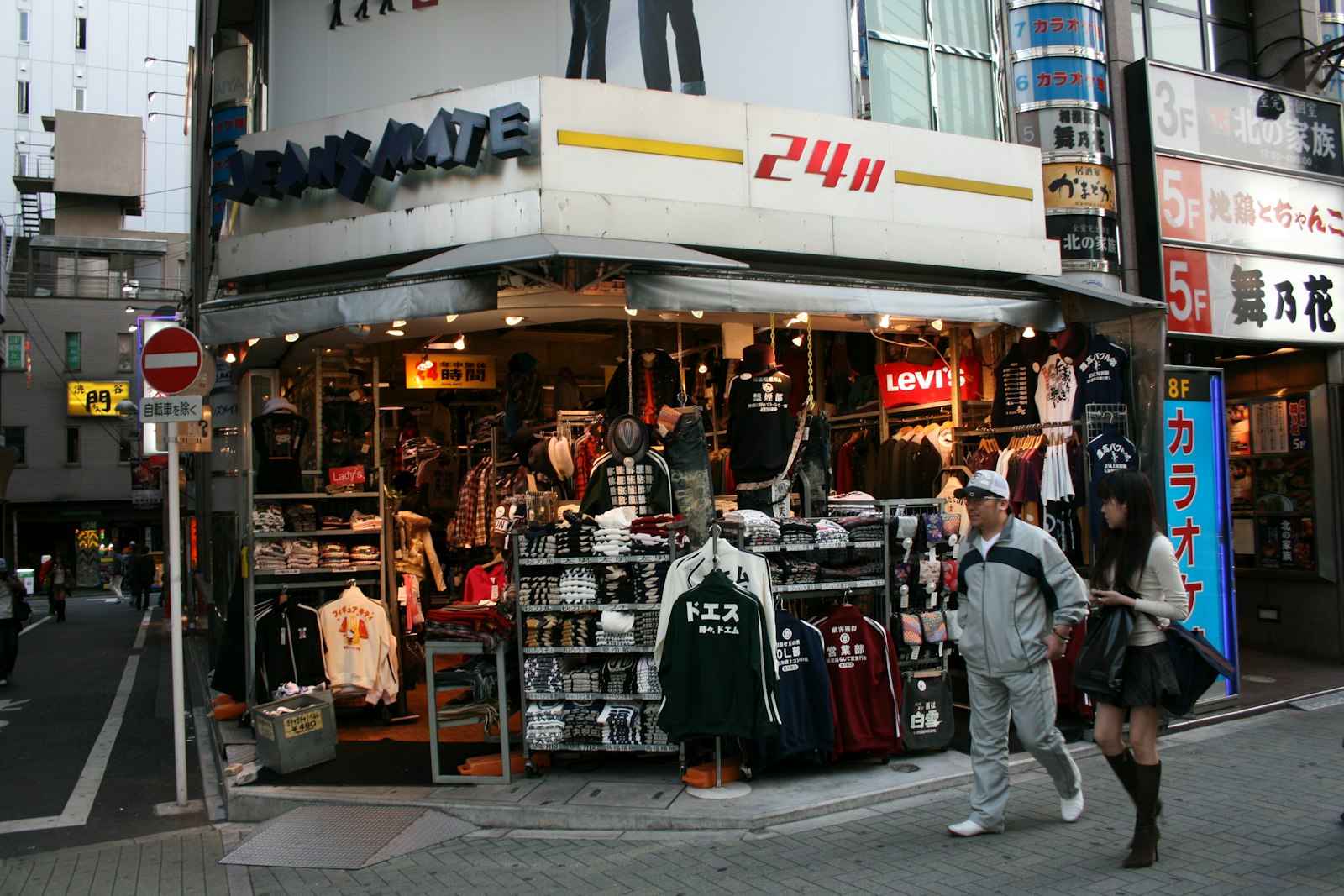
Look for the red-and-white “Japan Tax-Free Shop” logo, which marks shops authorised to handle the exemption. At large department stores, tax-free processing often happens at a dedicated counter rather than the till where you bought the item, so you may pay first and then take your receipts to that counter with your passport. Allow a few extra minutes; the paperwork is quick but the queues at popular stores are not.
At the Airport
Under the airport-refund model, your purchase records are checked by customs before you depart, and the refund is processed once your goods are verified as leaving the country. The verification is increasingly digital, tied to your passport rather than to a stack of paper forms. Build time into your departure for this — it is one more line between you and the gate.
Why You May Get Back Less Than 10 Percent
Do not expect a clean ten percent back. Refund operators and some stores deduct a handling fee, and if your refund is paid in a different currency or back to a card, exchange-rate conversion and card-network markups can shave off more. The saving is still worth having on a large purchase, but go in expecting net, not gross.
Getting the Most Out of It

A few habits turn the tax-free system from a minor convenience into a genuine saving, especially if you are doing serious shopping for electronics, cosmetics, or gifts.
Stack Discounts at the Big Stores
The large electronics chains and drugstores frequently offer additional tourist coupons — often 5 percent or more — on top of the tax exemption. These are available online, through travel apps, or sometimes at the store’s information desk. Stacking a tourist coupon on top of tax-free can meaningfully cut the price of a big-ticket item. Ask before you pay; staff will not always volunteer it.
Watch Your Payment Cards
If your refund is returned to a card or paid in foreign currency, the exchange handling can quietly erode the benefit. Paying with a card that does not charge foreign-transaction fees, and choosing to be billed in yen rather than your home currency where you are given the option, both help. The savviest shoppers think about the card before they think about the purchase.
Leave Time at the Airport
As refunds move to the airport, the departure-day customs and refund lines become a real factor, and they are worst during peak travel seasons. If you have a substantial refund to claim, arrive earlier than you otherwise would. Missing the window because you cut your airport time too fine is an avoidable way to lose the money you spent the trip carefully saving.
Tax-Free Shopping: Common Questions
Can Japanese nationals living abroad use the scheme? In some cases, yes. Japanese nationals who have lived outside the country long enough to be treated as non-residents for these purposes can qualify, but they must prove that status with the appropriate documentation, which is stricter than the check applied to foreign tourists. If this applies to you, confirm the exact evidence required before you rely on it.
What if I pack tax-free items in checked baggage? This can be a problem under the model where customs needs to inspect the goods at departure. If your tax-free purchases are sealed inside checked luggage you have already handed over, you cannot present them for verification. Keep tax-free goods accessible — in your carry-on or handed over only after any required customs check — so you can show them if asked.
Can someone else claim the refund for me? No. The exemption is tied to the individual traveler and their passport and entry status. The person who made the purchase and is leaving the country is the one who must present the documents and goods. You cannot hand your receipts to a travel companion to process on your behalf.
Related Tours
Conclusion
Tax-free shopping in Japan is genuinely worth using, but it rewards a little preparation. Carry your passport, concentrate your spending to clear the 5,000-yen minimum, keep your receipts intact, and understand that the system is shifting toward paying full price in store and reclaiming the tax at the airport.
Plan Your Japan Trip with Local Experts
Our team has guided 40,000+ travelers across Japan. Tell us about your trip and we’ll get back to you within 24 hours.