In this article:
- What Shin-Okubo Is and How It Got Here
- Navigating the Streets and Back Alleys
- What to Eat: From K-BBQ to Street Food
- K-Beauty and Pop Culture Shopping
- Beyond Korea: Okubo’s Other Communities
- Visiting Shin-Okubo: Common Questions
What Shin-Okubo Is and How It Got Here
Shin-Okubo is Tokyo’s Korea Town: a few hundred metres of streets packed with Korean barbecue, cosmetics shops, idol-goods stores, and street-food stalls, all within walking distance of Shinjuku. On a weekend it is one of the most crowded, youngest, and loudest neighbourhoods in the city. It is also one of the most genuinely international, which is the part most guides leave out.
The energy here is specific. Where much of Tokyo is quiet and orderly, Shin-Okubo is dense and a little chaotic — K-pop playing from competing storefronts, queues spilling onto narrow pavements, the smell of grilled meat and sweet fried dough. If that sounds appealing, you will love it. If you came to Tokyo for calm, this is the one neighbourhood to visit on purpose and then leave.
From the 1980s to the K-Wave
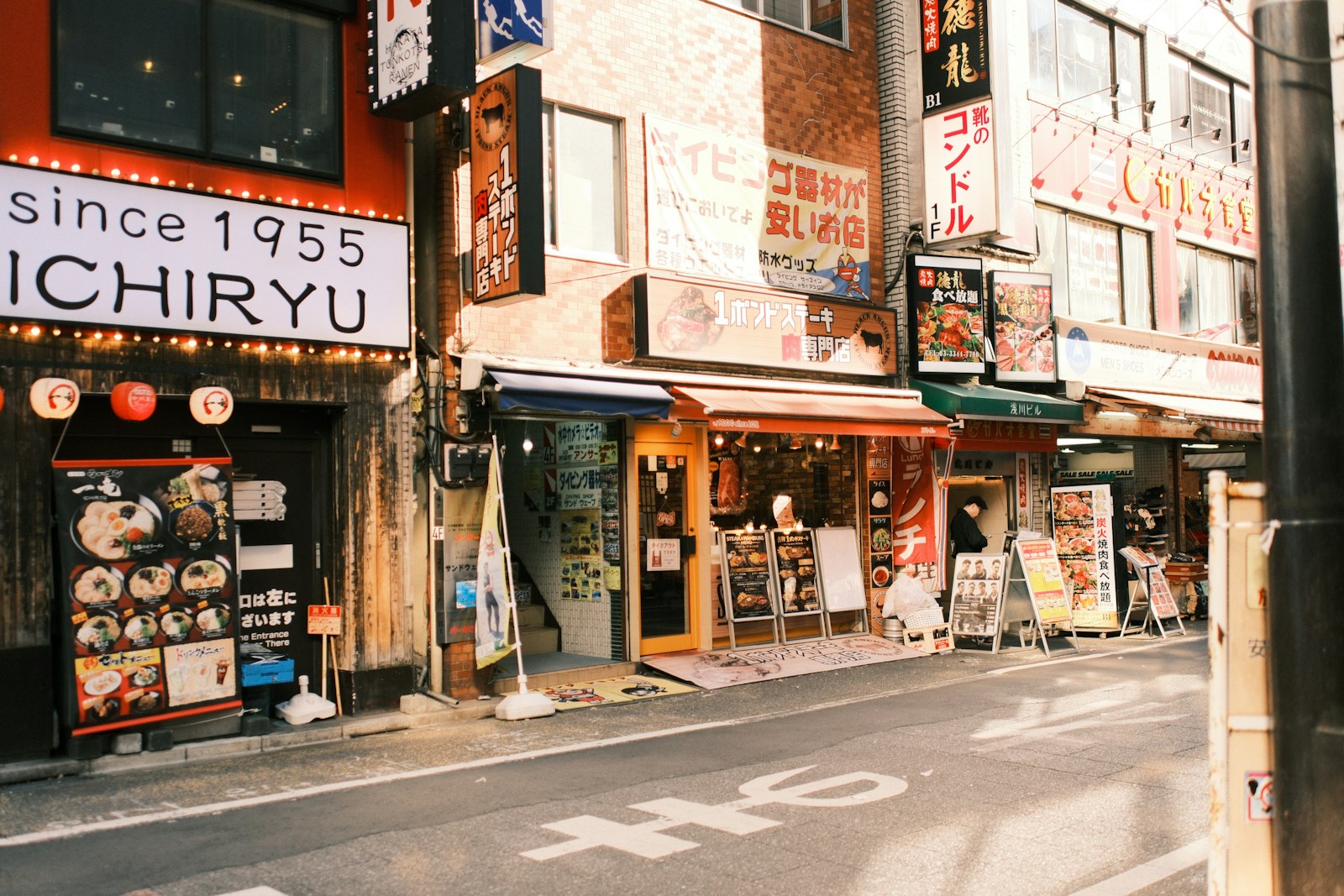
A Korean community has lived around Okubo since the 1980s, but the neighbourhood as you see it now was built by the Korean Wave. The first surge came in the mid-2000s with Korean television dramas; the second, far bigger, came with K-pop. Each wave brought more restaurants, more shops, and a steadily younger crowd. Today the area runs on Korean entertainment culture as much as on Korean food.
The Sensory First Impression
Step out of the station and the assault is immediate, in the good sense: music from a dozen directions, neon and hand-lettered signs in Korean and Japanese, and a near-constant smell of cheese, chicken, and charcoal. It is a lot. Lean into it rather than fighting it — the disorientation is most of the appeal.
Getting There
Shin-Okubo has its own station on the JR Yamanote Line, exactly one stop north of Shinjuku. If you are already at Shinjuku, walking is just as easy: head north out of the station’s north end and you reach the southern edge of the district in about ten minutes. Coming from elsewhere in Tokyo, the Yamanote loop puts you within reach of almost anywhere.
Navigating the Streets and Back Alleys
The district is small enough to wander without a plan, but knowing the three main arteries helps you find the good stuff faster. Most of what you came for sits along two main streets and a famous back alley.
Okubo-dori and Shokuan-dori
Okubo-dori is the main spine — the widest, busiest street, lined with the larger restaurants, cosmetics chains, and idol shops. Running parallel to the north is Shokuan-dori, a little less polished and, to some tastes, a little more interesting. Between and around them runs a grid of smaller lanes where the rents are lower and the finds are better. Walk all of it; the district is compact.
Ikemen-dori, the “Handsome Street”
The narrow back lane near the Don Quijote, nicknamed Ikemen-dori — roughly “handsome-guy street” — is where Shin-Okubo gets dense and good. Tiny restaurants, street-food windows, and specialist shops are crammed shoulder to shoulder. The name supposedly comes from the good-looking young staff who work the stalls. Whatever the origin, this is the alley to get lost in.
Weekend Performances
On weekends, amateur dance crews perform K-pop cover routines in any open space they can claim, drawing small crowds of fans filming on their phones. It is informal, unticketed, and a genuine slice of the neighbourhood’s culture rather than a staged attraction. Stumbling onto one is part of what makes a Saturday afternoon here worth it.
Expert Tip
Shin-Okubo is at its worst, crowd-wise, on weekend afternoons, when high-school students arrive in force and the main streets become slow rivers of people. For the same food and shops with room to move, come on a weekday, ideally late morning or early afternoon. You will get faster seating at the popular barbecue places, which otherwise run hour-long waits.
What to Eat: From K-BBQ to Street Food
Food is the reason most people come, and the range runs from sit-down barbecue feasts to handheld snacks eaten on the move. Pace yourself — the temptation is to over-order in the first thirty metres.
The Sit-Down Classics
For a proper meal, the holy trinity is samgyeopsal (thick-cut pork belly grilled at your table and wrapped in lettuce with garlic and ssamjang), dak-galbi (spicy stir-fried chicken with cabbage and rice cake, often finished with a lake of melted cheese), and chimaek — Korean fried chicken with cold beer, the pairing so beloved it has its own portmanteau. Any of the three makes a full evening. Expect to grill your own meat at most barbecue spots; the staff will help if you look lost.
Street Food on the Move
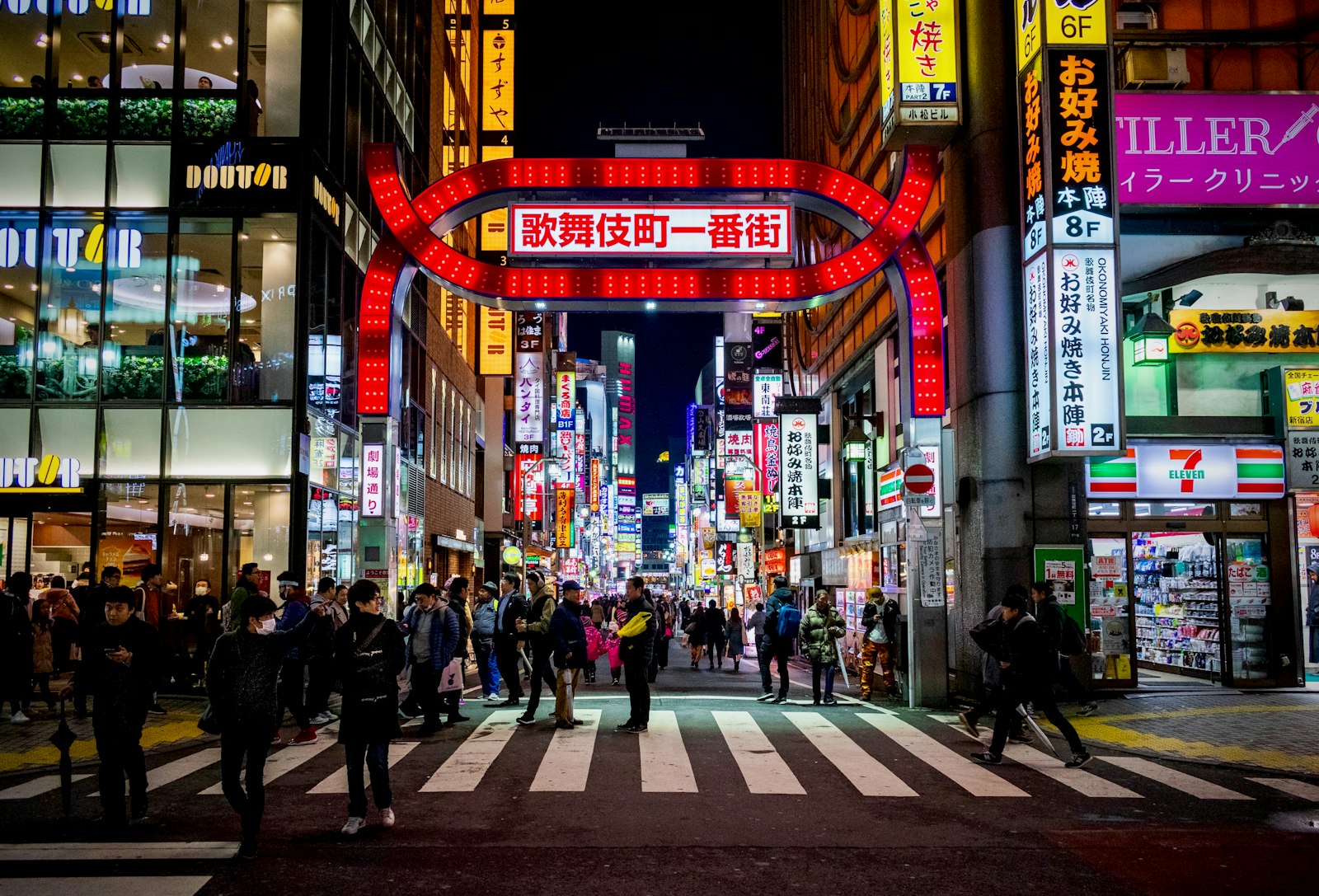
For grazing, the stalls deliver. Hotteok — a chewy pancake filled with melted brown sugar, cinnamon, and nuts — is the cold-weather favourite. Cheese corn dogs, battered and rolled in sugar or crushed potato, produce the cheese-pull that fuels half the neighbourhood’s social media. Tteokbokki, chewy rice cakes in a sweet-spicy red sauce, rounds out the holy trinity of snacks. None of it is refined. All of it is good.
The 2D Cafe and Themed Spots
Among the more photographed stops is a café styled to look like a flat, hand-drawn comic — black outlines on white surfaces, so that sitting inside makes you appear to be living in an illustration. It is a gimmick, and a fun one, and it points to a broader truth about Shin-Okubo: a lot of what is here exists to be photographed, and that is fine. Order the latte, take the picture, move on.
Korean Groceries to Take Home
For ingredients, the larger Korean supermarkets — Seoul Market and similar — stock everything from gochujang and proper kimchi to the specific instant noodles that are hard to find elsewhere in Tokyo. This is the smart place to buy edible souvenirs: a few packets of ramyeon and a jar of sauce travel well and cost a fraction of what they would back home.
K-Beauty and Pop Culture Shopping
After food, the two big draws are Korean cosmetics and idol merchandise. Both are cheaper and better-stocked here than almost anywhere else in Japan.
K-Beauty
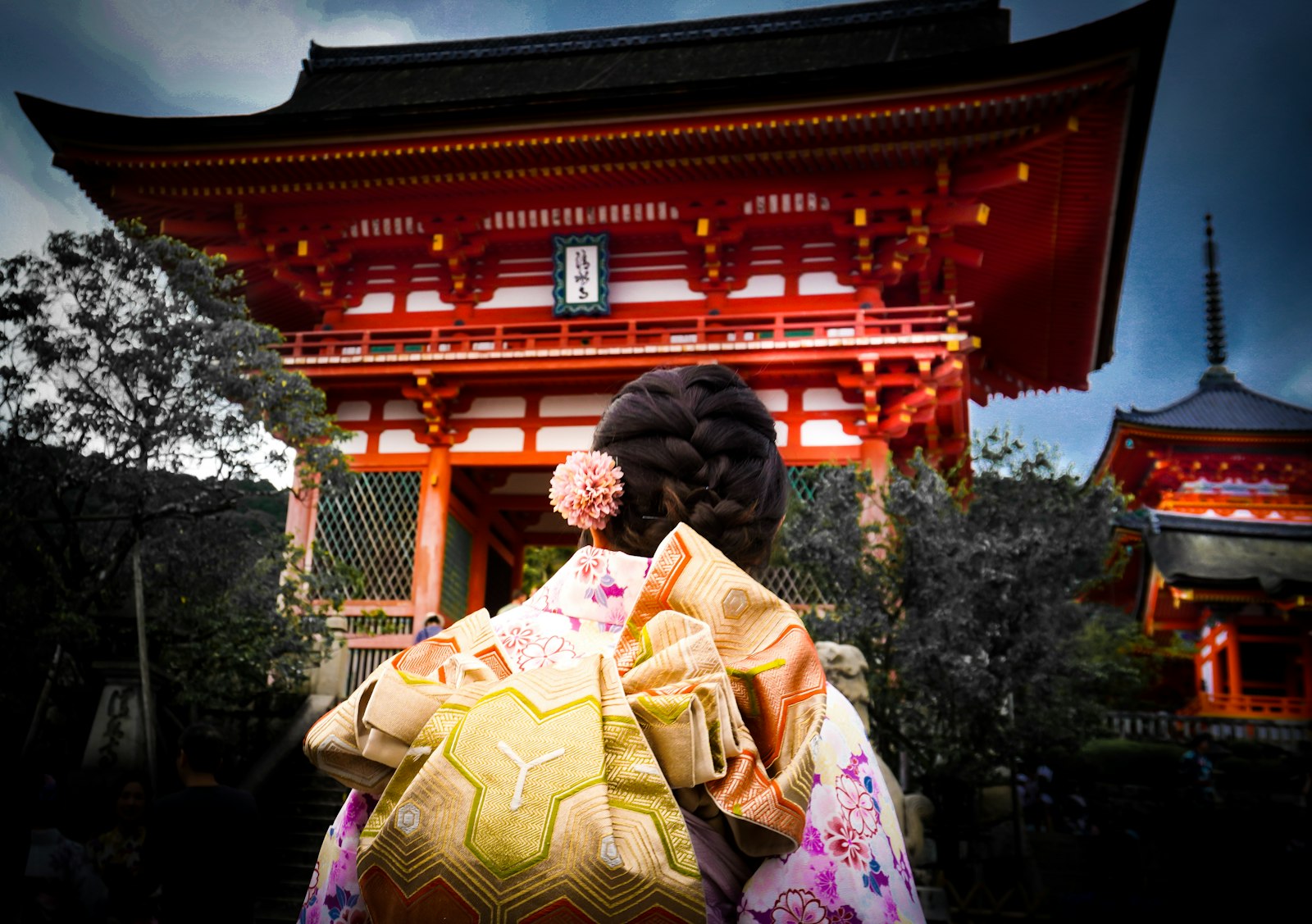
Korean skincare and makeup brands fill shop after shop, often at prices below what the same products fetch in department stores or back home. Sheet masks by the dozen, cushion foundations, and the latest serums are the staples. Staff are used to foreign customers and will often let you test freely. If you only do one kind of shopping here, make it this — the value is real and the selection is deep.
Idol Goods and K-Pop Merchandise
For fans, Shin-Okubo is a destination in itself: albums, photocards, posters, and the small collectible goods tied to specific groups. Several shops specialise in particular agencies or acts, and the trading culture around photocards is serious. Even if you are not a fan, a few minutes inside one of these stores is an education in just how organised modern fandom has become.
What Actually Makes a Good Souvenir
The most giftable things to carry out of Shin-Okubo are, in our experience, the small consumables: a stack of sheet masks, a couple of distinctive snacks, a jar of good kimchi if you are flying soon. They are light, they are cheap, and they are things friends at home cannot easily buy. The idol goods are wonderful for fans and baffling for everyone else — buy accordingly.
Beyond Korea: Okubo’s Other Communities
Here is the part most Korea Town guides skip. Okubo is one of the most internationally mixed neighbourhoods in Tokyo, and a few streets in any direction take you out of Korea and into somewhere else entirely. For a traveler interested in the real texture of the city, this is the best reason to come.
Islam Yokocho
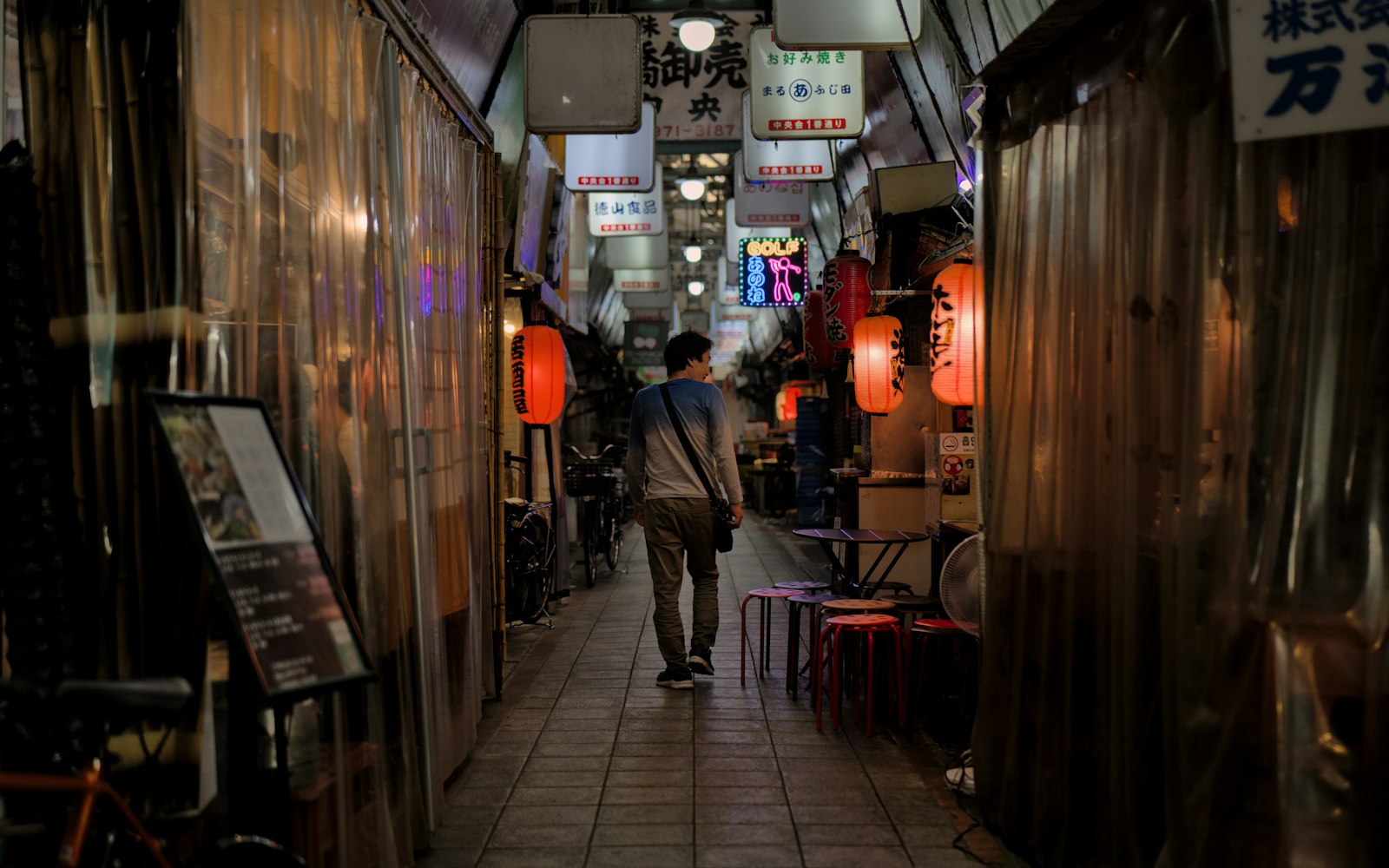
A short walk brings you to a cluster of halal grocers, spice shops, and South Asian and Middle Eastern restaurants known informally as Islam Yokocho — “Islam Alley.” Here the soundtrack and the smells change completely: sacks of basmati, halal butchers, and small restaurants serving food to the communities that actually live and work nearby. It is unpolished and entirely real.
Nepalese, Vietnamese, and Chinese Corners
Okubo has long been home to Nepalese, Vietnamese, and Chinese residents, and their restaurants are some of the most honest food in the area — cooked for a local immigrant clientele rather than for tourists. A Nepalese thali or a bowl of Vietnamese pho here is the kind of meal you remember precisely because nothing about it was designed for you.
A Historic Bathhouse
Tucked among all this is the occasional old sento, or public bath, a reminder that this was an ordinary Tokyo neighbourhood long before it was anyone’s destination. Stepping into one after a day of eating is a quiet, very local way to end the afternoon — bring a small towel, and observe the bathing etiquette of washing thoroughly before you soak.
Visiting Shin-Okubo: Common Questions
When is the best time to visit? Weekday late mornings and early afternoons are the sweet spot — the shops and stalls are open, but the crushing weekend student crowds have not arrived. If you want the full, buzzing atmosphere and do not mind queues, come on a weekend afternoon. Evenings are good for barbecue but busy. Avoid arriving hungry on a Saturday at 3pm unless you enjoy waiting.
Can I pay by card or phone at the stalls? At larger restaurants and the cosmetics chains, cards and mobile payment are widely accepted. At the smallest street-food windows and back-alley stalls, cash is still safest. Carry a few thousand yen in small notes and coins and you will never be stuck. IC cards like Suica work at many, but not all, of the smaller vendors.
Is it safe at night, and how close is Kabukicho? Shin-Okubo is generally safe, well-lit, and busy into the evening, and solo travelers walk it without trouble. It sits just north of Kabukicho, Tokyo’s largest nightlife and red-light district, which is a different environment with its own cautions — touts and overpriced bars in particular. The two are close, but they are not the same place; know which one you are walking into.
Related Tours

Conclusion
Shin-Okubo is not subtle, and that is the point. It is where Tokyo goes to be loud, young, and hungry, and where the city’s growing diversity is most visible on a single afternoon’s walk. Come for the Korean barbecue and the K-beauty, then give yourself an extra half hour to wander past the Korean storefronts into the Nepalese and halal corners behind them.
Plan Your Japan Trip with Local Experts
Our team has guided 40,000+ travelers across Japan. Tell us about your trip and we’ll get back to you within 24 hours.