In this article:
- How Shinjuku Eats: Four Areas Around the Station
- What to Eat in Shinjuku
- Eating Shinjuku After Dark: What We See on Our Evenings
- Practical Rules for Eating Well in Shinjuku
- Shinjuku Food: Frequently Asked Questions
Introduction
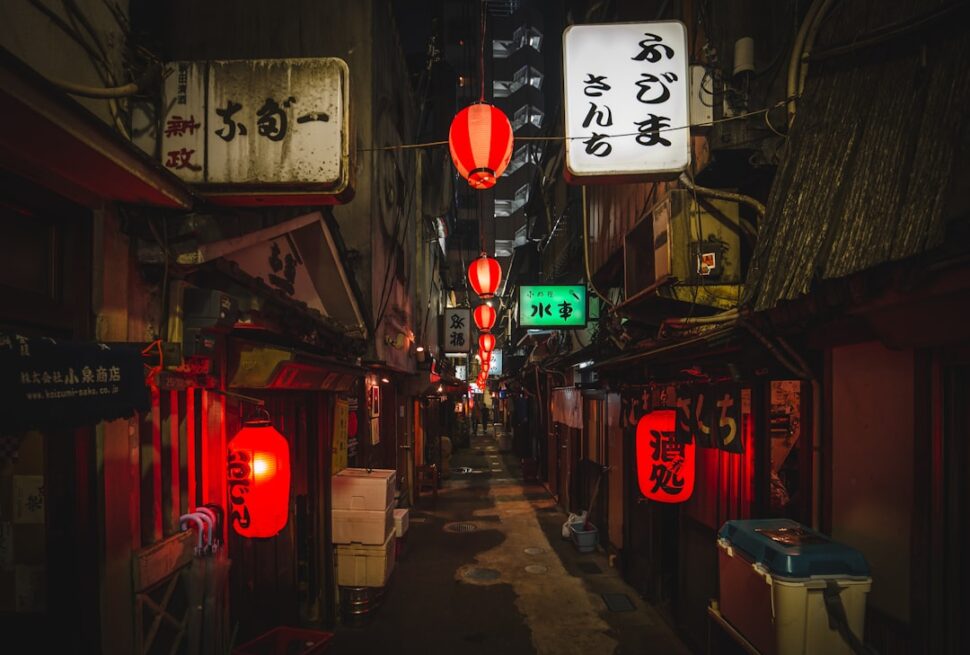
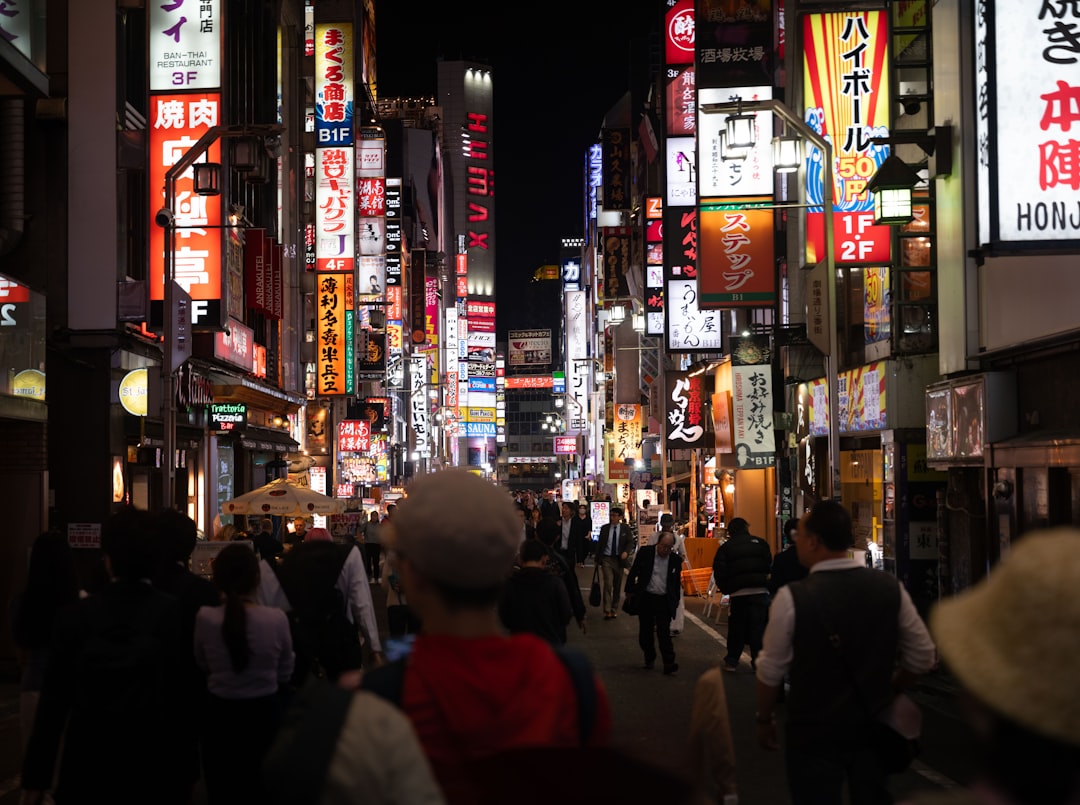
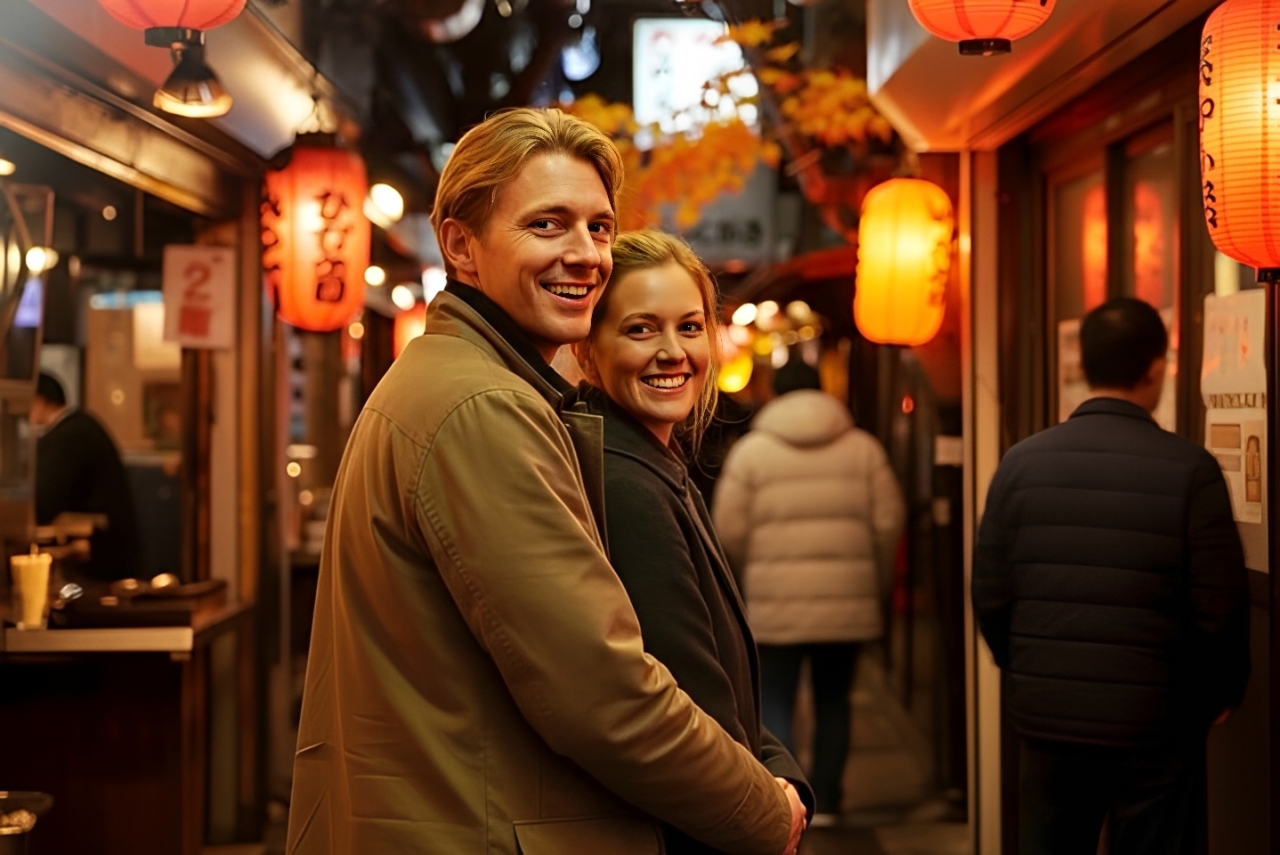
Most writing about Shinjuku food starts with the neon. We would start with the smoke. At six on a weekday evening, charcoal smoke drifts out of Omoide Yokocho by the West Exit. Office workers take the stools that tourists spent the afternoon photographing. For all its size, this district still feeds the people who work in it.
Shinjuku Station is one of the busiest railway stations in the world. The food around it is built for that traffic. You will find department store basements selling bento to commuters. Ramen counters serve customers who rarely linger. One stop up the line, Korean barbecue restaurants add another option, while nearby postwar lanes still display handwritten menus. Finding something to eat is never the difficulty. Knowing which of a thousand doors is worth opening is.
This guide follows the order in which we walk the area with guests. We start with the neighborhood, move on to the food, and finish with the rules that help the evening go smoothly. Much of it comes from three-hour evenings around Omoide Yokocho and Kabukicho. Most travelers arrive unsure where to begin, just as many first-time visitors do.
How Shinjuku Eats: Four Areas Around the Station
Shinjuku is four food neighborhoods arranged around one enormous station. Which side of the tracks you are on decides most of your evening.
West is the old alleys and the office towers. East is Kabukicho, Golden Gai, and the shopping streets of Shinjuku-sanchome. North, one stop on the Yamanote Line, is Shin-Okubo.
The West Exit: Omoide Yokocho
Omoide Yokocho grew out of a black market beside Shinjuku Station’s West Exit. That market took hold around 1946, when the area was still rubble. Today it holds about sixty bars and restaurants. According to the alley’s own association, more than half of them are yakitori or motsuyaki counters, grilling chicken and pork offal over charcoal.
Most visitors walk its length, take a photograph under the lanterns, and leave. That is understandable. The counters seat six or eight, English menus are rare, and it is not obvious that strangers are welcome.
They are, as long as they sit down, order, and eat. Our guide to Omoide Yokocho covers the alley’s history and etiquette in more depth than we have room for here.
The East Side: Kabukicho and Golden Gai
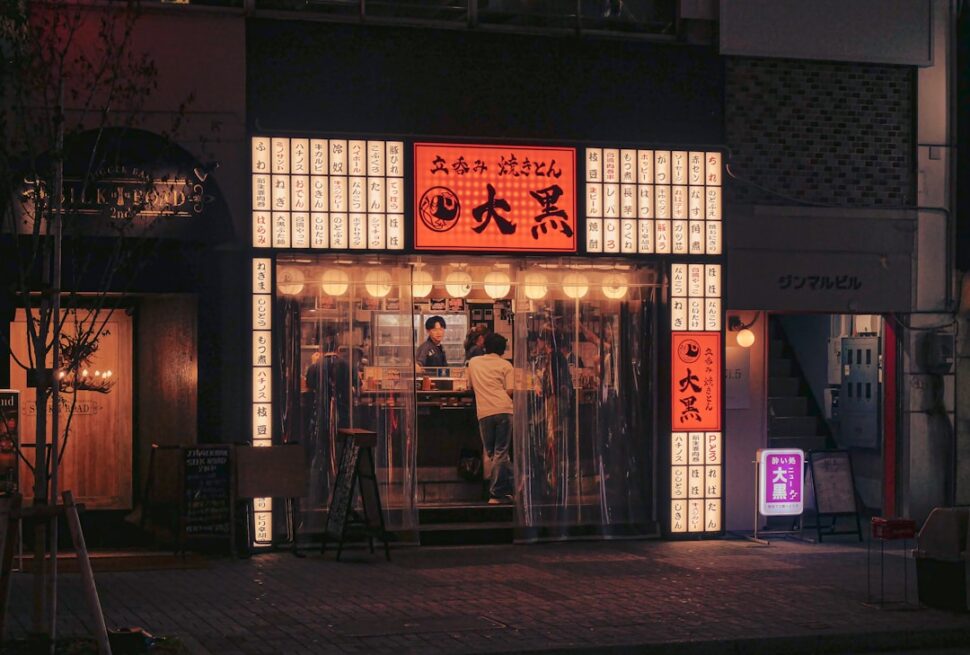
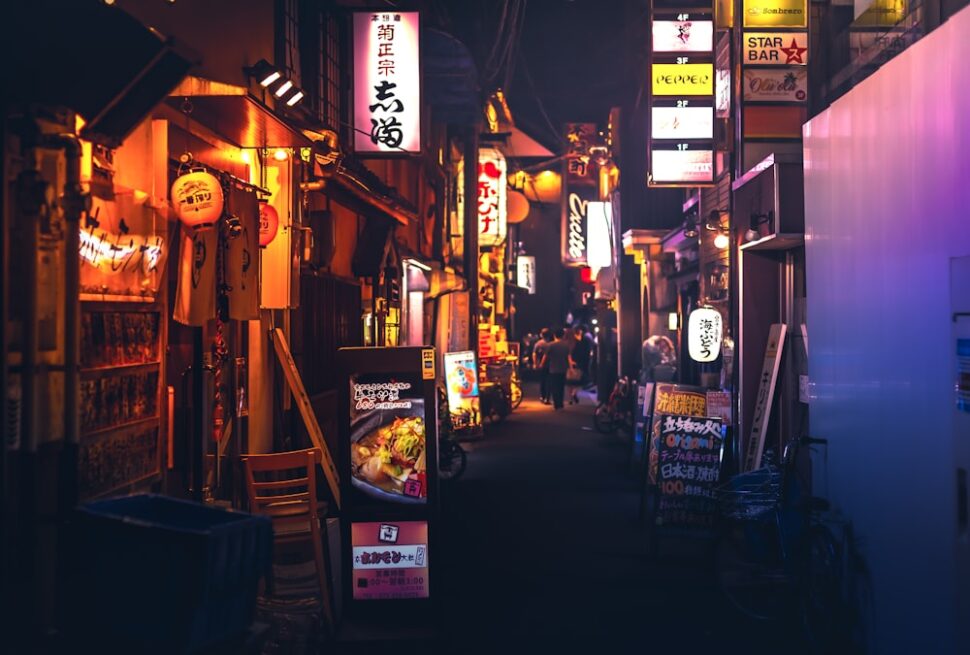
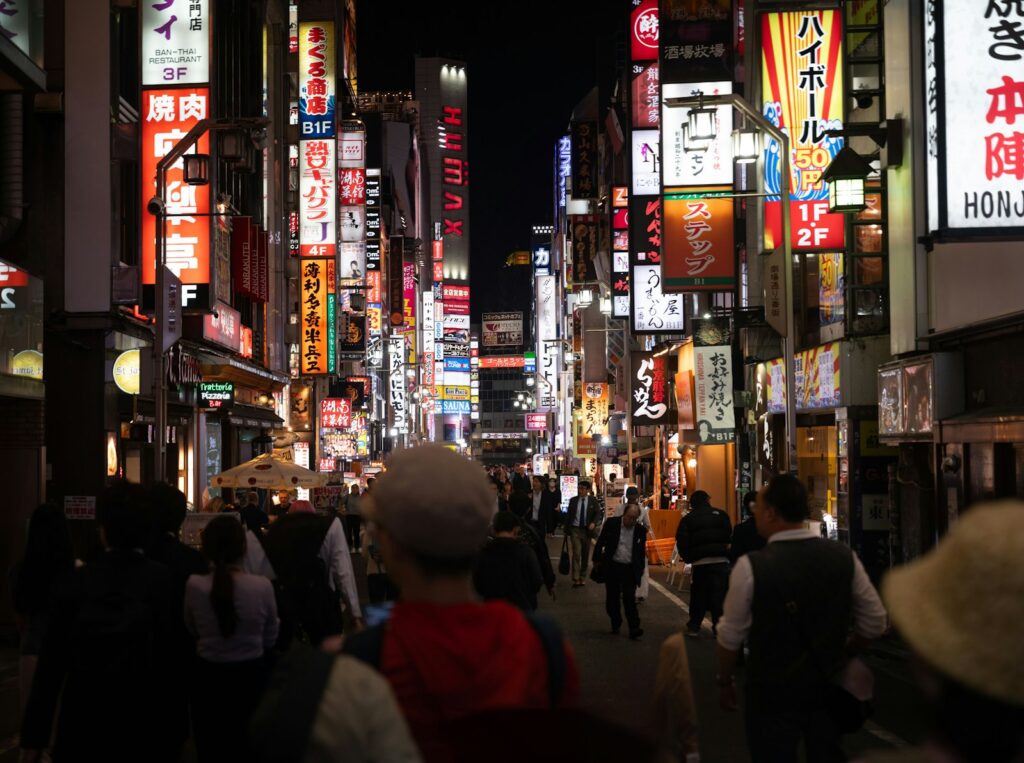
Across the tracks, Kabukicho is where Shinjuku eats late. Ramen shops, izakaya, yakiniku grills, and standing bars keep serving long after the department stores have closed. The district’s reputation for touts and neon tends to put visitors off before they have looked at a single menu.
In our experience, that reputation is overstated for anyone who stays on the main streets and ignores the people handing out flyers. The food here is rarely refined. Still, it is honest, fast, and available when most of the city has gone to bed.
Golden Gai sits on the eastern edge: six narrow alleys and more than two hundred micro-bars, some of them seating five people. It is a place to drink rather than to dine. Most bars offer little beyond a snack, many charge a cover, and we treat it as the place for a last drink after eating somewhere else.
Shinjuku-sanchome and the Department Store Basements
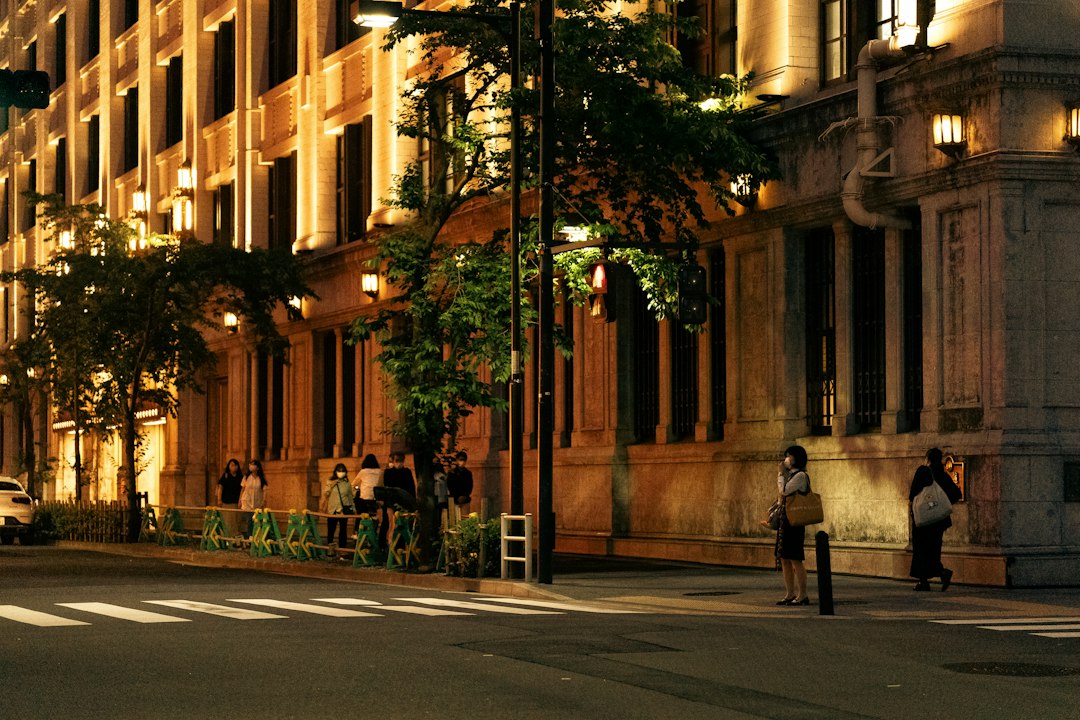
Between the East Exit and Shinjuku-sanchome Station is the part of Shinjuku that shops. The department stores here keep their food halls underground, and the basement of Isetan’s main building is where we send travelers who want to see how seriously Tokyo takes a box lunch.
The side streets of Sanchome are quieter and older than Kabukicho. Small izakaya, wine bars, and long-running restaurants draw a mostly local crowd. When the alleys feel like too much, this is where we would book a relaxed dinner.
Shin-Okubo, One Stop North
One stop north on the Yamanote Line, Shin-Okubo is Tokyo’s Koreatown. Korean barbecue, fried chicken, street snacks, and grocery stores line the streets east of the station. It is still part of Shinjuku ward, and it is the easiest change of pace in the district; our guide to Shin-Okubo covers where to start.
What to Eat in Shinjuku
Shinjuku does expensive dining perfectly well. Its identity, though, is in cheaper food: skewers, noodles, curry, and boxed lunches that cost less than a museum ticket. These are the four we would build a visit around.
Yakitori and Motsuyaki
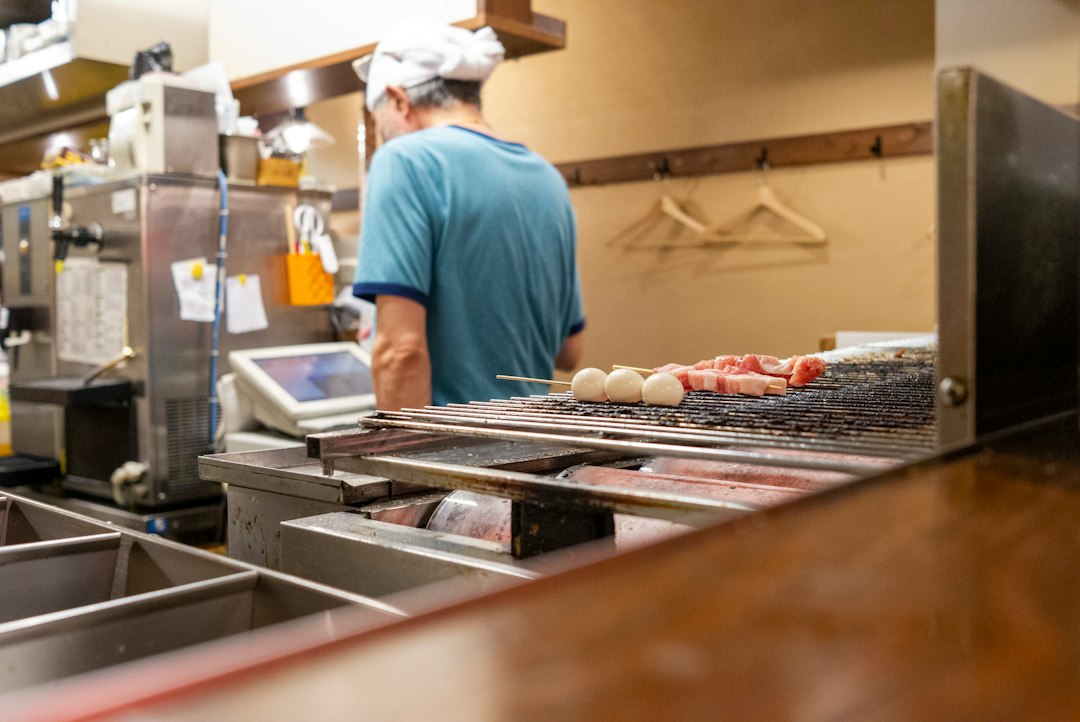
This is the food of Omoide Yokocho, and the one we would order first. Yakitori is chicken, all of it: thigh, skin, heart, liver, cartilage, each on its own skewer and seasoned either with salt (shio) or a sweet soy glaze (tare). Motsuyaki applies the same idea to pork offal, and many of the alley’s oldest counters were built on it.
Ordering is easier than the wall menu suggests. Ask for a mixed selection, or point at what the person beside you is eating. When the cook asks shio or tare, we lean towards salt for the lean cuts, because it shows off good chicken, and tare for the richer ones.
Ramen and Tsukemen
Shinjuku is one of Tokyo’s most competitive ramen neighborhoods, and the queues tell you where the good bowls are. The shop we mention most often is Fuunji, a tsukemen counter in Yoyogi 2-chome, about five minutes on foot from the South Exit. Tsukemen is ramen taken apart: thick noodles served beside a dense, fish-rich dipping broth, and you dip each mouthful as you go.
The queue is part of the price. Fuunji serves lunch and dinner with a break in the afternoon, closes on Sundays and public holidays, and the line is shortest just before it opens. Like many ramen shops in the area, it takes orders through a ticket machine by the door, so you pay first and need no Japanese at the counter.
Nakamuraya’s Indian Curry
The most unexpected dish in Shinjuku has been on the same menu since 1927. That year Nakamuraya, a bakery near the East Exit, began serving Indian curry from a recipe introduced by Rash Behari Bose, an Indian independence activist who had taken refuge with the founding family and married their daughter. It is still served at Restaurant & Cafe Manna, two floors below street level in the Shinjuku Nakamuraya Building.
This is not Japanese curry, and that is the point. The chicken comes on the bone, the spicing is sharper than the thick, sweet roux sold at chain restaurants, and the story behind it is one of the better pieces of Shinjuku history you can eat.
Depachika: Bento, Sweets, and a Picnic
For lunch, we often point travelers downstairs rather than outside. Isetan’s main-building basement gathers wagashi and Japanese tea, a delicatessen and bakery, specialist counters for rice, miso, and cheese, and a grocery of regional ingredients from across the country. Prepared food is wrapped with the care most shops reserve for gifts.
Buy a bento and a small box of sweets, then walk them to Shinjuku Gyoen, the national garden a few minutes south of Shinjuku-sanchome. Eating on the lawns there is one of the calmest meals the district offers. The garden charges admission and does not allow alcohol, so leave the beer for the evening.
Expert Tip
Start early and start in the west. Omoide Yokocho’s counters fill with office workers from around six on weekdays, and a pair arriving at half past five can usually find two stools together; a group of four arriving at eight often cannot. Eat your skewers there first, then drift east through Kabukicho as the night goes on, where many kitchens stay open far later.
Eating Shinjuku After Dark: What We See on Our Evenings
Much of this guide comes from evenings spent walking Shinjuku with guests. A few patterns repeat so reliably that we now plan around them.
Four Small Rooms Beat One Big Dinner
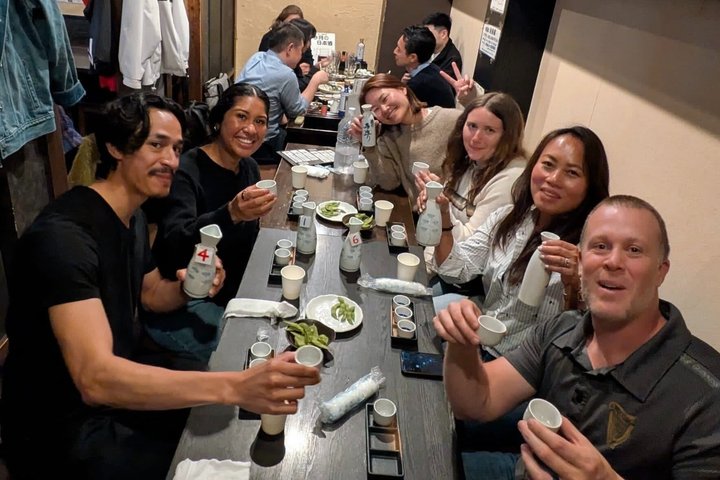
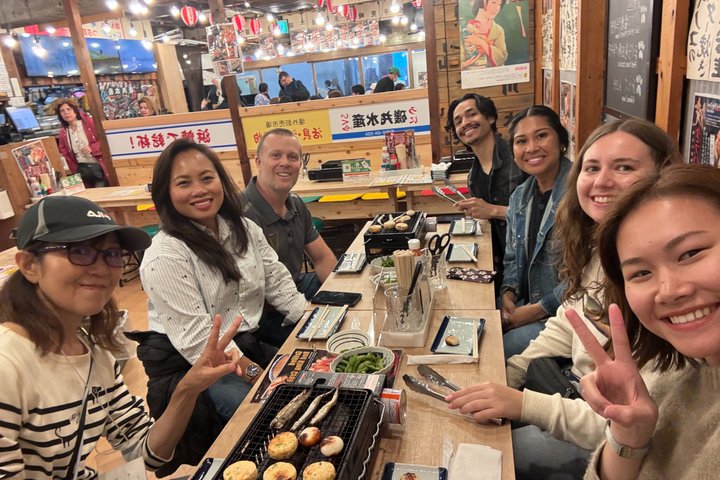
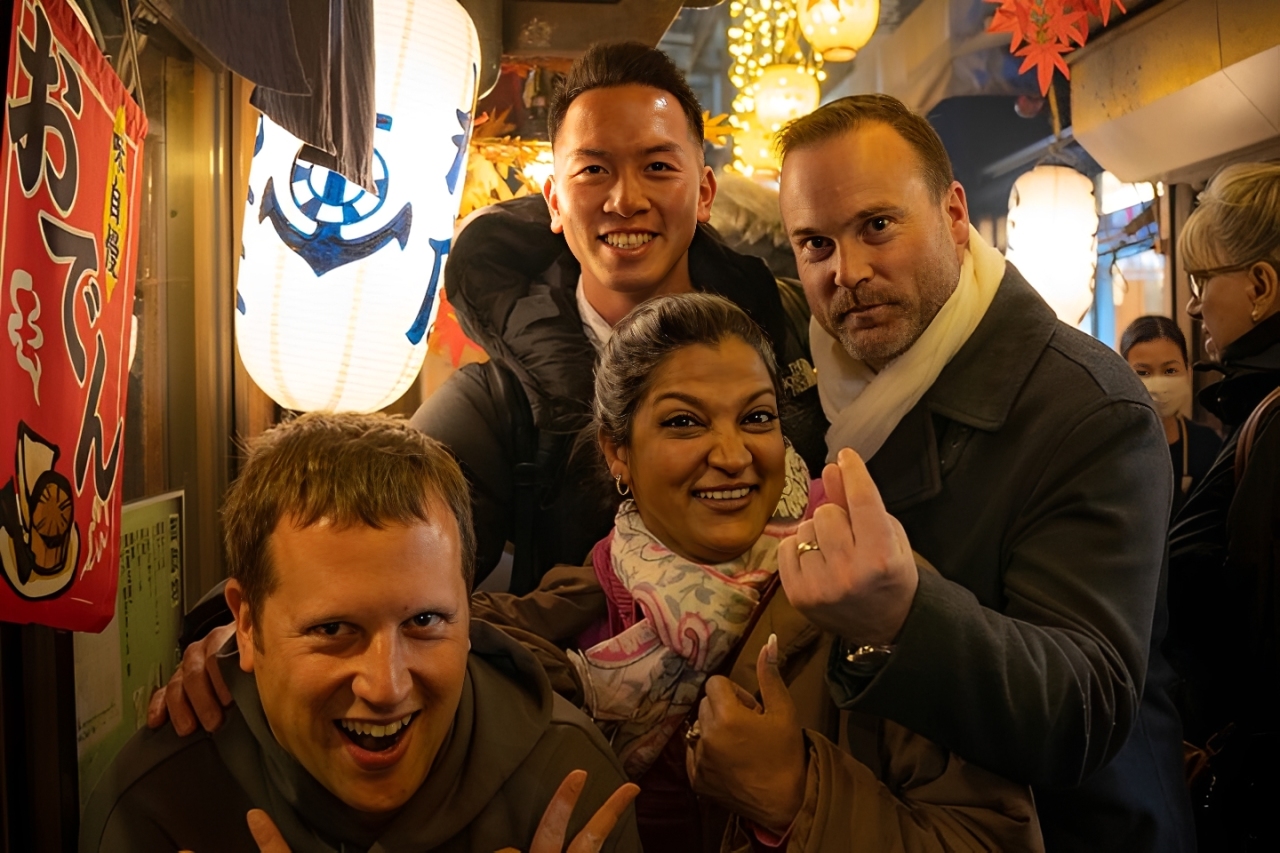
One long dinner at one restaurant is the least interesting way to eat here. Our Shinjuku food tour is built on that idea: the evening moves through four eateries around Omoide Yokocho and Kabukicho, and fifteen dishes arrive in izakaya-sized portions shared across the table. The meal builds gradually rather than landing all at once, and by the last stop it has become a full dinner.
The places we use are chosen for what they cook rather than how they look. That is the rule we would pass on to anyone planning their own evening. If a counter is full of people in work clothes, it is probably worth the wait.
Kabukicho Between Stops
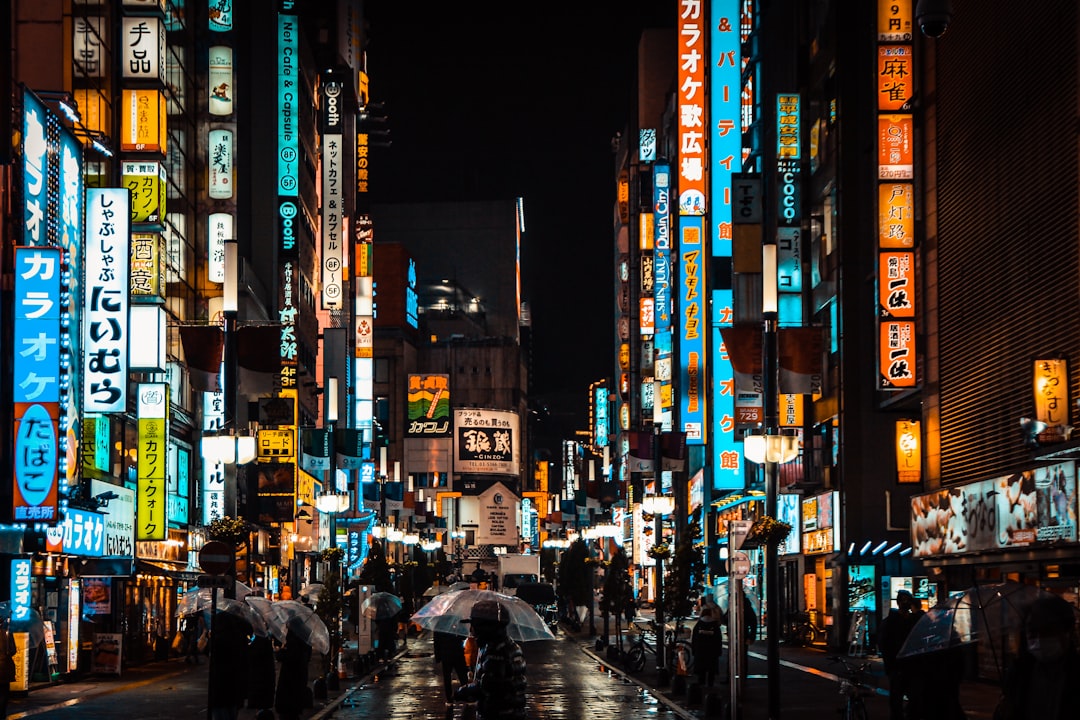
The walk between rooms matters as much as the food. Kabukicho is the part of Shinjuku most visitors have been warned about, and on a first visit it can look like a wall of signs. Much of what our guides do between courses is explain it: what the signs advertise, which floors of a building hold what, and why none of it needs to be avoided if you stay on the main streets.
Guests who arrive nervous about Kabukicho tend to leave curious about it. That shift happens on foot, not from a guidebook.
What Changes When Someone Orders for You
A guide matters most at the moment of ordering. Handwritten wall menus, the small dish that arrives before you have asked for anything, the question of salt or sauce: each is minor on its own. Together, they are why so many visitors retreat to the chain restaurant with laminated photographs.
For travelers more interested in the drinking side of the district, our Shinjuku bar and izakaya crawl works the same streets differently. The night runs from a local izakaya to a sake bar where you taste several styles side by side, then a walk through Golden Gai and a karaoke bar at the end, with food and drinks paid for at each stop.
Practical Rules for Eating Well in Shinjuku
The rules are few. Most of them come down to cash, timing, and the size of your group.
Cash, Cover Charges, and the Otoshi
Carry cash. Chains and department stores take cards, but many of the small counters in Omoide Yokocho and Golden Gai do not, and discovering that after the second round is awkward for everyone.
At izakaya and small bars, expect an otoshi: a small appetizer that arrives with your first drink and appears on the bill as a seat charge. It is not a mistake. It is how a room with eight stools stays open, and our explainer on izakaya ordering and the otoshi covers the custom in detail. Tipping, by contrast, is not part of the custom here.
Timing, Queues, and Group Size
Weeknights are easier than weekends, and early is easier than late. Two or three people can usually be seated somewhere in the alleys. A group of six will find far fewer doors open to them, so split up for the first drink if you need to.
Ramen queues move faster than they look, because nobody lingers over a bowl. Smoking, meanwhile, is still permitted in several Shinjuku bars. If smoke bothers you, look in through the door before you sit down.
Dietary Restrictions
Shinjuku is harder than it looks for strict diets. Dashi, the fish-based stock, runs through broths, sauces, and simmered dishes, and a counter with one cook rarely has an alternative ready.
We can adjust our Shinjuku evenings for most preferences with notice. However, strict vegan, halal, or severe allergy requirements are difficult on those routes, and for those guests we suggest a private tour built around what they can eat. Eating independently, the department store basements are the easiest place to read labels and compare options.
Expert Tip
At any yakitori counter, ask the cook “osusume wa?”, which means roughly “what do you recommend?”, and let them choose three or four skewers for you. You will eat parts of the chicken you would never have picked from a menu. The cook will also know you are there to eat rather than to photograph, and that tends to change the rest of the evening.
Shinjuku Food: Frequently Asked Questions
What food is Shinjuku known for?
Yakitori and motsuyaki in Omoide Yokocho, ramen and tsukemen around the station, late-night izakaya in Kabukicho, department store food halls near Shinjuku-sanchome, and Korean food in Shin-Okubo. If you only have time for one meal, we would make it a yakitori counter in Omoide Yokocho, early on a weekday evening.
Is Shinjuku food expensive?
Much of it is not. A bowl of ramen, a depachika bento, or a few skewers with a beer cost far less than a sit-down dinner in most Western capitals. The costs that surprise people are the small ones: seat charges and otoshi at bars, which add up quickly if you move between several rooms in one evening.
Is it safe to eat in Kabukicho at night?
For the most part, yes. Stay on the main streets, ignore anyone who approaches you on the pavement offering a bar or a menu, and choose places you have walked into yourself rather than places you were led to. Check that prices are displayed before you order, and you will find Kabukicho a practical place to eat late.
Related Tours
Conclusion
Start at the West Exit and finish in the east. Eat skewers in Omoide Yokocho while the office crowd is arriving, walk through Kabukicho as it wakes up, and save Golden Gai for a last drink rather than a meal. On another day, carry an Isetan bento to Shinjuku Gyoen, and give Nakamuraya’s curry or a Fuunji queue a slot of its own.
Carry cash, go in twos or threes, and choose rooms full of people in work clothes over rooms with photographs in the window. Shinjuku is large enough to feed you badly for a week. With those three habits, it will feed you well from the first night.
Plan Your Japan Trip with Local Experts
Our team has guided 40,000+ travelers across Japan. Tell us about your trip and we’ll get back to you within 24 hours.