In this article:
- Reading Shinjuku’s Ramen Map
- Four Bowls Worth Planning Around
- How a Shinjuku Ramen Shop Actually Works
- Ramen After Dark: Omoide Yokocho, Golden Gai, and the Last Bowl
- Shinjuku Ramen: Frequently Asked Questions
Introduction
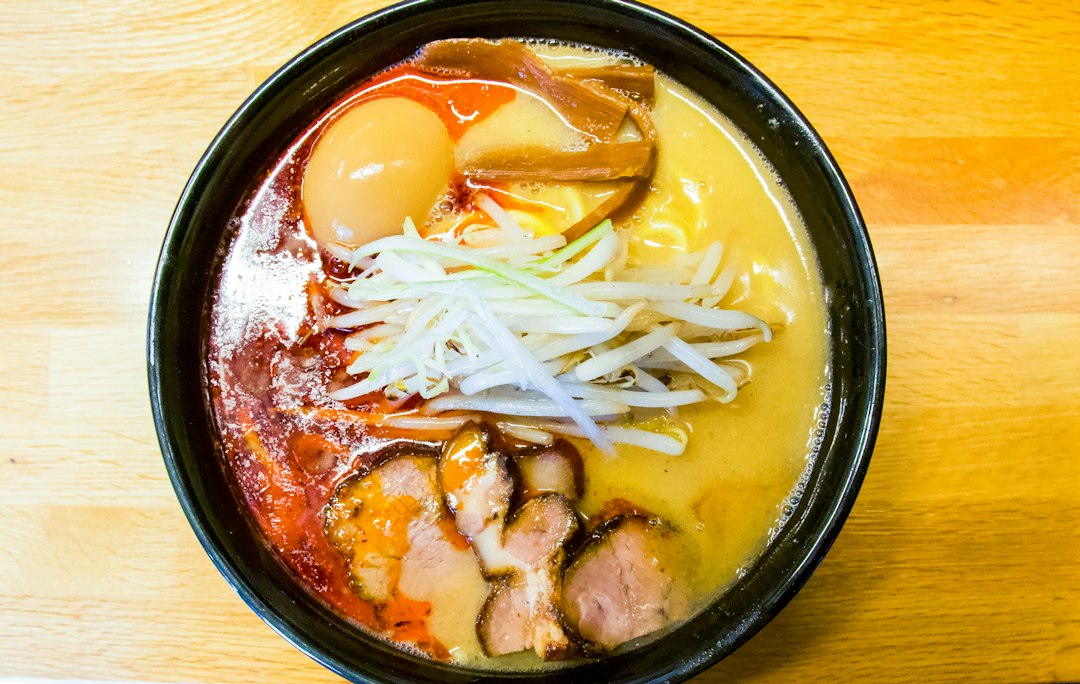
At five to eleven on a weekday, there is already a line of office workers outside a small shop. It is located a few minutes south of Shinjuku Station. Nobody is talking. Most of them are looking at their phones. Every one of them knows exactly what they will order before the shutter goes up.
That is the real texture of Shinjuku ramen. The district around the station is one of the densest ramen neighbourhoods in Tokyo. Almost every style the country produces has a serious representative within a fifteen-minute walk: Hakata tonkotsu, Tokyo shoyu, dried-sardine niboshi, clear shio, thick tsukemen. The problem visitors face is not finding a bowl. It is that the obvious bowl is rarely the most interesting one. That is the one with the English sign and the longest tourist queue.
We walk travelers through these streets most evenings, and our tours start outside a ramen shop. What follows is how we would eat ramen in Shinjuku if we only had two or three chances. It covers which areas to aim for. It highlights which shops are worth a queue. It also explains how the counter itself works, so the first bowl goes smoothly.
Reading Shinjuku’s Ramen Map
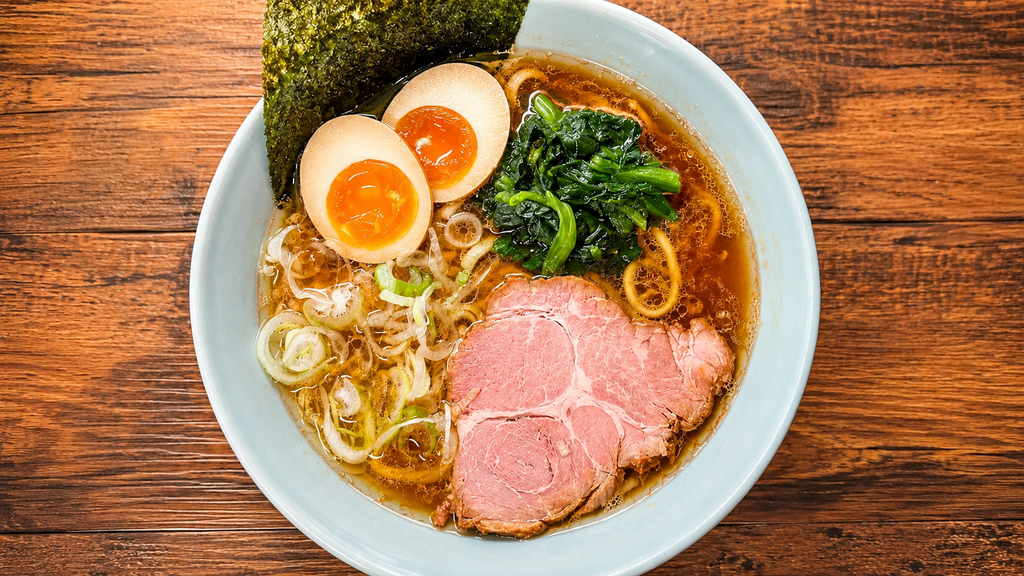
Shinjuku Station has more than one personality, and the ramen changes with each exit. Choosing an area first narrows the decision far more than reading another ranked list.
East Exit and Kabukicho: Late Hours and Big Names
The East Exit side, running up into Kabukicho, is where the chains and the late-night shops concentrate. High rents and constant foot traffic drive these shops to focus on volume and keep hours that most of the city does not keep.
This is the area for ramen after a night out, or for a first bowl on the day you land. It is less likely to be where you find the most distinctive cooking. That said, a few of the most original shops in Tokyo sit right on the edge of it, upstairs in Golden Gai.
South Exit and Yoyogi: Where the Queues Form at Eleven
Walk out of the South Exit and a few minutes down toward Yoyogi, and the character shifts. The shops are smaller, the lines are longer, and the customers are mostly people who work nearby. Several of the shops locals queue for here are technically in Shibuya ward, though everyone calls them Shinjuku ramen.
The rhythm in this area follows the working day. Lunch service fills fast between noon and one. Arriving just before opening, or just after the lunch peak, changes a forty-minute wait into ten.
Shinjuku Gyoen Side: The Quieter, More Considered Bowls
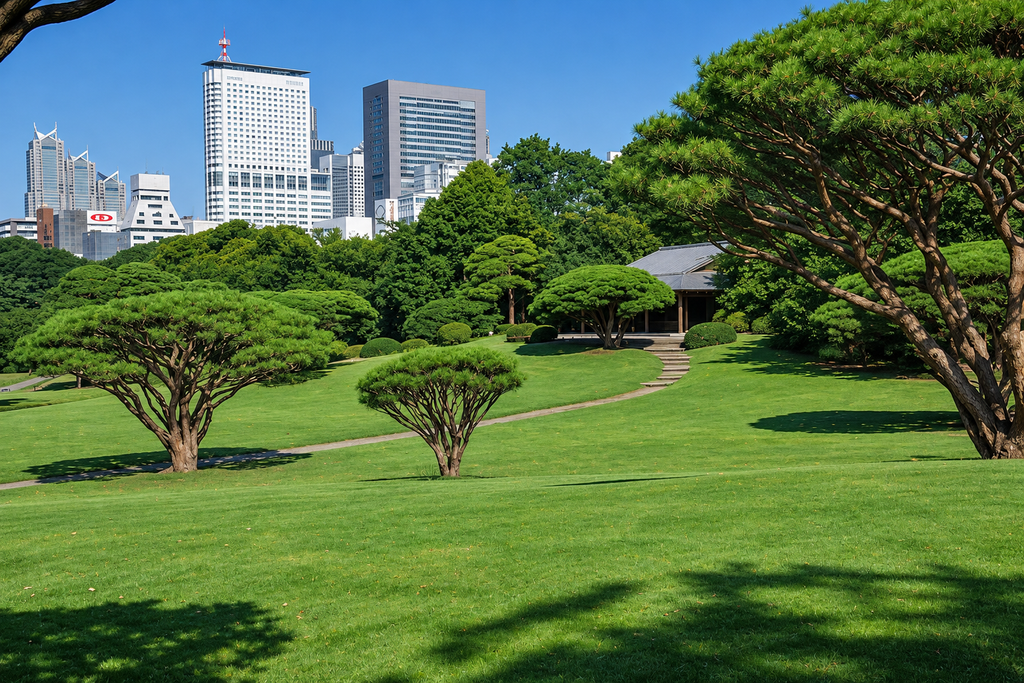
Toward Shinjuku-sanchome and Shinjuku Gyoen, the streets are calmer. The ramen tends toward refinement: clear broths, careful toppings, shops with a chef’s name attached. This is where we would send someone who has eaten ramen at home. They want to see how far chefs can push the form.
It pairs well with the park. Spend a morning in Shinjuku Gyoen. Follow it with an early lunch on the far side of the gate. It is one of the more civilised half-days in central Tokyo.
Four Bowls Worth Planning Around
Ranked lists of Shinjuku ramen run to ten, twenty, or fifty shops. We would rather name four, each a clear example of a different style, and each worth arranging part of a day around.
If the styles themselves are unfamiliar, our guide to the types of ramen covers the broths and tare in more detail. The short version is that the broth tells you more about a shop than the toppings do.
Fuunji: Tsukemen in a Thick Chicken-and-Fish Dip
Fuunji is the shop with the line outside at five to eleven. It sits in Yoyogi 2-chome, a short walk from the South Exit. It is the clearest introduction to tsukemen in the district. Cold, thick noodles are served separately. They are dipped into a dense, warm broth built on chicken and dried seafood.
The menu is short. Tsukemen is ¥1,000. The tokusei version with egg, nori, and extra pork is ¥1,300. There is also a regular ramen at ¥950. The shop serves lunch from 11:00 to 15:00. It serves dinner from 17:00 to 21:00. It closes early on days when the soup runs out.
Order the tokusei tsukemen. The extra toppings are what make the bowl feel complete. The price difference is small against the time you spent in the queue.
Niboshi Ramen Nagi: Dried Sardines Above Golden Gai
Nagi’s Golden Gai shop is on the second floor of a building in the alleys. It is open twenty-four hours. It serves a broth exceptionally heavy with niboshi, which are dried sardines. The smell is strong enough to reach the stairwell. The company says it buys more than five tons of niboshi a month. It also sends staff directly to producers in the Seto Inland Sea.
This is not a bowl for everyone. The flavour is bitter, briny, and intensely savoury, closer to the sea than to anything most visitors associate with ramen. We recommend it to travelers who already like strong fish sauce or anchovies, and steer others toward something gentler.
The room is tiny, and the experience of climbing into a Golden Gai building at one in the morning for a bowl of noodles is half the point.
Konjiki Hototogisu: Clear Shio Broth Opposite the Park
Sobahouse Konjiki Hototogisu sits opposite Shinjuku Gyoen and has been recognised by the Michelin Guide. Its best-known bowl is a shio ramen built on clam and sea bream, clear enough to see the noodles through, with a depth that arrives a few sips in rather than all at once.
Expect a queue and no reservations. For travelers who want to understand why serious cooks in Tokyo take ramen as seriously as sushi, this is the bowl we would put in front of them.
Ichiran: The Booth, the Order Sheet, and Why It Still Has a Place
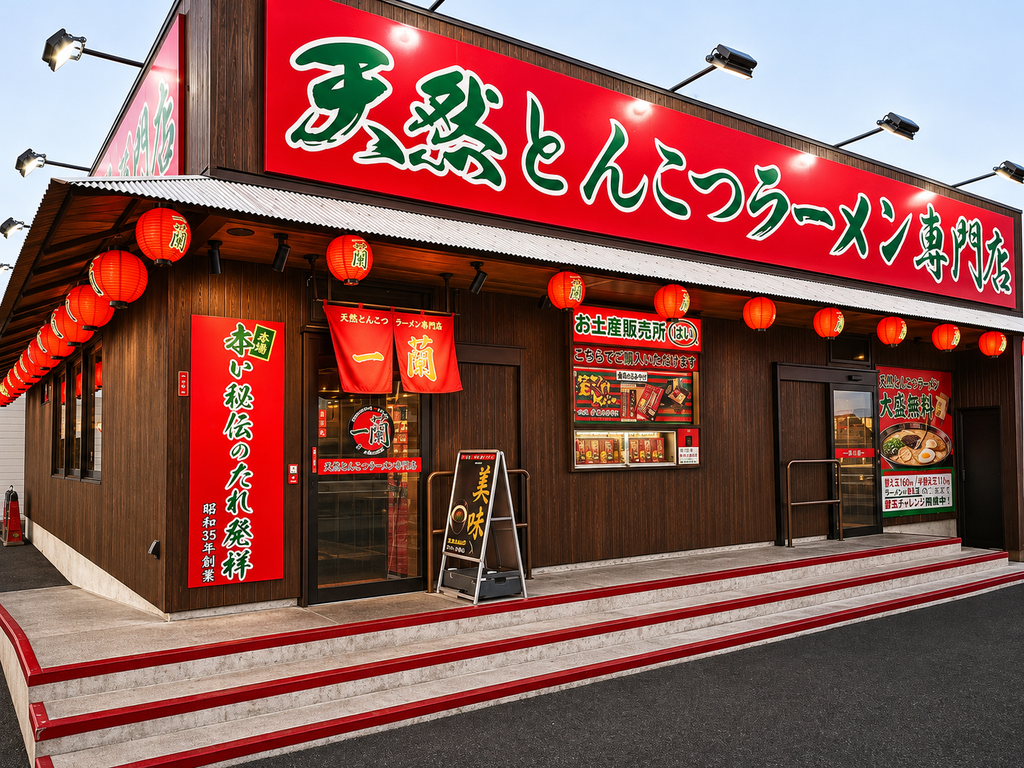
Ichiran is a Fukuoka chain, and its Shinjuku Chuo Higashiguchi shop below street level near the East Exit is open twenty-four hours. You eat alone in a partitioned booth, fill in a paper sheet choosing broth richness, noodle firmness, garlic, and spice, and pass it through a curtain.
Food writers sometimes dismiss Ichiran as a tourist default. We disagree, within limits. It is a reliable tonkotsu bowl, the order sheet removes every language problem, and at four in the morning it is often the most sensible option in the district. It should be one bowl of several, not the only one.
Expert Tip
Ramen shops in Shinjuku stop serving when the day’s soup is gone, and the most popular ones can sell out well before their posted closing time. If a particular bowl matters to you, aim for the opening of a service rather than the end of it. Lunch openings are usually easier than dinner, because the evening crowd includes everyone who missed out at noon.
How a Shinjuku Ramen Shop Actually Works
Most ramen shops in Shinjuku follow the same routine, and once you have done it once it stops feeling unfamiliar. The first visit is where the hesitation happens.
The Ticket Machine Comes First
In many shops you pay before you sit. A ticket machine stands by the door, you put money in, press the button for your bowl and any extra toppings, and hand the printed tickets to the staff when you take a seat.
Some machines have English labels or photographs. Many do not. If you are stuck, ask the staff before you pay rather than guessing. Pointing at the menu on the wall, then at the machine, usually works.
Cash is still common at these machines, particularly at older and smaller shops. Carry a few thousand yen in notes and coins before you start, since changing a ¥10,000 note can be awkward at a small machine.
Queues, Timing, and the Soup Running Out
Queues at popular shops are orderly and quiet. Join the end, keep to the side of the pavement so you are not blocking neighbouring shops, and wait to be waved in. In some shops the staff will ask you to buy your ticket while you are still in line so you can order the moment a seat opens.
Groups are rarely seated together at busy counters. A party of four should expect to be split across whichever seats come free, and to eat side by side with strangers. That is normal, and nobody will think it odd.
Timing matters more than anything else. A shop with a forty-minute line at 12:30 may have almost none at 14:30.
Counter Manners: Slurping, Pace, and No Tips
Slurping is normal and expected. It cools the noodles and carries the aroma of the broth, and nobody at the counter will notice it. Eating quietly and slowly is fine too, but ramen is meant to be eaten hot, and noodles soften quickly in the bowl.
The bigger point of etiquette is pace. At a busy counter with a queue outside, eat, finish, and leave. A ramen shop is not a place to linger over conversation, and a regular will usually be out within fifteen minutes.
There is no tipping. A quiet “gochisousama” on your way out is the only thanks expected. For a fuller picture of ordering in Japan, our guide to ordering food covers restaurants beyond ramen.
Expert Tip
If you plan to eat ramen more than once in Shinjuku, split your bowls across styles rather than chasing the top of a ranked list. A light shio at lunch and a rich tonkotsu or niboshi bowl late at night will teach you more about Japanese ramen in a day than three tonkotsu bowls in a row, and your stomach will thank you for the contrast.
Ramen After Dark: Omoide Yokocho, Golden Gai, and the Last Bowl
Ramen and a Shinjuku night out belong together. In Tokyo, the shime, the last bowl of the evening, is very often noodles, and this part of the city is organised around it.
Kitakata Ramen in Memory Lane
Omoide Yokocho, the lane of tiny post-war counters a few minutes’ walk from the station, is better known for yakitori and charcoal smoke than for noodles. Right in the lane, though, is Kitakata Ramen Bannai, serving the shoyu-based ramen with wide, curly noodles that comes from Kitakata in Fukushima Prefecture.
We know it well because it is where both of our Shinjuku evening tours begin. Guests on the Shinjuku food tour meet us outside it before an evening of fifteen dishes across four eateries around Omoide Yokocho and Kabukicho. More than a few come back the next day for a bowl of their own. Our guide to eating and drinking in Omoide Yokocho covers the lane in more detail.
Ending the Night with a Bowl
The pattern we see most often goes like this. An evening of izakaya food and drinks around Omoide Yokocho, Kabukicho, and Golden Gai, then a late walk back toward the station, and a bowl of something rich before the train or the taxi.
Our Shinjuku bar and izakaya crawl walks through Kabukicho and Golden Gai before ending at a karaoke bar, which leaves Nagi upstairs in the alleys and the twenty-four-hour shops on the East Exit side within a few minutes’ walk. If you are planning a night out in Shinjuku, leave room for that last bowl.
Choose the late bowl with some care. A heavy tonkotsu after several drinks is a classic for a reason, but the lighter shio and shoyu shops close earlier, so a refined bowl is better saved for lunch the next day.
Shinjuku Ramen: Frequently Asked Questions
Which Shinjuku ramen shops are open late at night?
Ichiran’s Shinjuku Chuo Higashiguchi shop near the East Exit and Niboshi Ramen Nagi’s shop in Golden Gai both run twenty-four hours, and several chains around Kabukicho stay open well past midnight. Independent shops with a chef-driven menu usually close much earlier, often in the evening. Hours change, so check the shop’s own website on the day.
Do Shinjuku ramen shops take credit cards?
Some do, and the number is growing, but cash remains common, particularly at ticket machines in older and smaller shops. Carry enough yen in notes and coins for a bowl and an extra topping. At Fuunji, for example, tsukemen with the full set of toppings is ¥1,300.
Is there vegetarian ramen in Shinjuku?
It exists, but the choice is narrow. Most ramen broths are built on pork, chicken, or fish, and even vegetable-looking bowls often contain dashi or animal fat. Look for shops that state clearly on their own websites that the broth is plant-based, and read our guide to vegetarian food in Japan before you go.
Related Tours
Conclusion
Choose the style before you choose the shop. Decide whether you want a thick tsukemen dip, a clear shio, a sardine-heavy niboshi, or a creamy tonkotsu, and the map of Shinjuku sorts itself: south toward Yoyogi for the lunch queues, toward Shinjuku Gyoen for the refined bowls, east and into Golden Gai for the late ones.
Then plan around timing rather than rankings. Arrive at the start of a service, carry cash for the ticket machine, and keep one bowl in reserve for the end of a night out. In our experience, the travelers who eat best in Shinjuku are the ones who treat ramen as two or three separate meals across a trip, each one chosen for a reason.
Plan Your Japan Trip with Local Experts
Our team has guided 40,000+ travelers across Japan. Tell us about your trip and we’ll get back to you within 24 hours.