In this article:
- First, Decide Where You’re Going
- The Train Routes
- The Express Buses
- Bullet Train and Driving
- Which Option to Choose
- Tokyo to Mt. Fuji: Common Questions
First, Decide Where You’re Going
The most common mistake people make planning this trip is treating “Mt. Fuji” as a single place. It is not. The mountain is surrounded by several distinct destinations, each reached differently, and choosing the wrong one for what you want — a photograph, a climb, a hot spring — can waste a whole day. Settle this question before you look at a single timetable.
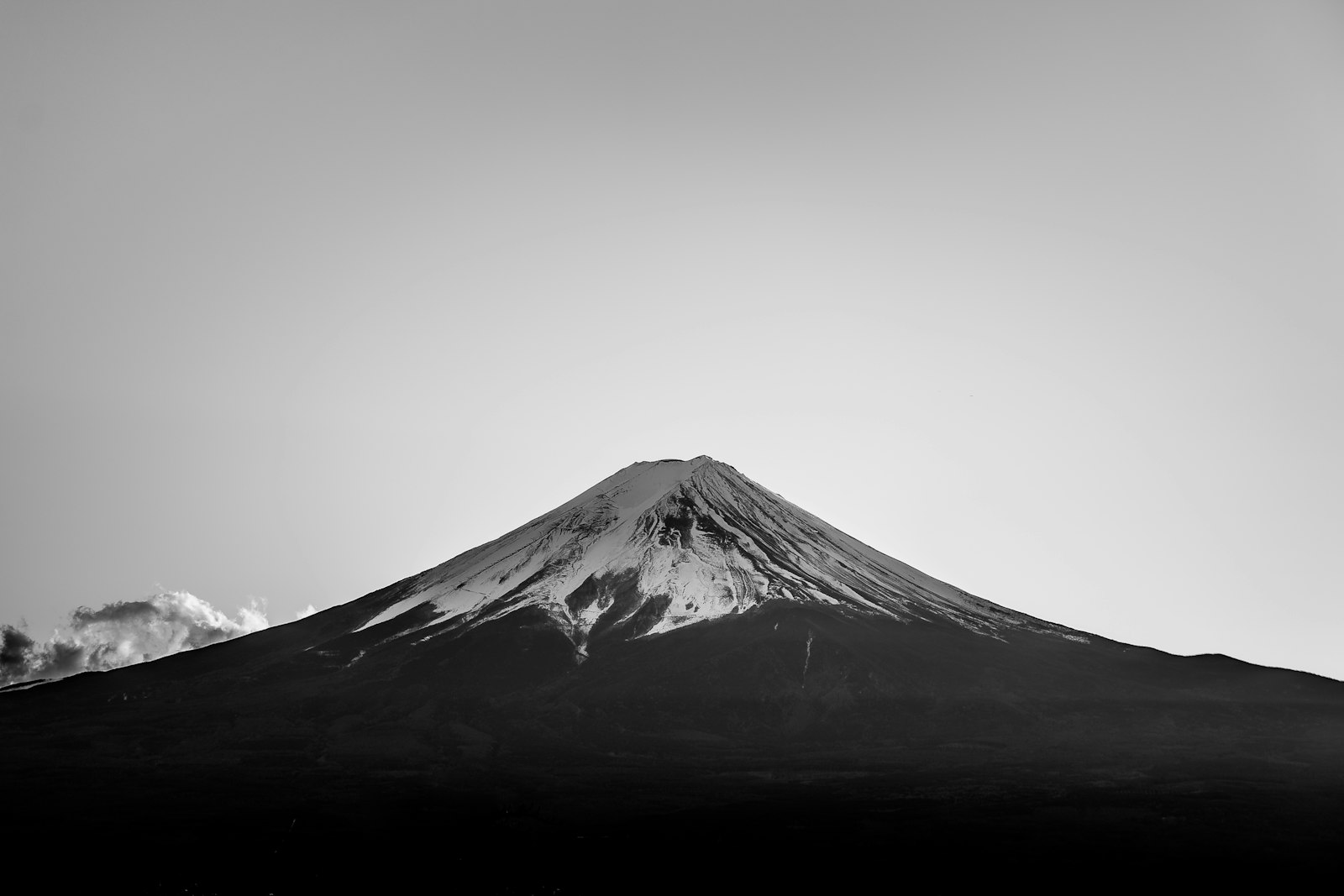
For most visitors, the honest truth is that you do not go to Mount Fuji so much as you go to a place from which you see and enjoy Mount Fuji. Where that place should be depends entirely on your goal.
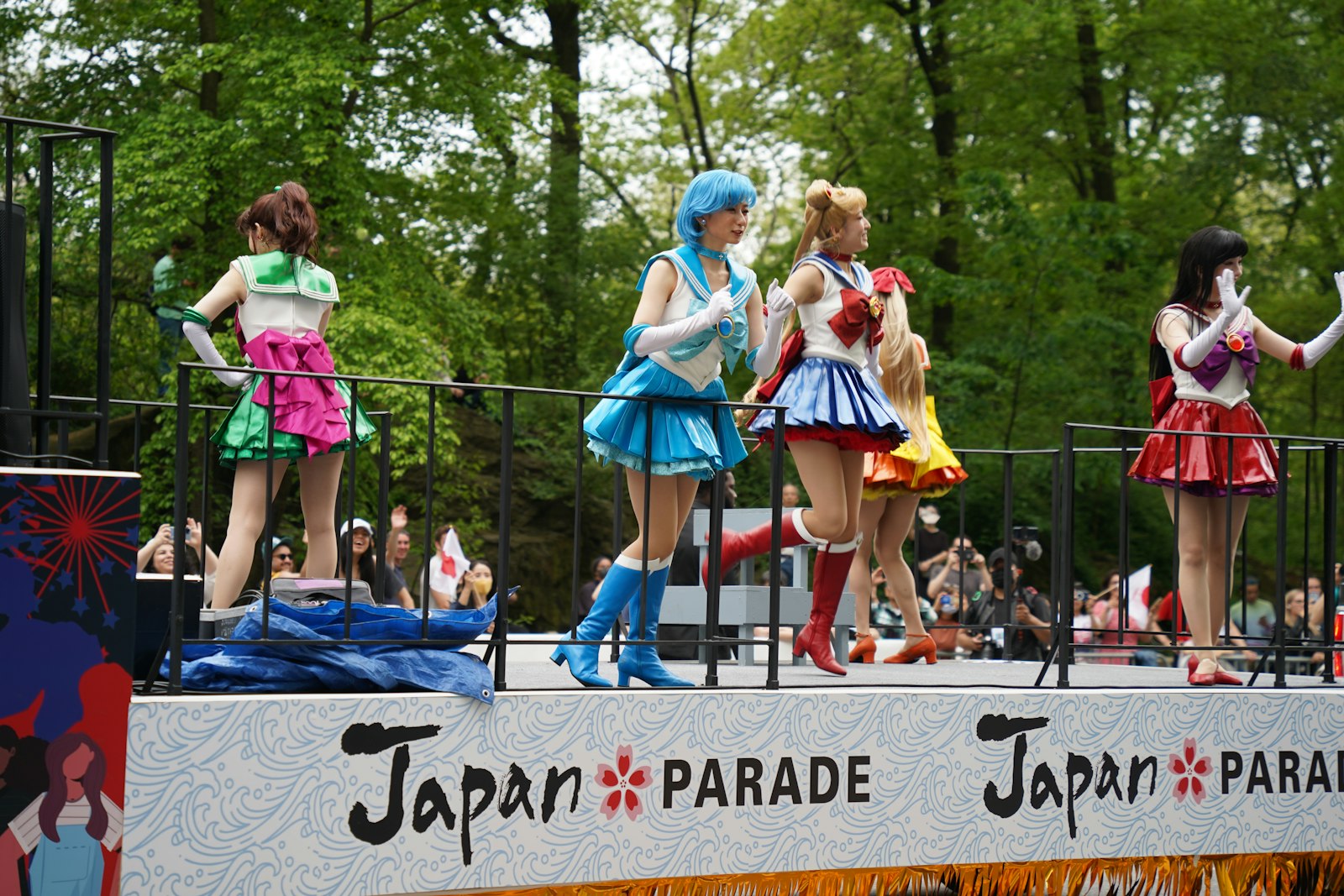
The Fuji Five Lakes (Kawaguchiko)
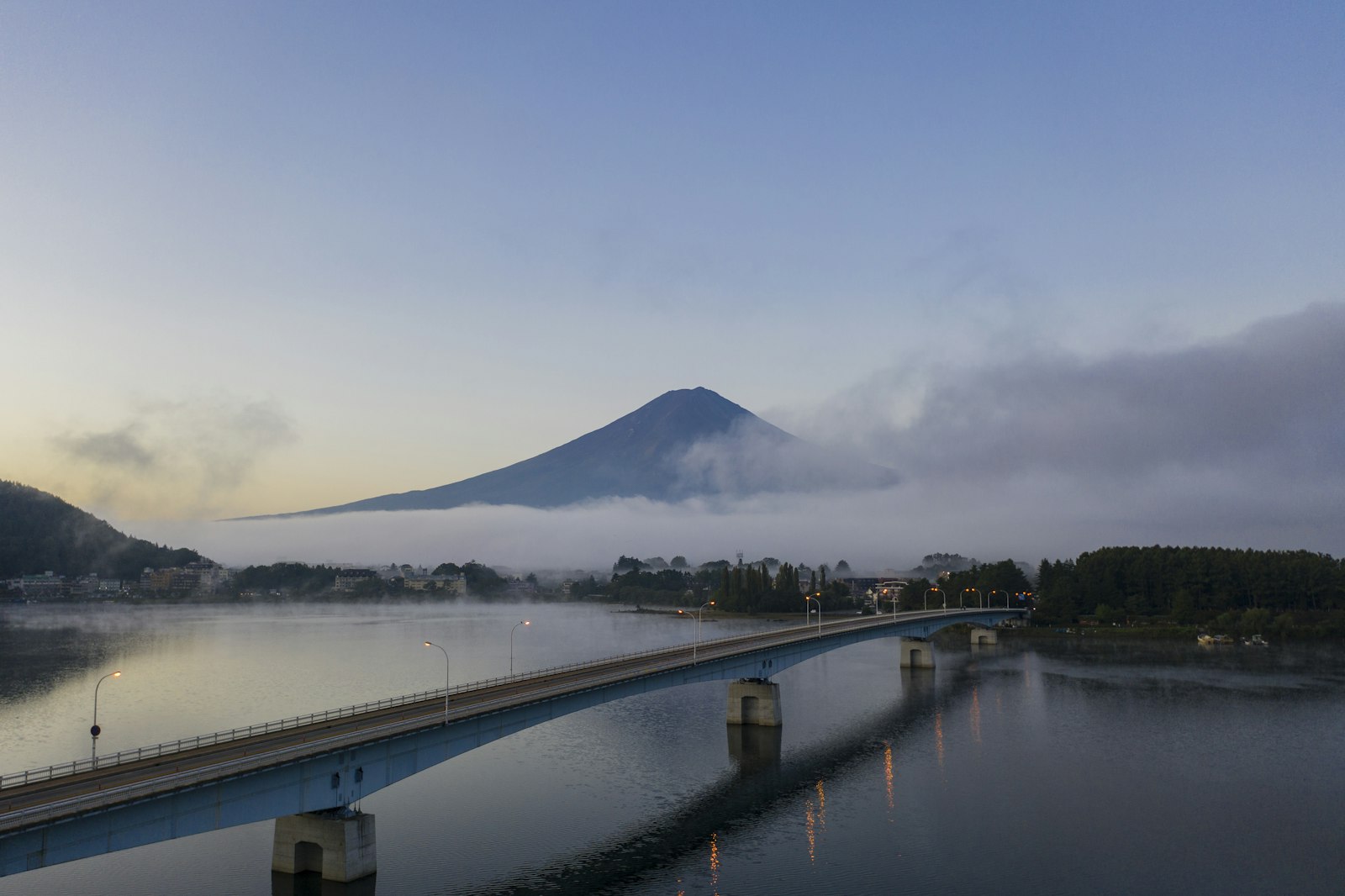
If you want the postcard — Fuji reflected in water, viewpoints, cafés, a relaxed sightseeing base — your destination is the Fuji Five Lakes region, and specifically Lake Kawaguchi (Kawaguchiko). It is the most popular and best-served hub, with the clearest views, the most to do, and the easiest direct transport from Tokyo. For the great majority of travelers, Kawaguchiko is the right answer.
The 5th Station (for Climbers)
If you intend to climb, your destination is the Subaru Line 5th Station, the high-altitude trailhead partway up the mountain where the popular Yoshida climbing route begins. It also offers dramatic panoramic views without climbing at all. The 5th Station is reached by road, typically a bus from Kawaguchiko or a seasonal direct bus from Tokyo, and the climbing route operates only during the official summer climbing season.
Gotemba and Hakone
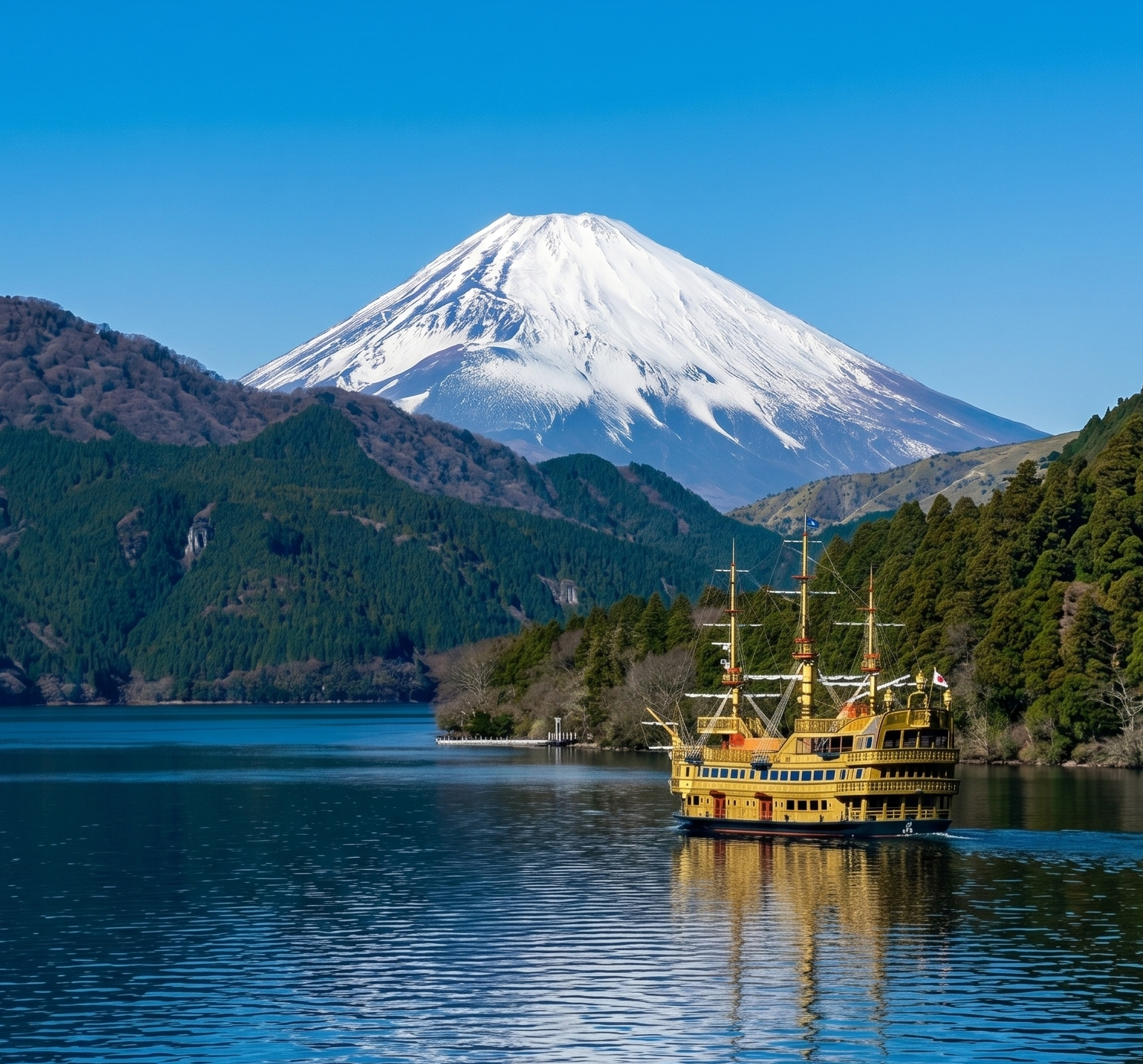
If you want to combine the mountain with other things, look to the southern and eastern side. Gotemba is known for its large premium outlet shopping with Fuji as a backdrop, while nearby Hakone pairs iconic mountain views with hot-spring resorts and an established sightseeing loop. These suit travelers who want onsen and variety alongside the view, rather than a dedicated Fuji day.
Expert Tip
Whichever base you choose, the mountain is famously shy — it spends much of the year hidden in cloud, especially in the warmer, more humid months. Your best odds of a clear view are in the colder, drier seasons, and in the early morning before clouds build. Build flexibility into your plan: if you can, pick a clear-forecast day rather than committing weeks ahead to a fixed date, and aim to arrive early.
The Train Routes
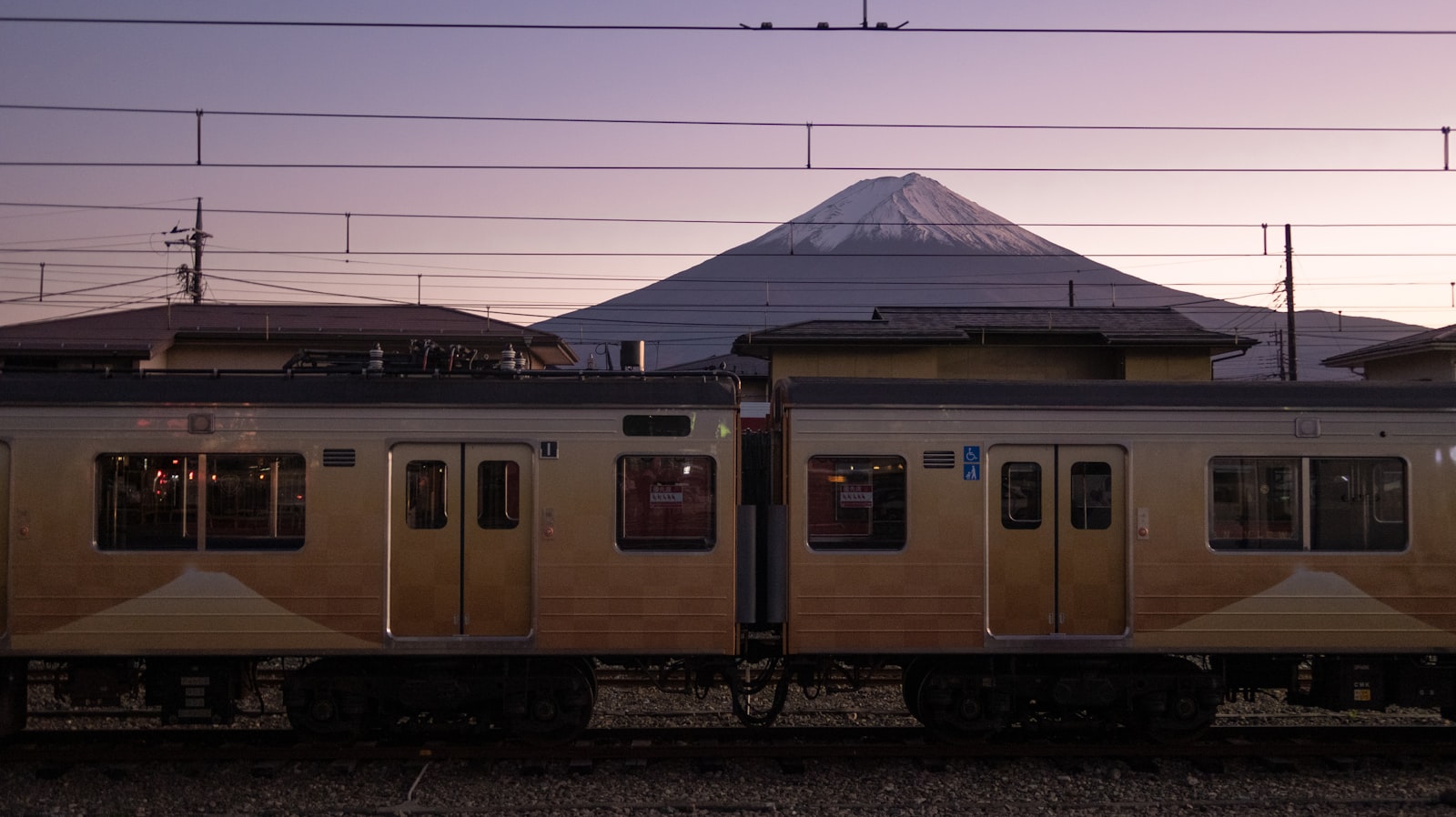
For the Kawaguchiko area, the train is comfortable and scenic, and there are two main ways to do it — one premium and direct, one cheaper with a transfer.
The Direct Limited Express
The most convenient option is the direct limited express that runs from Shinjuku Station straight to Kawaguchiko on certain departures, often branded the “Fuji Excursion.” It saves you any transfers and delivers you to the lakeside hub in around two hours, with a reserved seat. It runs only a few times a day, so seats are limited and sell out in busy periods — reserve ahead. This is the easiest, most comfortable rail route, and worth the modest premium for the directness.
The Local Transfer via Otsuki
The cheaper rail route takes the JR Chuo Line from Shinjuku to Otsuki Station, where you change to the private Fujikyu Railway, which winds up to Kawaguchiko. It costs less than the direct limited express, especially if you use slower local trains, but it requires a transfer and takes longer. It is the budget rail choice, and the Fujikyu leg, climbing toward the mountain, is pleasant in its own right.
A Note on Rail Passes
Be careful with rail passes here. The Japan Rail Pass and JR regional passes cover JR lines — including the Chuo Line to Otsuki — but the Fujikyu Railway from Otsuki to Kawaguchiko is a private line not covered by JR passes, so you pay separately for that segment. Limited express seats also carry a surcharge on top of base fares. Check exactly which legs your pass covers before assuming the whole journey is free, or you will be surprised at the gate.
The Express Buses
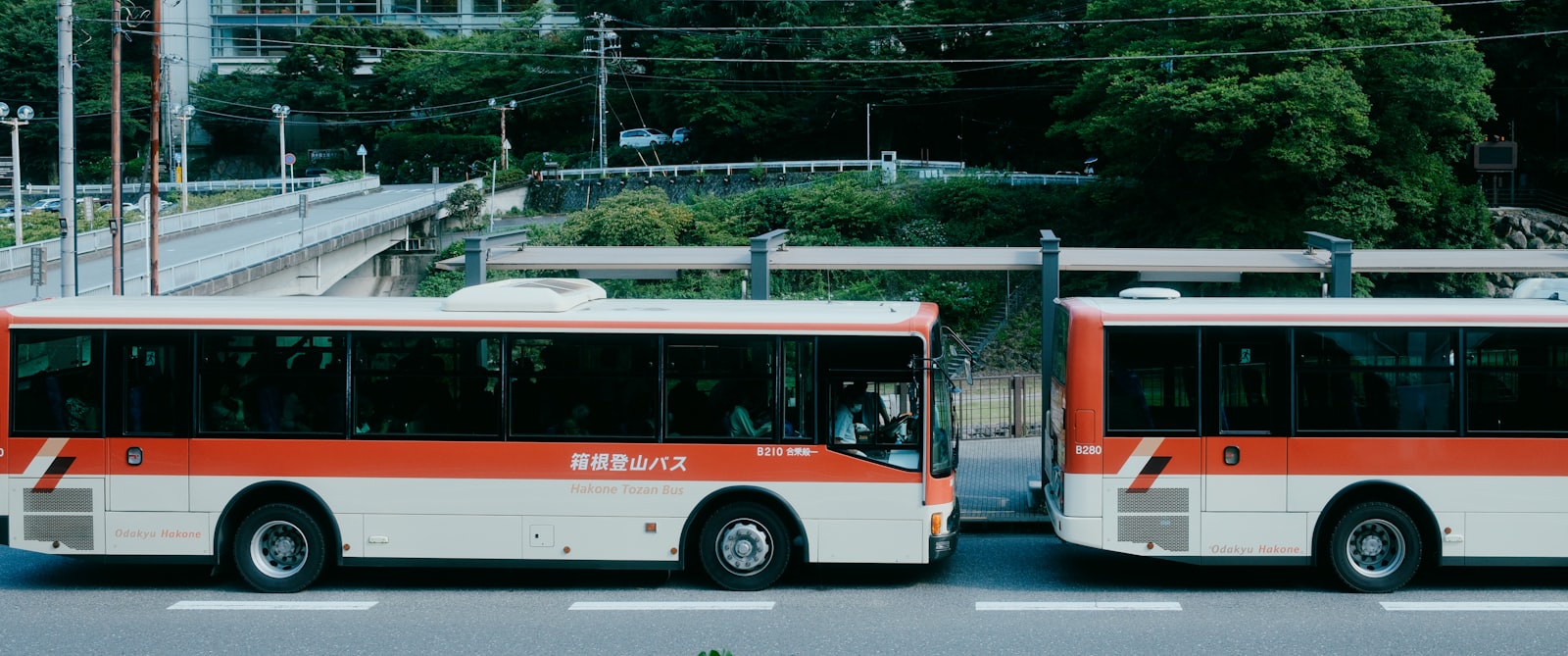
For many travelers the highway bus is the best-value option, and often the most direct of all — sometimes more convenient than the train for reaching the lakeside.
From Busta Shinjuku
The main hub is Busta Shinjuku, the large expressway bus terminal above Shinjuku Station, which runs frequent direct buses to the Kawaguchiko area. The journey takes roughly one and three-quarter to two and a half hours depending on traffic, and the fare is typically lower than the direct limited express train. Buses are comfortable and drop you right at the lakeside transport hub. For budget-conscious travelers, this is frequently the smartest single option.
Other Departure Points
Buses do not only leave from Shinjuku. Direct services to the Fuji area also run from Tokyo Station, Shibuya, and the major airports, which can save you backtracking across the city depending on where you are staying or arriving. If you are coming straight from Narita or Haneda, an airport bus toward the Fuji Five Lakes may let you skip central Tokyo entirely. Check the route map for the departure point closest to you.
The Climber’s Express
During the summer climbing season, special direct buses run from central Tokyo straight to the Subaru Line 5th Station, the trailhead, bypassing the need to transfer at Kawaguchiko. For climbers this is the most efficient way up, delivering you near the start of the route. These are seasonal and heavily used during the short climbing window, so book well ahead if you are planning a summit attempt.
Bullet Train and Driving
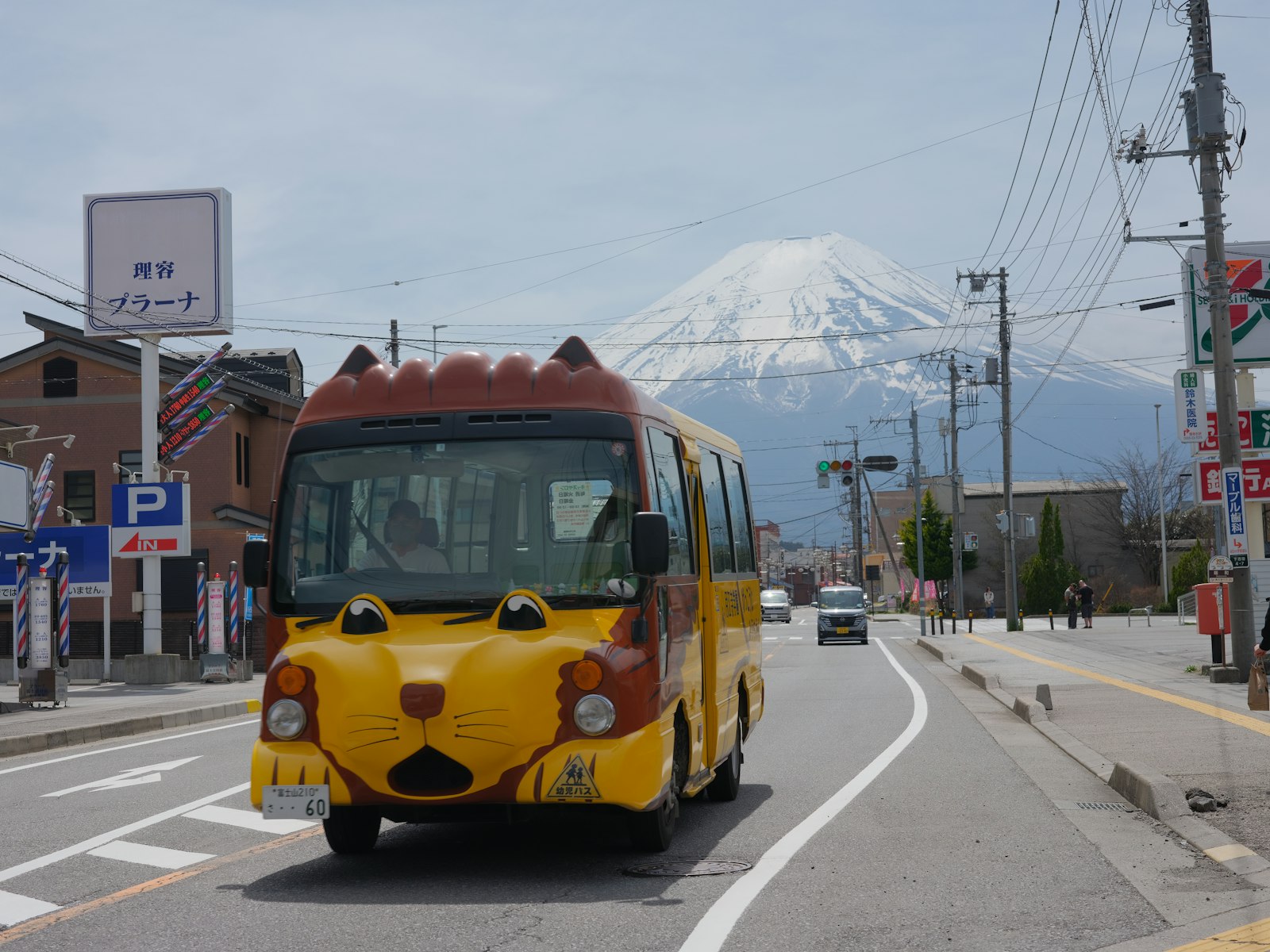
Two more options suit specific situations: the bullet train for the southern side, and a rental car for flexibility.
The Shinkansen to the Southern Side
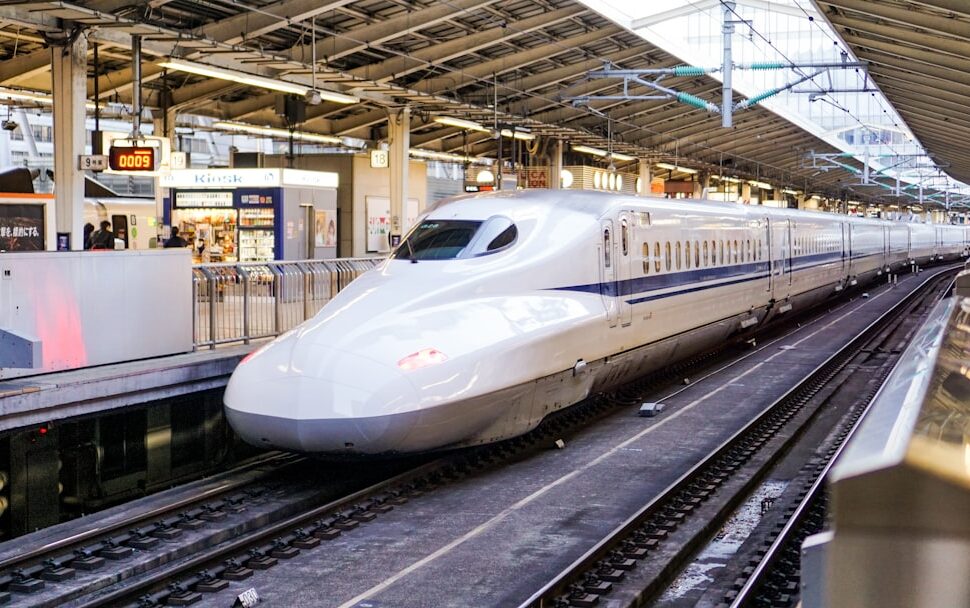
The Tokaido Shinkansen does not go to Kawaguchiko, but it serves the southern approach to the mountain via stations like Mishima and Shin-Fuji, from which you transfer to local buses or trains toward the southern trailheads and viewpoints. This route makes most sense if you are already travelling the Tokaido corridor — heading to or from Kyoto and Osaka — and want to fold in a Fuji stop, rather than as a dedicated trip from Tokyo. For Kawaguchiko specifically, the direct bus or limited express is simpler.
Renting a Car
A rental car gives you freedom the trains and buses cannot — to chase a clear view, circle the lakes, and reach spots that public transport serves poorly. The trade-offs are Tokyo’s traffic, expressway tolls, which add up, and the cost of parking. For a group, or for travelers who want to explore the wider Five Lakes and Hakone area at their own pace over a couple of days, a car can be worth it. For a single day-trip to one viewpoint, public transport is easier and cheaper.
Which Option to Choose
With the routes laid out, the choice comes down to your priorities — speed, cost, comfort, and what you plan to do at the other end.
Matching the Route to Your Trip
For most first-time visitors heading to Kawaguchiko for the views, it comes down to the direct limited express train versus the direct Shinjuku bus. The train is a touch faster and more comfortable and immune to traffic; the bus is usually cheaper and just as direct. For climbers, the seasonal direct bus to the 5th Station wins. For those combining Fuji with onsen, base yourself in Hakone. And for a flexible multi-day explore of the lakes, consider a car.
Book Ahead in Peak Season
Whichever you choose, reservations matter in peak periods — autumn colour, cherry-blossom season, summer climbing, and weekends and holidays year-round. The direct limited express seats and the popular buses both sell out, sometimes days ahead. Reserve your outbound and return seats in advance rather than turning up and hoping; getting there easily only to be stranded without a return seat is a common and avoidable mistake.
Tokyo to Mt. Fuji: Common Questions
Is a day trip from Tokyo realistic? Yes, a day trip to the Kawaguchiko area is entirely realistic and very common. With a roughly two-hour journey each way, you can leave Tokyo in the morning, spend a full afternoon around the lake and viewpoints, and return the same evening. The main risks are weather hiding the mountain and missing your reserved return seat, so check the forecast, go early, and book your return. For climbing, though, a day trip is not realistic — that needs an overnight.
Can I use a Suica or Pasmo IC card for the whole train journey? Not for the entire trip to Kawaguchiko. IC cards like Suica and Pasmo work smoothly on the JR portion to Otsuki, but the private Fujikyu Railway and the limited-express reserved seat are handled separately, and you cannot simply tap through the whole way. Buy the appropriate ticket for the Fujikyu leg and any limited-express seat in advance or at the station. Treat the IC card as covering the JR section only.
Which side of the train or bus has the best Fuji views? On the journey from Tokyo toward Kawaguchiko, the mountain generally appears on the left-hand side as you approach, so a left-side seat in the direction of travel gives you the better odds of a view on the way in. That said, the road and rail curve, and the clearest views come once you arrive at the lakes rather than en route. Do not overthink the seat; prioritise a clear day and an early arrival over which window you get.
Related Tours
Conclusion
The route from Tokyo to Mt. Fuji is only confusing until you decide where you are actually going. Settle on Kawaguchiko for the views, the 5th Station for climbing, or Hakone for onsen, and the right transport falls out of that choice almost automatically — usually the direct limited express or the direct bus from Shinjuku for the lakes.
Plan Your Japan Trip with Local Experts
Our team has guided 40,000+ travelers across Japan. Tell us about your trip and we’ll get back to you within 24 hours.