In this article:
- Why Asakusa Is a Street Food Destination
- The Sweet Classics
- The Savoury Bites
- The Modern Additions
- How to Eat Here Without Causing Offence
- Eating in Asakusa: Common Questions
Why Asakusa Is a Street Food Destination
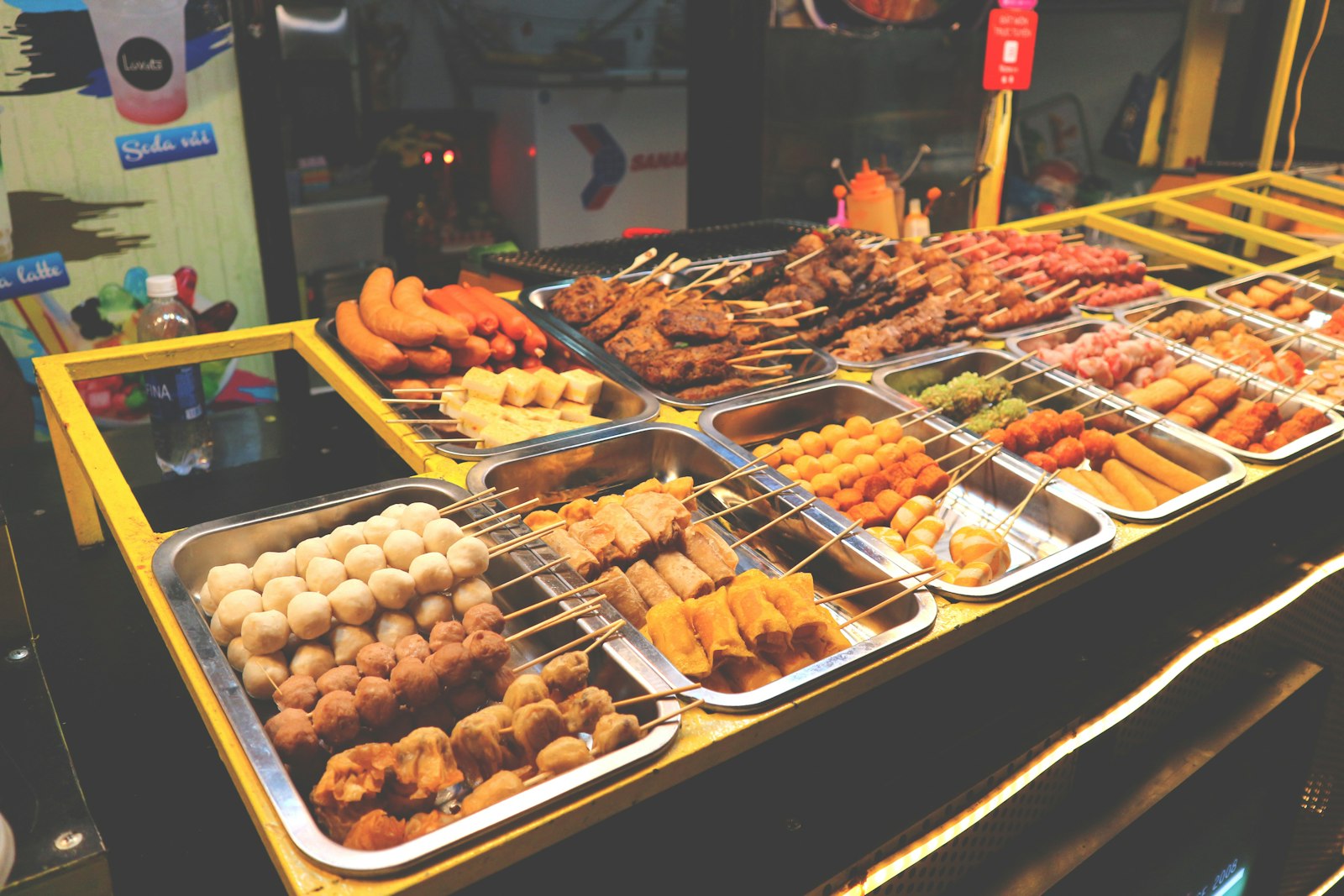
Asakusa has been a place of pilgrimage and pleasure for centuries, built around Senso-ji, Tokyo’s oldest temple, and the food culture grew up to feed the crowds that have come to it for generations. The result is a district where the snacks themselves are heritage — recipes and shapes that have barely changed since the Edo and Showa eras, sold from shops that have occupied the same spot for a very long time.
That continuity is the appeal. Eating your way down the approach to the temple is not just grazing; it is tasting a slice of old Tokyo. The crowds are heavy and the area is unapologetically touristy, but the food is genuine, and much of it is hard to find done this well anywhere else in the city.
Nakamise Street
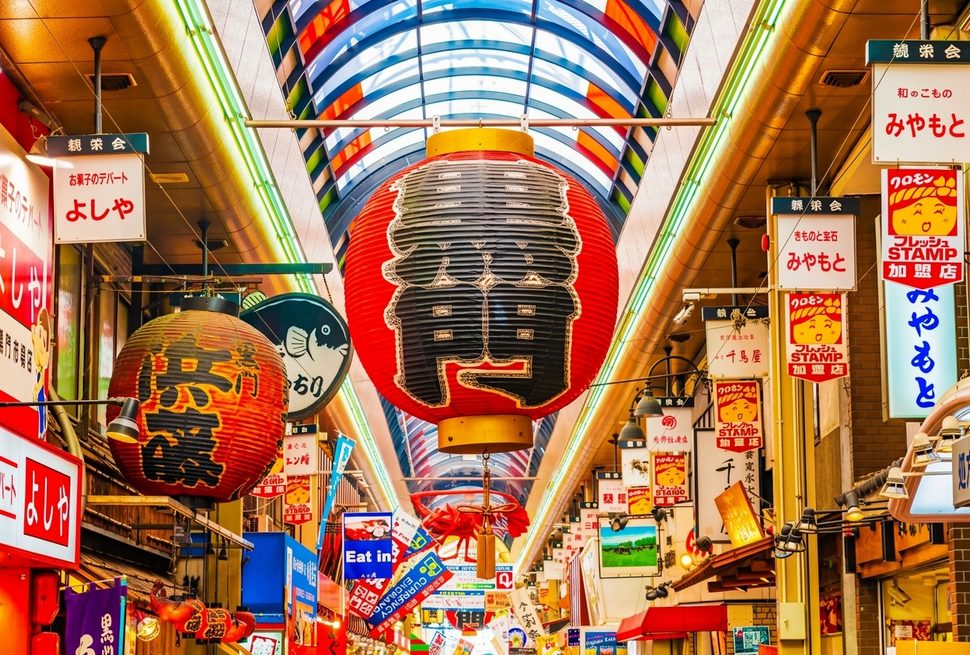
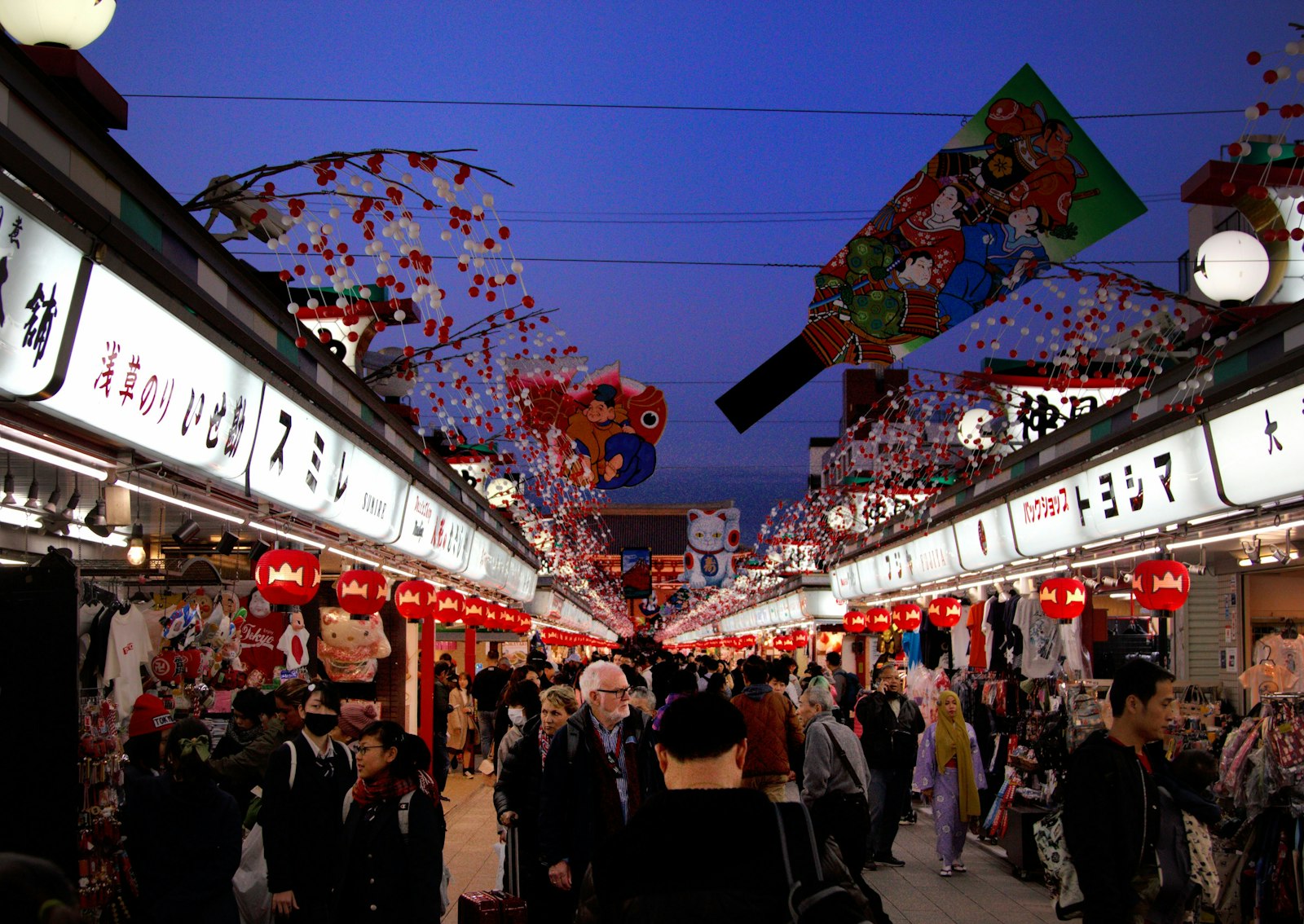
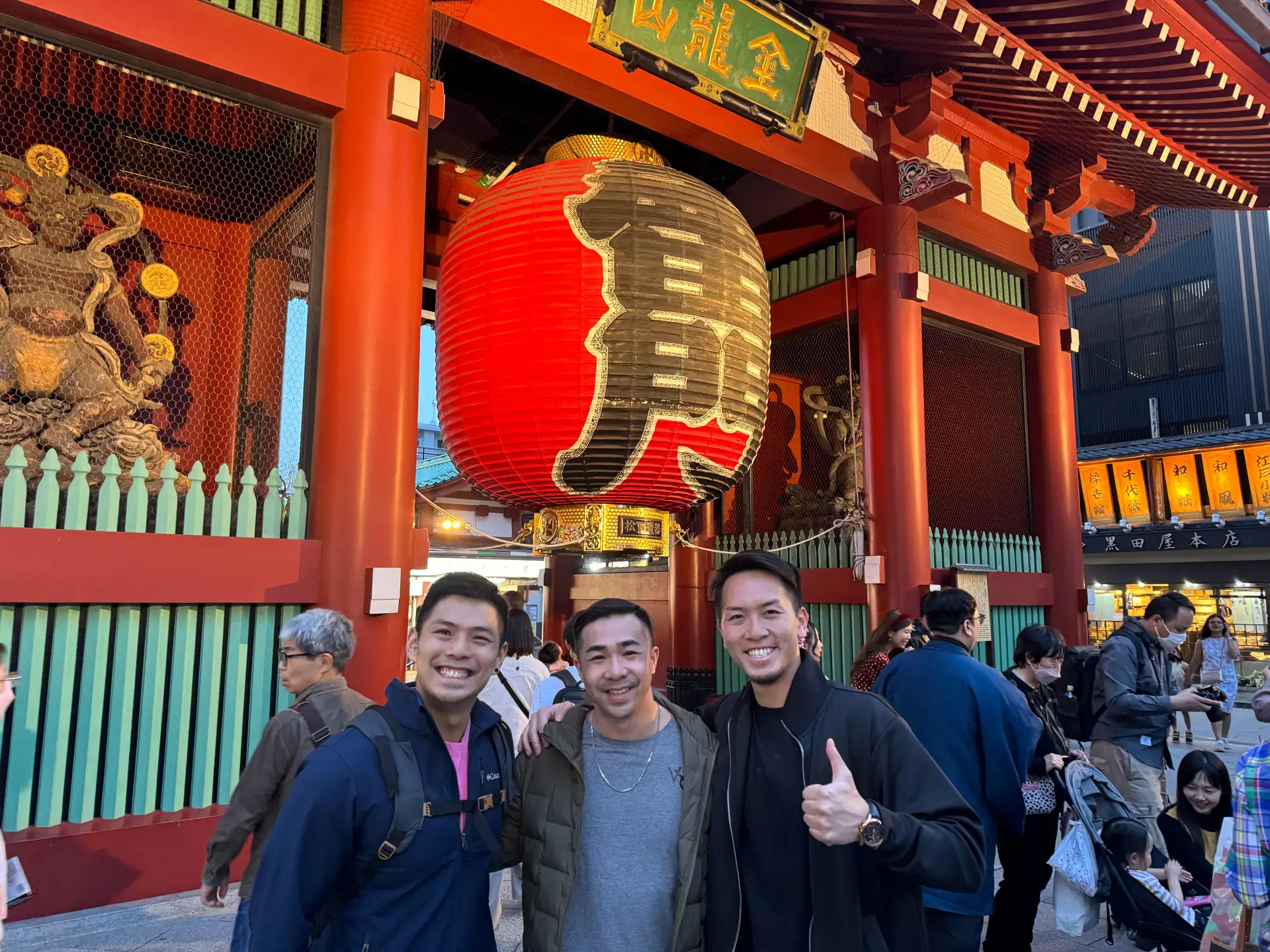
The spine of Asakusa eating is Nakamise-dori, one of Japan’s oldest shopping streets, running from the great Kaminarimon gate with its enormous red lantern up to the temple itself. Stalls line both sides, selling snacks and souvenirs to a constant river of visitors. It is crowded, colourful, and the obvious place to start — though, as we will get to, the rules about eating on it have tightened.
The Shitamachi Flavour
Asakusa sits in Tokyo’s shitamachi — the old “low city” of artisans and merchants — and its food carries that unpretentious, nostalgic character. These are comfort foods: sweet bean pastes, fried dough, grilled rice crackers, glazed sweet potato. Nothing here is refined or precious. It is the food of festivals and temple visits, made to be eaten warm in your hand on a day out, and that is exactly how to approach it.
From Day Sweets to Evening Drinks
Asakusa changes character through the day. The daytime is ruled by the sweet and snack stalls along the temple approach, busiest in the late morning and afternoon. As evening falls, the side streets — particularly the area around Hoppy Street — shift into a lively scene of small izakayas and standing bars. A good plan eats sweet through the afternoon and drinks through the evening, all within a few blocks.
Expert Tip
The crowds on Nakamise are at their worst from late morning through mid-afternoon. Arrive before 10am and you can buy the famous snacks fresh, watch them being made without a wall of people, and skip the multi-hour queues that form at the most popular stalls by lunchtime. Asakusa rewards the early riser more than almost any tourist spot in Tokyo — the same street is a pleasure at 9am and a scrum at 1pm.
The Sweet Classics
Asakusa’s reputation rests heavily on its traditional sweets, and these four are the ones to prioritise. Most are made fresh in front of you, which is half the pleasure.
Ningyo-yaki
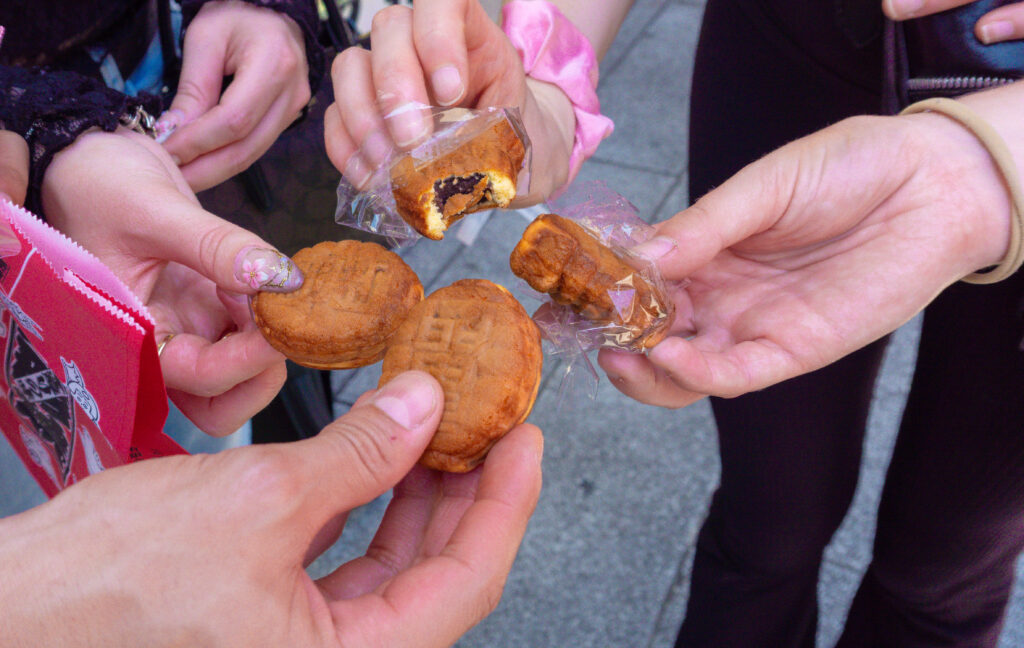
Ningyo-yaki are small, light sponge cakes filled with sweet red bean paste, baked in iron moulds shaped like the icons of Asakusa — the temple’s lantern, a pigeon, the five-storey pagoda. Watching them poured, filled, and flipped at speed on the long moulds is a show in itself, and a box of warm ones is the classic Asakusa souvenir. Eat a couple fresh and warm on the spot; they are best within minutes of the mould.
Age-manju
Age-manju is a manju — a soft bun with sweet filling — battered and deep-fried until the outside is crisp and the inside molten. The traditional filling is red bean, but stalls now offer many flavours: sweet potato, matcha, custard, sesame. Eaten hot, the contrast of crunchy shell and soft sweet centre is the appeal. It is rich, so one is usually enough between other bites.
Kibi-dango
Kibi-dango are small, chewy millet dumplings, served warm on a skewer and dusted generously with sweet kinako — roasted soybean flour. They are an old, simple festival sweet, mild and comforting rather than intensely sweet, and a long-running stall near the temple serves them hot to order. They make a gentle counterpoint to the richer fried and bean-paste sweets around them.
Jumbo Melonpan
Melonpan is a sweet bun with a crunchy, cookie-like sugar crust, and Asakusa is famous for an oversized version — a jumbo melonpan, crisp and caramelised outside, pillowy and warm within. A well-known bakery here turns them out fresh throughout the day, and the queue is part of the ritual. Split one if you are pacing yourself; it is substantial, and you will want room for everything else.
The Savoury Bites
For balance against all the sweets, Asakusa has a strong line in savoury, deep-fried, and grilled snacks. These are the bites to break up a sugar run.
Asakusa Menchi
The standout savoury snack is Asakusa menchi — a crisp-crumbed, deep-fried patty of minced pork and beef, packed with sweet onion, juicy enough that you have to lean forward as you bite. A famous stall has built a near-constant queue on this single item, and it is worth the wait: hot, crunchy, and savoury, it is the perfect antidote to a string of sweet stalls. Eat it the moment it is handed over, while the crust is at its crispest.
Curry Bread
Kare-pan — curry bread — is a Japanese classic: a crisp, deep-fried dough parcel filled with thick, deeply stewed Japanese curry. The premium versions sold around Asakusa, sometimes filled with beef curry, are richer and better than the convenience-store kind, with a shatteringly crisp shell and a savoury, slightly sweet centre. It is hearty, handheld, and very satisfying on a cold day.
Freshly Grilled Senbei
Senbei — savoury rice crackers — are an Asakusa staple, and the pleasure is watching them made: large discs of rice grilled over charcoal and brushed with soy sauce until they puff, crisp, and take on a smoky, savoury glaze. Bought hot off the grill, they are a world away from the packaged kind. A freshly grilled, soy-glazed senbei is one of the most traditional bites you can eat on the street here.
Daigaku Imo
For something between sweet and savoury, daigaku imo — chunks of sweet potato deep-fried and coated in a glossy, sweet syrup glaze, often sprinkled with sesame — is a nostalgic favourite. Warm, sticky, and comforting, it bridges the sweet and savoury sides of the street. Asakusa has long-standing sweet-potato specialists, and a paper bag of these makes excellent walking fuel between temple visits.
The Modern Additions
Alongside the heritage snacks, Asakusa has picked up a set of newer, more photogenic treats aimed squarely at the modern visitor. They are fun, and they sit comfortably beside the classics.
Matcha Everything
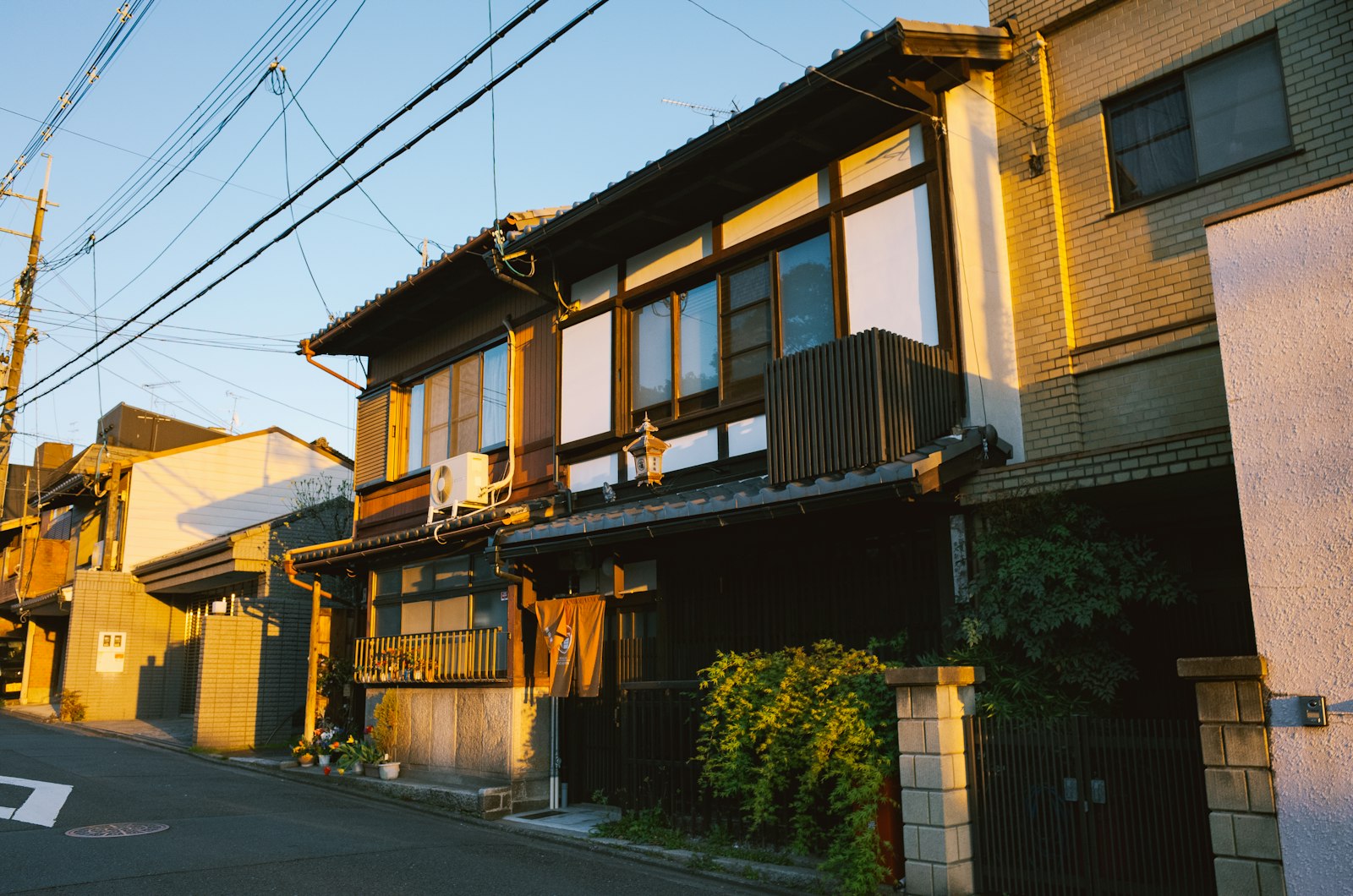
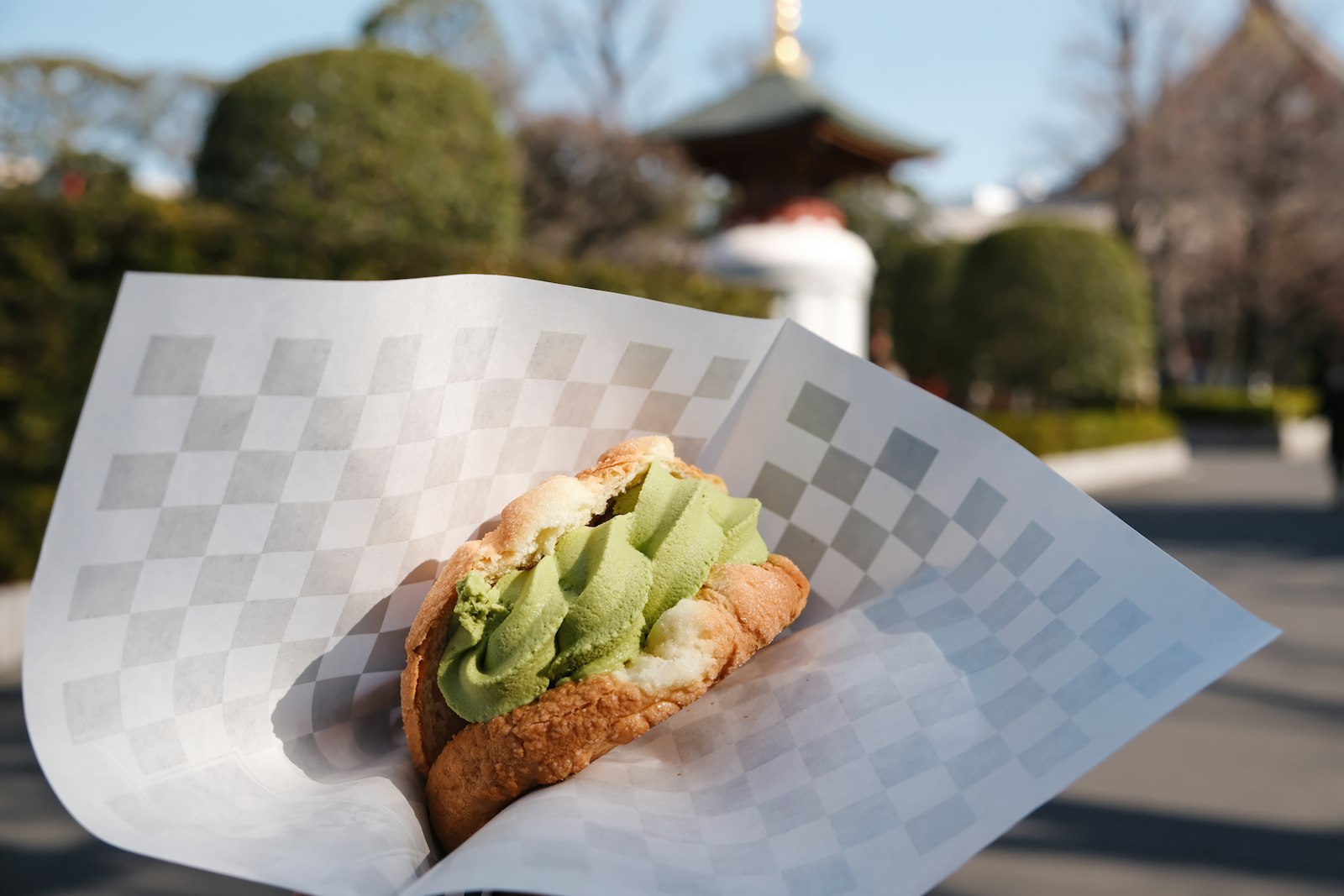
Matcha has become an Asakusa attraction in its own right, with shops offering green-tea gelato and soft serve in escalating intensity levels — from mild and milky up to a deep, earthy, almost bracingly bitter top grade for serious matcha lovers. Choosing your intensity is part of the fun, and the strongest grades are a genuine education in how complex good matcha can be. A worthwhile stop even if you think you know green tea.
Ice Cream Monaka and Fruit Dango
Other modern-ish treats reward the sweet tooth: ice cream monaka, scoops sandwiched inside delicate crisp rice wafers, and skewered dango topped with seasonal fruit like strawberries and smooth sweet pastes. These are as much about the photograph as the taste, which is fine — they are pretty, refreshing, and a light way to end a heavier grazing session. Pick them up toward the end of your loop.
How to Eat Here Without Causing Offence
Asakusa’s popularity has led to clear rules about how to eat on its busy streets, and following them marks you as a considerate visitor. The main point catches out a lot of tourists.
Don’t Walk and Eat on Nakamise
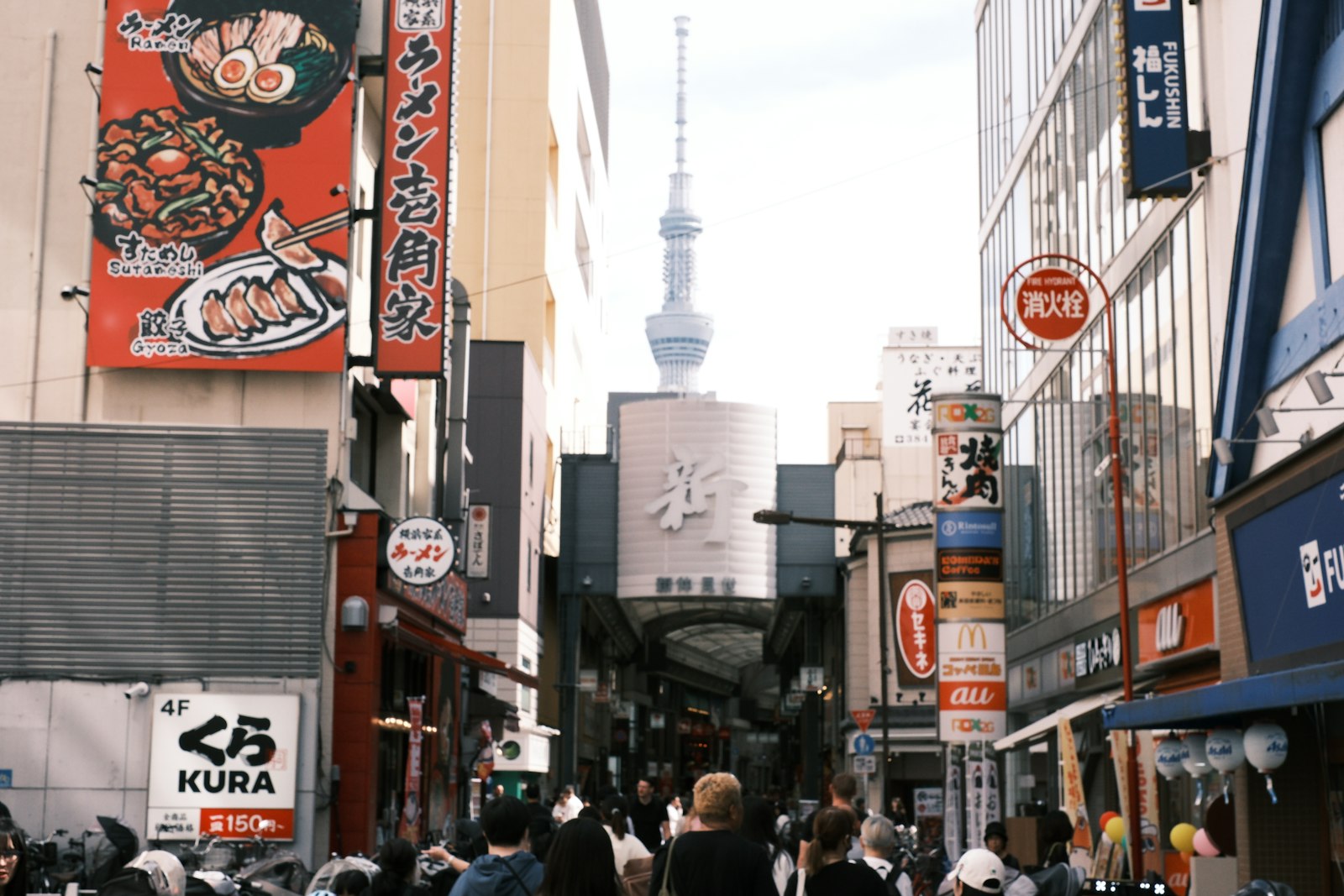
The big one: eating while walking along Nakamise is discouraged, and increasingly signposted against. The crowds are dense, the street is narrow, and dripping or crumbing snacks cause mess and friction. The expectation is to buy your snack and eat it standing at or directly in front of the shop you bought it from, then move on once you are done. It feels counter-intuitive for a “street food” street, but it is the current etiquette — follow it.
Use the Stall’s Bin
Because Japan has very few public bins, vendors often provide a small bin at their own stall for the wrapper, stick, or cup from what you just bought there. Use it for that vendor’s packaging, and do not carry your rubbish to a different shop’s bin or leave it on a ledge. If there is no bin, pocket the wrapper and carry it until you find one. Clean hands and no litter are part of eating politely here.
Come Early
The single best thing you can do for your Asakusa eating is to arrive early — before 10am if you can. The famous stalls are fresh, the queues are short or non-existent, and you can stand and eat in front of a shop without blocking a crowd. By midday the same experience becomes a slow, packed shuffle. Early visitors get the better version of everything here, food and atmosphere alike.
Eating in Asakusa: Common Questions
Are there benches or seating where I can rest and eat? Limited, but they exist. Some stalls provide a small standing counter or a bench for customers, a few nearby parks and the temple grounds offer places to sit, and there are rest areas around the district. Because eating while walking is discouraged, finding a spot to stand or sit and finish your snack is part of the routine. Plan to pause at the shop you bought from rather than expecting to graze on the move.
Can I pay for single snacks by card or e-cash? Increasingly, yes, but not always. Larger and more modern shops accept cards and IC cards like Suica, but many small traditional stalls selling a single 200-yen item still prefer cash, and it is faster for them. Carry coins and small notes so a cash-only senbei stall never catches you out. For the smallest, most traditional vendors, assume cash.
Are the traditional sweets vegan or vegetarian? Many of the bean-paste sweets are plant-based, but do not assume it. Red bean paste, mochi, and millet dumplings are often vegetarian and sometimes vegan, while fried items may use animal fats and some sweets contain egg or dairy. The savoury snacks frequently contain meat or fish. If you have a strict diet, ask about specific ingredients rather than assuming a traditional sweet is automatically suitable, since recipes vary by stall.
Related Tours
Conclusion
Asakusa’s street food is one of the most enjoyable and accessible food experiences in Tokyo, and one of the most historic. Come early, alternate sweet and savoury, watch the ningyo-yaki and senbei being made, and eat each bite standing at the stall rather than on the move down Nakamise. Done right, it is a delicious walk through centuries of Tokyo snacking.
Plan Your Japan Trip with Local Experts
Our team has guided 40,000+ travelers across Japan. Tell us about your trip and we’ll get back to you within 24 hours.