In this article:
- The Shape of Two Weeks
- Days 1–5: Tokyo and a Night in Hakone
- Days 6–9: Kyoto, With Nara on the Side
- Days 10–14: Hiroshima or Kanazawa, Then Osaka
- Japan Itinerary 14 Days: Frequently Asked Questions
Introduction
Ask most people to sketch a Japan itinerary for 14 days and they will fill the extra time with extra cities. The popular two-week routes online change hotels seven or eight times, adding Nikko, Himeji, Shirakawa-go and Takayama as though each stop costs nothing. It does not. Every move takes roughly half a day once you count packing, checking out, the train, and finding the next hotel.
Two weeks is long enough to do something a shorter trip cannot: stay put. The travelers we work with who come home happiest are rarely the ones who saw the most. They are the ones who had a fourth morning in Kyoto with nothing booked, walked into a temple garden at opening time, and stayed an hour because nobody was waiting for them.
The route below uses five bases across thirteen nights. It keeps the spine of our 10-day Japan itinerary — Tokyo, Hakone, Kyoto, Osaka — and spends the four extra days on depth in Kyoto and one more region in the west, rather than on a longer checklist.
The Shape of Two Weeks
Thirteen nights, five beds, one direction of travel. That is the whole design.
You fly into Tokyo and spend four nights there, then take a single night at a ryokan in Hakone. Kyoto gets four nights, with Nara as a day trip. After that you choose between Hiroshima with a night on Miyajima or two nights in Kanazawa, and you finish with two nights in Osaka before flying home from Kansai International Airport.
Four Nights Is the Minimum That Counts
The first evening anywhere goes to arrival. The last morning goes to departure. In a city where you stay two nights, that leaves one clear day, which is why short stays feel rushed even when the schedule looks generous on paper.
Four nights in Tokyo and four in Kyoto give you three uninterrupted days in each, and that is where a trip settles. Hakone breaks the rule on purpose. A ryokan is an evening and a morning, and one night captures nearly all of it.
Fly Into Tokyo, Out of Osaka
Book a multi-city ticket that lands at Narita or Haneda and leaves from Kansai International. Price it against a return before deciding. Even if it costs a little more, it removes a Shinkansen ride of more than two hours back to Tokyo on the day you fly, along with the risk of a delay standing between you and your flight.
The same logic runs the whole route. Tokyo to Hakone to Kyoto to the west and back to Osaka is one sweep across the country, with no leg retraced except the short hop from Hiroshima or Kanazawa into Osaka.
Rail Pass or Individual Tickets
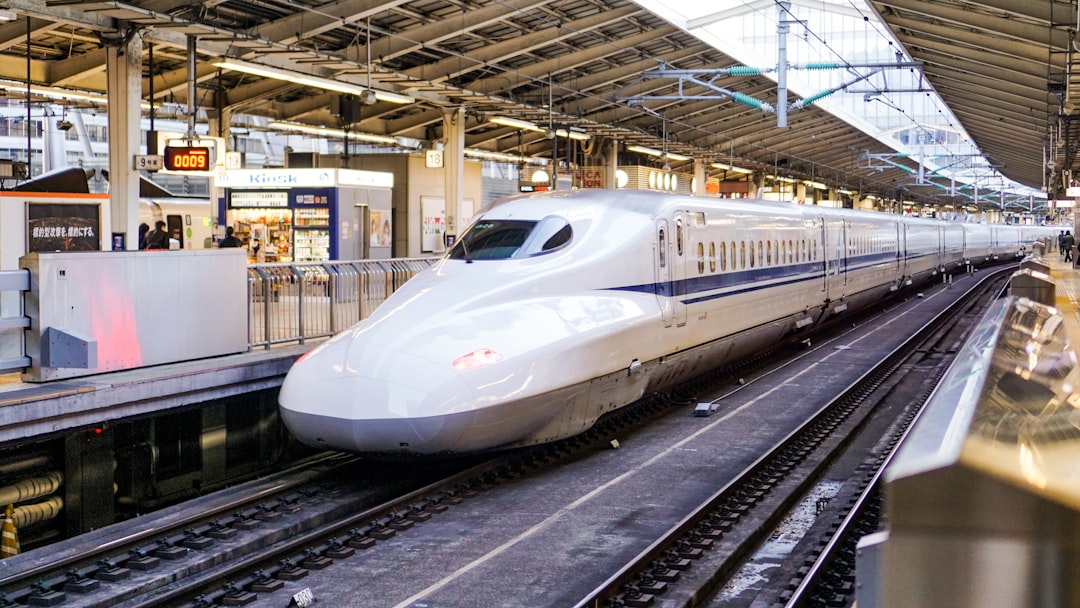
For this route, buy individual tickets. The 14-day Japan Rail Pass costs ¥80,000 in ordinary class, and the JR Group has announced a rise to ¥84,000 for passes bought from October 1, 2026. A reserved Nozomi seat from Tokyo to Kyoto costs roughly ¥14,000, and that is the longest leg you will ride.
Add Kyoto to Hiroshima and Hiroshima back to Osaka, and the point-to-point total still comes to less than half the price of the pass. Pass holders also pay a separate ¥4,960 supplement to ride the Nozomi between Tokyo and Kyoto, which narrows the value further. We book each leg a few days ahead through JR Central’s smartEX service or at a station ticket machine, and it has never been the complicated part of a trip.
Send the Suitcase Ahead
Luggage is the quiet cost of a two-week rail trip. On the Tokaido, Sanyo and Kyushu Shinkansen, a bag whose height, width and depth add up to between 160cm and 250cm needs a reserved seat with an oversized baggage area, and bringing one aboard without that reservation incurs a fee.
Japan’s luggage forwarding service, known as takkyubin, solves most of this. Your hotel front desk arranges the collection for a modest charge, and the bag goes by road to your next hotel. On this route, send the main cases from Tokyo straight to Kyoto and take only an overnight bag to Hakone. Nothing about a ryokan requires more than that.
Expert Tip
Hand your cases to the Tokyo hotel desk the evening before you leave for Hakone, addressed to your Kyoto hotel with your name and check-in date. Delivery between the two cities is normally next-day, so the bags reach Kyoto ahead of you and wait at the front desk. Send the Kyoto hotel a short email saying they are coming.
Days 1–5: Tokyo and a Night in Hakone
Tokyo takes longer to understand than any other city on this route, and it repays the time in proportion.
Days 1–4: Tokyo by Neighbourhood, Not by List
Day 1 is arrival, and the right plan for it is almost nothing. Check in, walk to dinner, sleep. Jet lag from the US or Europe tends to hit hardest on the second and third afternoons, so we keep those days lighter than most people expect.
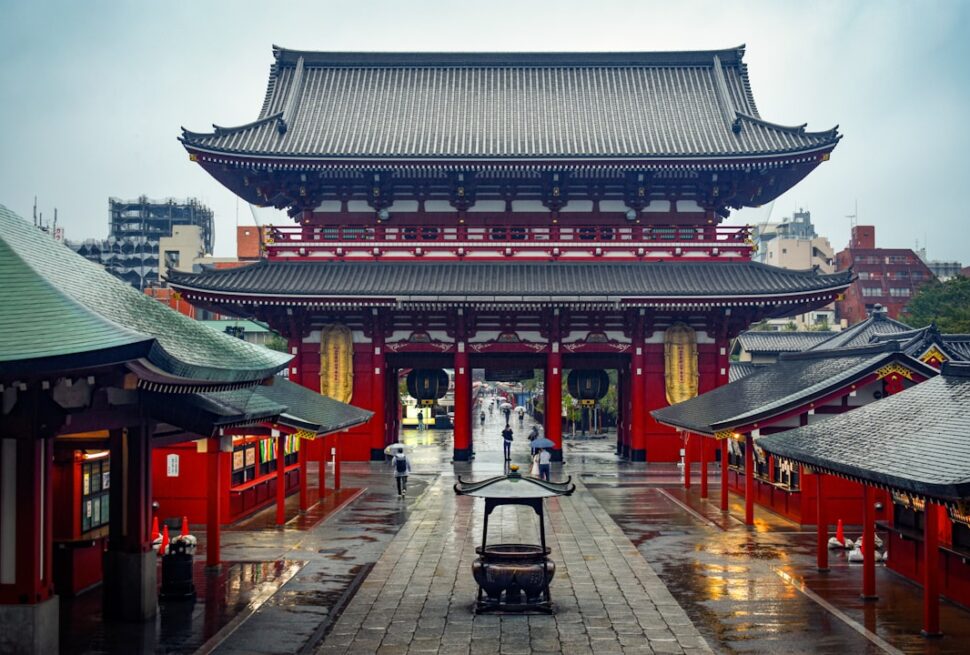
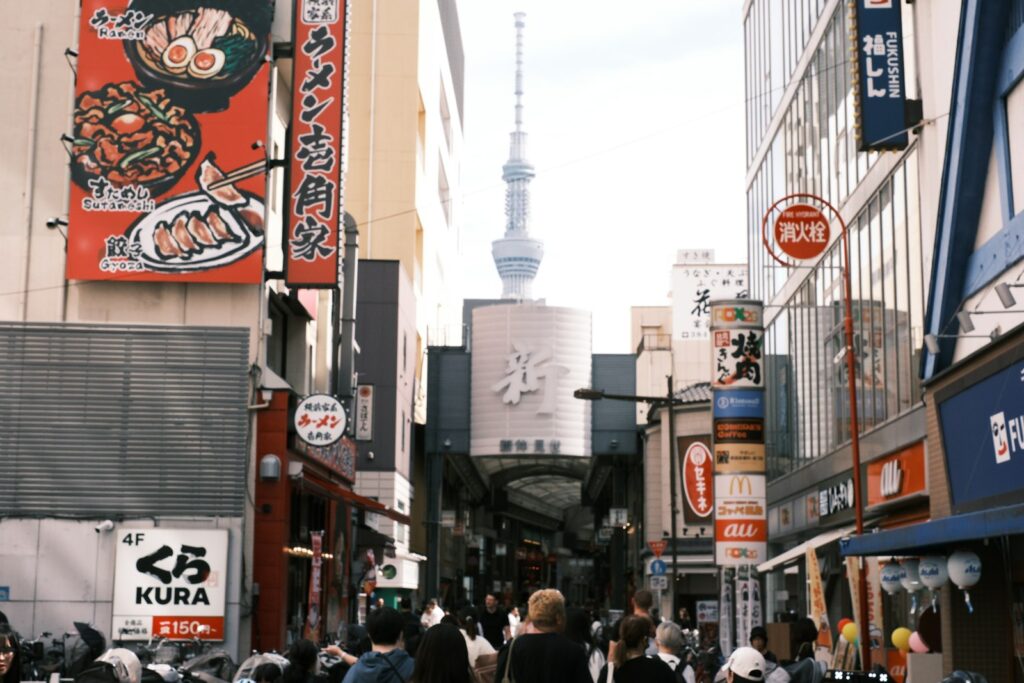
Plan the next three days by area rather than by attraction. Asakusa and Ueno sit together in the northeast, with Senso-ji and the museums of Ueno Park a short ride apart. Harajuku, Meiji Shrine and Shibuya line up along the west side of the Yamanote Line, and Ginza pairs with the stalls of the Tsukiji outer market for a morning. Crossing the city back and forth between these clusters is where Tokyo days disappear.
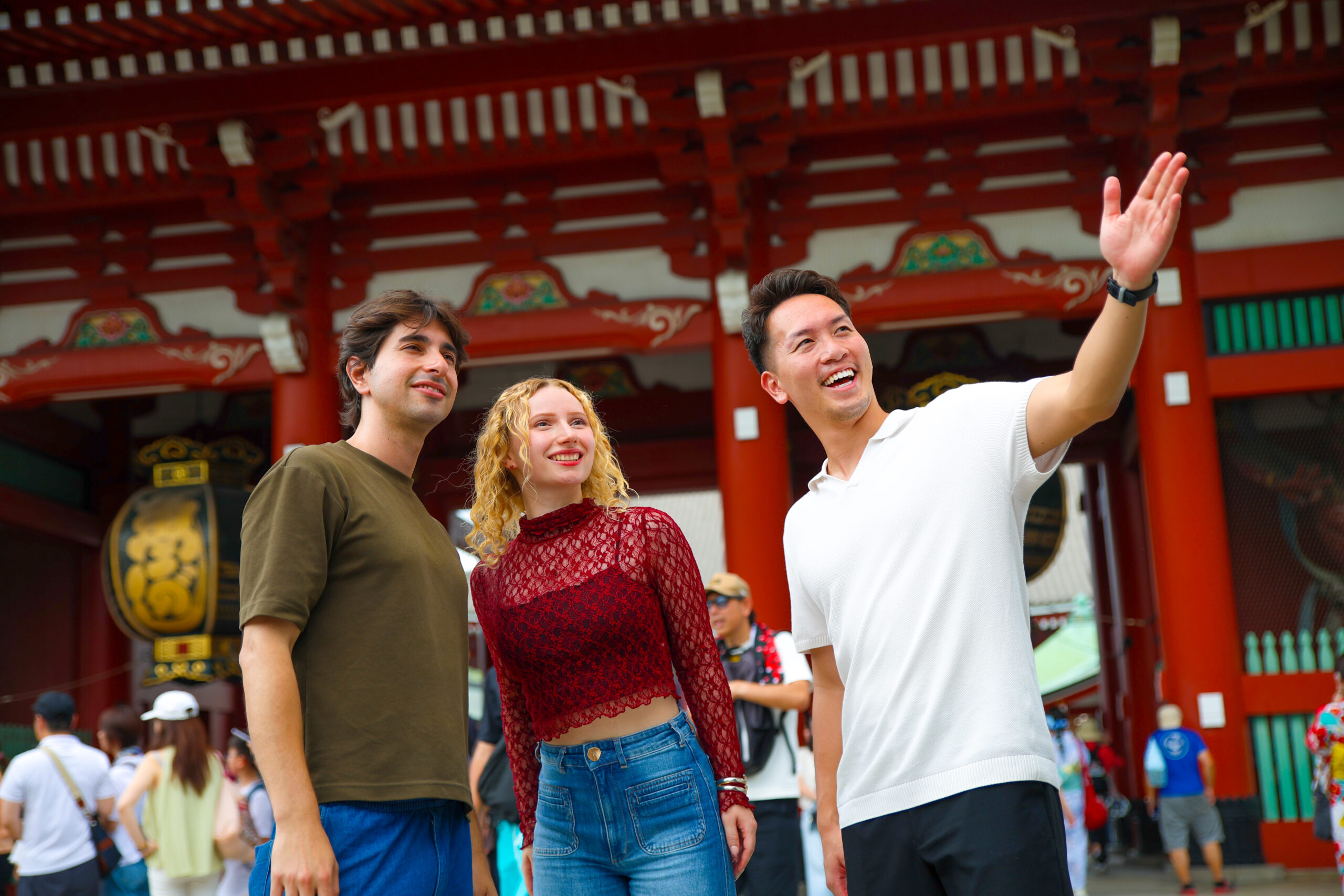
This is also why we suggest putting a guided day early, ideally day 2. On our private Tokyo days the guide agrees the plan with you on WhatsApp beforehand and usually starts from Senso-ji in Asakusa, but the sights are the smaller part of it. What carries over to the remaining twelve days is knowing how to read station signage, when a place is quiet, and how to order at a counter with no English menu.
Leave day 4 unassigned. By then you will know which neighbourhood you want more of, and it is rarely the one you would have guessed from home.
Day 5: One Night in Hakone
Leave Tokyo from Shinjuku on the Odakyu Romancecar, which reaches Hakone-Yumoto in about 80 minutes. Aim to check into your ryokan by mid-afternoon. The evening meal and the bath are the reason you are here, and arriving at five means rushing both.
The morning after, ride the Hakone loop: the mountain railway, the cable car and the ropeway over the steaming vents of Owakudani, then the boat across Lake Ashi. On a clear day Fuji rises over the far end of the lake. However, the mountain spends much of the year behind cloud, particularly in summer, so treat it as a bonus rather than the reason to go.
From the lake, head back down to Odawara, which sits on the Tokaido Shinkansen. You can be in Kyoto by late afternoon on day 6 without having set foot in Tokyo again.
Days 6–9: Kyoto, With Nara on the Side
Kyoto is the reason to take fourteen days rather than ten.
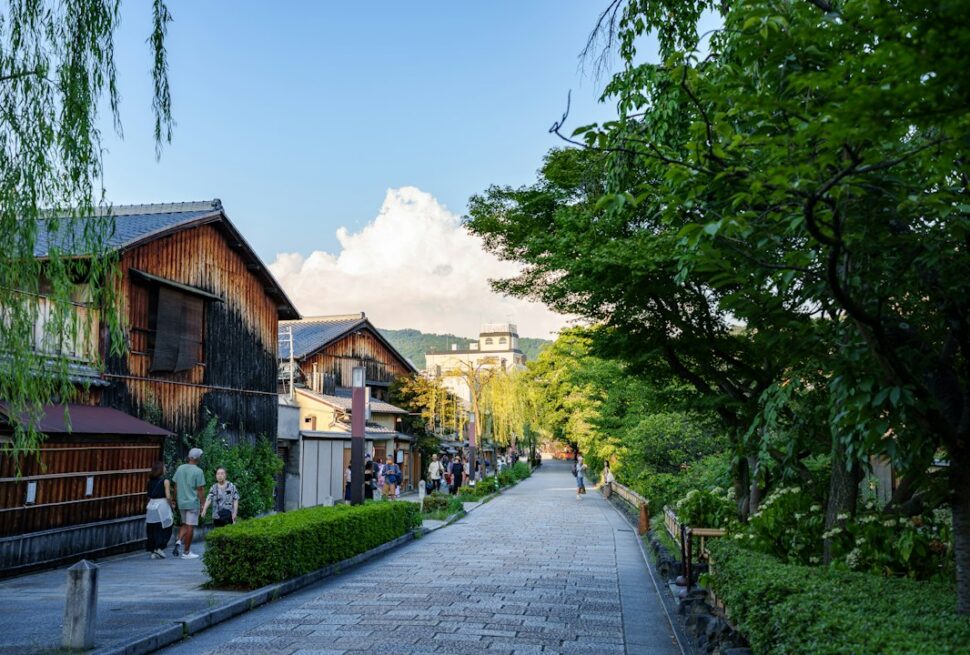
The train from Odawara runs west along the coast, and our guide to riding the Shinkansen to Kyoto covers train types, seat choice and which side of the carriage faces Fuji. Spend the evening of arrival walking through Gion and Higashiyama after the day visitors have gone. The lanes around Yasaka Pagoda are a different place at seven in the evening than at two in the afternoon.
Four Nights, Planned Around the Clock
Kyoto’s famous sites are small and the visitor numbers are not. The city is at its busiest between about ten and four, and the gap between Fushimi Inari at seven in the morning and at noon is enormous. At dawn the upper stretch of the gates is close to silent; by midday the lower section moves at the pace of a queue.
So plan each day around the clock rather than the map. Put one major site before ten, spend the middle of the day somewhere that crowds do not reach — a small temple garden, the Imperial Palace grounds, a long lunch — and come back out for the evening. Our Kyoto guides work to three or four places a day, done properly, and they will say so when a guest asks for six.
Four nights let you divide the city cleanly. Give one early morning to Fushimi Inari and the temples of eastern Kyoto, another to Arashiyama before the bamboo grove fills, and keep day 9 for whatever the first three days made you curious about. For many of our travelers that turns out to be a second, slower visit to a place they rushed.
Day 8: Nara as a Day Trip
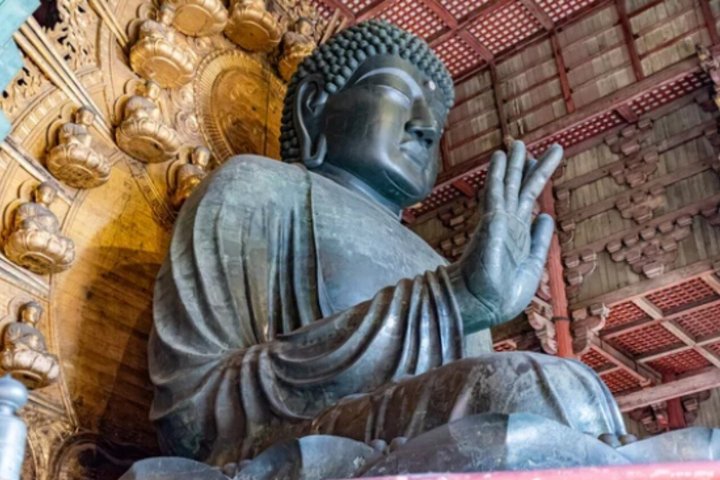
Nara is under an hour from Kyoto by train, and one full day is enough. Go early and see Todai-ji’s Great Buddha Hall before the coaches arrive, then walk up through Nara Park, deer and all, to Kasuga Taisha and its stone-lantern approach.
Stay for lunch and take the train back in the afternoon. Nara hotels are a fine option on a longer trip. On this one, the extra move is not worth the night.
Expert Tip
If your Kyoto nights include a weekend, put Fushimi Inari and Arashiyama on the weekdays and use the Saturday for Nara or a slow day around the temples of northern Kyoto. Domestic visitors add noticeably to the crowds at the major sites on weekends, and the difference shows well before nine in the morning.
Days 10–14: Hiroshima or Kanazawa, Then Osaka
The last five days hinge on one decision, and neither answer is wrong.
Hiroshima and Miyajima give the trip weight and a night by the sea. Kanazawa gives it gardens, crafts and a smaller city at walking pace. Both return you to Osaka for the final two nights.
West: Hiroshima and a Night on Miyajima
Hiroshima is under two hours from Kyoto on a direct Nozomi. Spend the afternoon of day 10 at the Peace Memorial Park and its museum, and allow more time than you think you need. Most people leave quieter than they arrived, and it is better not to have a dinner reservation pressing on the end of that visit.
On day 11, take the ferry to Miyajima and stay the night on the island. Of every choice on this route, this is the one we recommend most firmly. Once the day visitors have caught their ferries back to the mainland, the great torii of Itsukushima Shrine, lit after dark and standing in the water at high tide, belongs to the few people still on the island.
Visitors pay a ¥100 Miyajima visitor tax, collected together with the ferry fare. Our Hiroshima travel guide covers the city, the island and where to eat Hiroshima-style okonomiyaki.
North: Kanazawa’s Gardens and Old Districts
If you have already seen Hiroshima, or you care more for craft and gardens than for history, go north instead. Since the Hokuriku Shinkansen was extended to Tsuruga in March 2024, the trip from Kyoto means a Thunderbird limited express to Tsuruga and a change onto the Shinkansen, about two hours in total.
Two days in Kanazawa hold Kenroku-en garden early in the morning, the wooden teahouses of the Higashi Chaya district, the seafood counters of Omicho Market, and the earthen walls of the Nagamachi samurai quarter. The city is compact enough that you rarely need a taxi. Getting back to Osaka is the same journey in reverse.
Days 12–14: Osaka to Finish
Osaka is the right city to end on. After the restraint of Kyoto and the weight of Hiroshima, it is loud, generous with its food, and entirely unconcerned with ceremony.
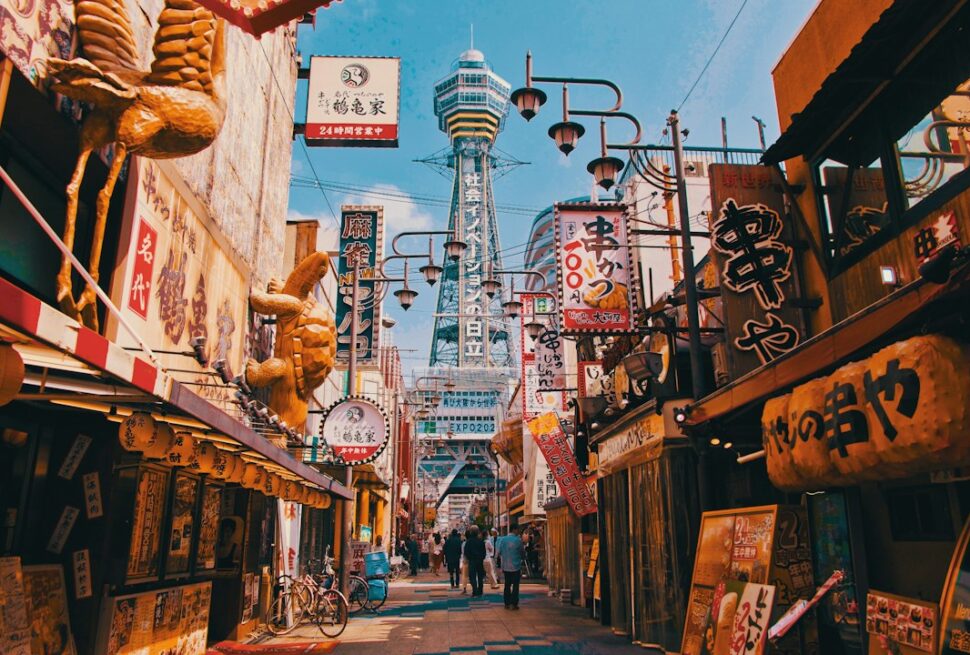
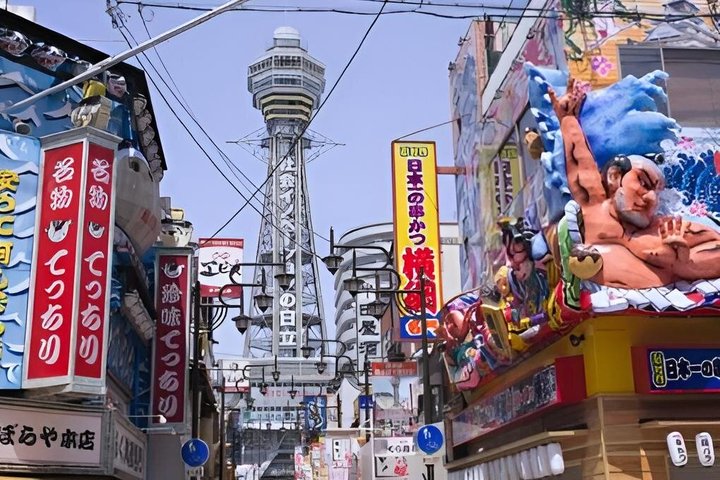
Base yourself around Namba or Umeda. Eat your way through Dotonbori and Kuromon Market, give a morning to Osaka Castle, and spend an evening in the retro streets of Shinsekai below Tsutenkaku tower. Two nights is enough, and nobody has ever complained about finishing a trip well fed.
On day 14, the Nankai line runs from Namba directly to Kansai International, and the JR Haruka limited express serves the airport from Shin-Osaka and Tennoji. Pick your Osaka hotel with that last journey in mind.
Japan Itinerary 14 Days: Frequently Asked Questions
Is two weeks enough for a first trip to Japan?
Yes, comfortably, provided you do not treat it as permission to see everything. Fourteen days covers Tokyo, Kyoto and Osaka properly, with room for one ryokan night and one more region. For a second trip, keep the same structure but trade some of the Tokyo nights for a region you skipped the first time, such as Kanazawa or the Japan Alps.
When is the best time of year for this route?
Late March to early April and the second half of November are the most beautiful windows, with cherry blossom in spring and autumn colour in Kyoto, but they are also the most crowded and the most expensive. May after Golden Week and late October are the balance we recommend. June brings the rainy season, July and August are hot and humid, and typhoons can disrupt travel from late summer into September.
Should I buy a 14-day Japan Rail Pass?
Not for this itinerary. Individual Shinkansen tickets for the Tokyo, Kyoto, Hiroshima and Osaka legs cost well below the ¥80,000 pass, and the Hakone section runs on the Odakyu line, which the pass does not cover. The pass starts to make sense only if you add long legs far outside this route, such as a trip north to Tohoku or Hokkaido.
Related Tours


Conclusion
The hardest part of planning two weeks in Japan is leaving things out. Every itinerary you read will offer another half-day somewhere — Nikko, Himeji, Takayama — and each one is defensible on its own. Together, they turn a trip into a transfer schedule.
Start with the bookings that constrain everything else: the multi-city flight, the four nights in Kyoto, and the ryokan rooms in Hakone and on Miyajima, which are few in number and go first. Then leave at least one day in Tokyo and one in Kyoto with nothing assigned to it. On a trip this long, the unplanned day is often the one people remember.
Plan Your Japan Trip with Local Experts
Our team has guided 40,000+ travelers across Japan. Tell us about your trip and we’ll get back to you within 24 hours.