In this article:
- The Three Shinkansen Services: Choosing Your Speed and Budget
- Choosing Your Seat: Ordinary Comfort vs. Green Car Luxury
- Navigating Luggage Rules: What to Book Before You Travel
- Booking and Boarding at Tokyo Station
- Onboard Amenities for the Journey
- Tokyo to Kyoto Shinkansen: Frequently Asked Questions
Introduction
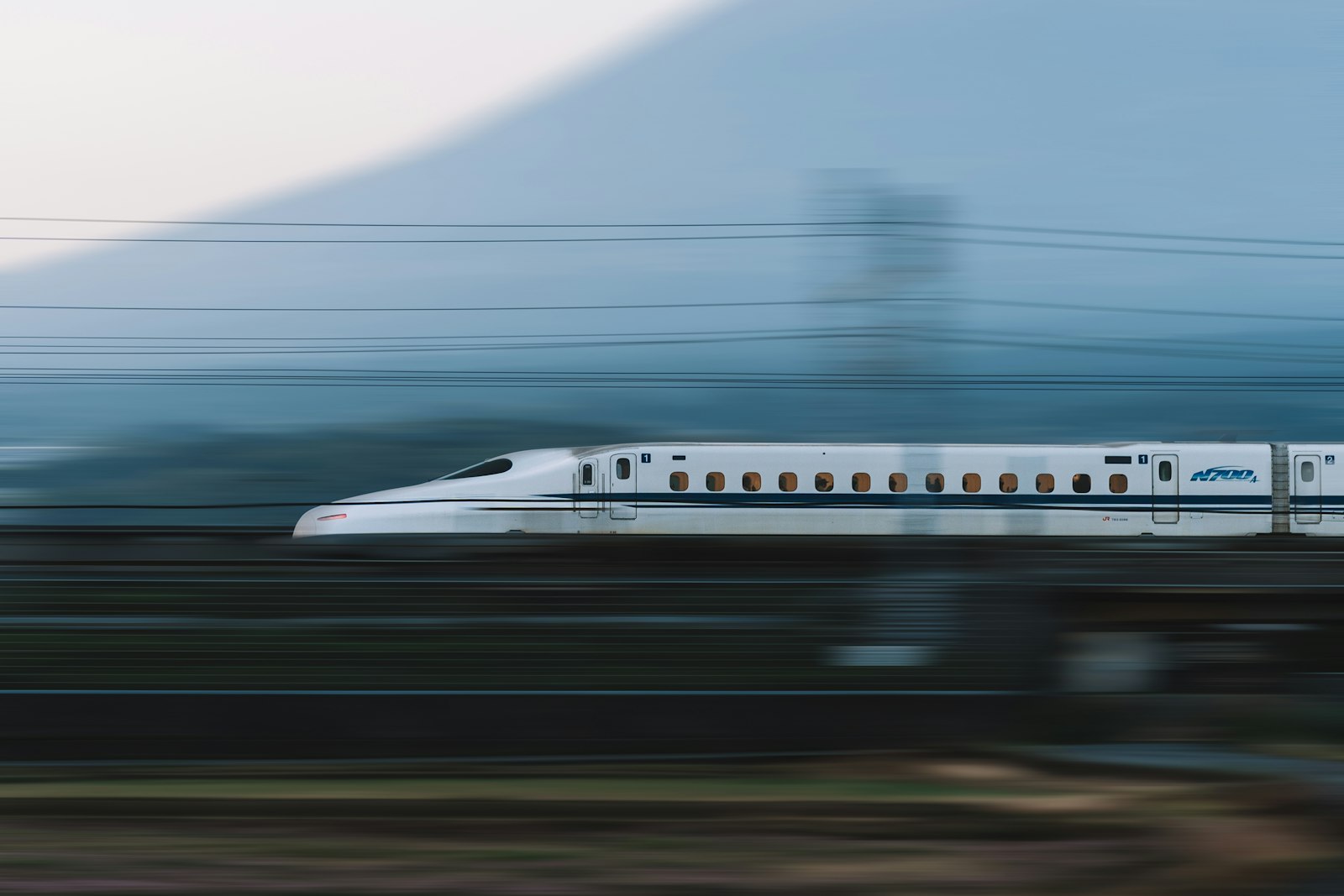
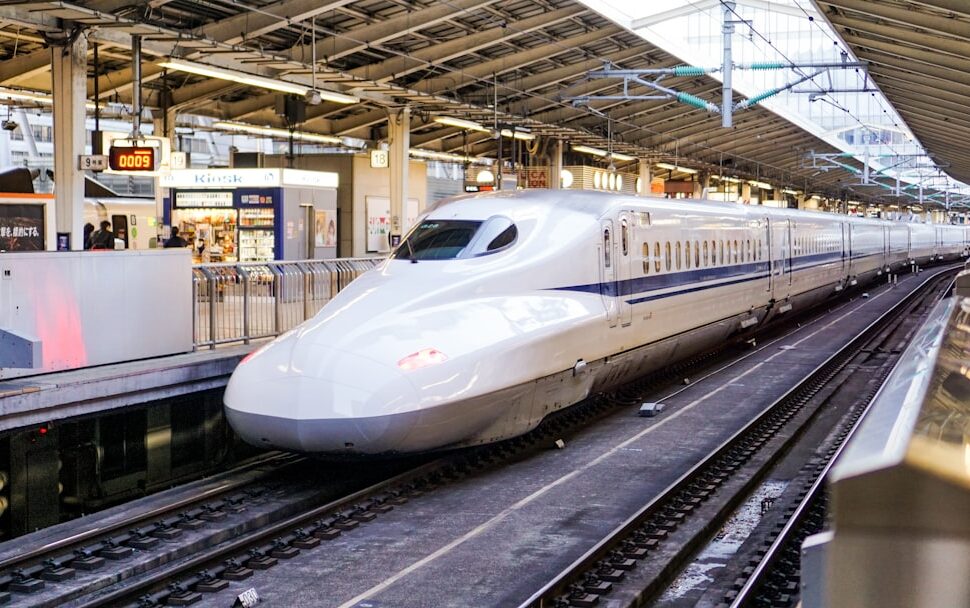
The train between Tokyo and Kyoto is one of the most-traveled stretches of railway in the world, and for good reason. The Tokaido Shinkansen covers roughly 450 kilometers in about two hours and fifteen minutes, running so frequently that turning up without a plan still works. But a few small choices — which service, which seat, how you handle your suitcase — shape the whole experience.
The good news is that none of it is complicated once you know the terms. What follows is what we tell our own travelers before they make this trip.
The Three Shinkansen Services: Choosing Your Speed and Budget
Three services run the Tokaido line, and they differ only in how many stations they stop at. The train itself is the same class of vehicle. Your choice comes down to time versus flexibility.
Nozomi: The Fastest, Reaching Kyoto in About 2 Hours 15 Minutes
Nozomi is the express service, stopping at only a handful of major stations between Tokyo and Kyoto. It runs several times an hour throughout the day, so you rarely wait long. One thing to know: Nozomi is not covered by the nationwide Japan Rail Pass. If you hold a JR Pass and want to ride it, you pay a supplement. If you are buying an individual ticket anyway, Nozomi is the obvious choice.
Hikari: The Rail Pass Traveler’s Best Option
Hikari makes a few more stops and takes roughly fifteen to twenty minutes longer. The trade-off is that it is fully covered by the Japan Rail Pass at no supplement. For pass holders, this is the train to look for. It runs less often than Nozomi — usually once or twice an hour — so check the timetable rather than assuming one will be along shortly.
Kodama: The Slowest, Stopping at Every Station
Kodama stops at every station on the line and takes closer to four hours to Kyoto. Most travelers skip it, but it has a use: it is the easiest train on which to reserve one of the oversized-luggage spaces, and it is quiet. If you are not in a hurry and want room to spread out, it is a calm way to travel.
Expert Tip
If you are on a Japan Rail Pass, plan your day around Hikari departures rather than turning up and hoping. The gap between Hikari trains can be forty minutes or more, and it is easy to watch three Nozomi services you cannot use slide past while you wait. A two-minute check of the timetable app the night before saves that frustration.
Choosing Your Seat: Ordinary Comfort vs. Green Car Luxury
Ordinary Cars: Standard Seating and Power Outlets
Ordinary cars are arranged three seats on one side of the aisle, two on the other. They are comfortable, clean, and perfectly adequate for a two-hour trip. Every window seat has a power outlet, and on newer trains outlets run along the wall for all seats in the row. Reserved and non-reserved cars both exist; on a busy travel day, a reserved seat is worth the small extra cost.
Green Cars: Quieter, Wider, and More Reclined
The Green Car is the first-class equivalent: two-by-two seating, more legroom, deeper recline, and a noticeably calmer atmosphere. On a short hop it is a small indulgence rather than a necessity, but if you have been on your feet for days or want to arrive in Kyoto rested, it earns its price. Green Car always requires a reservation.
The Mount Fuji Seat: Why to Book the E Seat
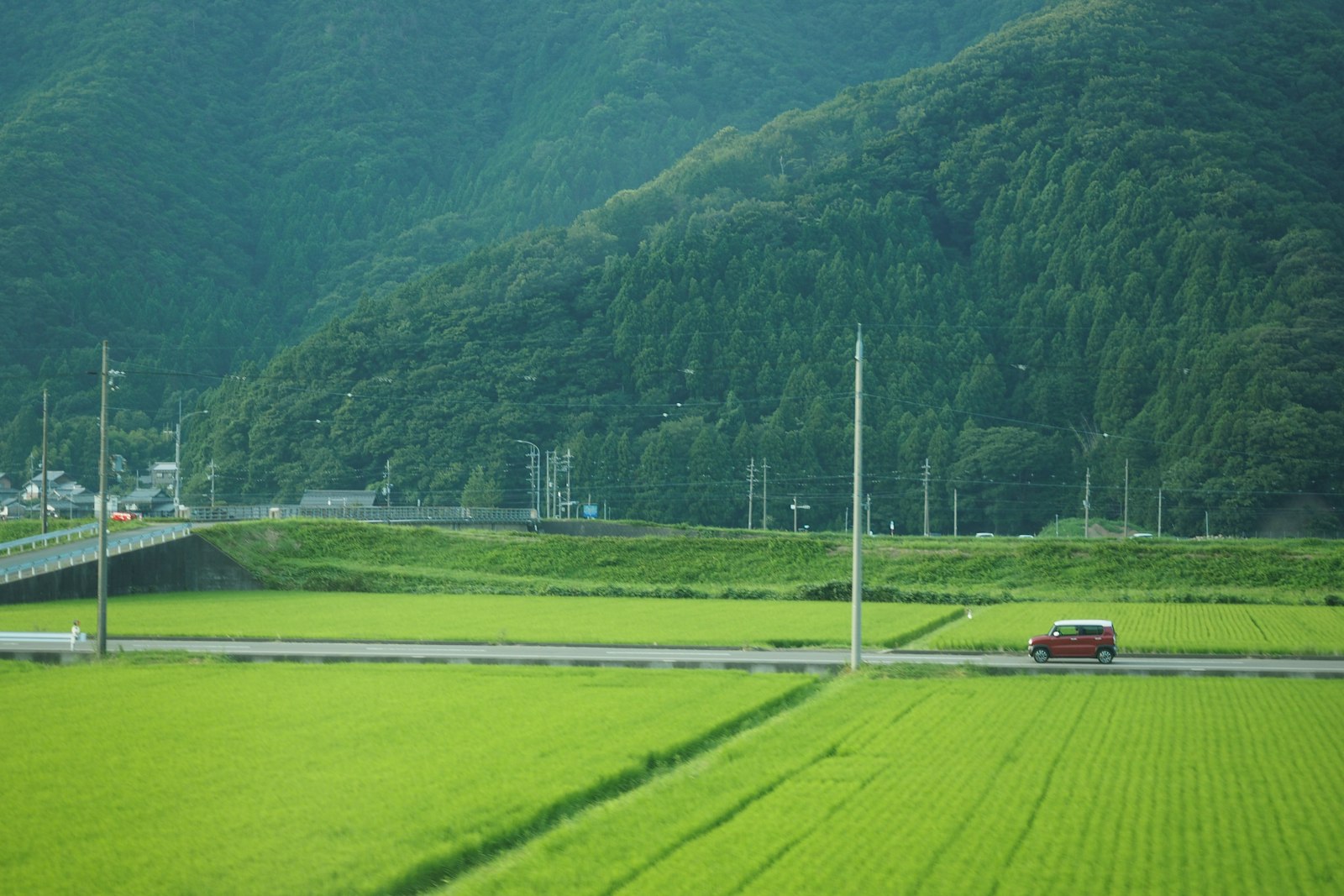
Mount Fuji appears on the right-hand side of the train when traveling from Tokyo to Kyoto. In an ordinary car, that means seat E, the window seat on the three-seat side. On a clear day, roughly 40 to 45 minutes after leaving Tokyo, the mountain fills the window for a few minutes near Shin-Fuji. Book seat E in advance if the view matters to you — on the return from Kyoto to Tokyo, the same view is on the opposite side, so choose seat A instead.
Navigating Luggage Rules: What to Book Before You Travel
This is the rule most first-time riders do not see coming, and it is worth understanding before you reach the platform.

The 160 cm to 250 cm Threshold
Luggage is measured by the sum of its three dimensions — height plus width plus depth. Anything under 160 cm total travels with you with no special arrangement, stored in the overhead rack or at your feet. Bags between 160 cm and 250 cm are classed as oversized and require a reserved seat in the last row of the car, which comes with a dedicated luggage space behind it. A standard large check-in suitcase often lands in this range, so measure before you travel.
How to Reserve an Oversized-Baggage Seat
The oversized-baggage seat costs no more than a normal reserved seat, but it must be booked in advance — at a ticket machine, a JR ticket office, or through the official online reservation system. These seats are limited and sell out on busy routes, so reserve early if you are carrying a large case.
What Happens If You Forget
If you board with oversized luggage and no reservation, you can be charged a 1,000 yen fee onboard, and staff will store the bag wherever space allows — which may not be near your seat. It is a manageable outcome, not a disaster, but the reservation is free by comparison and saves the hassle.
Booking and Boarding at Tokyo Station
Buying Tickets Online and at the Station
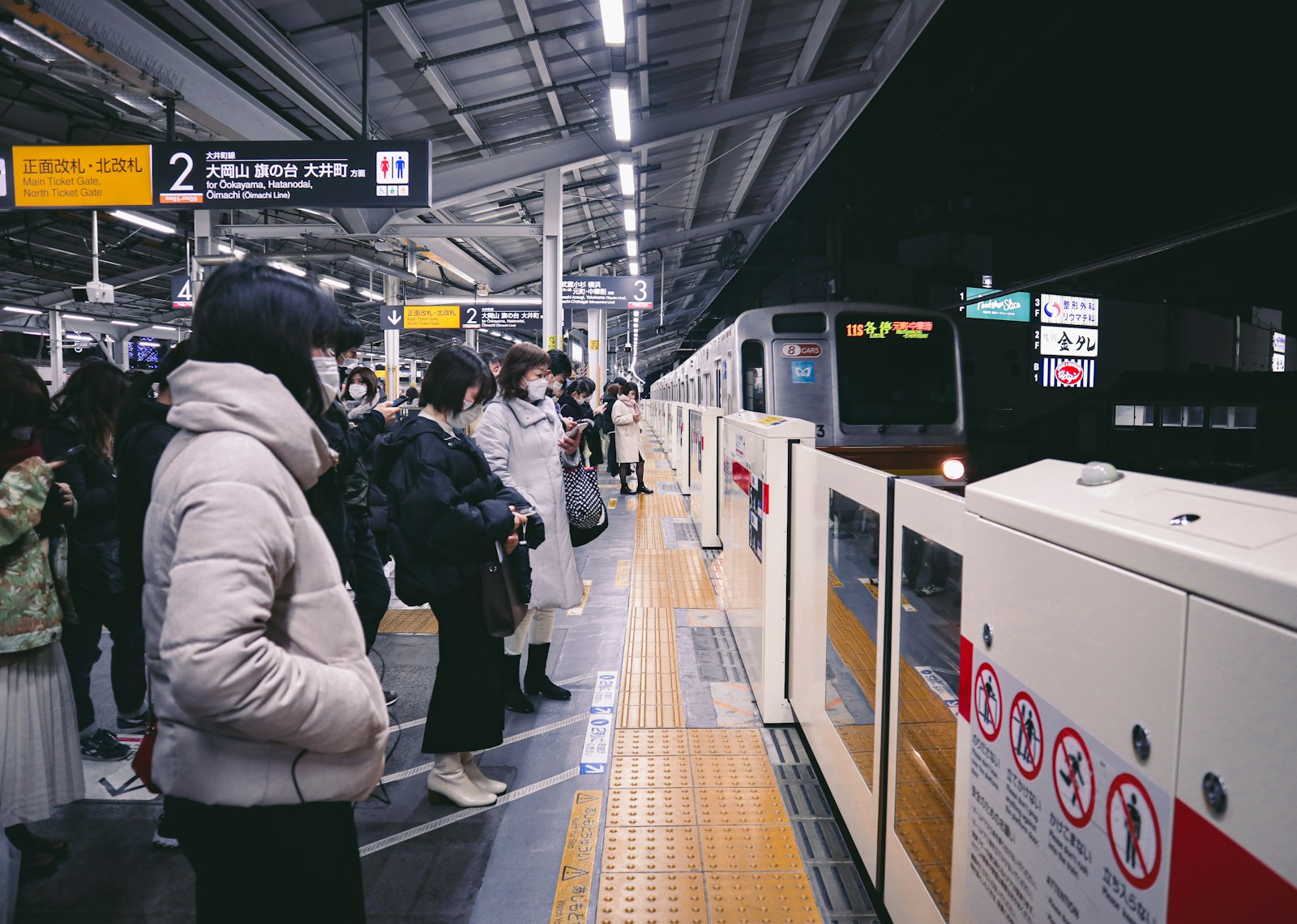
You can buy tickets at green ticket machines, at staffed ticket offices, or through the official online reservation platforms, which let you collect at the gate or scan a QR code. Booking online is the smoothest route for oversized-baggage seats and for locking in seat E. Same-day tickets are usually easy to get outside of peak holiday periods.
Finding the Right Platform
Tokyo Station is large, and the Shinkansen has its own set of gates separate from the local lines. Follow the blue signs marked “Tokaido Shinkansen” — not the JR local signs — and pass through the dedicated Shinkansen gates. Give yourself fifteen minutes if it is your first time; the walk from the local lines can take longer than expected.
Onboard Etiquette
Japanese trains run on quiet, and the Shinkansen is no exception. Keep phone calls to the deck between cars, set your phone to silent, and ask the person behind you before reclining fully. Queue at the marked spots on the platform, board in an orderly line, and the whole process moves quickly.
Onboard Amenities for the Journey
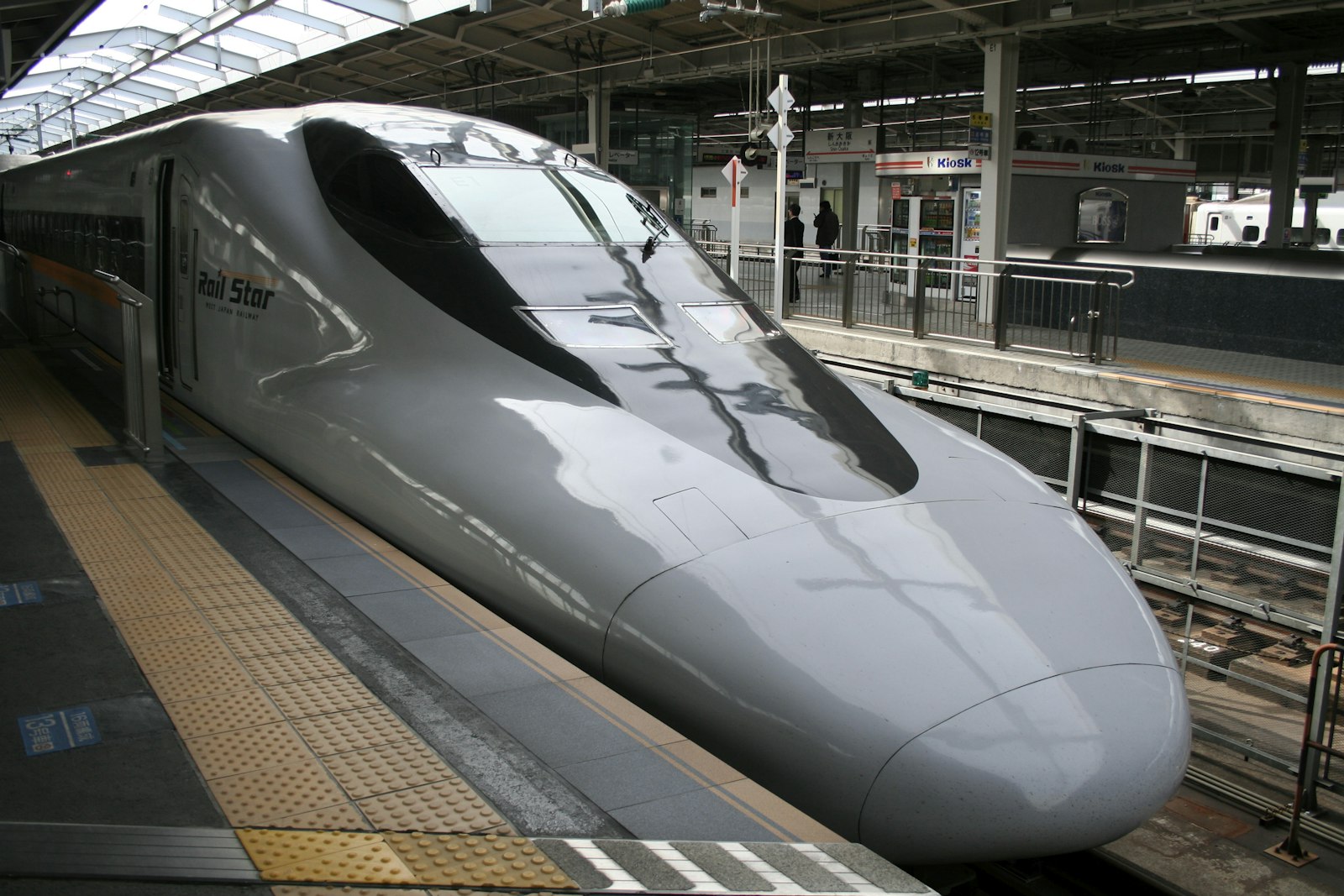
Power, Wi-Fi, and Comfort
Free Wi-Fi is available on the Tokaido line, though it can be patchy in tunnels. Power outlets keep your devices charged. Seats recline, there is a fold-down tray, and restrooms are clean and frequent throughout the train.
Ekiben: The Station Bento Tradition
Buying an ekiben — a boxed meal made for train travel — and eating it onboard is part of the experience, not a fallback. Tokyo Station has an enormous selection, from grilled eel to seasonal regional specialties. Pick one up before you board rather than relying on the onboard trolley, which carries a smaller range. A cold beer with your ekiben as Mount Fuji passes is a small ritual worth keeping.
Tokyo to Kyoto Shinkansen: Frequently Asked Questions
Can I use my Suica or IC card at the Shinkansen gates? Not directly for the Shinkansen fare in the same tap-and-go way as local trains, unless you have set up a linked Shinkansen service in advance. For most travelers, a paper ticket or a QR code from the online reservation system is the reliable method.
Do I need to book weeks ahead, or can I buy on the day? Outside of major holiday periods — New Year, Golden Week in early May, and the mid-August Obon week — same-day tickets are usually available. During those peaks, reserve well ahead, especially for oversized-baggage seats and the Green Car.
Can I bring my own food and drink onboard? Yes. Bento boxes, snacks, and alcohol are all fine and entirely normal. There is no dining car, so bringing your own meal is expected.
Related Tours
Conclusion
The trip from Tokyo to Kyoto rewards a little preparation. Decide whether you are riding Nozomi or Hikari based on your ticket, reserve seat E if you want the mountain, and measure your suitcase before you leave the hotel. Do those three things and the rest takes care of itself.
Plan Your Japan Trip with Local Experts
Our team has guided 40,000+ travelers across Japan. Tell us about your trip and we’ll get back to you within 24 hours.