In this article:
- The Speed Champions: Premium Express Trains to the City Center
- The Door-to-Door Option: Airport Limousine Buses
- Budget Travel: Low-Cost Buses and Local Trains
- Arriving at Narita: Collecting Your Travel Essentials
- Late-Night Arrivals: Taxis and Airport Accommodation
- Narita to Tokyo Transit: Frequently Asked Questions
Introduction
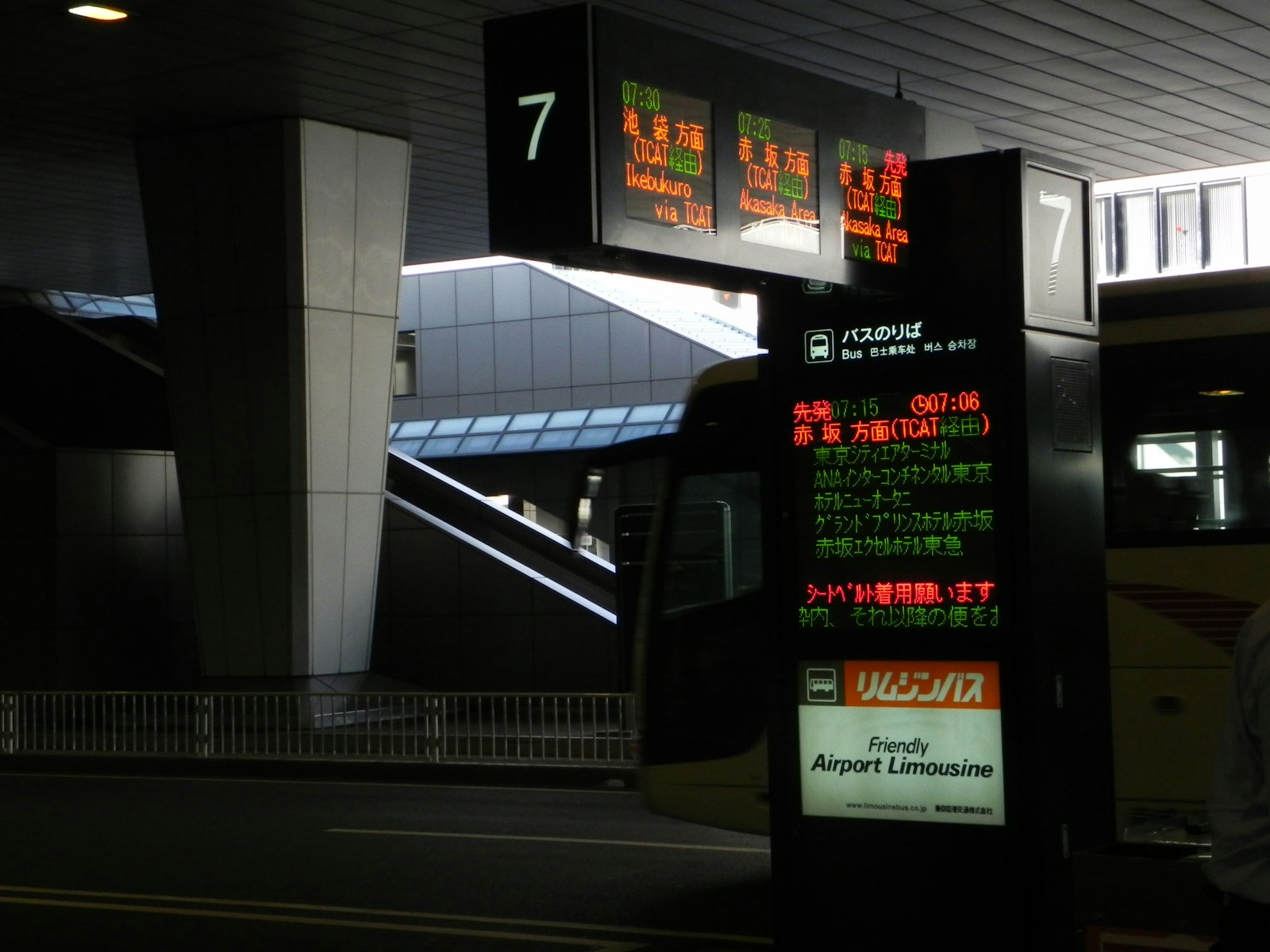
The single most useful thing to know before you land at Narita is your hotel’s nearest major station. That one detail decides your best route into Tokyo more than price or speed does. A traveler heading to Nippori wants a different train than one heading to Shinjuku, and someone with three large suitcases wants a bus, not a rush-hour train.
The trip takes roughly 40 to 90 minutes depending on how you travel. Here is how the main options compare.
The Speed Champions: Premium Express Trains to the City Center
Two express trains dominate the fast route into Tokyo, and they serve different parts of the city. Choose based on your destination, not on which name you recognize.
JR Narita Express (N’EX): Direct to Tokyo, Shibuya, and Shinjuku
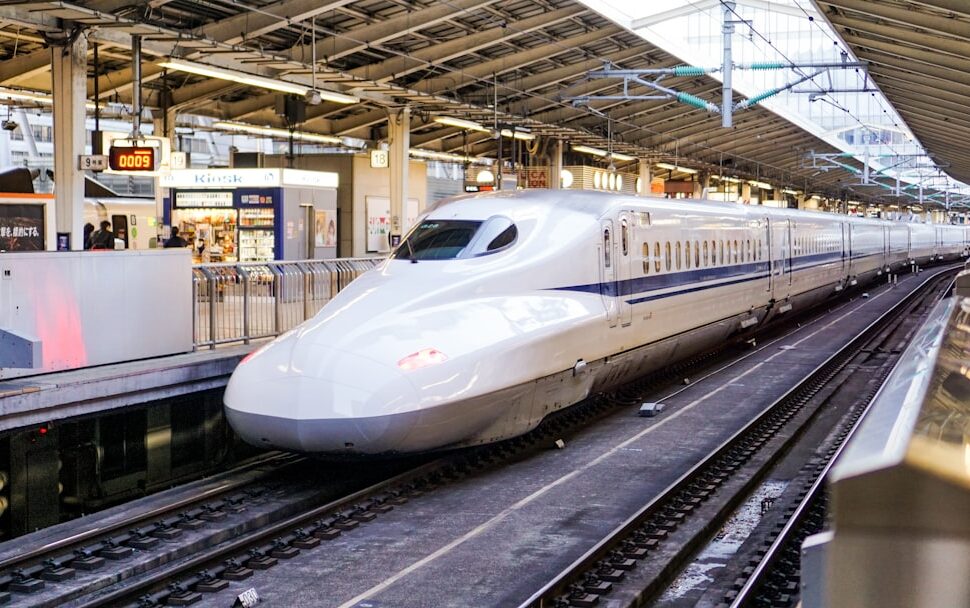
The Narita Express runs directly to Tokyo Station, then continues to Shibuya, Shinjuku, and beyond. It has generous luggage racks with a tag system to secure your bags, wide seats, and a smooth ride of about 55 minutes to Tokyo Station. If your hotel is on the western side of the city — Shinjuku, Shibuya — the N’EX drops you close without a transfer. It is covered by the Japan Rail Pass, which makes it the natural pick for pass holders.
Keisei Skyliner: To Nippori and Ueno in About 36 Minutes
The Keisei Skyliner is the fastest option on paper, reaching Nippori in around 36 minutes and Ueno a few minutes later. If you are staying in the northeast of the city — Ueno, Asakusa, or anywhere on the Yamanote loop reachable from Nippori — it is hard to beat. It is not covered by the JR Pass, but discounted tickets are widely available online in advance.
Finding Your Train from Terminals 1, 2, and 3
Both train lines run from the basement stations beneath Terminals 1 and 2, which share a single connected station level. Terminal 3, the low-cost carrier terminal, has no station of its own — you walk a covered corridor or take a free shuttle to Terminal 2 to reach the trains. Follow the clear signage; it is a short, well-marked route.
Expert Tip
Buy your Skyliner or N’EX ticket online before you fly. Both routinely offer discounted round-trip or foreign-visitor fares that are cheaper than buying at the counter, and having the ticket already in hand means you walk straight past the queue at the airport ticket window after a long flight.
The Door-to-Door Option: Airport Limousine Buses
Seated Comfort Straight to Major Hotels
The Airport Limousine bus runs directly to a long list of major hotels and terminal hubs across Tokyo. For travelers who would rather not navigate stairs, transfers, and crowded platforms after a flight, it is the least stressful choice. You stay in one seat from the airport to a stop near your hotel.
Let the Staff Handle Your Suitcases
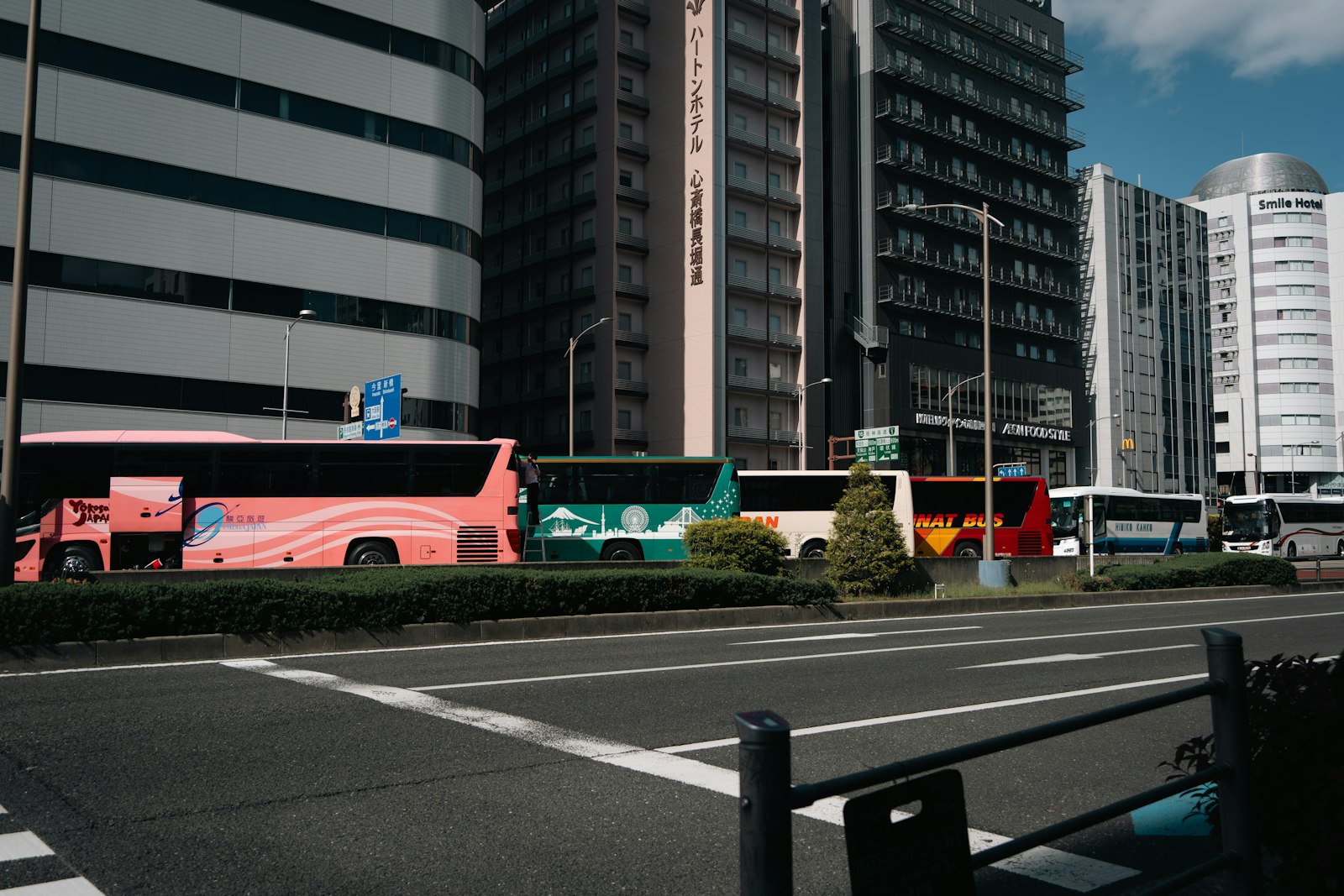
Bus staff load your heavy bags into the cargo hold and hand you a claim tag, so you carry nothing during the ride. For families or anyone traveling with oversized luggage, this alone can make the bus worth it over a train where you manage your own cases through gates and up escalators.
Factor in Traffic at Peak Hours
The trade-off is time. A bus takes 60 to 120 minutes depending on traffic, and the expressway into Tokyo can back up badly during morning and evening peaks. If you have a tight schedule, the train’s fixed timing is more reliable. If you value comfort over speed, the bus wins.
Budget Travel: Low-Cost Buses and Local Trains
Cheap Buses to Tokyo Station for Around 1,500 Yen
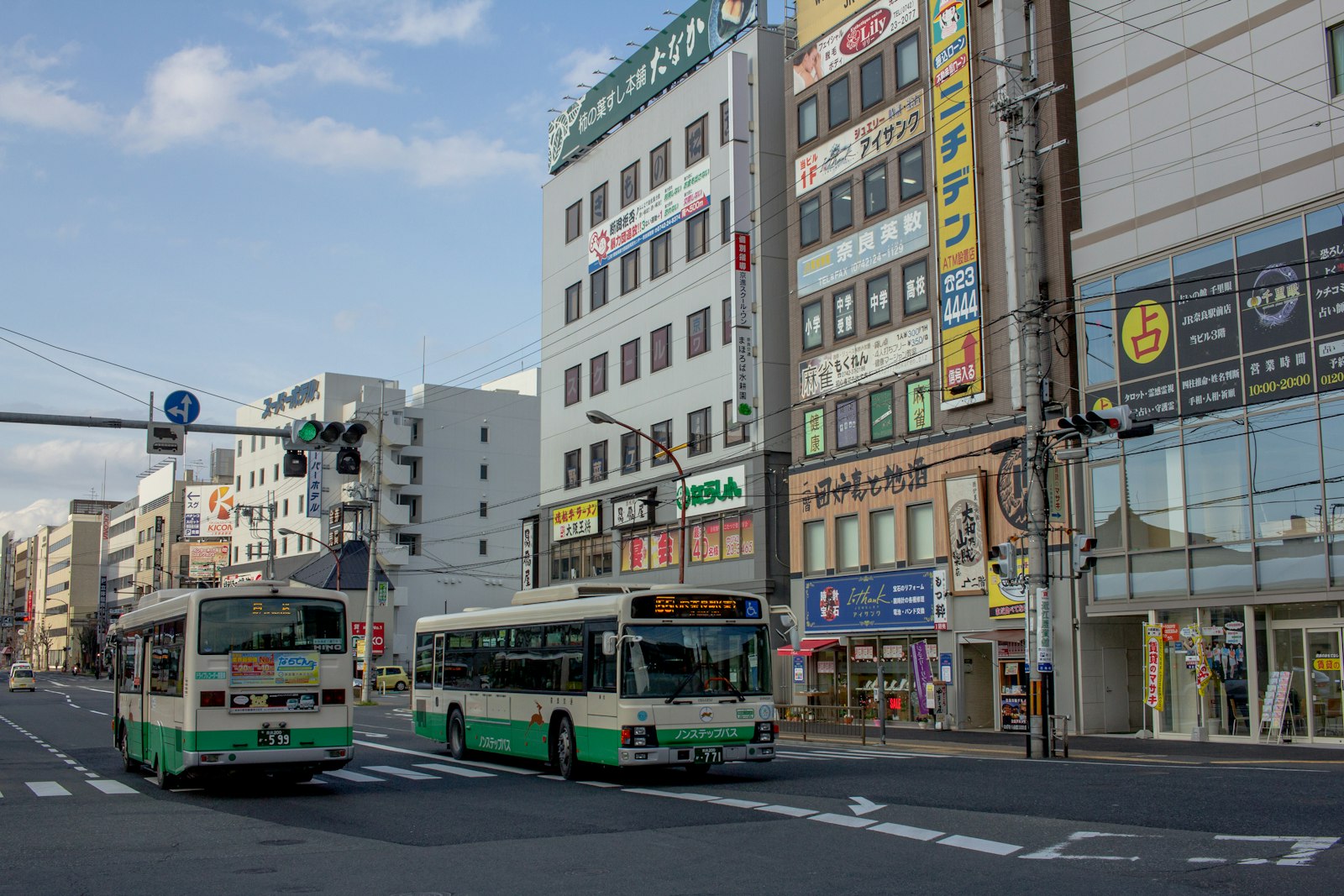
Several low-cost bus companies run to Tokyo Station for roughly 1,000 to 1,500 yen when booked ahead. They are a fraction of the express train fare and comfortable enough, though they share the same traffic risk as the limousine bus. Book online in advance, as walk-up seats can be limited.
Keisei Main Line: The Slow, Cheap Train
The Keisei Main Line limited express is the budget rail option — a regular commuter train that reaches Ueno for well under half the Skyliner fare. It takes around 75 minutes and stops frequently, but if you are watching yen and not carrying much, it does the job cleanly.
Getting to the Trains from Terminal 3
From Terminal 3, walk the marked access corridor to Terminal 2 or catch the free connecting shuttle, then take any of the trains or buses from there. Give yourself an extra ten to fifteen minutes for the transfer.
Arriving at Narita: Collecting Your Travel Essentials
Exchanging Rail Passes
If you have a Japan Rail Pass voucher, the JR East Travel Service Centers in Terminals 1 and 2 exchange it for the physical pass. Do this on arrival if you plan to ride the N’EX into the city on the pass — it saves a separate trip later.
Internet, SIMs, and ATMs
Pick up a pocket Wi-Fi router or activate an eSIM at the arrivals hall counters, and use the international ATMs (found at post bank and 7-Bank machines) to withdraw yen with a foreign card. Sorting connectivity and cash before you leave the airport removes two common first-day headaches.
Luggage Forwarding to Your Hotel
Japan’s luggage delivery service (takuhaibin) will send your suitcases directly to your hotel, usually by the next day, from counters in the arrivals area. For a modest fee you travel into the city hands-free — genuinely worth it if your first day involves moving around before check-in.
Late-Night Arrivals: Taxis and Airport Accommodation
Fixed-Fare Taxis
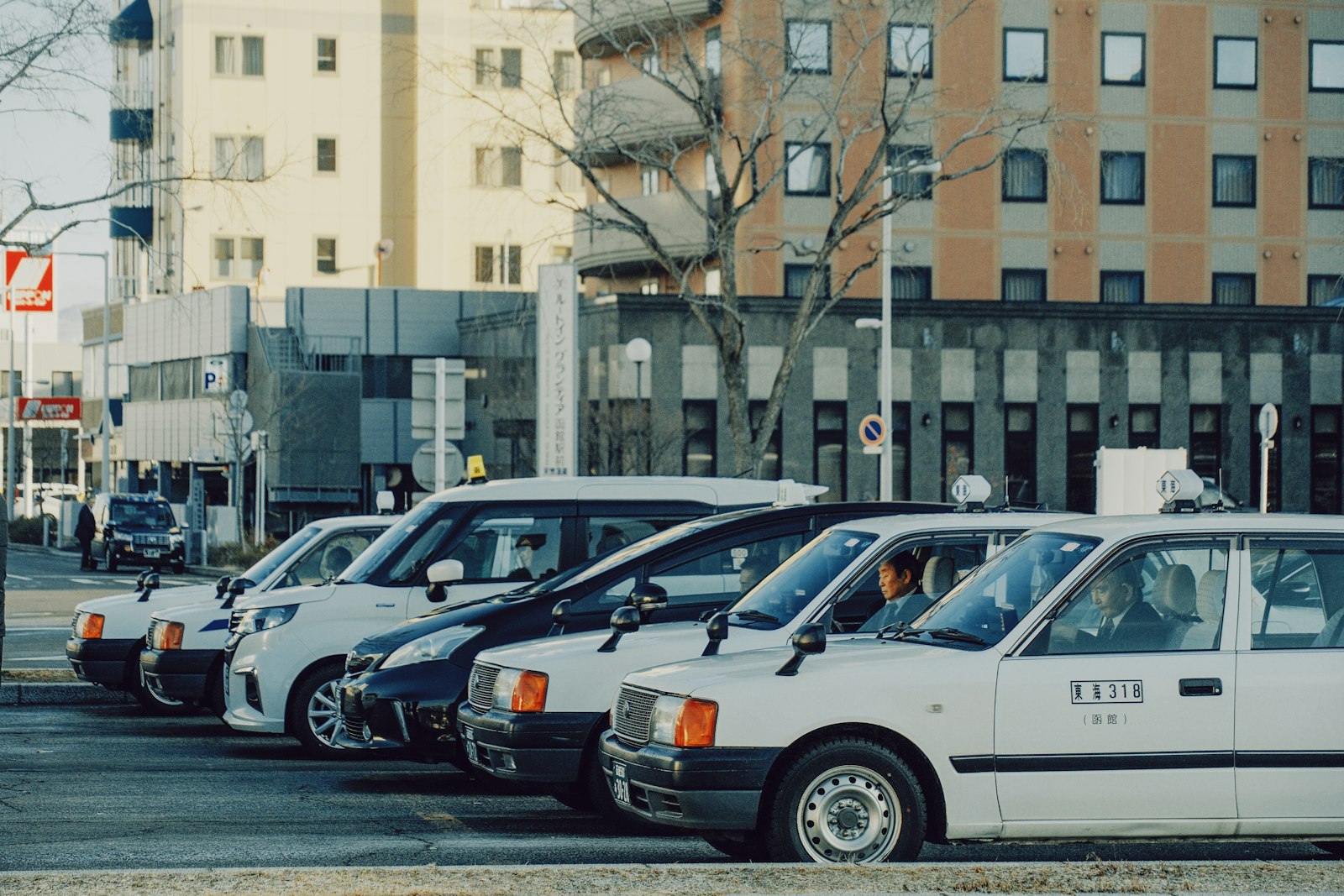
Fixed-fare taxis to central Tokyo exist and remove any meter surprises, but expect a high total once expressway tolls are added. They make sense for groups splitting the cost or for a late arrival when trains have stopped, less so for solo budget travelers.
Airport Capsule Hotels
If you land late and your onward train has finished for the night, a capsule or pod hotel inside or beside the terminal lets you sleep a few hours and travel in fresh the next morning. It is a practical, inexpensive fallback worth knowing about before you need it.
Transit Hotels Near Narita
Several full hotels sit adjacent to Narita with free shuttle service. For very early departures or very late arrivals, staying one night by the airport can be less exhausting than a midnight run into the city and back.
Narita to Tokyo Transit: Frequently Asked Questions
Which train is best if my hotel is in Shinjuku? The Narita Express (N’EX) runs directly to Shinjuku without a transfer, making it the simplest choice for the western city. The Skyliner is faster to Nippori but then requires a change onto the Yamanote line.
Do I need to reserve seats on the Skyliner or Narita Express? Both are all-reserved services, so you travel with a booked seat. You can reserve on the spot at the airport, but booking online in advance secures both your seat and a discounted fare.
How late do the trains run from Narita? The last express services generally leave in the late evening, around 21:00 to 22:00. If you land after that, plan for a bus, a fixed-fare taxi, or a night near the airport.
Related Tours


Conclusion
Match the route to your hotel and your luggage, and the trip from Narita is straightforward. Skyliner for the northeast and Ueno, Narita Express for Tokyo Station and the west, a bus if you have heavy bags and no rush, and a budget coach or local train if you are counting yen.
Plan Your Japan Trip with Local Experts
Our team has guided 40,000+ travelers across Japan. Tell us about your trip and we’ll get back to you within 24 hours.