In this article:
- Why a private tour works better in Kyoto than almost anywhere else
- What a private Kyoto day actually looks like
- How to customize your tour around your interests
- What a guide provides that independent travel doesn’t
- Practical details: cost, timing, and booking
- Frequently asked questions
Introduction
Kyoto has a tourist infrastructure problem. The city attracts 50 million visitors annually, concentrated into a relatively small historic core. The major sites — Fushimi Inari, Arashiyama, Kinkakuji, the geisha districts — are stunning places that are genuinely difficult to experience when shared with thousands of other people simultaneously.
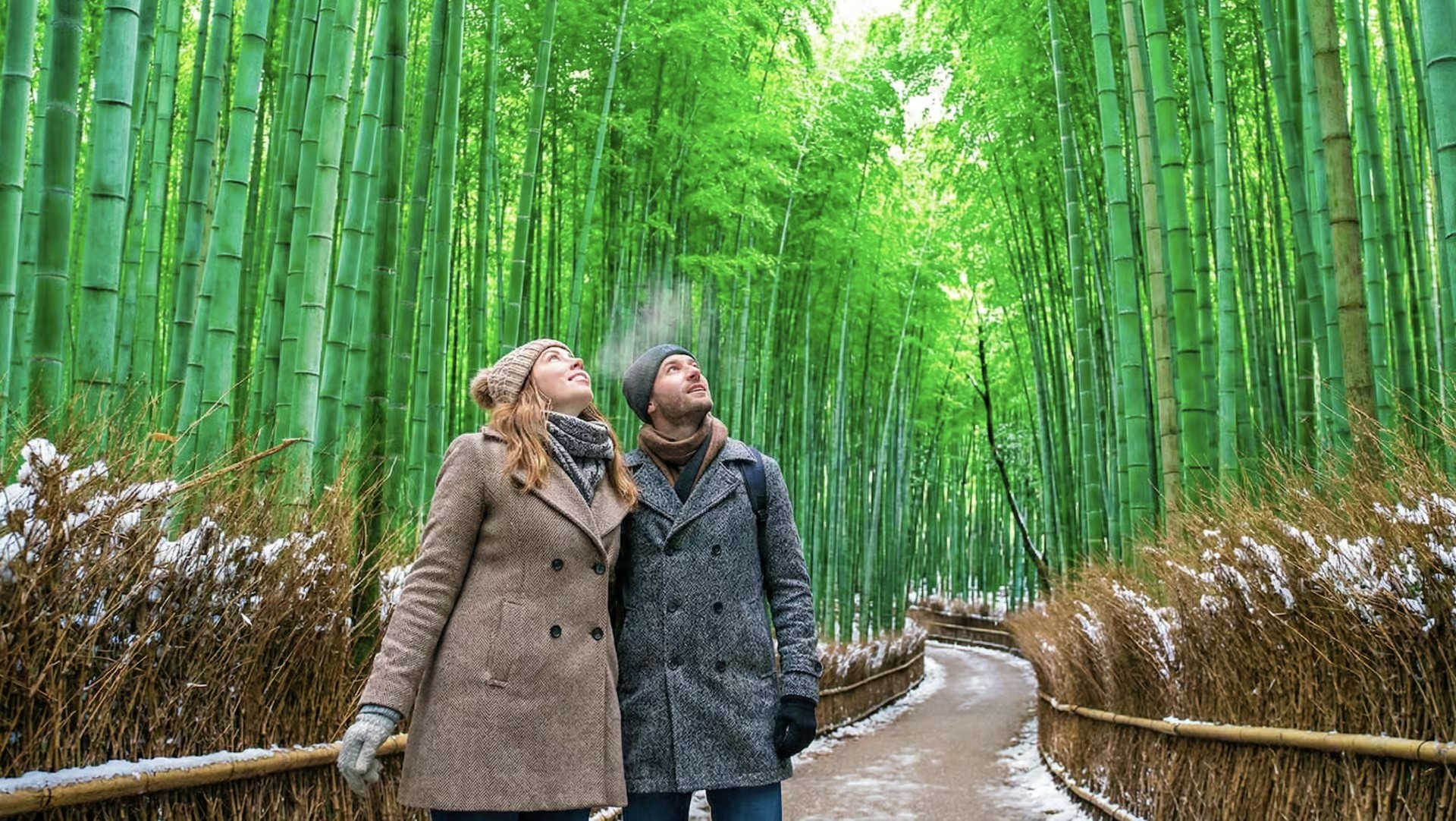
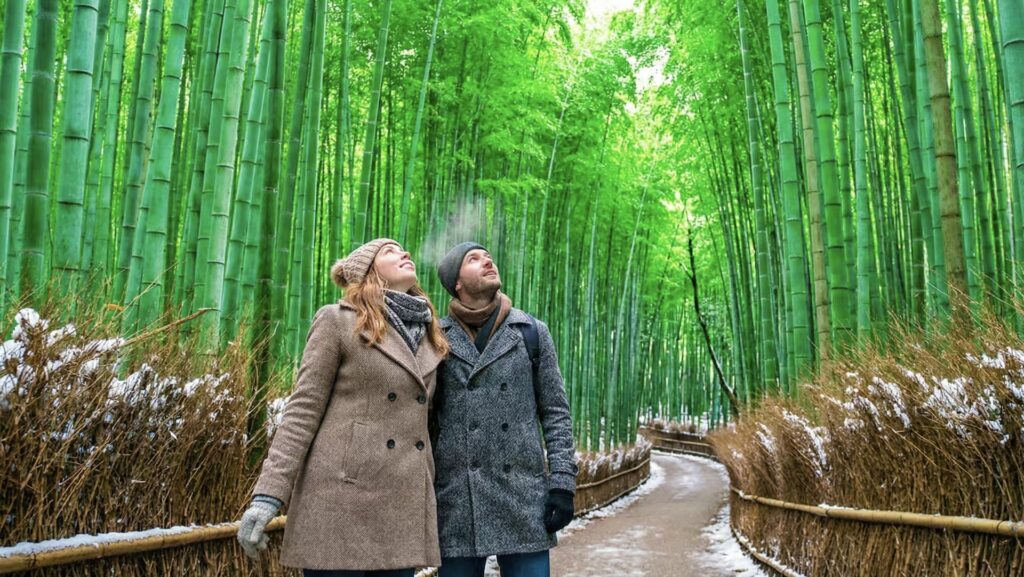
A private tour doesn’t solve the crowd problem. What it does is route around it. A local guide who knows the city knows when Fushimi Inari is empty (5:30am), which temple near Tofukuji gets identical autumn foliage at one-tenth the crowd density, and which specific angle on Arashiyama’s bamboo grove is worth the extra 20-minute walk. The guide also knows what to skip — saving hours that would otherwise be lost in queues for experiences that are better at a different time or from a different approach.
This is the core value of a private Kyoto tour: not access to places you couldn’t find yourself, but the judgment to be at the right place at the right time, with the context to understand what you’re looking at when you get there.
Why Private Tours Work Particularly Well in Kyoto
The Crowd Variable
Kyoto’s most famous sites are simultaneously world-class and overcrowded. Kinkakuji at 10am in November is a parking lot with a golden pavilion in it. Arashiyama’s bamboo grove at noon on a weekend is a shoulder-to-shoulder queue. The same places at 7am, or on a Tuesday in January, are entirely different experiences.
A guide who works Kyoto regularly knows the daily and seasonal crowd patterns. They can build an itinerary that front-loads the most popular sites for early morning and fills the afternoon with less-visited places that don’t require timing precision. That knowledge is worth a significant amount of planning time if you were to develop it yourself.
The Context Layer
Kyoto’s temples and shrines are not interchangeable. Each has a specific history, a specific sect of Buddhism or Shinto tradition, a specific reason it was built in that location at that time. Without context, they can blur together — “another beautiful garden, another wooden gate.” With context, the same garden becomes legible as a statement about the relationship between water and stone in Zen philosophy, or the specific political moment that required a daimyo to demonstrate his aesthetic credentials.
A good guide doesn’t lecture. They give you the one or two things about each place that make it distinct, and let the place do the rest.
What a Private Kyoto Day Actually Looks Like
A Sample Itinerary
A private day tour in Kyoto typically starts early — 7 or 7:30am — to catch the popular sites before the crowds arrive. A reasonable full-day structure:
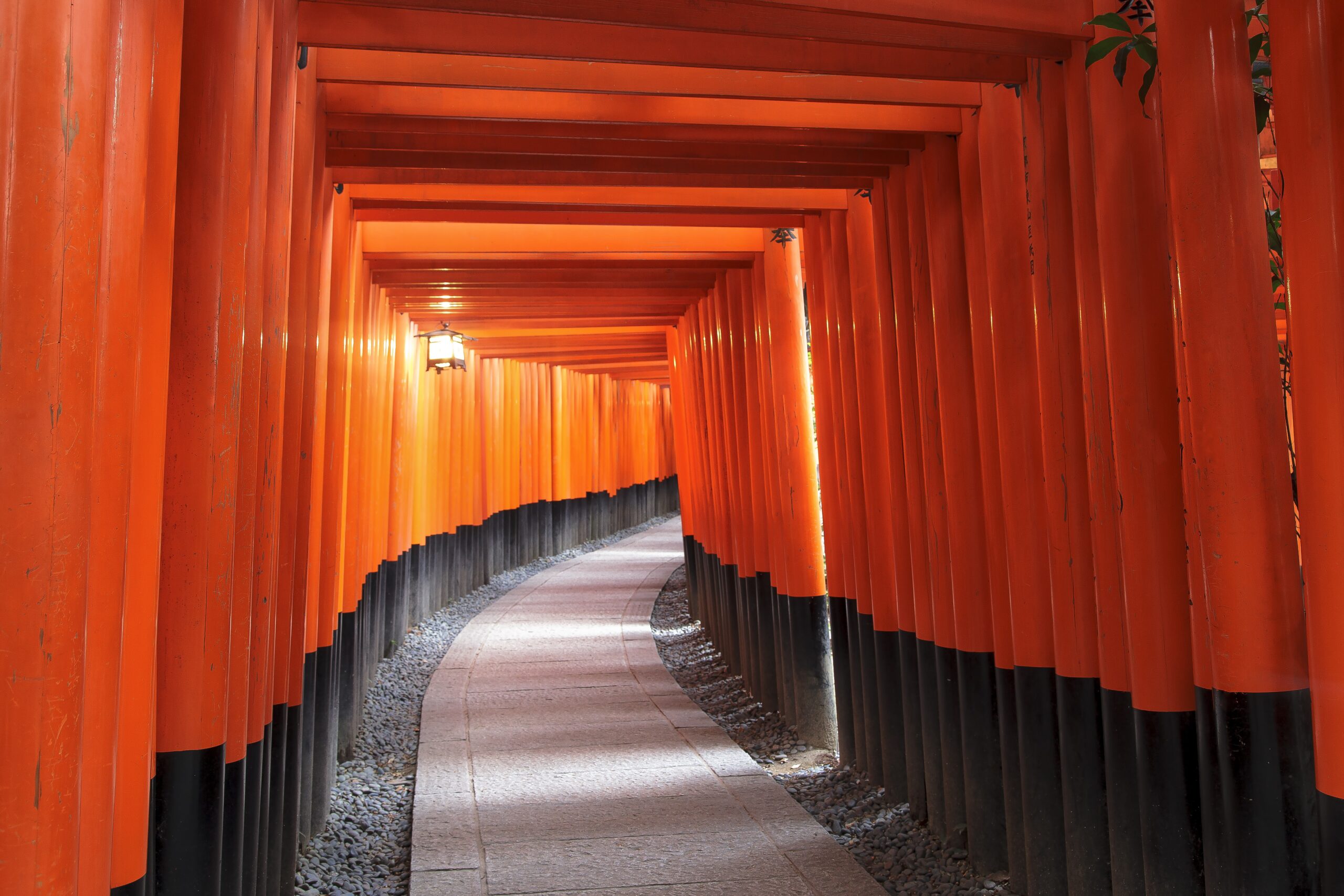
7am: Fushimi Inari — the lower gates and the first section of the mountain trail before the tour groups arrive. The torii gate tunnels are empty; the light comes through the gaps differently at this hour.
9:30am: Tofukuji or Nanzenji — both offer gardens and architecture of comparable quality to the most famous sites, with a fraction of the visitor density.
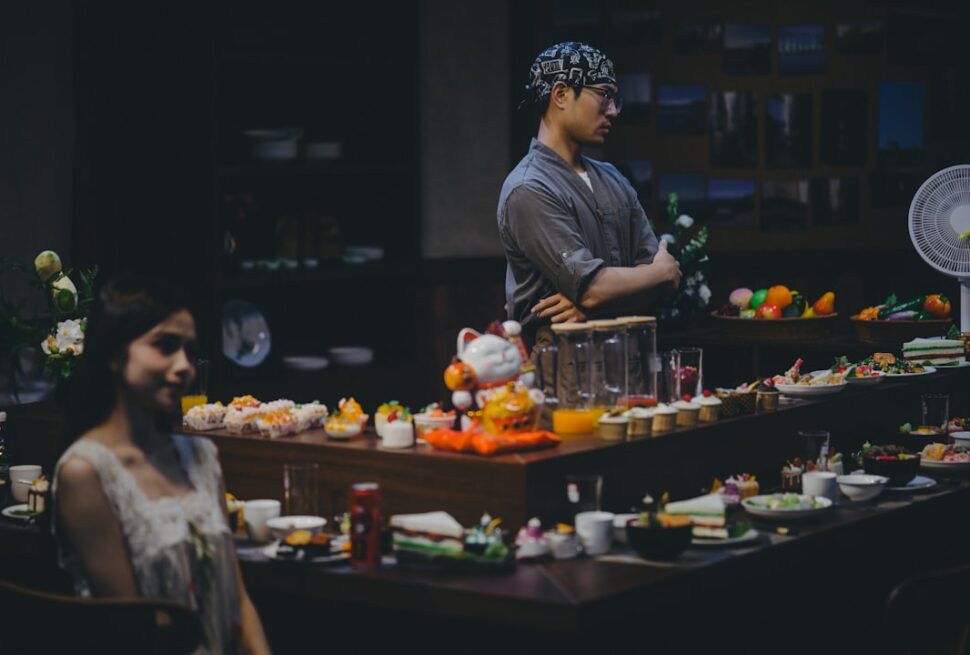
12pm: Lunch — the guide knows which restaurant in which neighborhood is doing something specific to the current season. Obanzai set lunch at ¥1,500–2,000, or a kaiseki preparation for visitors who want the full experience.
2pm: Arashiyama — the bamboo grove, Tenryuji’s garden, the quieter temples on the hillside above the main drag. Mid-afternoon in autumn is better here than morning for the light.
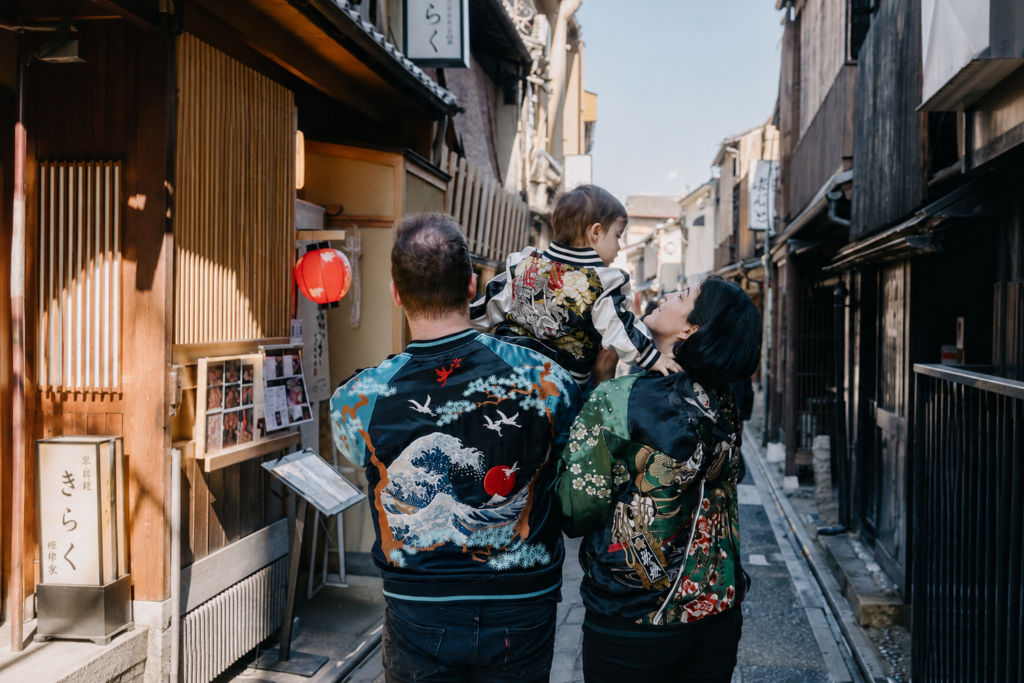
5pm: Gion — the guide knows which corners of Hanamikoji give you the best chance of seeing a geiko heading to an evening appointment, without the crowd pressure.
Flexibility Is the Point
The above is a structure, not a fixed itinerary. Private tours adapt to pace, energy, and interest. If the Nanzenji aqueduct sparks a genuine curiosity about Meiji-era engineering, the afternoon changes. If the kaiseki lunch runs long because the sake pairing produced an interesting conversation, the afternoon is edited accordingly. Group tours cannot do this. Private tours exist for exactly this flexibility.
How to Customize Around Your Interests
For Food and Sake
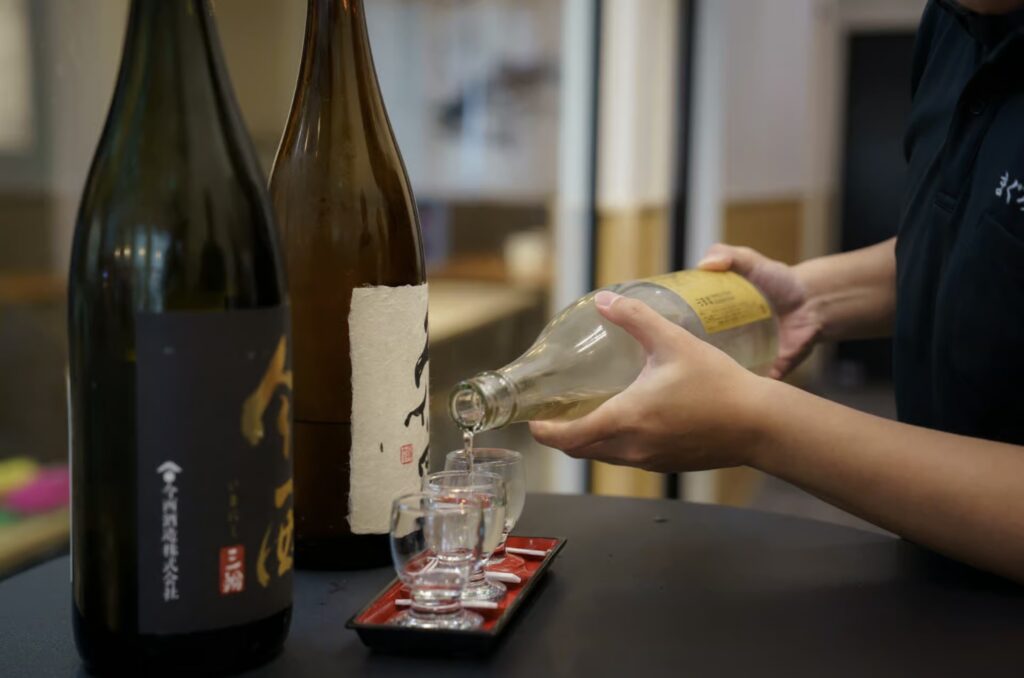
A food-focused private day in Kyoto can run from Nishiki Market in the morning through a sake brewery in Fushimi in the afternoon, with a Pontocho evening kaiseki dinner as the conclusion. A guide who knows the breweries personally can arrange a proper tasting session rather than a standard tourist walk-through.
For Architecture and Gardens
Kyoto has enough sub-temple gardens and tea house architecture that a serious architecture-focused day would never repeat itself. The guide can access smaller sub-temples within larger complexes (like Daitokuji’s various sub-temples) that aren’t promoted to general visitors and take reservations for the best ryoanji viewing times.
For Photography
The light in Kyoto changes dramatically across the day and season. A photography-focused tour is built around light — which site faces east for morning light, which gate structure catches the afternoon orange. A guide who knows the city can position you at Fushimi Inari when the mist sits in the valley below the upper torii, or at Nanzenji when the maple trees catch the last horizontal light of an autumn afternoon.
Expert Tip
When booking a private Kyoto tour, specify your pace preference upfront. Some travelers want to cover more ground; others want to spend two hours at one temple and understand it properly. The best private tour guides will ask you this question themselves — but if they don’t, tell them. A slow-paced itinerary with three sites and proper time at each is almost always more satisfying than six sites with 45 minutes each.
What a Guide Provides That Independent Travel Doesn’t
Beyond the crowd management and historical context, a Kyoto guide provides practical language support in situations where it genuinely matters. This includes getting the restaurant reservation confirmed the morning of, communicating a dietary restriction to a kitchen that doesn’t speak English, and navigating a conversation with a temple staff member who can explain something about the site that isn’t in the guidebook.
Beyond the practical, there’s the serendipitous. A guide who grew up in Kyoto or has lived there for years has personal connections — the sake brewer who will show you the fermentation tanks if asked, the textile maker in Nishijin who demonstrates the loom because the guide introduced them to a traveler who turned into a repeat customer. These encounters don’t happen on schedule.
Practical Details: Cost, Timing, and Booking
Cost
Private day tours in Kyoto from reputable operators run ¥25,000–50,000 per group (not per person) for an 8-hour day, excluding entrance fees and meals. For a couple or family of three or four, the per-person cost competes with or beats high-quality group tours while delivering a substantially better experience.
Booking Lead Time
During peak seasons — cherry blossom (late March–early April) and autumn foliage (mid-November) — private tour guides in Kyoto book out 2–3 months in advance. Outside peak season, 2–4 weeks is typically sufficient. Book earlier rather than later.
What to Tell Your Guide in Advance
The more information your guide has before the day, the better they can prepare. Useful things to communicate: your pace preference, any physical limitations (stone steps, steep climbs), dietary restrictions, specific interests (food, architecture, history, photography), and whether you prefer more conversation or more quiet walking time.
Frequently Asked Questions
Is a private tour worth the cost in Kyoto? For most travelers, yes — particularly during peak seasons when crowd management alone justifies it. The guide’s knowledge of timing and pacing typically produces a better experience than independent travel at the same sites.
How many people can join a private tour? Private tours accommodate any group size, though the dynamics change above 6–8 people. TJT’s private tours work best with 1–6 people.
Do I need to speak Japanese? No. Your guide handles all communication — restaurants, temples, transportation, taxis.
Related Tours

Conclusion
Kyoto rewards preparation. The travelers who have the best experiences are almost always those who understood the timing, the crowd dynamics, and the context before they arrived. A private guide does that preparation for you — and adds the judgment that comes from knowing the city across seasons and situations. For a destination as layered as Kyoto, that’s worth something.
Plan Your Japan Trip with Local Experts
Our team has guided 40,000+ travelers across Japan. Tell us about your trip and we’ll get back to you within 24 hours.