In this article:
- What Is Here
- The Roundhouse and the Steam Ride
- Simulators and the Diorama
- The Terrace and Eating in a Dining Car
- Access, Timing, and Umekoji Park
- Kyoto Railway Museum: Frequently Asked Questions
Introduction
Most railway museums are collections of stationary objects. This one has a roundhouse from 1914 with live steam in it.
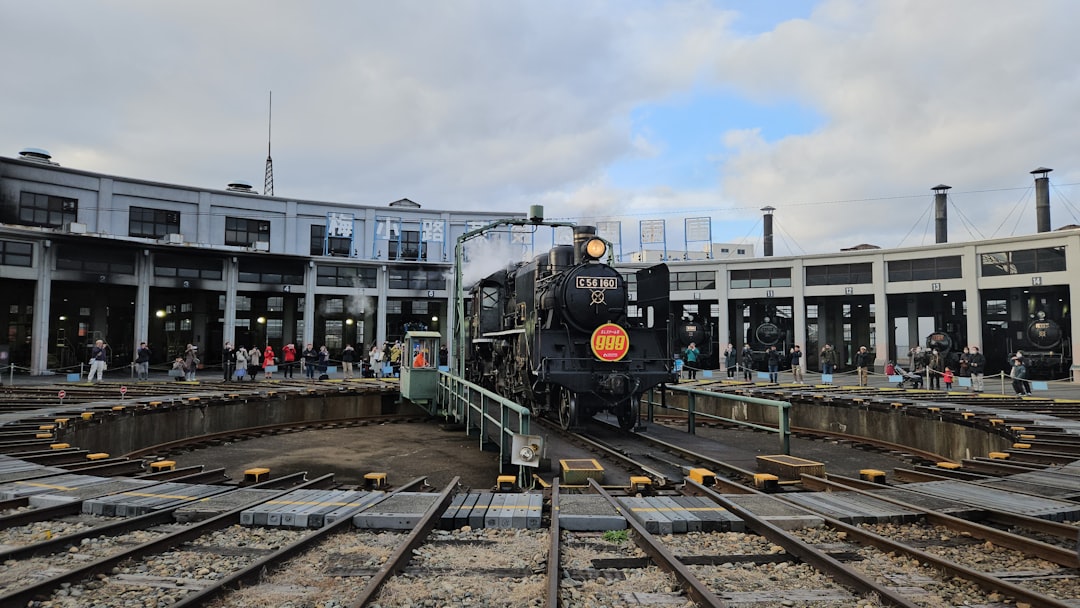
That is the difference, and it is why the Kyoto Railway Museum is worth a visit from people with no particular interest in trains. The Umekoji roundhouse is a designated Important Cultural Property, twenty locomotives sit in a fan around a working turntable, and several of them are operational. You can watch an engine be rotated. You can ride behind one.
The museum opened in 2016, absorbing the old Umekoji steam museum and the collection from the closed Modern Transportation Museum in Osaka. It is fifteen minutes from Kyoto Station, in a park, next to an aquarium.
What Is Here
Fifty-three vehicles across three floors and an outdoor area, arranged roughly by era.
The Big Three at the Entrance
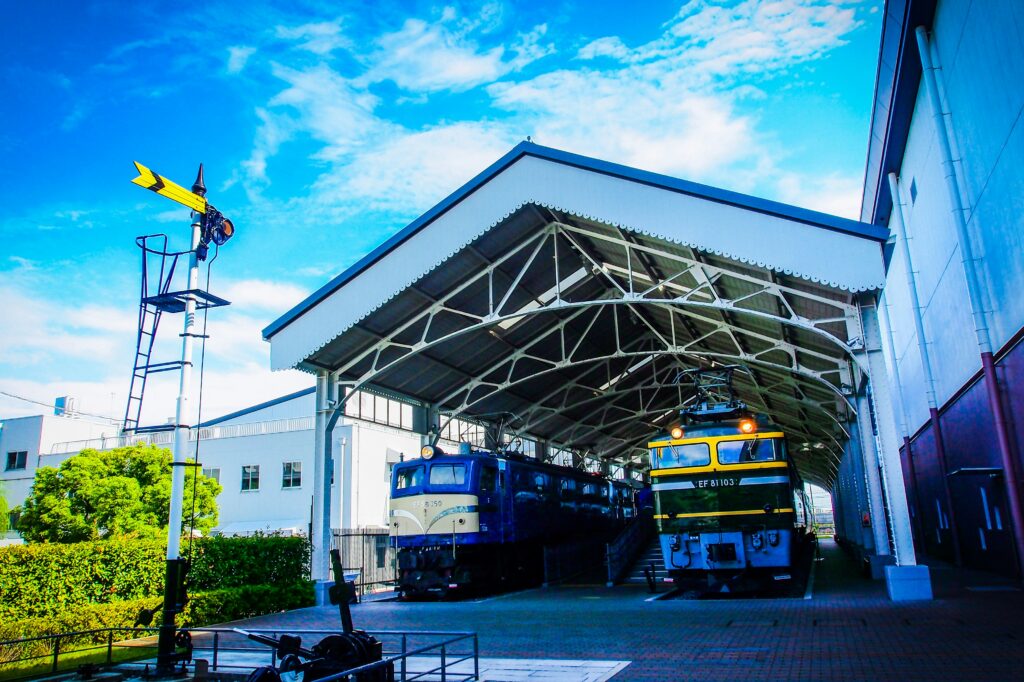
The entrance hall sets the scale immediately with three vehicles side by side: a C62 steam locomotive, a 0 series Shinkansen car from 1964, and a Kuha 86 postwar express.
The exhibit makes its point by placing you between the steam engine and the original bullet train and showing that only about forty years separate them. The point lands.
The 0 series is the one to spend time on. Its rounded nose is a shape everyone recognises, and the interior — cloth seats, ashtrays, a design language of the mid-1960s — is a period piece.
The Main Hall
The ground floor holds the bulk of the rolling stock: limited express units in their original liveries, a 500 series Shinkansen, freight locomotives, and postal and dining cars.
Several are open to walk through. Undercarriages are viewable from a pit beneath one exhibit, which is the sort of access that a working railway can offer and a static display cannot.
The engineering exhibits on the upper floors cover signalling, braking, track construction, and safety systems, with a large amount of it operable by hand. Levers move, signals change, and children queue for them.
English Labelling
Good, and better than at most Japanese museums of this type. Major exhibits carry English panels and the layout is legible without reading anything.
Announcements for the turntable demonstration and the steam ride are primarily in Japanese with some English. Check the daily schedule board at the entrance rather than relying on hearing an announcement.
Expert Tip
Get the day’s timetable at the entrance and build the visit around three fixed events: the turntable demonstration, the steam locomotive ride, and the simulator lottery draw. Everything else here is available all day and these are not. Travelers who wander in and drift through the halls consistently discover at four in the afternoon that the steam ride finished at three-thirty.
The Roundhouse and the Steam Ride
The reason this museum is different from every other one in the country.
The Umekoji Roundhouse
Built in 1914 as a working engine shed, semi-circular, with tracks radiating from a central turntable into twenty bays. It is Japan’s oldest surviving reinforced concrete roundhouse, and the government has designated it an Important Cultural Property.
No one ever converted it into a museum building. It remains a maintenance facility with the original machinery inside, and the locomotives still stand on the tracks where workers once serviced them.
The smell is the thing nobody writes about — coal, oil, and hot metal, in a building that has smelled that way for over a century.
The Turntable
The turntable operates on a scheduled demonstration, rotating a locomotive in front of the assembled roundhouse.
It takes a few minutes and draws a crowd. Position yourself on the raised viewing area rather than at ground level for the photograph that shows the fan of engines behind the rotating one.
Where the schedule permits, engines are moved under their own steam. Times are on the day’s board.
SL Steam
A working steam locomotive pulls passenger carriages roughly a kilometre out and back along a dedicated track, several times a day.
It is short — around ten minutes — and it carries a small additional fee on top of admission. The open-sided carriages let you fully experience the smoke and noise.
Book or collect the ride ticket when you arrive rather than later. Runs sell out on weekends and the last departure is well before closing.
Which locomotive is in steam varies by day and by maintenance cycle. Enthusiasts should check the museum’s site, which publishes the roster.
Simulators and the Diorama
Two indoor draws, one of which requires luck.
The Driving Simulators
Full-cab simulators for several train types, using real control equipment and projected route footage.
Access is by lottery. You enter at a machine inside the museum during the stated window, and the museum draws the results for each session. Winning is not likely on a busy day and there is no way to improve the odds beyond entering as early as possible.
Enter the draw first thing on arrival. It costs nothing, and if you are unlucky you have lost nothing but thirty seconds.
The building also offers simpler simulators that visitors can use freely, and these generally satisfy children.
The Diorama
A large HO-gauge model railway, among the biggest in Japan, running scheduled shows in which the lighting cycles from day to night while multiple trains operate.
Shows run several times daily and last around fifteen minutes. Seating is limited and fills before the start.
The modelling is excellent and the show is genuinely well staged. It is also the best place in the building to sit down, which matters by mid-afternoon.
The Hands-On Exhibits
Signal levers, points, ticket gates, an ATS demonstration, and a section on how track is laid and maintained.
These are aimed at children and are used by everyone. The exhibit explaining how Japanese railways achieve their timekeeping is worth reading properly — it is the answer to a question every visitor to Japan has already asked themselves.
The Terrace and Eating in a Dining Car
Two things people miss because they are not exhibits.
The Sky Terrace
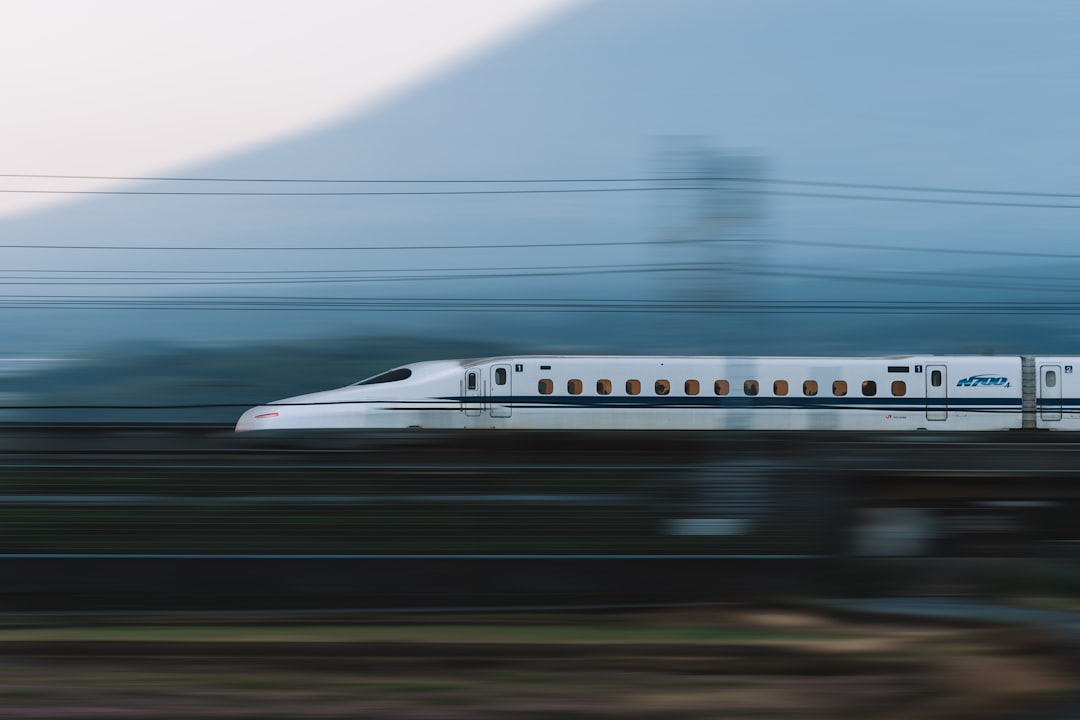
The third-floor roof terrace overlooks live JR lines including the Tokaido Shinkansen, and trains pass constantly.
This is the best free view in the museum and it is genuinely absorbing — bullet trains at speed, local services, and freight, on parallel tracks, several a minute. On a clear day you can see across to the Kyoto hills.
Allow twenty minutes. Bring the children here when the halls have exhausted them.
The Restaurant
Overlooks the tracks, serves railway bento and standard family fare, and is priced reasonably. The window seats face the Shinkansen line.
Ekiben — station lunch boxes — are sold and are the correct thing to order here. They are a genuine Japanese travel tradition and this is a legitimate place to encounter one.
The Preserved Dining Car
A retired dining car in the outdoor area is open as a seating area where you can eat your own food.
Sitting at a real dining car table with a bento is a better lunch than the restaurant, costs less, and is the sort of detail that a museum run by railway people thinks of. It is also sheltered, which matters in Kyoto in August.
Expert Tip
Buy your ekiben at Kyoto Station before coming, not at the museum. The station concourse has a dedicated bento hall selling boxes from across the country, including the famous regional ones, at a fraction of what a museum restaurant charges. Then eat it in the preserved dining car. That single substitution turns a routine museum lunch into the best twenty minutes of the visit.
Access, Timing, and Umekoji Park
Easy to reach and easy to combine.
Getting There
Umekoji-Kyotonishi Station, on the JR Sagano and San-in line, is about two minutes’ walk and opened specifically to serve the park. One stop from Kyoto Station.
Alternatively it is a twenty-minute walk from Kyoto Station along the west side, or a short bus ride. The walk is unremarkable but flat and straightforward.
The museum closes one day a week and over the New Year period. Confirm on the official site before planning around it.
How Long to Allow
Three hours for a general visitor. Four to five for anyone with a genuine interest, and enthusiasts routinely stay all day.
With children, three hours is about the limit before the hands-on exhibits stop working. The terrace and the steam ride are the two elements that reliably re-energise a flagging group.
Kyoto Aquarium and the Park
Umekoji Park holds both the railway museum and the Kyoto Aquarium, a few minutes apart, plus a large lawn and a small train for young children.
The aquarium is good, focused on the rivers of Kyoto as well as marine species, and holds giant salamanders — a genuinely strange animal that most visitors have never seen. Doing both museums in one day is possible and long; doing one and the park is better.
This corner of Kyoto is also a practical answer to the question of what to do on an arrival or departure day, being a few minutes from the station with luggage lockers available.
Kyoto Railway Museum: Frequently Asked Questions
How does the simulator lottery work?
You enter at a terminal inside the museum during a defined window, and successful entries are drawn for each session slot. It is free to enter and the odds depend entirely on how busy the day is — weekday mornings are considerably better than weekend afternoons. Enter as soon as you arrive, because the entry window closes well before the last session. If you are not drawn, the simpler simulators elsewhere in the building are freely available with a short queue, and for most visitors including most children they are sufficient.
Is the museum accessible for pushchairs and wheelchairs?
Yes, and unusually well. Lifts serve all floors, the halls are wide and flat, accessible toilets are provided, and pushchairs can be borrowed. The roundhouse and outdoor areas are on level ground with some cobbled and track-crossing sections that require a little care. The steam ride has step access to the carriages; ask staff at the ticket point about assistance, which they are used to providing.
How much time do I need to see everything?
Three hours covers the museum properly for a general visitor: the main hall, the roundhouse, one scheduled event, the terrace, and lunch. Four to five hours if you want the steam ride, the diorama show, the turntable demonstration, and time in the engineering exhibits — those are separated by fixed schedules that force gaps. Railway enthusiasts should plan a full day and check the locomotive roster in advance.
Related Tours

Conclusion
Take the timetable at the door and work backwards from the scheduled events. The roundhouse, the turntable, and the steam ride are the things you cannot get elsewhere, and all three run to a clock.
Then go up to the terrace and stay longer than you planned. Watching bullet trains pass at two-minute intervals from a roof above a 1914 engine shed is the whole argument of this museum in a single view, and it does not cost anything extra.
Plan Your Japan Trip with Local Experts
Our team has guided 40,000+ travelers across Japan. Tell us about your trip and we’ll get back to you within 24 hours.