In this article:
- Getting to Kawagoe From Tokyo
- Kurazukuri Street, the Bell Tower, and Candy Alley
- Kita-in, the Castle Palace, and Hikawa Shrine
- Eating, Timing, and a Route for the Day
- Kawagoe Day Trip: Frequently Asked Questions
Introduction
Most people plan a Kawagoe day trip as a half-day filler between larger Tokyo sights. It deserves more thought than that.
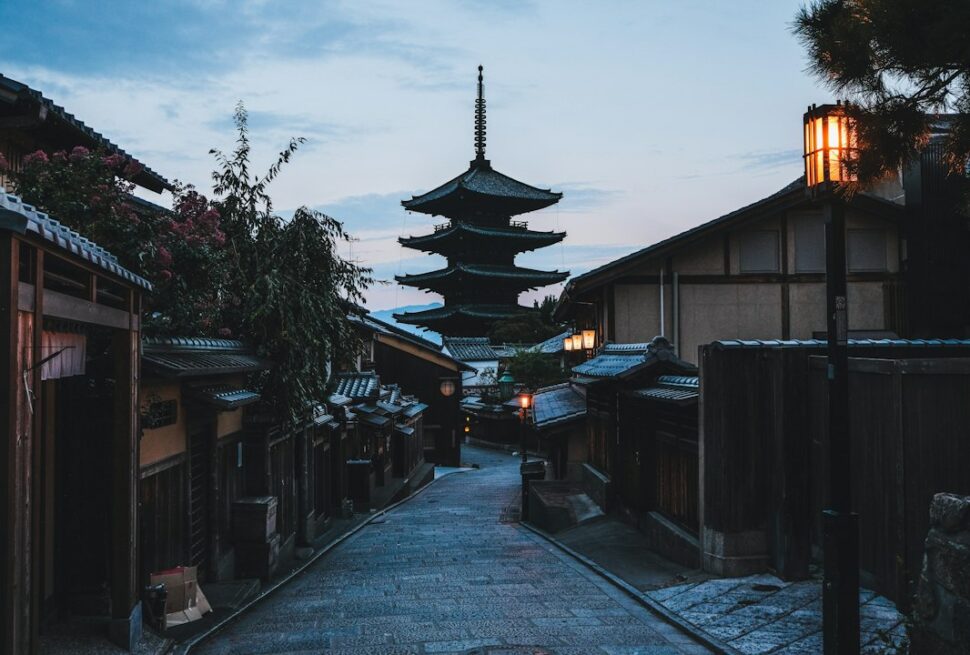
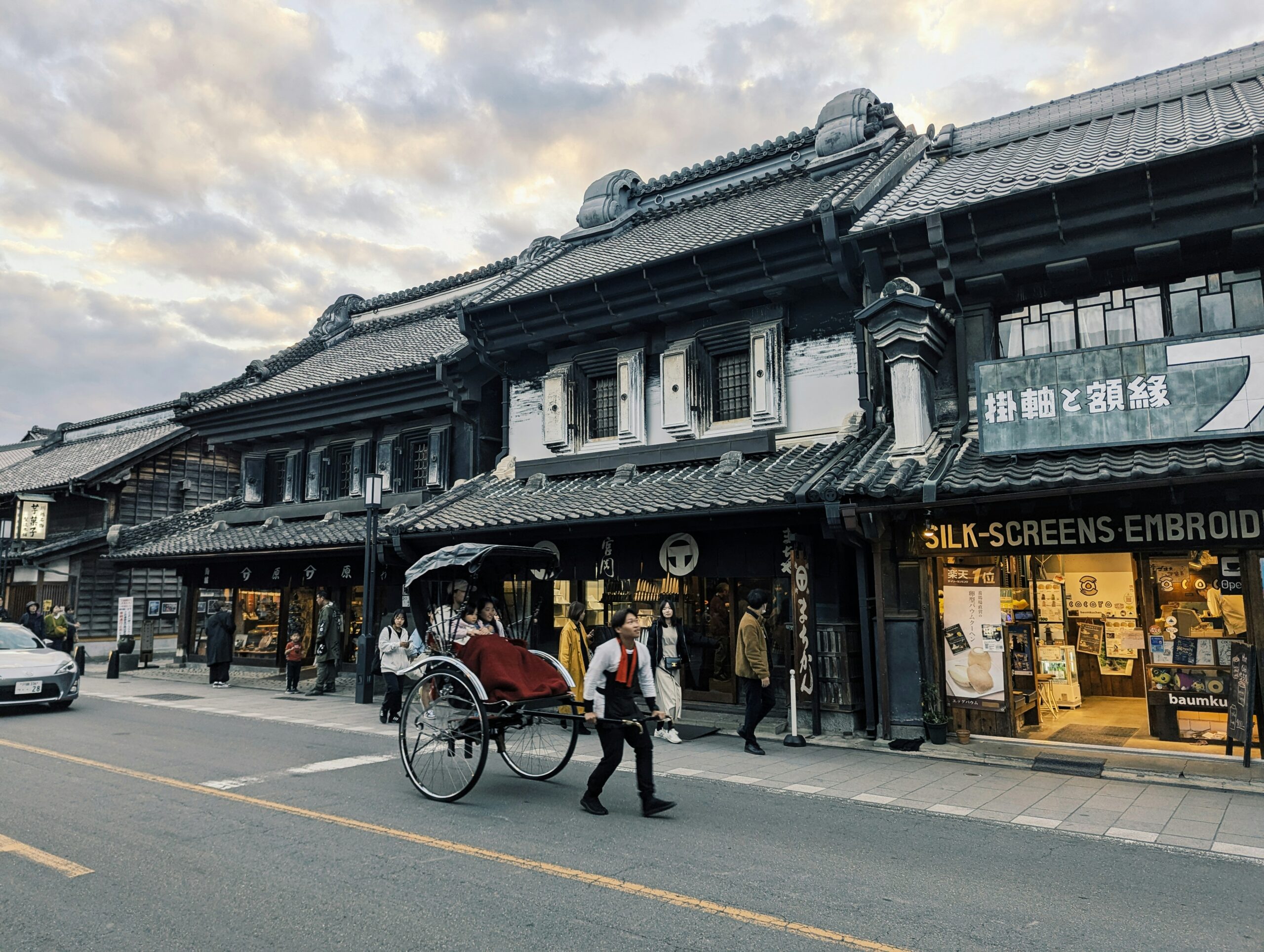
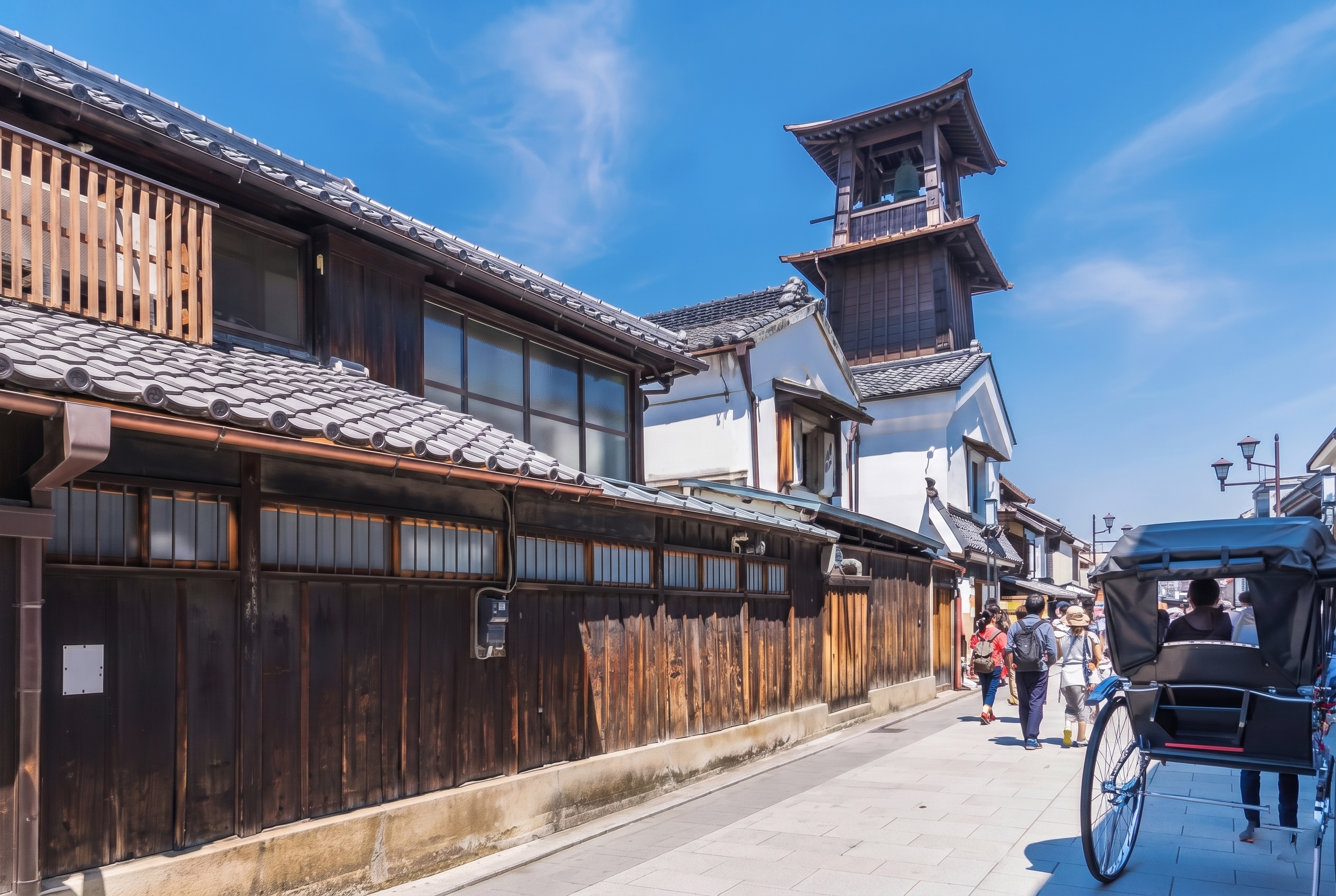
The train from Ikebukuro takes about thirty minutes and sets you down in a commuter suburb that could be anywhere in greater Tokyo. Walk north, though, and the shopfronts change. Heavy black walls of plastered clay, deep tiled roofs, doorways set into walls so thick you notice them as you step through: these are kurazukuri, the fireproof merchant houses Kawagoe built in the 1890s, and a whole street of them is still trading.
Tokyo had buildings like these once. Almost all of them went in the 1923 earthquake and the air raids of the Second World War. Kawagoe kept its own, which is why it is called Koedo, Little Edo, and why it is the nearest you can come to walking through the old capital’s merchant streets. For travelers who have already seen Asakusa and want an older Japan without the long rail journey to Kyoto, it is the day trip we suggest first.
Getting to Kawagoe From Tokyo
Three railways run to Kawagoe, and the right one depends on where you are staying rather than on which is fastest.
The town has two stations that matter. Kawagoe Station, served by JR and the Tobu Tojo Line, sits at the southern edge of the town centre. Hon-Kawagoe, the Seibu terminus, is closer to the old streets, roughly a 10 to 15 minute walk from the warehouse district.
From Ikebukuro on the Tobu Tojo Line
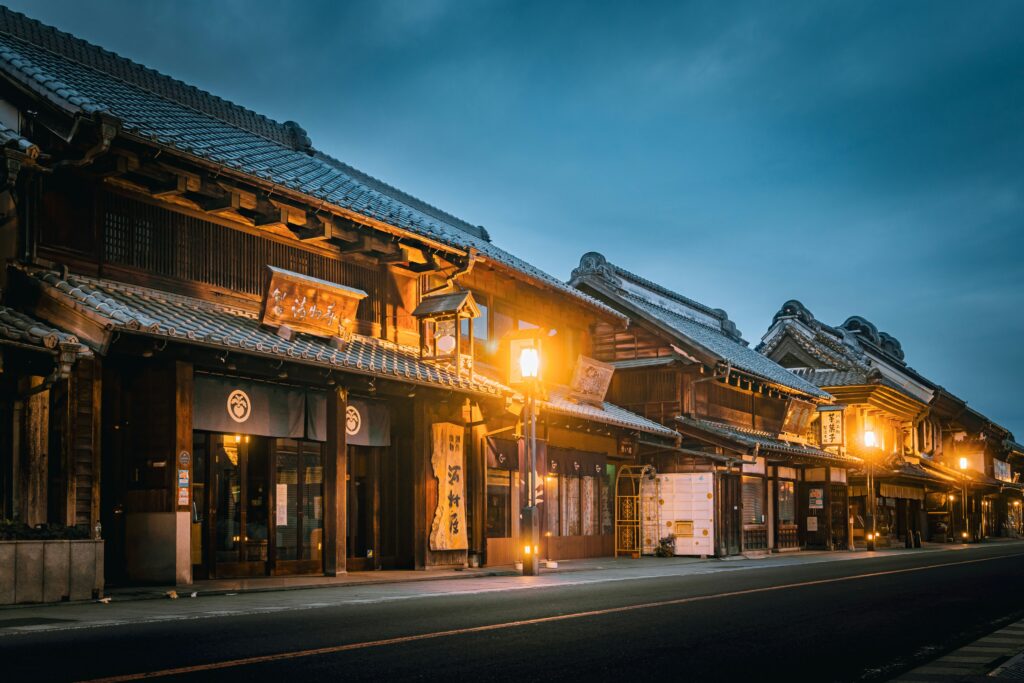
For most visitors this is the default. Tobu Tojo Line trains from Ikebukuro reach Kawagoe Station in about thirty minutes, and the ordinary fare is around ¥490 each way. There is nothing to reserve. You tap a Suica or PASMO card through the gate and board whichever express comes next.
From Kawagoe Station the old town is a long walk. Most people take a local bus to the Ichibangai stop, which leaves you at the head of Kurazukuri Street. We would do the same in the morning and save your legs for the part of town that deserves them.
From Shinjuku: Seibu or JR
If you are staying in Shinjuku, the Seibu Shinjuku Line runs from Seibu-Shinjuku Station to Hon-Kawagoe. The Koedo limited express makes the trip in about 45 minutes with reserved reclining seats. It is the most comfortable way in, and it puts you closest to the old town.
JR also runs direct rapid trains from Shinjuku to Kawagoe Station via Omiya, taking around 55 minutes. It is slower. However, it is covered by the Japan Rail Pass, which settles the question for anyone already holding one.
Are the Discount Passes Worth It?
Tobu sells the KAWAGOE DISCOUNT PASS Premium for ¥1,200. It covers a round trip from Ikebukuro plus unlimited rides on local buses in Kawagoe, including the Tobu Koedo Loop Bus, and adds small discounts at participating shops.
The ordinary return fare comes to roughly ¥980, so the pass pays off only if you will use the buses. For a group that plans to walk everything, it does not. Count the bus rides you expect to take against that ¥220 gap before you buy.
Seibu’s Kawagoe Access Ticket is a different proposition. For ¥1,800 it bundles the round trip from Seibu-Shinjuku or Takadanobaba with the reserved limited express seat, valid on the day of use. You are paying for comfort rather than a discount, and on a weekend morning a guaranteed seat is worth having.
Expert Tip
With an IC card you are not tied to a return ticket, and that flexibility is often worth more than a pass. Arrive at Hon-Kawagoe on the Seibu line, closest to the old town, and leave by bus to Kawagoe Station for the Tobu line back to Ikebukuro. Covering the town in one direction means you never walk the same stretch twice.
Kurazukuri Street, the Bell Tower, and Candy Alley
The warehouse district is compact, and that is its strength. Everything here sits within a short walk of everything else, which leaves the day for going into buildings rather than past them.
Why the Warehouses Survived
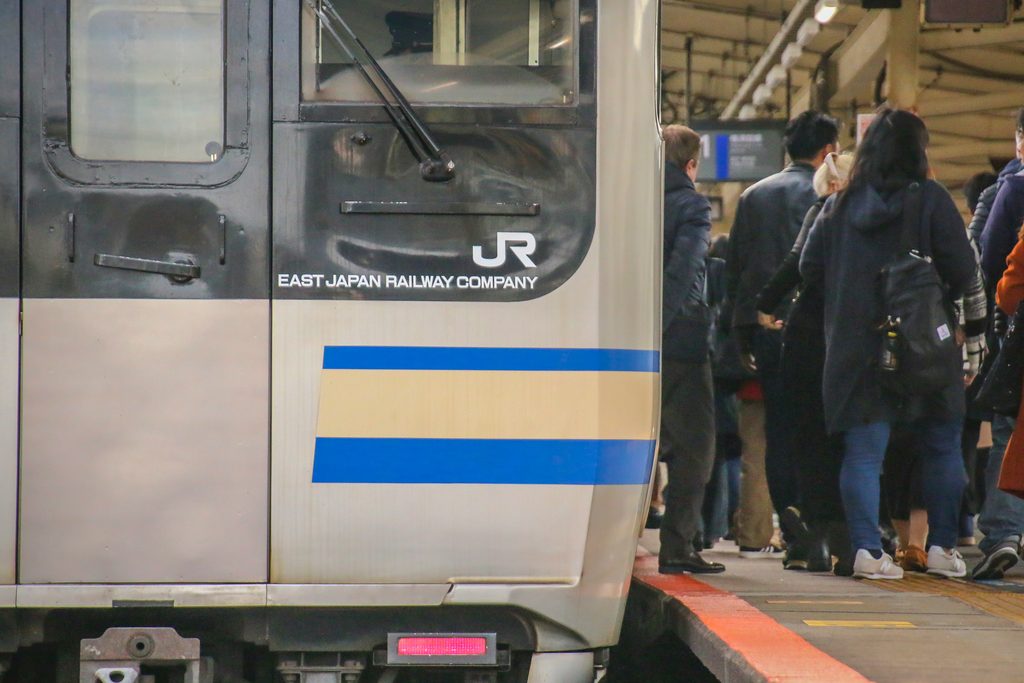
Kawagoe was a merchant town that supplied Edo, and it prospered on that trade. When a great fire swept through in 1893, the merchants who rebuilt chose kurazukuri: thick clay walls, heavy tiled roofs, and shutters that could be closed against flame. Tokyo lost almost all of its equivalent buildings in the following half century. Kawagoe’s are still standing.
The district was designated a national Important Preservation District for Groups of Traditional Buildings in 1999. Most of the buildings are still in use as shops. In our view, that is what separates Kawagoe from an open-air museum: the doors are open because someone is selling something, not because a ticket has been bought.
One thing to plan around. The Kurazukuri Museum, a former tobacco wholesaler’s house that let visitors see the inside of a kura, has been closed for earthquake-proofing work since 2017. Check its status before you build a morning around it.
Toki no Kane, the Bell Tower
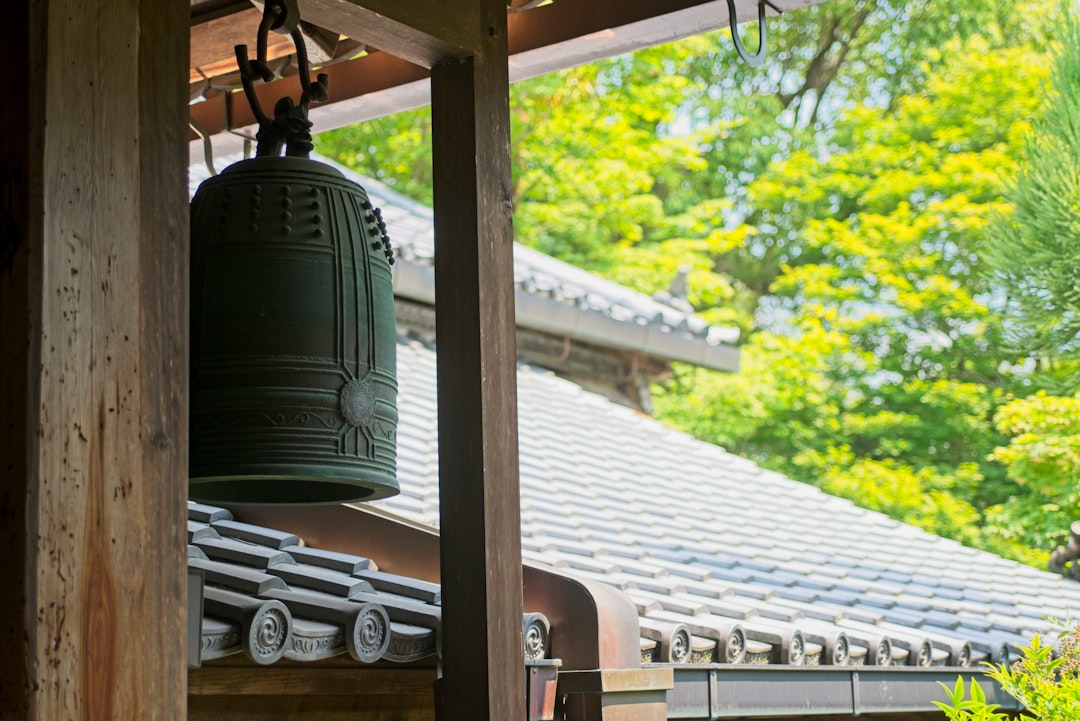
A short way off the main street stands Toki no Kane, a three-storey wooden bell tower about 16 metres tall. The first tower was built in the Kan’ei era of the early 1600s under Sakai Tadakatsu, lord of Kawagoe Castle. The present one went up in 1894, the year after the great fire.
It still rings four times a day, at 6am, noon, 3pm and 6pm, now by machine rather than by a bell keeper. Time your walk to be beneath it at noon or 3pm. Hearing it from the street below is worth the small change to your route.
Candy Alley
Kashiya Yokocho, the candy alley, is a short lane of old-fashioned confectioners just behind the main street. It grew after the 1923 earthquake, when Tokyo’s own sweet makers were knocked out and orders flooded into Kawagoe. At its peak in the early Showa period more than seventy shops traded here. Just over twenty remain.
This is where we would spend money in Kawagoe. The main street leans towards sweet potato souvenirs in bright packaging. By contrast, the alley sells karinto, rice crackers, boiled sweets and bean-paste cakes, the inexpensive dagashi snacks that were a childhood staple for generations of Japanese.
Kita-in, the Castle Palace, and Hikawa Shrine
Most visitors stay on Kurazukuri Street and go home. We think the better half of Kawagoe is ten minutes’ walk away.
Kita-in and Honmaru Goten are each about ten minutes on foot from the warehouse district and from each other. Together they explain why a town this size mattered so much to the shoguns.
Kita-in and the Rooms From Edo Castle
When Kita-in burned in 1638, the third shogun, Tokugawa Iemitsu, had palace buildings moved here from Edo Castle to replace what was lost. Those rooms are the only buildings of Edo Castle that survive anywhere. One of them, under a ceiling painted with flowers, is believed to be the room in which Iemitsu was born.
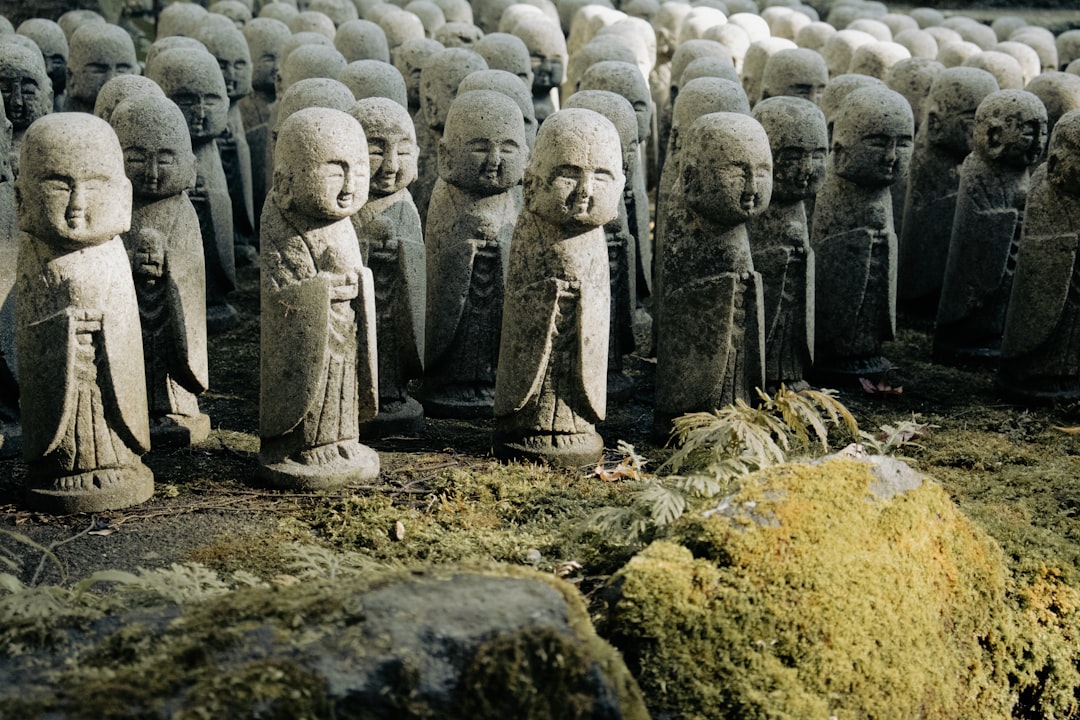
Admission is ¥400 and includes the courtyard of stone rakan, more than five hundred disciples of the Buddha, no two with the same face. Some laugh, some brood, some lean towards a neighbour as if sharing gossip. Give yourself longer here than you planned.
On our private Kawagoe tour, this is usually where the guide slows the pace. The story of how part of the shogun’s castle ended up in a provincial temple is the key to understanding the whole town, and it is far easier to follow standing in the rooms than reading about them.
Honmaru Goten, the Castle Palace
Kawagoe Castle was founded in 1457. What stands today is the Honmaru Goten, the lord’s residence and administrative hall, built in 1848 and the only surviving building of the castle. Entry is ¥100.
It is closed on Mondays and on the fourth Friday of each month, which is easy to overlook when planning. Still, on an open day it is worth the detour. After the crowds on the main street, the long, quiet corridors are a welcome contrast.
Kawagoe Hikawa Shrine
Kawagoe Hikawa Shrine traces its history to the sixth century and is known locally as Ohikawa-sama. It is the shrine behind the Kawagoe Festival, and in recent years it has become associated with matchmaking. Each summer, from late June to early September, its Enmusubi Wind Chime Festival hangs around two thousand glass chimes through the grounds.
If the difference between a Buddhist temple like Kita-in and a Shinto shrine like Hikawa is not obvious, our guide to shrines and temples in Japan covers what to look for at the gate. Kawagoe has both within easy walking distance, which makes it a good place to learn the difference.
Expert Tip
Carry yen in coins and small notes. Kawagoe’s older confectioners are small family businesses, and in Japan those are the places most likely to be cash-only. Beyond that, a ¥400 temple entry or a ¥100 palace ticket goes faster with exact change when a tour group has arrived at the same moment.
Eating, Timing, and a Route for the Day
Kawagoe rewards a plan more than most day trips. The same street can feel like two different places depending on the hour.
Sweet Potato and Eel
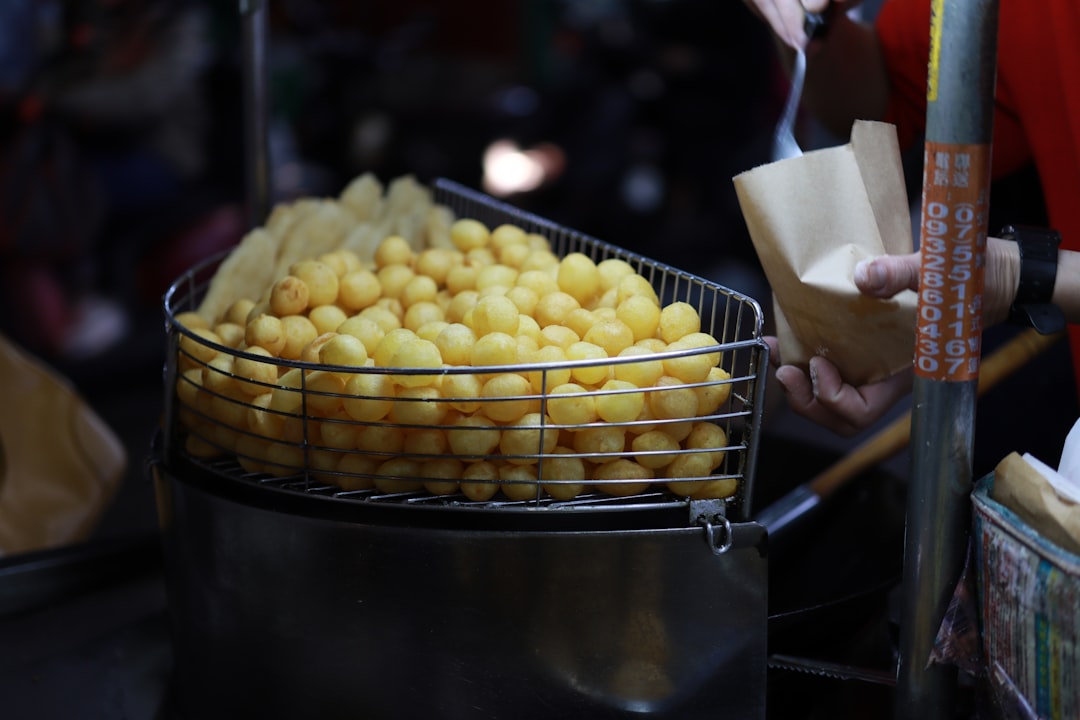
Kawagoe has been known for sweet potato since the Edo period, when roasted potatoes were cheap food in the capital and Kawagoe was close enough to supply them. Today the main street sells it in every form: ice cream, chips, cakes, even beer. Most of it is novelty. Buy one plain roasted sweet potato, eat it while it is still too hot to hold comfortably, and skip the rest.
Many shops ask customers to eat at the counter or beside the shop rather than walking with food. On a crowded weekend it is the considerate thing to do anyway.
For lunch, Kawagoe’s other speciality is unagi, grilled eel over rice. Ichinoya, one of the oldest names in town, dates its founding to 1832. Expect a queue at weekends and a bill well above a noodle lunch. In our view, it is the one meal worth planning the day around.
Weekdays, Weekends, and Festival Days
Kurazukuri Street is busy at weekends and quiet on weekday mornings. The difference is not subtle. On a Saturday afternoon the pavements are narrow and full, and you spend your time stepping around people instead of looking at buildings.
Arrive by 10am on a weekday and you see the street more or less as the shopkeepers do. Kita-in closes at 16:30, earlier in winter, and Honmaru Goten at 17:00, so the castle side of town is a job for the morning or early afternoon.
The Kawagoe Festival, Hikawa Shrine’s autumn festival, falls on October 17 and 18 in 2026. Its towering wooden floats were inscribed by UNESCO in 2016 as part of Japan’s Yama, Hoko, Yatai float festivals. It is an extraordinary weekend and a poor one for sightseeing. If you want the festival, go for the festival; if you want the town, choose another day.
A Five-Hour Route
Five hours covers the essentials without rushing, and it is the length our private Kawagoe tour runs from its start at Kawagoe Station. Here is the order we find works.
Start at Kawagoe Station and take the bus to the head of Kurazukuri Street before the shops fill. Walk the warehouses and be under Toki no Kane at noon. Eat eel or a roasted sweet potato, then walk ten minutes to Kita-in for the rakan and the Edo Castle rooms.
Honmaru Goten is another ten minutes on. Finish in Candy Alley, once you have room for sweets again, and take the bus back to the station. With a sixth hour, add Hikawa Shrine; with a full day, add the shrine and a slower lunch.
Kawagoe Day Trip: Frequently Asked Questions
Is half a day enough for Kawagoe?
For Kurazukuri Street, the bell tower and Kita-in, yes. Four to five hours covers them at a comfortable pace, and you can be back in central Tokyo by mid-afternoon. A full day lets you add Hikawa Shrine, Honmaru Goten and a proper eel lunch without watching the clock.
Can I use a Japan Rail Pass to get to Kawagoe?
Yes, on the JR route. Direct rapid trains from Shinjuku reach Kawagoe Station via Omiya in about 55 minutes and are covered by the pass. The faster Tobu line from Ikebukuro and the Seibu line from Seibu-Shinjuku are private railways, so you pay for those separately, most easily with an IC card.
Is Kawagoe worth it if we are also going to Nikko or Kamakura?
They are different trips. Nikko is a long day of mountain shrines and waterfalls, and Kamakura is a seaside temple town. Kawagoe is a merchant town and the closest to Tokyo of the three, which makes it the easiest to fit into a short trip or a morning before an evening flight.
Related Tours

Conclusion
Go on a weekday, and get to Kurazukuri Street before 10am. The same buildings that feel like a backdrop at 2pm on a Saturday feel like a working street in the early morning, and that is the Kawagoe worth the trip.
Then walk past the main street. The warehouses are the reason people come, but Kita-in’s rooms from Edo Castle and the quiet corridors of Honmaru Goten are what we would come back for. Check that it is not a Monday before you leave, and take the Tobu line from Ikebukuro unless you are holding a Japan Rail Pass.
Plan Your Japan Trip with Local Experts
Our team has guided 40,000+ travelers across Japan. Tell us about your trip and we’ll get back to you within 24 hours.