In this article:
- Why Shinjuku is Tokyo’s best neighborhood for bar-hopping
- Golden Gai: how it works and how to navigate it
- Omoide Yokocho: the yakitori alley under the tracks
- Beyond the tourist spots: local bars in Shinjuku
- What to drink in a Shinjuku bar crawl
- Safety, etiquette, and practical tips
- Frequently asked questions
Introduction
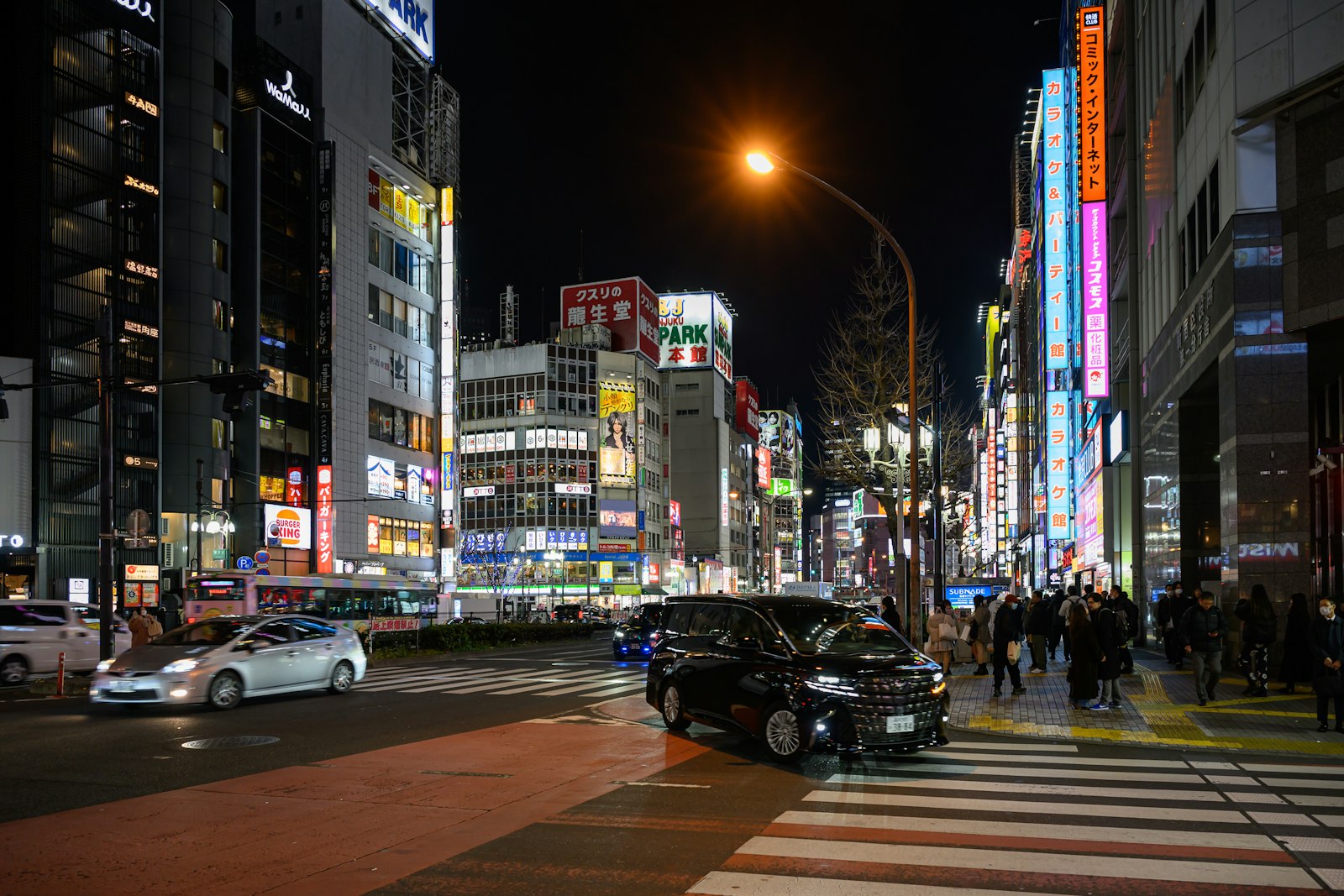
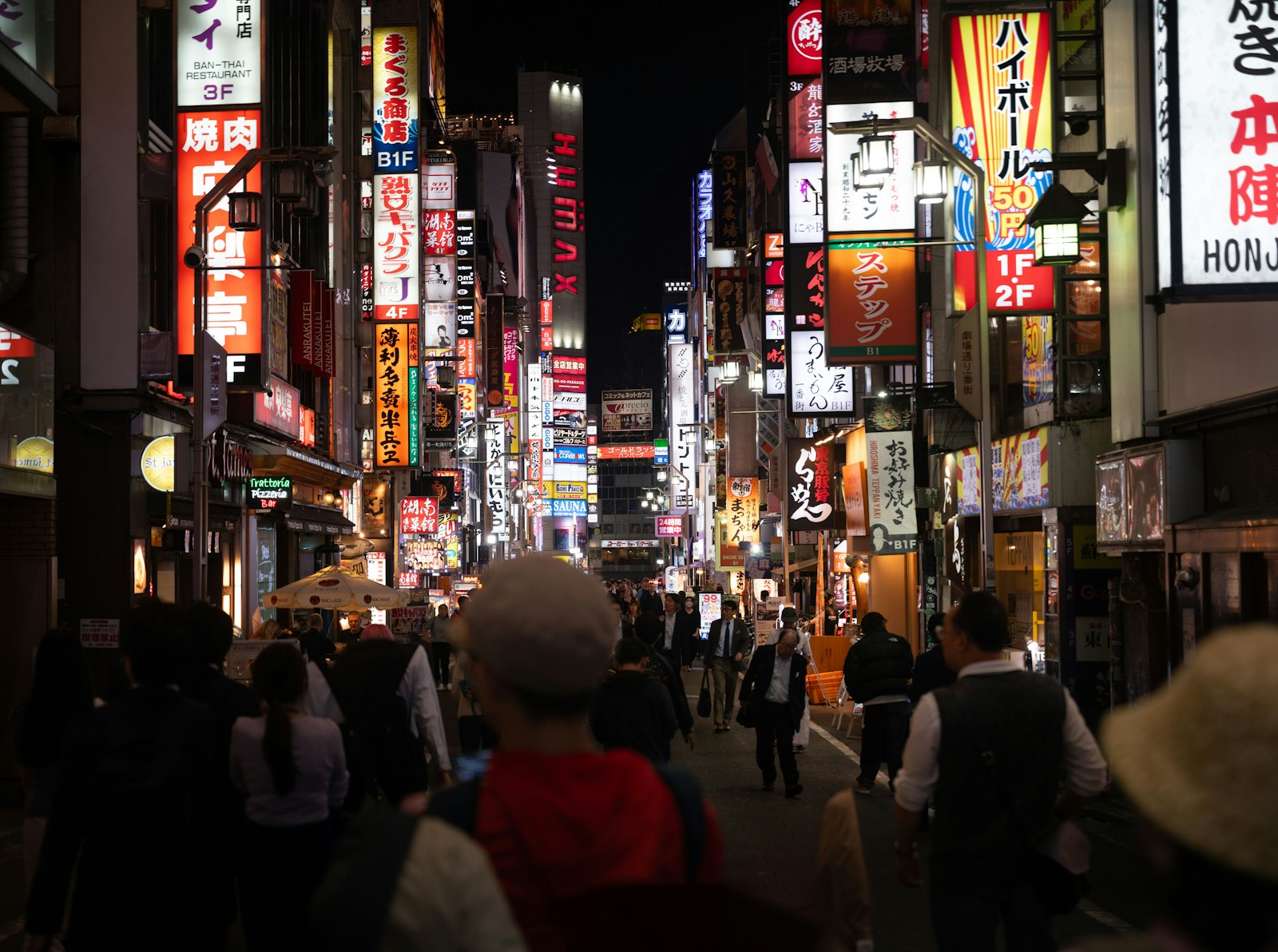
Shinjuku at night is genuinely unlike anything else. The neon density, the layering of entertainment zones across a dozen blocks, the abrupt transition from department stores to the narrow alleys of Golden Gai — it disorients first-time visitors in exactly the right way. This is the Tokyo of the imagination, and it delivers.
A Shinjuku bar crawl works because the neighborhood compresses multiple distinct drinking cultures into walkable distance. Golden Gai is its own world — 200 micro-bars, each with a specific identity, most holding fewer people than a dining table. Omoide Yokocho is smoke and charcoal and beer and the immediate postwar era. The izakayas around Kabukicho are loud, good value, and open until 4am. And somewhere between these known anchors, there are quieter bars on upper floors and backstreets that reward curiosity.
However, doing this well requires some orientation. Golden Gai has its own etiquette. The tourist zones have financial traps. Knowing which version of Shinjuku you’re looking for determines what kind of evening you have.
Why Shinjuku is Tokyo’s Best Bar Neighborhood
The Density
No other Tokyo neighborhood puts this variety of drinking culture within a 15-minute walking radius. Craft beer bars, jazz bars, standing sake counters, karaoke boxes, whisky specialists, izakayas running every Japanese regional cuisine, and the deliberately cramped Golden Gai bars — all accessible without transportation. An evening can move from atmospheric to casual to raucous to quiet within a few blocks.
The Hours
Shinjuku runs late. Most bars in Golden Gai open around 7–8pm and close whenever the last customers leave, often 3–4am. Omoide Yokocho stalls typically run until midnight or 1am. The izakayas around Kabukicho and Yasukuni-dori are open later still. Unlike many bar neighborhoods where the options thin after midnight, Shinjuku gets more interesting.
Golden Gai: How It Works and How to Navigate It
What Golden Gai Is
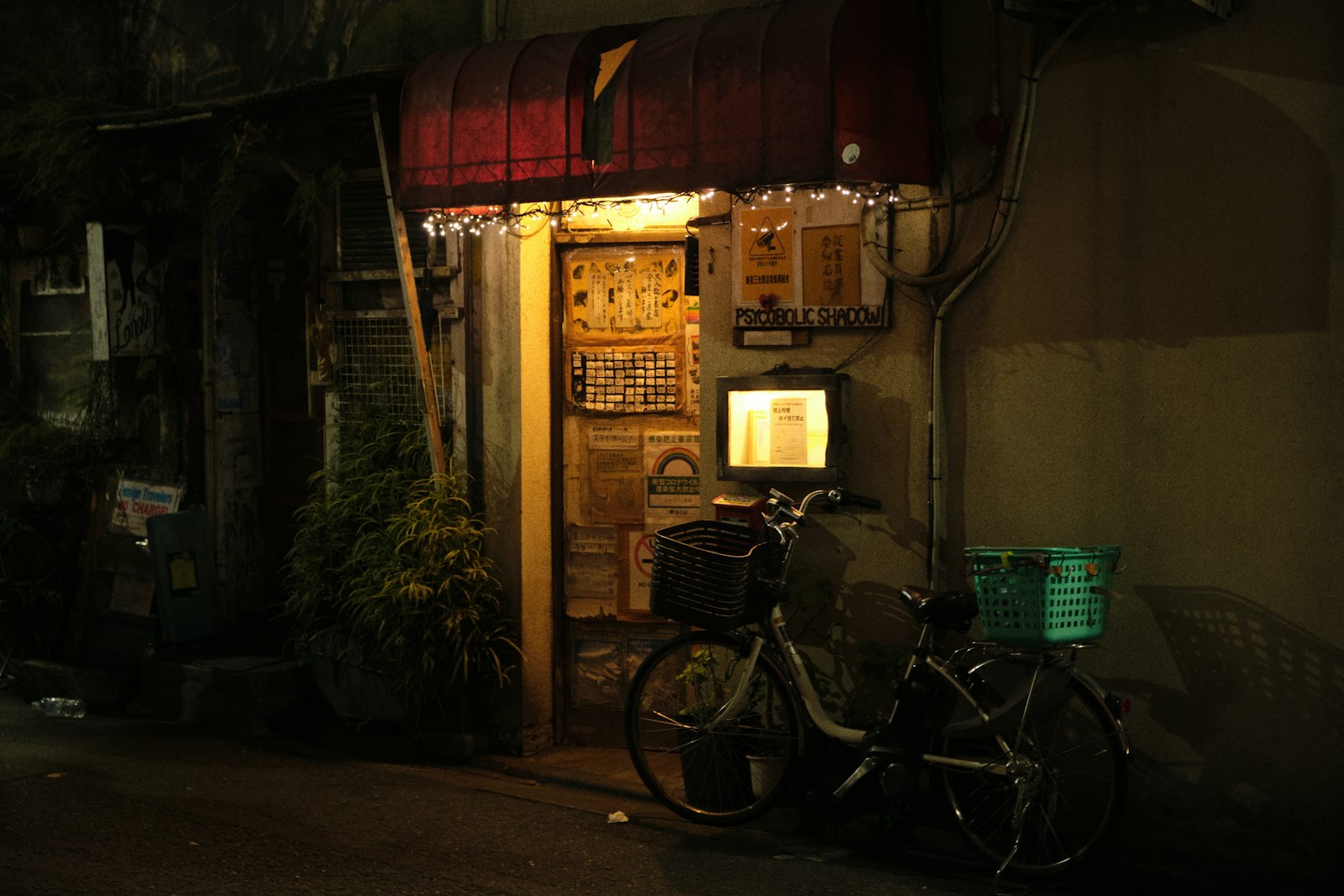
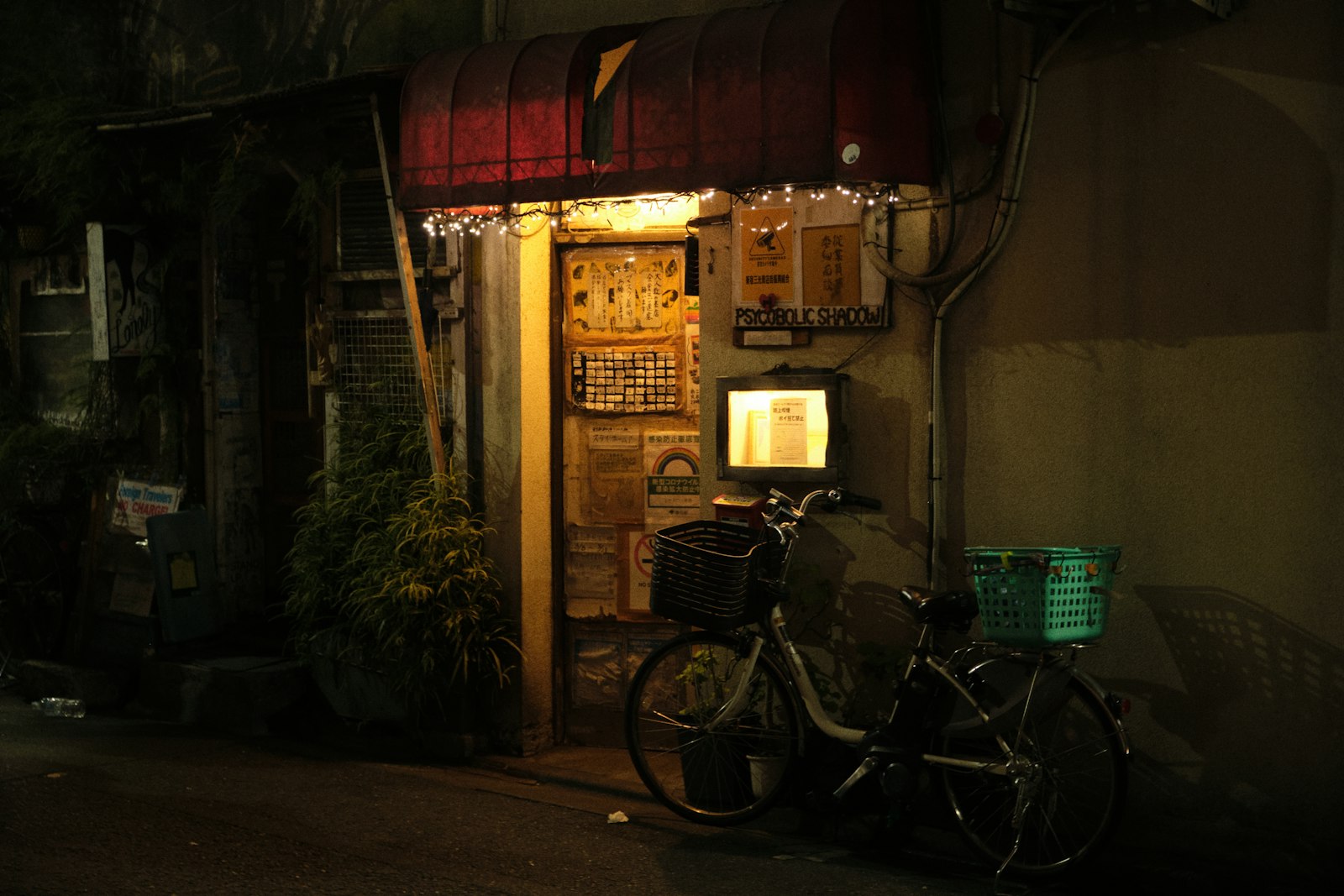
Golden Gai is a network of six narrow alleys in the northeast corner of Shinjuku, surviving from the immediate postwar period through a combination of owner stubbornness and property law complexity. The approximately 200 bars here range from 6 to 15 seats each — a few have two floors, but most are a single counter with the bartender close enough to hear everything you say.
Each bar has its own identity. Some are themed around jazz, film, manga, sports, or specific decades of music. Some are run by the same owner for 40 years. Some explicitly welcome international visitors; some are regulars-only (常連のみ) and will politely turn you away at the door. This self-selection is part of what keeps Golden Gai functional as a neighborhood rather than just a tourist attraction.
How to Find the Right Bar
Walk the alleys first without committing. Look in windows. If a bar has signage in English, photographs of international visitors, or a menu displayed at the entrance with English — it welcomes newcomers. If it has a small handwritten sign saying 常連のみ, respect this and move on. There are enough welcoming bars that you don’t need to push.
The table charge (¥500–1,000) is standard and legitimate — it’s displayed at the entrance. Check before sitting. Order within the first few minutes. Drinks typically run ¥700–1,200.
The Etiquette
Golden Gai bars are small. This means: don’t take photographs without asking, don’t stand in the entrance blocking other customers, and be aware that your conversation is essentially public. The intimacy is the point. Some of the best evenings here come from unexpected conversations with the person next to you, which requires being present rather than performing for a camera.
Expert Tip
Thursday to Saturday evenings in Golden Gai are busy — bars fill by 9pm and stay full. Sunday to Wednesday is significantly calmer, conversations go deeper, and some bartenders are more willing to talk. If the atmosphere rather than the spectacle is the goal, a midweek visit produces a different and often better experience.
Omoide Yokocho: The Yakitori Alley
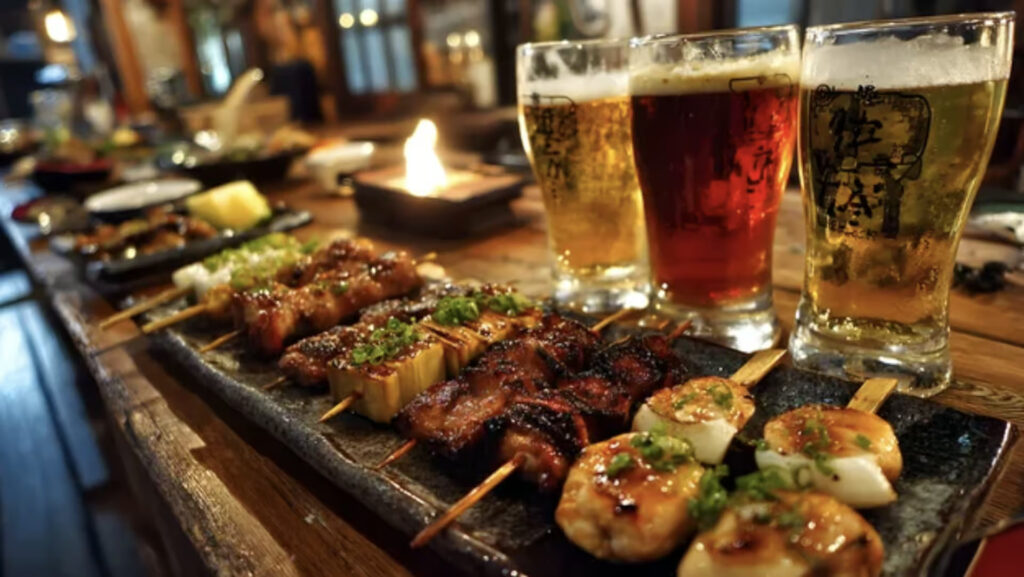
Omoide Yokocho — Memory Lane — runs along the west side of Shinjuku Station’s south exit: a single narrow alley of some 20 yakitori stalls, most operating since the immediate postwar period. The smoke from charcoal grills hangs in the air; the stalls are open to the alley; counter seating means you’re inevitably close to strangers.
The menu at most stalls covers yakitori (chicken skewers at ¥150–250 each), beer (¥600–800), and shochu. This is not a discovery experience — you know what you’re getting. What makes it worth doing is the physical environment: low roofs, smoke, the close quarters, and the sense that this specific atmosphere has been here continuously for 70 years and won’t be here indefinitely.
Best between 7pm and 10pm on a weekday. Cash only. Most stalls don’t take reservations.
Beyond the Tourist Spots: Local Bars in Shinjuku
Ni-chome (Shinjuku 2-chome)
Shinjuku 2-chome, one street south of Golden Gai, is Tokyo’s LGBTQ+ neighborhood and has some of the city’s most welcoming and interesting small bars. The area is explicitly open to all visitors, the bars tend to be friendly and English-accessible, and the drinking culture is distinct from the more machismo-adjacent areas elsewhere in Shinjuku. Worth including on any serious Shinjuku bar crawl.
Standing Bars and Shot Bars
The shotbars and tachinomi (standing drinking) places around the east exit of Shinjuku Station — particularly on the upper floors of the buildings around the Alta building — are genuine local bars frequented by office workers rather than tourists. They’re cheaper, louder, and less atmospheric than Golden Gai, but they’re authentic in a different way.
What to Drink
Highball
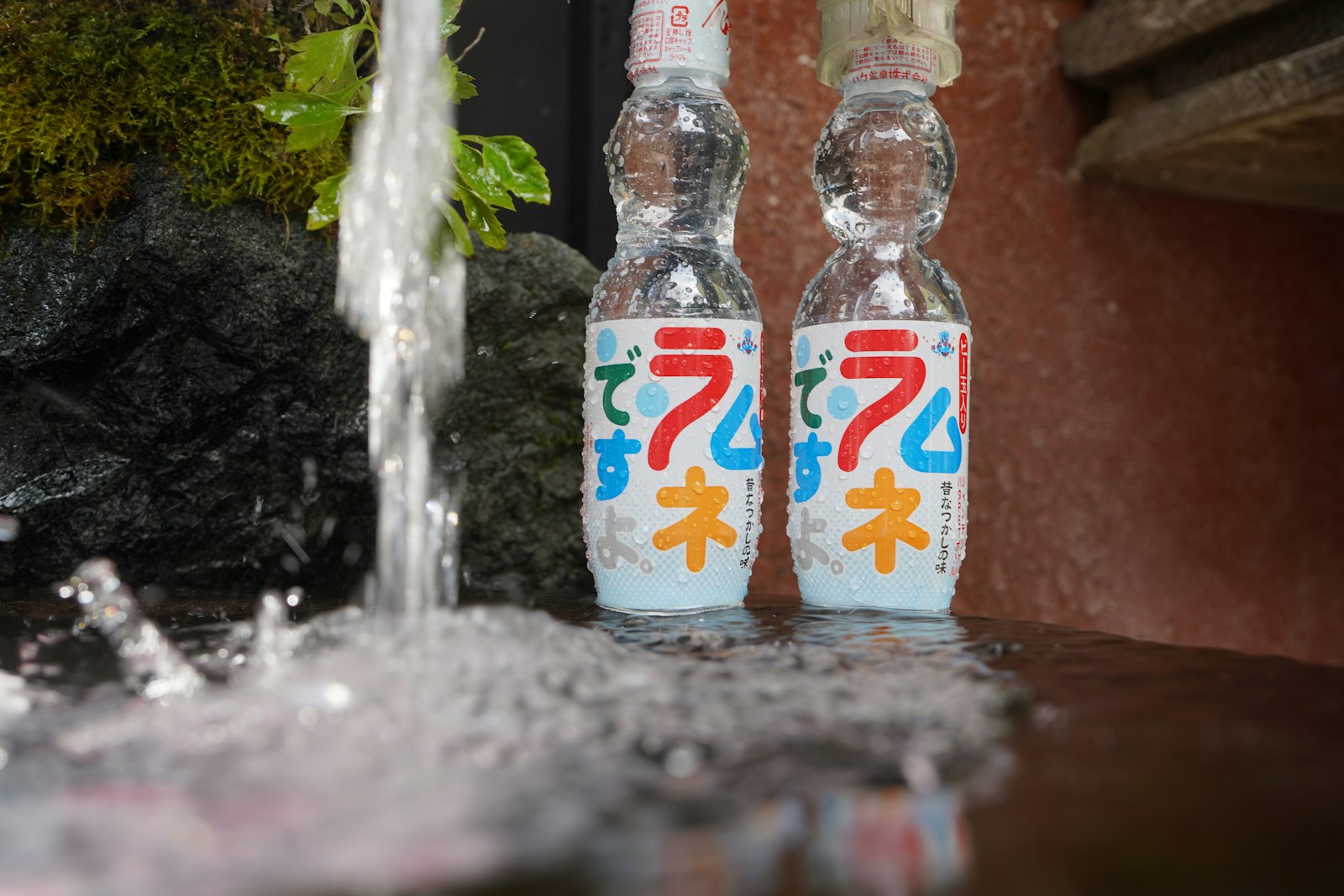
The Japanese highball — whisky and soda, typically Suntory Kakubin or Kirin — is the default drink at izakayas and yakitori stalls. It’s served extremely cold, with ice-diluted proportions that make it session-friendly. At ¥400–600, it’s the right drink for the smoke-and-skewers environment of Omoide Yokocho.
Craft Beer
Tokyo’s craft beer scene is serious, and Shinjuku has several bars dedicated to it. Yona Yona Beer Works near the east exit carries a reliable selection of Japanese craft beers from the Yo-Ho Brewing stable. For international craft beer, Craft Beer Market on the upper floors of buildings near the station carries 30–40 taps.
Whisky
Japan produces some of the world’s best whisky, and the bars that specialize in it take it seriously. A dedicated whisky bar in the upper floors of a building near Shinjuku Station — the kind you find by looking up, not along the street — will have 100+ expressions and a bartender who can guide a tasting. Budget ¥1,500–3,000 per glass for aged Japanese expressions.
Safety, Etiquette, and Practical Tips
Shinjuku’s main safety consideration is the touts (kyakuhiki) who operate in Kabukicho’s side streets, recruiting for bars with undisclosed fees. The defense is simple: choose your own establishments and decline invitations from people who approach you on the street. The bars you find yourself — including Golden Gai — are legitimate.
Cash is essential in Golden Gai (most bars cash-only) and at Omoide Yokocho. Carry ¥5,000–10,000 for a full evening. Cards are accepted at larger izakayas and chain bars.
The drinking culture in Japan is relaxed and sociable. Saying “kampai” when drinks arrive, being engaged with the bartender or your neighbors, and not photographing people without asking — these are the basics that make the difference between a transactional evening and a memorable one.
Expert Tip
The best Shinjuku bar crawl arc: start at Omoide Yokocho for yakitori and highball (7–8:30pm), walk 10 minutes to Golden Gai for two or three bars (9–11pm), then finish at a late-night ramen shop near the station (midnight). This covers the main characters of the neighborhood without trying to do everything in one sitting.
Frequently Asked Questions
Do Golden Gai bars welcome tourists? Many do, explicitly. Look for English signage or menus at the entrance. Some are regulars-only — respect this and move on; there are plenty of welcoming options.
How much should I budget for a Shinjuku bar crawl? ¥5,000–8,000 per person covers drinks at three to four stops, yakitori, and late-night ramen. Golden Gai drinks run ¥700–1,200 plus a table charge of ¥500–1,000 per bar.
Is Shinjuku safe at night? Walking the main streets: yes. The specific risk is being led into bars with undisclosed fees by street touts. Choose your own venues and you avoid this category entirely.
Related Tours

Conclusion
A Shinjuku bar crawl works best when you stop trying to see everything and commit to a few places properly. Golden Gai at its best is an hour in one bar, a conversation that goes somewhere unexpected, a second drink you didn’t plan on. Omoide Yokocho is the smoke and the skewers and the acknowledgement that some things in Tokyo exist specifically because they’ve been doing this for 70 years and have no intention of changing. Give the neighborhood time, and it will show you something.
Plan Your Japan Trip with Local Experts
Our team has guided 40,000+ travelers across Japan. Tell us about your trip and we’ll get back to you within 24 hours.