In this article:
- Why Tokyo rewards a private tour approach
- What a private Tokyo day covers
- Neighborhood-specific tour options
- How to build your itinerary around your interests
- Cost, booking, and practical details
- Frequently asked questions
Introduction
Tokyo is the most navigable major city in the world for independent travelers. The trains run to the second; Google Maps works perfectly; English signage has improved dramatically. A solo traveler with a good app and a reasonable sense of direction can get almost anywhere without assistance.
Still, there’s a version of Tokyo that this approach doesn’t reach. The backstreet izakaya in Yotsuya that doesn’t have a sign visible from the street. The temple garden in Yanaka that’s technically public but looks private because no one who doesn’t know it’s there visits. The early morning fish auction at Toyosu that requires an advance registration most visitors don’t know about. The ramen shop in Takadanobaba that’s exactly what you’ve been looking for, 30 minutes from where you were planning to go.
A private Tokyo tour is not primarily about efficiency or safety — Tokyo is already both. It’s about going deeper into a city so large that independent navigation, by definition, means missing most of it.
What Makes Tokyo Different for Private Tours
The Scale Problem
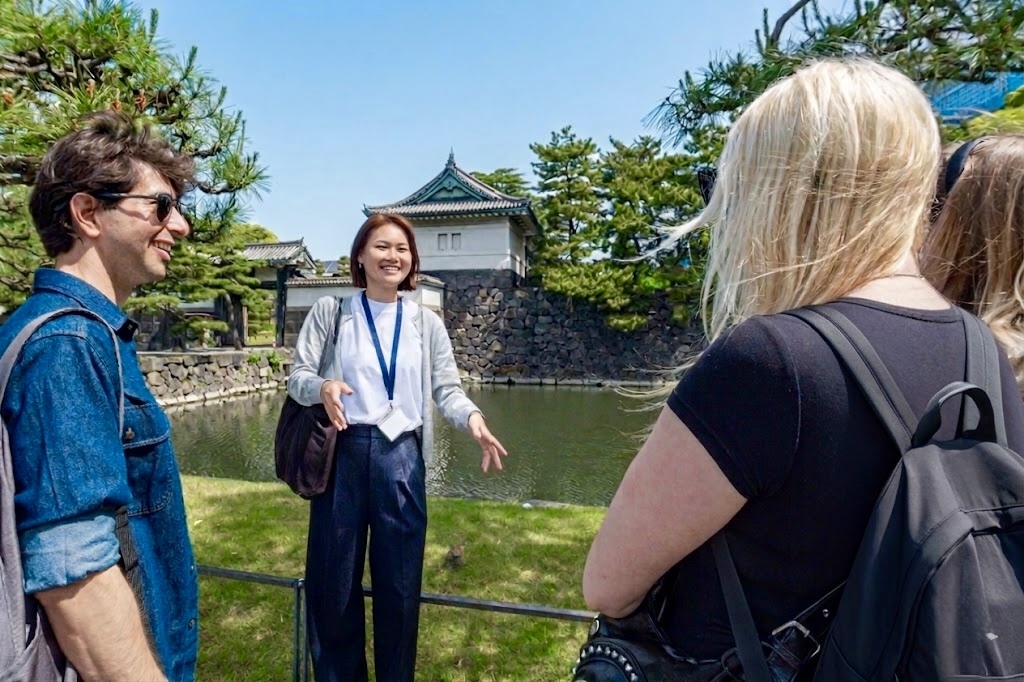
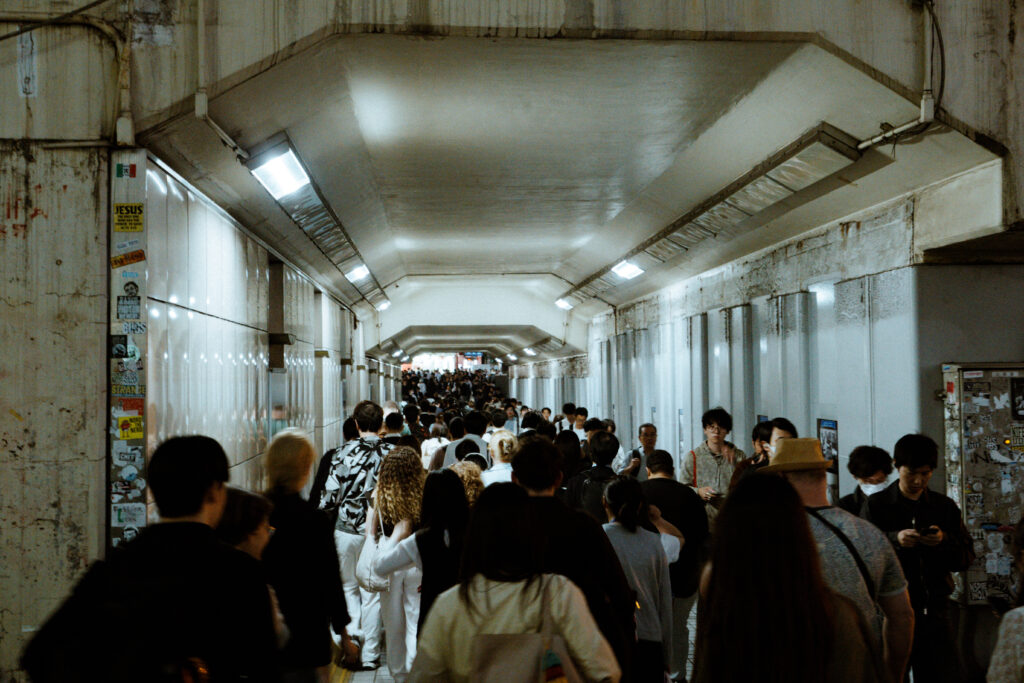
Tokyo is enormous. The greater metropolitan area has 37 million people spread across a footprint larger than Los Angeles. Even central Tokyo — the ring of wards within 30 minutes of the Imperial Palace — contains more distinct neighborhoods than most travelers explore in a week. A private tour guide makes decisions about where to spend your limited time based on who you are and what you’re interested in, rather than the itinerary that works for the average visitor.
The Language Layer
Tokyo’s English accessibility has improved, but a significant portion of the city’s best experiences are still behind a language barrier. The specialized kitchen knife shop in Kappabashi where the craftsman explains his process. The sake bar in Ginza where the owner has opinions about the difference between specific prefecture water sources. The traditional sweets maker in Yanaka who has been refining one recipe for 40 years. None of these require English — they require a guide who can open the conversation.
What a Private Tokyo Day Covers
A Sample Full-Day Itinerary
Private Tokyo days are built around the traveler’s interests, but a structure that works for most first-time visitors:
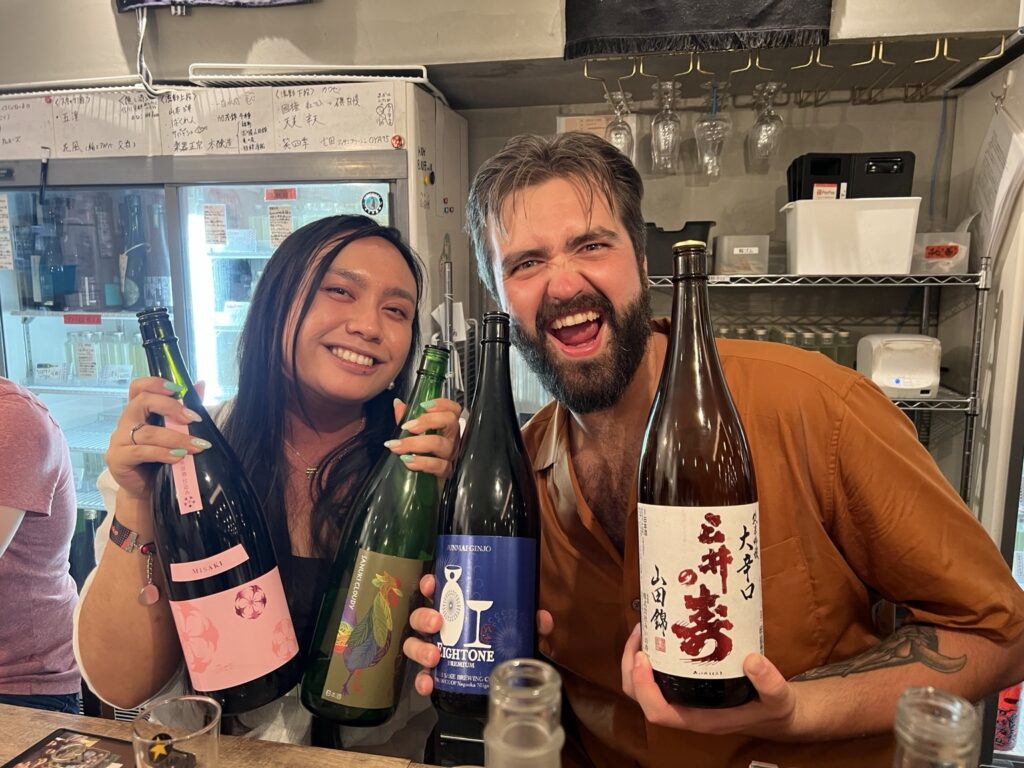
8am: Tsukiji Outer Market — fresh seafood, tamagoyaki, the knife shops. Before the crowds arrive.
10:30am: Yanaka or Nezu — the old city neighborhoods that survived the 1923 earthquake and 1945 firebombing intact. Wooden shophouses, local temples, a cemetery that’s more garden than graveyard.
1pm: Lunch — the guide selects based on what you haven’t eaten and what’s in season. Soba, tempura, or a local teishoku set depending on neighborhood and appetite.
3pm: Akihabara or Ginza or Shibuya — depending on whether electronics/anime culture, luxury/gallery culture, or contemporary culture is the afternoon priority.
6pm: Either a final neighborhood walk and dinner, or the handoff to an izakaya recommendation for the evening.
The Flexibility Principle
A private day is not a fixed script. The pace adjusts. If the knife shop in Tsukiji produces a 45-minute conversation because you’re genuinely interested in Japanese metallurgy, the morning adjusts. If it’s clear by noon that you want more time in Yanaka’s quieter streets than the afternoon shopping plan allows, the afternoon changes. This is what private means.
Neighborhood-Specific Tour Options
Old Tokyo (Shitamachi): Asakusa, Yanaka, Koenji
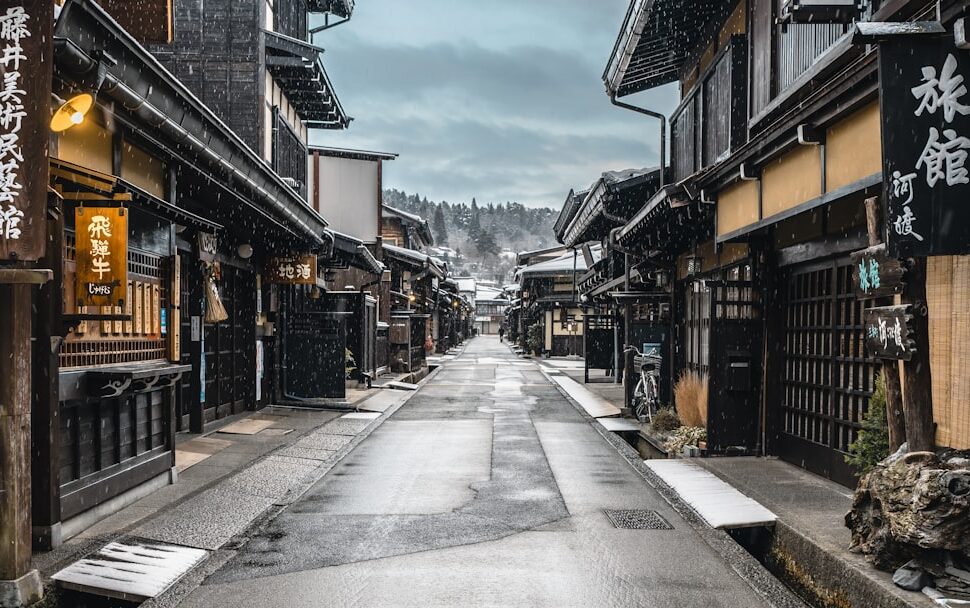
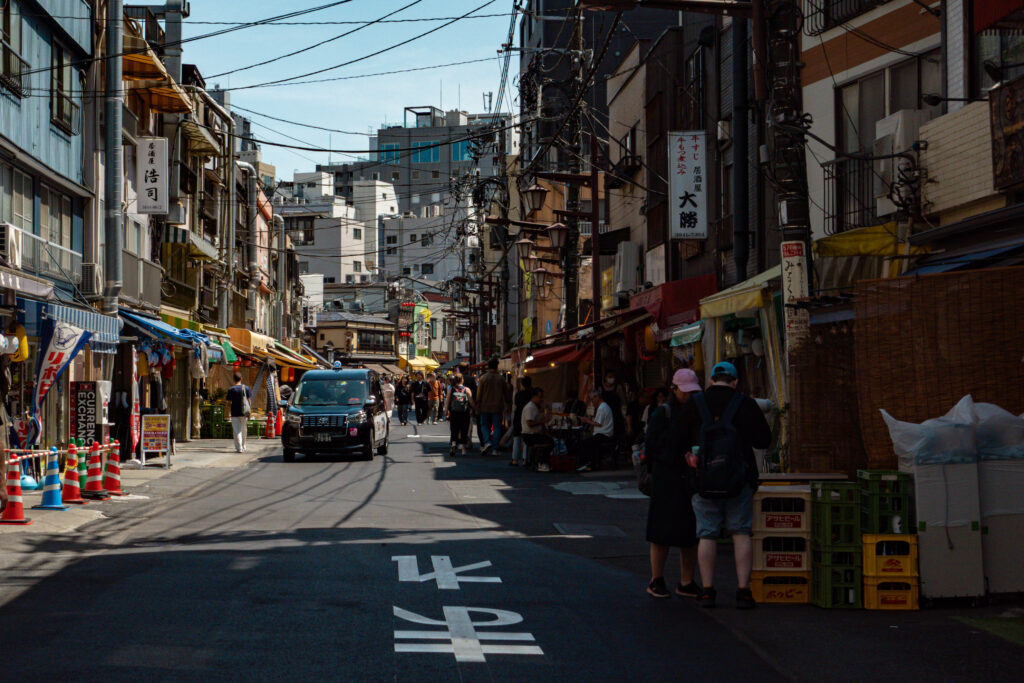
For travelers interested in the Tokyo that predates the economic miracle — the wooden shophouses, the old craftspeople, the neighborhood culture that survived modernization in pockets — the Shitamachi neighborhoods offer a different texture from the modern city. Asakusa is the most visited; Yanaka and Koenji are more authentic and less crowded.
Contemporary Tokyo: Shimokitazawa, Nakameguro, Daikanyama
For travelers interested in contemporary Japanese culture — independent music, fashion, independent bookshops, the specific aesthetic that defines young Tokyo — the western neighborhoods offer a version of the city that most tourist itineraries don’t include. Shimokitazawa in particular has a live music and vintage clothing culture that’s significant by any international standard.
Traditional Culture: Hamarikyu, Nezu Shrine, Yanesen
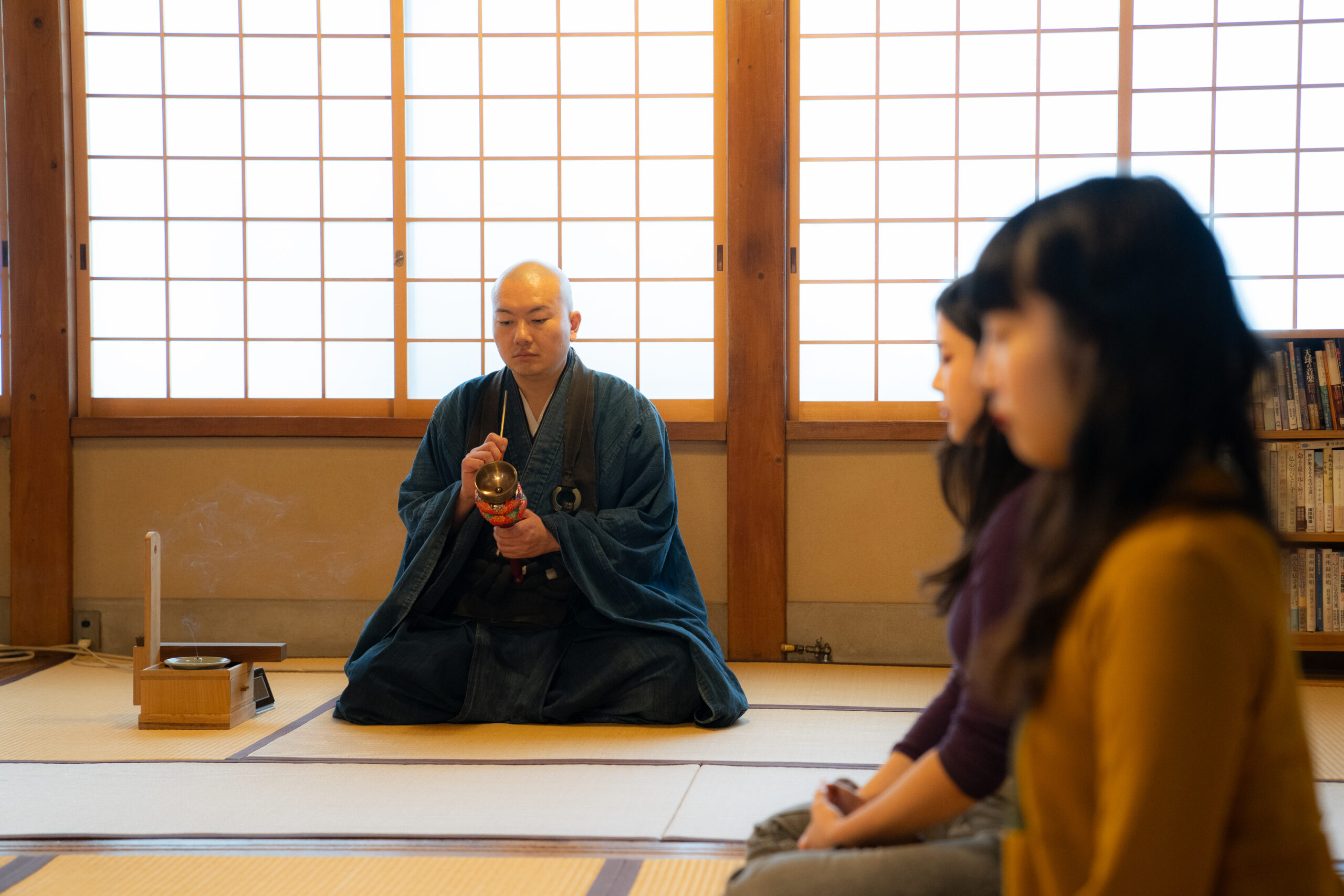
For travelers interested in traditional Japanese aesthetics without the peak-season crowds of Kyoto, Tokyo has more than most visitors realize. Hamarikyu Gardens is a tidal garden in the middle of the bay that most tourists skip entirely. Nezu Shrine has its own torii gate tunnel, far less visited than Fushimi Inari. The Yanesen triangle of neighborhoods (Yanaka-Nezu-Sendagi) has survived as an intact Edo-period residential grid.
Expert Tip
Tokyo private tours work particularly well as the first or last day of a Japan trip, rather than in the middle. A well-structured private day on arrival gives you a mental map of the city — neighborhoods, transportation logic, food geography — that makes every subsequent independent day more productive. A private day at the end fills in the specific gaps you’ve identified during the week.
Food-Focused Private Tours in Tokyo
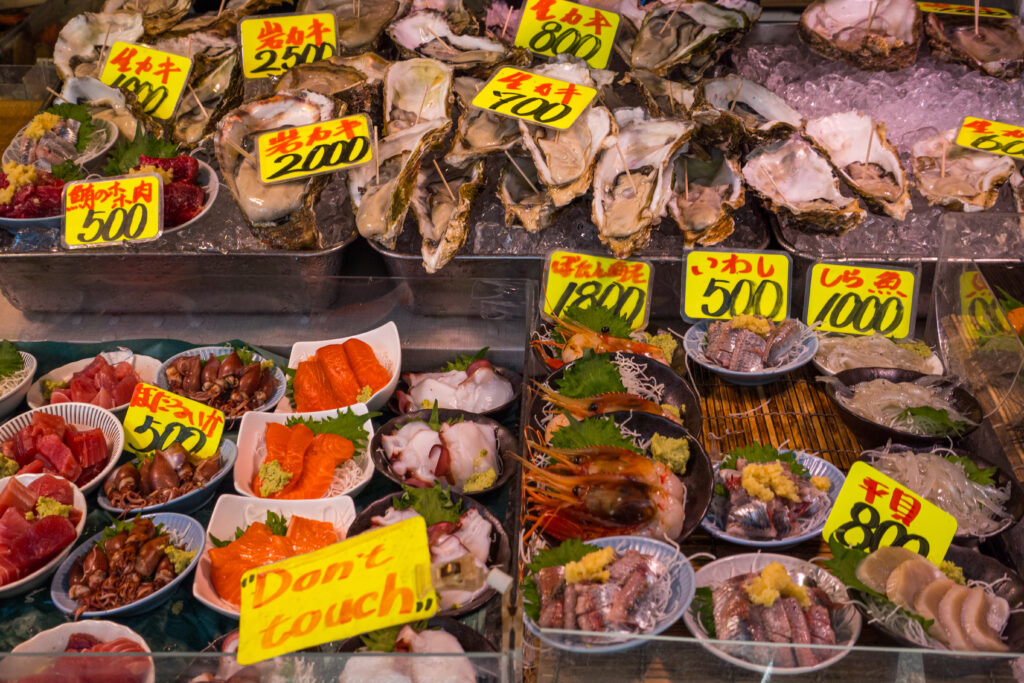
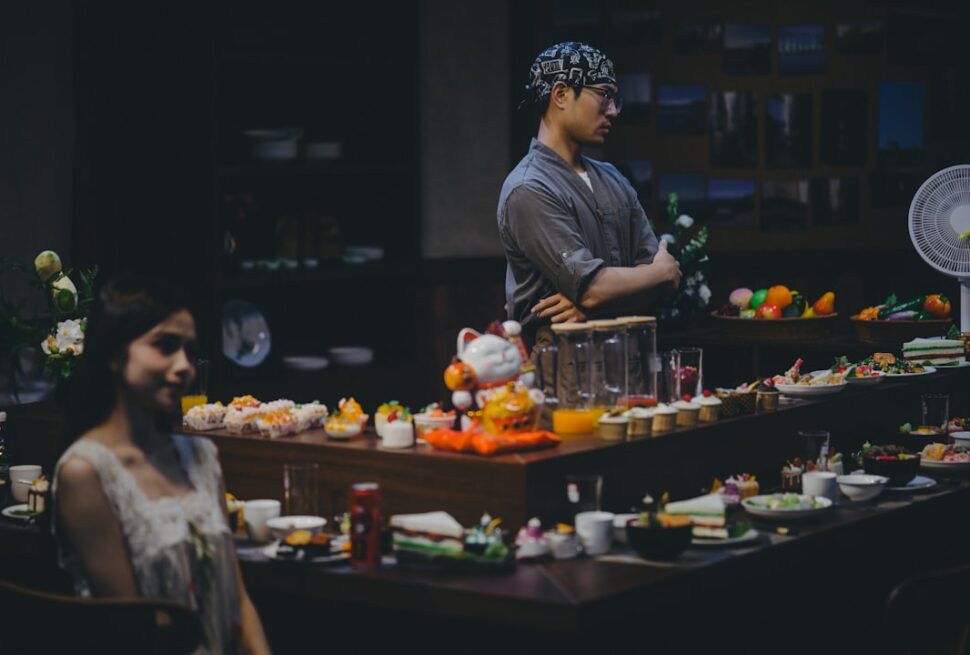
Tokyo’s food culture is deep enough to support a full day of guided eating without touching the same category twice. A food-focused private day might cover Tsukiji in the morning, a ramen education at lunch, a sake tasting in the mid-afternoon at a Ginza specialist, and an evening izakaya in Shinjuku or Yurakucho. The guide’s role here is less about logistics than about ordering correctly, asking the right questions, and explaining why this specific bowl of ramen is different from the one you had yesterday.
TJT’s food-focused Tokyo tours are built around the guide’s personal knowledge of the city’s food geography — not a curated list of famous restaurants, but an honest assessment of what’s worth eating and what merely has a good reputation.
Cost, Booking, and Practical Details
Cost
Private day tours in Tokyo from reputable operators run ¥25,000–45,000 per group for 8 hours, excluding entrance fees and meals. For two people, this is ¥12,500–22,500 per person — comparable to or below the per-person cost of group tours with a fraction of the flexibility.
How Far in Advance to Book
Tokyo is less constrained by seasonal demand than Kyoto — guides are more available throughout the year. Still, for peak cherry blossom and autumn foliage seasons, booking 4–8 weeks ahead is advisable. Outside peak periods, 1–2 weeks is usually sufficient.
Half-Day vs. Full-Day
A half-day private tour (4 hours) is a reasonable option for travelers who have limited time in Tokyo or who want to do one specific thing well rather than a general overview. Full-day tours allow the slower pace and serendipitous detours that produce the most memorable experiences.
Frequently Asked Questions
Is a private tour necessary in Tokyo? The city is so navigable. Not necessary — Tokyo is one of the world’s most navigable cities. A private tour is for travelers who want to go deeper than independent navigation allows: the neighborhoods that aren’t on the tourist map, the food experiences that require a Japanese-speaking person to access, the context that makes what you’re seeing legible.
What language do the guides speak? TJT’s guides are fluent in English. Several also speak French, German, or Spanish — specify when booking.
Can I combine a private tour with other activities? Yes. Private tours can be structured as a half-day that hands off to your own afternoon, or as a full day with a guide-recommended evening program. The structure is yours to determine.
Related Tours
Conclusion
Tokyo is large enough that a week of independent travel and a week with a private guide would produce two almost entirely different experiences of the same city. Both are valid. The private tour version goes deeper — into neighborhoods, into food cultures, into the specific conversations that aren’t available to someone navigating alone. Whether that’s worth the investment depends on what you’re looking for from the city. For travelers who want more than the itinerary that works for everyone, it typically is.
Plan Your Japan Trip with Local Experts
Our team has guided 40,000+ travelers across Japan. Tell us about your trip and we’ll get back to you within 24 hours.