In this article:
- Is Tokyo nightlife actually safe?
- Area-by-area guide to Tokyo’s entertainment districts
- People and situations to avoid on the street
- Practical safety tips for nightlife
- Emergency preparedness
- Frequently asked questions
Introduction
Tokyo’s violent crime rate is extraordinarily low by the standards of any major city. Muggings are rare to the point of being newsworthy. Pickpocketing is less common than in European capitals. Walking alone at 2am in most parts of the city is not the experience it would be in equivalent neighborhoods in New York, London, or Paris.
What Tokyo’s entertainment districts do have — particularly Kabukicho, Roppongi, and the areas around them — is a specific category of financial risk: touts who lead people into establishments with hidden fees, fake information services, and bars designed to separate tourists from significant amounts of money quickly. The mechanism is social rather than physical, which makes it easy to underestimate.
Understanding how these mechanisms work, recognizing them when they appear, and knowing the specific behaviors that reliably prevent problems covers the vast majority of risk in Tokyo’s nightlife.
Is Tokyo Nightlife Safe?
The Reality of Tokyo’s Low Crime Rate
Japan’s overall crime rate is among the lowest in the developed world, and Tokyo’s statistics reflect this. Sexual assault, robbery, and violent crime in entertainment districts are rare — and when they occur, they’re prosecuted seriously. The police presence in Kabukicho in particular is visible and intentional: Shinjuku ward has a significant koban (police box) presence in the entertainment zone, and uniformed officers conduct regular patrols through peak evening hours.
For most foreign visitors — who arrive in entertainment districts, walk around, have drinks, eat late-night ramen, and take a taxi home — nothing happens. This is the standard experience.
What Requires Actual Awareness
The specific risks in Tokyo’s nightlife zones are financial and substance-related rather than physical. The primary categories: being led into bars with undisclosed cover charges or minimum spend requirements that result in very large bills; drink spiking in a small number of establishments, predominantly in Roppongi, primarily targeting solo visitors; and scam operations that present themselves as tourist information services.
None of these risks require unusual vigilance. They require knowing what the specific triggers look like — primarily: following strangers into unknown establishments.
The Role of Police Patrols
Shinjuku ward increased police presence in Kabukicho significantly following organized crime reduction measures in the early 2000s. The current situation is considerably more controlled than it was in the 1990s. That said, some grey-area operations continue to function and target tourists specifically. Police presence reduces violence; it doesn’t eliminate financial scams.
Tokyo’s Entertainment Districts: Area-by-Area
Kabukicho (Shinjuku): Asia’s Largest Entertainment Zone
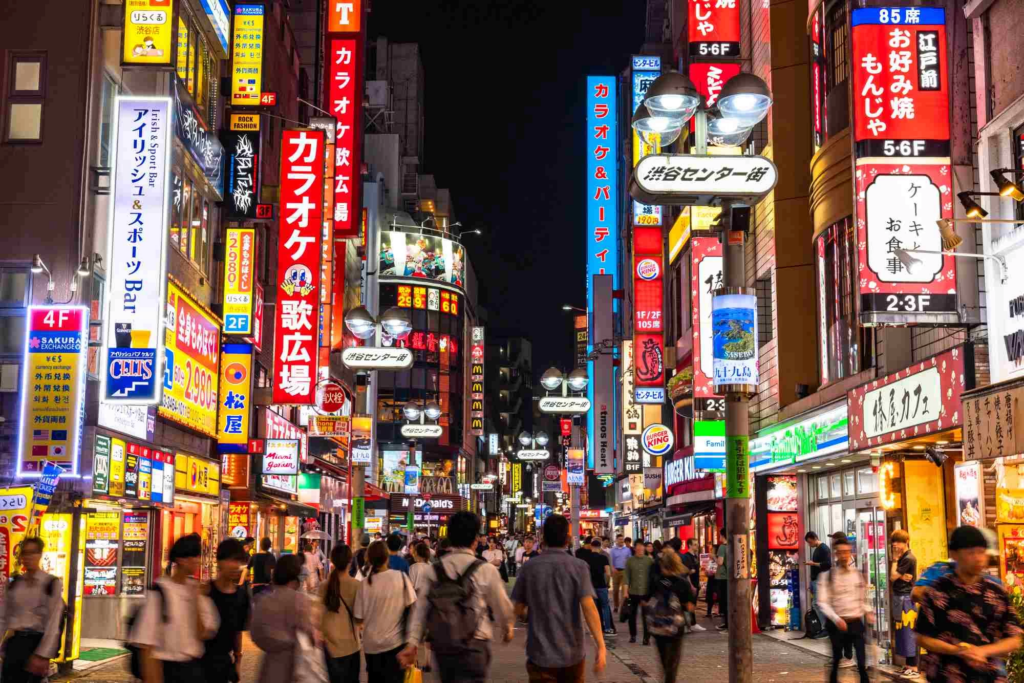
Kabukicho is loud, dense, and interesting. It’s not dangerous. The main streets — Kabukicho Ichibankai and the area around the Godzilla Head at Shinjuku Toho Building — are safe to walk at any hour. The side streets and narrower alleys have a higher concentration of adult entertainment businesses and the touts who recruit for them. On main thoroughfares: fine. If a stranger on a side street approaches you with an offer, the correct response is a clear “no thank you” and continued walking.
Golden Gai — the network of around 200 tiny bars west of Kabukicho — is a genuine attraction, not a danger zone. Most bars are 6–10 seat operations with serious drinks and often interesting conversation. Some charge a “table charge” (¥500–1,000); this should be displayed at the entrance. Check before you sit.
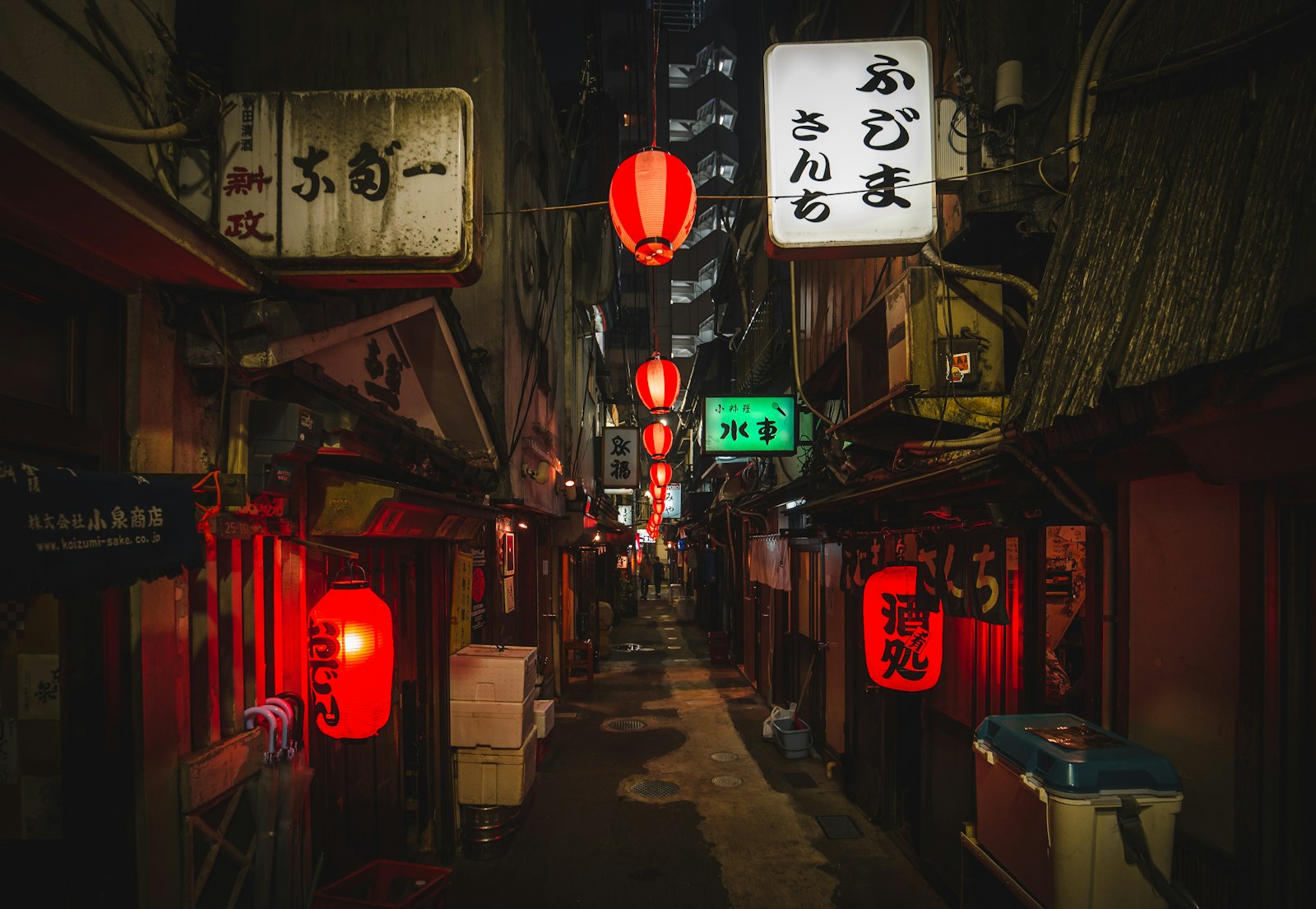
Omoide Yokocho (Memory Lane), the alley of yakitori stalls directly outside Shinjuku Station west exit, is safe, atmospheric, and serves good food. The smoke is real.
Roppongi (Minato): International Clubbing Hub
Roppongi’s main Gaien-Higashi-Dori strip has a concentration of internationally-oriented clubs and bars, alongside a higher concentration of touts than most Tokyo neighborhoods. Drink-spiking incidents have been reported at a small number of establishments in this area — this is not common, but it is documented. The practical rule: don’t leave your drink unattended in any venue you didn’t choose yourself. Stay with your group. Don’t accept drinks from people you’ve just met.
Roppongi Hills and Tokyo Midtown — the shopping and cultural complexes that anchor either end of the Roppongi axis — are entirely safe and contain excellent restaurants, art museums, and bars.
Ikebukuro North Side
Ikebukuro’s Kita-guchi (north exit) area has a dense concentration of pachinko parlors, host clubs, and adult venues that gives it a grittier character than the south exit commercial area. It’s not dangerous but it’s not a particularly interesting entertainment destination for most foreign visitors either. The south exit (east side) has excellent restaurants and accessible nightlife.
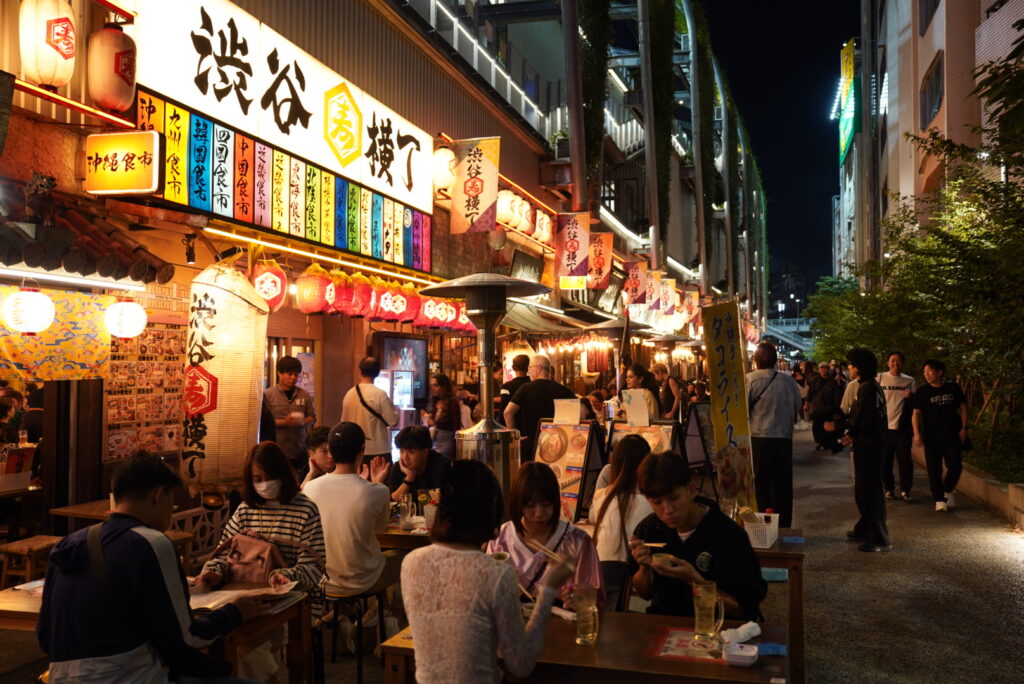
Shibuya: Maruyamacho and Dogenzaka
Maruyamacho and the Dogenzaka hill behind Shibuya Station have a concentration of love hotels that gives the area its reputation. The streets are safe; the establishments themselves are a specific category of business designed for specific purposes and not likely to be relevant for most tourists. The surrounding Daikanyama and Nakameguro neighborhoods — a ten-minute walk away — have some of Tokyo’s best bars and restaurants.
People and Situations to Avoid on the Street
Kyakuhiki: Street Touts
Kyakuhiki (客引き) — people whose job is to pull customers into bars, clubs, or restaurants — operate openly in Kabukicho, parts of Roppongi, and Ikebukuro. They may approach with a laminated menu, a phone showing photos, or simply an offer of “free drinks.” The establishments they represent have cover charges or minimum spend requirements that are either not disclosed or buried in small print. Bills of ¥30,000–¥100,000 per person from a two-hour visit are documented.
The defense is simple: don’t follow them. A clear “no” in English or Japanese (iie, kekko desu) is sufficient. Most touts accept a clear refusal immediately.
Scouts Targeting Young Women
Scouts approach young women with offers of modeling, acting, or hostess work, often presenting a business card and a compelling pitch. These are recruitment for adult entertainment industries and should be declined clearly. This targeting is more common in Roppongi and Kabukicho.
Muryo Annai-jo: Fake Information Services
“Free information services” (無料案内所) in entertainment districts are not tourist information centers. They are recruitment services for adult entertainment businesses, operating under a format designed to look like a helpful information booth. Decline any approach from these operations.
Expert Tip
The clearest rule for Tokyo nightlife: choose your own establishments. Look up the bar, izakaya, or club in advance; walk in directly; sit down. Recommendations from hotel concierges and reservation platforms (Tableall, Omakase) are reliable. Random encounters on the street with unsolicited offers are not. This one behavior — choosing rather than being chosen — eliminates the vast majority of financial risk in Tokyo’s nightlife.
Practical Safety Tips for Tokyo Nightlife
Never Leave Your Drink Unattended
Drink spiking has been documented in a small number of Roppongi establishments, targeting solo visitors. The same precautions that apply in any international nightlife setting apply here: don’t leave drinks unattended, decline drinks from people you don’t know in contexts you didn’t choose, and if you feel suddenly and disproportionately unwell after a drink, get outside and contact someone you trust immediately.
This is a genuine risk in a small number of specific establishments. It is not a general characteristic of Tokyo nightlife.
Saying No Clearly
Japanese social culture generally avoids direct refusal — “maybe later” and vague non-responses are common. In entertainment district situations with touts or salespeople, directness is both more effective and more appropriate: “No thank you” in English, or “Kekko desu” (けっこうです) in Japanese, is a complete sentence that ends the interaction.
Cash and Valuables
Keep cash in a front pocket or a zipped interior pocket rather than a back pocket or open bag. Tokyo is genuinely low-pickpocket by global standards, but entertainment districts are the highest-risk environment within the city. Don’t carry more cash than you expect to spend; most venues in entertainment areas accept cash, some accept cards.
Emergency Preparedness
Essential Emergency Numbers
Police: 110 (works from any phone, including foreign SIMs) Fire / Ambulance: 119 Both numbers connect to English-language assistance when you indicate you don’t speak Japanese.
Save your hotel address in Japanese in your phone. If you need to direct a taxi or emergency services, having the Japanese address removes a potential communication barrier.
Koban: Police Boxes
Koban (交番) — small police substations located throughout Tokyo neighborhoods — are staffed around the clock and provide immediate assistance for any emergency, including lost items, medical issues, harassment, or financial disputes with bars. Officers are generally helpful and will attempt to communicate in English or use translation tools. The koban nearest Kabukicho is on Yasukuni-dori, directly adjacent to the entertainment zone.
Embassy Contacts and Lost Property
If you lose your passport or require consular assistance, contact your embassy directly — not through third parties. Store your embassy’s emergency number in your phone before you travel. For lost property: Japan’s lost and found system is exceptional; items left on trains, in taxis, or in restaurants are routinely recovered through the relevant police koban.
Frequently Asked Questions
Is it safe for solo female travelers to walk through Kabukicho or Roppongi at night? Walking through: yes, it’s safe. The risks are verbal (touts approaching) rather than physical. A clear, direct “no thank you” and continued walking is the correct response to unsolicited approaches. Don’t follow anyone into an establishment you didn’t choose.
What should I do if a bar charges an unexpected high cover charge? If the charge was not disclosed before you entered and ordered, this may constitute a violation of Japanese consumer protection regulations. Contact the nearest koban immediately with the bar’s receipt. Shinjuku ward specifically has mechanisms for addressing tourist-targeted pricing violations.
Are all bars with street promoters considered a scam? No. Legitimate izakayas and restaurants sometimes have staff stationed outside who will mention specials. The distinction: legitimate restaurants display their menu and pricing clearly, don’t pressure you, and accept a polite decline immediately. Touts for problematic establishments will be persistent and vague about pricing.
Related Tours

Conclusion
Tokyo’s entertainment districts are safe and interesting destinations. The risks are specific and avoidable: don’t follow strangers into venues, don’t leave drinks unattended in Roppongi, and choose your own establishments. Within those parameters, Tokyo after dark — the ramen at 1am, the tiny Golden Gai bars, the taxi ride home through neon streets — is a genuine part of what makes the city worth visiting.
Plan Your Japan Trip with Local Experts
Our team has guided 40,000+ travelers across Japan. Tell us about your trip and we’ll get back to you within 24 hours.