
In this article:
- What makes Arashiyama worth the trip
- The bamboo grove: managing expectations and timing
- Tenryuji and the best gardens
- The quieter Arashiyama: temples and trails above the main drag
- Arashiyama by boat and train
- What to eat and drink in Arashiyama
- Practical tips, timing, and how to get there
Introduction
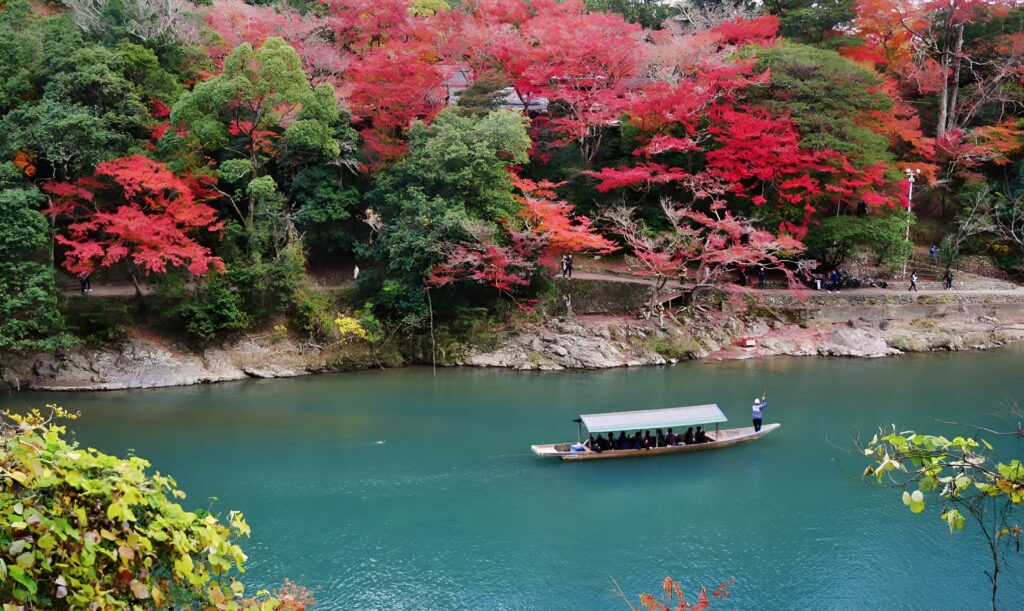
Arashiyama sits at the western edge of Kyoto, where the Oi River bends through a forested valley and the mountains begin. It was a retreat for Heian-period aristocrats a thousand years ago, and the landscape they chose — bamboo forests, mountain temples, river views, cherry and maple trees along the water — is substantially intact.
The problem is that it’s extremely popular. On peak weekends, the bamboo grove becomes a queue rather than a walk; the rickshaw operators on the main street jostle with tour buses; Tenryuji’s garden sells timed entry tickets. Despite this, Arashiyama remains worth visiting — partly because the landscape genuinely earns its reputation, and partly because the majority of the visitor density concentrates in two or three specific spots, leaving the rest of the area relatively calm.
This guide is about navigating both: experiencing the famous things at their best, and finding the parts of Arashiyama that the crowds don’t reach.
The Bamboo Grove: Managing Expectations and Timing
What the Bamboo Grove Is
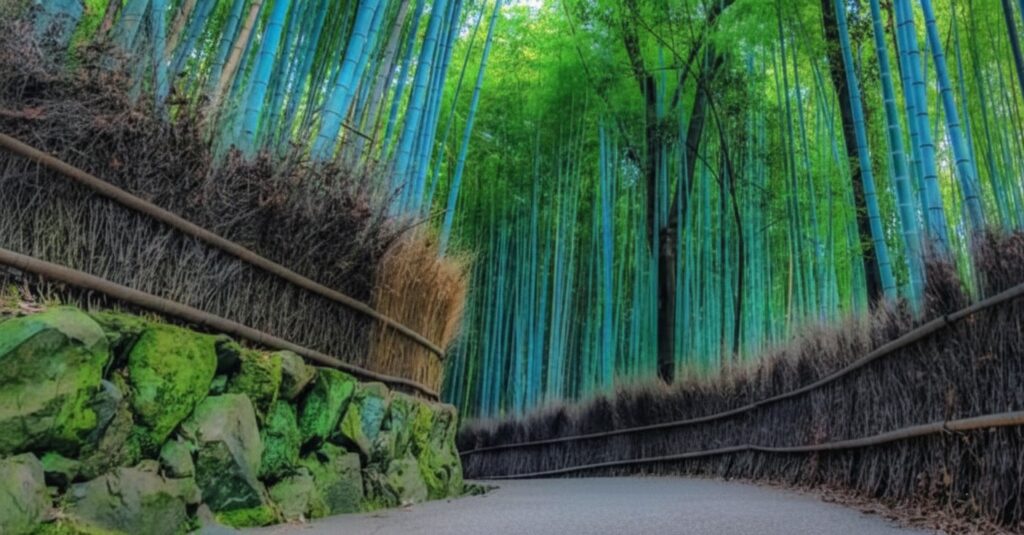
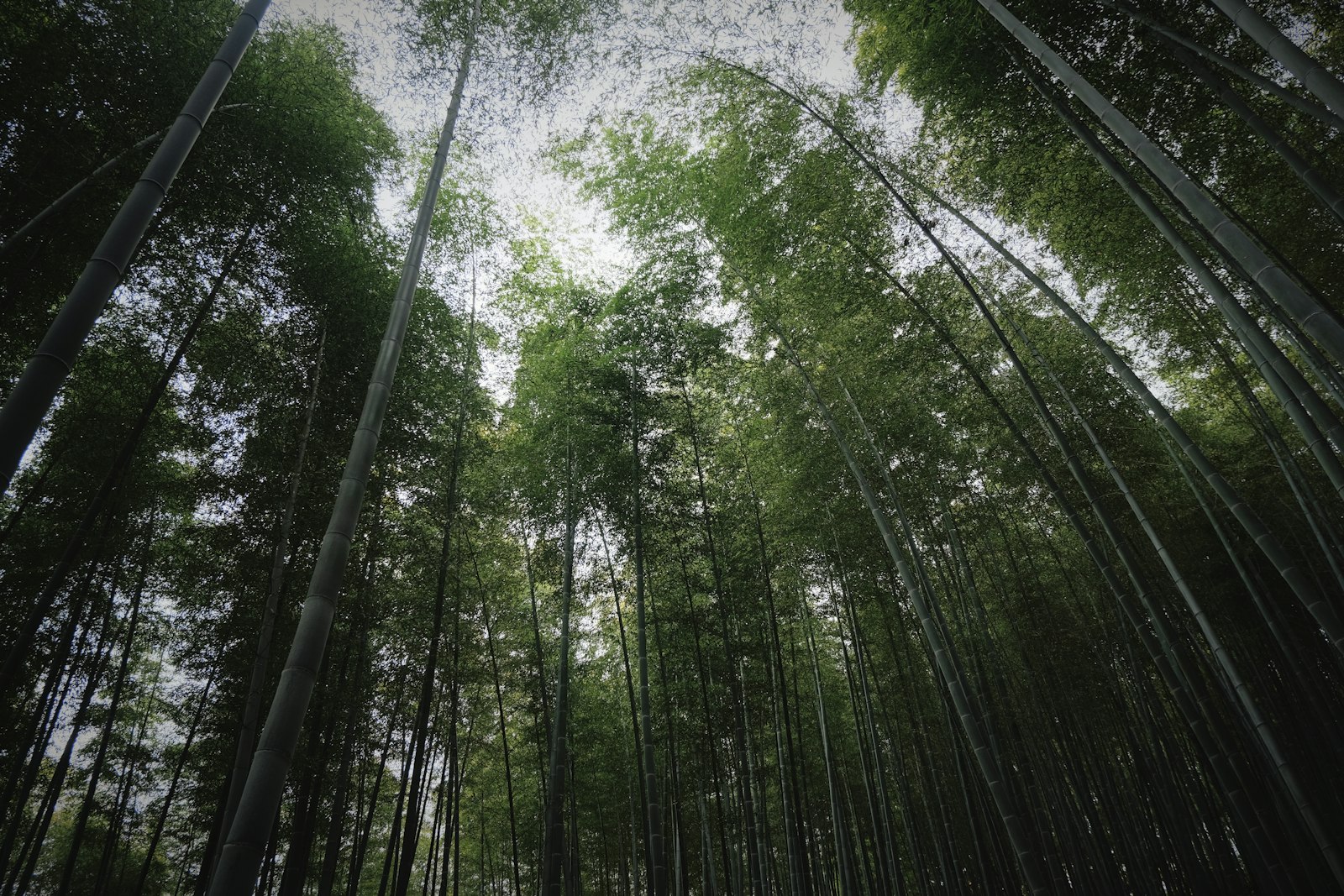
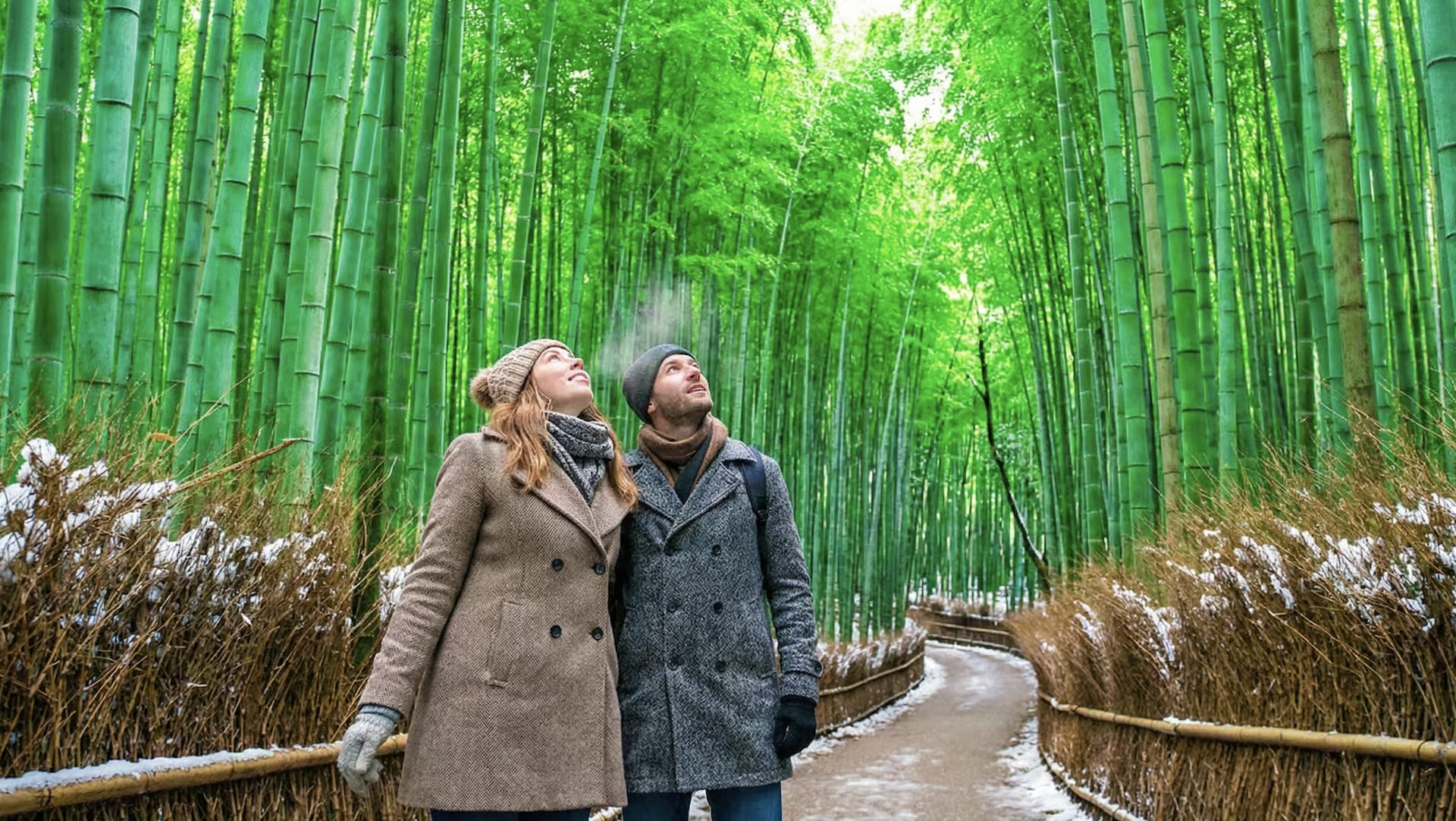
The Arashiyama bamboo grove (Sagano Bamboo Forest) is a walking path approximately 500 metres long running through a dense stand of moso bamboo. The bamboo grows to 20+ metres, the stalks are close enough to create an enclosure, and the light filtering through the canopy has a specific green quality that photographs accurately reproduce. At the right time, it’s one of the distinctive visual experiences in Japan.
The right time is early morning or at night during illumination events. At 6:30am, the grove is empty or nearly so. By 9am, it fills. By 10:30am on a weekend in peak season, moving through it requires joining a slow-moving crowd. The experience changes completely depending on when you arrive.
The Illumination Events
Several times a year — the Arashiyama Hanatoro event in March and December — the bamboo grove is illuminated from dusk. Entry is free; the atmosphere transforms. The pale yellow light against the green bamboo, with no direct sunlight competing, produces a visual quality that daytime can’t replicate. These events are crowded but in a different way — organized, slower-moving, with the crowds becoming part of the atmosphere rather than working against it.
Expert Tip
Arrive at Arashiyama before 7am during peak seasons (cherry blossom and autumn foliage). The bamboo grove at dawn is empty. By 8am the first tourists appear; by 9:30am the main path is fully crowded. Those 90 minutes of early morning access produce a completely different experience from what most visitors have — the same place, entirely different atmosphere.
Tenryuji and the Best Gardens
Tenryuji
Tenryuji is the most important Zen temple in Arashiyama and one of Japan’s most significant garden sites. The garden, designed by Muso Soseki in the 14th century, is one of the earliest examples of shakkei (borrowed scenery) — using the Arashiyama mountains behind as a visual extension of the garden without physically incorporating them. The central pond and rock composition have been maintained to their original design.
Tenryuji’s garden is best experienced in late afternoon when the light comes from behind the mountains and the crowds are thinner than morning. Timed entry tickets are required during peak seasons; book in advance.
Jojakko-ji
Jojakko-ji sits on the hillside above the bamboo grove, accessible by a 15-minute walk up stone steps. Most visitors skip it in favor of Tenryuji. The temple is quieter, the garden has a rustic quality distinct from Tenryuji’s refinement, and a pagoda visible above the maple trees from the upper courtyard provides one of Arashiyama’s best compositions. Admission ¥500.
The Quieter Arashiyama
The Hillside Trails
Above the main tourist area, a network of trails connects the hillside temples — Jojakko-ji, Nison-in, Gioji, Daikakuji — through forest paths that feel removed from the valley below. In autumn, the maples along these trails turn without the crowds of Tenryuji or the bamboo grove. In spring, moss and fresh foliage give the paths a quality specific to this part of Kyoto. Budget a half-day for a hillside walk.
Gioji
Gioji is a small sub-temple of Daikakuji, reached by a 20-minute walk from the bamboo grove. The thatched roof building stands in a moss garden — one of the most perfectly composed small garden spaces in Kyoto. It’s off most tourists’ itineraries, rarely crowded, and produces the kind of quiet attention that the bamboo grove can’t offer when full. Admission ¥300.
The Sagano Scenic Railway
The Sagano Torokko train runs through the Hozu River gorge between Saga-Torokko and Kameoka stations — 25 minutes one way through forested mountain scenery. In autumn, the foliage along the gorge reaches colors comparable to any of the famous temple gardens. Tickets sell out quickly in peak seasons; book in advance online. The round trip by rail and boat (taking the Hozu River boat downstream to Arashiyama) takes approximately four hours and is one of the more complete ways to experience the landscape.
What to Eat and Drink in Arashiyama
Yudofu (Tofu Cuisine)
Arashiyama has several restaurants serving Kyoto tofu cuisine — the Buddhist vegetarian tradition that developed near the mountain temples. A yudofu lunch (tofu simmered in kombu broth) at a restaurant with mountain views runs ¥2,000–3,500 and is one of the most specifically Arashiyama experiences available. The setting — wooden architecture, garden view, quiet — reinforces what you’re eating.
Matcha
Several cafes in the Arashiyama area serve matcha with views of the bamboo grove or the river. The matcha here is typically Uji-sourced, and the combination of bitter tea and a small sweet is a reasonable mid-morning break. However, the most visible cafes in the tourist zone often charge premium prices for average quality. A 10-minute walk from the main tourist corridor finds better options at lower prices.
Narutaki-no-Taki Sweets
The small sweet shops along the Sagano walking path sell traditional wagashi specific to Arashiyama — bamboo motif confectionery, seasonal namagashi — at market prices rather than tourist premiums. Worth buying to eat while walking rather than stopping at a designated tourist restaurant.
Practical Tips, Timing, and How to Get There
Getting to Arashiyama
Three options from central Kyoto: JR San-in Line from Kyoto Station to Saga-Arashiyama (15 min, ¥240); Hankyu Arashiyama Line from Katsura to Arashiyama (20 min); or Randen tram from Shijo-Omiya (25 min). The JR option is most direct. By bicycle from central Kyoto, the ride along the Katsura River takes approximately 40 minutes and is pleasant in good weather.
Timing
Peak times to avoid: weekends 10am–4pm in spring and autumn. The bamboo grove is most manageable before 8am or after 4pm. Tenryuji is calmer in late afternoon. Weekdays throughout the year are manageable at any time. Winter (December–February) is the least crowded season — the mountain backdrop has a specific austere quality in winter that differs from the foliage seasons.
Frequently Asked Questions
Is the bamboo grove worth the crowds? Yes, if you time it correctly. At 7am on a weekday in autumn, it’s one of the distinctive natural spaces in Japan. At noon on a weekend, it’s a crowded path. The experience is entirely about timing.
How long should I spend in Arashiyama? Half a day covers the bamboo grove and Tenryuji. A full day adds the hillside temples, the Sagano Railway, and a proper lunch. The Sagano Railway plus Hozu River boat route requires a full day on its own.
Is Arashiyama accessible without a guide? Yes. The main area is easy to navigate independently. A guide adds value for the hillside trails and the lesser-known temples that don’t appear on most maps.
Related Tours
Conclusion
Arashiyama earns its reputation. The bamboo grove, Tenryuji’s garden, the hillside temples, the river — these are genuinely exceptional places that reward the early morning effort. The visitors who have the best experiences here are the ones who go before the crowds arrive, take the hillside paths that the tour groups skip, and stay long enough to see the light change. The landscape was designed for exactly that kind of attention.
Plan Your Japan Trip with Local Experts
Our team has guided 40,000+ travelers across Japan. Tell us about your trip and we’ll get back to you within 24 hours.