In this article:
- Takeshita Street: Kawaii Culture and Street Treats
- The Backstreets and Cat Street: Streetwear
- Omotesando: Tree-Lined Luxury
- Malls and Toy Paradises
- Beating the Crowds
- Harajuku Shopping: Frequently Asked Questions
Introduction
Harajuku confuses people who expect a single vibe. Step out of the station toward Takeshita Street and it is loud, pink, and packed with teenagers eating crepes. Walk five minutes to Omotesando and you are on a wide, elegant boulevard of flagship luxury stores. Between them run the backstreets, where Tokyo’s streetwear scene actually lives.
The trick is to treat these as three separate outings and pick the ones that suit you. Here is what each offers.
Takeshita Street: Kawaii Culture and Street Treats
Takeshita Street is the Harajuku most people picture — and it is worth seeing once, whatever your age.
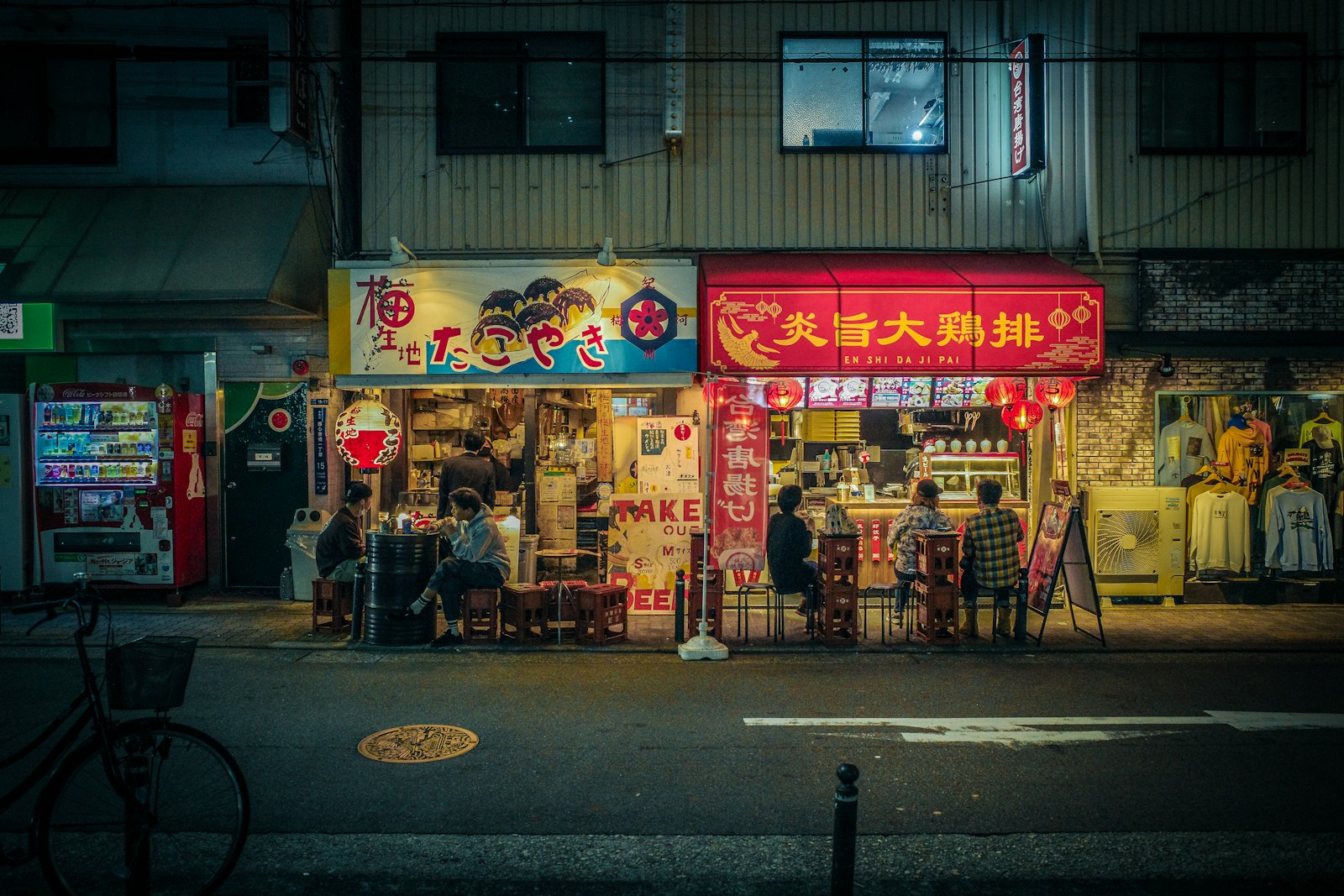
The 350-Meter Promenade
A narrow pedestrian lane runs about 350 meters from the station, lined end to end with shops selling accessories, novelty fashion, and cheap trend pieces. It is bright, dense, and unapologetically pop. Go for the atmosphere and the people-watching as much as the shopping.
Street Sweets
The street’s food is half the point: thick folded crepes stuffed with fruit and cream, rainbow cotton candy the size of your head, and a rotating cast of photogenic snacks. It is indulgent and made for a photo, and the crepe stands have been a Harajuku fixture for decades.
Purikura Photo Booths
Duck into a game arcade for purikura — Japanese photo-sticker booths that smooth your skin, enlarge your eyes, and let you decorate the results. It is a silly, quintessentially Harajuku thing to do with friends, and the printed stickers make a fun free souvenir.
The Backstreets and Cat Street: Streetwear
Ura-Harajuku
The backstreets behind the main drag — Ura-Harajuku — are where independent boutiques and Japanese streetwear labels cluster. Quieter than Takeshita, this is the real engine of Harajuku’s influence on fashion, and the browsing is far more rewarding for anyone past their teens.
Cat Street
Cat Street is a long, semi-pedestrian lane connecting Harajuku to Shibuya, lined with a well-edited mix of streetwear, lifestyle, and cafe stops. It is a pleasant, unhurried walk with good shopping the whole way, and a natural route between the two neighborhoods.
Sneaker Hunting
Harajuku is a serious sneaker destination, with specialist stores carrying limited editions and rare releases. If you collect, budget time to work the backstreets — the finds here are the kind you do not see at home.
Omotesando: Tree-Lined Luxury
The Zelkova Boulevard
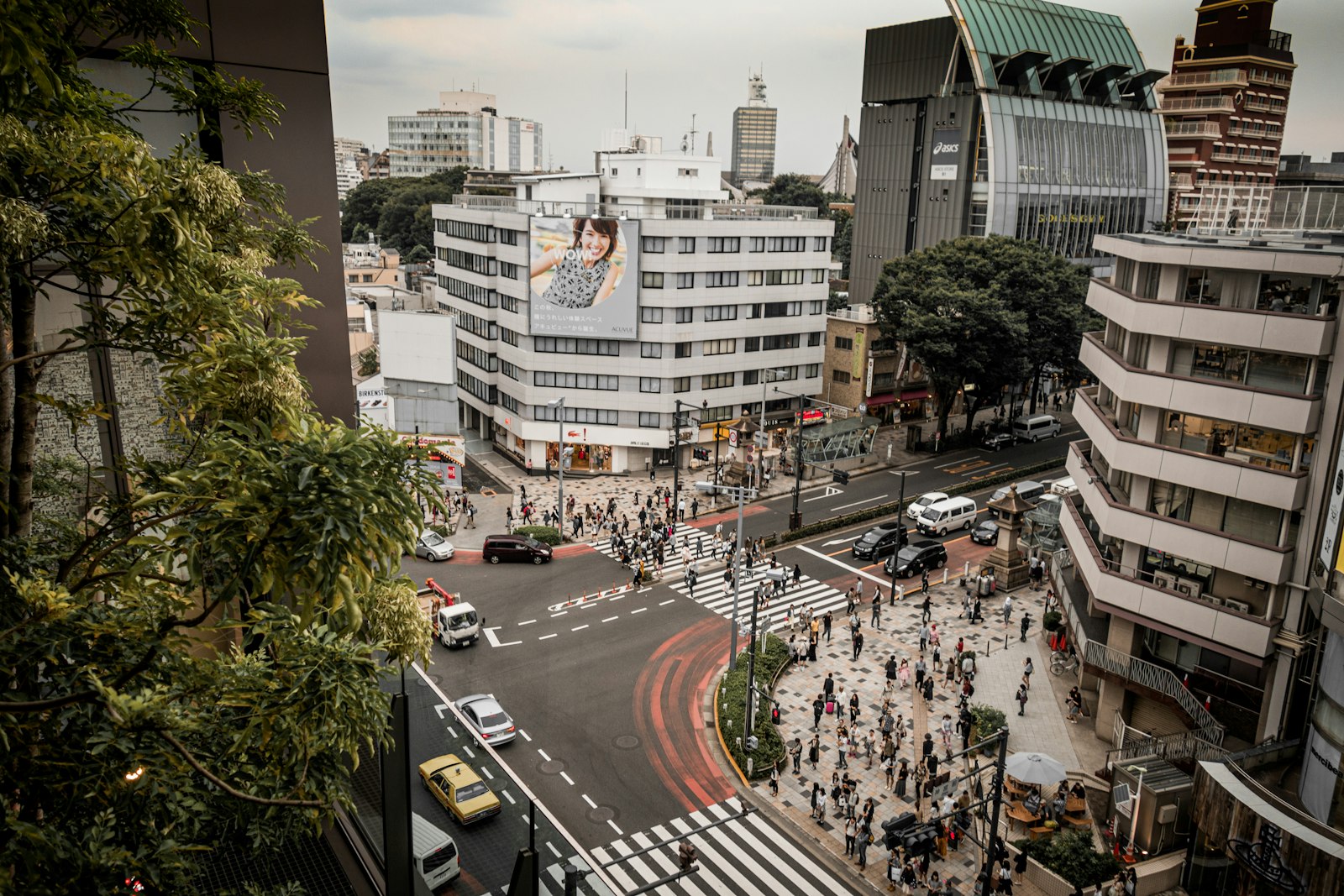
Omotesando is Harajuku’s grown-up counterpart: a broad avenue shaded by zelkova trees and lined with the flagship stores of Chanel, Dior, Louis Vuitton, and their peers. Even as window-shopping, the stroll is one of Tokyo’s most pleasant, especially when the trees turn in autumn or light up in winter.
Omotesando Hills
The Omotesando Hills complex, designed by architect Tadao Ando, folds a gentle internal ramp through several levels of boutiques and cafes. It is worth stepping inside for the architecture alone, a calm concrete counterpoint to the boulevard outside.
Architecture as Attraction
Omotesando doubles as an open-air gallery of contemporary architecture, with several fashion houses commissioning landmark buildings from world-famous architects. Even non-shoppers find the walk rewarding for the facades alone.
Malls and Toy Paradises
Laforet Harajuku
Laforet is a vertical maze of Japanese subculture and youth fashion, floor after floor of small, distinctive labels. It concentrates the Harajuku aesthetic under one roof and is the easiest way to sample the scene if the backstreets feel overwhelming.
Kiddy Land
Kiddy Land is several floors of character goods — Studio Ghibli, Sanrio, and every anime franchise you can name. It is a required stop for anyone shopping for children, or for the child in themselves, and a reliable source of well-loved souvenirs.
Tokyu Plaza
Tokyu Plaza Omotesando is known for its mirrored, kaleidoscopic entrance, a favorite photo spot, and for a rooftop terrace above its shops. It sits right at the Harajuku–Omotesando junction, a natural pivot point between the two moods.
Expert Tip
Do Takeshita Street first thing in the morning, before roughly 11:00, when the shops are opening and the lane is still walkable. By early afternoon, especially on weekends, it becomes shoulder-to-shoulder and slow. Hit it early, then drift to the calmer backstreets and Omotesando as the crowds build behind you.
Beating the Crowds
Go on a Weekday
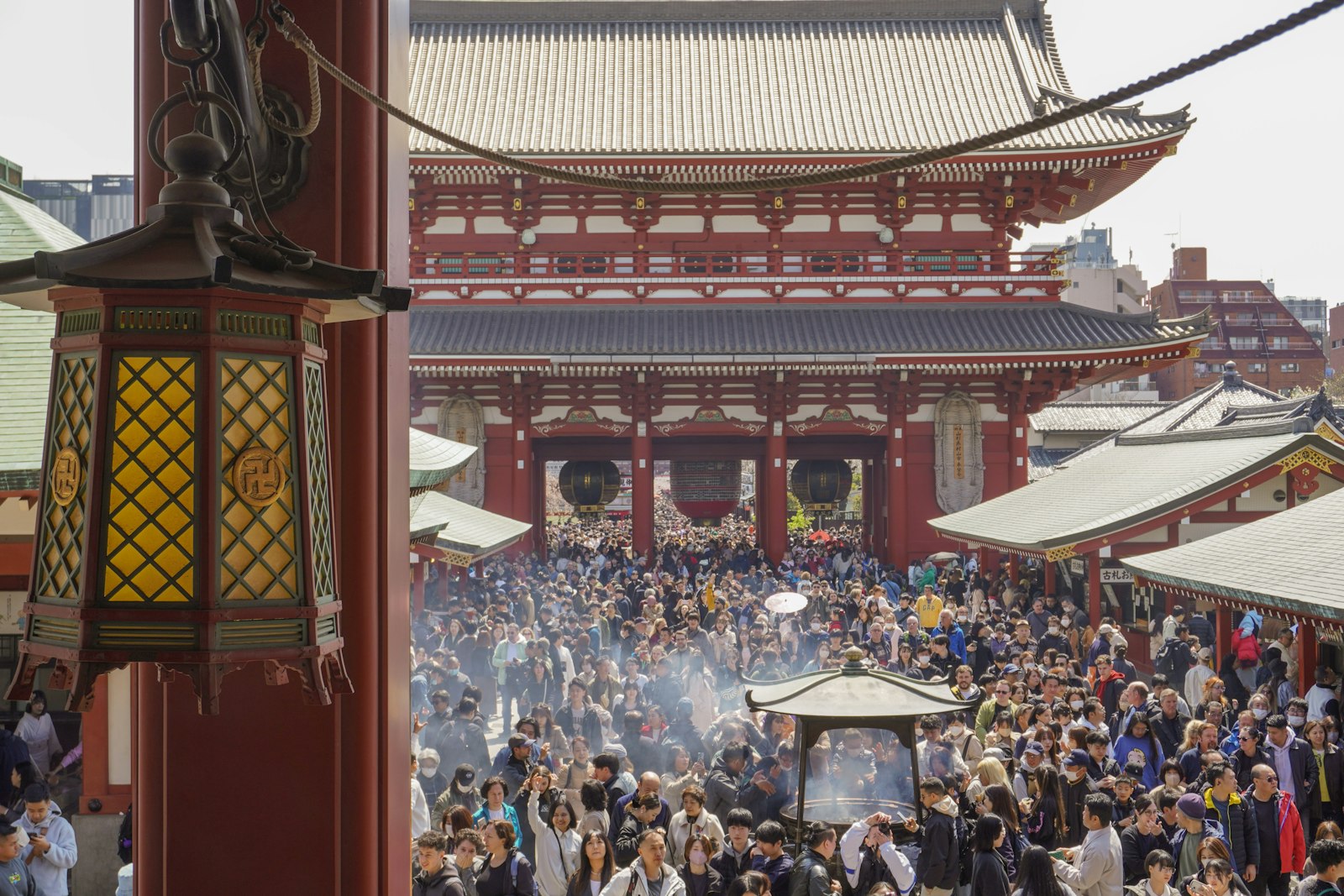
Harajuku on a Saturday or Sunday is genuinely crowded. A weekday visit — Tuesday or Wednesday is ideal — gives you the same shops with room to move and shorter lines for crepes and photo booths.
Coin Lockers
Free and paid coin lockers cluster around Harajuku and Meiji-Jingumae stations, letting you stash bags and shop unencumbered. They fill up on busy days, so grab one early if you are carrying much.
Finding Restrooms
Public restrooms can be scarce on the busy streets, so use the ones inside the larger malls — Laforet, Tokyu Plaza, and department stores — which are clean and reliable. Plan a stop when you pass one.
Harajuku Shopping: Frequently Asked Questions
Is Takeshita Street pedestrianized, and when do shops open? The street is a pedestrian lane, closed to regular traffic and best walked on foot. Most boutiques open around 10:00 to 11:00, so a mid-morning start catches them fresh before the crowds.
Where can I find vintage and pre-loved designer clothing? The backstreets and Cat Street toward Shibuya hold secondhand and vintage shops, and nearby districts extend the hunt. Harajuku’s secondhand scene skews streetwear and youth fashion.
Do small Takeshita stalls take cards? The larger stores accept cards and IC cards, but some small stalls, especially food stands, prefer cash. Carry a little cash for crepes and trinkets.
Related Tours
Conclusion
Harajuku is not one place but three, and the good visit is the one that picks its moments: Takeshita for the spectacle, the backstreets for real streetwear, Omotesando for the elegant stroll. Go early, especially on weekends, and let the crowds chase you toward the quieter lanes.
Plan Your Japan Trip with Local Experts
Our team has guided 40,000+ travelers across Japan. Tell us about your trip and we’ll get back to you within 24 hours.