In this article:
- The Retail Map: Tokyo’s Main Districts
- Department Stores vs. Subculture Emporiums
- Vintage and Thrift Shopping
- Authentic Crafts and Unique Souvenirs
- Smart Shopper Tactics
- Shopping in Tokyo: Frequently Asked Questions
Introduction
The mistake most visitors make with Tokyo shopping is treating it as one activity. The city rewards the opposite approach: pick the neighborhood that matches what you are after and go deep. Want a chef’s knife? Kappabashi. Vintage denim? Shimokitazawa. A flagship luxury boutique? Ginza or Omotesando. Anime figures? Akihabara.
Match your list to the map and you cover more ground with less wandering. Here is how the city’s retail personalities break down.
The Retail Map: Tokyo’s Main Districts
Each major district has a distinct feel, and knowing them in advance saves hours.
Ginza and Nihonbashi: Luxury and Heritage
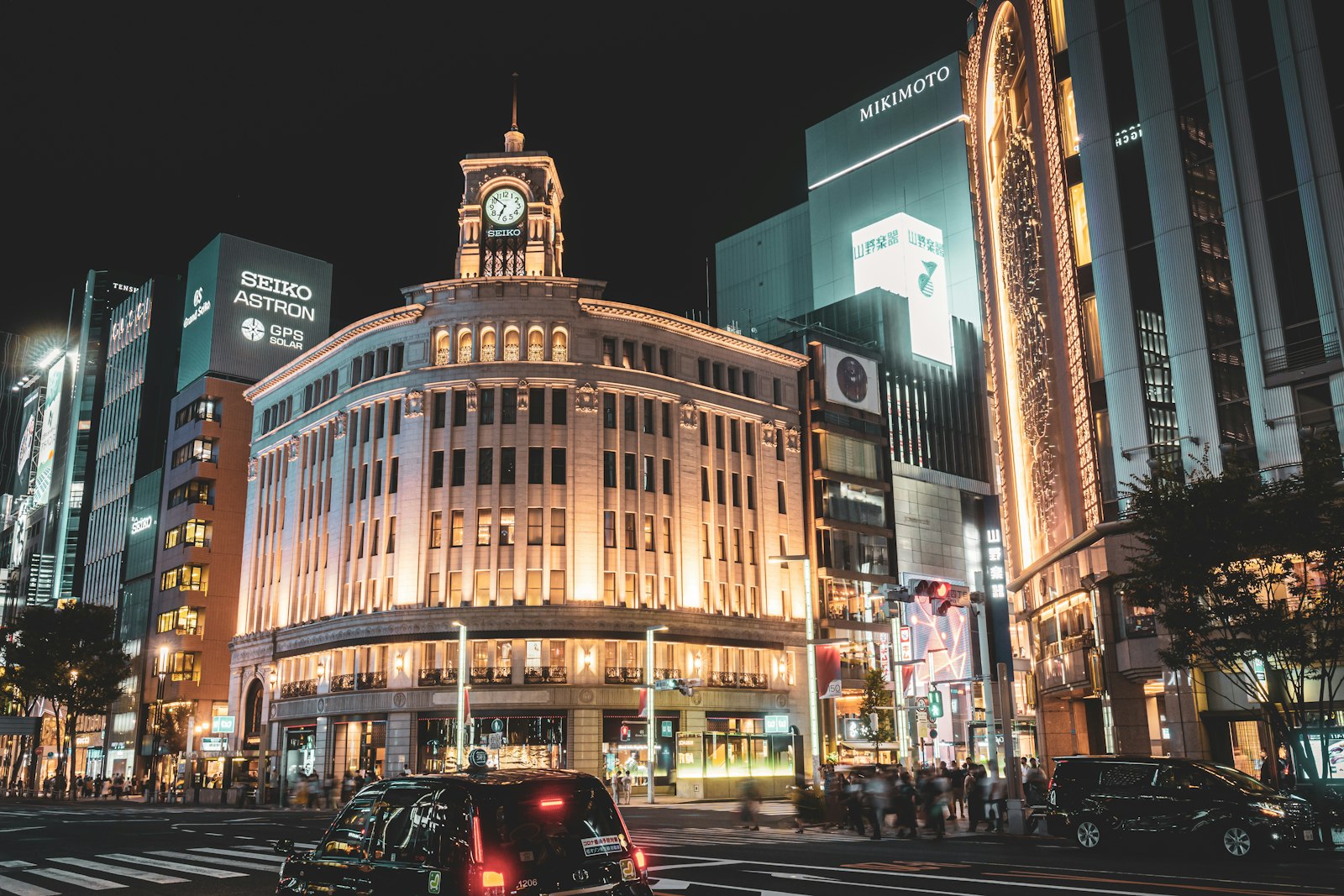
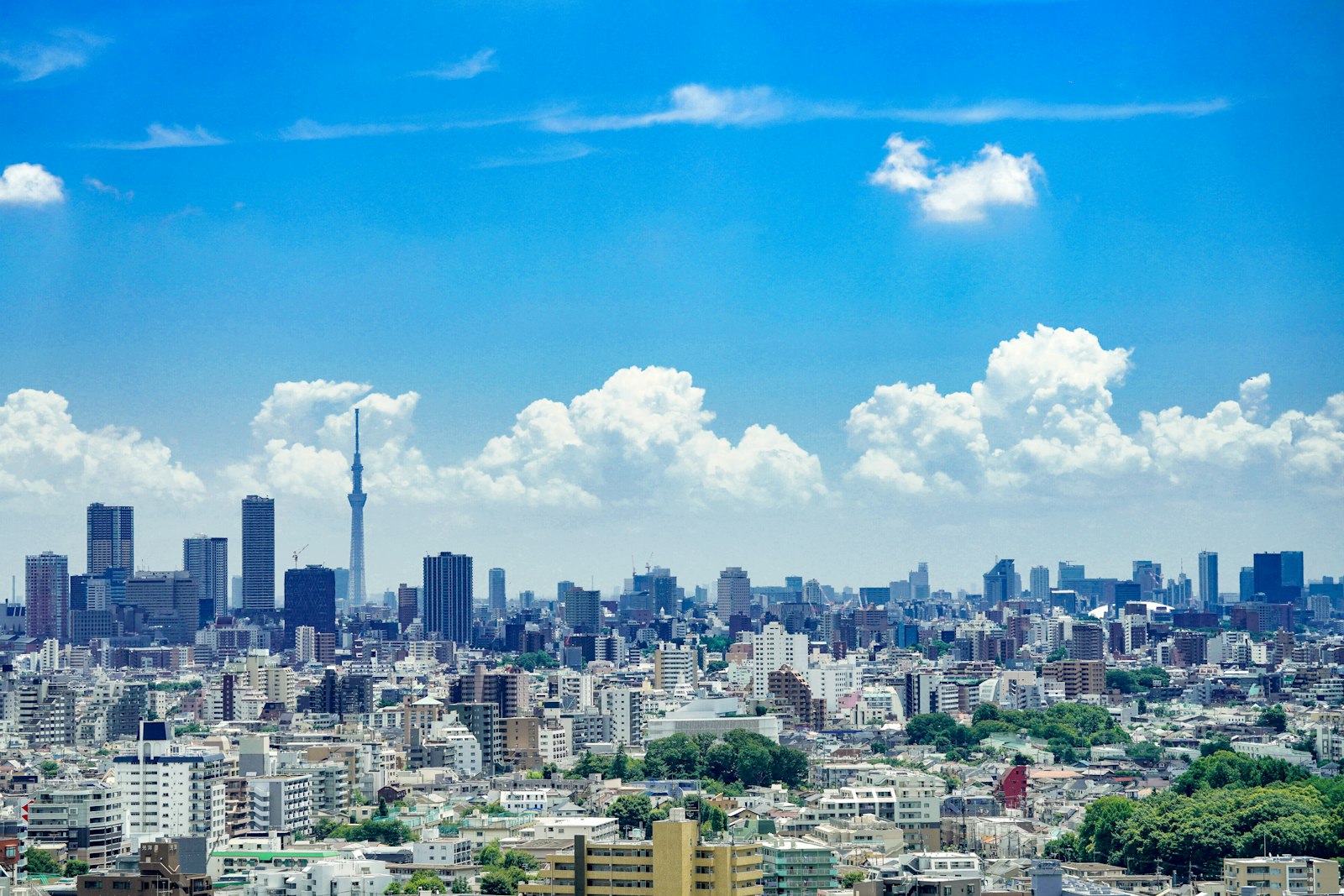
Ginza is Tokyo’s luxury heart — flagship international brands, grand department stores like Mitsukoshi and the Ginza Six complex, and a refined pace. Neighboring Nihonbashi adds Japan’s oldest department stores and a sense of mercantile history. This is where you go for high-end fashion and elegant, traditional gifts.
Shibuya and Shinjuku: Trend and Scale
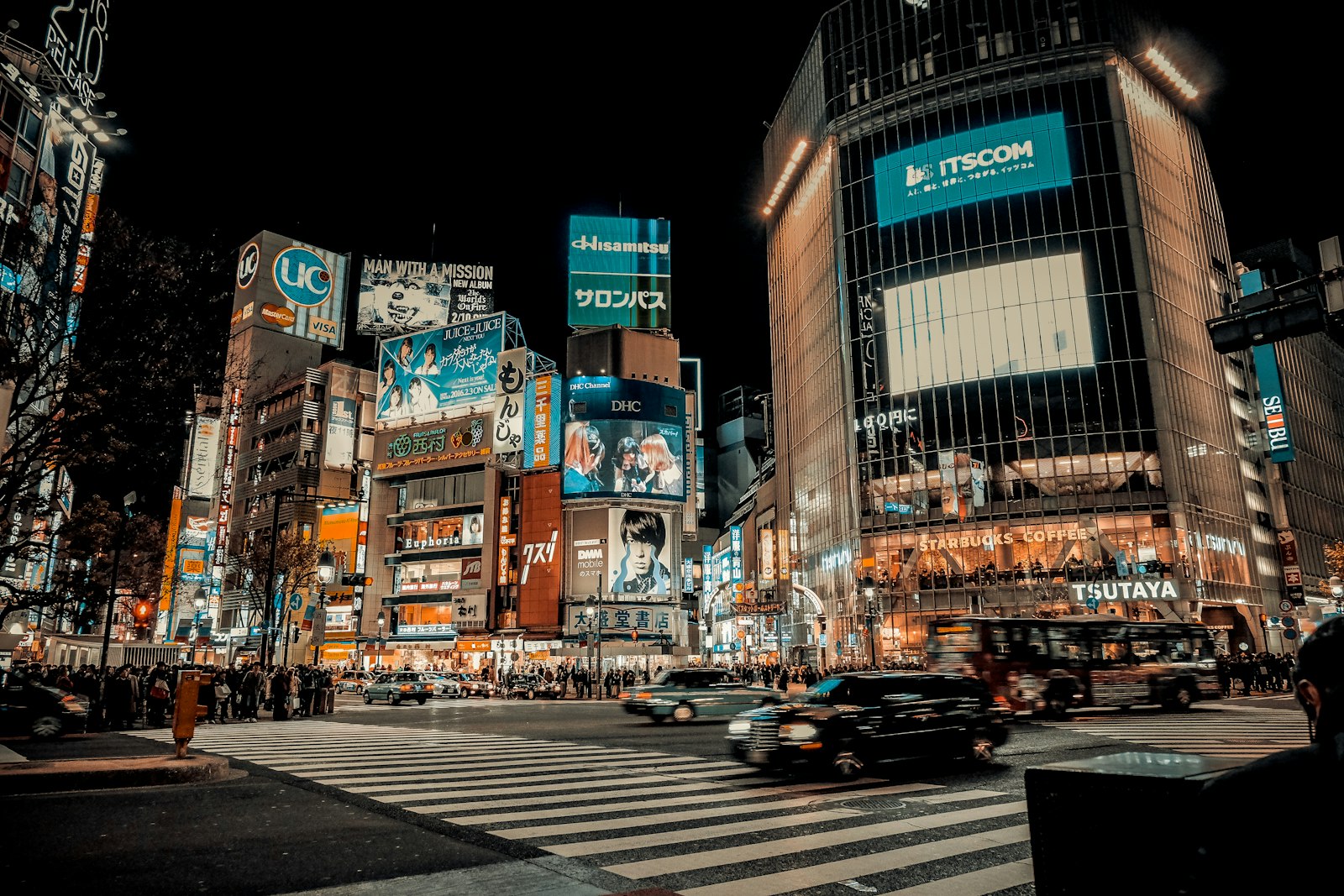
Shibuya sets youth fashion trends across its towers of boutiques, while Shinjuku pairs department stores with enormous electronics retailers. Both are dense, energetic, and good for contemporary fashion and gadgets in one concentrated area.
Akihabara: Anime and Electronics
Akihabara is the home of anime merchandise, figures, retro games, and electronics, floor upon floor of specialist stores. For collectors and fans it is the single most rewarding district in the city, and even for the curious it is worth a wander.
Department Stores vs. Subculture Emporiums
Depachika Food Halls
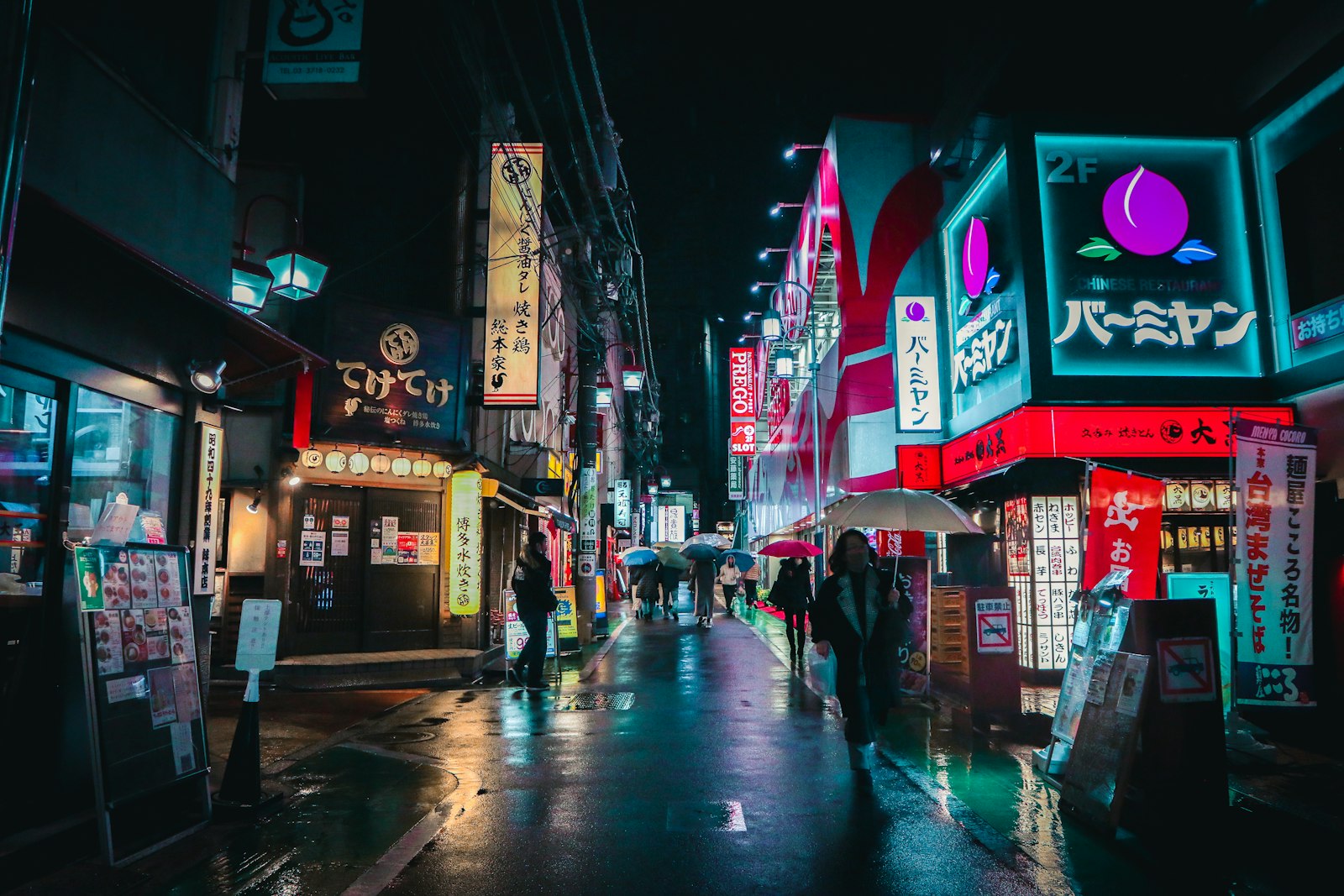
Head to the basement of any major department store for the depachika — a food hall of exquisite sweets, teas, sake, and prepared delicacies. These are among the best places to buy edible gifts, beautifully packaged and genuinely delicious. Go hungry.
Don Quijote
The multi-story Don Quijote chain is a chaotic maze of everything: snacks, cosmetics, novelty souvenirs, electronics, all at low prices and often open late. It is the one-stop shop for filling a souvenir list quickly, and many branches offer tax-free counters.
Loft and Tokyu Hands
For beautifully designed Japanese stationery, kitchen tools, and household goods, Loft and Tokyu Hands (now Hands) are the destinations. They are where locals buy well-made everyday objects, and they make for excellent, practical souvenirs.
Vintage and Thrift Shopping
Shimokitazawa and Koenji
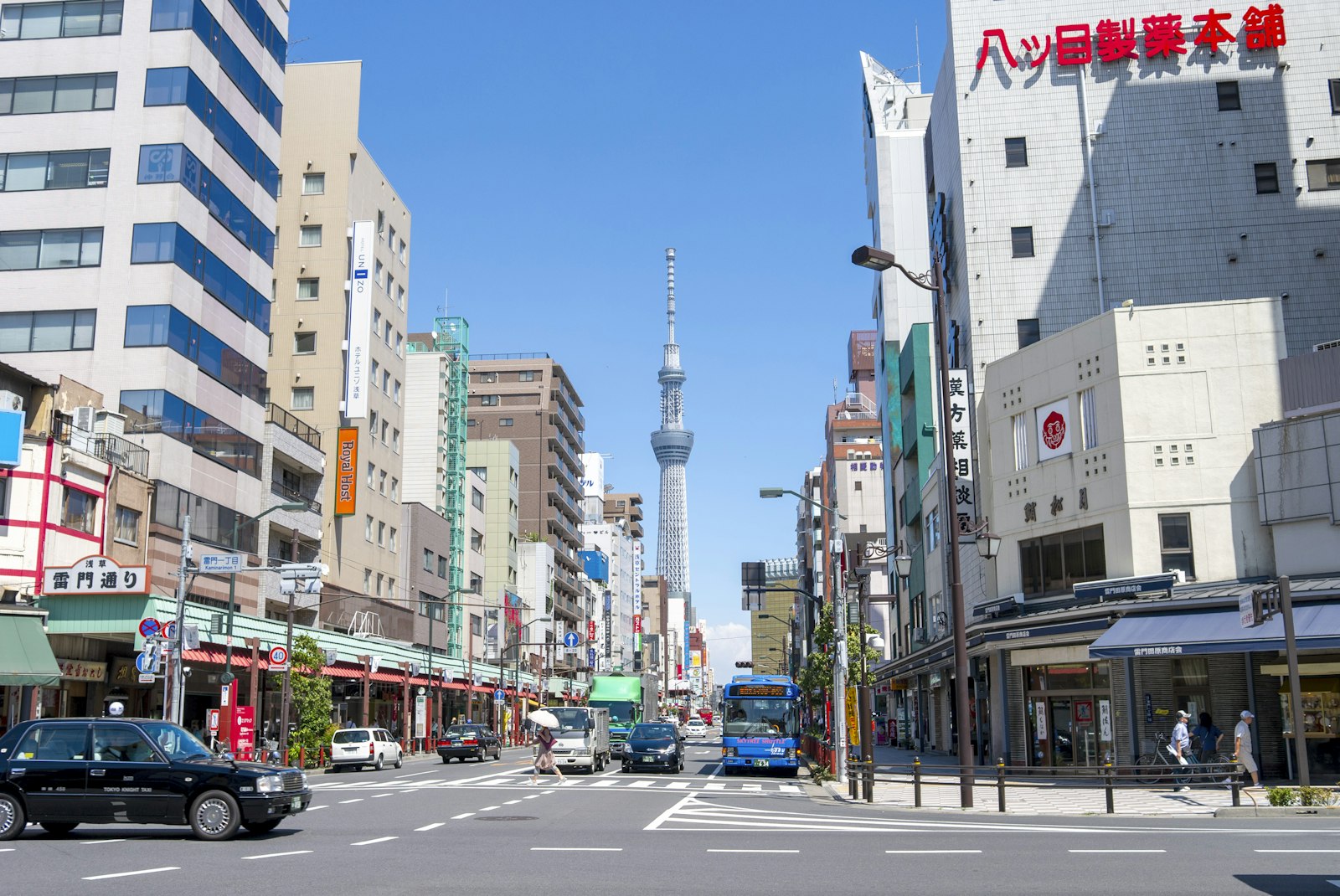
Shimokitazawa and Koenji are the vintage capitals, their backstreets packed with secondhand and American-vintage clothing, records, and independent cafes. Tokyo’s vintage scene is famously well-curated, and prices for quality pieces are often lower than you would find at home.
Pre-Loved Luxury
Japan’s secondhand luxury market is exceptional — designer bags, watches, and accessories in remarkable condition, authenticated and fairly priced, at chains like Ragtag and various specialist stores. Careful ownership means used goods here look barely touched.
Book-Off and Hard-Off
The Book-Off and Hard-Off chains resell books, games, retro electronics, and instruments cheaply. For collectors hunting old video games or a bargain camera lens, they are a reliable, low-cost treasure hunt.
Authentic Crafts and Unique Souvenirs
Kappabashi Kitchen Town
Near Asakusa, Kappabashi is the district that supplies Tokyo’s restaurants — professional chef’s knives, ceramics, and the famous realistic wax food samples. A Japanese knife bought here, sharpened to order, is one of the finest souvenirs you can bring home.
Stationery at Itoya
Ginza’s Itoya is a temple to paper and pens across many floors — fountain pens, notebooks, and beautiful stationery. For a small, high-quality gift that packs flat, it is hard to beat.
Washi Paper in Nihonbashi
Traditional handmade washi paper shops, several long established in the Nihonbashi area, sell sheets, cards, and crafts of real craftsmanship. Light, flat, and distinctly Japanese, washi makes an elegant gift.
Expert Tip
If you plan a serious shopping day, do the tax-free registration at your first large store and ship your purchases to your next hotel or the airport with a luggage-delivery service rather than carrying bags all afternoon. You will shop further, eat better, and arrive at your hotel unburdened — and everything catches up with you by the next day.
Smart Shopper Tactics
Carry Your Passport for Tax-Free
Tax-free shopping requires your physical passport and a minimum spend (generally 5,000 yen excluding tax per store per day). Carry the actual passport, not a copy, if you intend to shop tax-free, and consolidate purchases to clear the threshold.
Go Cashless
Credit cards and IC cards like Suica are widely accepted in Tokyo’s shops and department stores, though small independent stalls may still prefer cash. Carry a card for the big stores and some cash for the little ones.
Ship Your Bags
Luggage-delivery services will send bulky shopping to your next hotel or the airport, usually next-day, for a modest fee. It is the secret to a long shopping day without hauling bags across the city.
Shopping in Tokyo: Frequently Asked Questions
What are typical shop hours? Department stores generally run from about 10:00 or 11:00 to 20:00, while smaller boutiques often open later, around 11:00 or noon. Don Quijote and some electronics stores stay open late into the night.
Are clothing sizes different from Western sizing? Yes, Japanese sizes tend to run smaller than US and EU equivalents, and cuts are often slimmer. Try things on rather than trusting the label, especially for shoes and fitted clothing.
Can I ship large purchases to the airport? Yes. Luggage forwarding to the airport is common and reliable, letting you fly out without dragging your shopping through the trip. Arrange it a day or two before departure.
Related Tours

Conclusion
Tokyo shopping works best when you let the city’s neighborhoods do the sorting for you. Decide what you are after, go to the district that specializes in it, and give it your full attention rather than skimming everywhere.
Plan Your Japan Trip with Local Experts
Our team has guided 40,000+ travelers across Japan. Tell us about your trip and we’ll get back to you within 24 hours.