In this article:
- Reading Ginza: Chuo-dori and the Backstreets
- Department Stores, Ginza Six, and the Food Halls
- Things Made in Japan: Paper, Incense, Chopsticks, and Pearls
- Tax-Free Shopping in Ginza Under the Refund System
- Ginza Shopping: Frequently Asked Questions
Introduction
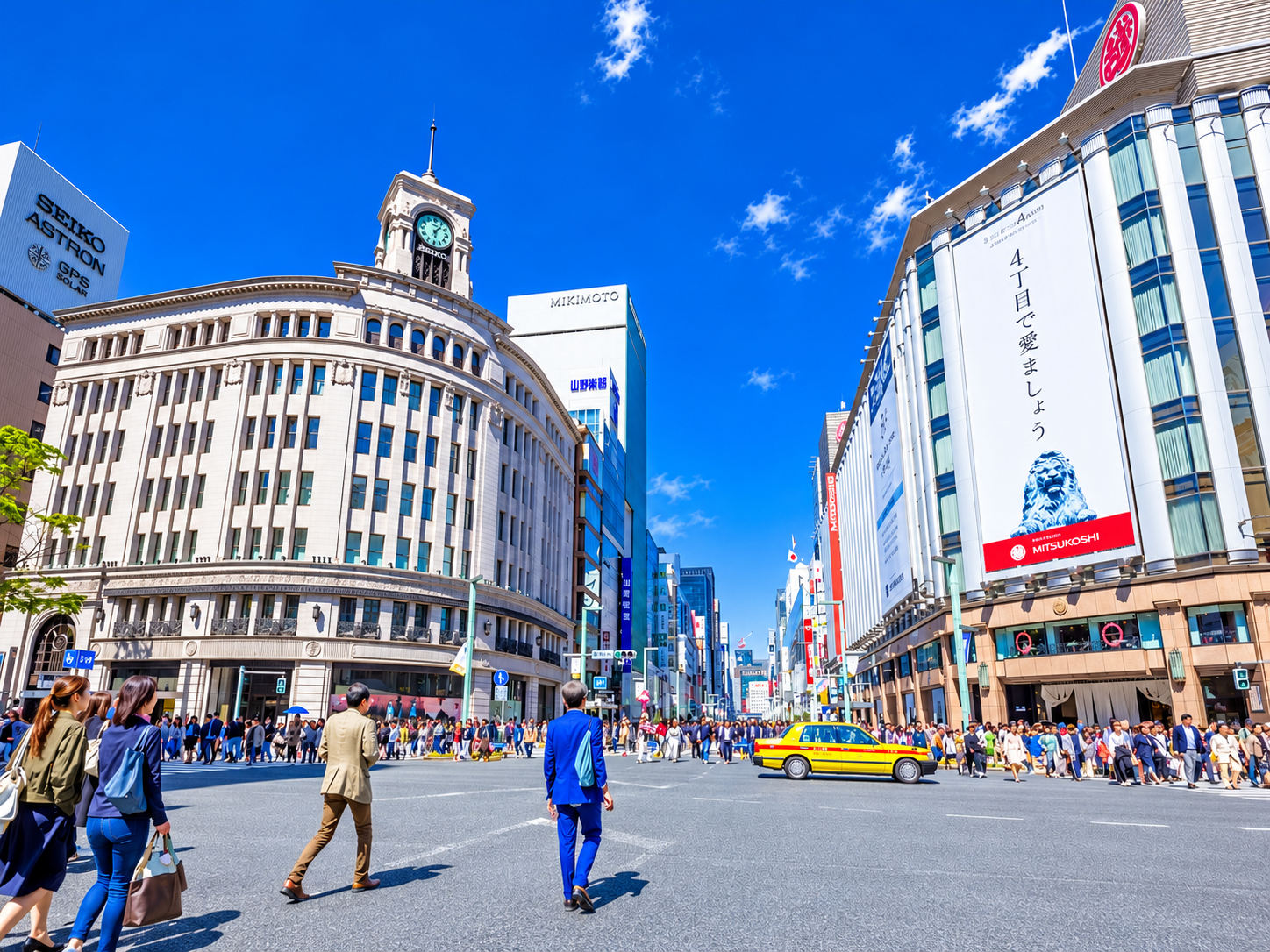
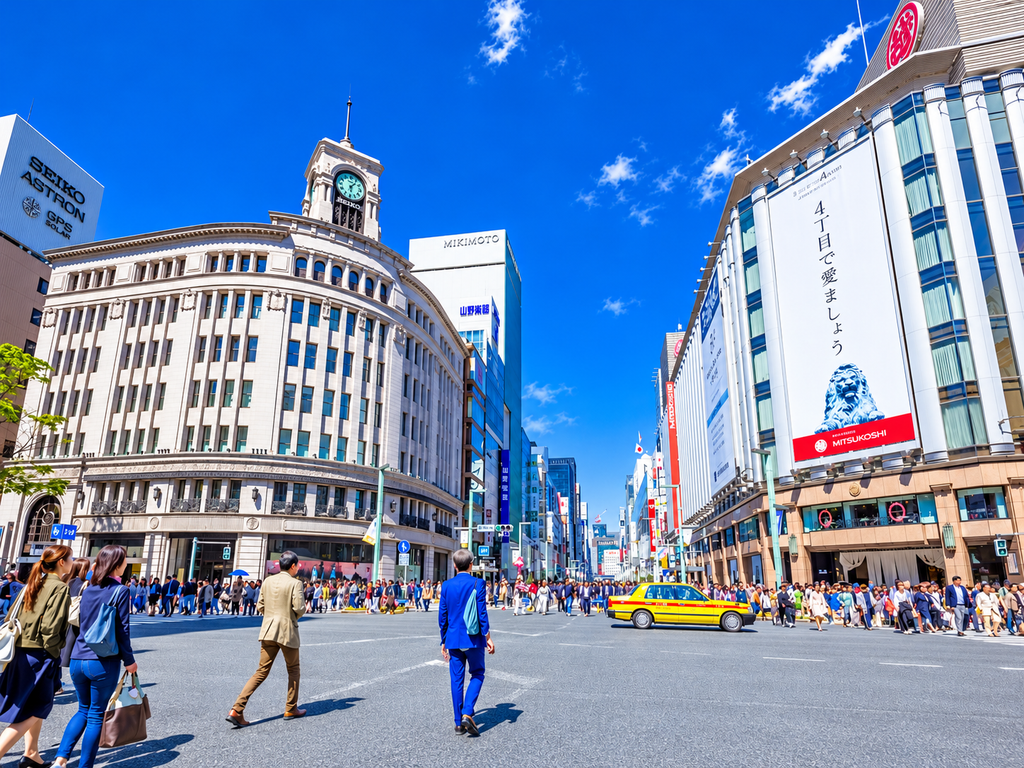
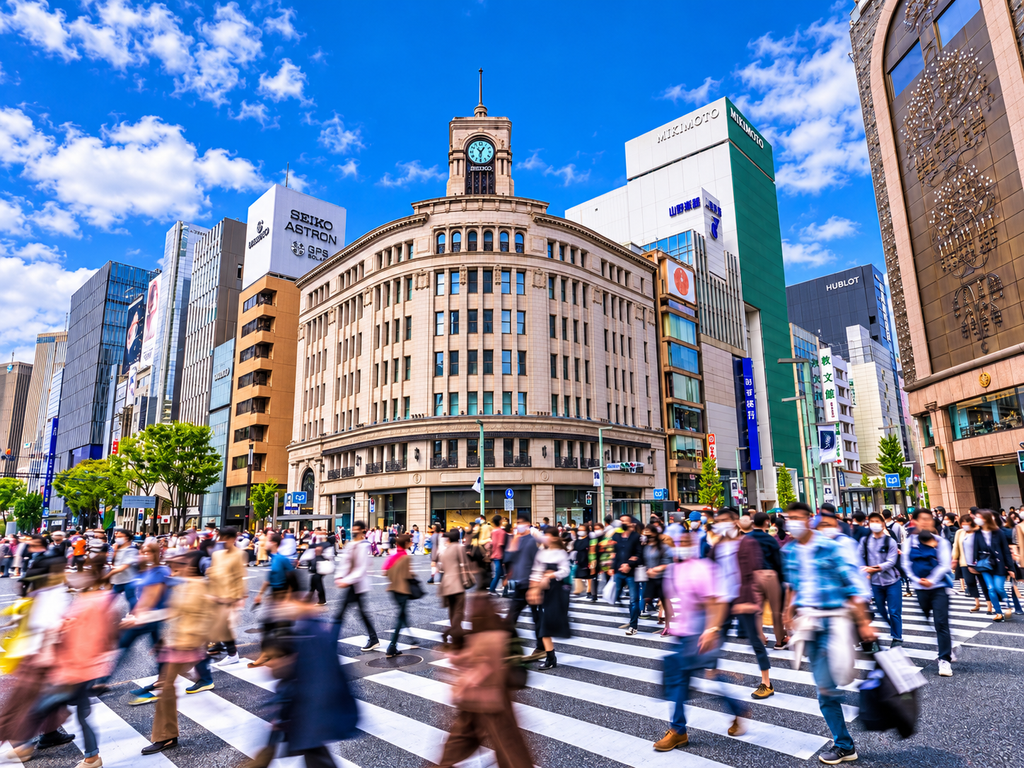
Ginza shopping starts, for almost everyone, at the same corner. The 4-chome crossing has the clock tower of the Wako building on one side and Ginza Mitsukoshi on the other. This is where the district’s reputation was built. It is also where most visitors stand for a minute, working out which way to walk.
That moment of hesitation is the right instinct. Ginza is not just a single shopping street. Instead, it consists of several layers stacked on top of each other. On the main avenue, you will find international luxury houses. Alongside them are Japanese department stores that have stood there for close to a century. Behind these main avenues lies a grid of narrower streets. There, a single shop might sell nothing but chopsticks or incense.
The travelers we guide through Tokyo tend to enjoy Ginza far more under one condition. They need to stop treating it as a luxury mall and start treating it as a neighborhood of specialists.
We organized this guide around that idea. We explain how someone laid out the district. We look at which department stores are truly worth your time. We also introduce the small shops we recommend for authentic made-in-Japan items. Finally, we explain the practical side of shopping here, including the new airport tax refund procedure.
Reading Ginza: Chuo-dori and the Backstreets
Ginza runs in numbered blocks from 1-chome in the north to 8-chome in the south, with Chuo-dori as its spine. Once you know that, the district stops feeling large.
The Main Street: Flagships Along Chuo-dori
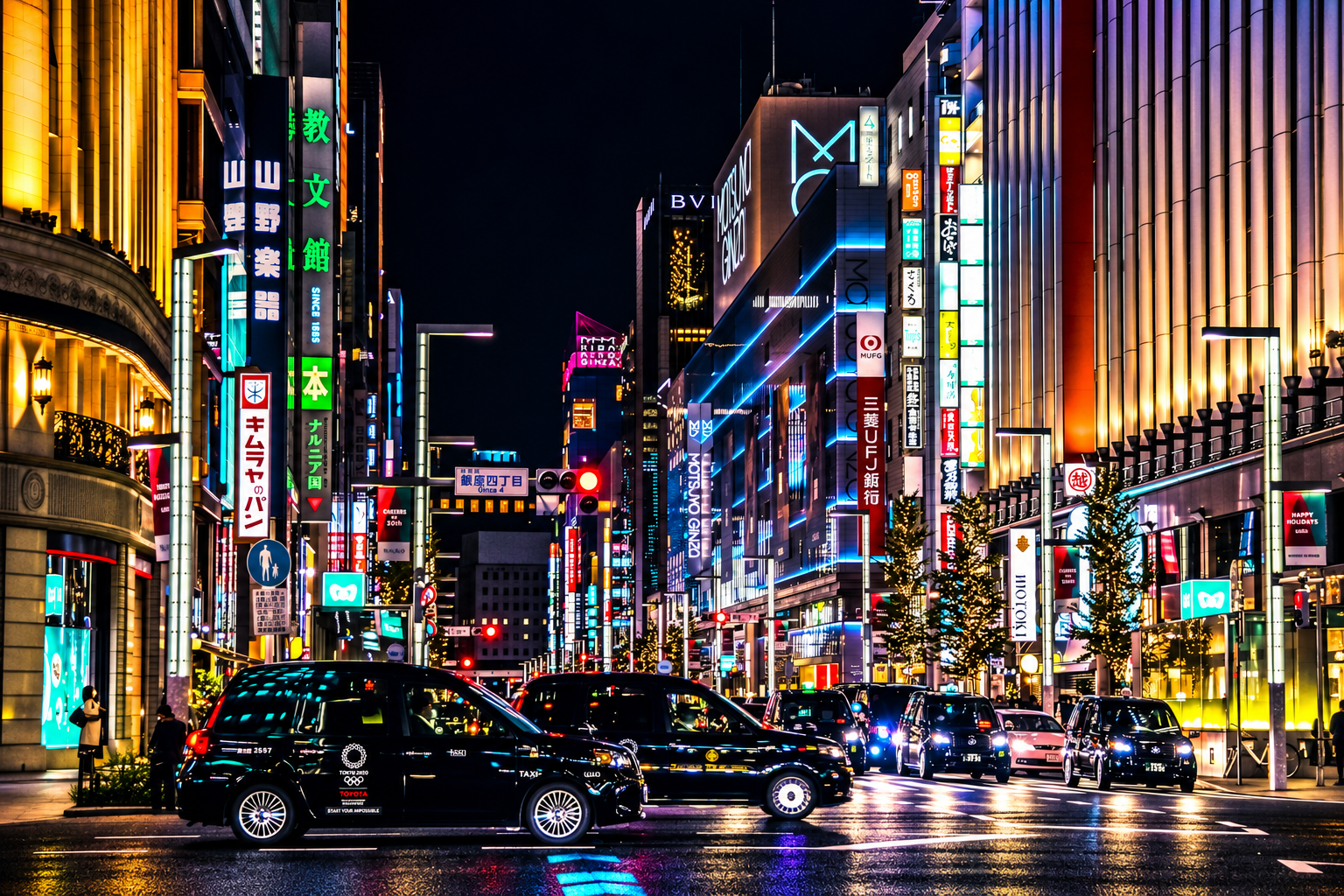
Chuo-dori hosts the international names: European fashion and jewelry houses, each occupying a building that architects designed for people to admire from across the road. The facades serve part of the purpose, and taking an evening walk along the avenue when the stores light up pleases you even if you buy nothing.
Japanese brands hold their ground here too. Uniqlo’s Ginza flagship spreads over many floors, GU and Muji have large stores nearby, and Dover Street Market Ginza gathers dozens of designer labels under one roof. If your list includes everyday basics and a single expensive piece, you can do both within a few hundred metres.
In our view, Chuo-dori is the least interesting part of Ginza for most visitors. The same brands exist in Paris, London, and New York, usually at similar prices. Walk it, look at the architecture, and save your time for what you cannot buy at home.
Weekend Pedestrian Hours
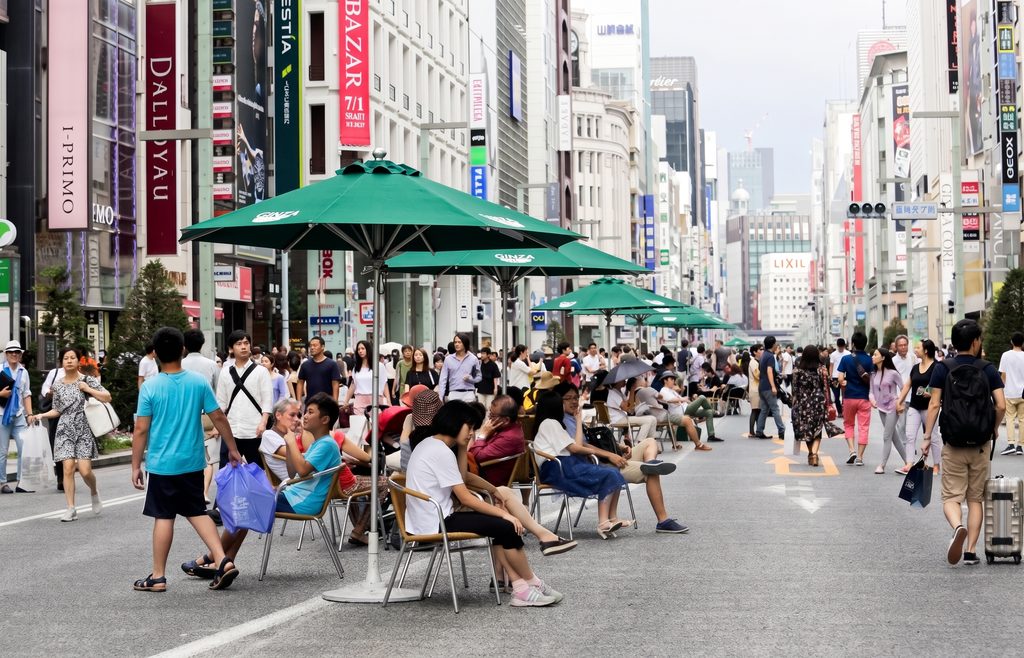
On Saturdays, Sundays, and public holidays, Chuo-dori closes to cars from noon and becomes a pedestrian zone. The closure is generally reported to run until 6pm from April to September and until 5pm from October to March, though it can be cancelled for weather or events.
Walking down the middle of Ginza’s main avenue is a pleasant novelty, and families come out in numbers. That said, the weekend crowds inside the department stores are heavy. If your aim is to shop rather than stroll, a weekday morning is a much calmer experience.
The Side Streets Where the Specialists Are
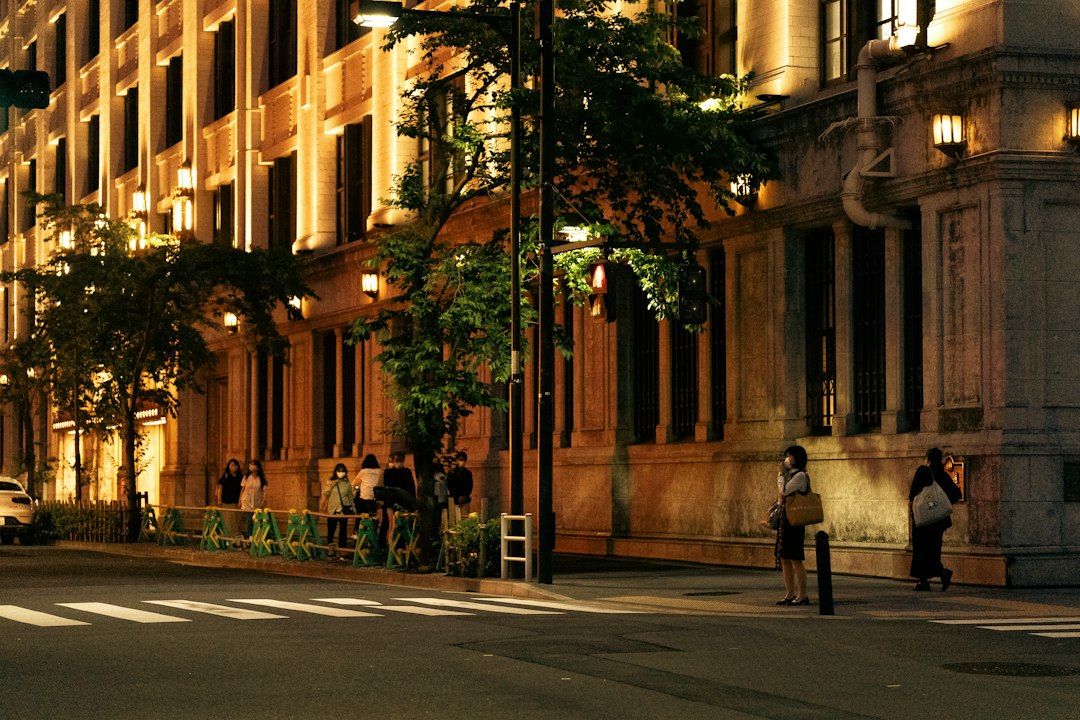
Step one block off Chuo-dori in either direction and the scale changes. The streets narrow, the buildings are slimmer, and the ground floors hold shops that have done one thing for generations: tableware, kimono fabric, umbrellas, paper.
This is where Ginza earns its reputation among Japanese shoppers. Wander the blocks between 5-chome and 8-chome without a plan for an hour, and you will pass more independent specialists than in most entire cities.
Department Stores, Ginza Six, and the Food Halls
Japanese department stores are not a lesser version of Western ones. Service, wrapping, and the depth of stock in categories such as tableware and food are on a different level, and Ginza has some of the oldest in the country.
Mitsukoshi, Matsuya, and Wako
Ginza Mitsukoshi, on the 4-chome crossing, has traded on this corner since 1930. It is the natural first stop: broad, well signposted, and set up for overseas visitors, with a tax-free service counter. Matsuya Ginza, a short walk north on Chuo-dori, is a little more design-led and particularly good for Japanese homeware.
Wako is different again. The clock tower building dates from 1932, completed as a symbol of Tokyo’s recovery after the Great Kanto Earthquake, and the store inside is small, quiet, and expensive. Few visitors buy much there, but the building is a landmark of Ginza’s history and the window displays change with the seasons.
Ginza Six and Its Rooftop
Ginza Six, which opened in 2017 in 6-chome, is the largest shopping complex in the district. It is more of a luxury mall than a department store, with individual brand boutiques rather than shared floors.
Two parts of it are worth seeking out even if fashion is not your interest. Ginza Tsutaya Books on the 6th floor is one of the best places in Tokyo for books on Japanese art, architecture, and design, and the large-format photography and art books make sense without reading a word of Japanese. The rooftop garden gives you open sky and a place to sit between stores, which is in short supply in central Ginza.
Depachika: The Basement Food Floors
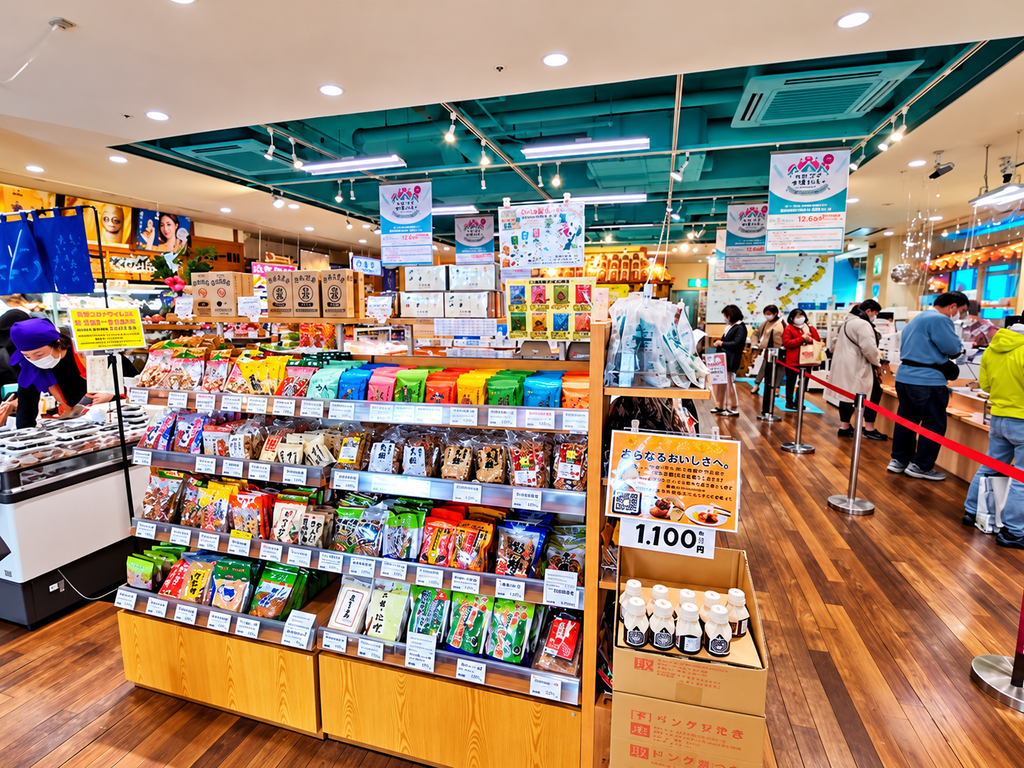
Go downstairs in any Ginza department store and you reach the depachika, the basement food halls. Wagashi in seasonal shapes, boxed senbei, fruit priced like jewelry, bento counters, and tea from long-established houses fill row after row of counters.
For gifts, this is where we steer most travelers. Boxed sweets and tea are light, well packaged, and very Japanese, and the staff will wrap them for travel if you ask. Our guide to authentic Japanese souvenirs covers what keeps well on a long flight.
Expert Tip
Visit the depachika soon after opening or in the early afternoon, not in the hour before closing. Late in the day the food halls fill with office workers buying dinner, and the counters for well-known sweets often sell out of their popular boxes. If you are buying perishables, check the printed expiry date before you pay — many fresh wagashi last only a day or two.
Things Made in Japan: Paper, Incense, Chopsticks, and Pearls
The best purchases in Ginza are small. A box of incense, a fountain pen, a pair of lacquered chopsticks — objects that are made in Japan, that you would struggle to find at home, and that fit in a carry-on.
Itoya for Stationery
Itoya is Ginza’s stationery institution. The main store is split between two buildings: G.Itoya, a tall, narrow tower with each floor given to a different category, and K.Itoya across the back street, which focuses on fountain pens and writing instruments.
Start at the top and work down. The paper floors are the reason to come, with washi, letterpress cards, and envelopes in colors you will not see elsewhere. CAFE Stylo, the café upstairs, is a good place to rest before the descent. In our experience, people who say they are not stationery people still spend an hour here.
Kyukyodo for Incense and Washi
Kyukyodo was founded in Kyoto in 1663 as an apothecary, which is how it came to make incense, and its Ginza shop has stood on Chuo-dori since the Meiji era. Inside, it is quieter than the street by several degrees, and the scent reaches you at the door.
The incense is the obvious buy, sold in boxes from inexpensive daily sticks to rarer blends. The washi stationery is equally good: seasonal postcards, decorated envelopes, and small paper goods printed with traditional patterns. Prices are reasonable for what you are getting, which surprises people on Ginza’s main avenue.
Ginza Natsuno for Chopsticks
Ginza Natsuno, in 6-chome, sells chopsticks and very little else. The walls hold thousands of pairs, in lacquer, bamboo, and hardwoods, from workshops around Japan, along with chopstick rests and small tableware.
Chopsticks make one of the best gifts you can take home from Japan. They are light, useful, and the difference between a mass-produced pair and a lacquered one from a known region is obvious the moment you hold them.
Mikimoto and the Pearl Question
Mikimoto’s Ginza 4-chome main store, rebuilt in 2017 behind an irregular facade designed by architect Hiroshi Naito, is where many travelers go for cultured pearls. The company’s founder pioneered pearl cultivation in Japan, and the store is calm, unhurried, and used to overseas buyers.
Pearls are a serious purchase, and we would rather you buy them here than at an unmarked shop elsewhere in Tokyo. Take your time, ask for the grading to be explained, and do not feel obliged to decide on the first visit.
Shopping With a Guide
When travelers on our private Tokyo day tour ask for a shopping half-day, Ginza is often where we build it. The useful part of having a guide is not translation at the till. It is knowing which side street holds the shop that matches what you described, and getting you there before the afternoon crowds.
Tax-Free Shopping in Ginza Under the Refund System
Japan’s tax-free system for visitors changed on November 1, 2026, and the change matters most at the end of your trip rather than in the shop. Most Ginza department stores and larger specialty shops are registered tax-free stores.
What Changed on November 1, 2026
Under the old system, eligible shops removed the 10% consumption tax at the till. Under the new refund system, you pay the full tax-inclusive price in the store. The tax is refunded after customs confirms, at your departure, that the goods are leaving Japan.
The minimum is unchanged: purchases must total at least ¥5,000 before tax, at the same store on the same day. You will still need your passport at the store, and you must leave Japan with the goods within 90 days of purchase. The refund itself is paid by the shop, or by a refund company working on its behalf, so ask at the counter how and when you will receive it.
For the full detail, including how the process differs by airport, see our guide to tax-free shopping in Japan.
At the Airport: Keep Purchases Accessible
At departure, you scan your passport at a customs terminal in the departure lobby before you check in. A green result means you are done. A red result means you take your purchases to an inspection area.
That is the reason to pack sensibly. You must be able to present the goods, and you cannot check your bags in first. At several major airports, including Narita and Haneda, the customs step can also be completed through Visit Japan Web.
Expert Tip
Keep each shop’s receipt with the goods it covers. If even one item on a receipt is missing at customs, the whole receipt loses its refund eligibility, not just that item. For travelers making several large purchases in Ginza, we suggest one carry-on bag for tax-free items only, so the airport step takes minutes rather than an unpacking session in the departure hall.
Planning the Day
Ginza rewards a slow afternoon. Start at the 4-chome crossing late in the morning, spend lunch and the early afternoon on the side streets and in a department store, and leave the depachika until last before you head back to the hotel.
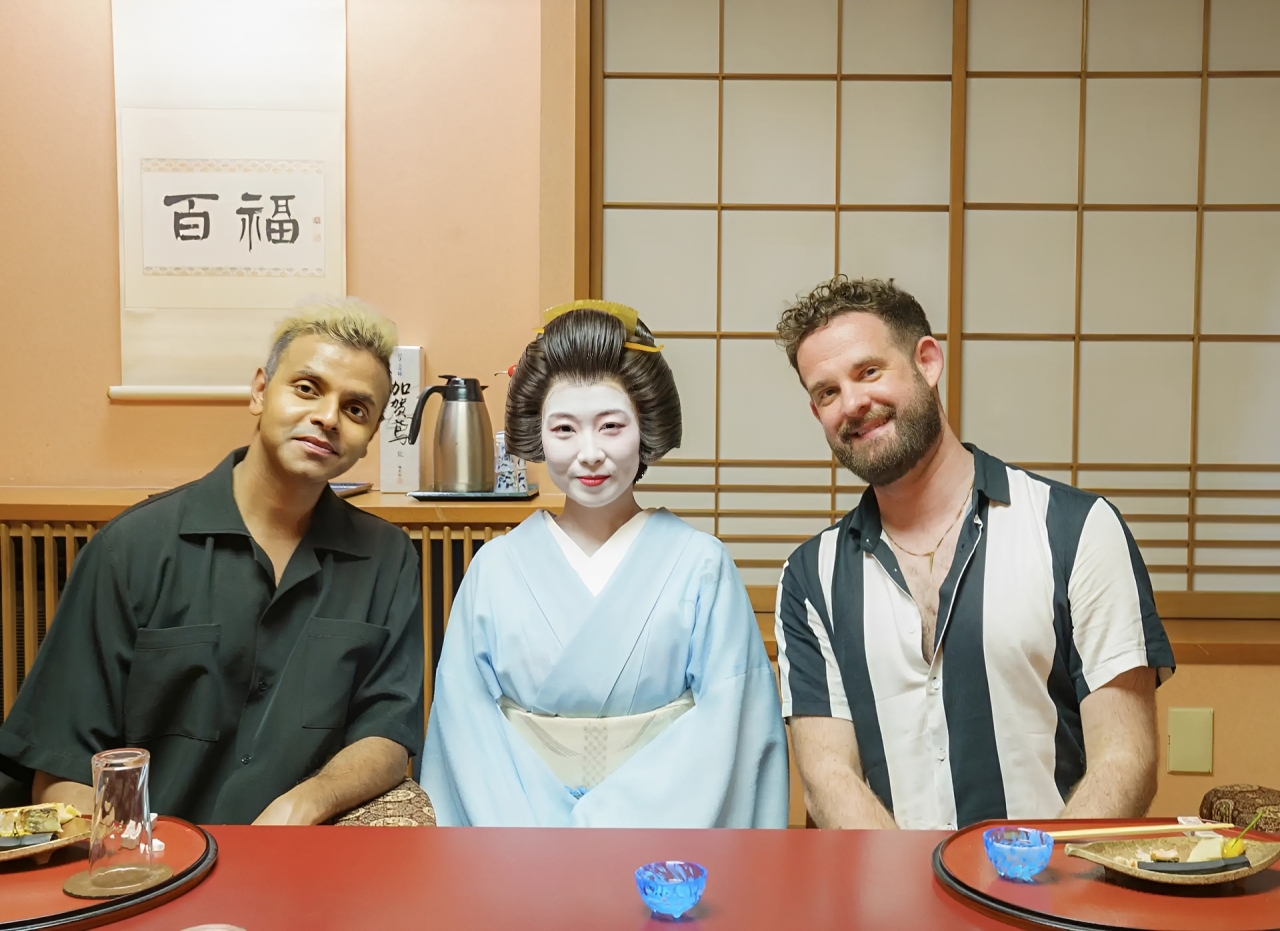
Evenings in Ginza tend toward dining rather than shopping. If you want something quieter, Kagurazaka is a direct ride on the Yurakucho Line from Ginza-itchome to Iidabashi, and it is where we host our geisha dinner in Tokyo, a three-hour kaiseki evening in a members-only ryotei. Smart casual is fine there, so a day of shopping and a dinner on tatami fit together without changing clothes.
Ginza Shopping: Frequently Asked Questions
Is Ginza only for luxury shopping?
No. The luxury houses dominate Chuo-dori, but Uniqlo, GU, and Muji all have large Ginza stores, and the specialist shops on the side streets sell incense, stationery, and chopsticks at ordinary prices. The depachika food floors are one of the best-value places in Tokyo to buy gifts.
When is Chuo-dori closed to traffic?
On Saturdays, Sundays, and public holidays, from noon. The closure generally runs until 6pm from April to September and until 5pm from October to March, and it can be cancelled for bad weather or special events. Shops keep their normal hours either way.
How does tax-free shopping work in Ginza now?
For purchases on or after November 1, 2026, you pay the full price including tax, then complete a customs check at the airport or seaport before you check in. Purchases must total at least ¥5,000 before tax at one store on one day, and you need your passport at the time of purchase. The refund is paid by the store or its refund partner once customs has confirmed export.
Related Tours
Conclusion
Decide before you go whether you want Ginza to be a walk or a shopping trip. The weekend pedestrian zone is a pleasant way to see the district; a weekday morning is the better way to buy anything, with quieter stores and fuller shelves in the food halls.
Then narrow the list. Pick three shops — perhaps Itoya, Kyukyodo, and one department store basement — and let the side streets fill the gaps between them. Visitors who arrive with a list of twenty leave with a sore back. Those who arrive with three usually leave with the best things they bought in Japan.
Finally, plan the airport end now rather than later. Under the refund system, keeping your tax-free purchases and receipts together in one bag is the difference between a two-minute customs check and a stressful one.
Plan Your Japan Trip with Local Experts
Our team has guided 40,000+ travelers across Japan. Tell us about your trip and we’ll get back to you within 24 hours.