In this article:
- Choosing the Right Board for Deep Powder
- English-Speaking Schools and Guides
- Backcountry Safety and Off-Piste Rules
- Slope Etiquette
- The After-Shred Ritual
- Snowboarding in Japan: Frequently Asked Questions
Introduction
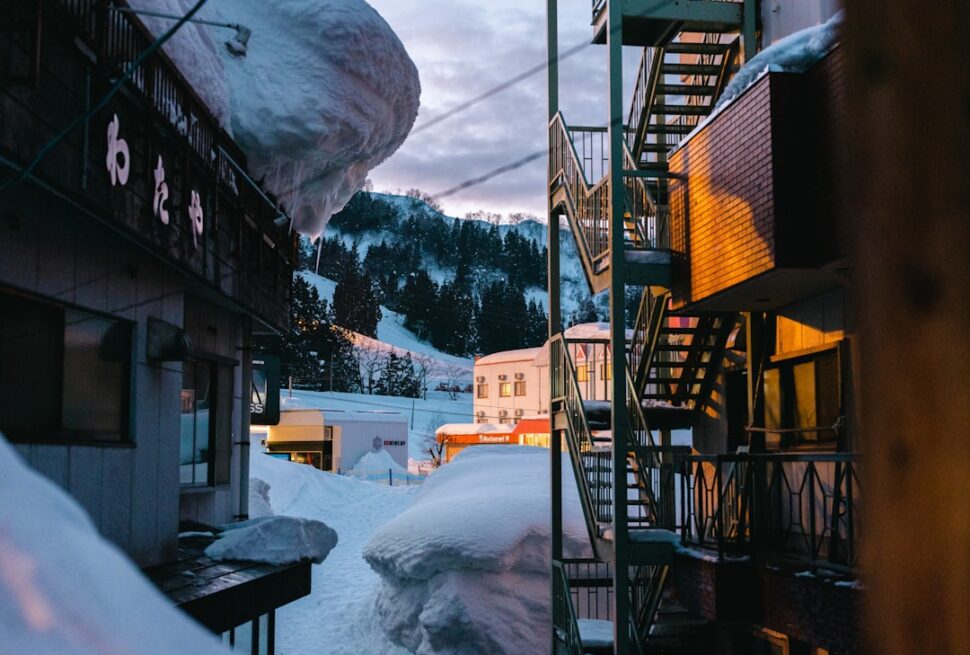
Snowboarding in Japan is a different sport from snowboarding on a hard-packed home hill. The snow is so deep and light that technique, gear, and even your stance change. Get those right and you experience the floating, effortless powder riding that fills the highlight reels. Get them wrong and you spend the day fighting to stay afloat.
Beyond the riding, Japan has firm rules about where you may and may not go, and a slope culture built on quiet courtesy. Understanding both keeps your trip fun and keeps your lift pass in your pocket.
Choosing the Right Board for Deep Powder
The single biggest adjustment riders make in Japan is to their equipment.
Why Park Boards Sink
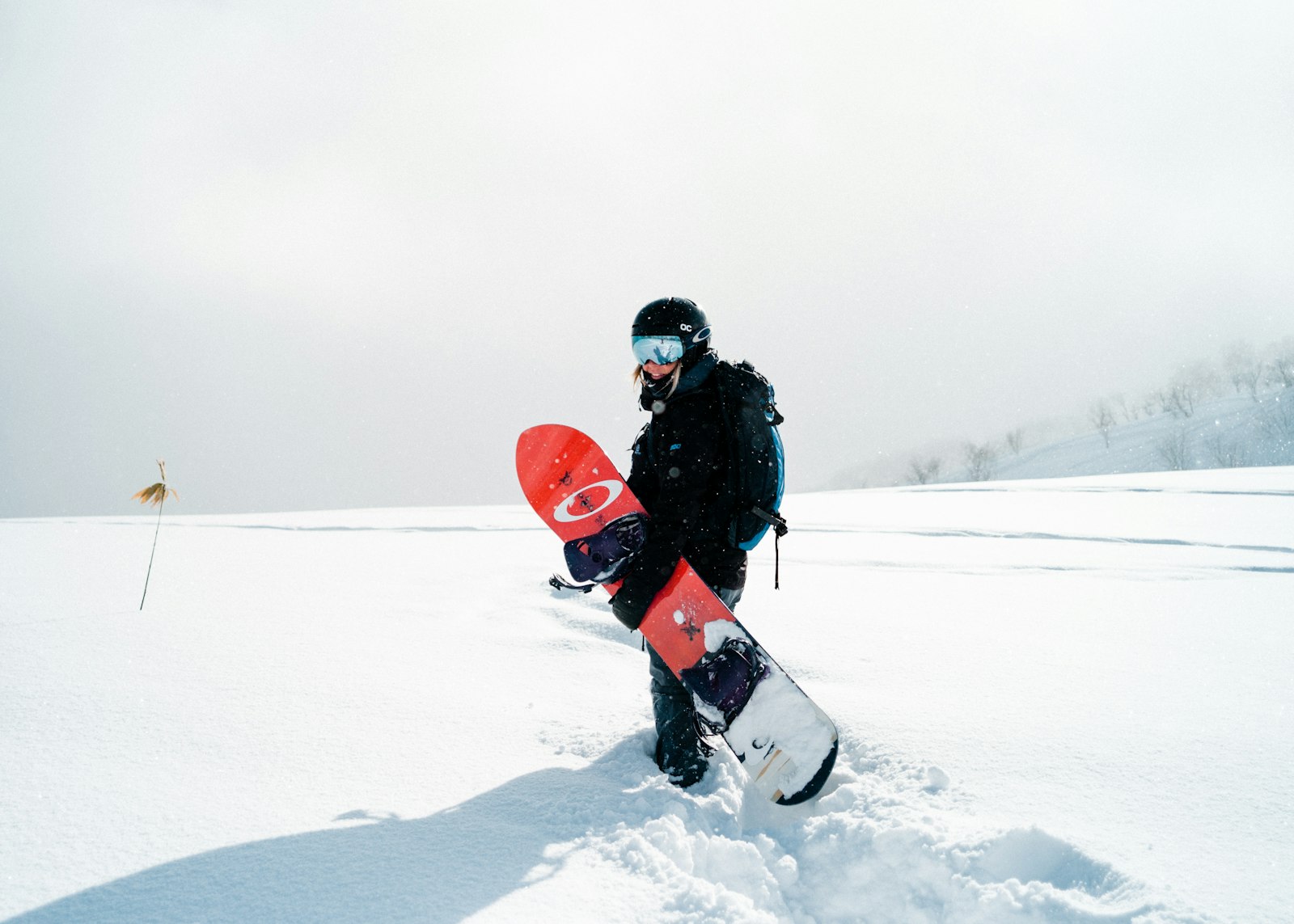
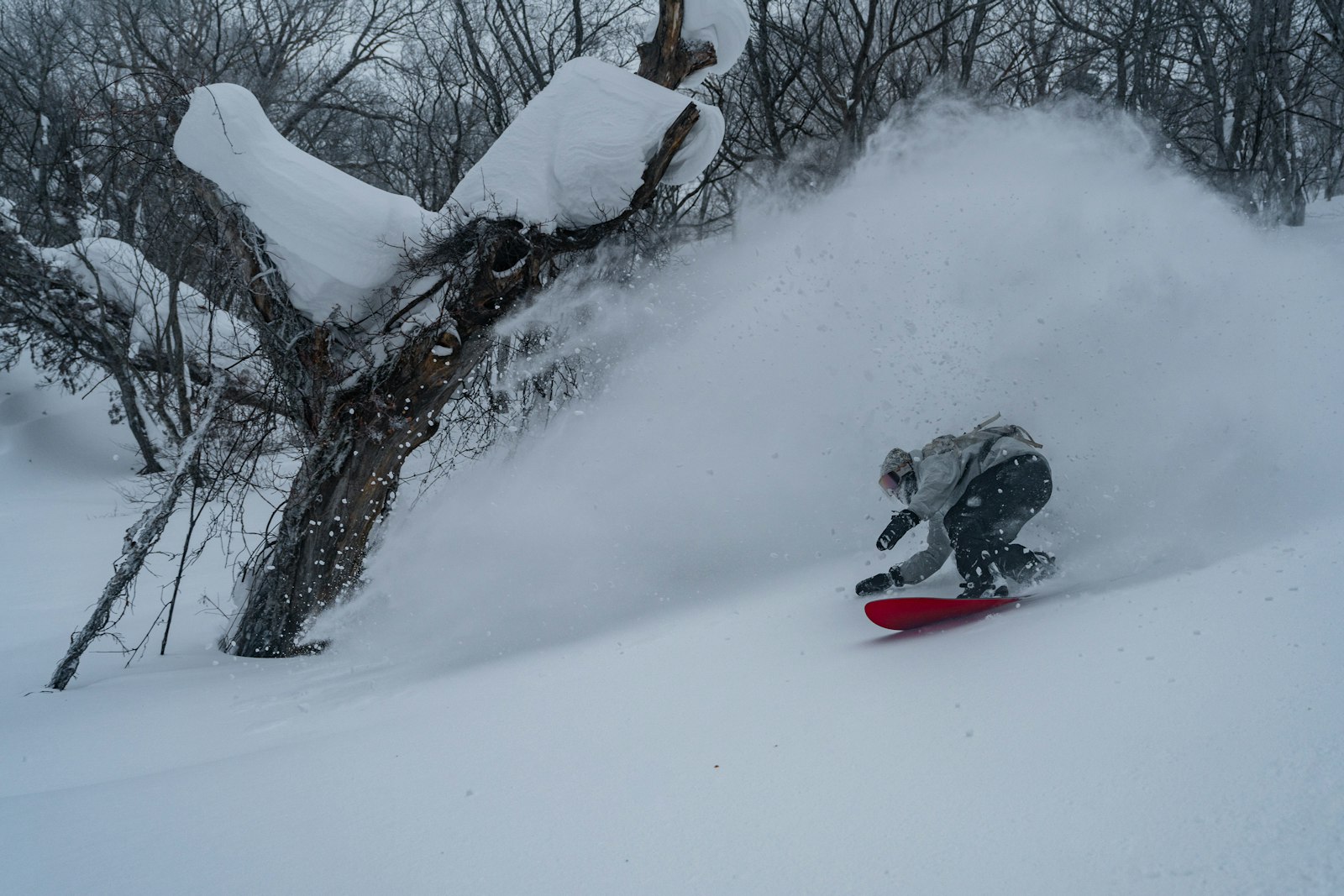
A standard flat or camber park board is built for groomed runs and hard snow, and it tends to sink nose-first in Japan’s bottomless powder. Riding it here means constantly fighting to keep the nose up. A board with rocker and more surface area floats where a park board plows.
Renting a Powder Board
The better resort base shops rent powder-specific boards — wider, with rocker or a tapered shape — designed exactly for these conditions. Even if you brought your own board, renting a powder deck for a Japan trip transforms the experience. Ask specifically for a powder board when you rent.
Adjusting Your Stance
Setting your bindings back toward the tail lifts the nose in deep snow and saves your back leg, which otherwise burns out fighting to keep you planing. Many rental powder boards have inserts for a setback stance. It is a small change that makes a long day sustainable.
English-Speaking Schools and Guides
Lessons in Deep Snow
Riding powder is a genuine skill, and even experienced riders benefit from a lesson when they first hit Japanese conditions. International resorts run English-language group and private lessons focused on deep snow. A half-day of coaching early in the trip pays off across the whole week.
Freestyle Parks
For park riders, resorts like Hakuba 47 and Niseko maintain well-built jump and rail parks. If you came to session features rather than powder, check which resort in your area has the park scene, as it varies significantly between hills.
Backcountry Clinics
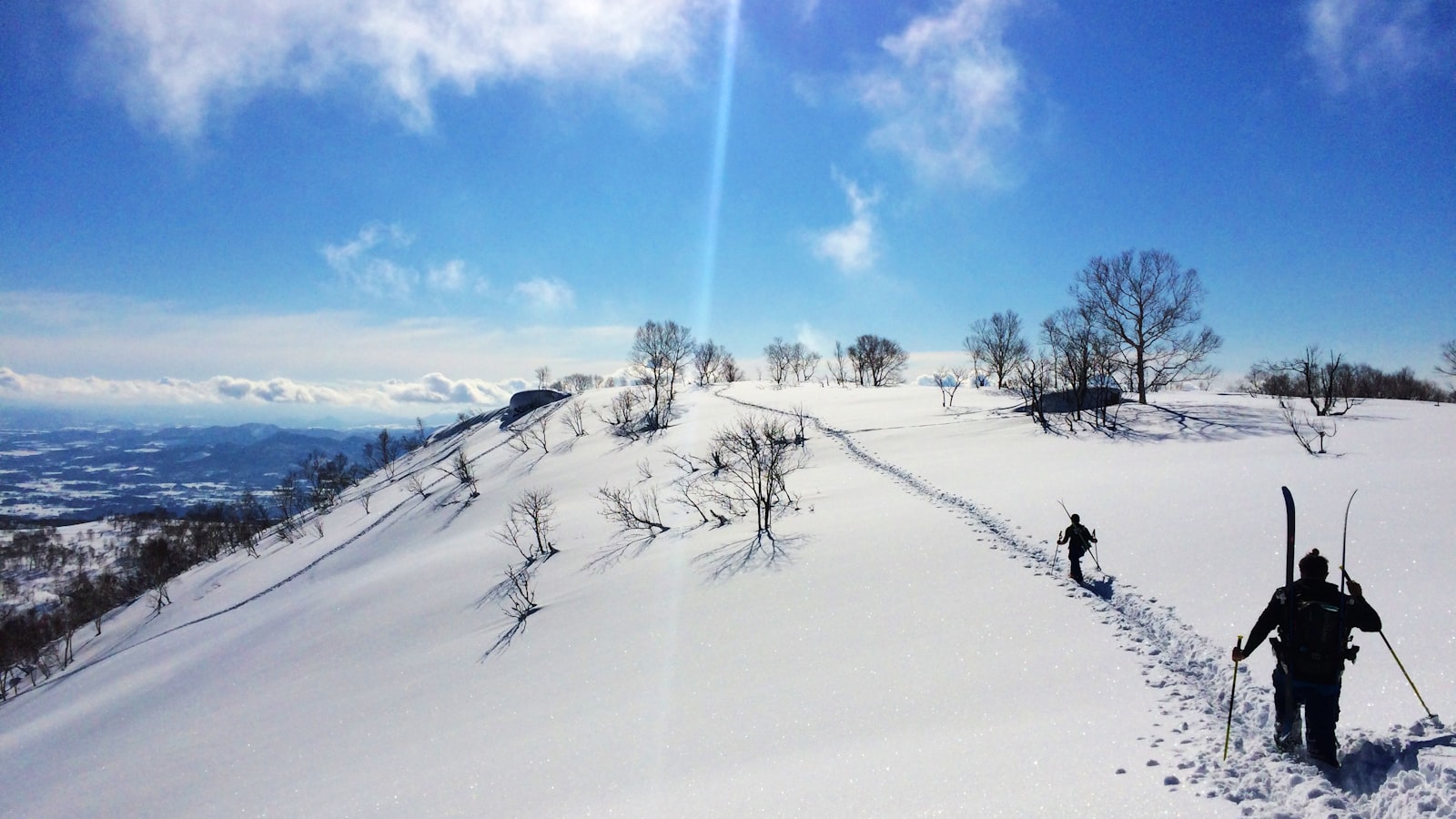
If you intend to ride off-piste, take an avalanche-safety clinic. Mountain professionals teach beacon use, terrain assessment, and rescue basics. This is not optional knowledge for backcountry riding — it is the price of admission.
Backcountry Safety and Off-Piste Rules
The Gate System
Many Japanese resorts control access to off-piste terrain through official gates. You pass out of the ski area only at designated gates, and only with proper avalanche gear — beacon, shovel, probe. The gates exist to keep riders out of uncontrolled avalanche terrain unless they are prepared for it.
Do Not Duck Ropes
Ducking a boundary rope to access closed terrain is taken seriously and commonly punished with immediate confiscation of your lift ticket. Resorts close areas for real reasons, usually avalanche risk. The powder inside the ropes is deep enough; there is no need to duck them.
Check the Avalanche Report
Before any off-piste run, check the day’s local avalanche report. Conditions change with each storm, and a slope that was safe yesterday may not be today. Daily awareness is basic backcountry discipline.
Expert Tip
Resist the urge to duck a rope for that untouched line — in Japan it is one of the fastest ways to lose your lift pass for the rest of the trip, and the terrain is closed for avalanche reasons you cannot see from the top. The in-bounds tree runs hold powder for days after a storm anyway. Ride those, and use the official gates only with the gear and knowledge to back it up.
Slope Etiquette
Smoke Only in Designated Zones
Smoking is restricted to marked areas at the base and on the mountain, never on chairlifts or open slopes. Japan is strict about this, and observing it is basic courtesy on a Japanese hill.
Stop at the Edges
Do not sit or stop in the middle of a run or below a blind rollover where riders above cannot see you. Pull to the side of the trail where you are visible. It is the single most important safety habit and one Japanese riders follow closely.
Queue Politely
Lift lines in Japan are orderly and calm. Wait your turn, avoid clipping other riders’ boards, and keep the queue moving without pushing. The relaxed atmosphere is part of what makes riding here pleasant.
The After-Shred Ritual
Onsen for Tired Legs
The day ends in hot water. Sinking into a mineral onsen at the base of the mountain, often outdoors in the snow, resets your legs and your mood better than anything else. It is the reward that makes the next morning’s first chair possible.
Izakaya Dinners
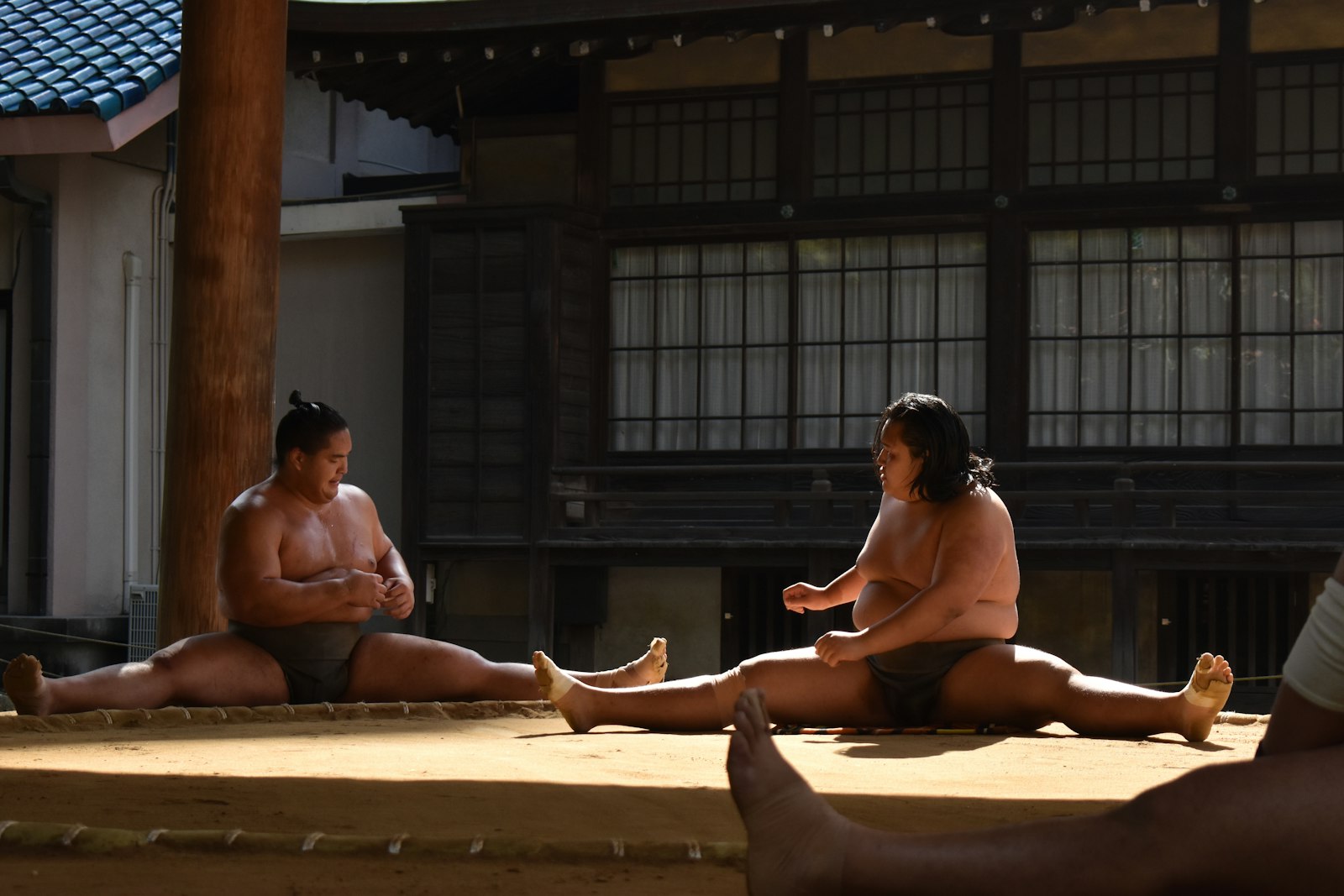
After the bath, a local izakaya with hot sake, gyoza, and a bubbling hot pot is the classic snowboarder’s dinner. Warm, hearty, and social, it is where the day’s stories get told over shared plates.
Rider Hangouts
Ski towns have cozy bars where travelers and locals swap conditions and plans. They are the easiest place to meet other riders and pick up tips on where tomorrow’s snow will be best.
Snowboarding in Japan: Frequently Asked Questions
Is snowboarding popular in Japan, and are the parks good? Snowboarding is very popular in Japan, and terrain parks at freestyle-focused resorts are well built and maintained. Park quality varies by resort, so check which hill in your area has the scene.
Can I use my normal winter clothing? Japan’s wet, heavy snowfall makes genuinely waterproof outerwear worth it — casual winter wear soaks through fast in deep powder. Prioritize waterproofing and good gloves over insulation alone.
Which apps track powder? Riders follow local mountain forecasts and snow-report apps for real-time snowfall. Ask at your resort or hostel which service locals trust for the area, as coverage is regional.
Related Tours
Conclusion
Japan rewards snowboarders who arrive prepared: a powder board under your feet, a setback stance, respect for the gate system, and courtesy on the slope. Do that and you get the riding that made Japanese powder famous — light, deep, and endless.
Plan Your Japan Trip with Local Experts
Our team has guided 40,000+ travelers across Japan. Tell us about your trip and we’ll get back to you within 24 hours.