In this article:
- The Diversity of Japanese Trails
- Sacred Pilgrimages: Kumano Kodo and Nakasendo
- The Japan Alps and Mount Fuji
- The Yamagoya: Japan’s Mountain Huts
- Safety Essentials
- Hiking in Japan: Frequently Asked Questions
Introduction
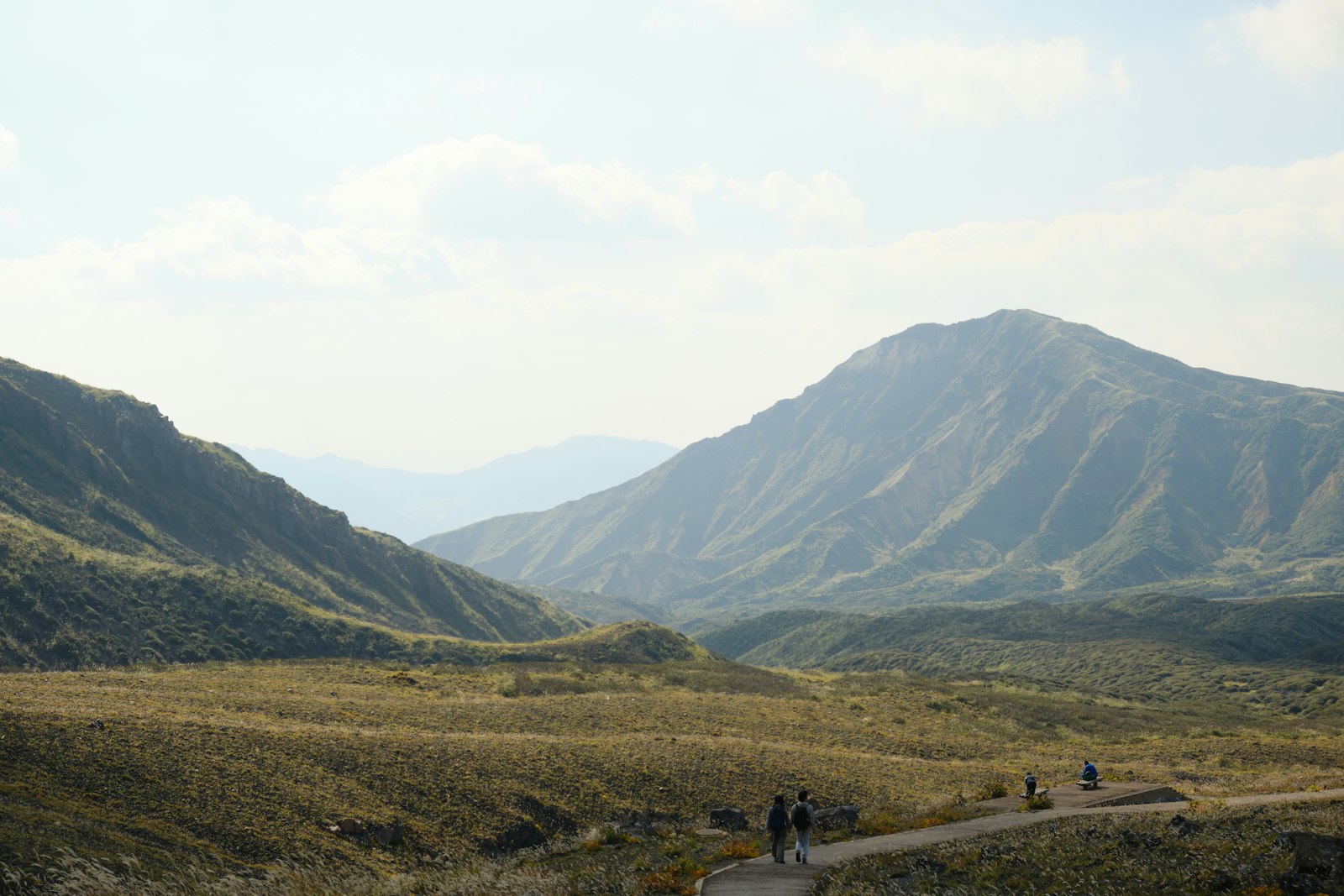
Roughly three-quarters of Japan is mountainous, which means the walking here is exceptional and enormously varied. You can trace a thousand-year-old pilgrimage through moss and cedar one week and stand on a granite alpine ridge the next. The trails are generally well-built and the mountain huts turn multi-day treks into something civilized.
What trips up foreign hikers is rarely the terrain — it is the customs. The hut system, the leave-no-trace ethic, and a few safety realities all work differently here. Learn them and Japan becomes one of the great hiking countries.
The Diversity of Japanese Trails
Before choosing a route, it helps to grasp the range on offer.
Ancient Forests and Shrines
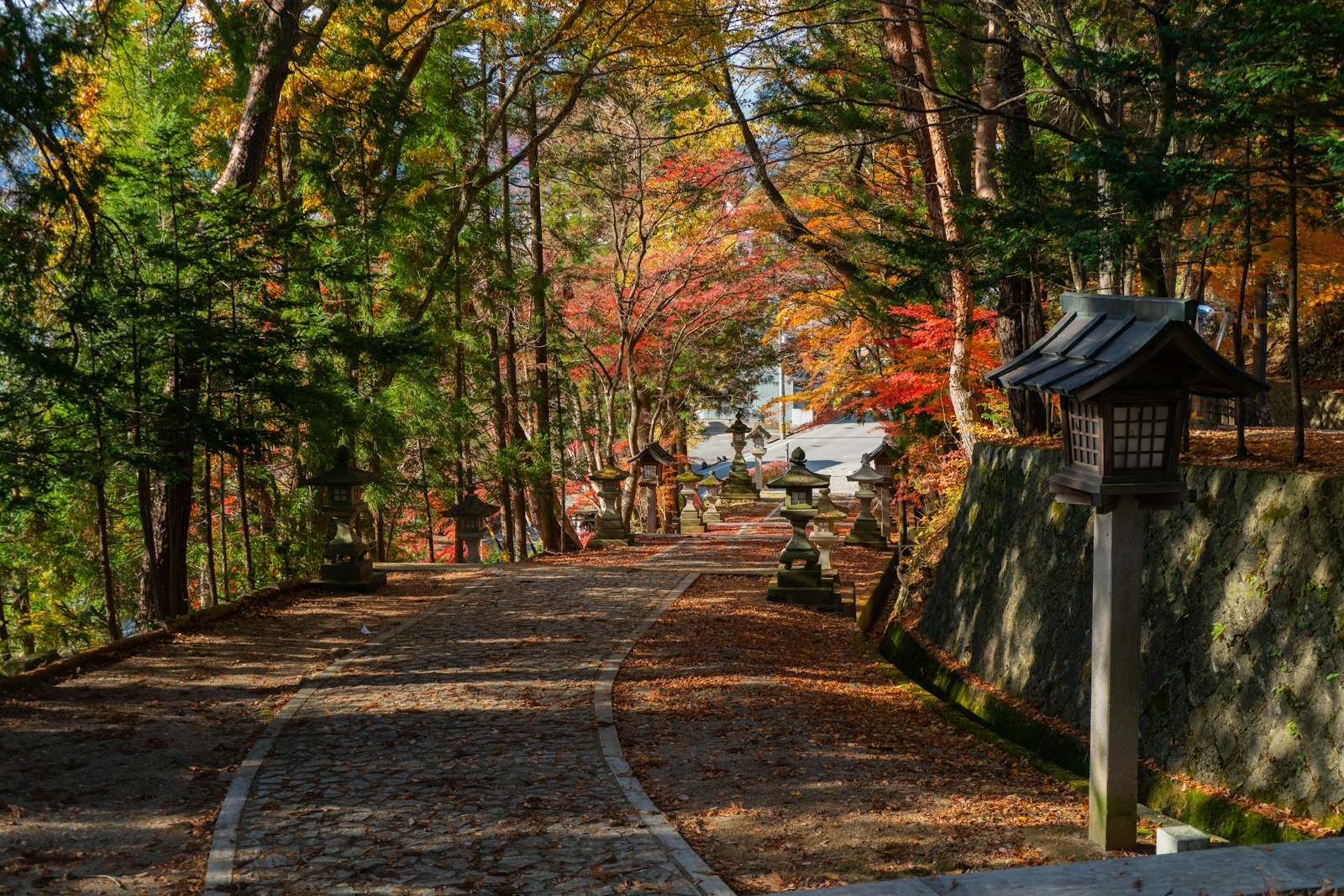
Some of Japan’s finest walks pass beneath giant cedars to ancient Shinto shrines, the paths worn smooth by centuries of pilgrims. These forest trails are as much a cultural experience as a physical one, quiet and green and heavy with age.
Volcanic Landscapes
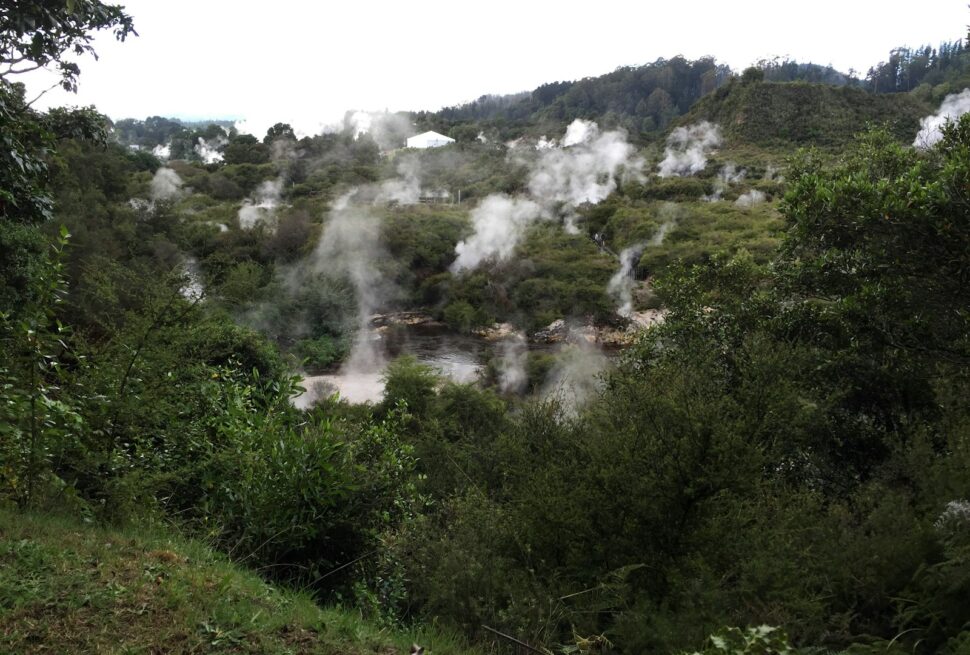
Japan’s volcanic geography puts steaming geothermal vents, sulfur fields, and deep caldera lakes within reach of day hikes. Trails through this terrain feel otherworldly, the earth visibly alive beneath your boots.
Coastal Trails
Beyond the mountains, national parks protect rugged coastal paths along ocean cliffs. These lower-altitude walks are ideal outside the alpine season and offer a different Japan — wind, sea, and open horizon.
Sacred Pilgrimages: Kumano Kodo and Nakasendo
The Kumano Kodo
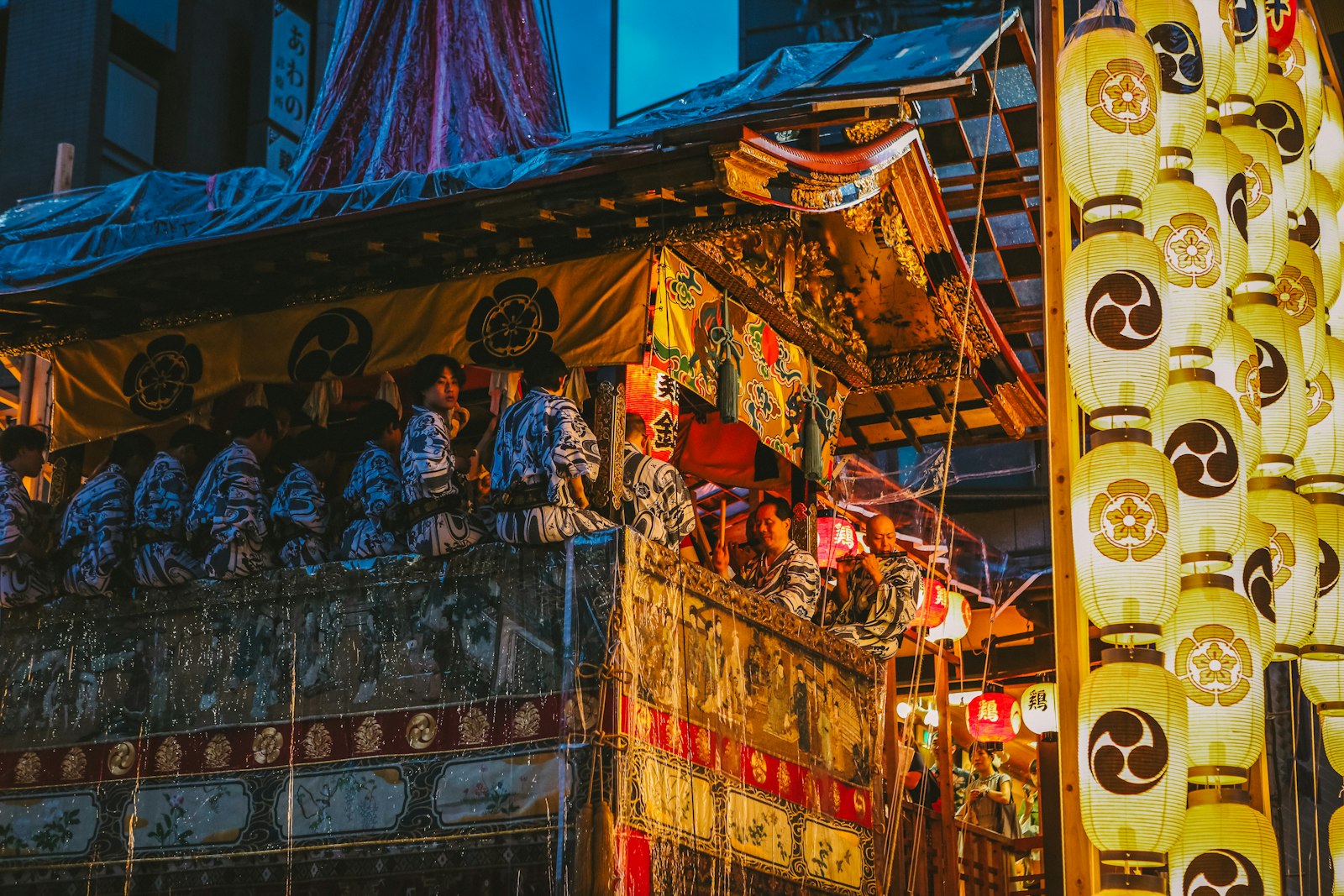
On the Kii Peninsula south of Osaka and Kyoto, the Kumano Kodo is a network of pilgrimage trails through forested mountains linking three grand shrines. A UNESCO World Heritage route, it can be walked in sections over several days, staying in local inns. It is spiritual, beautiful, and among the most rewarding multi-day walks in the country.
The Nakasendo
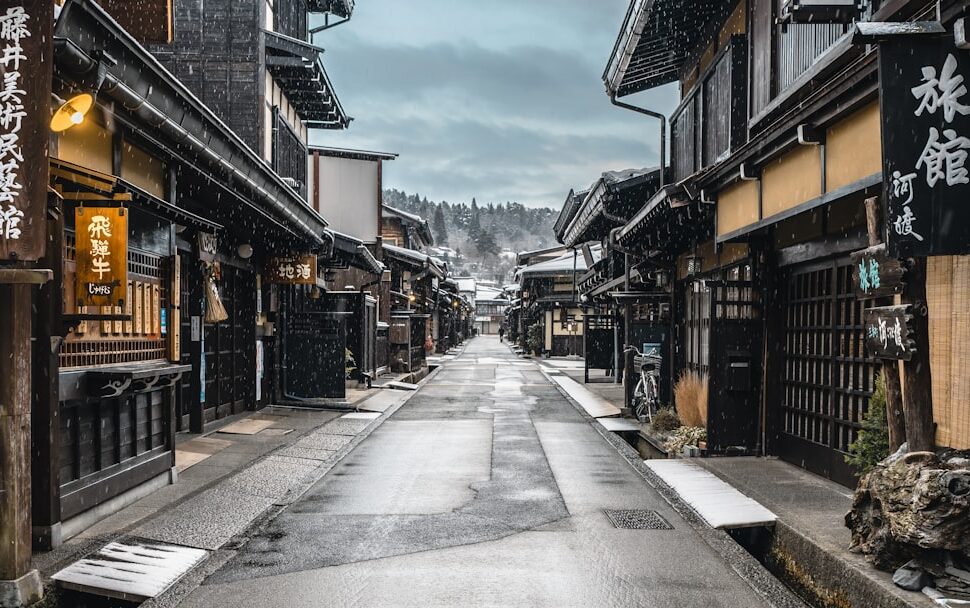
The Nakasendo was an Edo-period highway between Kyoto and Tokyo, and its best-preserved stretch runs between the restored post towns of Magome and Tsumago in the Kiso Valley. This gentle half-day walk between historic villages is one of Japan’s most accessible and atmospheric hikes, easy enough for almost anyone.
Collecting Stamps
Both routes carry on the pilgrimage tradition of stamp collecting — booths along the way where you press a distinctive ink stamp into a book. It is a small ritual that turns your walk into a keepsake and marks your progress along the road.
The Japan Alps and Mount Fuji
Kamikochi
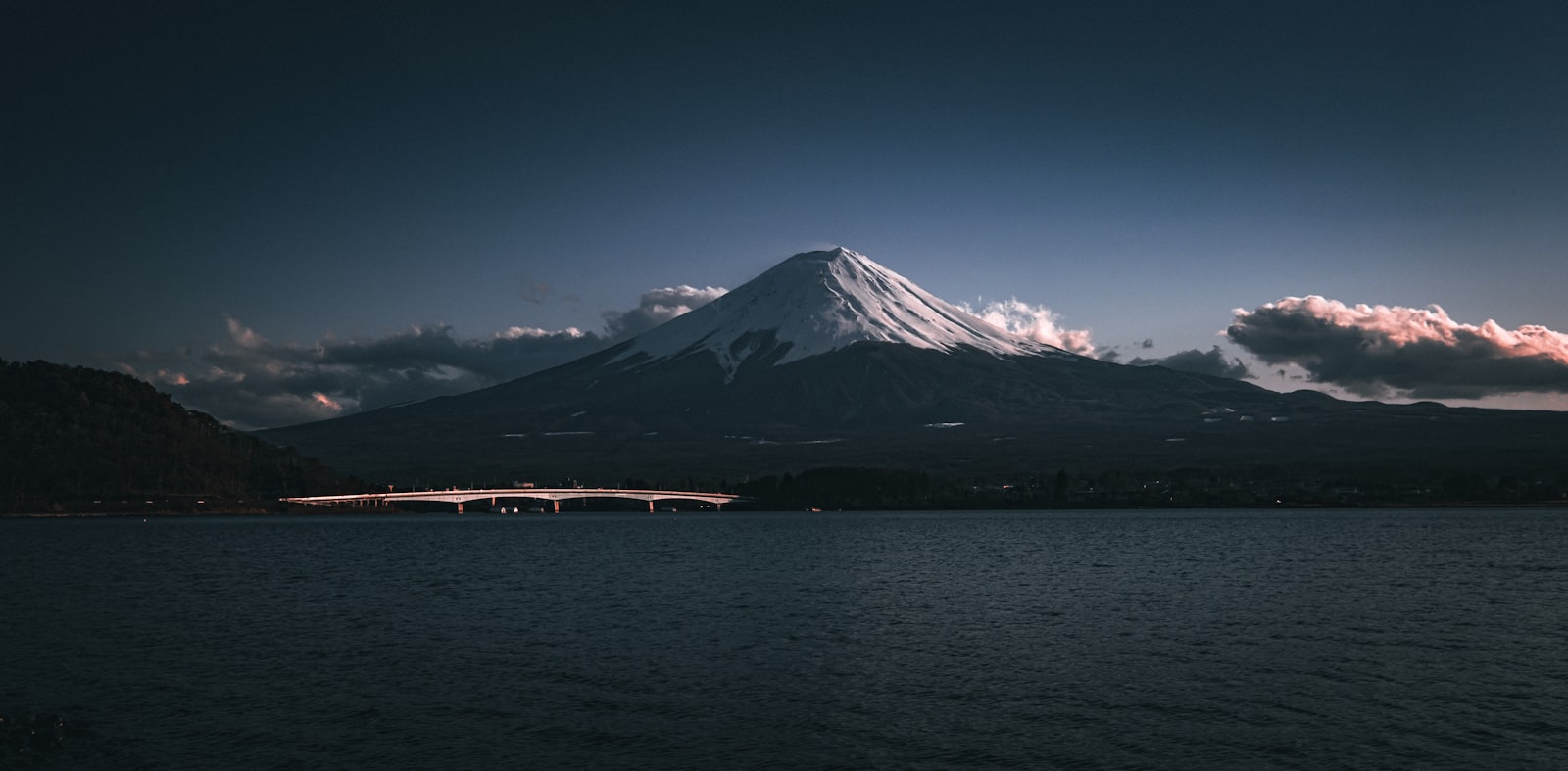
Kamikochi, a highland valley in the Northern Alps, offers some of Japan’s most beautiful accessible mountain scenery — the clear Azusa River winding beneath sharp granite peaks. Flat riverside paths suit casual walkers, while the surrounding peaks tempt serious climbers. It is the gateway to alpine Japan.
Climbing Mount Fuji
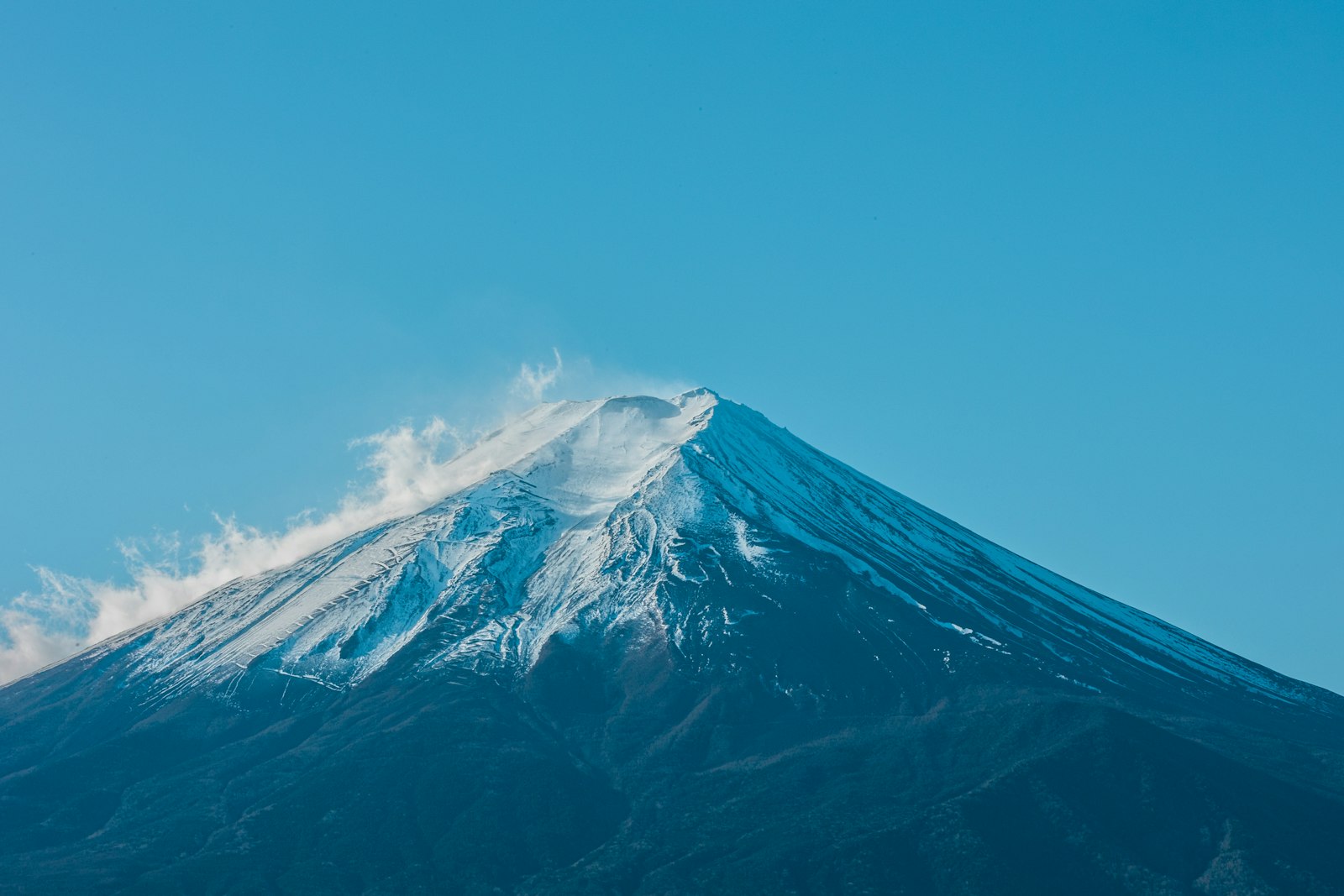
Fuji is climbed in a short official season in summer, most often up the Yoshida route from the Subaru Line fifth station, timed to reach the summit for sunrise. It is a demanding overnight effort, not a stroll, and the mountain deserves respect — but standing above the clouds as the sun rises is unforgettable.
Multi-Day Ridge Walks
For experienced hikers, the high ridges of Nagano and Niigata offer multi-day traverses linking hut to hut across dramatic terrain. These are serious undertakings requiring fitness and planning, and they reward it with some of Asia’s finest alpine walking.
The Yamagoya: Japan’s Mountain Huts
How Mountain Huts Work
The yamagoya is central to Japanese hiking. These staffed mountain huts provide shared futon lodging and cooked meals — often a simple, welcome curry — so you can trek for days without carrying a tent or much food. They run on early lights-out and early starts, matching the mountain’s rhythm. Reserve ahead in busy periods.
Slippers Inside
Leave your muddy boots at the hut entrance and change into the indoor slippers provided. The shoes-off custom applies here as everywhere in Japan, keeping the sleeping areas clean for everyone.
Carry Out Your Trash
Japanese trails follow a strict carry-in, carry-out ethic. There are no bins on the mountain; you pack out everything you bring in, including all your rubbish. Bring a bag for it and leave the trail exactly as you found it.
Expert Tip
Reserve popular mountain huts as far ahead as you can, especially for weekends and the autumn-color and summer-holiday peaks. Unlike Western huts that sometimes turn no one away, Japanese yamagoya can fill, and arriving without a booking on a busy weekend can leave you without a bed at altitude as the light fails. A phone call or online reservation removes the risk.
Safety Essentials
Pack for Sudden Weather
Mountain weather in Japan turns fast, with heavy rain and sharp temperature drops arriving with little warning. Carry waterproof layers even on a fair morning, and never rely on the forecast holding. Good rain gear is not optional above the tree line.
Bear Awareness
Wild bears live in many of Japan’s forested mountains. Hikers wear a bell (kuma-yoke) whose chime warns bears of your approach so you do not surprise one. Make noise on quiet forest trails and check local advisories about recent sightings.
Hornets
Japan’s large hornets (suzumebachi) are most active in late summer and autumn and can be dangerous. Avoid disturbing nests, do not swat aggressively if one investigates you, and know the emergency response if you or someone in your group is stung and reacts badly.
Hiking in Japan: Frequently Asked Questions
Do I need to book mountain huts months ahead? For popular huts on peak weekends, book well in advance; for quieter trails and midweek dates, closer to the day is usually fine. When in doubt, reserve, since huts genuinely fill.
Are trails well signposted in English? Major routes like the Nakasendo and popular alpine trails often have multilingual signs, but remoter trails may be Japanese only. Carry an offline map and a GPS app for anything off the main routes.
What is the best season to hike? Late spring and autumn offer the most comfortable temperatures and, in fall, spectacular color. High alpine trails and Mount Fuji have short summer seasons due to snow. Match the trail to the season carefully.
Related Tours

Conclusion
Japan’s trails offer a rare pairing of nature and culture — pilgrim roads through ancient forest, post towns from the samurai era, and alpine ridges to rival any range. The walking is superb, and the mountain-hut system makes even long treks approachable.
Plan Your Japan Trip with Local Experts
Our team has guided 40,000+ travelers across Japan. Tell us about your trip and we’ll get back to you within 24 hours.