In this article:
- The Unique Appeal of Golf in Japan
- The Mid-Round Lunch
- Caddie Etiquette
- Dress Codes and Club Rules
- Booking Your Round
- Golf in Japan: Frequently Asked Questions
Introduction
A round of golf in Japan is a full day out, not a quick eighteen. The pace is unhurried, the course is immaculate, and the day is punctuated by a proper sit-down lunch halfway through and, traditionally, a hot bath at the end. For visiting golfers used to grabbing a hot dog at the turn, it is a genuinely different and rather civilized experience.
It also runs on etiquette. Dress codes are enforced, caddies are part of the culture, and a few customs will catch you out if you do not know them. Here is what to expect before you tee off.
The Unique Appeal of Golf in Japan
The courses themselves are the first thing visitors notice.
Beautiful Settings
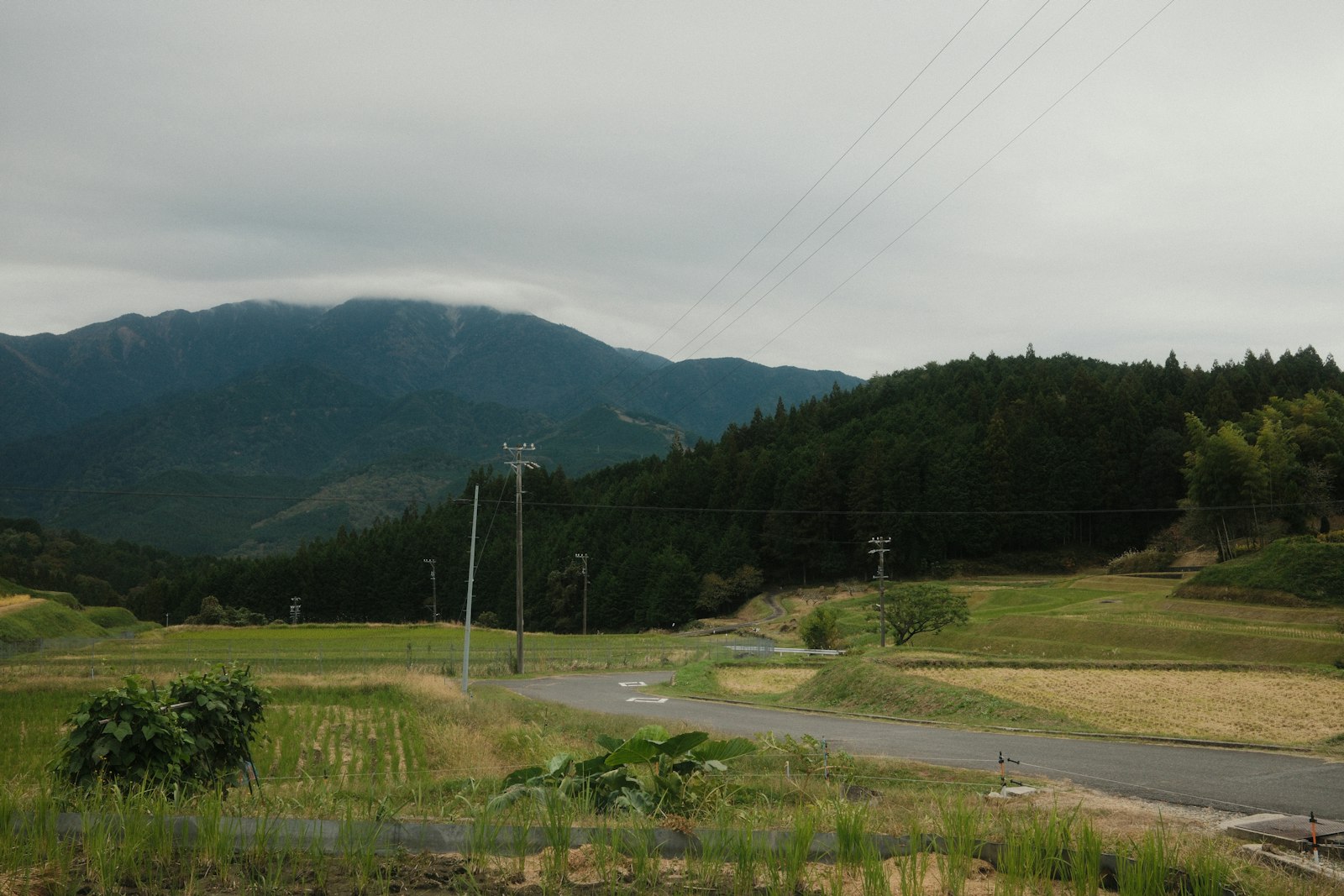
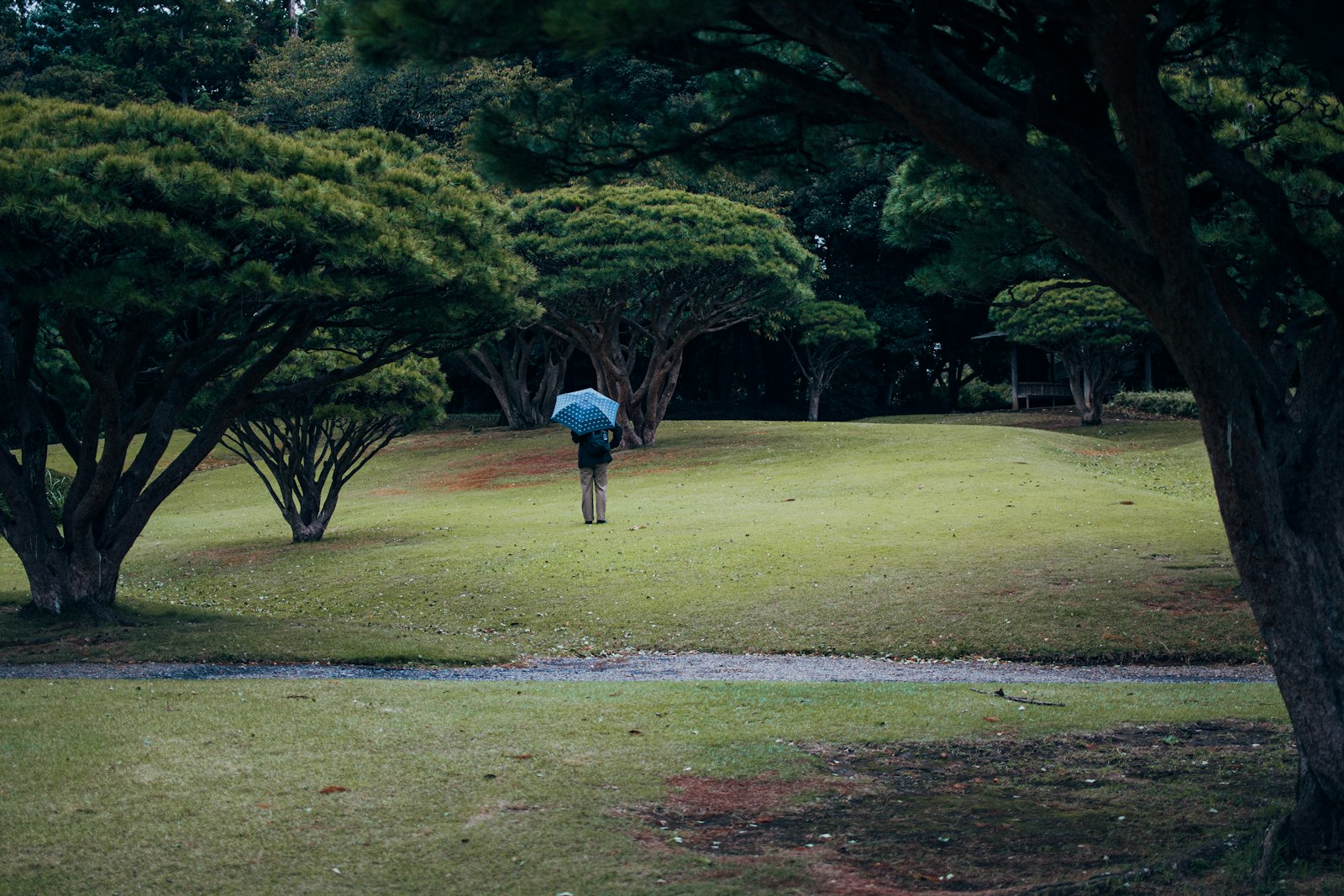
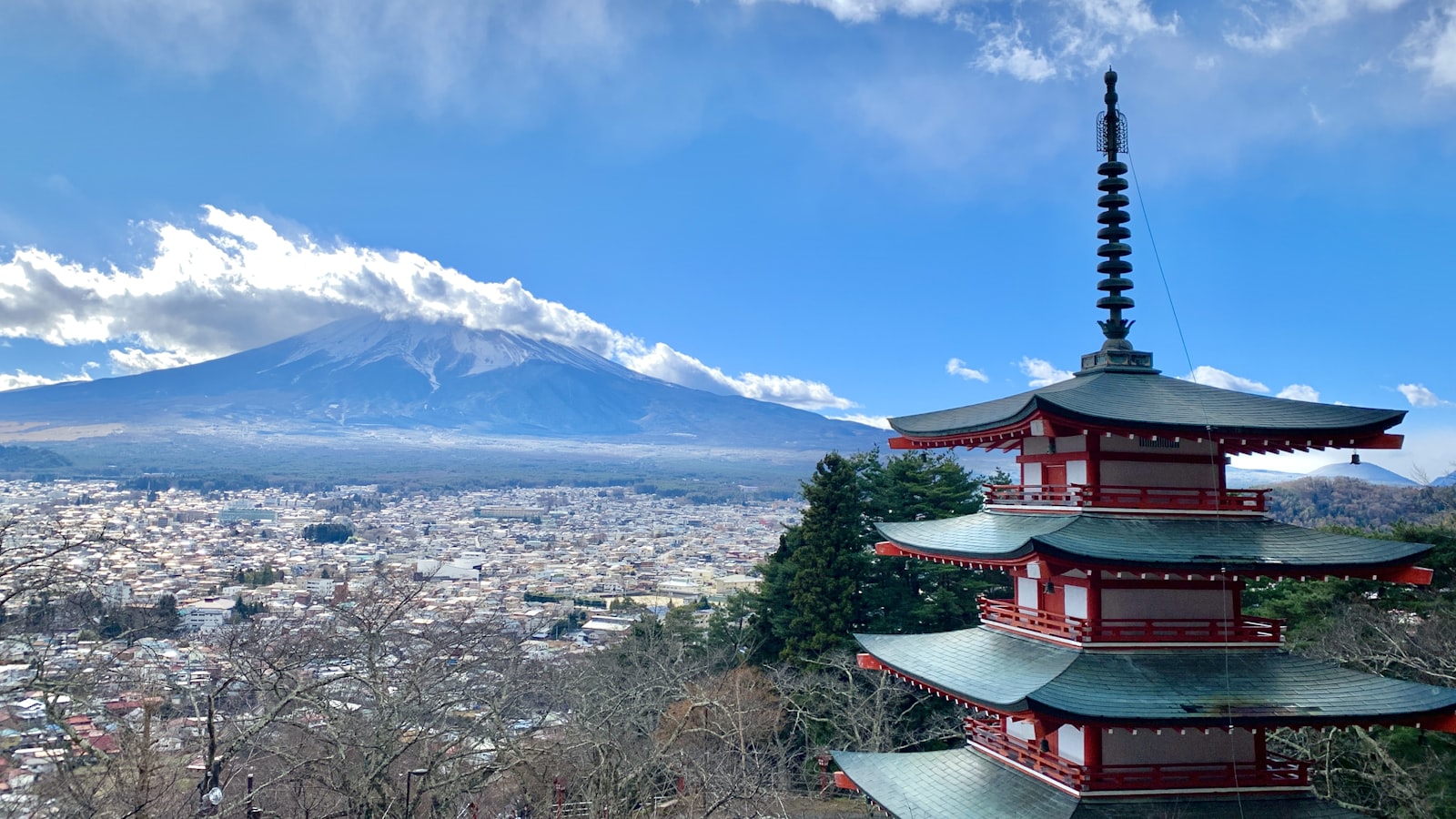
Many Japanese courses are carved into mountains or river valleys, with fairways framed by forest, and the best offer views of Mount Fuji or, in spring, cherry blossom lining the holes. The scenery is a real part of the appeal, and the seasonal changes give the same course a different character through the year.
Immaculate Conditioning
Japanese courses are maintained to an exceptional standard — flawless greens, precisely raked bunkers, and fairways cut like carpet. The care that goes into course conditioning matches the country’s broader attention to detail, and playing on it is a pleasure in itself.
A Full-Day Format
Rather than rushing eighteen holes, a Japanese round is spread across a relaxed day at the club, with the lunch break built in. You are meant to settle in and enjoy the whole outing, not race to the clubhouse. Plan your day around the course, not the other way around.
The Mid-Round Lunch
The One-Hour Break
The most distinctive Japanese golf custom is the halfway lunch. After the ninth hole, groups stop for a full hour to eat in the clubhouse restaurant before starting the back nine. It is not optional at most courses — the tee times are built around it — so pace your morning knowing a proper break is coming.
Clubhouse Dining
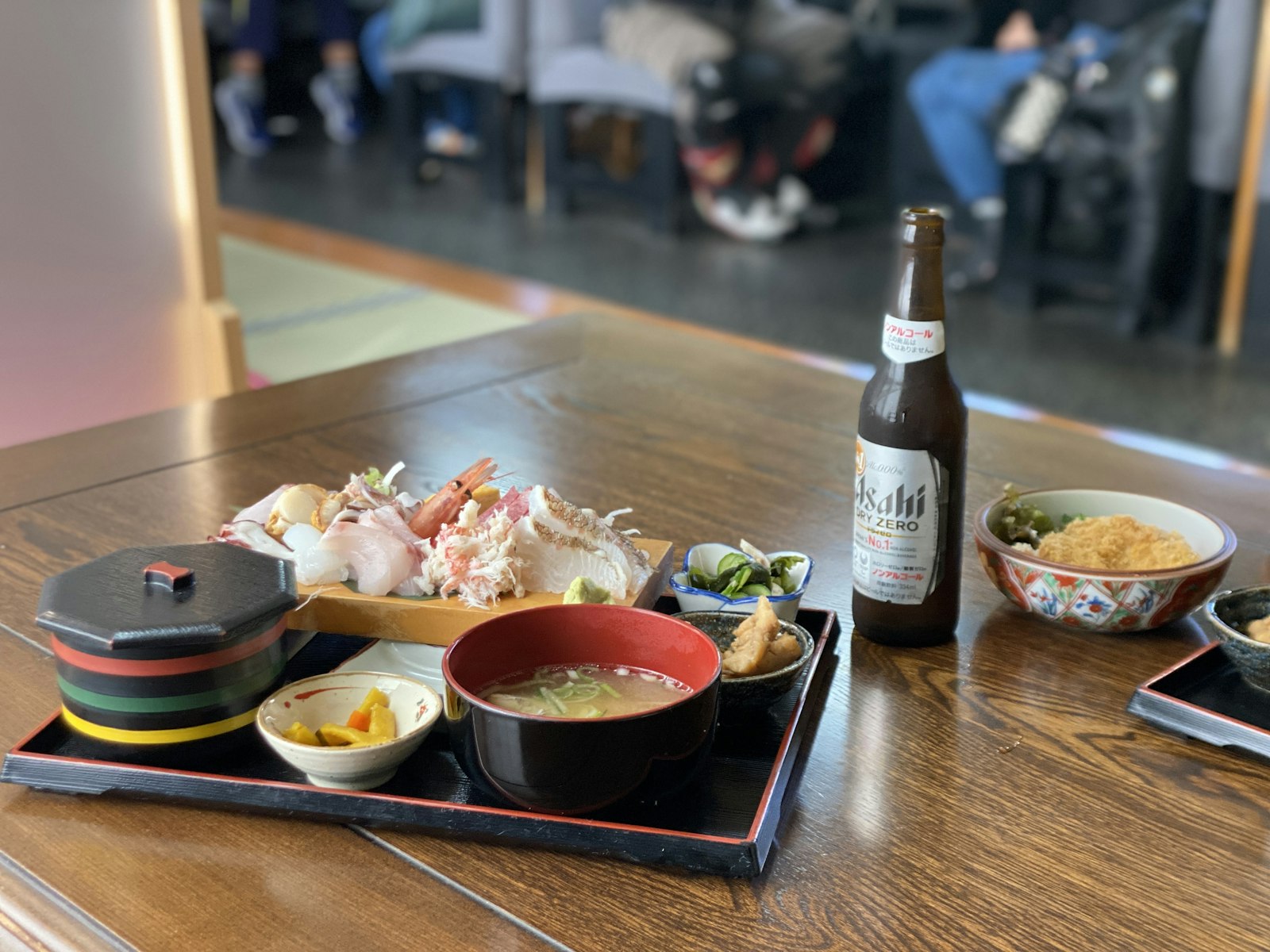
The clubhouse lunch is a real meal, not a snack: tonkatsu, curry, ramen, or a set menu, often with a cold beer if you like. Japanese course restaurants take their food seriously, and the mid-round lunch is a small highlight of the day rather than a refueling stop.
The Post-Round Bath
Many clubs have a large communal bath (ofuro) where players soak after the eighteenth hole before heading home. Ending your round in a hot bath, tired and clean, is a tradition worth embracing — bring a change of clothes for afterward.
Caddie Etiquette
Attentive Service
Where a caddie is provided, expect attentive, professional service — managing your clubs, cleaning your ball, and reading the subtle breaks on the greens. Japanese caddies are skilled and often add real value to your round, especially on unfamiliar greens.
No Tipping
Tipping is not customary in Japan, and caddies are no exception. A polite bow and sincere thanks are the right way to show appreciation; some players buy the caddie a drink at the turn. Do not press cash on them, as it can cause awkwardness rather than pleasure.
GPS Carts
Many Japanese courses use technology-driven carts with GPS screens, sometimes remote-controlled to follow along the path. They are easy to use once you get the hang of the controls, and the caddie or starter will show you at the first tee.
Dress Codes and Club Rules
Clubhouse Attire
Dress codes extend beyond the course to the clubhouse. Many clubs expect a collared shirt and neat trousers, and the more traditional ones expect a jacket on arrival and departure, not just golf wear. Check your specific club’s policy and pack accordingly — turning up underdressed can cause a real problem.
Covering Tattoos
Visible tattoos remain sensitive in Japan, particularly in communal baths and dining areas. If you have body art, be prepared to keep it covered around the clubhouse and bath, and check the club’s stance in advance to avoid an uncomfortable situation.
Soft Spikes Only

Metal spikes are prohibited at essentially all modern Japanese courses to protect the immaculate greens. Wear soft-spike or spikeless golf shoes, or rent a pair, and leave any metal-spiked shoes at home.
Expert Tip
Pack a collared shirt and neat trousers to change into for arrival and the clubhouse, not just your on-course gear. Traditional Japanese clubs can be strict about clubhouse attire in a way many visiting golfers do not expect, and showing up in only athletic wear can get you turned away from the dining room after a great round. When in doubt, dress up.
Booking Your Round
Renting Quality Clubs
You do not need to fly with your clubs. Many courses rent high-quality sets, including premium Japanese brands like Mizuno and Honma, from their pro shops. For a round or two on a wider trip, renting on-site is simpler than traveling with your bag.
Booking Tee Times
English-friendly booking platforms and hotel concierges can secure tee times at courses that welcome visitors, handling the reservation and any club policies for you. Book ahead, especially for weekend rounds near the cities, which fill quickly.
Getting to the Course
Many good courses sit in the mountains outside the cities, reachable by train plus a shuttle or by private car. Factor the travel into your full-day plan, and consider a private transfer if the course is remote or your group has clubs and luggage to manage.
Golf in Japan: Frequently Asked Questions
Can I play solo, or do I need a group? Many Japanese clubs prefer groups of two to four and some are reluctant to book single players, particularly on weekends. If you are traveling alone, booking through a concierge who can pair you or arrange a suitable time helps.
How much are green fees near Tokyo? Green fees vary widely by course and day, with weekends notably pricier than weekdays, and often include the caddie and cart. Courses further from the city tend to cost less than those close to Tokyo. Confirm the full cost, including any caddie fee, when booking.
What happens if I hit out of bounds? Out-of-bounds rules follow standard golf, with penalty strokes, and caddies will help you locate balls and manage the situation. On tightly bordered mountain courses, playing conservatively off the tee pays off.
Related Tours
Conclusion
Golf in Japan is less a quick round than a full, well-mannered day: an immaculate course, a proper lunch at the turn, attentive caddies, and a hot bath to finish. Come prepared for the etiquette — dress the part, skip the tip, wear soft spikes — and the experience is one of the most gracious in the game.
Plan Your Japan Trip with Local Experts
Our team has guided 40,000+ travelers across Japan. Tell us about your trip and we’ll get back to you within 24 hours.