In this article:
- What Makes Osaka Okonomiyaki Unique
- Modan-yaki and Variations
- Top Spots in Osaka
- Griddle and Dining Etiquette
- Pairings and Sides
- Osaka Okonomiyaki: Frequently Asked Questions
Introduction
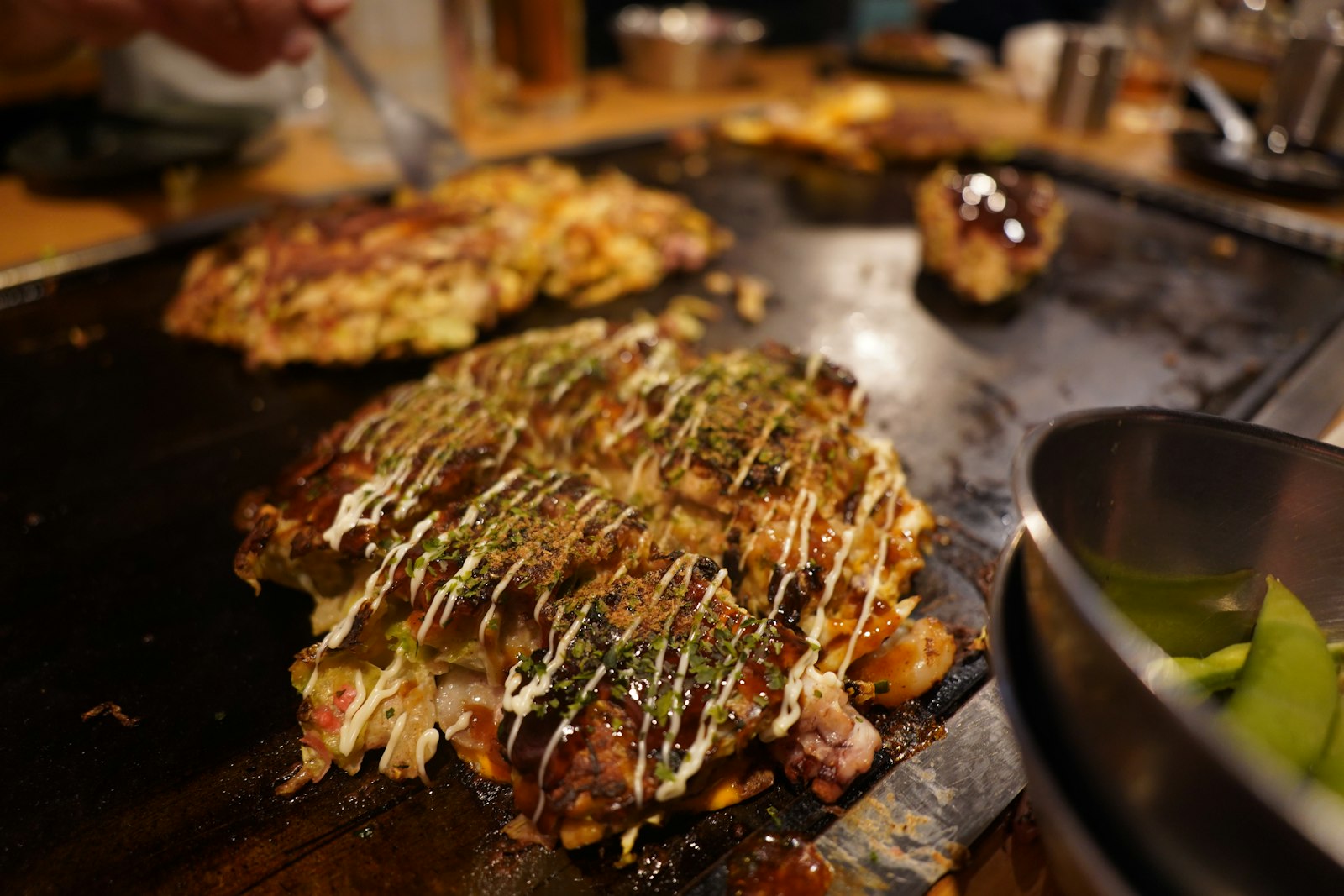
Osaka is Japan’s kitchen, and okonomiyaki is one of its defining dishes. The name roughly means “grill what you like,” and that flexibility is the point — cabbage and batter bound with egg, plus pork, seafood, or cheese, cooked on a griddle and slathered in sauce. It is hearty, cheap, and deeply satisfying.
Eating it well means knowing the Kansai style, choosing a good spot, and handling the hot iron plate with a bit of confidence. Here is your guide to Osaka’s favorite comfort food.
What Makes Osaka Okonomiyaki Unique
The Osaka, or Kansai, style has a specific method that sets it apart.
Everything Mixed Together
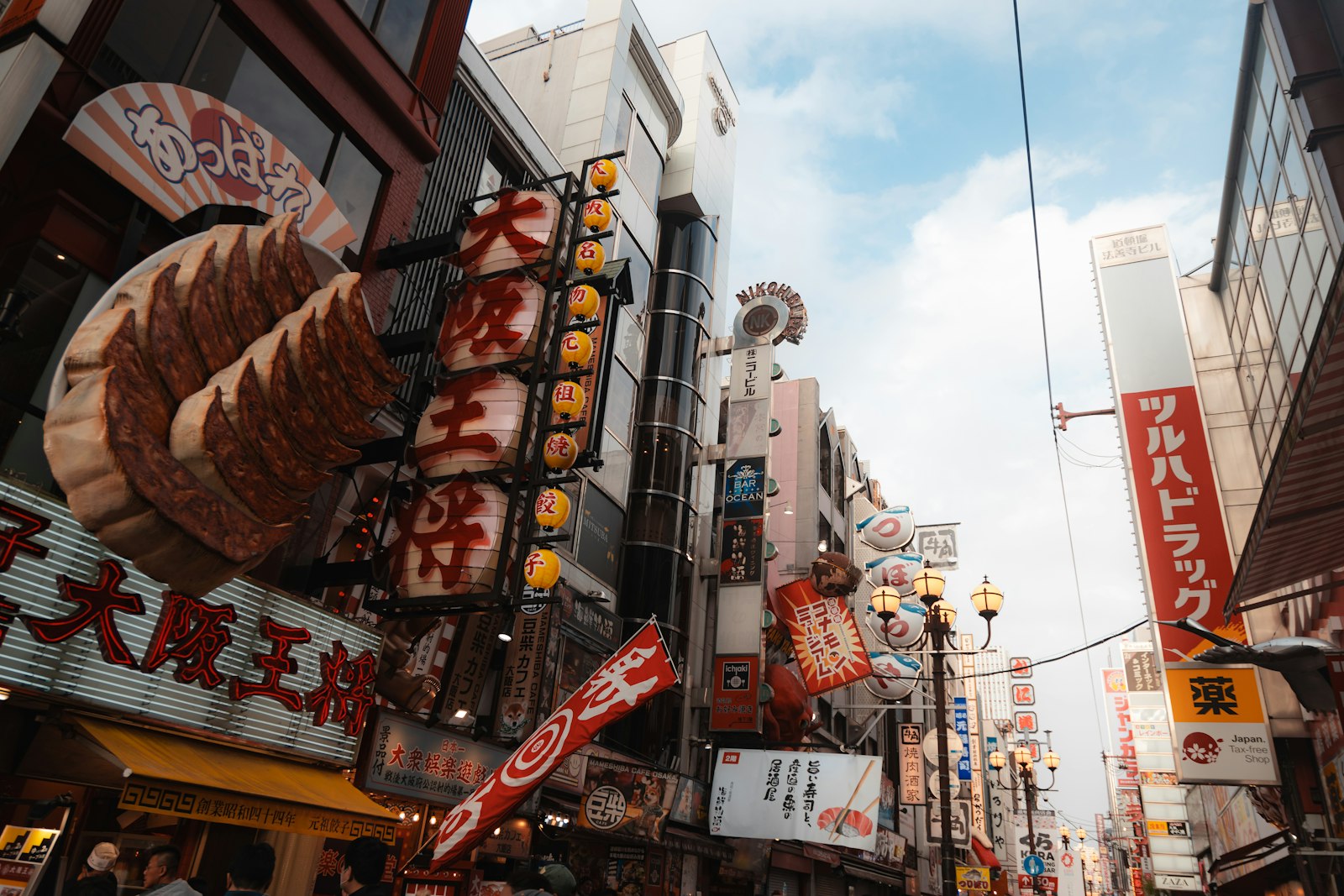
In the Kansai style, the cabbage, batter, egg, and fillings are mixed together before cooking, then griddled into a thick, fluffy round. This all-in-one mixing is the defining feature and the main difference from the layered Hiroshima style. The result is uniform, cabbage-packed, and substantial.
The Toppings
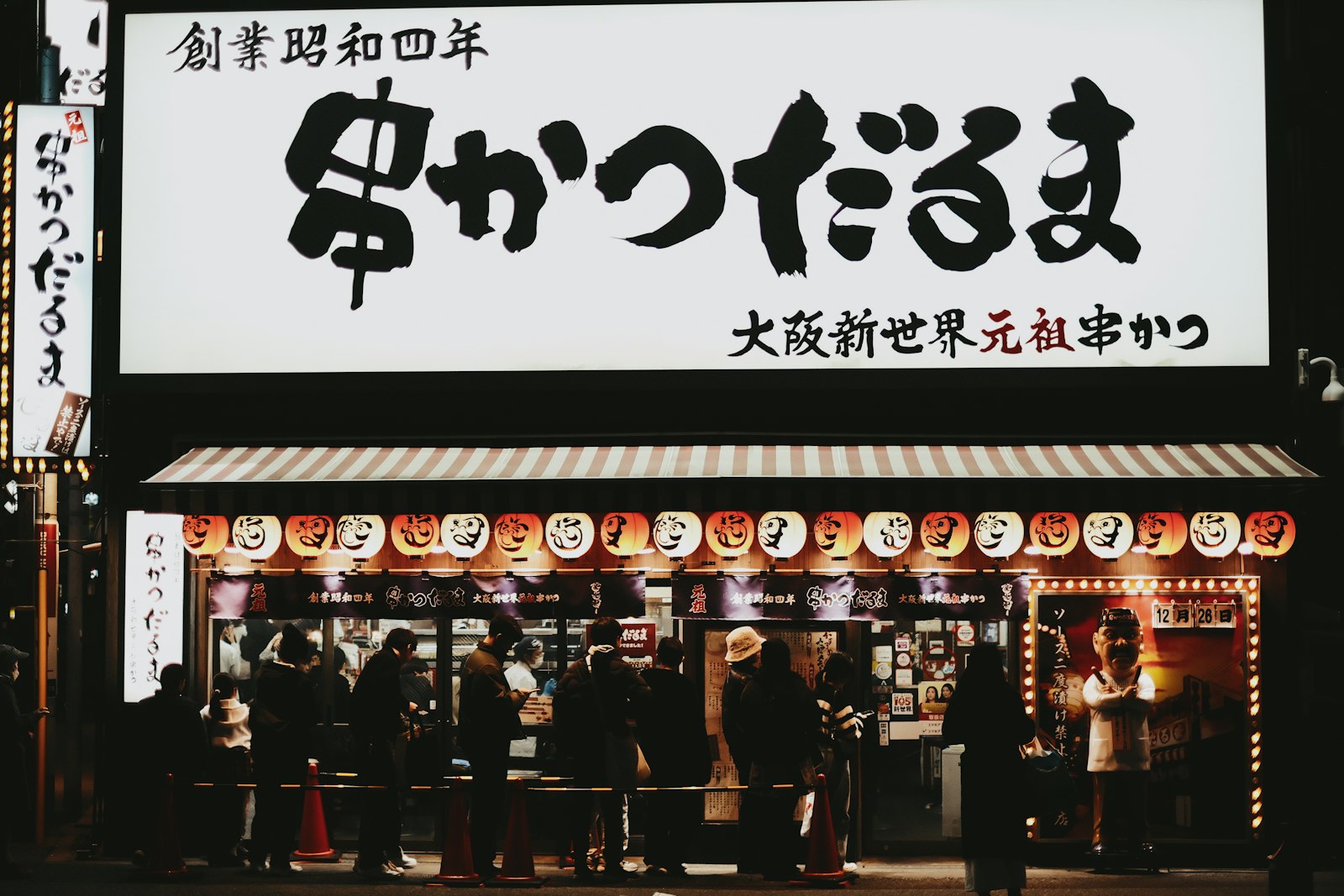
The finish is unmistakable: a sweet-savory brown okonomiyaki sauce, squiggles of Japanese mayonnaise, a scatter of dried seaweed, and bonito flakes that curl and wave in the heat. This combination of sweet, tangy, and umami is what makes the dish so moreish.
The Dashi
Good okonomiyaki batter is enriched with dashi, the savory stock that underpins so much Japanese cooking, giving the pancake depth beneath the toppings. It is a subtle thing you taste rather than see, and it separates a great okonomiyaki from a merely filling one.
Modan-yaki and Variations
Modan-yaki
Modan-yaki adds a layer of fried yakisoba noodles to the okonomiyaki, making an even heartier dish that fuses two Osaka favorites. If you arrive hungry, this is the upgrade to order — it is filling enough to be a full meal on its own.
Kansai vs. Hiroshima Style
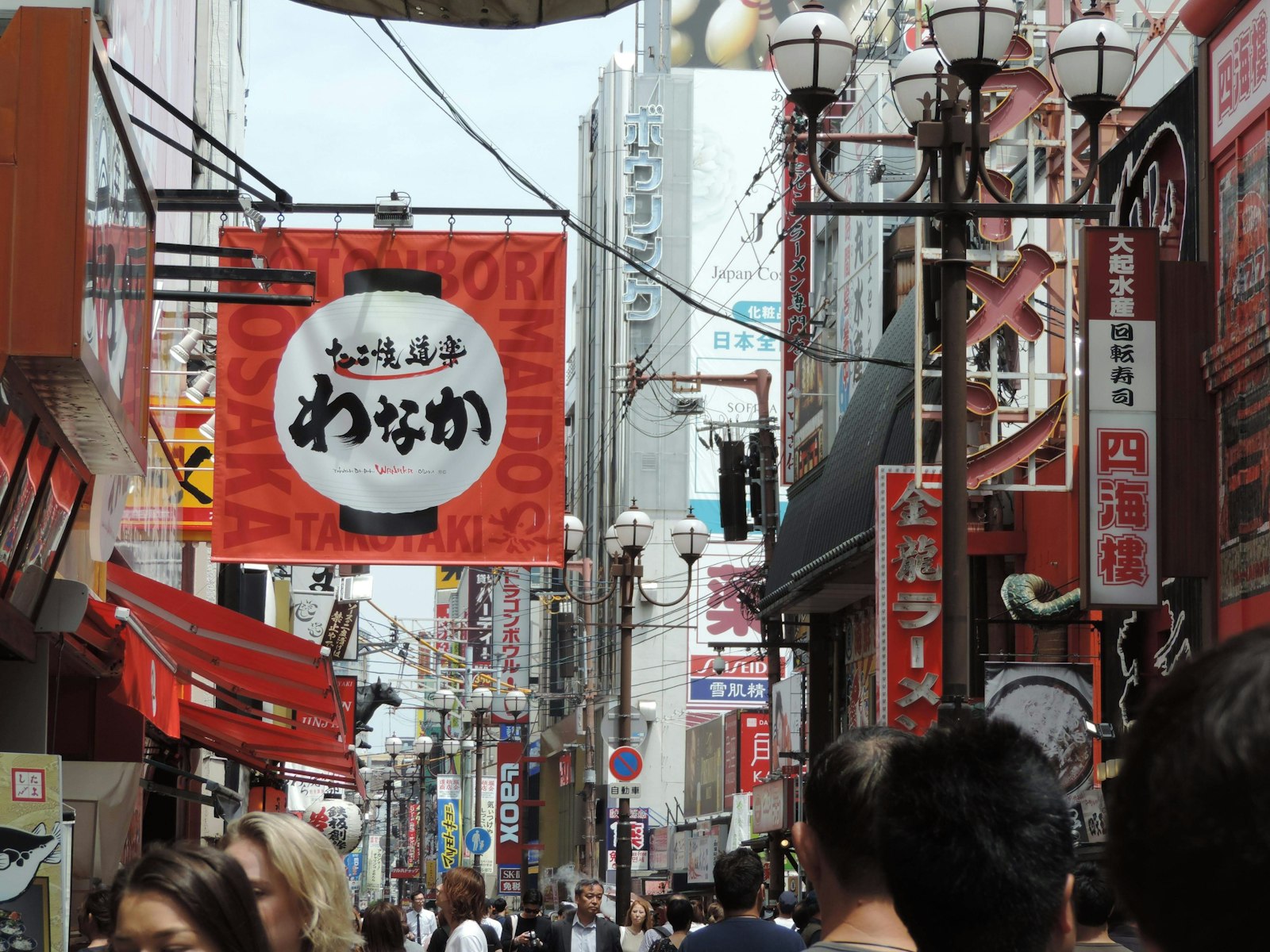
The great regional debate is Kansai versus Hiroshima. Osaka mixes everything into the batter; Hiroshima layers the ingredients — batter, a mountain of cabbage, noodles, egg — into a stacked construction. Both are delicious and quite different; trying each is the best way to form your own opinion.
Suji-kon and Extras
Regional add-ins like suji-kon — slow-cooked beef tendon and konjac in a sweet-savory braise — are worked into some okonomiyaki for extra richness. Look for local specialties on the menu; the fillings are where each shop shows its character.
Top Spots in Osaka
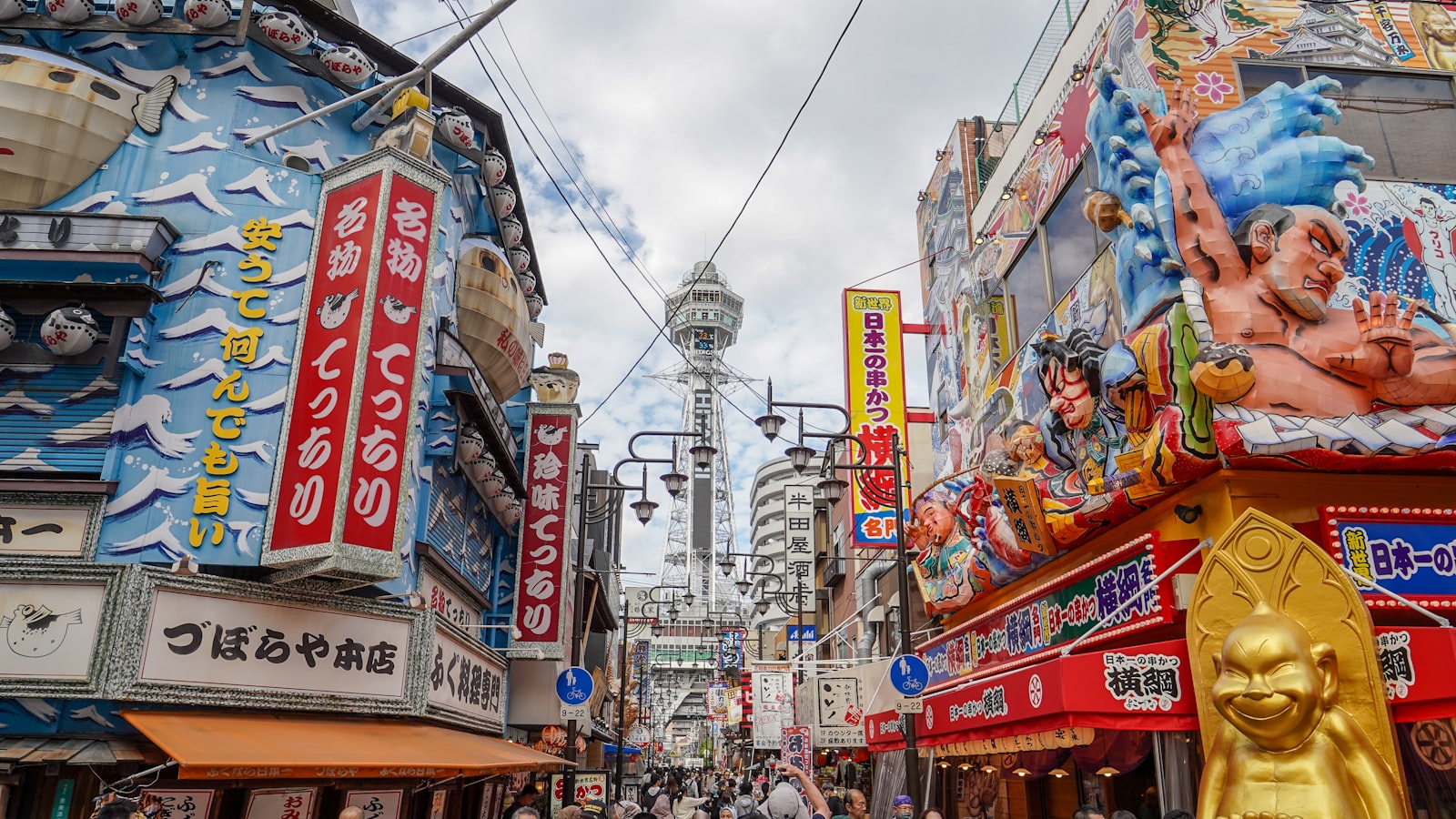
The Famous Names
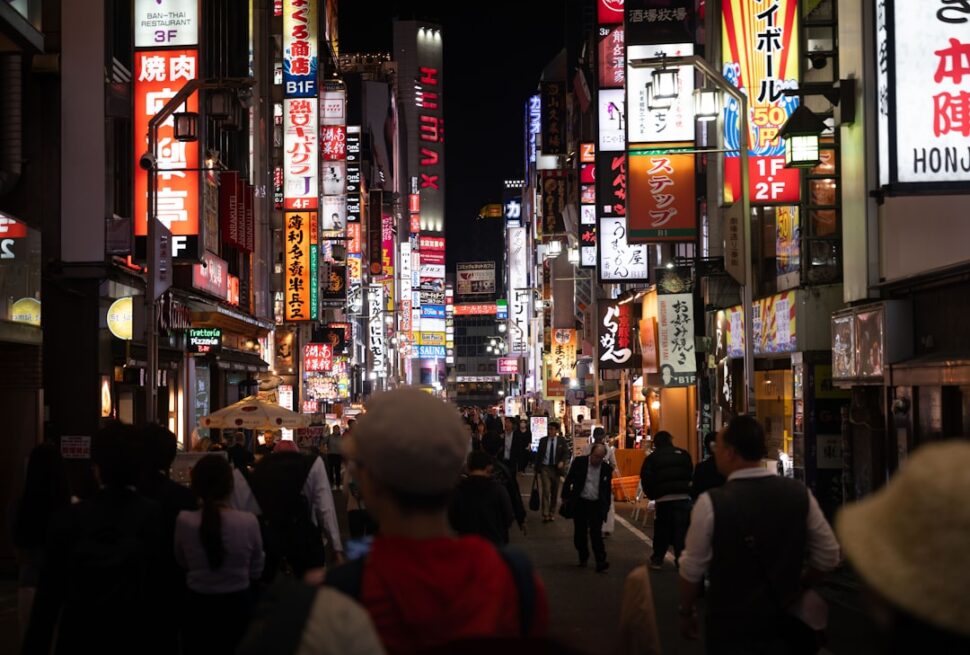
Established spots around Namba and Dotonbori — names like Chibo, Mizuno, and Ajinoya — are reliable places to try excellent okonomiyaki, some with decades of history. They are popular with visitors and locals alike, and a safe, high-quality introduction to the dish.
Back-Alley Shops
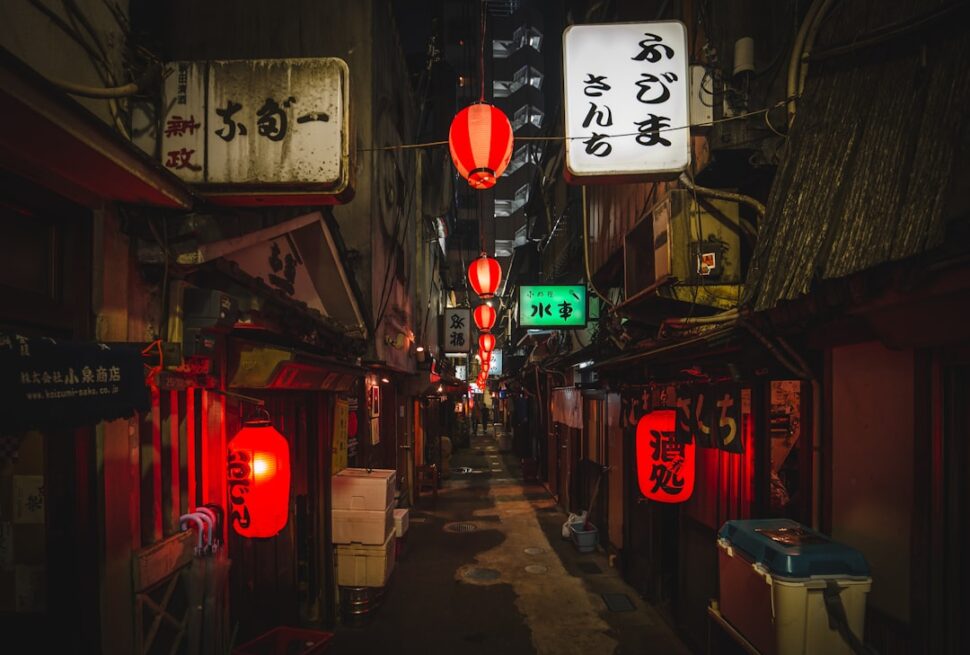
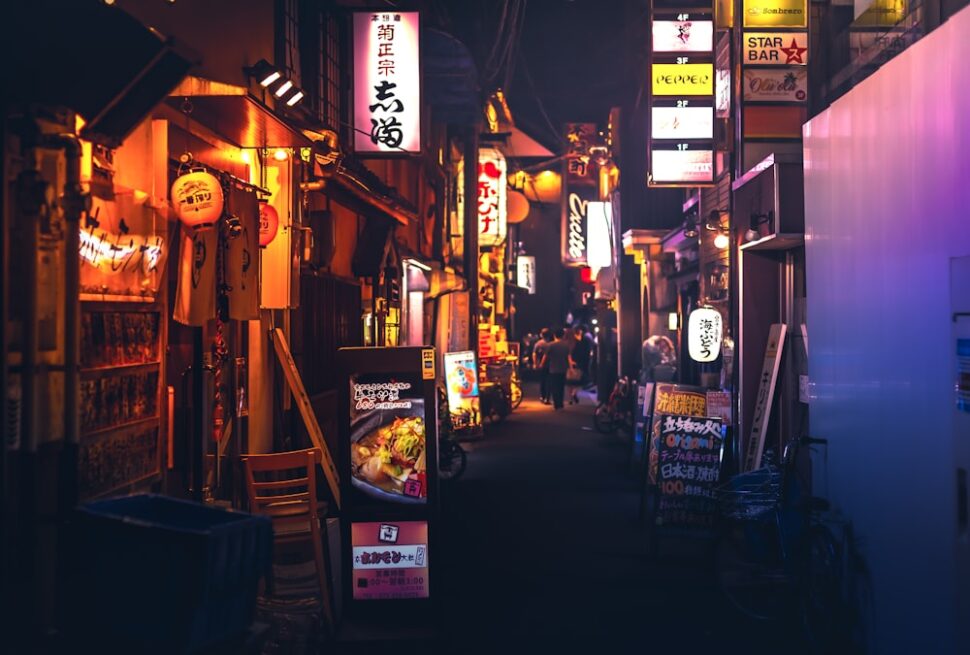
Beyond the famous names, small neighborhood teppan bars tucked down side streets often serve okonomiyaki with real character and no queue. Wander a little off the main drag, look for a busy local spot, and you will often eat just as well for less.
Managing the Queue
The best-known reservation-free shops build long lines, especially at peak meal times. Go early or late to avoid the worst waits, or choose a lesser-known spot nearby. A great okonomiyaki is not worth an hour standing in line when an excellent one sits around the corner.
Griddle and Dining Etiquette
Chef-Cooked or DIY
Some shops cook your okonomiyaki for you and slide it onto your griddle to keep warm; others hand you the bowl to cook yourself at a tabletop teppan. If you are cooking, spread the mix into a round and resist the urge to flip too soon — let it set fully before the single confident flip.
Eat from the Griddle
Traditionally you eat okonomiyaki straight off the hot plate using a small metal spatula (kote), cutting off bite-sized pieces rather than transferring the whole thing to a plate. Eating from the griddle keeps it hot and is part of the fun. Some shops also provide chopsticks.
Managing the Heat
The tabletop teppan has a heat control; keep it warm enough to hold temperature without scorching the pancake. If your okonomiyaki is browning too fast, turn it down. Ask staff if you are unsure — they would rather help than see a burned pancake.
Pairings and Sides
Beer and Highballs
The classic pairing is a cold draft beer or a whisky highball, whose crispness cuts through the rich, saucy pancake. It is casual, satisfying, and exactly how Osakans eat okonomiyaki. Order a drink and settle in.
Order Some Sides
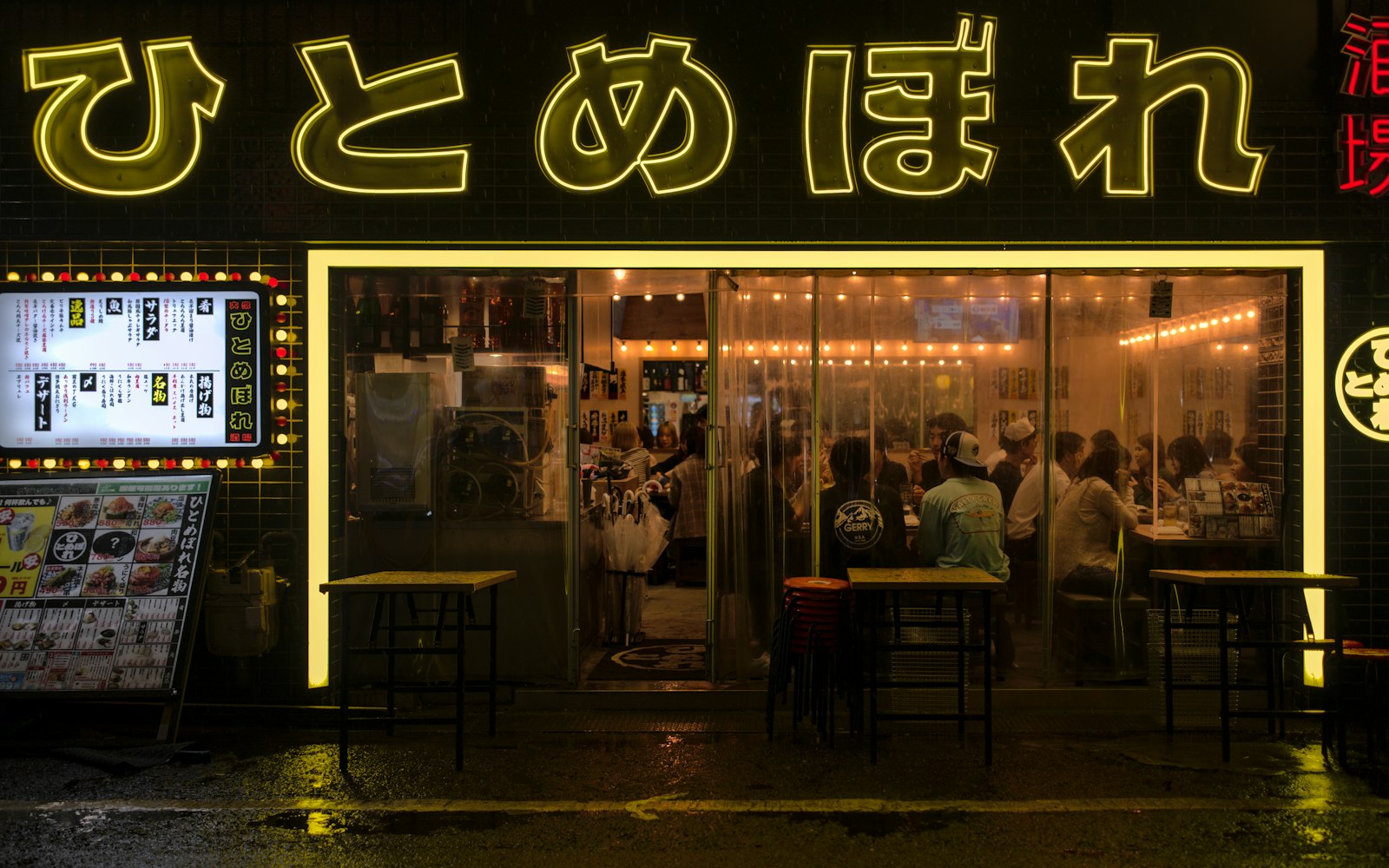
Round out the meal with teppan sides like tonpei-yaki, a pork-and-egg omelet, or a plate of fried yakisoba. These griddle dishes share the same comforting, sauce-forward appeal and turn okonomiyaki into a proper spread.
The Izakaya Vibe
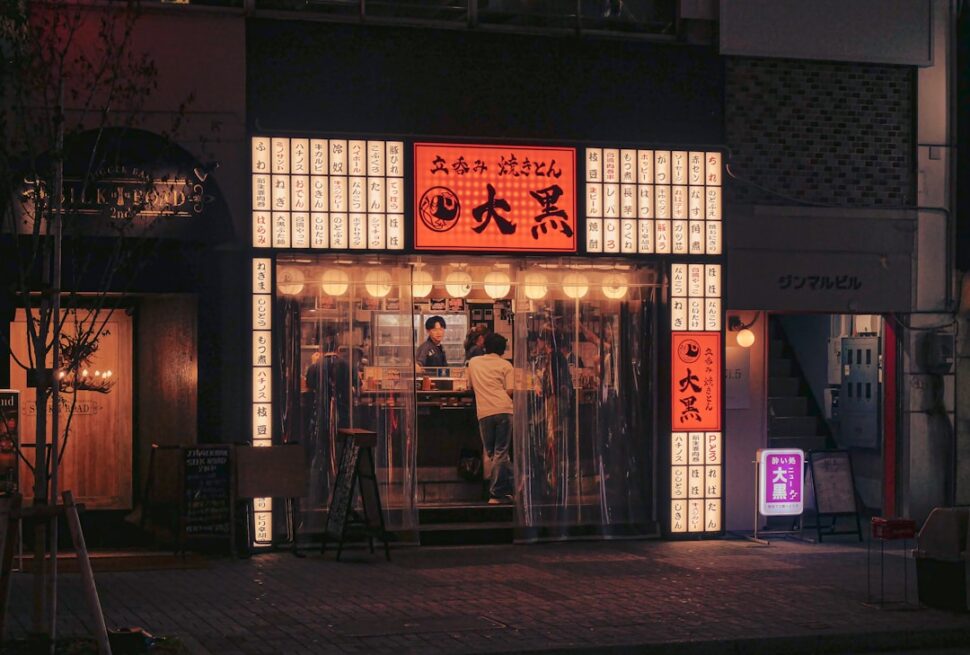
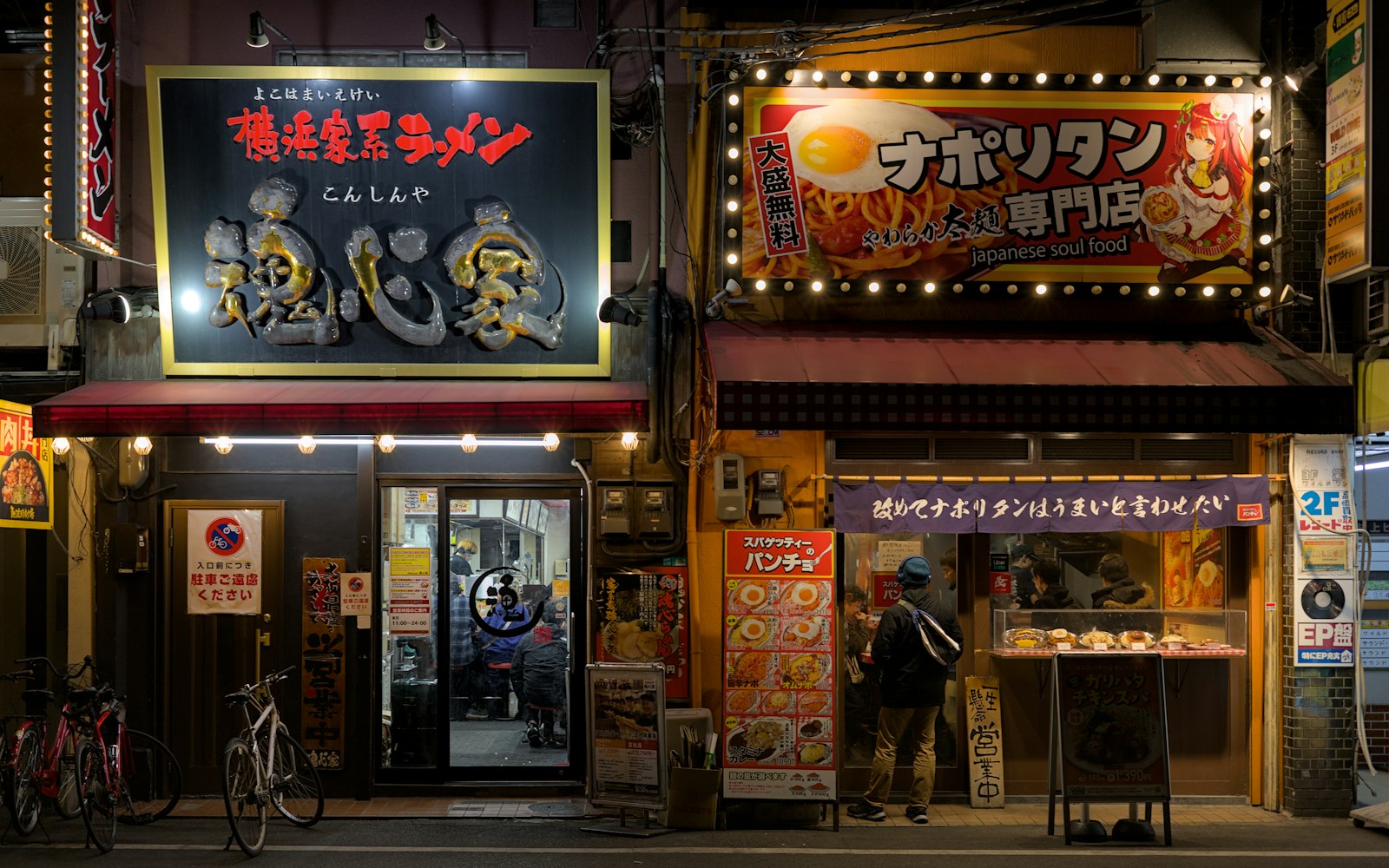
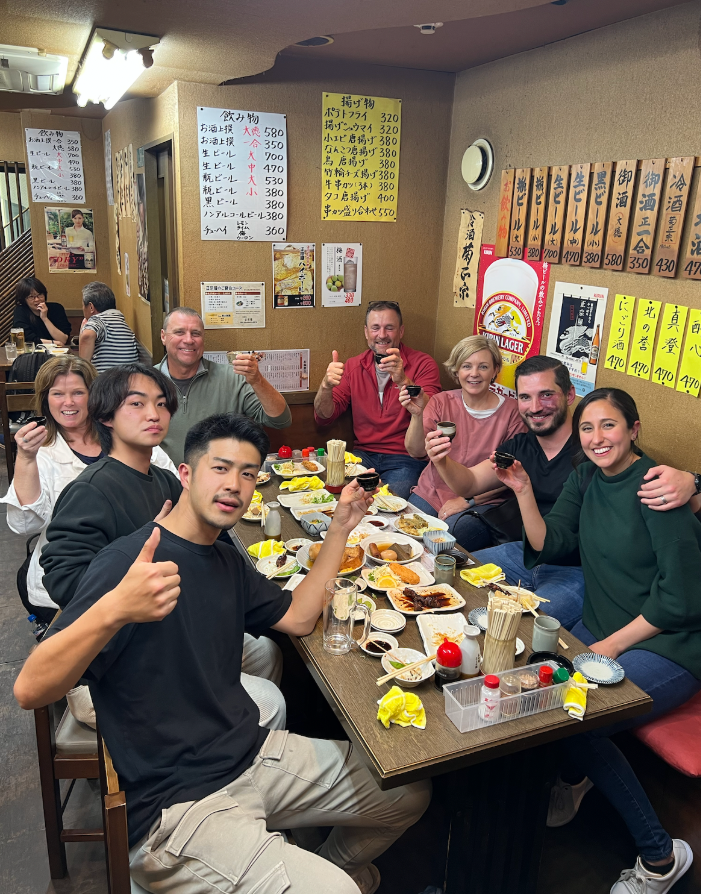
Many okonomiyaki spots have a relaxed, izakaya-like atmosphere, good for a lively, unhurried evening over drinks and griddle food. It is convivial, affordable eating — the kind of meal Osaka does best.
Osaka Okonomiyaki: Frequently Asked Questions
What is the difference between Osaka and Hiroshima okonomiyaki? Osaka (Kansai) style mixes all the ingredients into the batter before grilling, while Hiroshima style layers them separately, including a large amount of cabbage and a layer of noodles. Both are excellent and quite distinct.
Are there vegetarian or seafood-only options? Many shops offer seafood, vegetable, or cheese okonomiyaki, and some can make a vegetable version, though the batter and sauce may contain dashi or bonito. Ask about ingredients if you have strict dietary needs.
Do I need reservations for popular Dotonbori spots? The busiest reservation-free shops can involve long waits at peak times. Some accept reservations and some do not, so check ahead for a specific restaurant, or go off-peak to avoid the queue.
Related Tours

Conclusion
Okonomiyaki is Osaka on a plate: generous, unpretentious, and built for sharing over drinks. Learn the Kansai style, try a modan-yaki, eat it hot off the griddle with a spatula, and wash it down with a cold beer.
Plan Your Japan Trip with Local Experts
Our team has guided 40,000+ travelers across Japan. Tell us about your trip and we’ll get back to you within 24 hours.