In this article:
- What Is Ikebana?
- The Major Schools
- Tools and Materials
- Joining a Workshop
- Ikebana at Home
- Japan Flower Arrangement: Frequently Asked Questions
Introduction
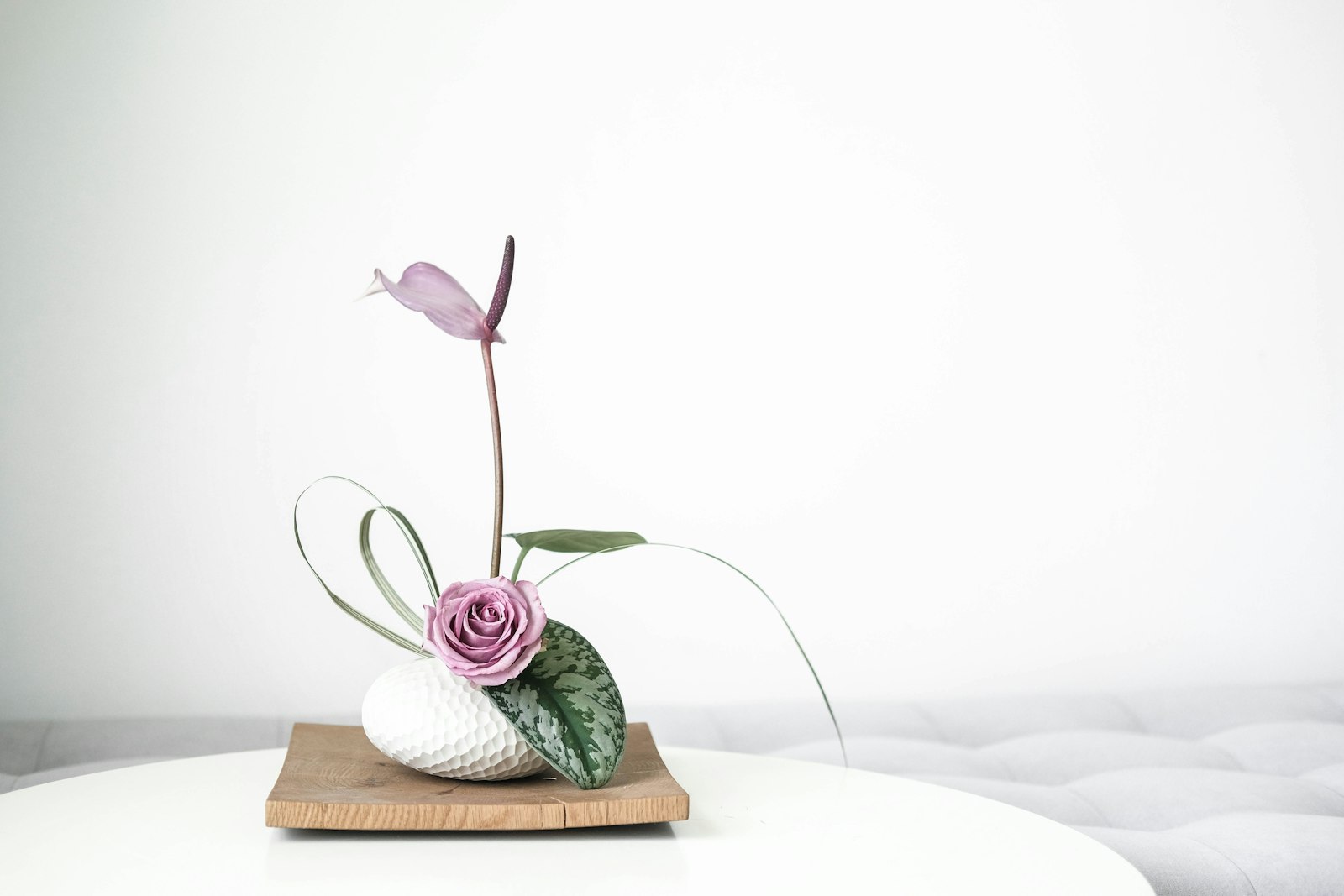
Where a Western bouquet fills space with abundance, ikebana empties it. The Japanese art of flower arrangement is about line, balance, and the space between elements, where a single carefully placed branch and blossom can hold more beauty than a mass of flowers. It is as much a meditative practice as a craft.
Understanding its principles — and better still, trying it — offers a window into a distinctly Japanese way of seeing. Here is a guide to the art of ikebana.
What Is Ikebana?
The philosophy sets ikebana apart from ordinary flower arranging.
More Than Decoration
Ikebana, also called kado (the “way of flowers”), treats arranging as a disciplined, mindful practice, prizing asymmetry and the deliberate use of empty space (ma). The space around and between the elements is as important as the flowers themselves. It is arrangement as contemplation, not just decoration.
Heaven, Earth, and Humanity
Many ikebana arrangements are built on three structural lines traditionally representing heaven (ten), earth (chi), and humanity (jin), giving the composition a philosophical framework. This underlying structure shapes the form and meaning of the arrangement. It is a quiet symbolism beneath the beauty.
Living Art
Ikebana honors the whole lifecycle of its materials, using not only open blossoms but stems, leaves, branches, and unopened buds, respecting nature’s changing forms. It celebrates the living, transient quality of plants rather than only their peak bloom. This attentiveness to nature is central to the art.
The Major Schools
Ikenobo
Ikenobo is the oldest school, rooted in the Buddhist floral offerings of a Kyoto temple and the source from which ikebana grew. It represents the classical, foundational tradition of the art. For those drawn to the historical heart of ikebana, Ikenobo is where it begins.
Ohara
The Ohara school is known for moribana, arrangements in shallow, flat containers that evoke landscapes and use a broader, more naturalistic palette. It brought a more scenic, modern sensibility to ikebana. Its landscape-style arrangements are distinctive and approachable.
Sogetsu
The Sogetsu school embraces modern, avant-garde expression, encouraging creative freedom and the use of unconventional materials, so that ikebana can be made anywhere by anyone. For a contemporary, experimental take, Sogetsu is the most flexible and open of the major schools.
Tools and Materials

The Kenzan
The kenzan, or “needle frog,” is a spiked metal base that sits in a shallow container and holds the stems precisely in place at the angles you choose. It is the essential tool that makes ikebana’s deliberate lines possible. Mastering the kenzan is a first step in the practice.
The Shears
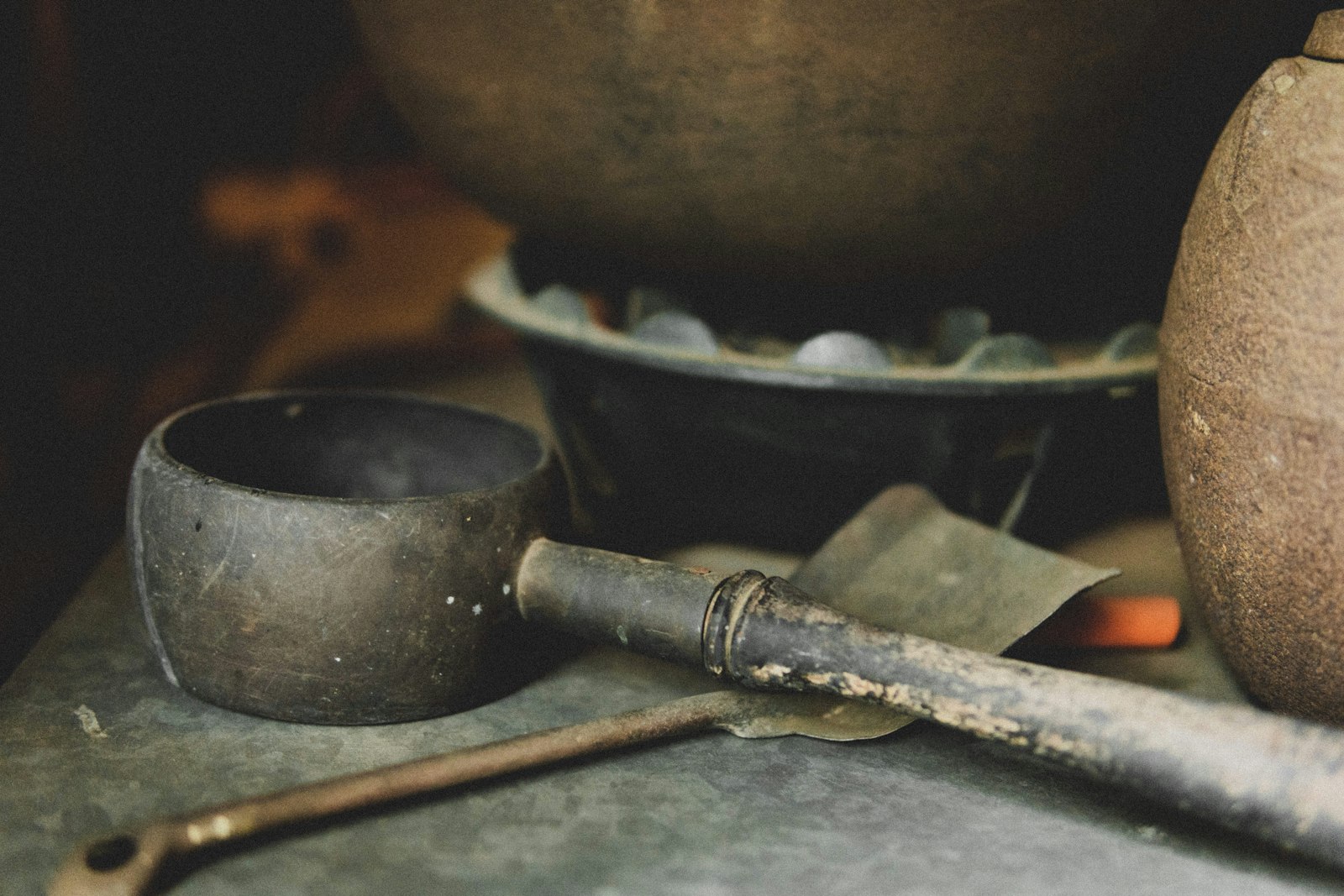
Specialized ikebana shears cut stems cleanly, and stems are often trimmed underwater to keep the flowers hydrated and long-lasting. The right cut, at the right angle, matters to both the look and the life of the arrangement. Good shears are a worthwhile investment for practitioners.
Seasonal Materials
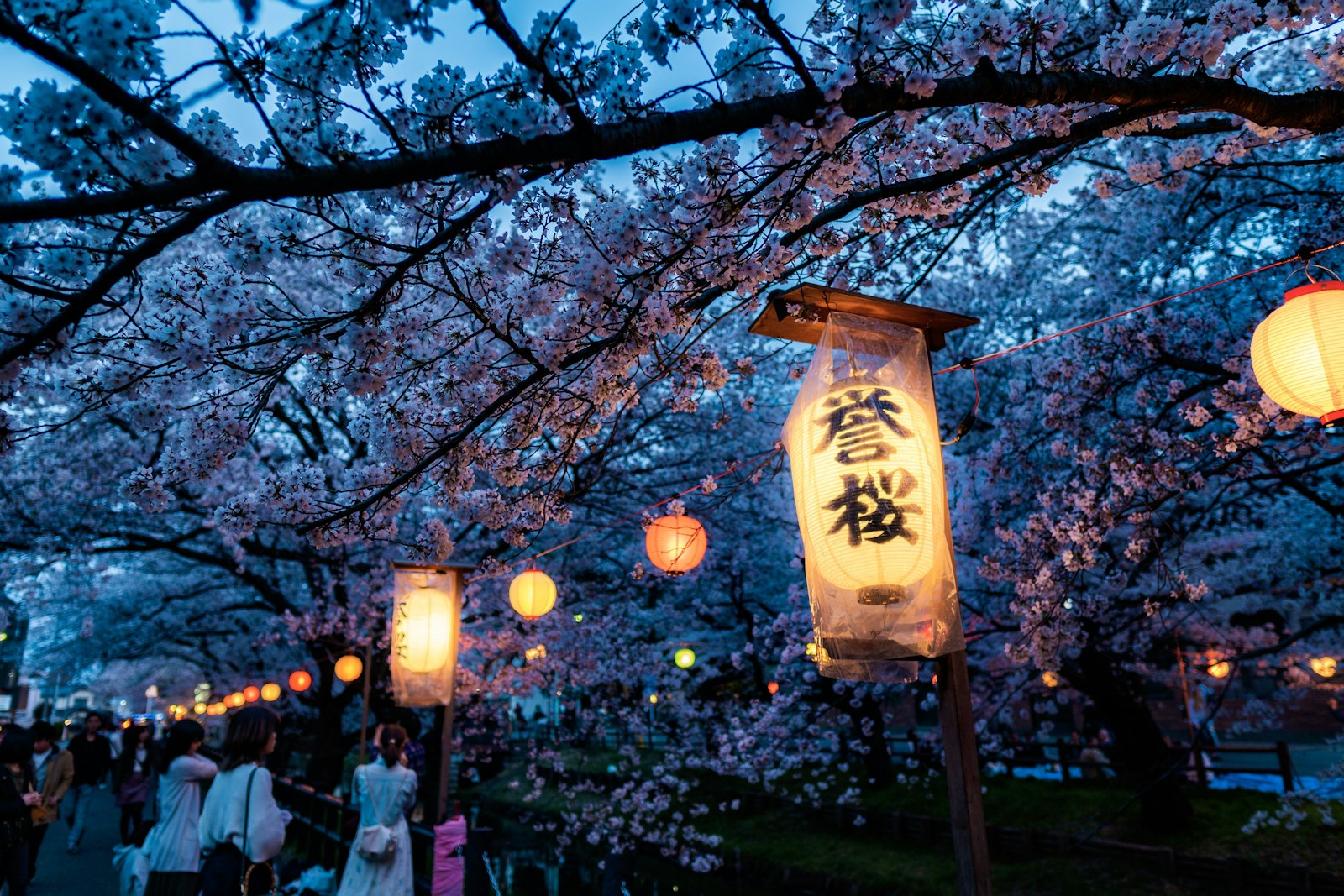
Ikebana draws on seasonal flora — branches, blossoms, leaves, grasses, and even dried elements — chosen to reflect the time of year. This seasonal awareness ties each arrangement to a specific moment in nature. Working with what is in season is fundamental to the art.
Joining a Workshop
A Hands-On Class
English-friendly ikebana workshops in Tokyo and Kyoto let you create your first arrangement under a master’s guidance in a couple of hours. It is a calming, absorbing experience and a genuine introduction to the art. No experience is needed to take part and make something beautiful.
The Tokonoma Connection
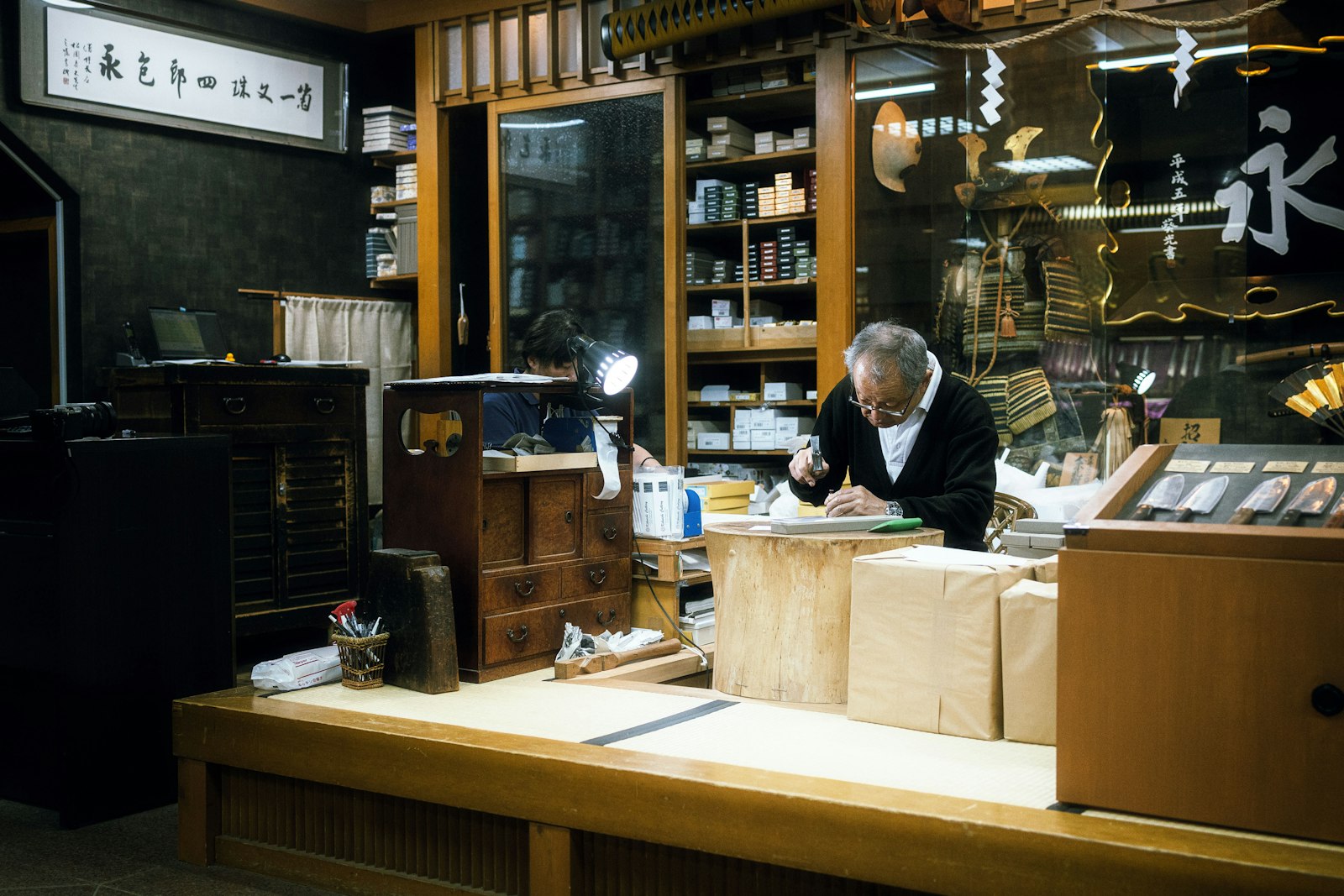
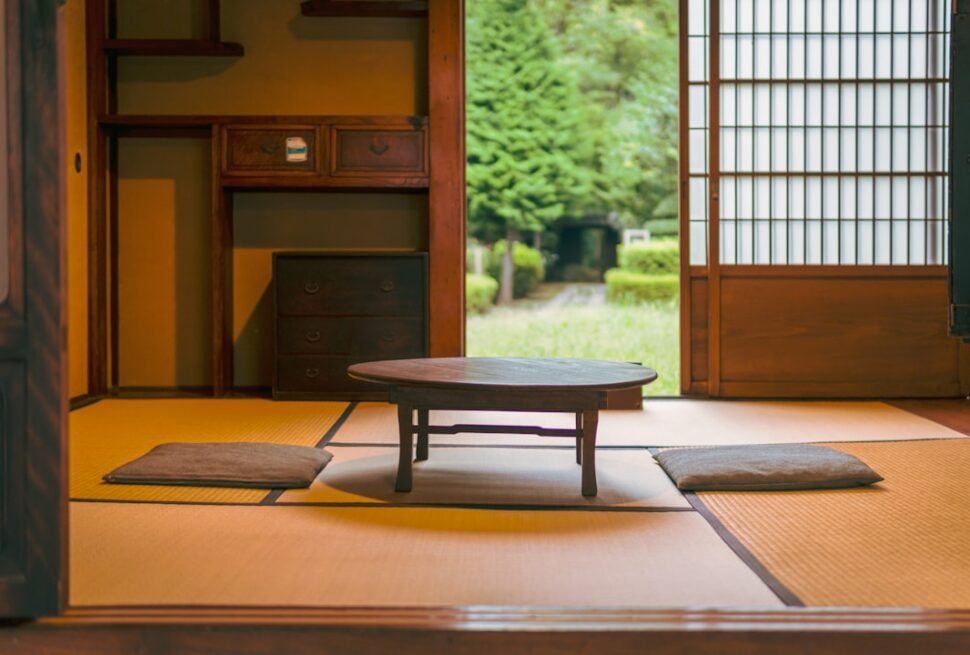
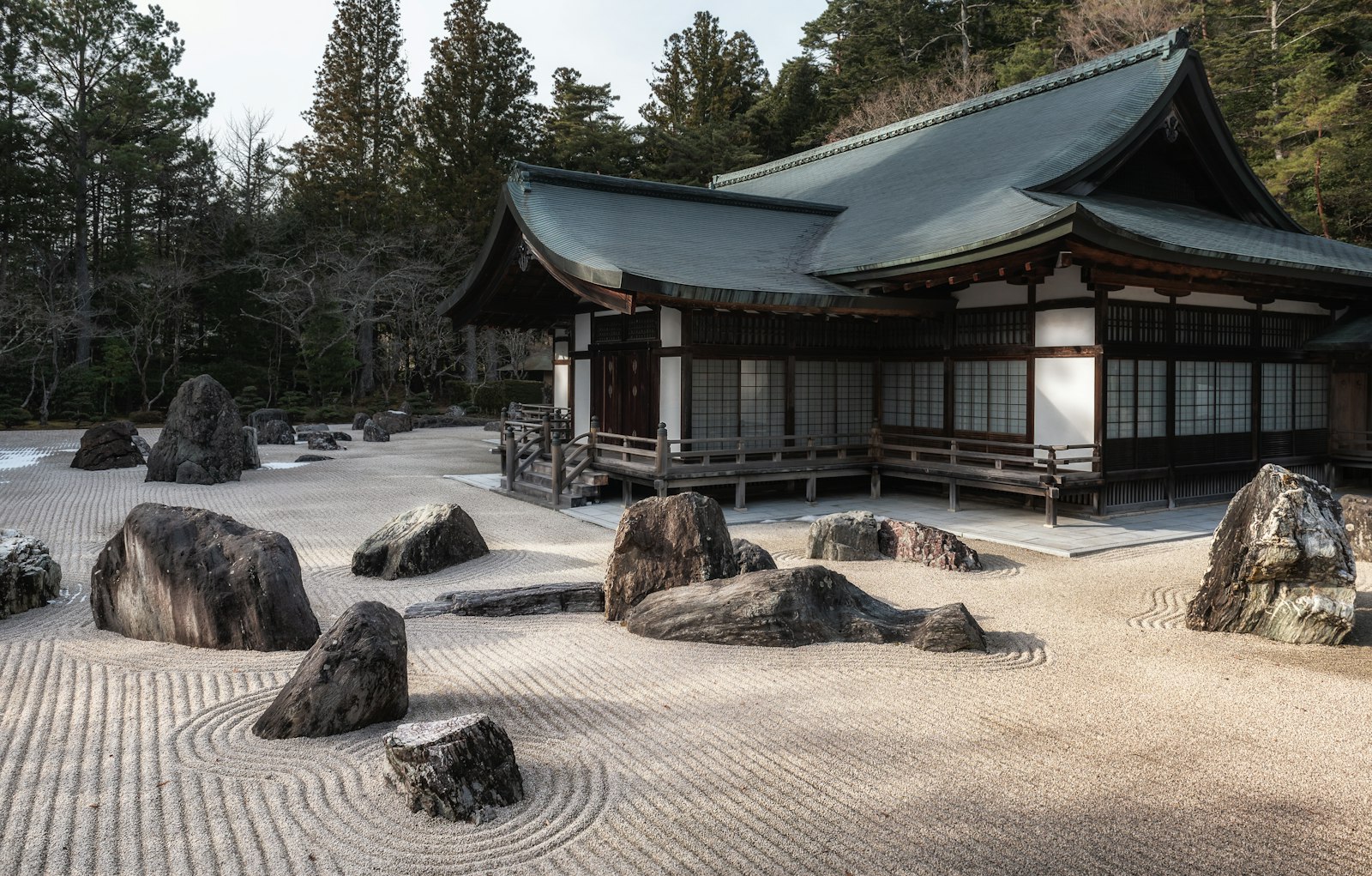
Classes often explain how ikebana traditionally complements the tokonoma, the display alcove of a Japanese room, where a seasonal arrangement is a focal point. Understanding this context deepens your appreciation of where and why ikebana is displayed. It connects the art to the architecture of the home.
Sourcing Your Materials
Some workshops include a visit to a flower market or florist to select materials, adding a hands-on dimension to the experience. Choosing your own branches and blossoms is part of the craft. It teaches you to see plants with an arranger’s eye.
Ikebana at Home
Less Is More
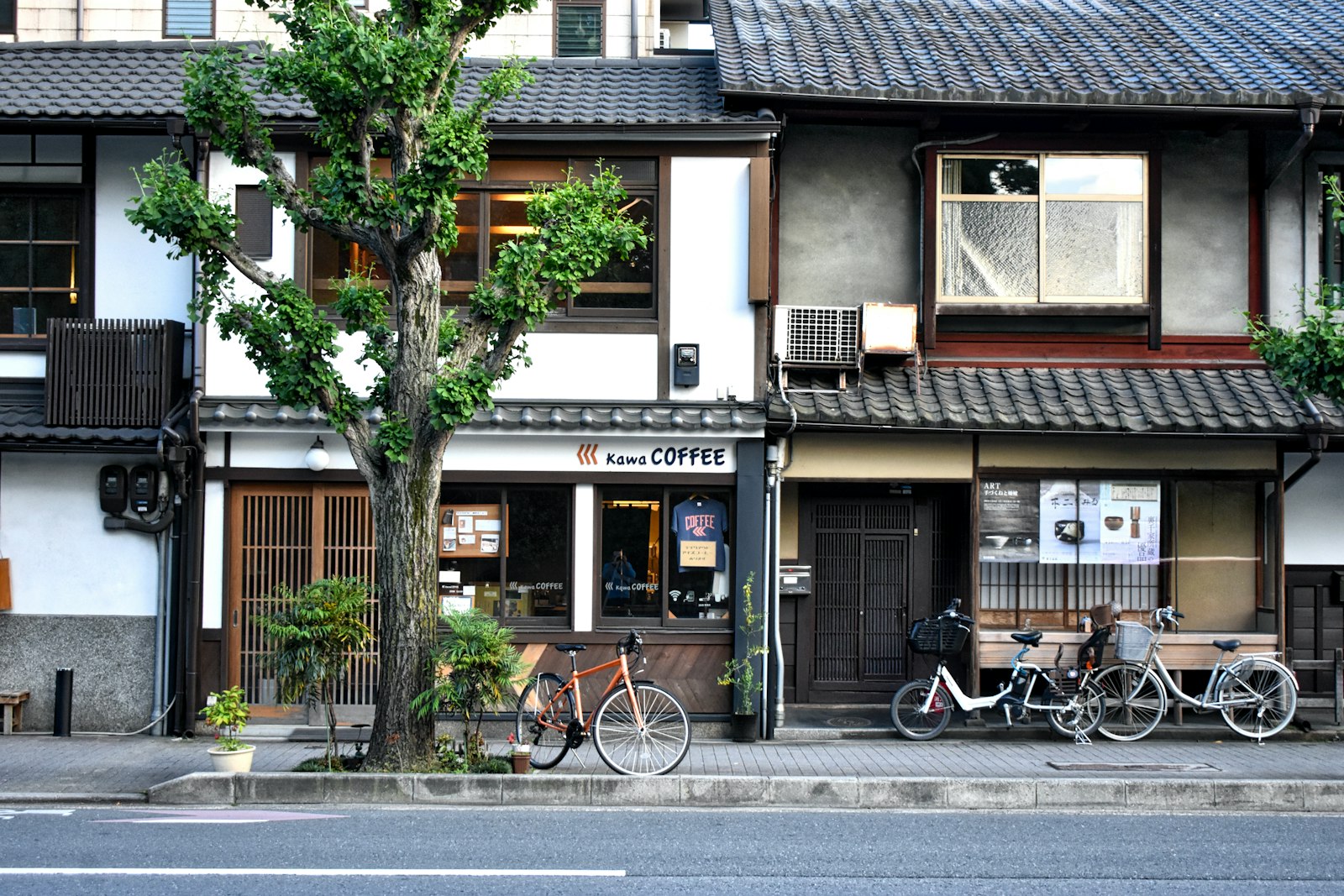
The core lesson you can take home is restraint: a single striking branch and one blossom, thoughtfully placed, can be more beautiful than a crowded vase. Applying this “less is more” principle transforms how you arrange flowers. It is ikebana’s most portable idea.
Follow the Seasons
Bringing seasonal branches and flowers indoors, and changing them as the year turns, keeps your home in quiet dialogue with nature. This seasonal awareness is a gentle, grounding habit. It connects your living space to the rhythm of the outside world.
Choose the Right Vessel
The container matters as much as the flowers; an earthy ceramic bowl or a simple glass vase, chosen to suit the materials, completes the arrangement. Selecting the right vessel is part of the composition. A considered pairing of plant and container is the finishing touch.
Expert Tip
Take a beginner ikebana workshop even if you have never arranged flowers, and choose the school that matches your temperament. Ikenobo suits those drawn to classical tradition, Ohara to naturalistic landscapes, and Sogetsu to free, modern creativity. A two-hour guided class teaches you the core principles — line, space, and asymmetry — through making a real arrangement, and it is one of the most calming, quietly profound cultural experiences you can have in Japan. You leave seeing flowers, and empty space, differently.
Japan Flower Arrangement: Frequently Asked Questions
How does ikebana differ from Western flower arranging? Western arrangement tends toward abundance, symmetry, and filling space, while ikebana prizes minimalism, asymmetry, line, and the deliberate use of empty space. Ikebana is a disciplined, meditative art with philosophical roots, not just decoration.
Can complete beginners join a one-day class? Yes. Introductory ikebana workshops are designed for beginners with no floral background, guiding you step by step to make your first arrangement. It is accessible and rewarding for anyone.
Where can I buy a kenzan and ikebana shears? Specialist floral and craft shops, and some department stores and areas like Tokyo’s Kappabashi, sell kenzan needle frogs and ikebana shears. They also make lovely, practical souvenirs for continuing the practice at home.
Related Tours

Conclusion
Ikebana is a quiet, profound art — the way of flowers — where line, space, and asymmetry turn a single branch into something to contemplate. Understanding its philosophy, and trying it in a workshop, offers a rare window into the Japanese sense of beauty.
Plan Your Japan Trip with Local Experts
Our team has guided 40,000+ travelers across Japan. Tell us about your trip and we’ll get back to you within 24 hours.