In this article:
- The Sacred Mountain
- Okunoin Cemetery
- Staying in a Temple (Shukubo)
- Shojin Ryori: Monastic Cuisine
- Getting There from Osaka
- Koyasan: Frequently Asked Questions
Introduction
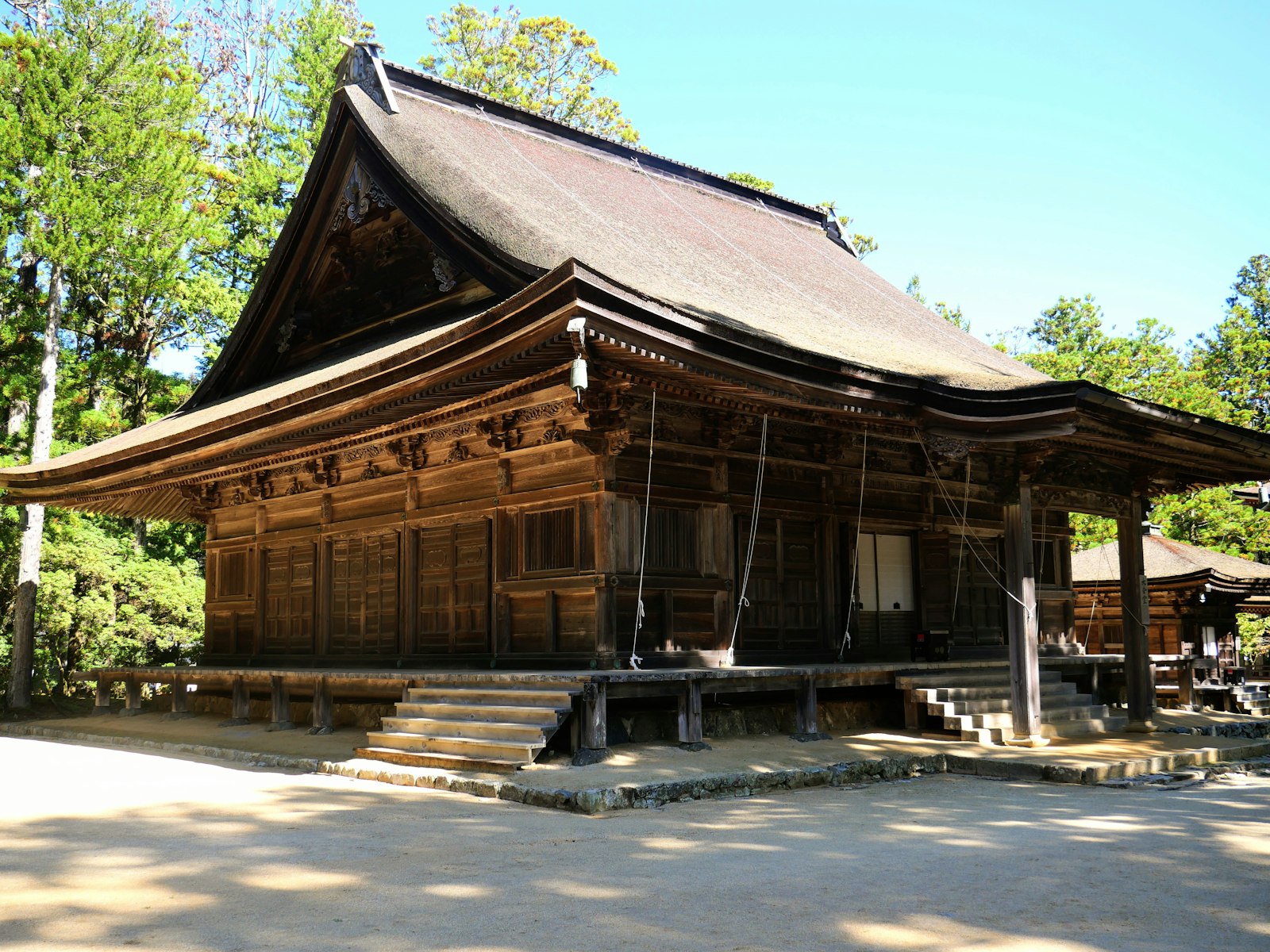
High in the mountains south of Osaka lies Koyasan, a place unlike anywhere else in Japan — a monastic town founded over twelve hundred years ago, where more than a hundred temples cluster among towering cedars, and where you can stay the night as a guest of monks. Its ancient cemetery, lit by lanterns and hushed beneath giant trees, is among the most sacred and moving places in the country.
Spending a night here, waking for dawn prayers and eating the monks’ own cuisine, is a rare and quiet privilege. Here is how to experience it.
The Sacred Mountain
Understanding Koyasan’s significance deepens every part of a visit.
Kobo Daishi and Shingon Buddhism
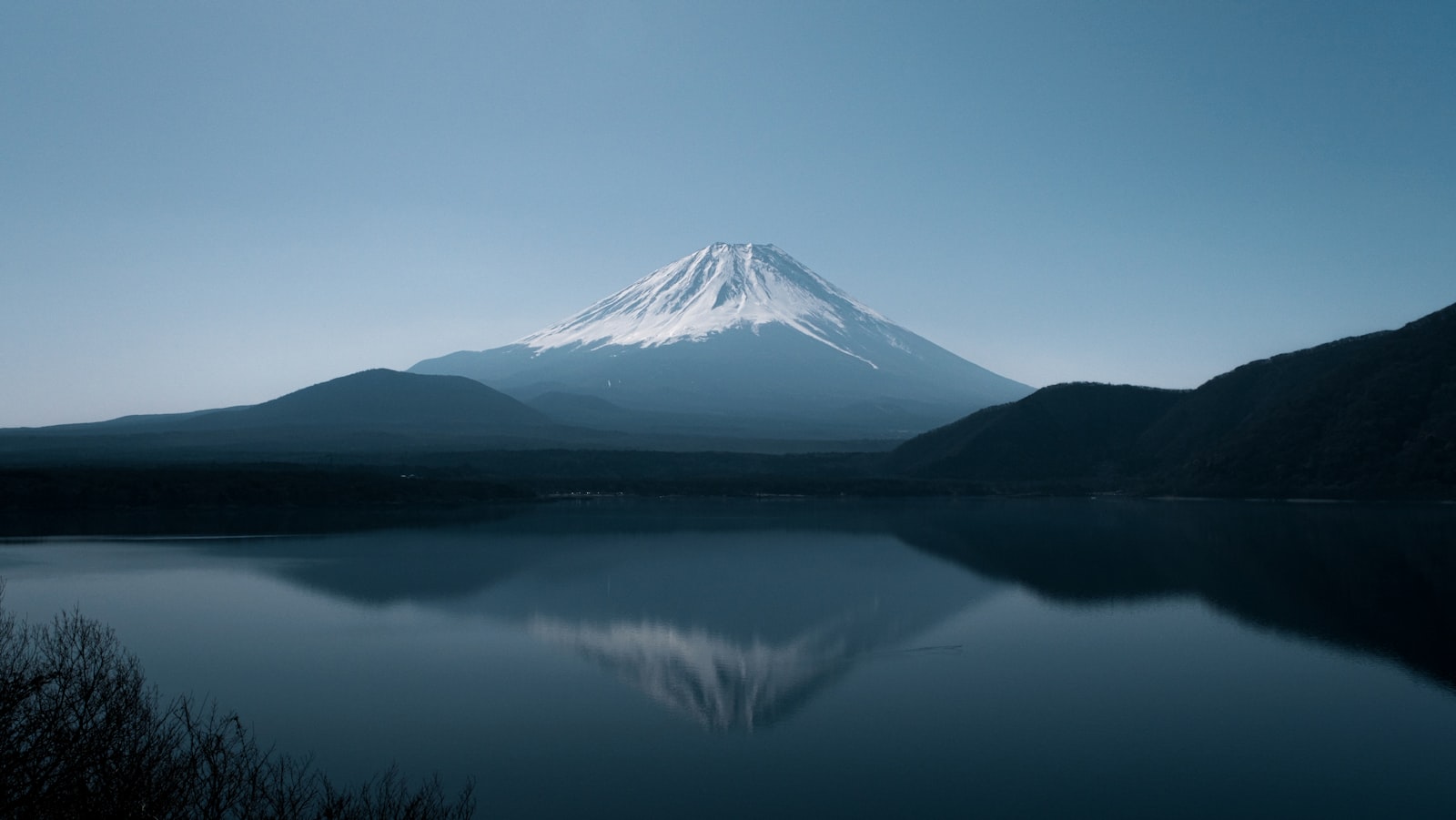
Koyasan was founded in the early 9th century by Kobo Daishi (Kukai), the revered monk who established Shingon esoteric Buddhism in Japan. He remains the spiritual center of the mountain, believed by followers to rest here in eternal meditation. His legacy pervades everything at Koyasan.
A Mountaintop Sanctuary
The town sits in a high basin ringed by peaks and cedar forest, a UNESCO World Heritage site of temples and pilgrimage routes. The setting itself — remote, forested, and quiet — creates an atmosphere of retreat from the world. Reaching it feels like ascending to a sanctuary.
The Danjo Garan
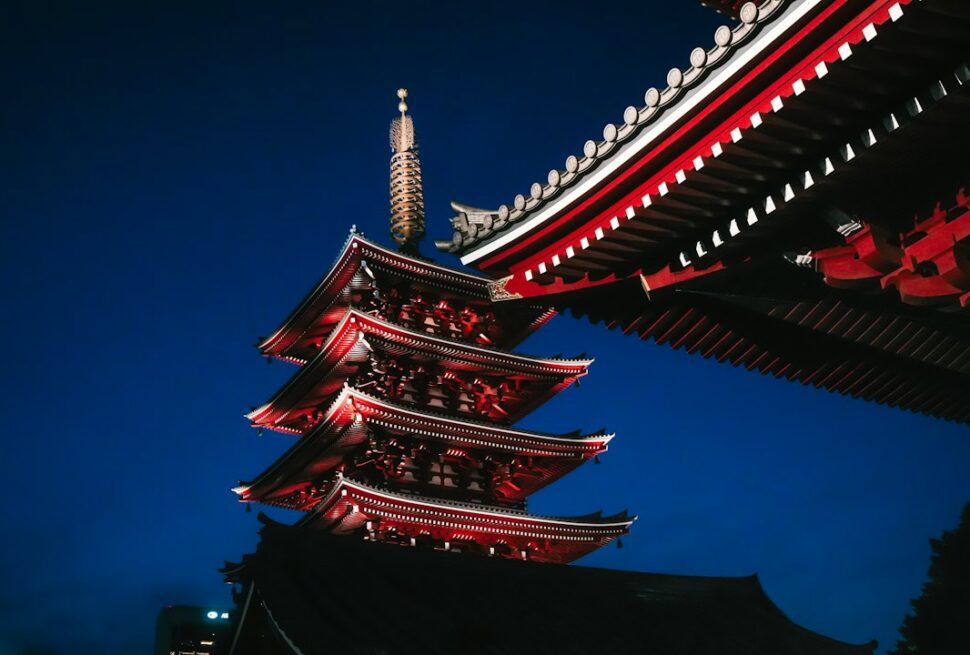
The Danjo Garan is the central temple complex Kobo Daishi established, home to the striking crimson Konpon Daito pagoda and other key halls. It is one of the two most sacred areas of Koyasan, and a highlight of any visit. The vivid pagoda against the trees is unforgettable.
Okunoin Cemetery
Japan’s Most Sacred Graveyard
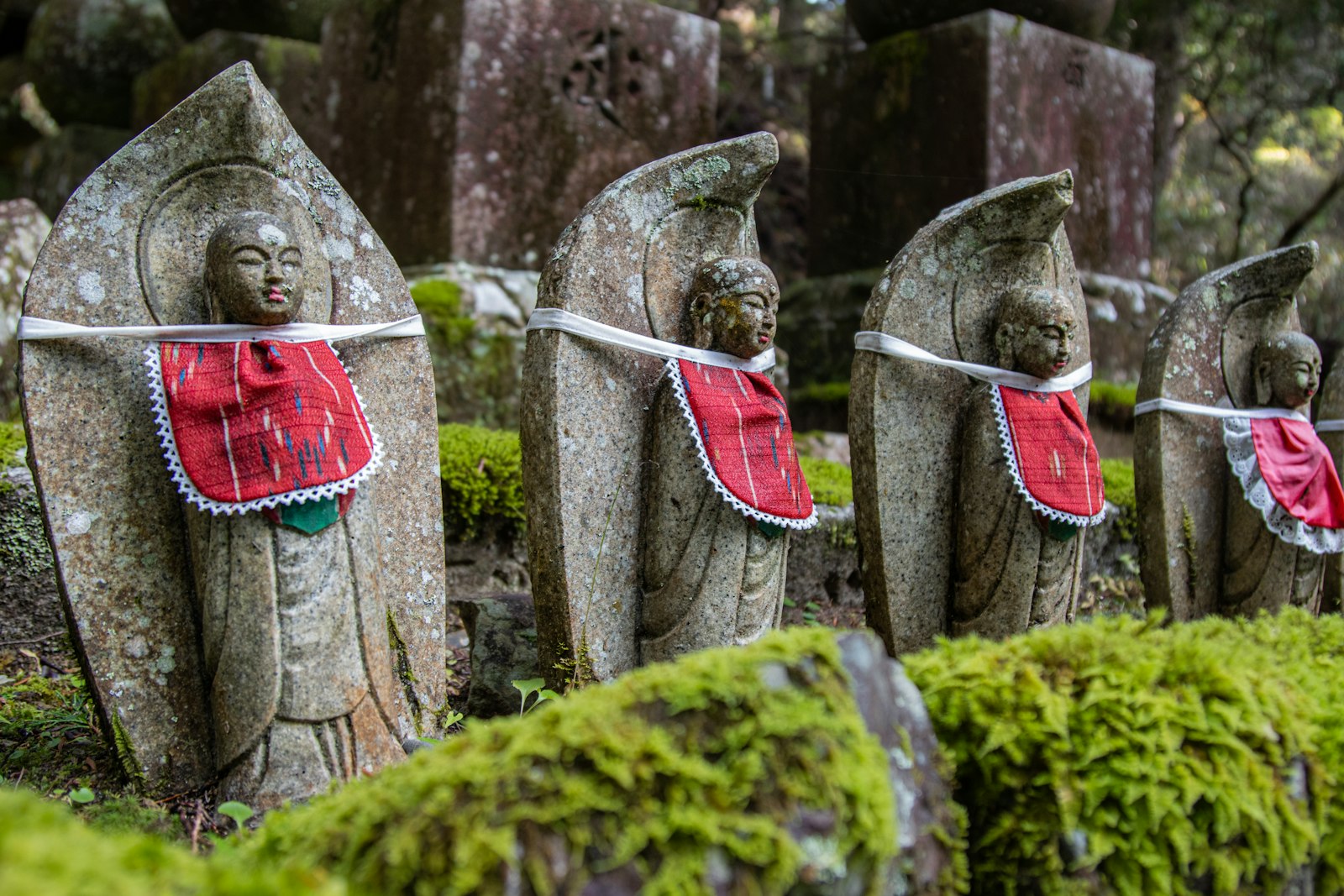
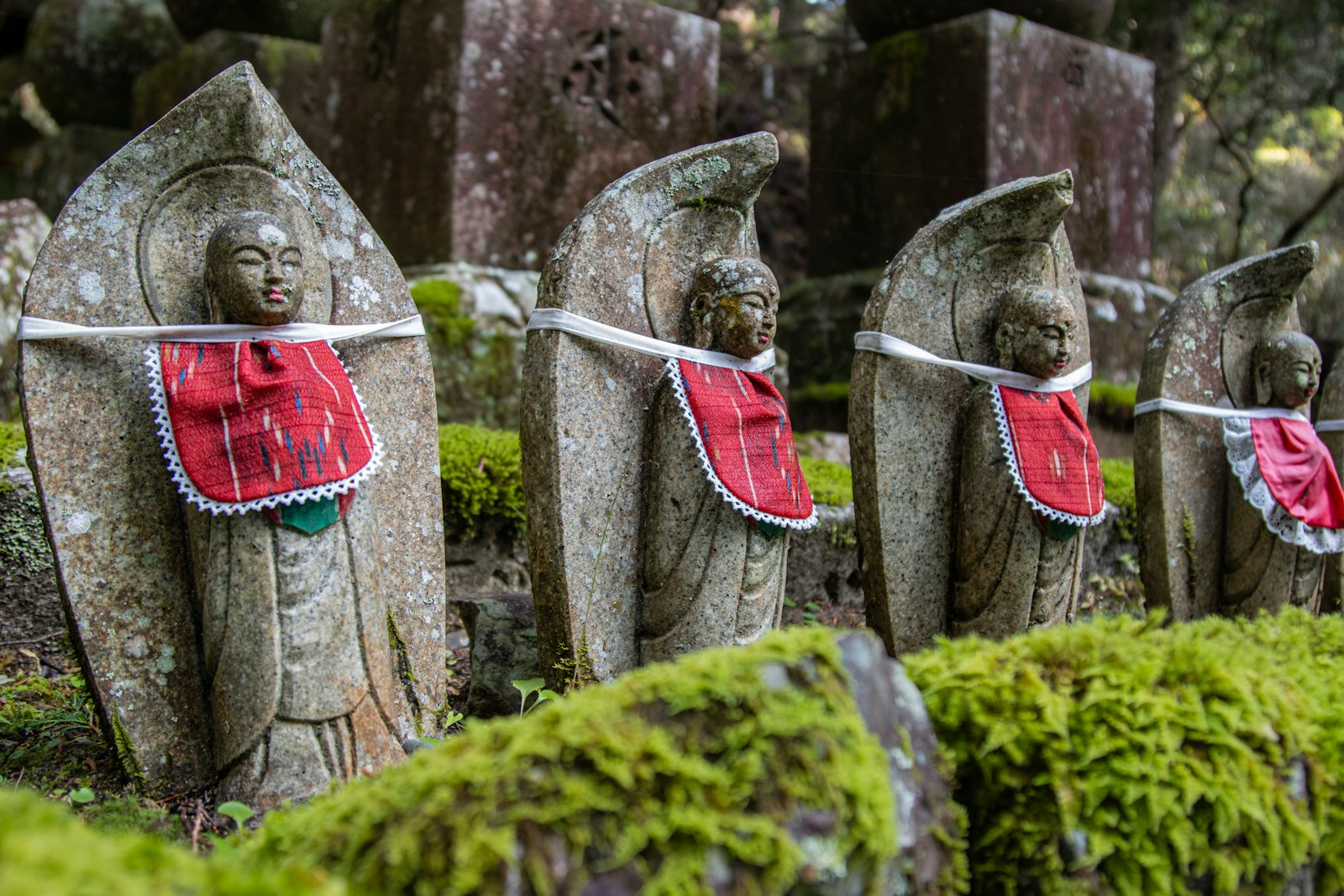
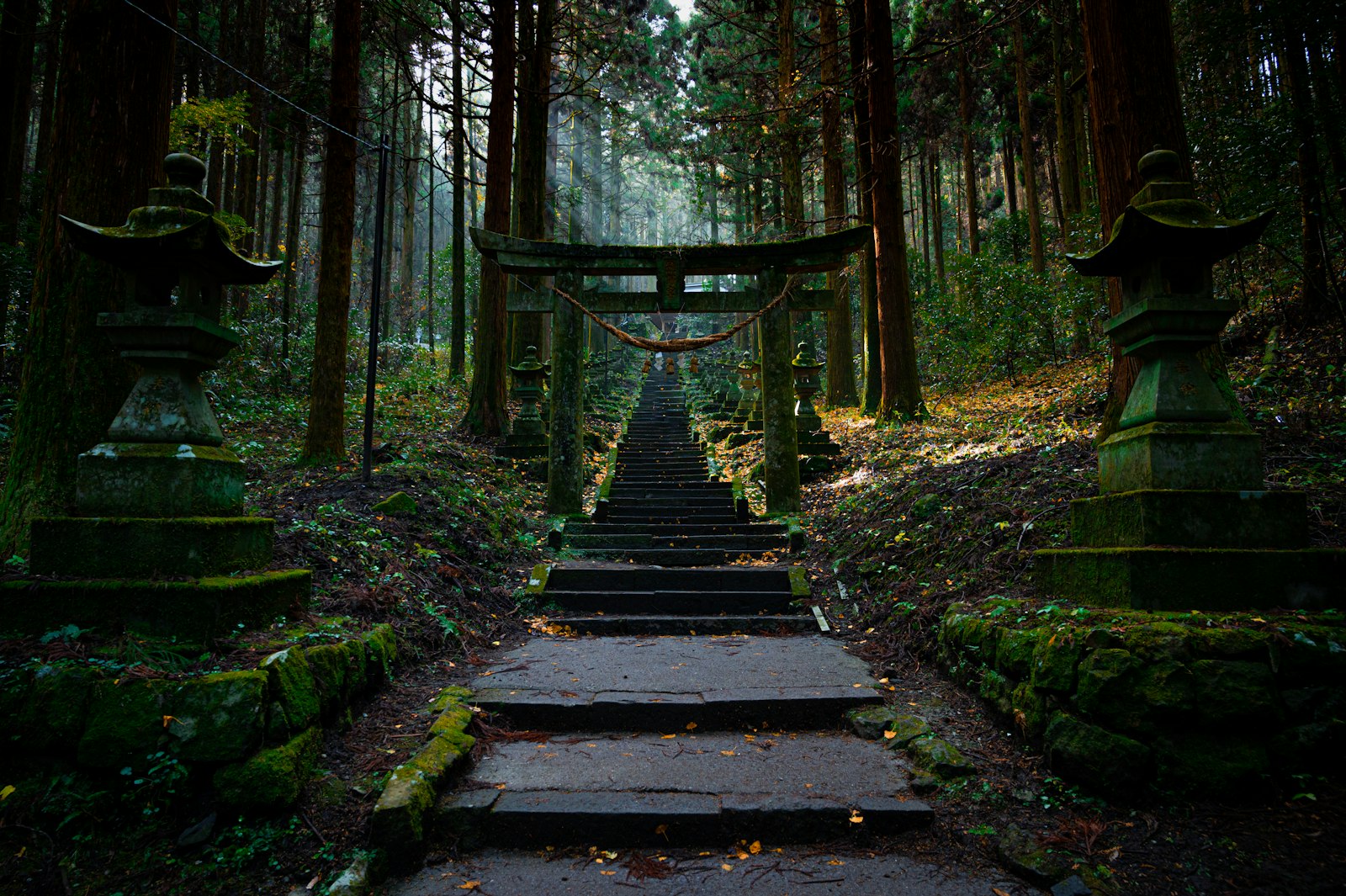
Okunoin is the spiritual heart of Koyasan and Japan’s largest cemetery, its roughly two-kilometer approach lined by more than two hundred thousand monuments beneath ancient, towering cedars. Walking this moss-covered path among centuries of graves, in the filtered forest light, is a profoundly atmospheric experience. It is unlike any cemetery in the West.
The Hall of Lanterns
Near the inner sanctuary stands the Torodo, the Hall of Lanterns, glowing with many thousands of eternal lamps, some said to have burned for centuries. The sea of flickering light within is deeply moving. It is one of the most sacred and beautiful sights at Koyasan.
Kobo Daishi’s Mausoleum
At the end of the approach lies the mausoleum where Kobo Daishi is believed to rest in eternal meditation, the most sacred spot on the mountain, where pilgrims pay their respects. Photography is not permitted in the innermost area; approach with quiet reverence. This is the destination the whole path leads toward.
Staying in a Temple (Shukubo)
Temple Lodging
The signature Koyasan experience is the shukubo — staying overnight in a working temple, sleeping on tatami in simple, serene guest rooms. It is comfortable and welcoming, not austere, and staying among the monks gives the visit a depth a hotel never could. Book well ahead, as rooms are limited and popular.
Morning Prayers and Fire Rituals
Guests are invited to join the monks’ early-morning prayer service (gongyo) and sometimes the dramatic goma fire ritual, participating in centuries-old ceremonies at dawn. Rising in the cold morning to witness these rites is the heart of the experience. It is quietly powerful and unforgettable.
Temple Baths
Many temple lodgings have communal baths where you can soak and relax after the day, in keeping with the peaceful rhythm of the stay. The bath is a welcome comfort in the mountain cool. It rounds out the restful, restorative nature of a shukubo night.
Shojin Ryori: Monastic Cuisine
The Art of Monk Dining
Meals at a shukubo are shojin ryori, the refined Buddhist vegetarian cuisine of the monks, prepared without meat, fish, or pungent ingredients like garlic and onion. Far from plain, it is beautifully presented, deeply seasonal, and genuinely delicious. Eating it is a meditative pleasure in itself.
Koyasan Specialties
Two local specialties define the cuisine: goma-dofu, a rich sesame “tofu” with a silky texture, and koya-dofu, a freeze-dried tofu invented on the mountain. Sampling these signature dishes is part of the Koyasan experience. They are simple, distinctive, and memorable.
Balance in Every Meal
Shojin ryori follows principles of balance — of flavors, colors, and cooking methods — reflecting a spiritual harmony as much as a culinary one. Each meal is composed with intention. Understanding this makes the quiet, careful food all the more meaningful.
Getting There from Osaka
The Nankai Koya Line
From Osaka, take the Nankai Koya Line from Namba station toward Gokurakubashi at the foot of the mountain, a scenic ride deeper into the hills. It is the standard route and a pleasant journey in itself as the landscape grows more remote. Limited express trains make it comfortable.
The Cable Car
From Gokurakubashi, a steep cable car climbs the mountain ridge, where local buses connect to the temple town. This final ascent is part of the sense of arrival at a place set apart. The buses then reach the main sites and temple lodgings.
The World Heritage Ticket
The Koyasan World Heritage Ticket bundles the round-trip rail, cable car, and local buses at a saving, and often includes discounts at attractions. For most visitors it is the simplest and most economical way to reach and get around Koyasan. Buy it at Nankai stations in Osaka.
Expert Tip
Stay overnight in a shukubo and visit Okunoin twice — once after dark and once at dawn. Most day-trippers see Okunoin in the flat light of midday; but the lantern-lit cemetery at night, and again in the misty quiet of early morning before the crowds, is a completely different, far more profound experience. A temple stay lets you do both, join the monks’ dawn prayers, and eat shojin ryori, turning Koyasan from a sight you visit into an experience you live. Book the temple months ahead.
Koyasan: Frequently Asked Questions
Are temple stays comfortable for English-speaking guests? Many shukubo are experienced in hosting international guests and provide English support for the practicalities, though the ceremonies themselves are in Japanese. The experience is welcoming and accessible; a little openness to the customs is all that is needed.
Can I visit Okunoin at night? Yes, the Okunoin approach is accessible in the evening, and its lantern-lit atmosphere after dark is extraordinary, with guided night tours available. Walking it at night is highly recommended and one of Koyasan’s most memorable experiences.
What is the etiquette for staying in a temple? Dress modestly, be quiet and respectful, remove shoes where required, observe meal and prayer times, and follow the temple’s guidance. You are a guest in a religious community, and courteous, unobtrusive behavior is expected throughout.
Related Tours

Conclusion
Koyasan is one of Japan’s most sacred and moving places — a mountaintop monastic town of ancient temples, a cedar-shrouded cemetery lit by ten thousand lanterns, and the rare chance to stay the night among monks. It offers a depth of experience few destinations can match.
Plan Your Japan Trip with Local Experts
Our team has guided 40,000+ travelers across Japan. Tell us about your trip and we’ll get back to you within 24 hours.