In this article:
- Lake Kawaguchi in Context: The Fuji Five Lakes’ Easiest Base
- Where to Stand for the View
- Getting Around the Lake
- Seasons, Cloud, and Timing
- Lake Kawaguchi: Frequently Asked Questions
Introduction
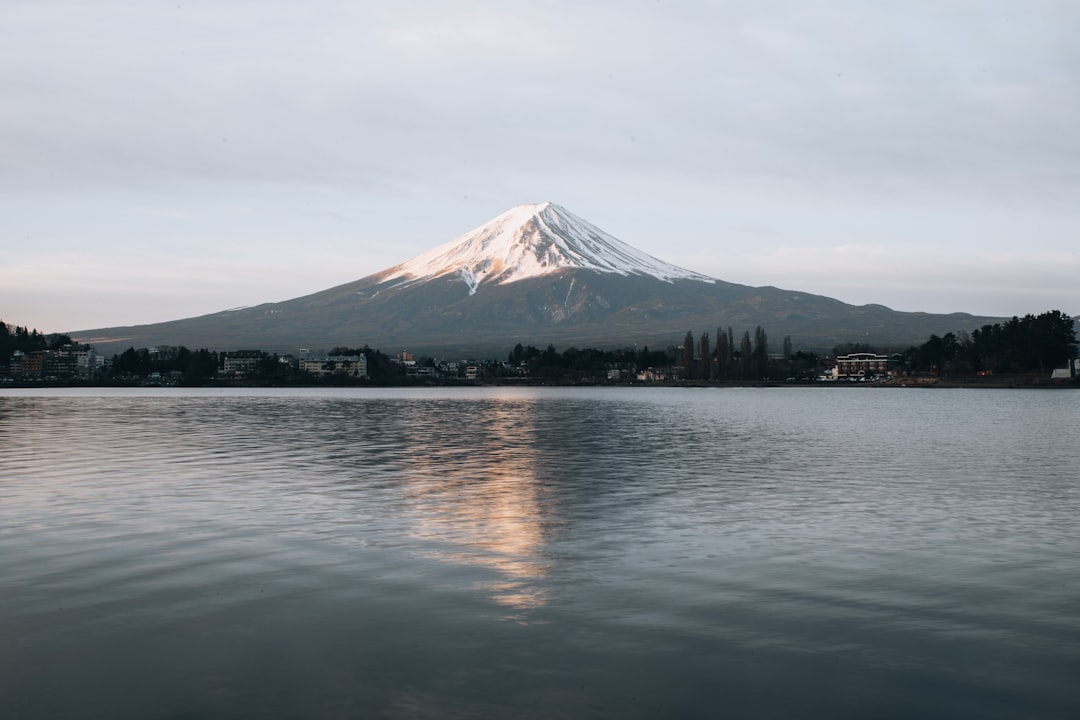
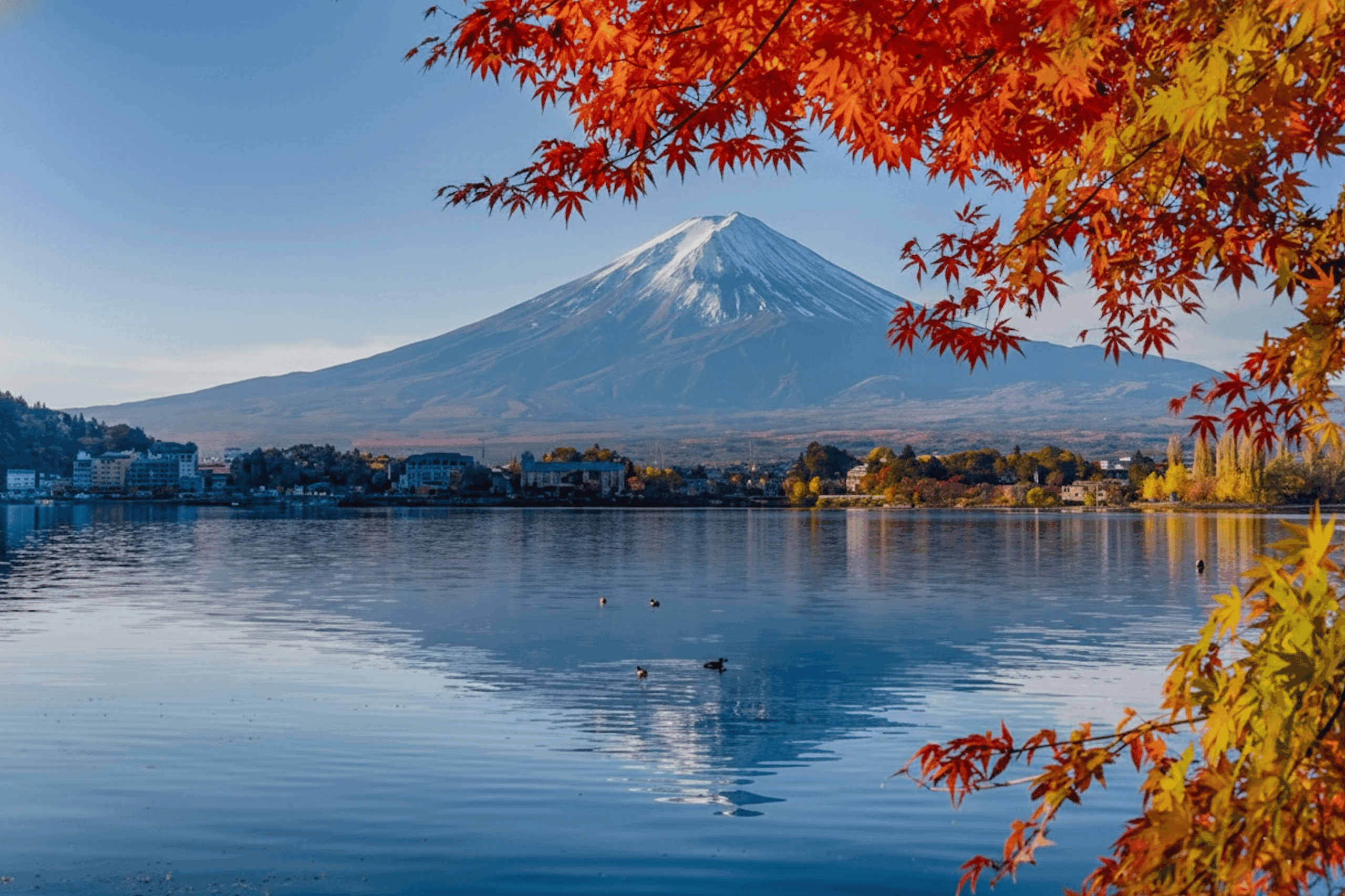
At seven in the morning on the north shore of Lake Kawaguchi, the water is often flat. It holds the whole mountain upside down. By eleven, a breeze has broken the reflection. Tour coaches have arrived, and clouds have started to gather around the summit. Same lake, same day, a different place entirely.
That gap is the most useful thing to understand before you go. Lake Kawaguchi is not difficult to reach. It is also not difficult to enjoy. However, timing, weather, and where you stand directly shape the image of Lake Kawaguchi in most people’s minds.
We run Fuji day trips from Tokyo throughout the year. The travelers who come away happiest are rarely the ones who saw the most stops. They are the ones who were on the right shore at the right hour. What follows is how to arrange that.
Lake Kawaguchi in Context: The Fuji Five Lakes’ Easiest Base
Lava flows from Mt. Fuji dammed the surrounding rivers to form Lake Kawaguchi and four other lakes on the mountain’s northern side in Yamanashi Prefecture. It is the second largest of the five by surface area and the lowest in elevation.
Size is not why it matters, though. Kawaguchiko offers a railway station, a direct expressway bus from Tokyo, and the densest cluster of hotels, ryokan, and restaurants. For most visitors it is the practical base for the whole region.
Which Shore Faces the Mountain
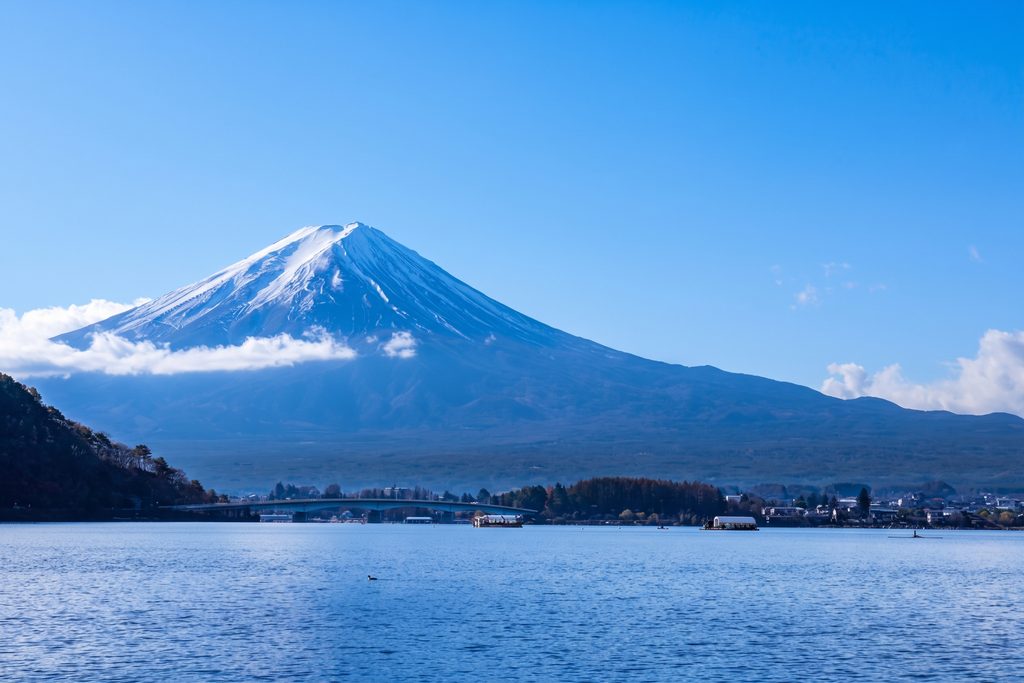
Fuji rises to the south of the lake. That means the north shore looks straight across the water toward the mountain, and it is where the classic reflected view comes from.
The south shore, where Kawaguchiko Station and most of the town sit, has the mountain behind you when you face the lake. It is convenient for eating and sleeping, and less convenient for photographs. Our advice is simple geography: stay wherever suits you, but plan to spend your best hours on the northern or eastern side.
Getting There From Tokyo by Bus or Train
The direct expressway bus from the Shinjuku Expressway Bus Terminal takes about two hours to Kawaguchiko Station and costs roughly ¥2,200. Fujikyu and Keio run it, with around two departures an hour, and seats sell out on weekends and holidays. Book ahead.
By train, you take the JR Chuo Line to Otsuki and change to the Fujikyu Railway for Kawaguchiko. Some limited express services run through without a change. It is often slower and more expensive than the bus, but it avoids expressway traffic, which on a Sunday evening back into Tokyo can add an hour or more.
We compare the options in more detail in our guide to getting from Tokyo to Mt Fuji. The short version: the bus is the default, and the train is the better choice when you are travelling on a weekend.
Expert Tip
Take the earliest bus or train you can manage, not the most comfortable one. Cloud over Fuji tends to build as the day warms, and arriving at ten instead of eight can mean the difference between seeing the summit and seeing a grey wall. Book the return for late afternoon so the morning is never rushed.
Where to Stand for the View
Three places give you most of what Lake Kawaguchi offers, and each shows the mountain differently. You do not need all three. If time is short, pick the north shore first.
Oishi Park and the North Shore
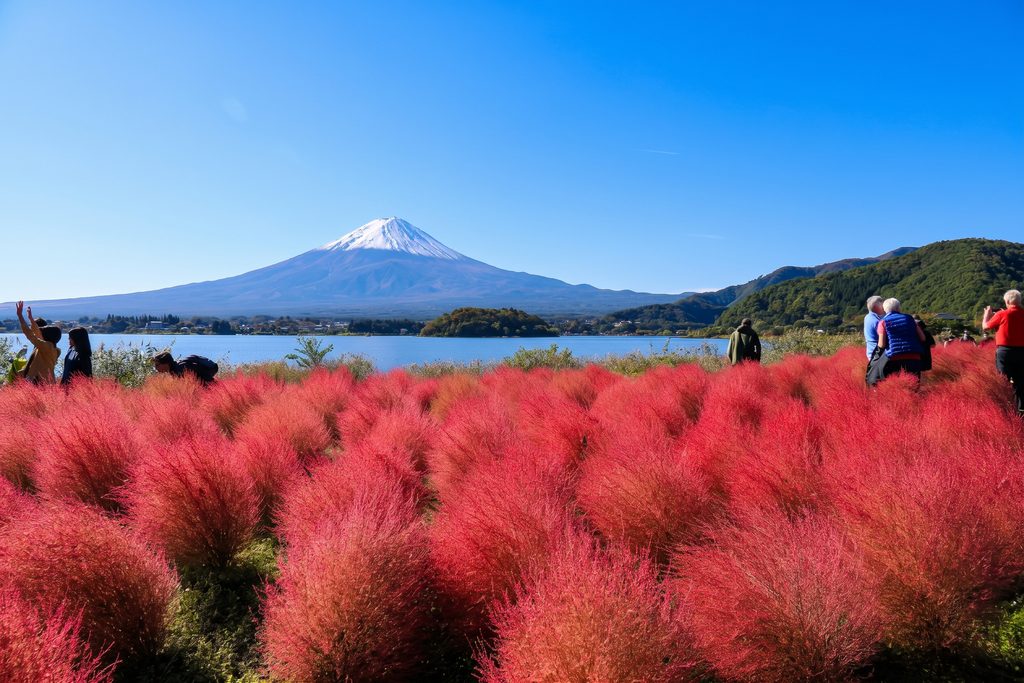
Oishi Park is a narrow strip of flower beds on the northern shore, free and always open. Fuji stands directly across the water. On a still morning this is where the reflection is clearest, and it is the view we would choose if a traveler could have only one.
Seasonal planting changes the foreground through the year. Lavender usually flowers from late June into mid-July, and kochia bushes turn from green to deep red in autumn. The mountain is the reason to come, but the flowers are why the park photographs well even when Fuji is partly hidden.
Nearby, the Kubota Itchiku Art Museum shows the kimono of a textile artist who spent decades reviving a lost dyeing technique, including a long series depicting Fuji through the seasons. It is one of the few places on the lake that rewards a cloudy day as much as a clear one.
Mt. Fuji Panoramic Ropeway to Mount Tenjo
The ropeway rises from the eastern shore to an observation area on Mount Tenjo at 1,075 metres. The ride takes about three minutes and a round trip costs ¥1,000. It runs from 8:30, with longer hours in late summer.
From the top you see the lake below and Fuji to the south in one frame, which the shoreline cannot give you. There is a small teahouse, a bell, and a shrine connected to a local folk tale about a rabbit and a raccoon dog. Queues for the descent can be long around midday. Go up early, or go up late.
The Sightseeing Cruise, and When to Skip It
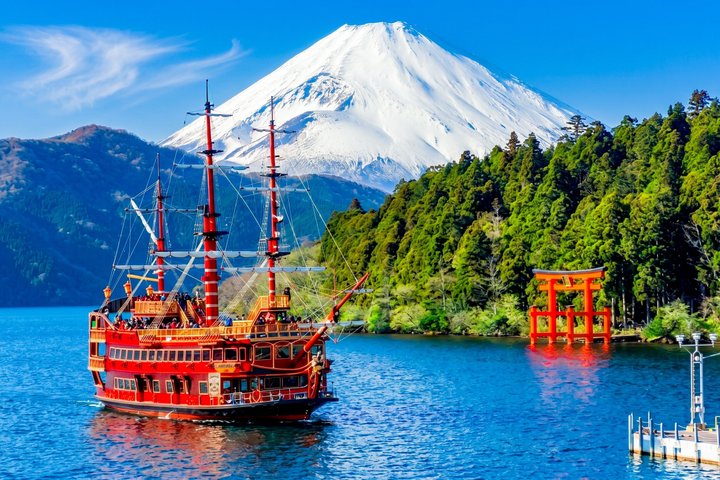
Sightseeing boats leave from the eastern shore for a loop of about twenty minutes, at around ¥1,000 for adults. It is pleasant, and on a clear day the mountain seen from the middle of the lake is lovely.
That said, it is the attraction we would drop first. The view from the boat is not better than the north shore, and twenty minutes on the water costs more time in waiting than it does on board. If you are travelling with children or your legs have had enough, it earns its place. Otherwise, walk.
Getting Around the Lake
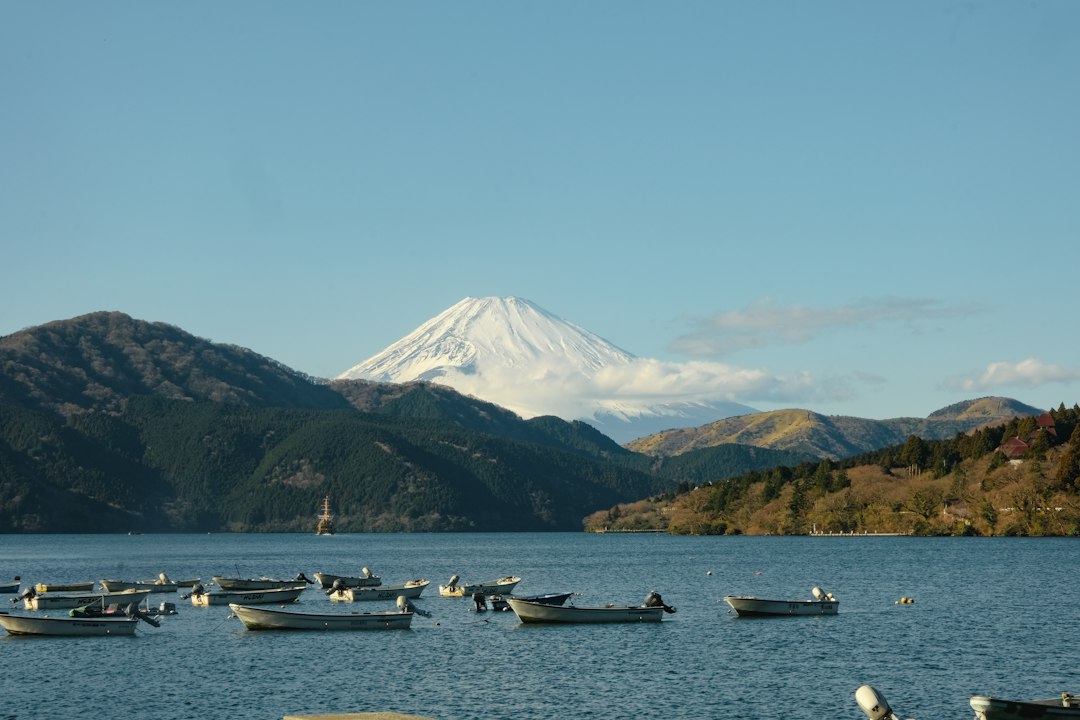
The lake is larger than it looks on a map. Walking the full shoreline is a long day, so most visitors combine a bus pass with short stretches on foot.
The Red, Green, and Blue Sightseeing Buses
Three Fujikyu sightseeing lines start at Kawaguchiko Station. The Red Line runs along the eastern and northern shores, including the ropeway and Oishi Park, roughly every fifteen minutes. The Green Line covers the southern shore and continues to Lake Saiko, and the Blue Line reaches Lake Shoji and Lake Motosu less often.
A pass covering all three lines costs ¥1,500 for one day or ¥2,000 for two. Individual rides add up quickly, so the pass pays for itself after a handful of trips. It is sold at Kawaguchiko Station and as a mobile ticket.
In practice, the Red Line is the one that matters. It passes almost everything most visitors come for, in the order they would want to see it.
Walking and Cycling the Shore
The stretch between the ropeway and Oishi Park is where walking pays off. The path follows the water, the mountain is in view for much of it, and you stop wherever the light is right rather than wherever the bus does.
Rental bicycles are available near the station. Cycling the north shore on a clear autumn morning is, in our view, the best way to see the lake. However, the roads are narrow in places and shared with coaches, so it suits confident riders more than casual ones.
Day Trip or Overnight
A day trip works, and most of our travelers do it that way. You will see the main viewpoints and be back in Tokyo for dinner.
An overnight stay changes the experience, though. You get the lake at dawn before the first bus arrives from Tokyo, and many lakeside ryokan have baths facing the mountain. If you are staying at one, our onsen etiquette guide covers what to expect before you step in. For travelers who care about photographs, one night is worth more than any single attraction on this page.
Expert Tip
If you arrive by bus and only have one day, ride the Red Line straight to Oishi Park first, then work back east toward the ropeway on foot or by bus. Most day-trippers do the reverse, starting near the station, and reach the north shore just as the cloud builds.
Seasons, Cloud, and Timing
Fuji is hidden on a large share of days, and no one can promise you a view. The honest answer is to plan for the odds rather than against them.
Why Early Morning Matters
The clearest views tend to come in the colder months, from late autumn through winter, when the air is dry. Summer is the hardest season: humidity and afternoon cloud often cover the mountain for days at a time, even when the lake itself sits in sunshine.
Whatever the season, mornings beat afternoons. The air is stiller, the water is flatter, and cloud has had less time to form. We tell every traveler the same thing: check the forecast the evening before, and if the next morning looks clear, go then rather than on the day you had planned.
Lavender in Early Summer, Maples in November
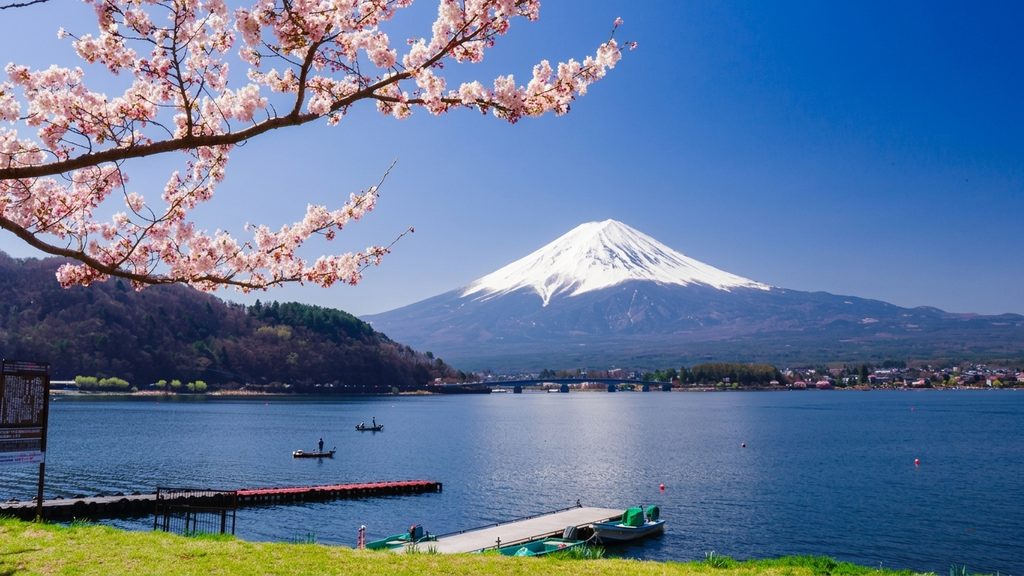
Each season changes the foreground more than the mountain. Cherry blossoms line the north shore around mid-April, and lavender fills Oishi Park in early summer, though that is also when Fuji is most often under cloud.
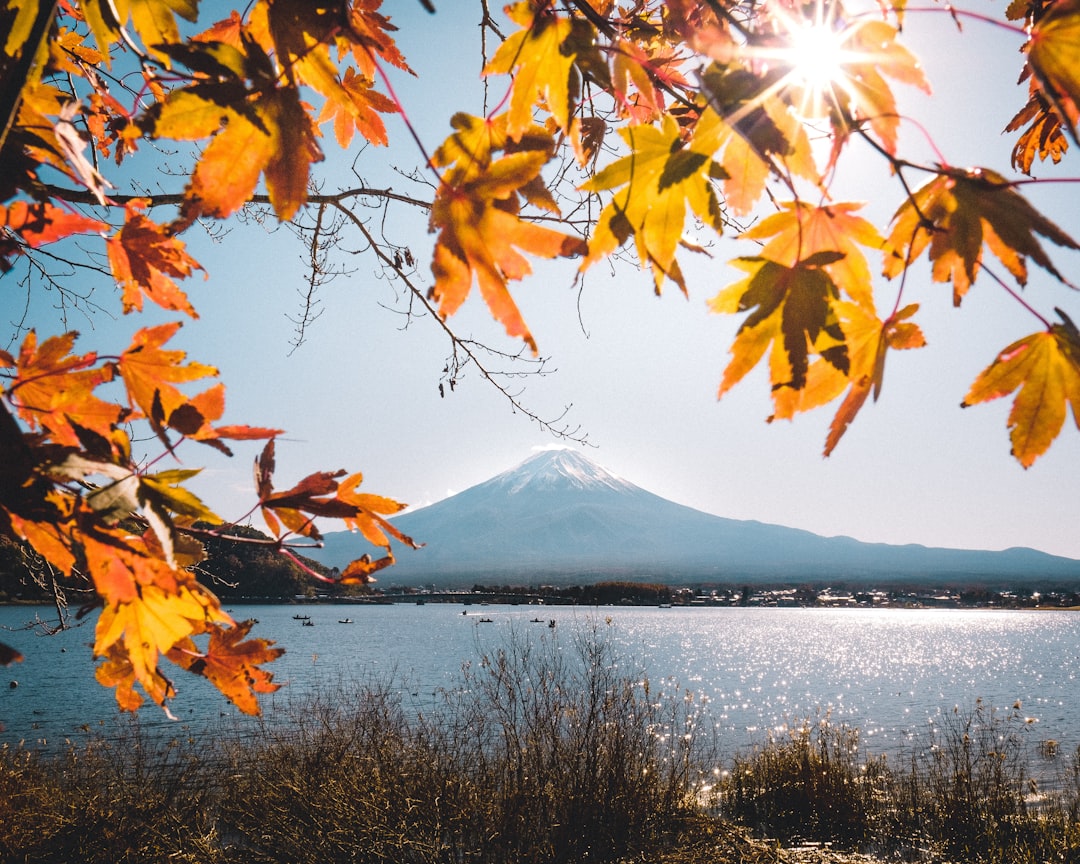
November is our favourite month here. The Momiji Corridor near the western end of the north shore, a short tunnel of around sixty maples along a stream, turns red and is lit up in the evenings during the autumn leaves festival. The air is usually clear, the snow cap has returned to the summit, and the crowds are thinner than in spring. Expect cold mornings and dress for them.
Lake Kawaguchi: Frequently Asked Questions
Is Lake Kawaguchi worth it if Mt Fuji is hidden by cloud?
It is still a pleasant lake, and the Kubota Itchiku Art Museum and the shoreline walk hold up on a grey day. However, most people come for the mountain. If your dates are flexible, watch the forecast and move the trip rather than going on a day that is clouded from the start.
How long do you need at Lake Kawaguchi?
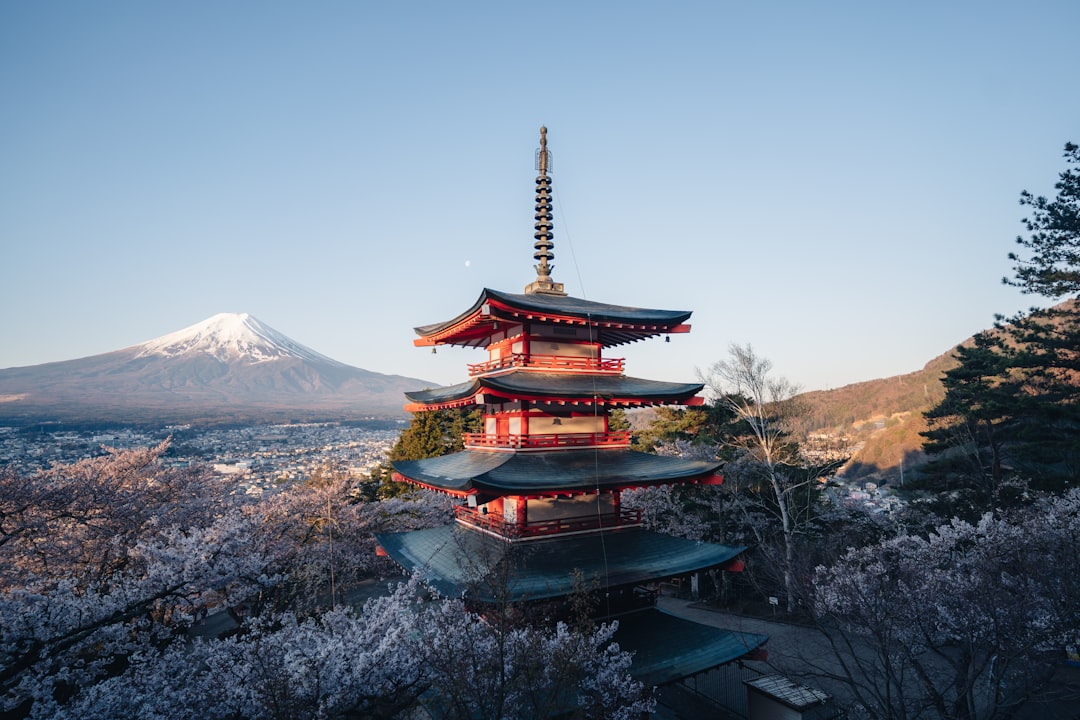
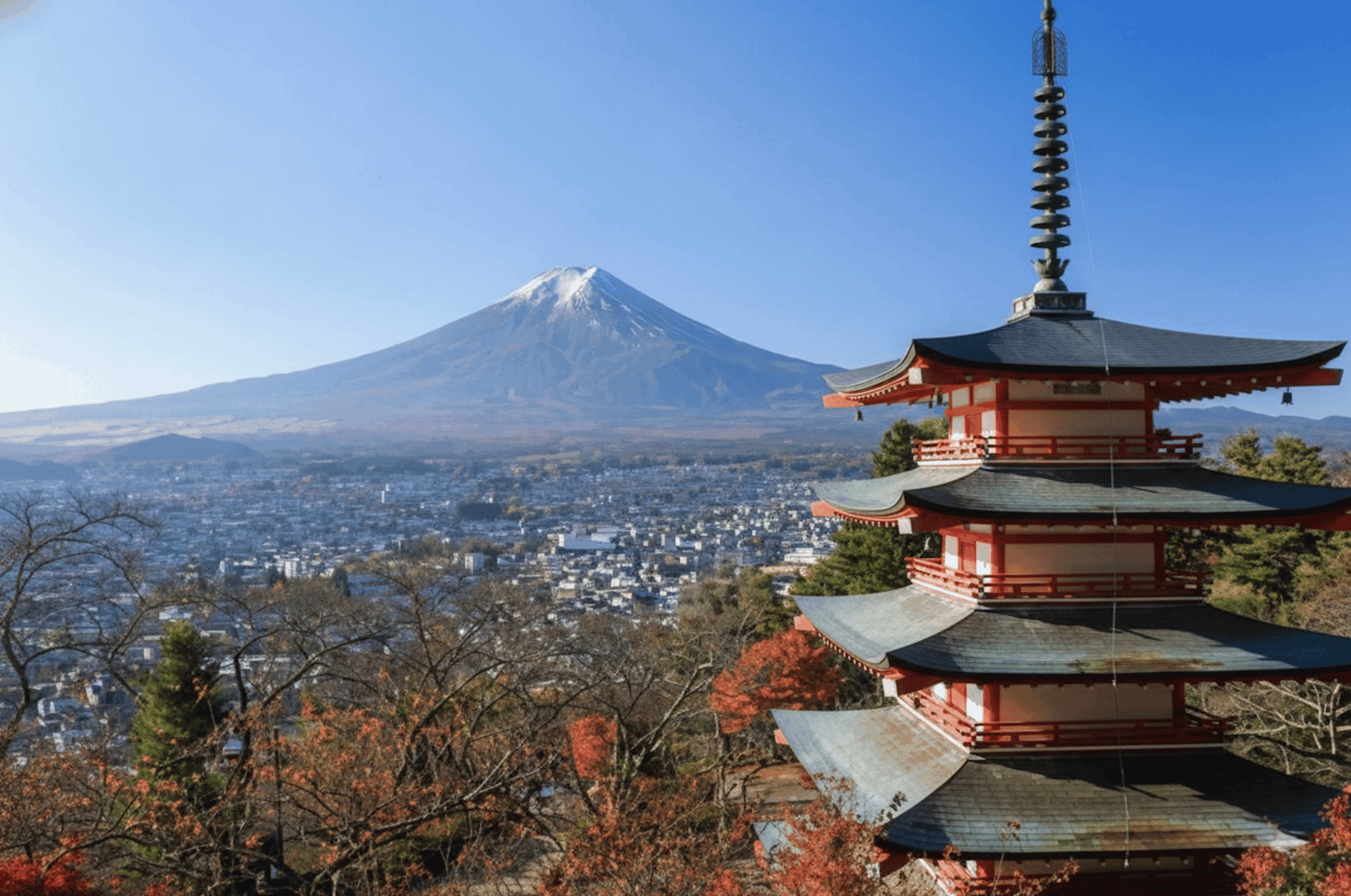
Half a day covers the north shore, the ropeway, and a meal. A full day lets you add a second lake or the Hakone loop if you are driving, or the Chureito Pagoda at Arakurayama, a short ride from the lake. An overnight stay gives you the dawn reflection, which is the one thing a day trip usually misses.
Can you do Lake Kawaguchi as a day trip from Tokyo?
Yes. The expressway bus from Shinjuku takes about two hours each way, so an early start gives you six or seven hours at the lake. Leave by 7:30 if you can. Travelers who leave Tokyo at ten often spend more time on the bus than at a viewpoint with the mountain visible.
Related Tours
Conclusion
Lake Kawaguchi rewards the traveler who arrives early and stands on the north shore. The ropeway, the cruise, and the museums are all good ways to fill the rest of the day, but the view you came for is most likely in the first few hours of light.
Keep the plan loose. Decide the night before based on the forecast, and treat a clear morning as the thing to protect. If the mountain does not appear, walk the shoreline anyway, eat well, and come back in November, when the odds are on your side.
Plan Your Japan Trip with Local Experts
Our team has guided 40,000+ travelers across Japan. Tell us about your trip and we’ll get back to you within 24 hours.