In this article:
- Choosing Your Train from Tokyo to Yokohama
- Fares, IC Cards, and the Japan Rail Pass
- How to Spend a Day in Yokohama
- Timing the Trip and Getting Back
- Tokyo to Yokohama: Frequently Asked Questions
Introduction
Most people planning the trip from Tokyo to Yokohama expect a journey. It is closer to a commute. The trains that carry office workers between the two cities every morning are the same ones you will ride. From central Tokyo, you can be standing on the Yokohama waterfront in less time than it takes to cross Tokyo itself from Asakusa to Shinjuku.
That proximity changes how Yokohama should be planned. It is not a place that demands an early start and a packed schedule. The city rewards a slower day. You can enjoy a harbour walk in the morning, a long lunch in Chinatown, and an afternoon on the hill where foreign merchants built their houses after the port opened in 1859.
We think Yokohama works best for travelers who have already done a few intense days in Tokyo and want a change of air without a change of hotel. Below, we cover which train to take from where, what it costs, and how to shape the day once you arrive.
Choosing Your Train from Tokyo to Yokohama
The best route is the one that starts nearest your hotel. At least five rail lines link the two cities directly, and the differences in time and fare between them are small. The difference in how far you walk to reach the platform is not.
From Tokyo Station or Shinagawa: The JR Lines
Three JR lines run from Tokyo Station and Shinagawa to Yokohama Station without a transfer. The Tokaido Line is the fastest, at roughly 25 minutes from Tokyo Station and under 20 from Shinagawa. The Yokosuka Line runs on a separate track, takes a few minutes longer, and continues beyond Yokohama to Kamakura.
The Keihin-Tohoku Line is the one to avoid unless it is the only option. It stops at every station along the bay and takes noticeably longer. That said, it has one advantage: it continues past Yokohama as the Negishi Line to Sakuragicho, Kannai, and Ishikawacho, which put you within walking distance of Minato Mirai, the old port district, and Chinatown.
Our usual advice from Tokyo Station is to take the Tokaido Line to Yokohama, then change once for the waterfront. If you are staying in Ginza or Marunouchi, this is the simplest day out you can plan in the Tokyo area.
From Shibuya: The Tokyu Toyoko Line to Chinatown Without a Transfer
This is the route most guides mention and few explain properly. The Tokyu Toyoko Line leaves Shibuya for Yokohama, and many of its trains carry straight on as the Minatomirai Line to Minatomirai, Nihon-odori, and Motomachi-Chukagai. You can board in Shibuya and step off at the edge of Chinatown without changing trains.
Take a Limited Express or Express rather than a local. They cost the same and are noticeably faster. Many trains also start further back on the Tokyo Metro Fukutoshin Line, so travelers staying near Shinjuku-sanchome or Ikebukuro can often ride through the whole way.
For most first-time visitors staying in Shibuya, Ebisu, or along the Fukutoshin Line, we think this is the better route. It delivers you to the part of Yokohama you actually came to see, not to a large transit hub you then have to leave.
From Shinjuku, and Why the Shinkansen Rarely Helps
From Shinjuku, the JR Shonan-Shinjuku Line reaches Yokohama Station in about half an hour with no transfer. Ikebukuro and Shibuya are on the same line.
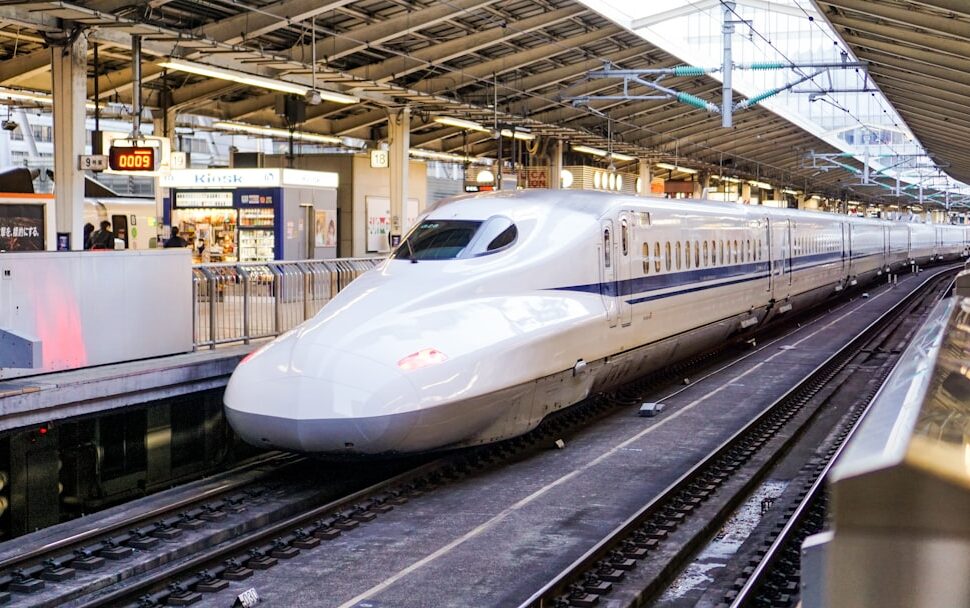
The shinkansen looks attractive on paper. It is the fastest train from Tokyo Station, but it stops at Shin-Yokohama, which sits several kilometres inland from the harbour. By the time you have transferred to a local train and ridden back to Yokohama Station or Sakuragicho, the time advantage is gone and you have paid a limited express surcharge for nothing.
The one exception is the Shin-Yokohama Ramen Museum, which is a short walk from Shin-Yokohama Station. If ramen is the point of the trip, the bullet train makes sense. Otherwise, leave it for the journey to Kyoto.
Expert Tip
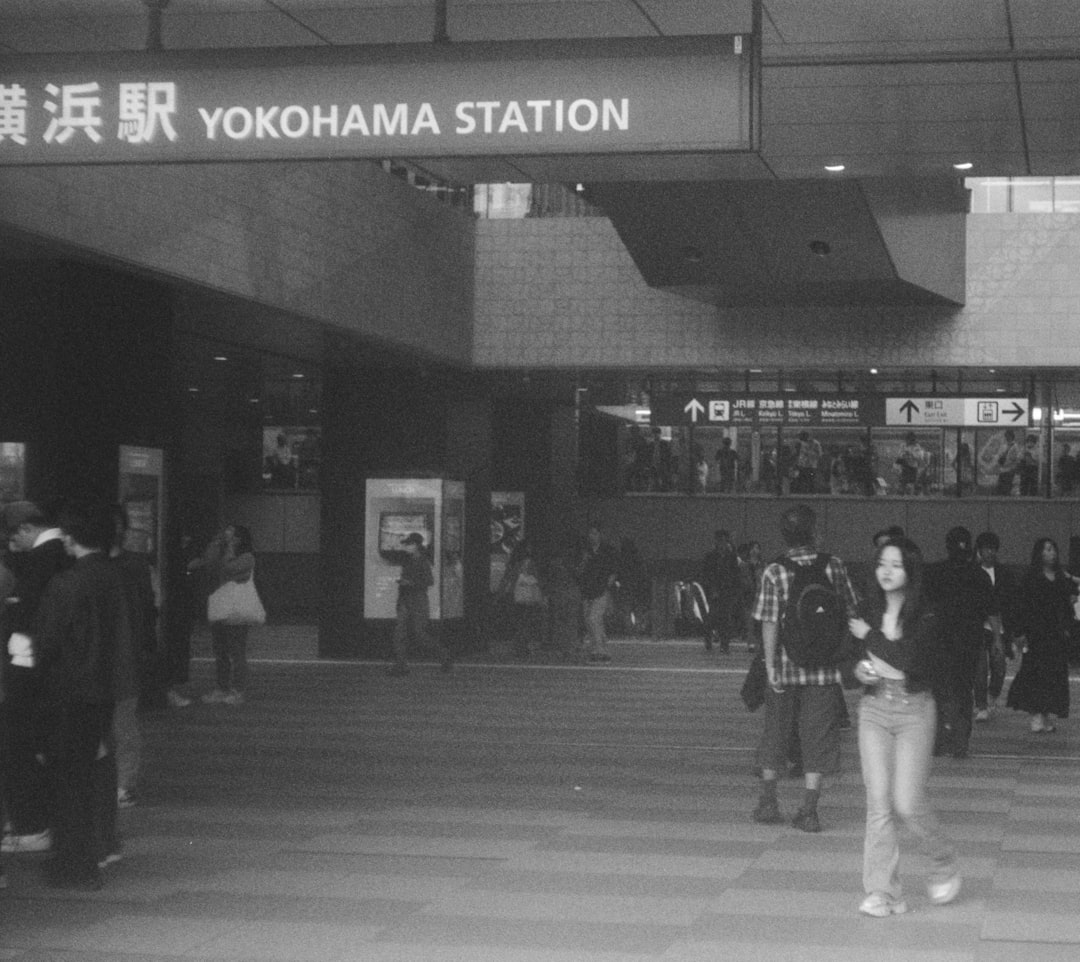
At Yokohama Station, the Minatomirai Line platforms are underground and some distance from the JR gates. If you arrived on JR and want Chinatown, it is often quicker to stay on a Keihin-Tohoku or Negishi Line train one stop to Sakuragicho, or three to Ishikawacho, than to walk through the station to change operators.
Fares, IC Cards, and the Japan Rail Pass
A one-way trip costs a few hundred yen on any of the ordinary lines. Money is not the deciding factor here. Coverage is.
What a One-Way Ticket Costs
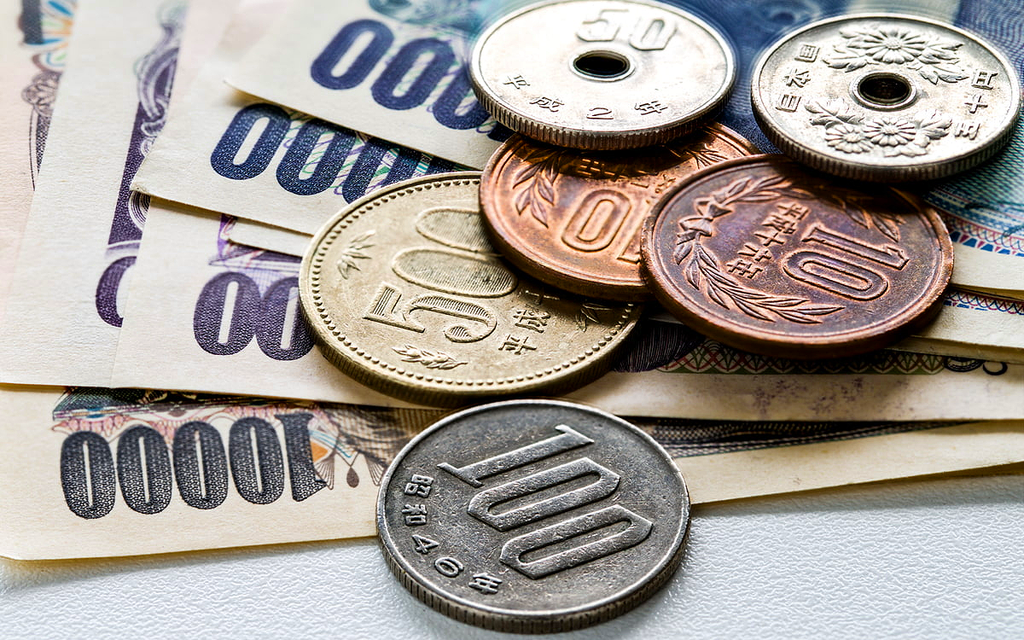
After JR East’s fare revision in March 2026, the IC card fare from Tokyo Station to Yokohama on the Tokaido or Yokosuka Line is ¥528. Shinagawa is cheaper, and the Tokyu Toyoko Line from Shibuya has historically been the least expensive direct route, at around ¥300.
Pay with an IC card rather than a paper ticket. The fare is slightly lower, you do not need to work out which operator’s machine to use, and the same card covers the transfers you will make within Yokohama. If you have not set one up yet, our guide to getting a Suica card covers the physical and Apple Wallet versions.
Where the JR Pass Stops Working
A Japan Rail Pass covers the JR lines described above, including the shinkansen to Shin-Yokohama and the Negishi Line to Sakuragicho, Kannai, and Ishikawacho. It does not cover the Tokyu Toyoko Line or the Minatomirai Line, which are separate companies.
In practice this means pass holders should use JR out of Tokyo and ride the Negishi Line to the waterfront. The walk from Ishikawacho to Chinatown takes a few minutes. That said, the fares involved are small enough that we would not rearrange a day to protect the value of a pass. If the Toyoko Line is closer to your hotel, pay the fare and take it.
The Minatomirai Line One-Day Ticket
The Minatomirai Line sells a one-day ticket for ¥460 at its station ticket machines. It covers unlimited rides between Yokohama Station and Motomachi-Chukagai, the stretch where the sights sit.
Whether it pays off depends on your legs. Minato Mirai, the Red Brick Warehouse, Yamashita Park, and Chinatown are all walkable from one another, and on a clear day walking is the better way to see them. We would buy it only for travelers who want to keep walking to a minimum, or for a wet day.
How to Spend a Day in Yokohama
Yokohama is best read from north to south, along the water. Start among the towers of Minato Mirai, walk past the old port buildings to Chinatown, then climb to the bluff for the afternoon. Every stop is within walking distance of the next.
Morning on the Minato Mirai Waterfront
Begin at Sakuragicho Station and follow the Kishamichi promenade, a walkway laid on an old freight railway line across the water toward the Red Brick Warehouse. The two brick buildings were customs warehouses; today they hold shops and restaurants, and the square outside hosts seasonal markets.
From there, the Osanbashi Pier is a short walk. Its rooftop is a long, rolling deck of timber and grass where you can watch the harbour traffic with the Minato Mirai skyline behind you. We think it is the most understated view in the city, and on weekday mornings it is close to empty.
If there are children in the group, the Cup Noodles Museum sits in the same district and is far more enjoyable than its name suggests. Otherwise, keep moving south along Yamashita Park, where the retired ocean liner Hikawa Maru is moored at the water’s edge.
Lunch in Chinatown
Yokohama Chinatown dates from the arrival of Chinese merchants after the port opened, and today it is Japan’s largest. Enter through one of the ornate gates and the grid of narrow streets closes in quickly: steamer baskets on the pavement, roasting meat in shop windows, the smell of sesame oil.
Resist the temptation to graze on street snacks all afternoon. The better meals here are sit-down, especially Cantonese restaurants serving dim sum at lunch. Walk one or two blocks off the main street, where the queues are shorter and the crowds thin out.
Before you leave, look in at Kanteibyo, the temple to the deified general Guan Yu, with its gilded roofline and the constant drift of incense. It gives the district a centre that the restaurants alone do not.
Yamate Bluff and Motomachi in the Afternoon
South of Chinatown, the ground rises steeply to Yamate, the hill where Western residents built homes in the late nineteenth century. Several of those houses survive and are open to the public, and the walk between them along quiet, tree-lined lanes is one of the most unhurried hours you can spend in the Tokyo area.
Harbor View Park, at the top of the climb, looks back over the bay bridge and the port. Nearby, the Yokohama Foreign General Cemetery holds the graves of the merchants, sailors, and diplomats who shaped the early city.
Come back down through Motomachi, a shopping street that has served the foreign community since the port era. It is a good place for leather goods and small boutiques, and it ends at Motomachi-Chukagai Station, which is where your train back to Tokyo can start.
Staying for the Harbour After Dark
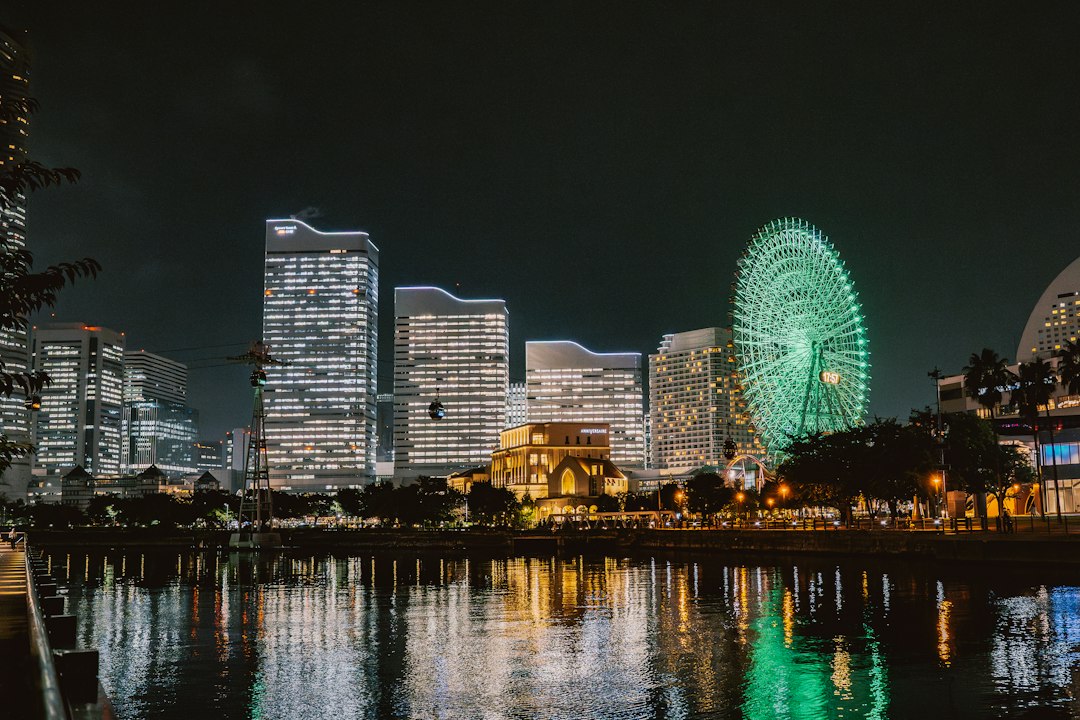
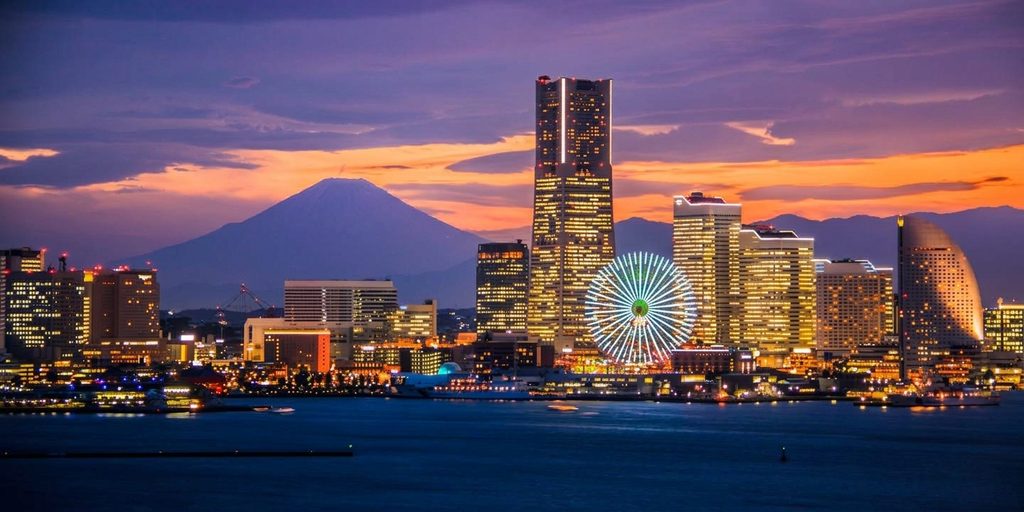
If you can, stay into the evening. Once the office towers light up and the Cosmo Clock Ferris wheel begins its display, the waterfront looks entirely different from the one you walked in the morning.
The Yokohama Air Cabin, a gondola running from Sakuragicho over the water, is a short and relaxed way to see it. Dinner in the Red Brick Warehouse area or a drink on a high floor in Minato Mirai rounds off the day before the half-hour ride back.
Expert Tip
Plan the day as a one-way walk, not a loop. Arrive at Sakuragicho, walk south along the water through Chinatown and up to Yamate, and take the train home from Motomachi-Chukagai. You never retrace a step, and the steepest part of the route, the climb to the bluff, comes after lunch rather than before it.
Timing the Trip and Getting Back
When you go matters more than how you go. The same half-hour ride can be a pleasant one or an ordeal, depending on the clock.
Weekdays, Weekends, and the Commuter Rush
The lines between Tokyo and Yokohama carry heavy commuter traffic. Trains into Tokyo on weekday mornings are packed, and outbound trains in the early evening are no better. Leaving Tokyo around 9:30 or 10am puts you against the flow and in a seat.
Weekends are the reverse problem. The trains are easy, but Chinatown and the Red Brick Warehouse fill with day-trippers from across the Tokyo area, and lunch queues grow long. We recommend a weekday wherever the itinerary allows it.
For the return, the trains run late and frequently. Still, plan to leave before the last hour of service if you have a connection to make across Tokyo, because the final trains out of Shibuya and Shinjuku become very crowded.
Adding Kamakura on the Same Line
The JR Yokosuka Line continues from Yokohama to Kamakura, which makes a two-stop day possible. Our view is that it rarely works well. Kamakura’s temples and the Great Buddha deserve a full day of their own, and squeezing both into one leaves each of them rushed.
If time is short, choose one. Travelers who want temples, hiking trails, and the sea should read our guide to things to do in Kamakura and go there instead. Those who want food, harbour views, and an easy pace should pick Yokohama.
Tokyo to Yokohama: Frequently Asked Questions
How long does it take to get from Tokyo to Yokohama?
About 25 minutes from Tokyo Station to Yokohama Station on the JR Tokaido Line, and under 20 minutes from Shinagawa. From Shibuya, a Tokyu Toyoko Line express takes roughly half an hour to Yokohama, a little longer to continue to Chinatown. Door to door, allow around an hour from most central Tokyo hotels.
Is Yokohama covered by the Japan Rail Pass?
Partly. The pass covers the JR Tokaido, Yokosuka, Keihin-Tohoku, and Shonan-Shinjuku lines to Yokohama Station, the Negishi Line to Sakuragicho and Ishikawacho, and the shinkansen to Shin-Yokohama. It does not cover the Tokyu Toyoko Line or the Minatomirai Line. Pass holders can still reach Chinatown on JR by getting off at Ishikawacho.
Is Yokohama worth a day trip from Tokyo?
Yes, if you want a quieter day after the intensity of central Tokyo. Yokohama offers a harbour, Japan’s largest Chinatown, and a well-preserved foreign quarter, all within walking distance of one another. It suits travelers on a stay of five days or more; on a shorter trip, most people are better served by spending the time in Tokyo, and our five-day Tokyo itinerary shows where a day like this fits.
Related Tours


Conclusion
Choose your train by the station nearest your hotel, not by the timetable. From Shibuya or the Fukutoshin Line, the Toyoko Line takes you straight to Chinatown; from Tokyo Station, Shinagawa, or with a Japan Rail Pass, JR to Yokohama and the Negishi Line to the waterfront is the cleaner route. Leave the shinkansen for longer journeys.
Then give the day room. Go on a weekday, leave after the morning rush, and walk the city from the towers of Minato Mirai south to the bluff at Yamate. If you can stay until the harbour lights come on, do, because the evening view over the water is the part of Yokohama travelers remember most.
Plan Your Japan Trip with Local Experts
Our team has guided 40,000+ travelers across Japan. Tell us about your trip and we’ll get back to you within 24 hours.