In this article:
- Getting Your Bearings in Electric Town
- The Shopping Floors Worth Your Time
- Arcades, Gachapon, and Themed Cafes
- The Akihabara Most Visitors Walk Past
- Things to Do in Akihabara: Frequently Asked Questions
Introduction
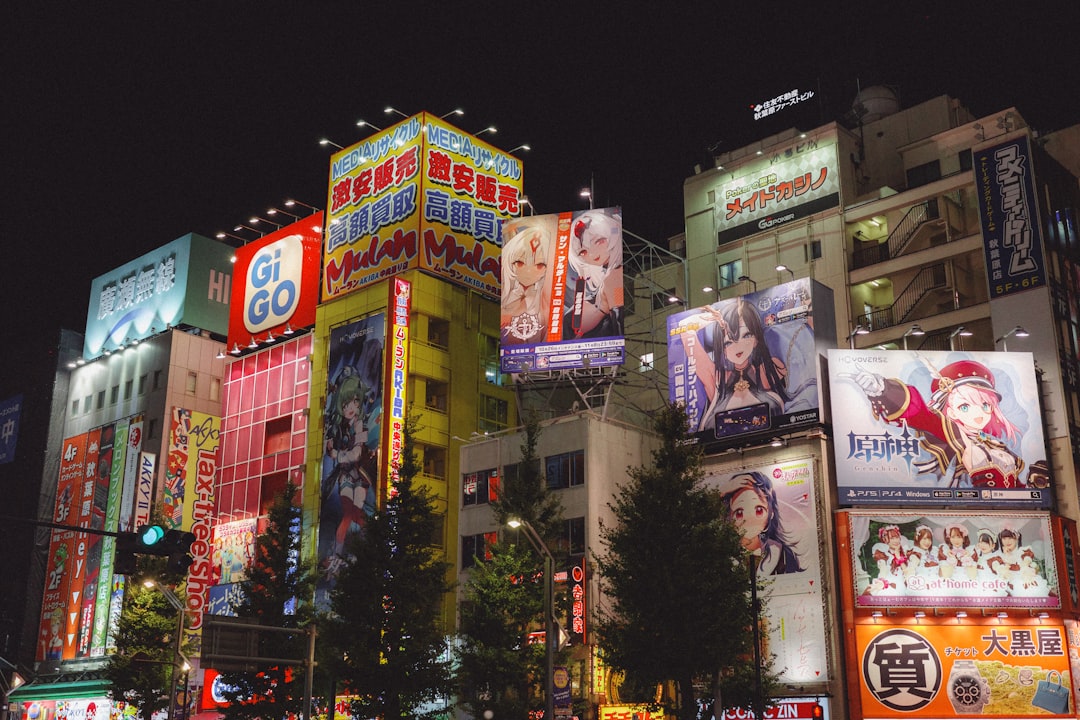
Most lists of things to do in Akihabara read like inventories. Shop names, floor counts, a photograph of a crane game. What they leave out is the part that determines whether the afternoon works: Akihabara is vertical, it opens late, and the interesting material is almost never on the ground floor.
Travelers we work with usually arrive here with one of two expectations. Either they think it is a single neon street that can be photographed in twenty minutes, or they think it is a theme park for anime fans and therefore not for them. Both readings miss it. This is a working retail district built on top of a postwar radio-parts market, and it has kept the density and the strangeness of that origin.
The practical shape of a visit comes down to three questions. What time you arrive, which buildings you go up, and whether it is a Sunday. Everything below follows from those.

Getting Your Bearings in Electric Town
Akihabara is small. The core sits within about a ten-minute walk of the station, and the reason people get lost is not distance but the fact that shops stack ten floors up with a single sign at street level.
The Station Exit That Decides Your Afternoon
Akihabara Station is served by the JR Yamanote, Keihin-Tohoku and Sobu lines, the Tokyo Metro Hibiya line, and the Tsukuba Express. From Tokyo Station it is roughly four minutes on the Yamanote.
Take the Electric Town Exit. That puts you on the west side, facing Chuo-dori and the concentration of hobby shops, arcades and secondhand stores that people come for. The Showa-dori Exit on the east side is where the large electronics retailers sit, which is a different trip.
If you leave from the wrong side you will spend ten minutes walking around the tracks. Both exits are signed in English, and the sign says Electric Town.
Nothing Opens Early, and Why That Matters
This is the single most useful thing to know. Most hobby and secondhand shops in Akihabara open around 11am or noon, and the big arcades run late into the evening instead. Mandarake Complex, the eight-floor secondhand giant, opens at 12:00. Super Potato opens at 11:00.
Plan Akihabara as an afternoon and evening, not a morning. A 9am arrival gets you a closed street, a coffee chain, and an electronics store that happens to open early.
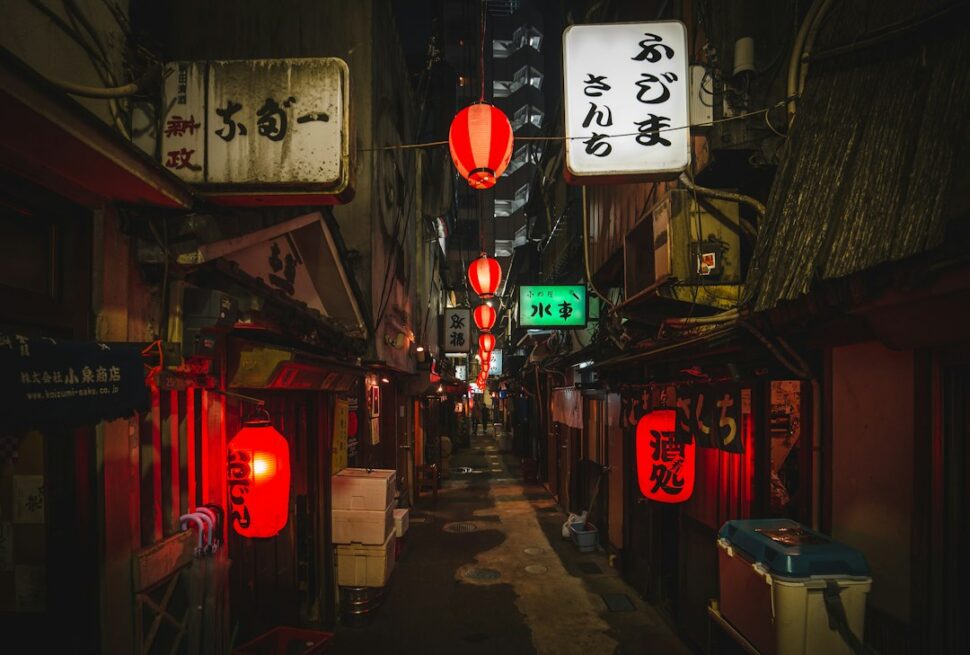
By contrast, the neighbourhood is at its best from about four o’clock onward, when the signage starts to register against the sky and the arcades fill up with people who came straight from work. That is the Akihabara in the photographs.
Sunday Afternoons on Chuo-dori
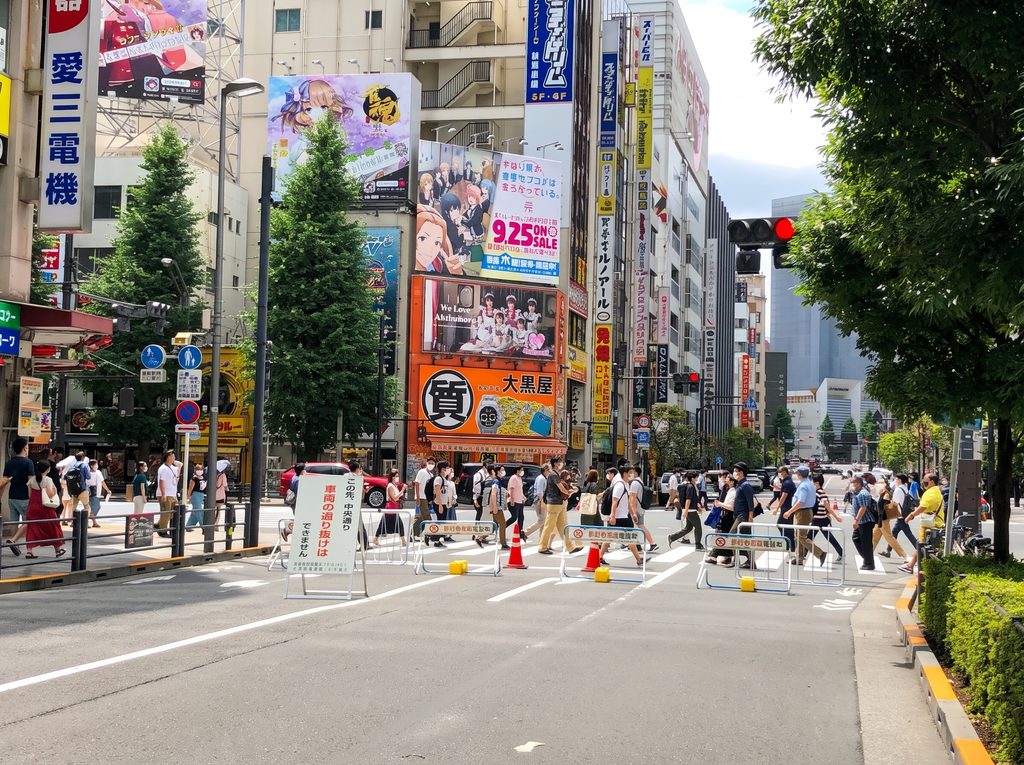
On Sundays a 570-metre stretch of Chuo-dori, between the Sotokanda 5-chome intersection and Manseibashi, closes to traffic. The hours are 13:00 to 18:00 from April to September and 13:00 to 17:00 from October to March.
Walking down the middle of a six-lane Tokyo road is a genuinely different experience of the district, and it is free. The pedestrian zone is cancelled in rain or high wind, so treat it as a bonus rather than a fixed plan.
Street performance, busking and selling are prohibited inside the zone, which keeps it calmer than the name suggests. If your schedule has any flexibility at all, we put Akihabara on the Sunday.
Expert Tip
Akihabara is not on the standard Tokyo landmark circuit, and it does not fit neatly beside Meiji Shrine and the Imperial Palace gardens — it needs its own block of time in the afternoon. On our private Tokyo days, travelers who want it usually pair a couple of hours here with Ueno or Asakusa, which are both a short hop up the same line rather than across the city.
The Shopping Floors Worth Your Time
Four buildings cover most of what Akihabara does well. Going up all four takes about three hours and gives you a far better sense of the place than walking the street for the same amount of time.
Radio Kaikan: Ten Floors, One Building
Radio Kaikan stands directly outside the Electric Town Exit and is the easiest orientation point in the district. The current building has ten floors above ground and two below, with more than thirty specialist shops inside, and it generally runs 10:00 to 20:00.
Take the lift to the top and walk down. Each floor is a separate business with its own specialism — figures, trading cards, models, vintage toys — and the scale of the collecting culture here becomes obvious faster from above than from the street.
There is no admission and no obligation to buy. We send first-time visitors here before anywhere else because it compresses the whole neighbourhood into one stairwell.
Mandarake Complex and the Secondhand Market
Mandarake Complex is eight floors of secondhand manga, figures, doujinshi, retro consoles and collectibles, open from 12:00. It is the best single building in Akihabara for understanding how seriously Japan treats the used market.
Condition grading is the thing to watch. Items are priced against box condition and completeness rather than age, which is why two apparently identical figures can differ by a factor of five. Staff are used to being asked, and the price tags carry more information than they look like they do.
For anyone comparing hunting grounds, Nakano Broadway west of Shinjuku runs deeper on older and rarer material — we cover the difference in our guide to Tokyo’s anime districts.
Super Potato and Retro Gaming
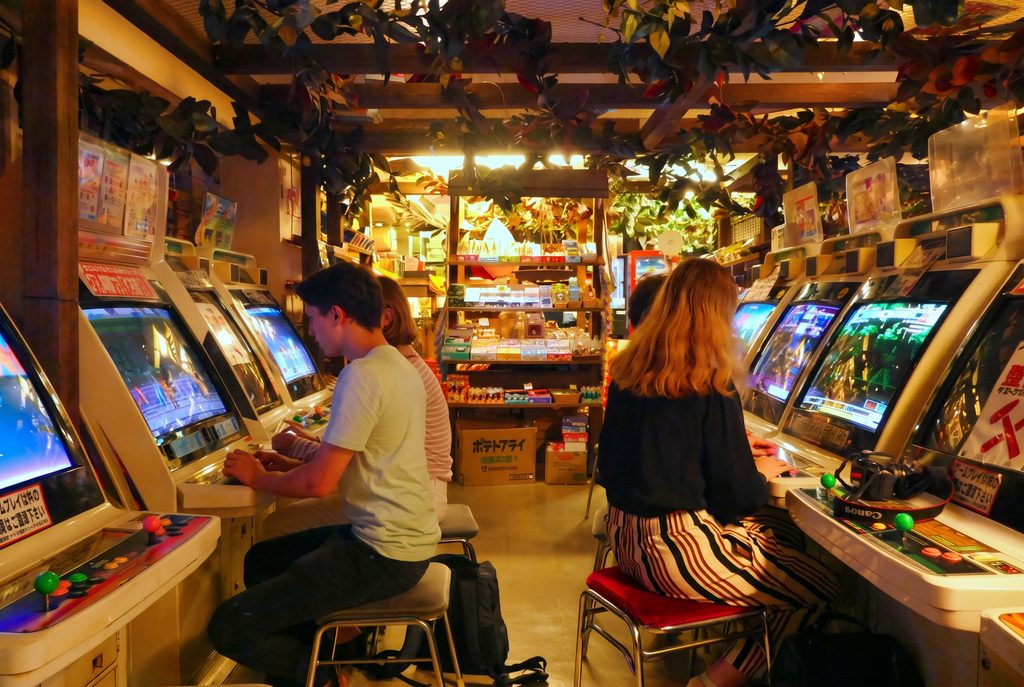
Super Potato occupies the third, fourth and fifth floors of a narrow building on Sotokanda 1-chome and is the retro game shop most visitors have heard of. Loose cartridges sorted by system, boxed sets in cabinets, controllers and peripherals going back to the Famicom.
The top floor holds a small arcade with playable cabinets, and it is the part people remember. Hours run 11:00 to 20:00.
Prices here are higher than at less famous shops a few streets over, which is the cost of being the one everybody knows. Still, for a single visit, the stock density justifies it.
Yodobashi-Akiba for Electronics and Tax-Free
Yodobashi-Akiba sits on the Showa-dori side, directly connected to the station, and is nine floors of electronics, cameras, hobby goods and household items. It opens at 9:30, earlier than almost anything on the other side of the tracks, which makes it the one useful thing to do in Akihabara before noon.
The eighth floor is a restaurant floor with around thirty places to eat, and it is a reasonable lunch solution when the rest of the district is still shut.
Duty-free counters here handle foreign passports routinely. The rules around thresholds and paperwork have been changing, and we set out the current position in our guide to tax-free shopping in Japan.
Arcades, Gachapon, and Themed Cafes
Buying things is only half of Akihabara. The other half costs a hundred yen at a time and is, for most travelers, the better half.
Playing Instead of Buying
The multi-floor arcades on and around Chuo-dori are free to enter and organised by game type. Crane games occupy the lower floors, rhythm and music games sit higher up, and fighting-game cabinets are usually somewhere in the middle with a serious crowd around them.
Crane games are harder than they look and are calibrated to be. Watch someone competent for a minute before you feed a machine, and accept that the figure on the shelf is often cheaper to buy outright downstairs.
What makes an arcade here worth an hour is the noise and the standard of play, not the prizes. Go up to a rhythm-game floor on a weekday evening and watch what people can do.
The Capsule Toy Halls
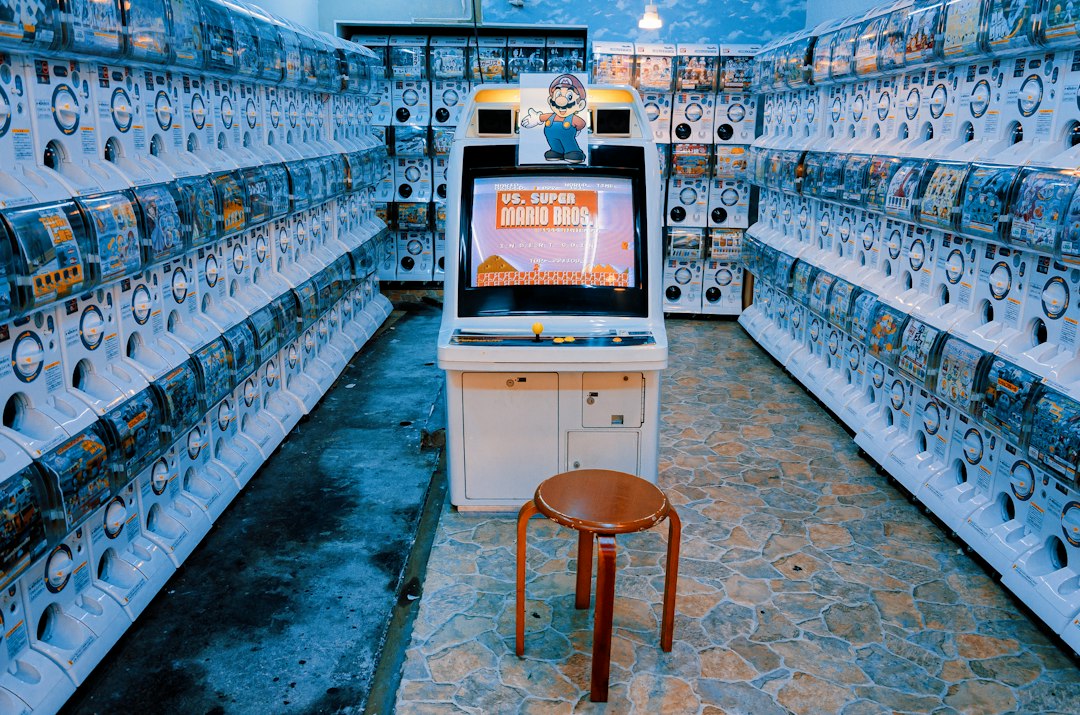
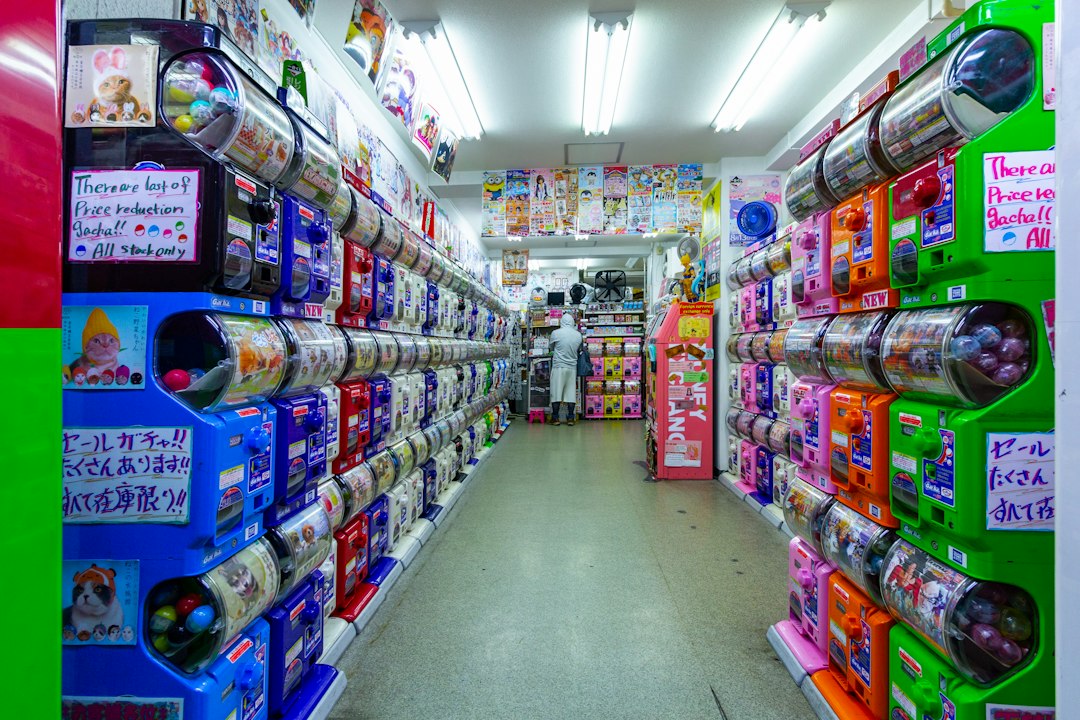
Gachapon are the capsule vending machines that dispense a small figure or trinket at random, typically for ¥300 to ¥500. Akihabara has dedicated halls with hundreds of machines in rows, and the stock rotates constantly.
The appeal is the specificity. Miniature office chairs, realistic sushi, tiny industrial machinery, animals wearing hats. These are cheap, they weigh nothing, and they make better souvenirs than most things sold as souvenirs.
Bring ¥100 coins. Change machines exist but queue at busy times.
Maid Cafes: What They Actually Are
The maid cafe is the thing most first-time visitors are curious and slightly nervous about. It is a themed cafe with costumed staff, scripted greetings, small rituals around the food, and a cover charge on top of the menu price. It is closer to a light comedy performance than to anything else.
Photography of staff is generally prohibited except as a paid option, and the rules are posted. Street touts hand out flyers on Chuo-dori; the established cafes do not need to chase you, and we would take a recommendation over a flyer.
Whether you enjoy it depends entirely on your tolerance for participation. We wrote a full breakdown of the etiquette, rituals and costs of a maid cafe visit for anyone weighing it up. If the answer is no, the AKB48 Theater on the eighth floor of the Don Quijote building is the same cultural phenomenon at a distance.
Expert Tip
Carry cash. Large retailers take foreign cards without difficulty, but small secondhand shops, arcades, capsule machines and the older stalls under the tracks are cash operations, and a foreign card in an IC-card top-up machine is unreliable. We suggest ¥10,000 in notes and coins for an afternoon here, which is more than you need and removes the problem entirely.
The Akihabara Most Visitors Walk Past
One street back from the neon, the district turns into Kanda — older, quieter, and historically the more important of the two. This is where we send people who have had enough of the shops after ninety minutes.
Kanda Myojin and the IT Amulet
Kanda Myojin sits on a rise about a ten-minute walk northwest of the station, up a short flight of steps. The shrine was originally founded in 730, and it has been tied to the merchant and craft communities of Edo for centuries.
Its modern reputation comes from the amulet counter, which sells omamori for the protection of electronic equipment and data — a chip-shaped sticker for the machine and a tag to carry. The amulet office generally keeps hours of 9:00 to 18:00, and the IT amulet is sold for around ¥1,000.
It is easy to read this as a novelty. We read it as the same logic that has always operated here: the shrine blesses the trade of the neighbourhood, and the trade of this neighbourhood is electronics.
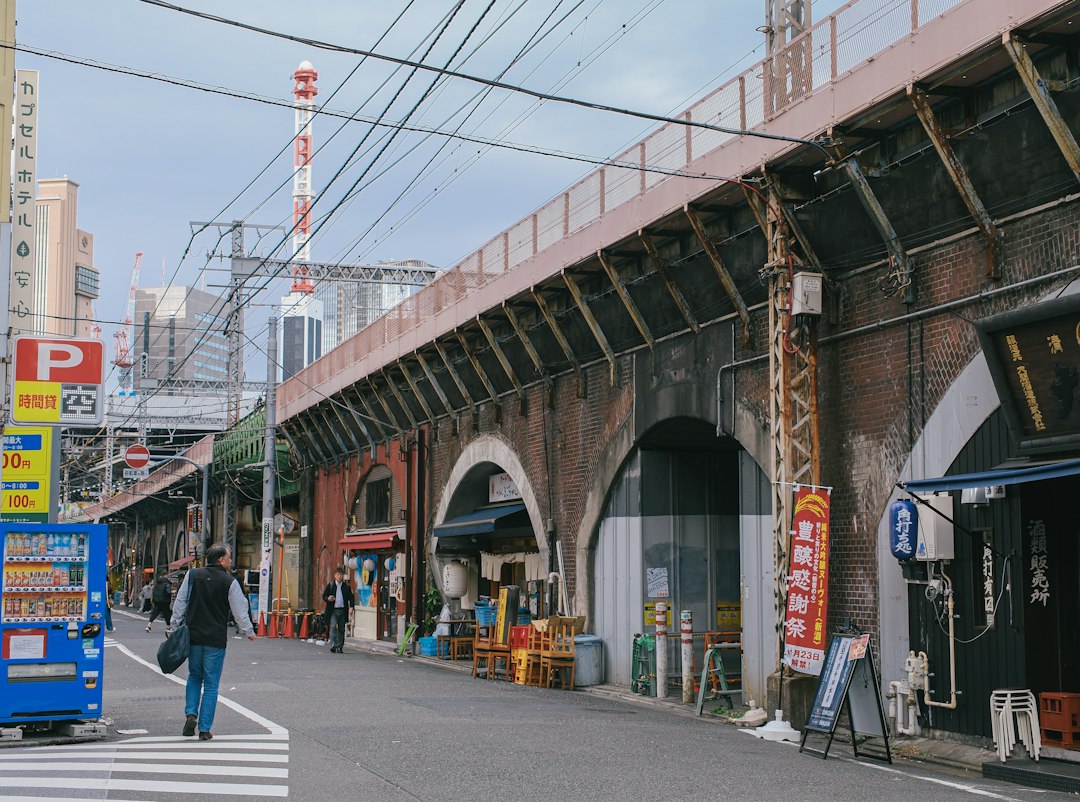
Under the Tracks at 2k540 and Manseibashi
The railway viaduct running north from Akihabara toward Okachimachi has been converted into 2k540 AKI-OKA ARTISAN, a white-walled arcade of craft workshops and small studios — leather, glass, ceramics, textiles, jewellery — with cafes between them. It opens around 11:00 to 19:00 and closes on Wednesdays.
South of the station, the red-brick Manseibashi viaduct dates from 1912 and once carried a station designed by Tatsuno Kingo, the architect of Tokyo Station. It now houses shops and cafes inside the restored brick arches, with a deck along the Kanda River.
Both are ten minutes from Chuo-dori and feel like a different city. For travelers who wanted the electronics district and got overwhelmed by it, this is the release valve.
Eating in Akihabara
Akihabara eats late and fast, and the food reflects a district of people who came to shop rather than to dine. Ramen counters, curry shops and standing bars under the tracks make up most of it.
Kikanbo, a few minutes from the station, is the best-known ramen here — a spice-forward bowl with heat and numbing pepper selected separately on a scale. Queues are normal and move.
For something more Akihabara than that, there is a vending machine near Kanda Sudacho that dispenses deep-fried katsu sandwiches from a long-established butcher’s restaurant. It is a better sandwich than a vending machine has any business producing.
Things to Do in Akihabara: Frequently Asked Questions
How long should I spend in Akihabara?
Three to four hours covers it properly for most people, starting around midday or later once the shops are open. That is enough for two or three buildings, an arcade, the shrine, and a meal. Collectors and gamers can spend a full day without repeating themselves, and anyone who is mainly curious rather than invested will be satisfied in ninety minutes. Because the district is compact and open late, it also works as an evening addition to a day spent in Ueno or Asakusa.
Is Akihabara worth visiting if I am not into anime?
Yes, with the right framing. The electronics retailers, the capsule-toy halls, the converted railway arches at 2k540 and Manseibashi, and Kanda Myojin have nothing to do with anime fandom. Beyond that, the density of specialist retail here is a legitimate sight in its own right — ten floors of one building devoted to a single narrow category tells you something about the country that no temple will. Skip it if your time in Tokyo is under three days and you are choosing between this and Asakusa.
Do I need cash in Akihabara?
Bring some. The large stores accept international credit cards and IC cards without difficulty, but secondhand shops, arcades, capsule machines and small food counters are frequently cash-only. Coins matter more here than in most of Tokyo, since gachapon machines and arcade cabinets take ¥100 pieces directly. Breaking a ¥10,000 note at a convenience store on arrival solves both problems at once.
Related Tours
Conclusion
Arrive after noon, take the Electric Town Exit, and go upward before you go along. Those three decisions account for most of the difference between people who find Akihabara exhilarating and people who find it a loud street with nothing to do.
The district also rewards a second visit more than almost anywhere else in Tokyo. The first time you are processing the volume of it; the second time you know which building holds what, and you can go straight to the fourth floor of the place you remember. Travelers who come back to Japan tell us this repeatedly.
If you have one afternoon and want it to count, make it a Sunday. Chuo-dori closes to traffic at one o’clock, the shops are open by then, and the light goes from daylight to neon while you are still standing in the middle of the road.
Plan Your Japan Trip with Local Experts
Our team has guided 40,000+ travelers across Japan. Tell us about your trip and we’ll get back to you within 24 hours.