In this article:
- The Seven Hells of Beppu
- Sand Baths, Mud Baths, and Milky Springs
- Jigoku Mushi: Cooking in Geothermal Steam
- Walking Kannawa and Myoban
- Mount Tsurumi and the Views
- Visiting Beppu: Frequently Asked Questions
Introduction
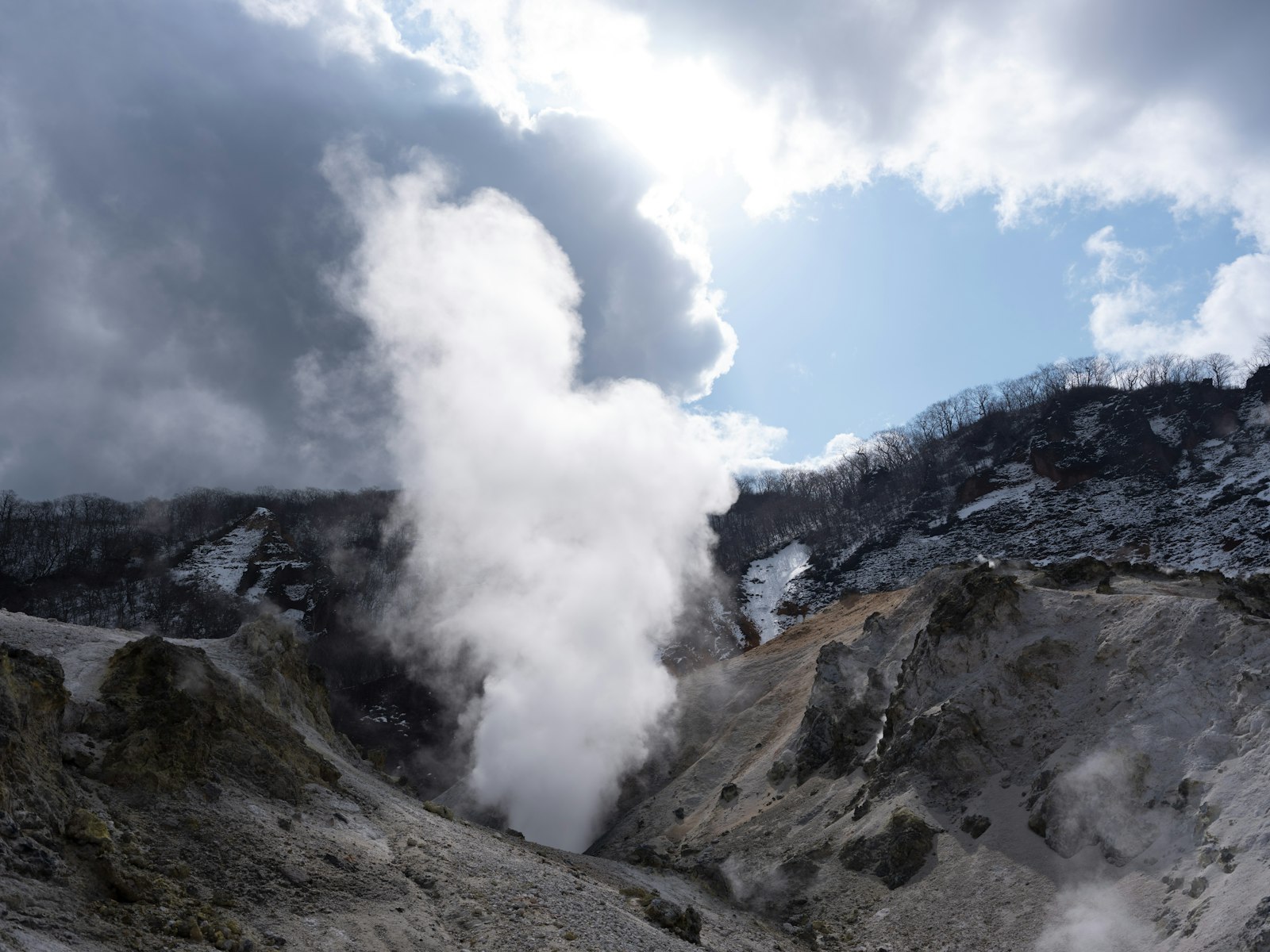
Approaching Beppu by train, the first thing you see is steam. It rises from drains, from behind houses, from the hillside above the town — several thousand vents, releasing water at a rate second only to Yellowstone.
Beppu does not treat this as scenery. The steam heats homes, cooks food, and fills a few hundred public baths, some of which cost a hundred yen and are staffed by nobody. The town’s relationship with its geology is entirely practical.
That practicality is what makes it interesting. A day here is not spent looking at hot springs; it is spent in them, on them, and eating things cooked by them.
The Seven Hells of Beppu
The jigoku meguri — hell circuit — takes in seven thermal features too hot to enter, presented as attractions. They are the town’s signature and its most commercial offering.
Umi Jigoku, the Sea Hell
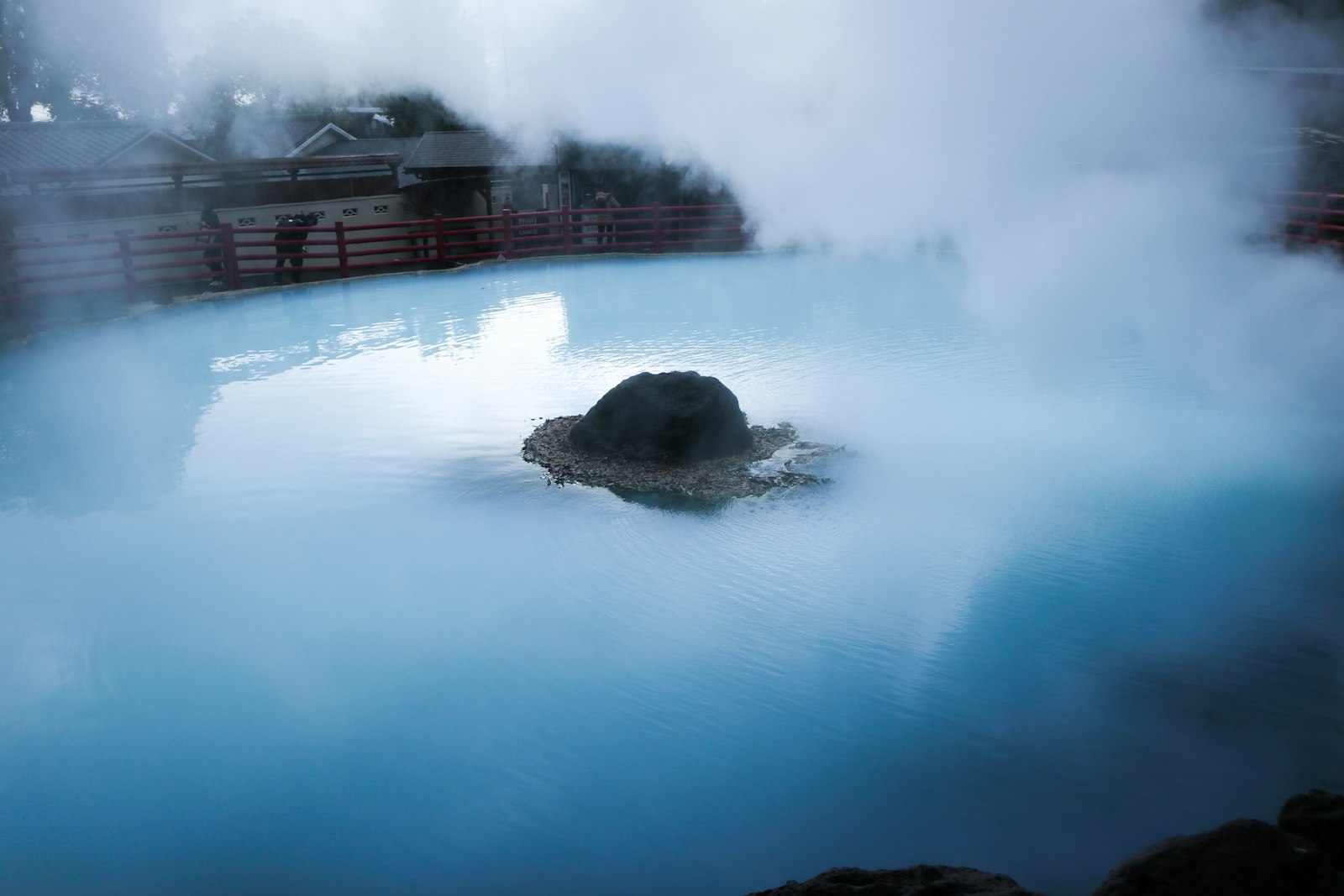
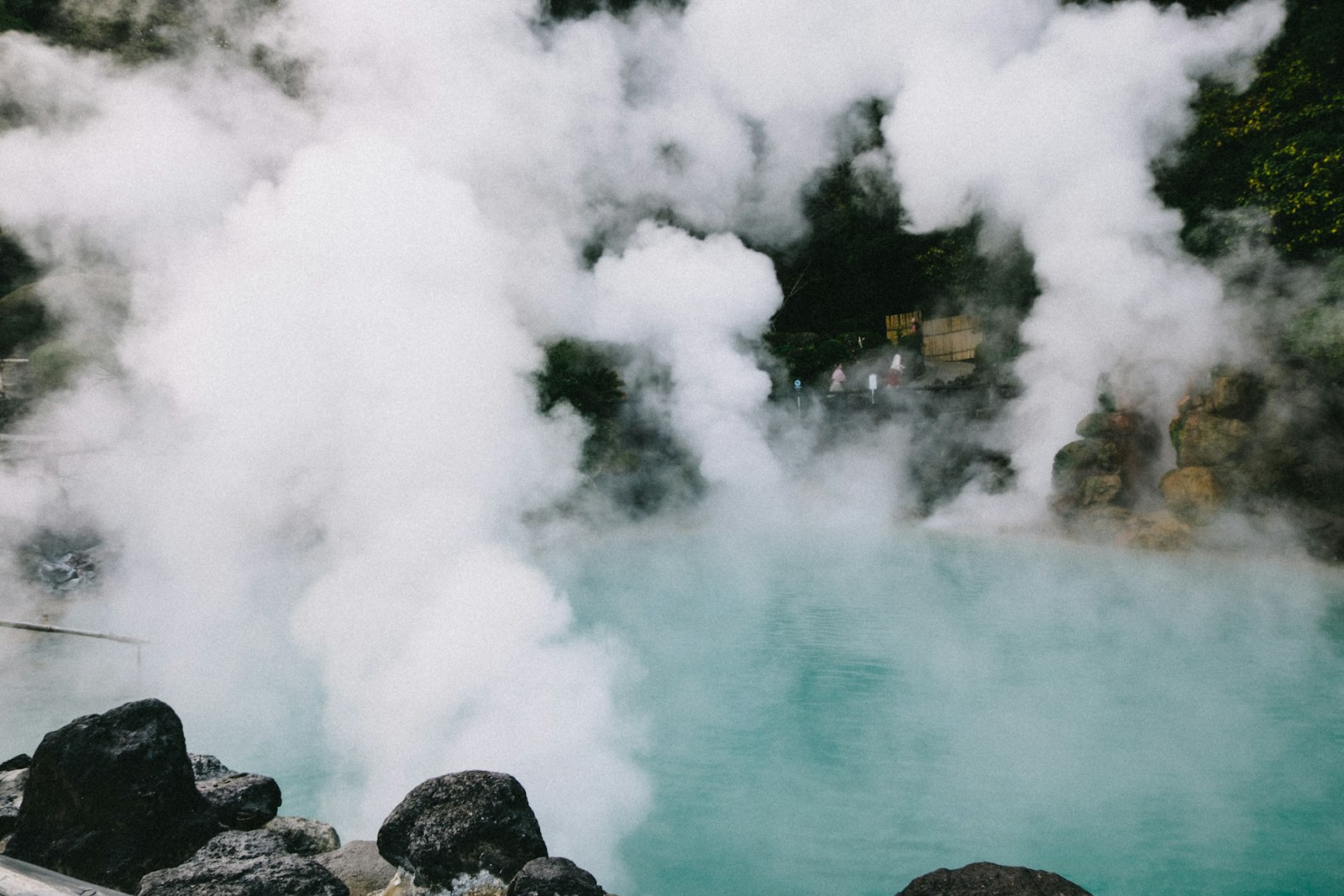
Umi Jigoku is a pool of startling cobalt blue, the colour produced by dissolved iron sulphate, sitting at 98 degrees. Steam pours off it constantly and drifts across the surrounding garden.
The site includes a greenhouse heated entirely by the spring, growing Amazon water lilies large enough to support a small child. It is the best of the seven and the one to see if you only see one.
Chinoike Jigoku, the Blood Pond Hell
Chinoike is a deep vermilion red, coloured by iron oxide in the clay, and it is the oldest natural hell in Japan — described in records over 1,300 years ago. The red is genuinely alarming in overcast weather.
It sits in the Shibaseki district, several kilometres from the main cluster of five, along with Tatsumaki. Budget a separate bus leg for the pair.
Tatsumaki Jigoku, the Spout Hell
Tatsumaki is a geyser that erupts roughly every 30 to 40 minutes, for six to ten minutes at a time. A stone slab caps it, which suppresses the height considerably — without it the column would reach 50 metres.
Check the posted schedule at the gate before you commit to waiting. If the next eruption is more than twenty minutes off, do Chinoike first and come back.
Expert Tip
A combined ticket covering all seven hells costs around 2,200 yen against roughly 450 yen each, so it pays off at five. But the seven are not equal — Umi, Chinoike, and Tatsumaki carry the experience, and the remaining four take twenty minutes between them. If your time is short, buy individual tickets for the three and spend the saved hours at Kannawa instead.
Sand Baths, Mud Baths, and Milky Springs
The hells are for looking at. These are the ones you get into, and they are what actually distinguishes Beppu.
Takegawara Sand Bath
At Takegawara Onsen — a wooden bathhouse from 1879 with a dramatic gabled roof — attendants bury you up to the neck in black volcanic sand heated by the spring beneath. You lie in a yukata while they shovel sand over you.
Ten to fifteen minutes is the recommended limit, and it is enough; the weight and heat combine into something more intense than a bath. Rinse in the adjacent hot spring afterwards.
Myoban Yunosato
Up the hill at Myoban, thatched huts stand over beds where yunohana — mineral crystals — form naturally from the steam over several months, a method unchanged since the Edo period. It is the only place in Japan still producing them this way.
The open-air baths here are milky white and mildly acidic, sitting on a hillside with a view down to the bay. The water is notably different from the clear springs below.
Hoyoland Mud Baths
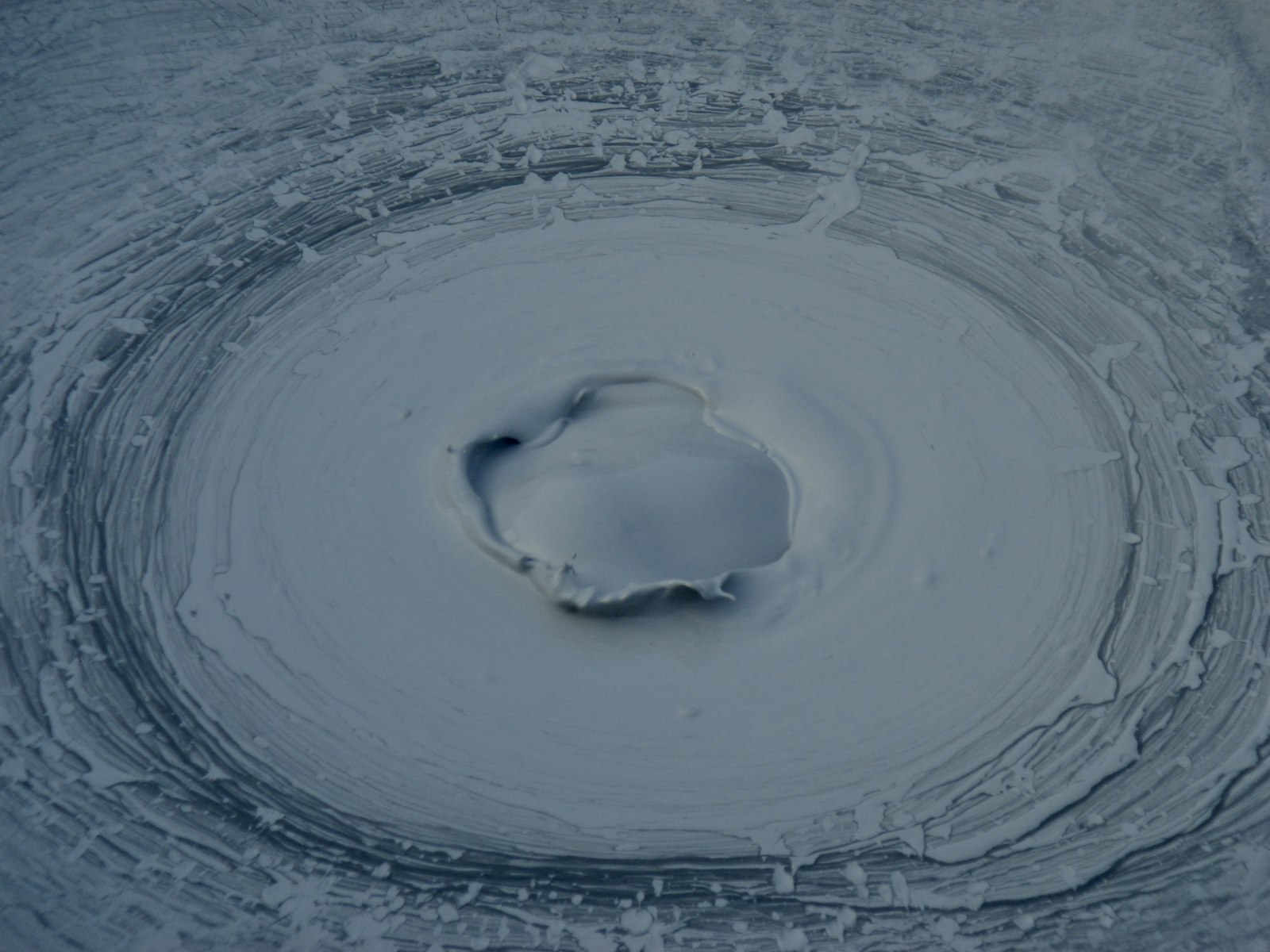
Hoyoland, also at Myoban, is Beppu’s mud bath and it is completely unpretentious — old buildings, minimal signage, natural grey mineral mud in outdoor pools.
The large outdoor mud bath is mixed-gender, with women entering through a separate path and the mud itself providing cover. It is the least polished experience in Beppu and the one visitors most often single out.
Jigoku Mushi: Cooking in Geothermal Steam
Beppu residents have cooked with steam vents for centuries, and one facility lets visitors do it themselves.
Jigokumushi Kobo Kannawa
At this municipal steam kitchen you buy ingredients — vegetables, seafood, pork, eggs, corn — load them into a basket, and lower them into a steam vent yourself. Staff set a timer and you wait between eight and twenty minutes depending on what you chose.
The steam carries salt from the spring water, which seasons everything as it cooks. Prawns and sweetcorn come out noticeably better than they would in a domestic steamer, and it costs very little.
Onsen Tamago
Onsen eggs are cooked slowly in spring water at around 70 degrees, which sets the yolk while leaving the white barely coagulated — the reverse of a normal boiled egg.
Street vendors around Kannawa sell them from baskets suspended in vents. Eat one standing up with a little soy sauce; it is the cheapest thing in this guide and one of the more memorable.
Steam-Cooked Pudding
Jigoku mushi purin is a custard pudding steamed over geothermal vents, denser and less aerated than a standard crème caramel because the steam heat is very even.
Several shops in Kannawa sell it in small glass jars. Okamotoya near the Myoban ropeway stop is the established name and sells out by mid-afternoon on weekends.
Walking Kannawa and Myoban
Beppu’s eight hot spring districts each have their own character, and two are worth walking properly.
The Kannawa Alleys
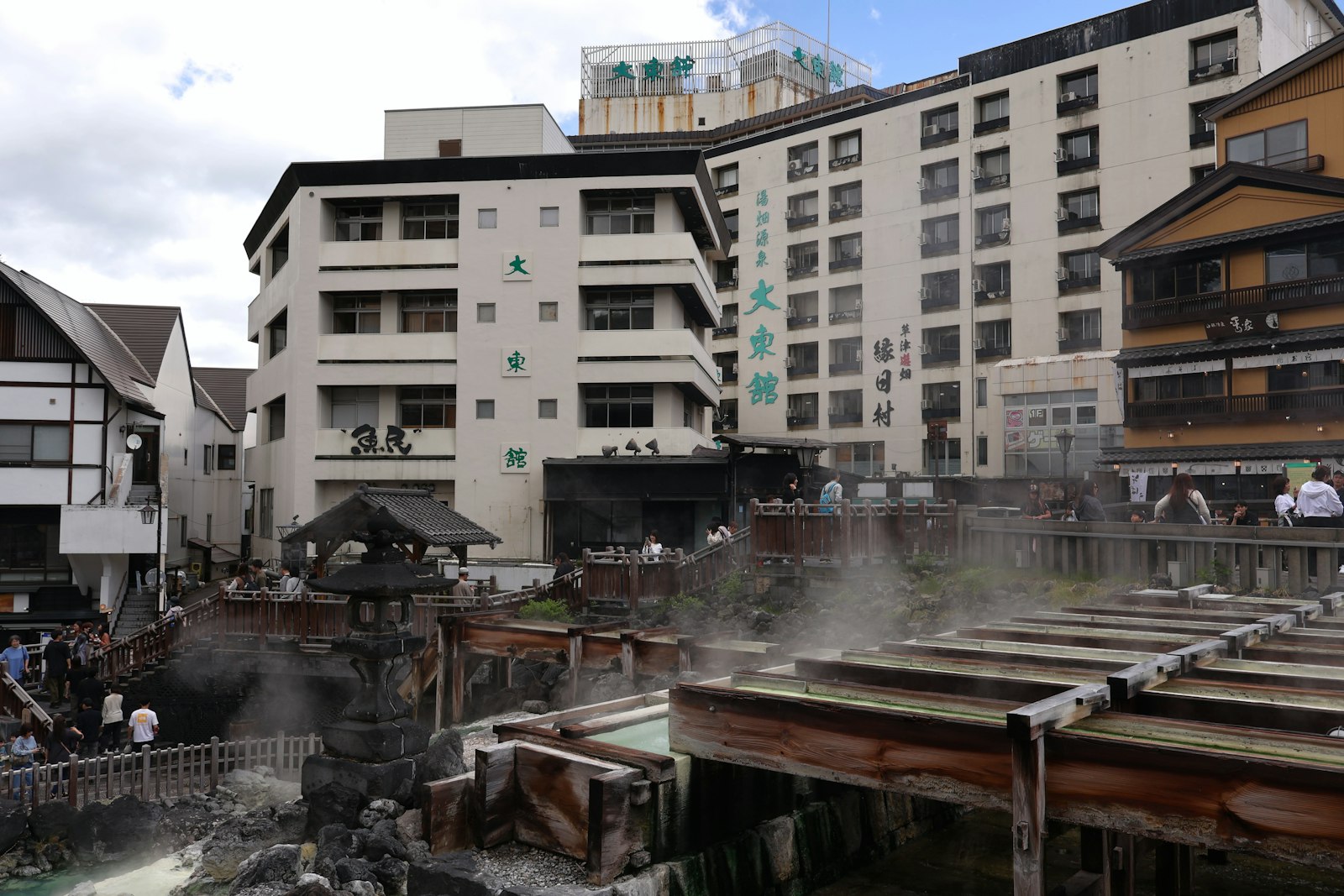
Kannawa is the district where steam is most visible in daily life — it rises from grates in the pavement, from gaps between houses, from pipes running along walls. Early morning in cold weather, the whole neighbourhood is fogged.
The streets are narrow and largely unmarked. We suggest an hour with no destination; the interest is in the ordinariness of it, houses with steam boxes outside where residents cook.
Free Footbaths
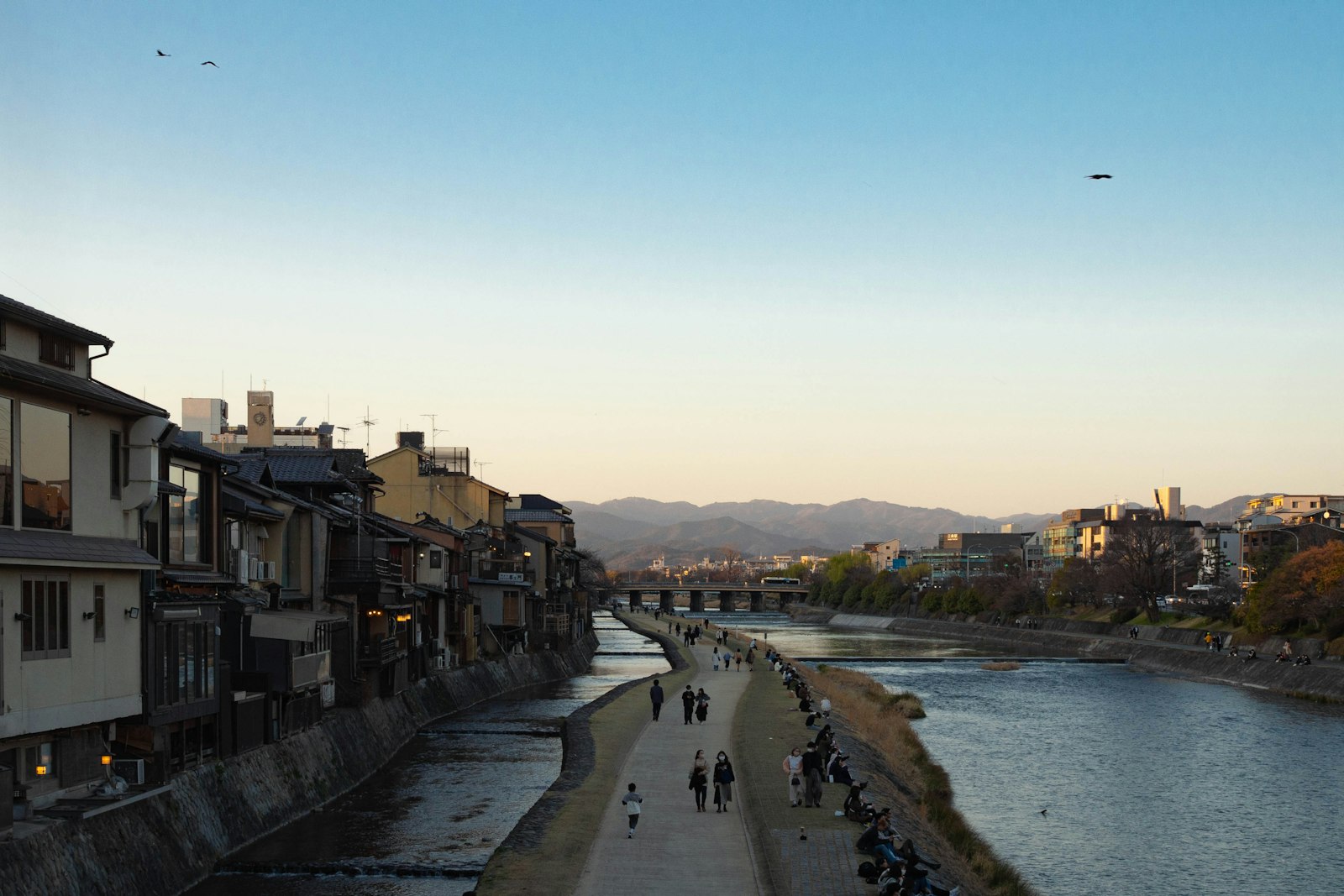
Ashiyu — footbaths — are scattered around Kannawa and Myoban, most of them free and open at the roadside. You sit on a stone bench, roll up your trousers, and put your feet in.
Carry a small towel; almost none provide them. A hundred-yen towel from any convenience store solves this and is worth having on you all day in Beppu.
Walking in Yukata
Guests at Kannawa ryokan walk between bathhouses in yukata and wooden geta, and this is normal rather than a tourist performance. Your accommodation will provide both.
The soto-yu meguri pass covers a set of the district’s public baths and is the structure most visitors use for an afternoon. Each bath is small, hot, and takes fifteen minutes.
Mount Tsurumi and the Views
Beppu sits in a bowl between mountains and the sea, and getting above it changes the perspective usefully.
The Beppu Ropeway
The ropeway climbs Mount Tsurumi to 1,300 metres in about ten minutes, in cabins holding over a hundred people. From the summit the entire bay is visible, with Shikoku across the water on clear days.
Cherry blossoms run late here — into mid-April — because of the altitude, and the autumn colour in early November is the best in the prefecture.
Beppu Tower
Beppu Tower, completed in 1957, is the third of Japan’s six lattice towers designed by Tachu Naito, who also designed Tokyo Tower. It is a registered Tangible Cultural Property.
The observation deck at 55 metres is modest by modern standards. Its interest is architectural rather than scenic, and it takes half an hour.
Lake Shidaka
Shidaka is a small crater lake in the highlands above town, ringed by a two-kilometre walking trail with Mount Tsurumi reflected in the water.
Buses from Beppu Station take about 30 minutes. It is the quiet counterweight to a day of hot springs and steam, and almost nobody makes the trip.
Expert Tip
Beppu’s hells and its bathing districts are spread across a wide area, and taxis add up quickly. The Beppu Free Pass covers unlimited Kamenoi bus travel including the routes to Kannawa, Myoban, and the ropeway, and costs about the same as two taxi rides. Buy it at the station bus terminal on arrival.
Visiting Beppu: Frequently Asked Questions
Can I bathe in the Seven Hells? No. The hells run between 78 and 99 degrees and are for viewing only. Two of the sites have separate footbaths fed by cooled water, and Beppu’s several hundred actual bathhouses are where bathing happens.
Are the sand baths at Takegawara tattoo-friendly? Takegawara’s sand bath is generally accommodating since you are covered in a yukata and then sand. Policies at other facilities vary and small municipal bathhouses tend to be relaxed. If tattoos are large or visible, ask at reception rather than assuming, and consider private ryokan baths.
What is the most efficient way to get between the hells? Five of the seven sit together in Kannawa and are walkable in a loop of about 40 minutes. Chinoike and Tatsumaki are 2.5 kilometres away in Shibaseki and need a bus — routes 16 and 26 connect them, roughly every 30 minutes.
Related Tours

Conclusion
Do the hells in a morning and then stop looking at hot water and start getting into it. The sand bath at Takegawara, the mud at Hoyoland, and an hour of steam cooking at Kannawa are what people remember from Beppu.
Stay one night at minimum. Beppu at seven in the morning, before the tour buses, with steam coming off every surface in the town, is a different place from Beppu at midday.
Plan Your Japan Trip with Local Experts
Our team has guided 40,000+ travelers across Japan. Tell us about your trip and we’ll get back to you within 24 hours.