In this article:
- The Fashion That Made Harajuku Famous
- The Streets: Takeshita to the Backstreets
- Omotesando: The Other Harajuku
- What to Eat in Harajuku
- The Green Spaces and Shrines
- Visiting Harajuku: Common Questions
The Fashion That Made Harajuku Famous
Harajuku is the neighbourhood that taught the world how Tokyo’s young people dress, and for a couple of decades it was arguably the most influential street-fashion district on earth. The styles that emerged here — layered, maximalist, fearless — shaped global ideas of Japanese cool and put the word “Harajuku” into the vocabulary of designers and pop stars far from Japan.
The scene is quieter now than at its peak, and travelers expecting wall-to-wall costumed teenagers can be surprised. But the creative DNA is still here in the shops, the backstreets, and the weekend crowds, and understanding what Harajuku was makes what it is far more interesting to walk through.
Who the Harajuku Girls Were
The “Harajuku Girls” were never an organised group — they were the young people, mostly young women, who used the neighbourhood as a stage for extreme personal style. On weekends they gathered to see and be seen in outfits assembled with real craft and nerve. They were pioneers of self-expression through clothes, and the area around the station became an open-air runway where the rules were invented on the spot rather than handed down.
The Many Styles
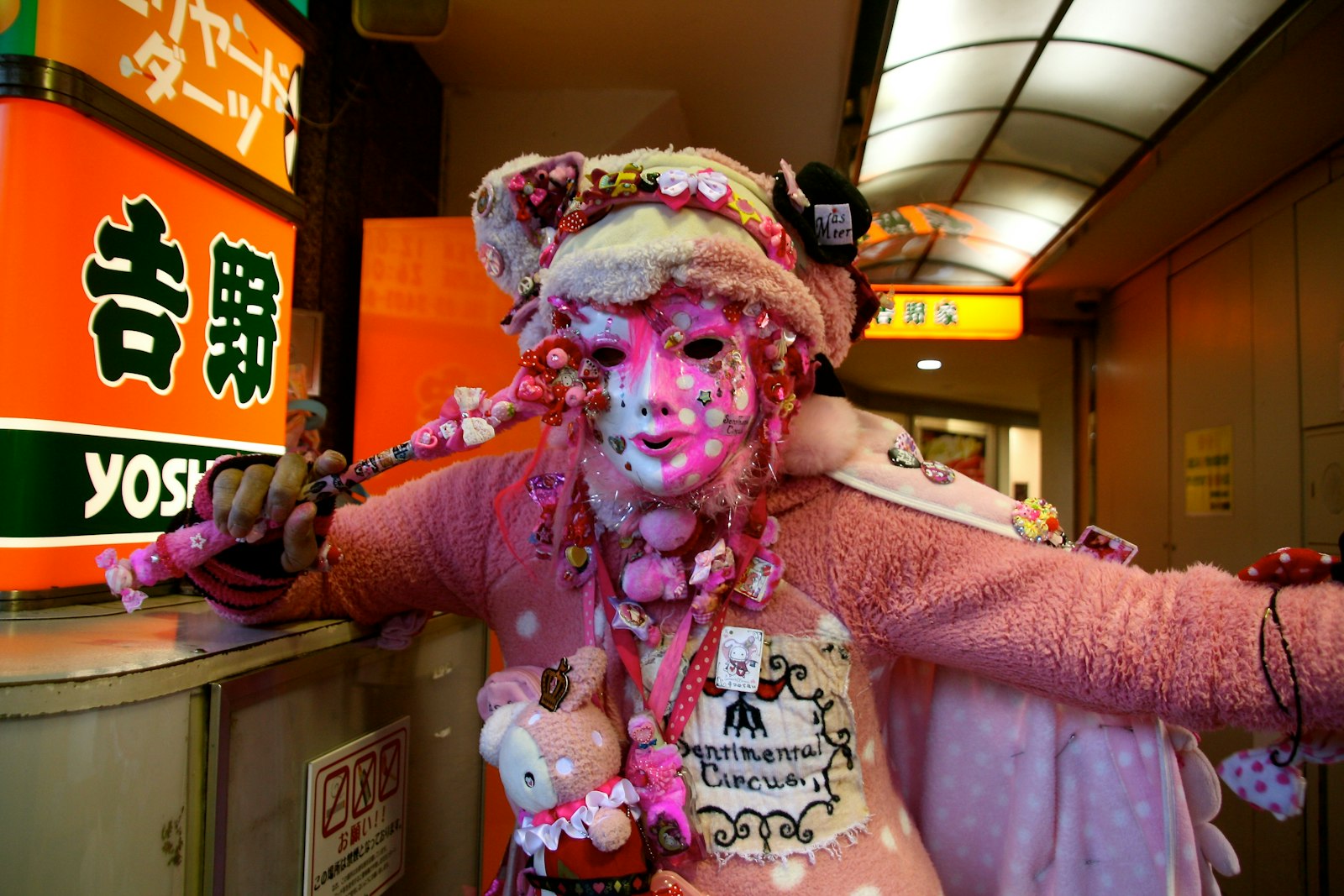
Harajuku never had one look; it had a dozen overlapping subcultures. Lolita fashion, with its Victorian-doll silhouettes, ran alongside Decora, a riot of layered plastic accessories and clashing colour, and darker, cyberpunk and gothic strands. In recent years softer pastel and “fairy-kei” styles have come to the fore. The constant across all of them is invention — taking a reference and pushing it far past its origin into something new.
The Age of the Street Snap
Much of Harajuku’s global influence travelled through photography. Street-style magazines and, later, the internet documented the neighbourhood’s most striking dressers, and those images circulated worldwide, feeding designers and fans everywhere. The weekend street snap — a photographer stopping a brilliantly dressed stranger — was the engine that turned a local scene into an international one. The phenomenon has faded with social media, but its legacy is why anyone outside Japan knows the name at all.
The Streets: Takeshita to the Backstreets
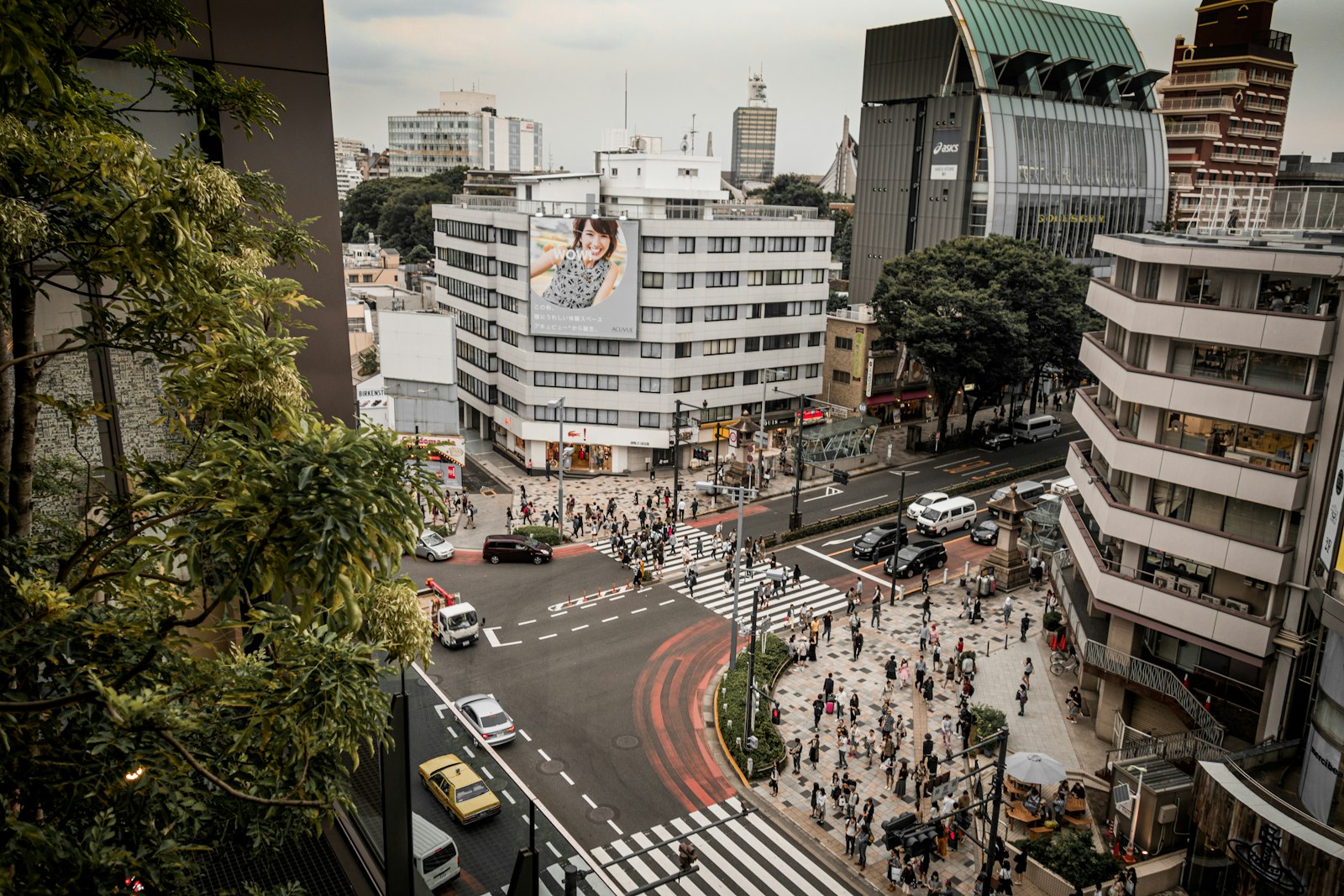
Harajuku is best understood as a few very different streets packed into a small area. Knowing which is which lets you move from chaos to calm in a couple of minutes’ walk.
Takeshita Street
Takeshita-dori is the loud heart of teenage Harajuku: a narrow pedestrian lane running from the station, crammed with cheap fashion, accessory shops, crepe stands, and novelty stores, and packed shoulder to shoulder on weekends. It is bright, sugary, overwhelming, and very fun for an hour. This is where the crowds and the colour concentrate, and where most first-time visitors start. Go in expecting a crush and treat it as the spectacle it is.
Ura-Harajuku, the Backstreets
Behind the noise, the back lanes known as Ura-Harajuku are where the neighbourhood gets genuinely interesting for anyone who cares about clothes. These quieter streets hold independent boutiques, vintage shops, and the Tokyo streetwear labels that have real influence in the global scene. The crowds thin, the quality rises, and the browsing is far better. If Takeshita is the show, the backstreets are the substance.
Cat Street
Cat Street is a long, pleasant pedestrian lane that runs roughly south from Harajuku toward Shibuya, lined with a mix of streetwear, cafés, and design shops. It is the connective tissue between two of Tokyo’s biggest youth districts, and walking it is one of the nicer ways to get from one to the other — calmer than the main roads, with plenty to stop for. Many visitors discover it by accident and are glad they did.
Expert Tip
To see Takeshita Street at its liveliest, come on a Sunday afternoon, when the weekend fashion crowd is out in force. To shop it without being carried along by a human current, come on a weekday morning shortly after the shops open, around 11am. The same street is a completely different experience depending on the hour — choose the version you actually want rather than arriving by chance at peak crush.
Omotesando: The Other Harajuku
A few minutes from Takeshita’s chaos, the mood changes entirely. Omotesando is Harajuku’s grown-up half, and the contrast between the two is the single best reason to spend a full afternoon here rather than a rushed hour.
The Avenue
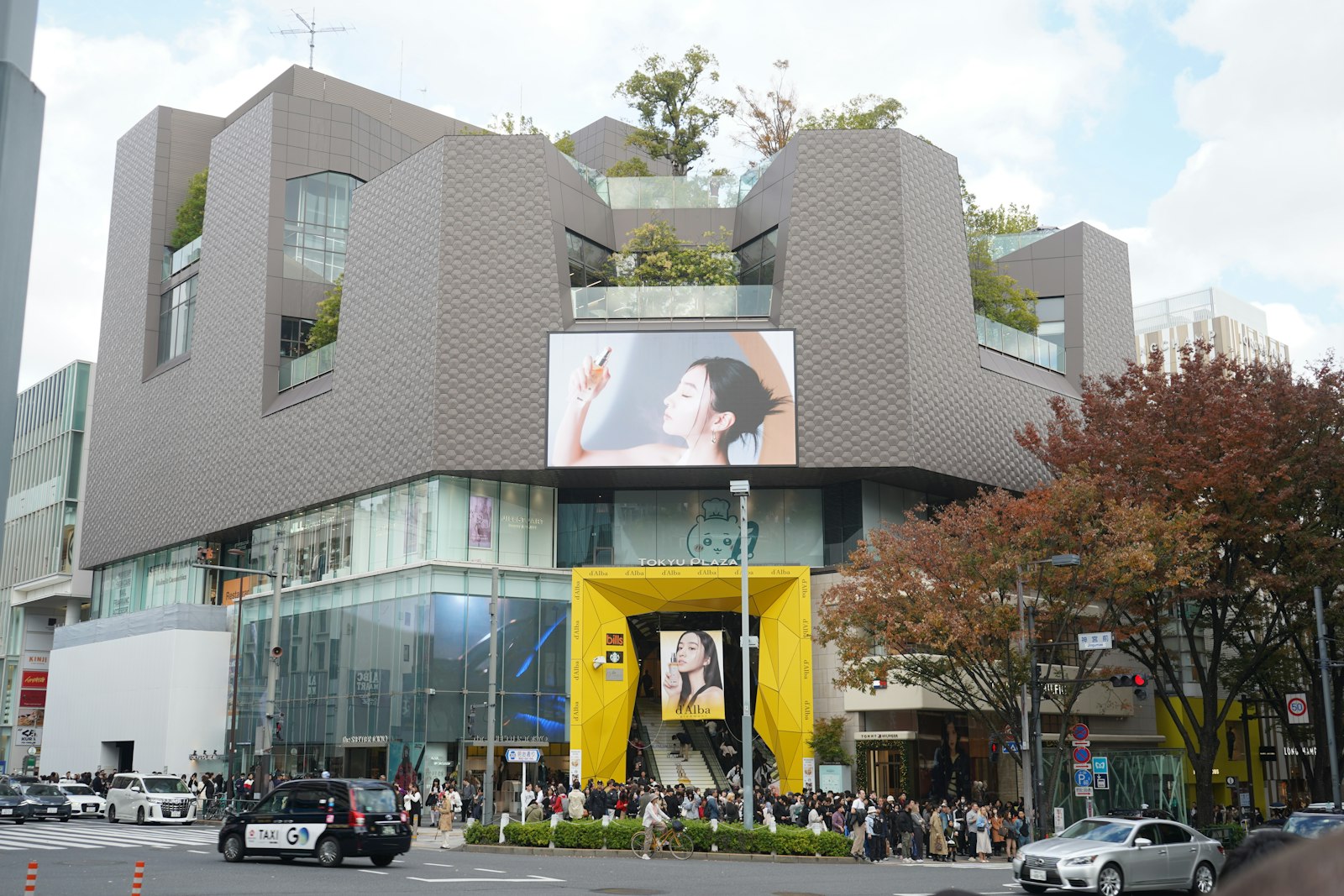
Omotesando is a broad, elegant avenue lined with mature zelkova trees, often compared to the Champs-Élysées, running down toward the entrance of Meiji Shrine. Along it stand the flagship stores of the world’s luxury houses, many in architecturally significant buildings designed by leading architects. Even with no intention of shopping, the walk down the avenue under the trees, looking up at the buildings, is one of the more refined strolls in Tokyo.
Omotesando Hills
The avenue’s architectural centrepiece is Omotesando Hills, a long, low shopping complex designed by Tadao Ando. Inside, a continuous spiralling ramp climbs gently past the shops, echoing the slope of the street outside — a quietly brilliant piece of design that rewards a walk through even if you buy nothing. It is a good example of how Omotesando treats retail as architecture rather than just commerce.
Art and Design Nearby
The streets around Omotesando reward wandering for anyone interested in design. Independent galleries, concept stores, and striking small buildings are tucked through the side lanes, and the nearby Aoyama district continues the theme. This is the part of Harajuku that appeals to travelers who have outgrown teenage fashion but still want to feel the creative pulse of the neighbourhood, expressed in concrete and glass rather than plastic accessories.
What to Eat in Harajuku
Food in Harajuku splits along the same line as everything else: sugary, photogenic street snacks on one side, considered cafés on the other. Both are worth your time.
The Crepes
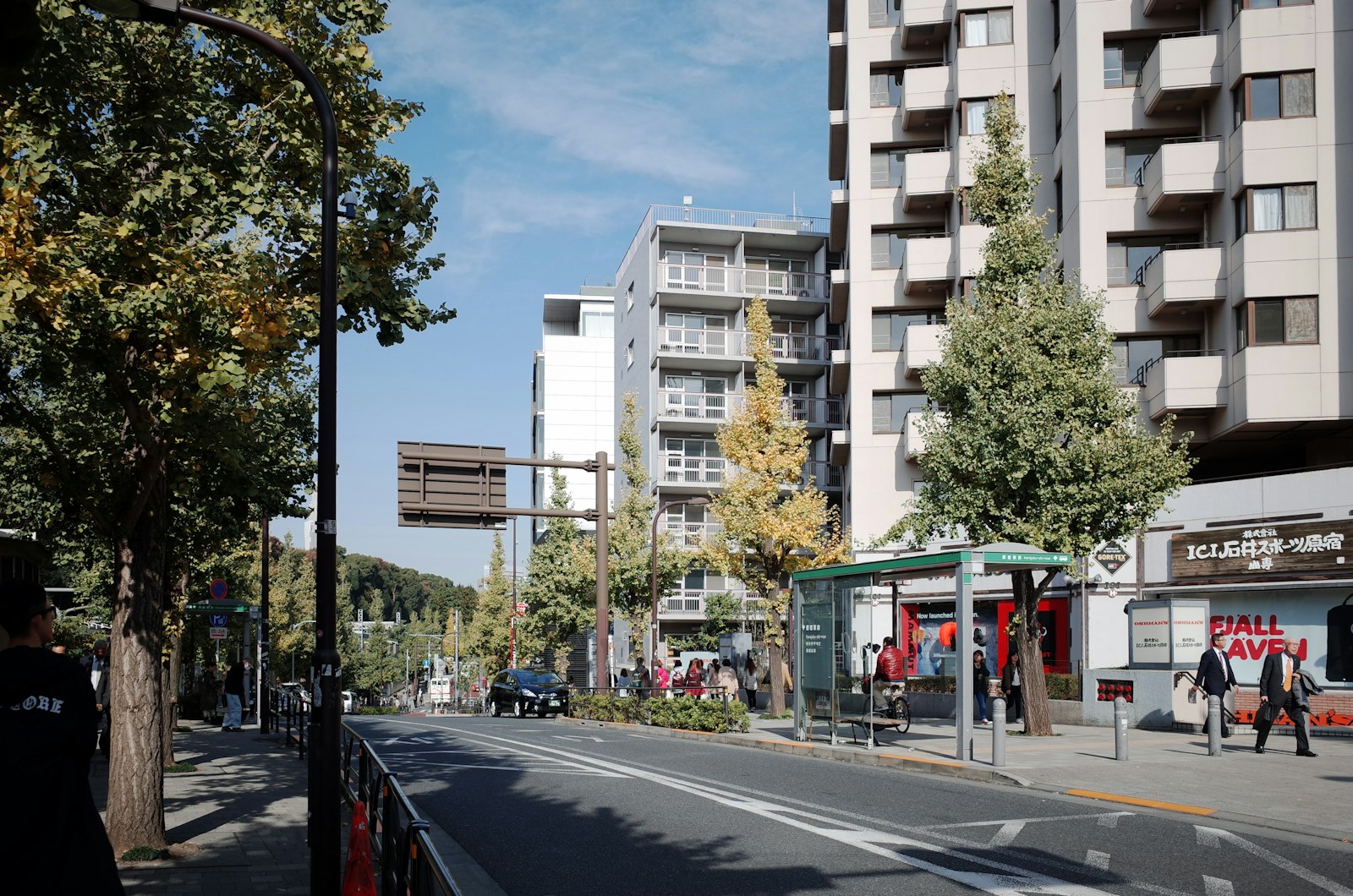
The Harajuku crepe is an institution. Folded into a cone and stuffed with combinations of cream, fruit, ice cream, and cake, sold from long-running stands on and around Takeshita Street, it is the neighbourhood’s signature snack. It is excessive and entirely the point. Join the queue at one of the established stands, pick something more elaborate than you think you want, and eat it as you walk the lane — this is the one place the usual no-eating-while-walking caution genuinely relaxes.
The Photogenic Treats
Beyond crepes, Harajuku trades heavily in food designed to be photographed: giant rainbow cotton candy taller than your head, decorated doughnuts, and whatever colourful sweet is currently going viral. Much of it is more fun to look at than to eat, and that is fine — buying one is part of the Takeshita Street ritual. Treat these as souvenirs you happen to consume rather than as a serious meal.
The Omotesando Cafés
On the Omotesando side, the café culture is genuinely good. Specialist coffee roasters, and the famous Japanese soufflé pancakes — tall, wobbling, eaten with the reverence usually reserved for fine dining — give you a calmer, better place to sit down. After the sensory overload of Takeshita, an hour over a proper coffee or a plate of fluffy pancakes here is the natural counterweight, and the quality is high.
The Green Spaces and Shrines
What elevates Harajuku above a pure shopping district is what sits right beside it: one of Tokyo’s most important shrines and its liveliest park, both a short walk from the crepe stands. The proximity of sacred forest and teenage fashion is the neighbourhood’s defining contrast.
Meiji Shrine
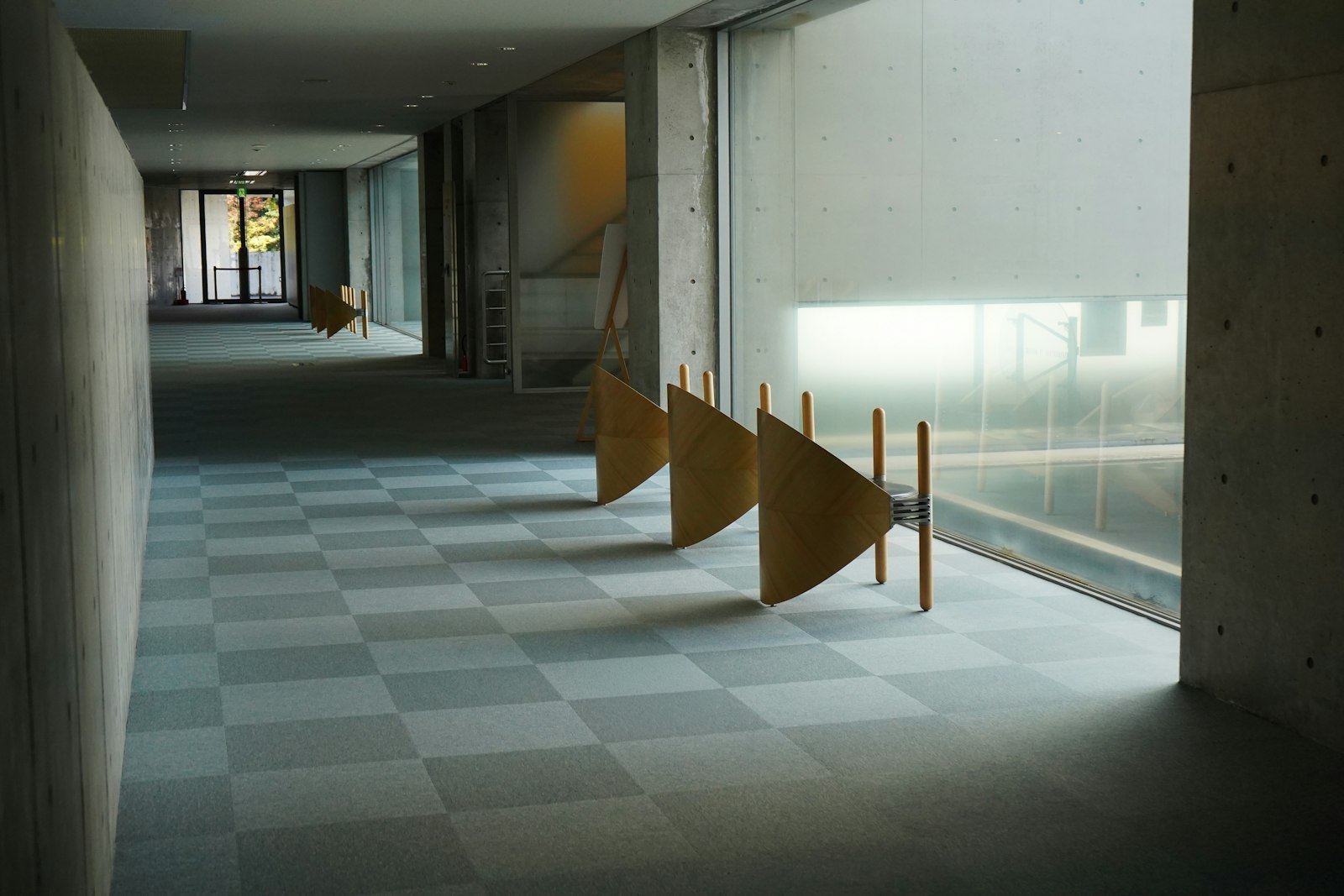
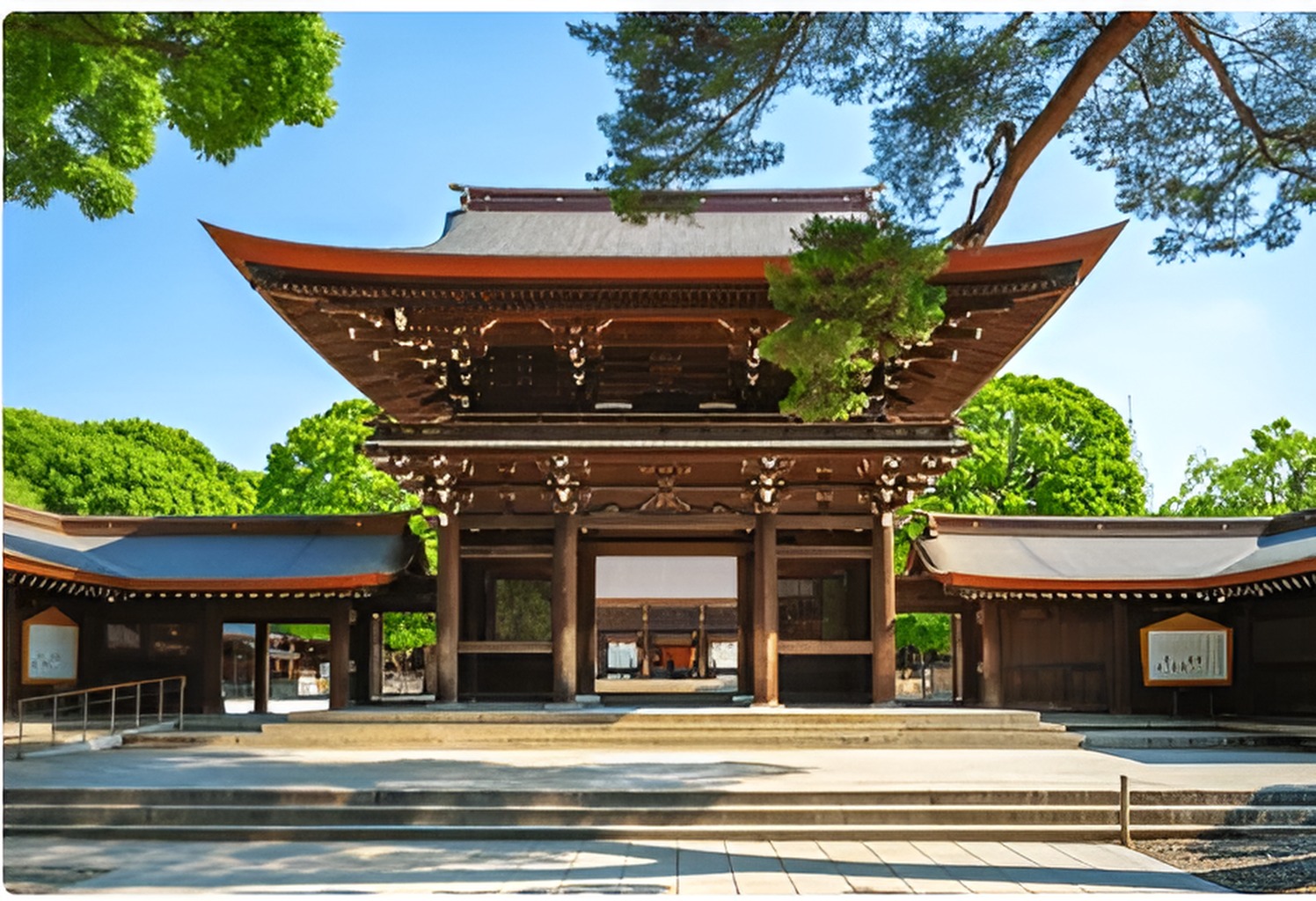
Directly across from Harajuku Station, a great wooden gate opens onto the forested approach to Meiji Jingu, the city’s most significant Shinto shrine, set in a dense wood planted by hand a century ago. Walking from the noise of Takeshita into the deep quiet of the shrine forest, in the space of a few minutes, is one of Tokyo’s great transitions. It is free, central, and the single most worthwhile stop in the area; give it an hour.
Yoyogi Park
Adjoining the shrine is Yoyogi Park, one of Tokyo’s largest and most relaxed green spaces. On weekends it fills with picnickers, joggers, buskers, dancers, and the occasional rockabilly crew, and in spring it is a major cherry-blossom spot. It is where Tokyo comes to do nothing in particular, and an hour on the grass here is the best antidote to the density of the surrounding streets. The park and the shrine together make Harajuku a place to breathe, not just to shop.
Togo Shrine
Less known and worth seeking out is Togo Shrine, a peaceful Shinto sanctuary tucked just off the busy streets near Takeshita, honouring a celebrated admiral. It has a calm garden and pond, and on certain days hosts a popular antique and flea market in its grounds. Stepping into it from the crowds nearby is a small, easy escape that most visitors walk straight past — exactly the kind of quiet corner that rewards a little curiosity.
Visiting Harajuku: Common Questions
Where can I see people in traditional Harajuku fashion? The honest answer is that the dense, costumed weekend crowds of Harajuku’s peak years have thinned considerably. Your best chance is a Sunday afternoon, around the area between Harajuku Station, Takeshita Street, and the entrance to the shrine and park, where dressers still gather. Be respectful if you want a photo — ask first. The scene is more dispersed than the old images suggest, so treat any sighting as a bonus rather than a guarantee.
When is Takeshita Street open, and when is it least crowded? The street itself is a public lane, always open, but the shops generally run from late morning, often around 10 or 11am, into the evening. The crowds are heaviest on weekend afternoons and during school holidays. For the calmest experience, arrive on a weekday morning soon after the shops open; for the liveliest atmosphere, accept the crush of a Sunday afternoon. Plan around which you prefer.
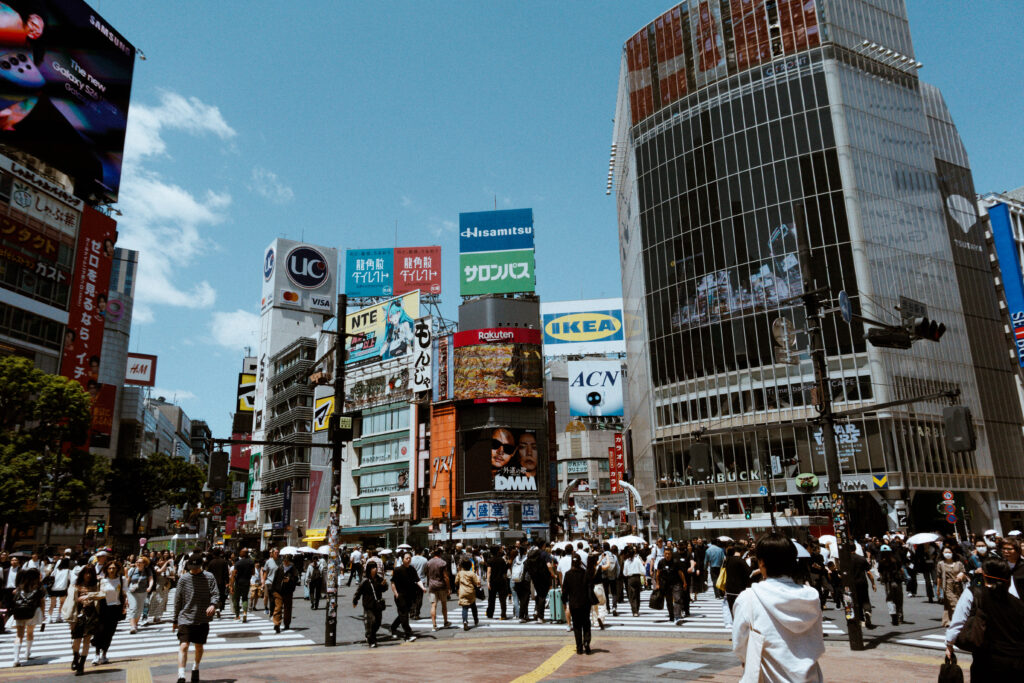
Can I walk from Harajuku to Shibuya? Easily. The two neighbourhoods are close, and the walk takes roughly fifteen to twenty minutes, with Cat Street making a pleasant, shop-lined route between them. Alternatively, the JR Yamanote Line connects Harajuku and Shibuya in a single short stop. Many visitors combine the two in one day — Harajuku in the afternoon, Shibuya as the evening lights come on — and the walk between them is part of the fun.
Related Tours
Conclusion
Harajuku rewards visitors who give it more than a lap of Takeshita Street. Walk the loud lane for its sugar and spectacle, then cross into the backstreets for the real fashion, down Omotesando for the architecture and coffee, and into the shrine forest and park for the quiet. The neighbourhood holds the teenage and the refined, the frantic and the calm, within a few hundred metres of each other.
Plan Your Japan Trip with Local Experts
Our team has guided 40,000+ travelers across Japan. Tell us about your trip and we’ll get back to you within 24 hours.