In this article:
- Iconic Coastal Drives and Breathtaking Viewpoints
- Okinawa’s Best Beaches and Marine Wonders
- Ryukyu Heritage and Local Island Life
- Island-Hopping and Remote Retreats
- Naha’s Markets, Pottery, and Coffee Culture
- Savoring Okinawa’s Gastronomy
- Planning Your Okinawan Getaway: Frequently Asked Questions
Iconic Coastal Drives and Breathtaking Viewpoints
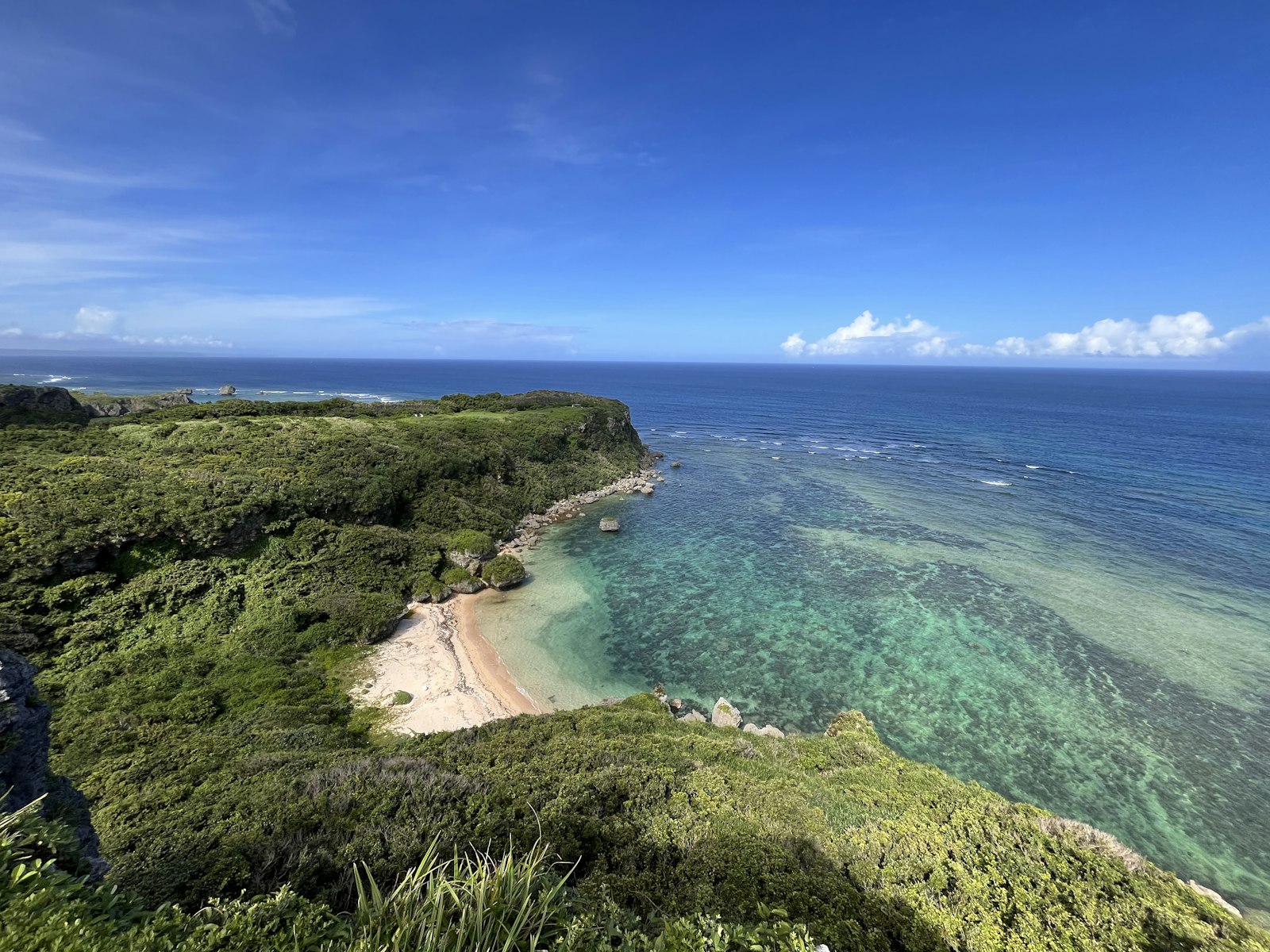
Okinawa is a driving destination first. The main island stretches long and narrow, and the best of it — the northern capes, the good beaches, the quieter coves — is strung along coastal roads that public transport barely reaches. Rent a car, point it north, and the island opens up.
Kouri Bridge and Kouri Island
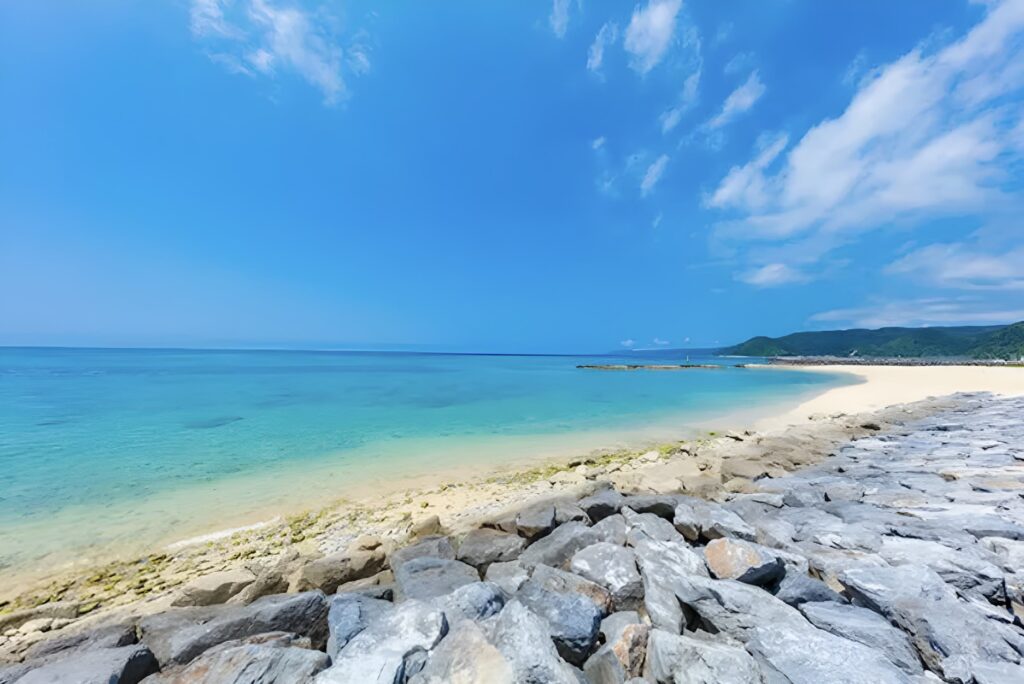
The two-kilometre Kouri Bridge is the drive everyone photographs, and for once the hype is earned. It runs dead straight across water so clear and so improbably turquoise that first-time visitors slow down just to take it in. The small island at the far end has quiet beaches and a heart-shaped rock formation on its northern shore. Do the crossing once in each direction — the light and the colour shift completely depending on the sun.
Cape Manzamo and Cape Zanpa
On the west coast near Onna, Cape Manzamo is a limestone cliff shaped, if you squint, like an elephant’s trunk dipping into the sea, with a grassy headland and a hard drop to crashing surf. Further south, Cape Zanpa runs out to a white lighthouse you can climb, with wide horizons that turn spectacular at sunset. Both are short, easy stops off the coastal road and best timed for late afternoon.
Cape Hedo at the Northern Tip
Cape Hedo marks the wild northernmost point of the main island, and reaching it means driving through Yanbaru, the subtropical forest that covers Okinawa’s undeveloped north. The cape itself is rugged and windswept, with rocky cliffs meeting open ocean and, on clear days, the neighbouring island of Yoron visible offshore. It is a long drive for a viewpoint, but the journey through the jungle interior is the real reward.
Expert Tip
A rental car is close to essential in Okinawa, and the single biggest planning mistake is underestimating drive times — the island is longer than it looks on a map, and the coastal roads are slow. Base yourself around Onna on the west coast for the best mix of beaches and access, book the car before you fly (they sell out in summer), and fill the tank before heading into the northern Yanbaru forest, where petrol stations thin out fast.
Okinawa’s Best Beaches and Marine Wonders
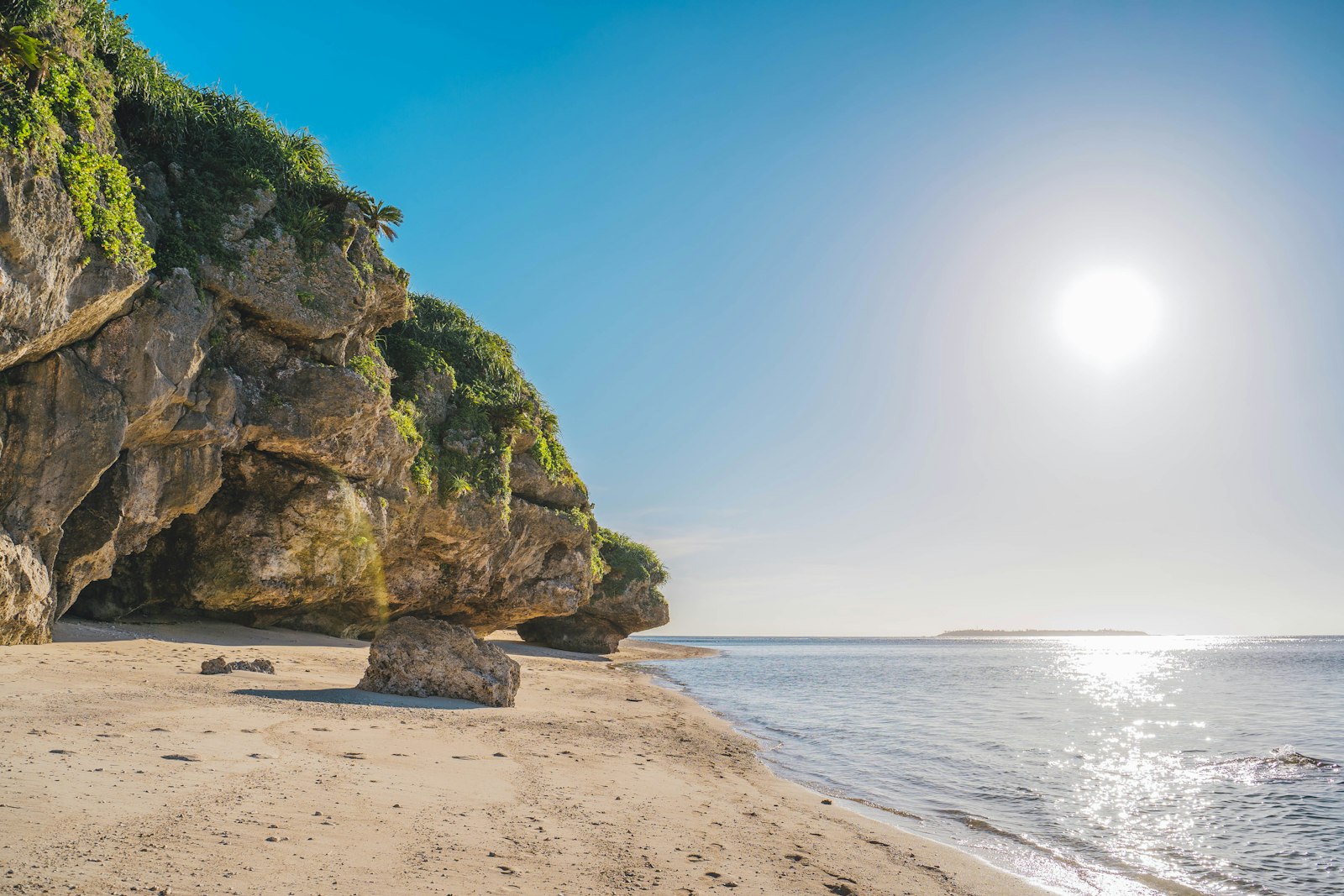
The water is why most people come, and Okinawa’s is among the clearest in Asia. Between the aquarium, the beaches, and the diving, this is where you will spend the bulk of your days.
Churaumi Aquarium
Churaumi, at the northern Motobu peninsula, is one of the best aquariums in the world, and its centrepiece is the vast Kuroshio tank — a wall of water where whale sharks and manta rays glide past on a loop that is genuinely hypnotic. It is deservedly popular and gets crowded, so arrive at opening or in the late afternoon when the day-tour buses have gone. Give it a couple of hours; the surrounding ocean park and beach are worth the extra time.
The Blue Cave at Cape Maeda
The Blue Cave in Onna is the island’s signature snorkel and dive site — a sea cave where sunlight refracts up through the water and fills the whole chamber with an eerie, glowing blue. Operators run small-group snorkel and diving trips from Cape Maeda year-round, and no experience is needed for the snorkel version. Go on a calm morning; when the sea is rough, the cave closes and the colour flattens.
Hidden Shores and Family Beaches
Beyond the headline sites, the west coast is lined with beaches for every mood. Emerald Beach near Churaumi and the calm shallows of Nirai and Kanai suit families and easy swimming, while more secluded northern coves — reached down rough tracks and often deserted — reward those willing to explore off the main road. The rougher, unspoiled reefs around Kouri are for stronger swimmers and snorkellers who want marine life over sunbeds.
Ryukyu Heritage and Local Island Life
Okinawa was an independent kingdom for centuries, trading across the region and answering to no shogun, and that history gives the islands a culture that feels distinct from mainland Japan. You see it in the architecture, the crafts, and the small daily rituals of island life.
Shuri Castle and Sacred Sites
Shuri Castle in Naha was the royal seat of the Ryukyu Kingdom, its vermilion halls and Chinese-influenced design a world away from the black-and-white keeps of the mainland. A 2019 fire destroyed the main hall, and reconstruction is ongoing, so parts of the site are a working restoration — which is its own kind of interesting to witness. For the spiritual side of Ryukyu culture, the nearby sacred grove of Sefa-Utaki, a UNESCO site, was the kingdom’s holiest place of worship.
Spotting the Shisa
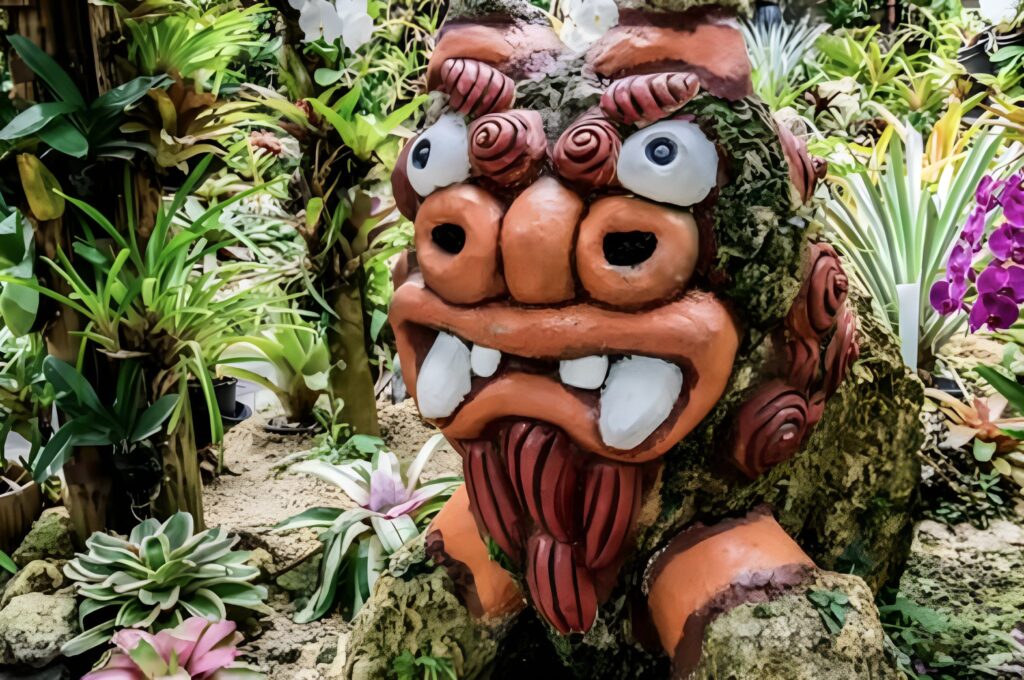
Once you know to look, you will see shisa everywhere — the lion-dog guardian figures perched in pairs on rooftops, gateposts, and shop counters across the islands. One has its mouth open to ward off evil, the other closed to keep good fortune in. Half the fun of wandering Okinawan neighbourhoods is spotting the range of them, from grand ceramic beasts to lopsided handmade ones, set against the red-tiled roofs of traditional houses.
Ryukyu Mura and Village Culture
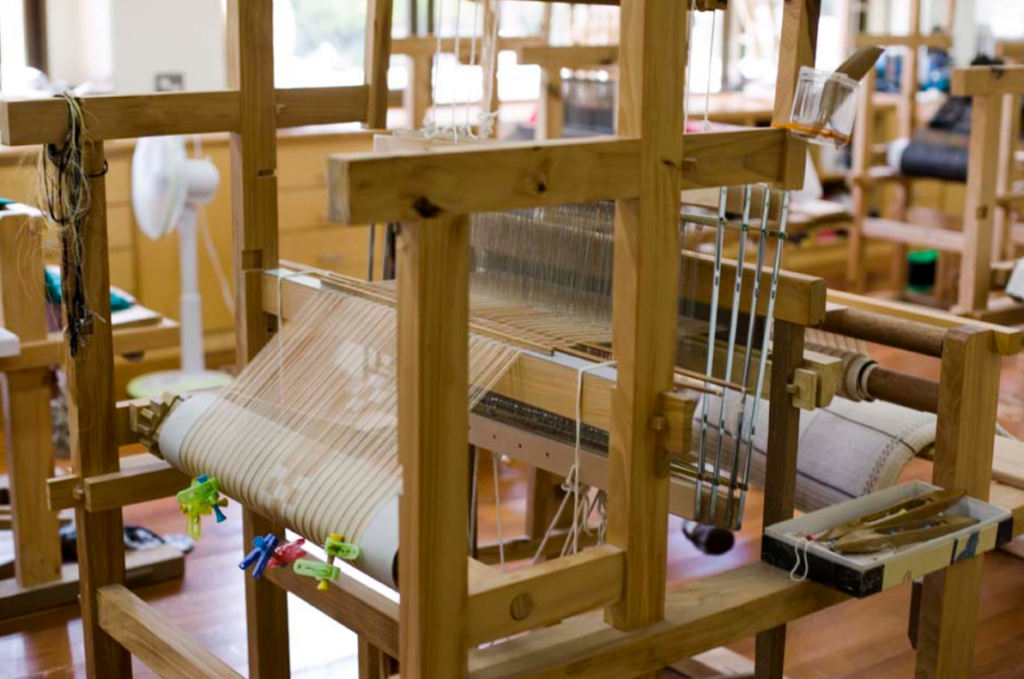
Ryukyu Mura, in the central part of the island, recreates a traditional Okinawan village of relocated old houses, craft workshops, and daily performances of eisa drumming and folk music. It leans touristy, but it is a genuinely useful way to see traditional weaving, awamori distilling, and dance in one place if your trip is short. Time your visit around one of the scheduled performances rather than wandering an empty village.
Island-Hopping and Remote Retreats
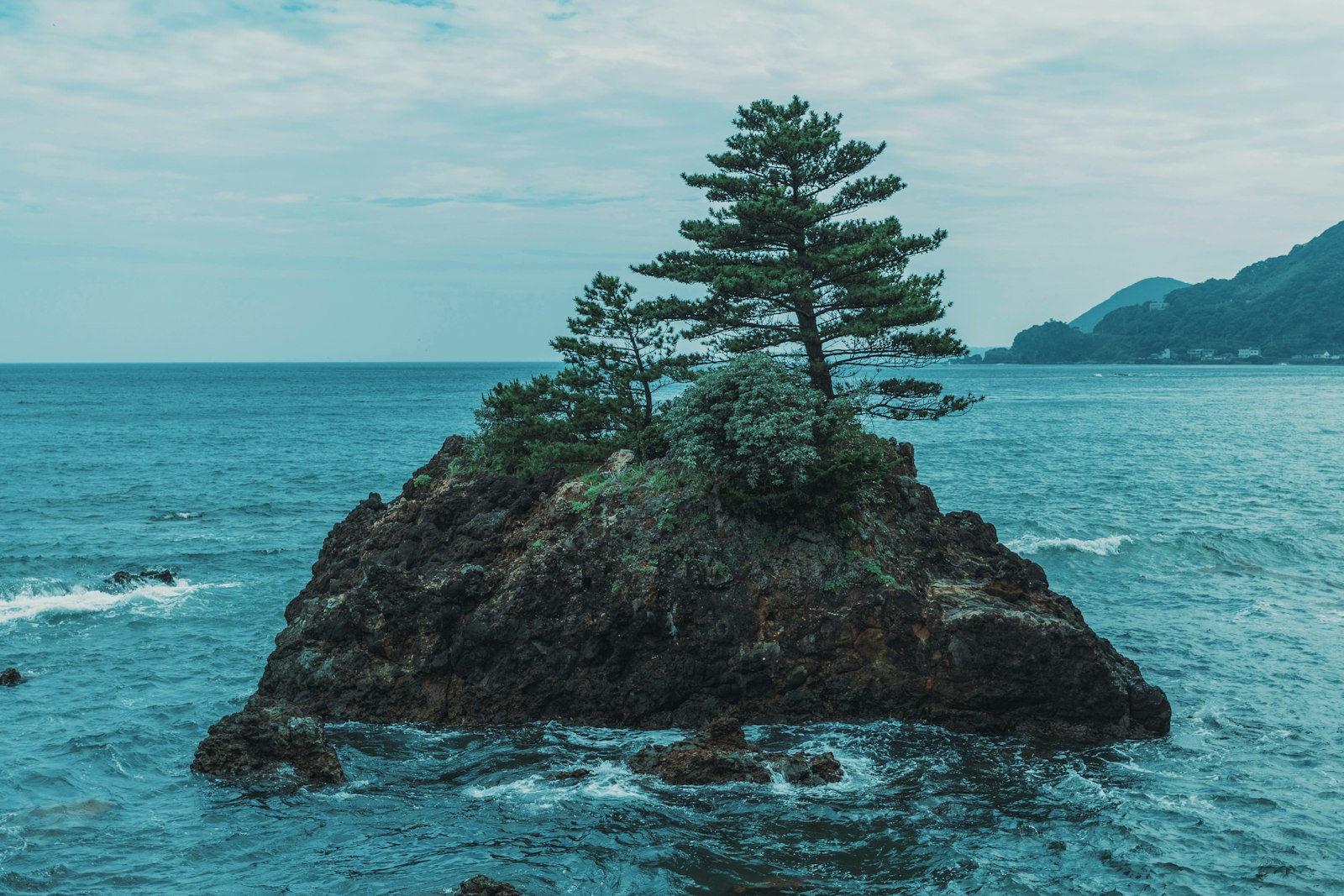
The main island is only the start. Okinawa is a scatter of islands across the East China Sea, and the most beautiful water is on the smaller, farther ones, reached by ferry or a short flight. If you have the days, spend at least one beyond the mainland.
The Kerama Islands
3-1024x683.jpeg)
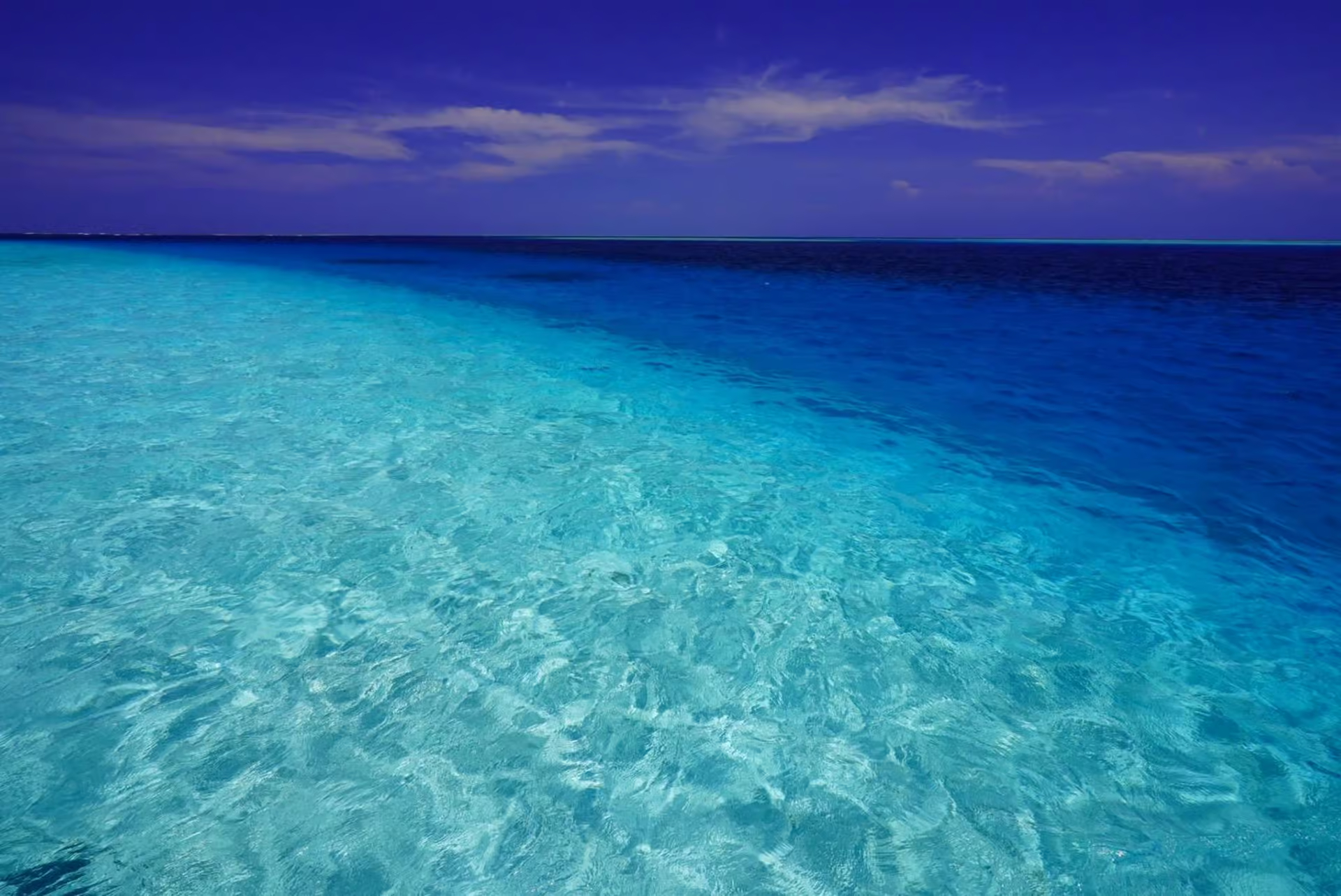
The Kerama Islands — Zamami, Tokashiki, and Aka — sit an hour or so by ferry from Naha and are a designated national park, protected for water so clear the government coined a colour name for it, “Kerama Blue.” The reefs are dense, the sea turtles unbothered, and the beaches close to empty by mainland standards. On Zamami, rent a bicycle and ride out to Furuzamami Beach, where powder-white sand meets shallows you can wade far out into.
Going Farther to Miyako and the Yaeyamas
For the most remote, most unspoiled beaches, look south to Miyako Island and, farther still, the Yaeyama Islands near Taiwan — a flight rather than a ferry from Naha, but worth it for travellers who want genuine seclusion. These are the islands people come back for on a second Okinawa trip, once the main island has whetted the appetite. On a first visit, the Keramas give you most of that magic for a fraction of the travel.
Naha’s Markets, Pottery, and Coffee Culture
Naha, the capital, is where most trips begin and end, and it deserves more than a night at the airport hotel. Its old districts hold the island’s best market food, its ceramics, and a quietly excellent café scene.
Kokusai-dori and Makishi Market
Kokusai-dori, “International Street,” is Naha’s main mile of shops, izakaya, and souvenir stalls — lively, a little brash, and best treated as a place to graze rather than shop seriously. Duck off it into the covered Makishi Public Market, where you can pick fresh fish from the ground-floor stalls and have it cooked upstairs on the spot. It is the most direct way to taste the island’s seafood.
Tsuboya Pottery District
A few streets from the market, the Tsuboya district is Naha’s centuries-old pottery quarter, its narrow stone lanes lined with kilns, studios, and shops selling the chunky, earthy yachimun ware Okinawa is known for. It is the calmest, most atmospheric corner of the city, and a good place to buy a shisa or a set of cups directly from the maker. Wander it slowly; the pleasure is in the alleys as much as the shops.
Okinawa’s Café Scene
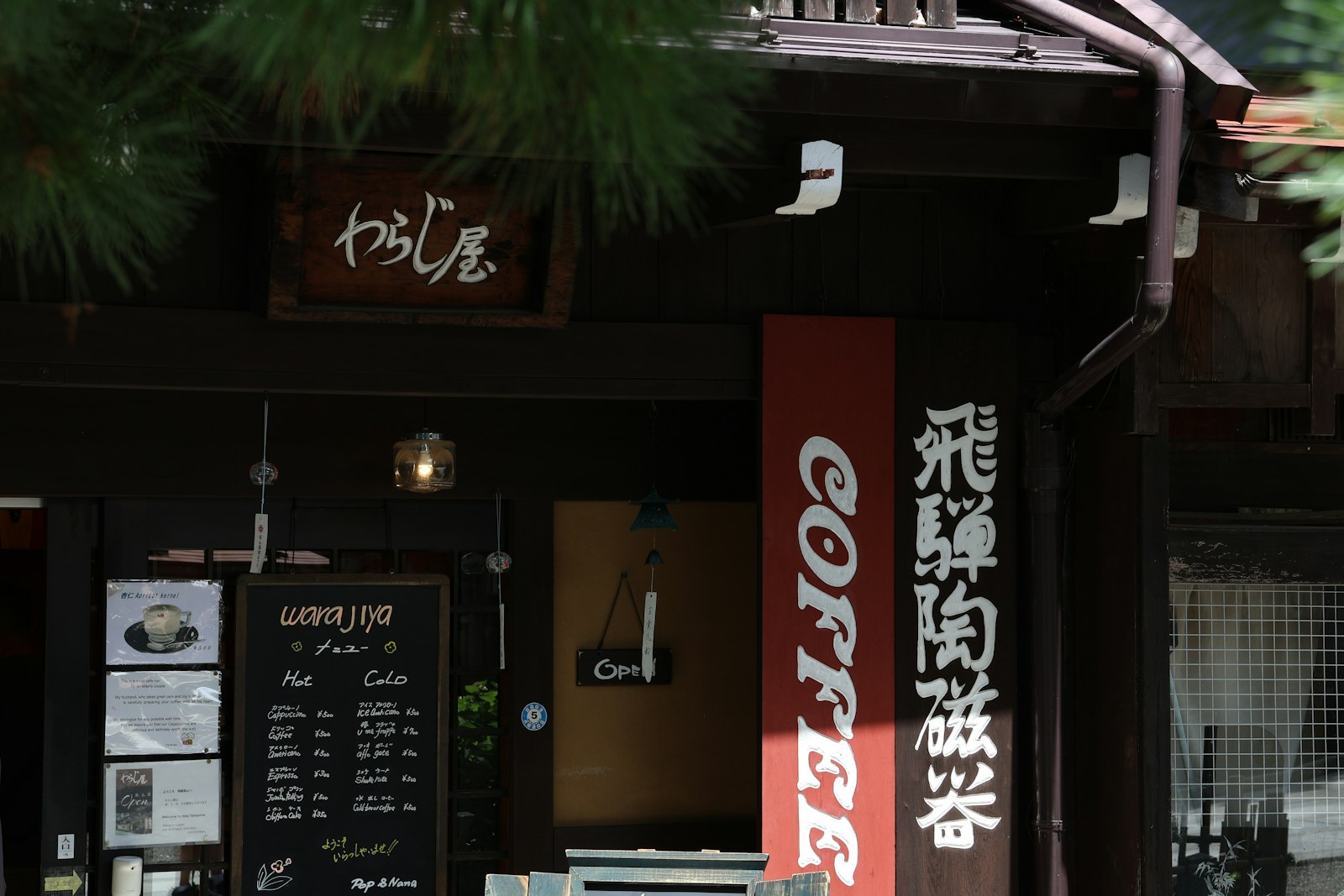
Okinawa has a disproportionately good coffee-and-toast culture, much of it hidden in converted houses around Yomitan and the central hills. These are places with sea views, slow service by design, and owners who roast their own beans. After a morning of driving and swimming, an afternoon over a single carefully made coffee is the most Okinawan thing you can do.
Savoring Okinawa’s Gastronomy
Okinawan food is its own cuisine, shaped by the subtropics, by long life expectancy, and by the American military presence — a mix you find nowhere else in Japan. It is heartier and more unusual than mainland fare, and worth ordering wide.
Okinawa Soba and Rafute
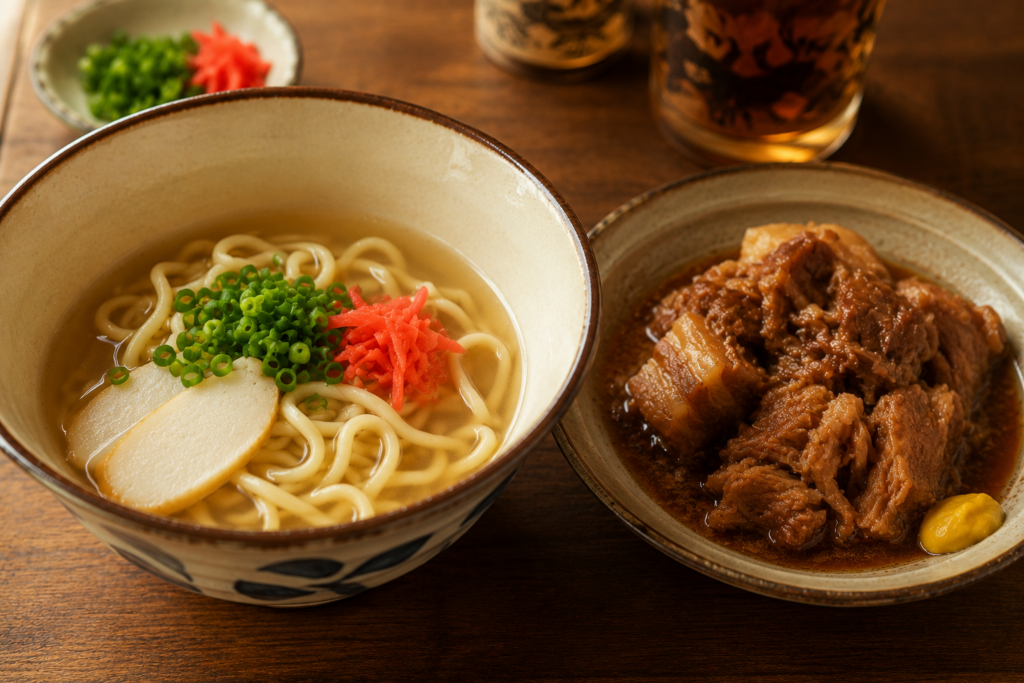
Okinawa soba is not buckwheat soba at all but a thick wheat noodle in a clear pork-and-bonito broth, topped with tender stewed pork belly. That pork, braised slowly in awamori and soy until it melts, is rafute, and it appears across the island’s menus. Order a bowl of soba with rafute on top and you have the definitive Okinawan comfort meal.
Champuru and Taco Rice
Goya champuru — bitter melon stir-fried with tofu, egg, and pork — is the island’s signature home dish, bracingly bitter and genuinely good once you adjust. At the other end sits taco rice, seasoned taco beef, cheese, lettuce, and salsa piled over white rice, a delicious hybrid born from the American bases. Eating both in one trip tells you most of what you need to know about Okinawa’s dual character.
Island Snacks and Awamori
For lighter bites, look for crisp Okinawa-style tempura sold from small shops as a snack, and sweets made from beni-imo, the vivid purple sweet potato that colours everything from tarts to ice cream. In the evening, the drink is awamori — a potent local spirit distilled from long-grain rice, best tried on the rocks or, for the brave, aged. A cold Orion beer is the easier introduction.
Expert Tip
Okinawa’s peak is summer, but that overlaps with typhoon season from roughly August into September, when a storm can shut down ferries, diving, and flights for days. For clear water and stable weather without the worst typhoon risk, aim for late April to June, or October. Whenever you go, book the Kerama ferries and any diving a day or two ahead in high season — the small boats fill quickly.
Related Tours
Planning Your Okinawan Getaway: Frequently Asked Questions (Q&A)
Do I really need to rent a car to explore Okinawa? For the main island, effectively yes. The best beaches, capes, and the drive north are poorly served by buses, and a car turns a frustrating trip into an easy one. The exceptions are if you are staying entirely in Naha or basing yourself on a small island like Zamami, where you can walk, cycle, or use local transport. For anyone planning to see the northern coast and Churaumi, rent the car.
What should I bring to more secluded beaches? Treat the remote coves as genuinely undeveloped — many have no shops, no rental gear, and no lifeguards. Bring your own water, sun protection, reef-safe sunscreen, water shoes for rocky entries, and your own snorkel gear if you have it. Check conditions before swimming at unstaffed beaches, and be cautious of currents on the wilder, reef-fringed northern shores.
When is the best time to visit for clear snorkelling weather? Late spring and October are the sweet spots. May to June offers warm, clear water before the heavy typhoon window, and October brings stable weather as the storm season fades. Deep summer has the warmest sea but the highest typhoon risk, and winter, while mild, brings rougher water and cooler days better suited to sightseeing than swimming.
Conclusion
Okinawa asks for a different pace than the rest of Japan, and travellers who fight it — trying to cram the islands into a tight, mainland-style schedule — tend to leave disappointed. Slow down. Drive the coast, spend a full day on Zamami, eat the strange and wonderful food, and let an afternoon dissolve over coffee with the sea in view.
Plan Your Japan Trip with Local Experts
Our team has guided 40,000+ travelers across Japan. Tell us about your trip and we’ll get back to you within 24 hours.