In this article:
- What Kyoto Winter Actually Feels Like
- The Winter Calendar, Month by Month
- Where Winter Changes the View
- Eating and Warming Up
- Kyoto Winter: Frequently Asked Questions
Introduction
Kyoto winter has a reputation problem. Most travelers picture the city under cherry blossom or maple, and assume the months between December and February are what is left over. They are not. The light is low and sharp, the air smells of charcoal and roasted tea near the older shops, and the queues that define Kyoto in April and November mostly disappear.
The trade-off is real. It is cold, the days are short, and a handful of days around New Year change the city completely. Still, for the kind of traveler who wants temples rather than crowds, winter is the season we recommend most often and most confidently.
What follows is how the season actually works on the ground: the weather, the calendar, where snow matters, and how to spend the hours when your fingers have stopped working.
What Kyoto Winter Actually Feels Like
Cold and dry is the short answer. Kyoto sits in a basin ringed by mountains, which traps cold air overnight and makes mornings feel harsher than the numbers suggest.
Temperatures and Clear Skies
January is the coldest month, with average highs around 9°C (48°F) and lows around 1°C (34°F). December runs a couple of degrees warmer, and February sits close to January. Frost on the gravel of temple gardens is normal at eight in the morning.
The compensation is the sky. Winter is Kyoto’s driest stretch, and clear, bright days far outnumber grey ones. In practice you get cold, sunny mornings that warm into pleasant afternoons, then a quick drop once the sun goes behind the western hills at around five.
Snow: How Often It Falls and How Fast It Melts
It does snow in Kyoto, usually a few times over January and February. However, snow that settles in the city centre is uncommon, and when it does settle it rarely lasts past midday.
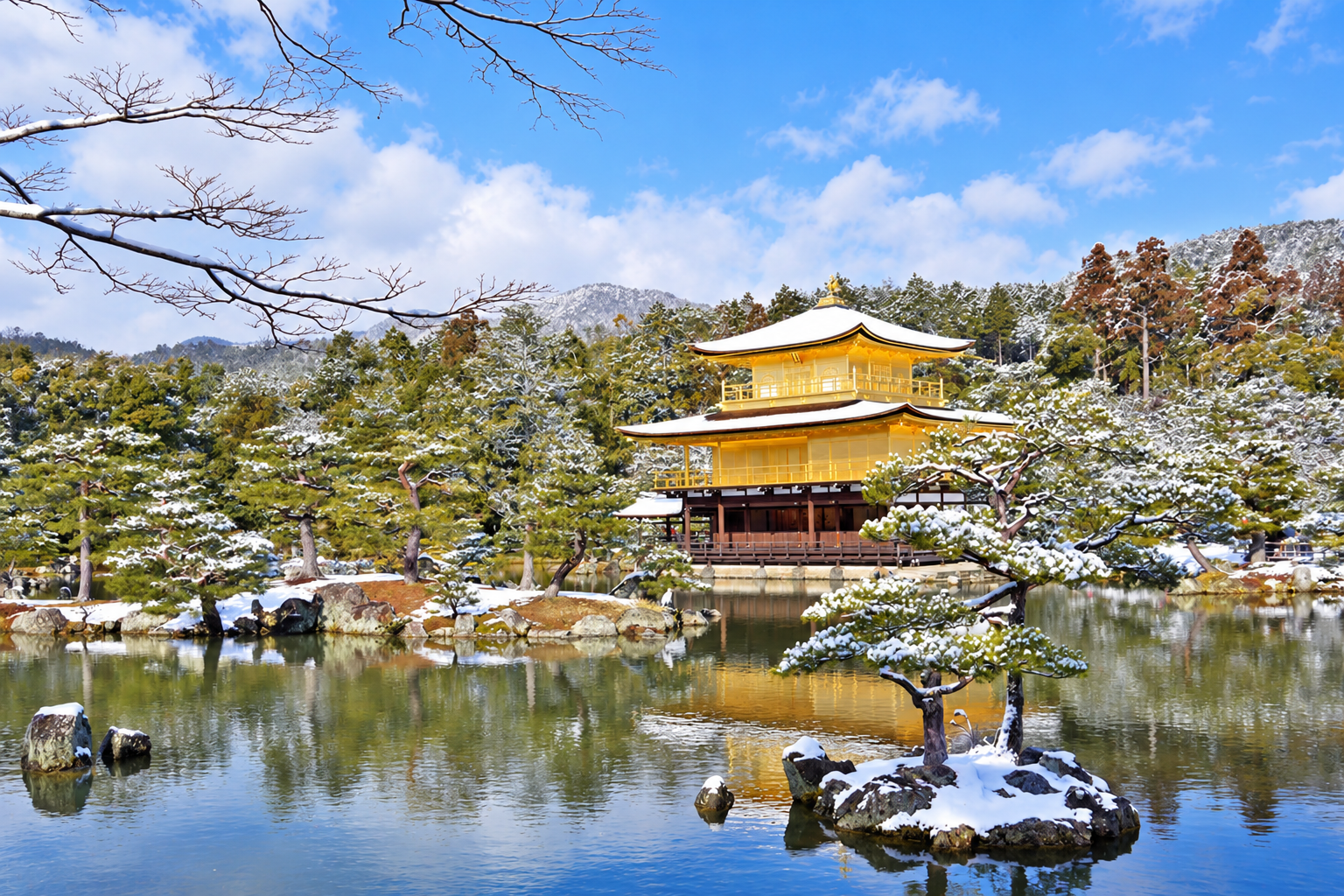
That matters for planning. A snowy Kinkaku-ji is one of the most photographed images in Japan, and it exists for a few hours on a few mornings each winter. You cannot book it. You can only be ready to move early when it happens.
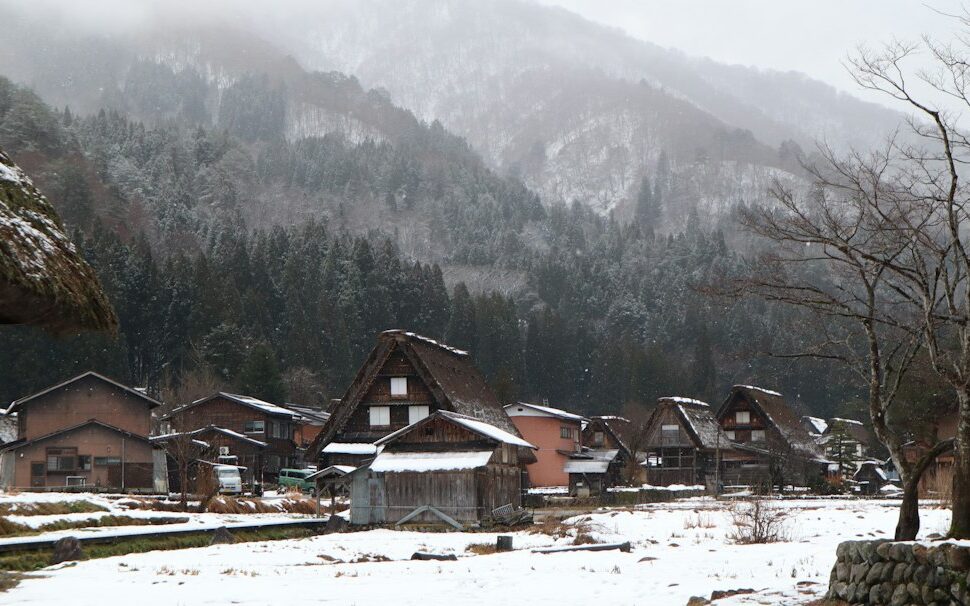
The hills are different. Kibune, Kurama, and Ohara to the north sit higher and colder, and snow there is both more frequent and slower to melt.
Dressing for Temple Floors, Not Just the Street
The coldest part of a Kyoto winter day is not outside. It is standing in your socks on the wooden floor of an unheated temple hall, which is where you will spend a good share of your time.
Most temple buildings require you to remove your shoes, and very few are heated. Thick wool socks do more for your comfort than any coat. Shoes that slip on and off quickly help too, since you may take them off five or six times in a day.
Layers work better than one heavy jacket. Trains, shops, and restaurants are heated, often generously, and you will want to shed something every time you step inside.
Expert Tip
Carry a few disposable heat packs, sold as kairo at every convenience store and drugstore for a small sum. Put one in a coat pocket and slip another into your shoe or sock on mornings you plan to spend inside temple halls. It is what Kyoto residents do, and it makes an hour on a cold floor comfortable rather than something to endure.
The Winter Calendar, Month by Month
Winter in Kyoto is not one season but three distinct stretches, and they reward different kinds of trip.
December: Year-End Quiet and the Arashiyama Lanterns
Early December often still has the last of the autumn colour in sheltered gardens. By mid-month the leaves are gone and the crowds with them. This is, for our money, the quietest the famous districts get all year outside the New Year days.
Arashiyama Hanatouro lights the paths of Arashiyama with lanterns for around ten days in December, including the bamboo grove. The exact dates change each year, so check before you build a trip around it. Even so, it is the one December evening event we would rearrange a day for.
New Year: Hatsumode and the Closures
The days from about December 29 to January 3 are the one period in winter that needs careful planning. Many businesses close, including a good number of restaurants, shops, and some museums, and the ones that stay open often run shorter hours.
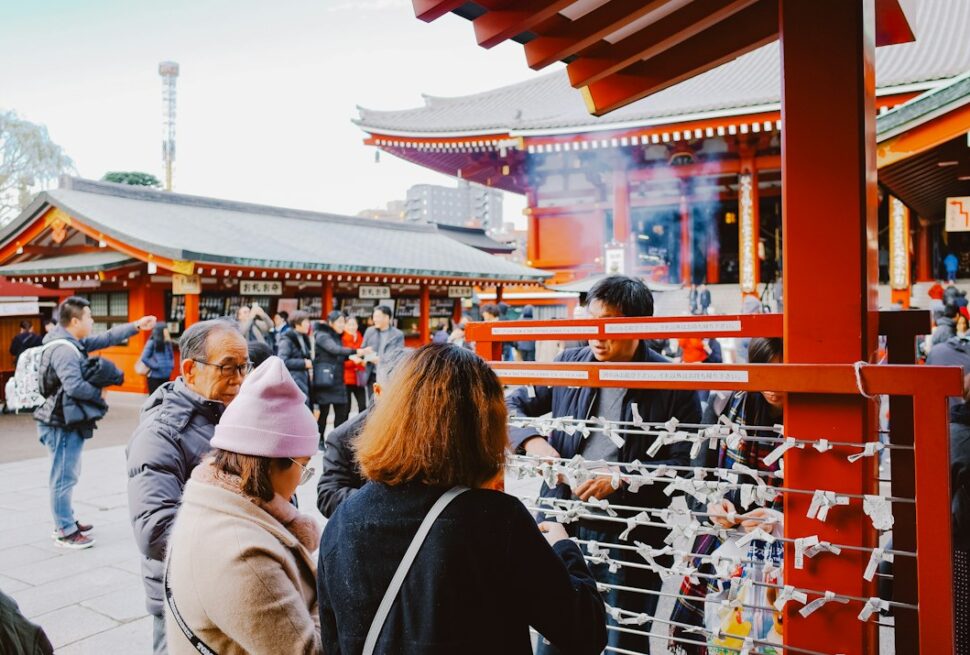
Temples and shrines do the opposite. Hatsumode, the first shrine or temple visit of the year, draws enormous crowds on January 1 to 3. Fushimi Inari Taisha is among the busiest shrines in the country at this time, with visitor numbers in the millions over the first days of the year.
Our view is straightforward. If you want to see Japanese New Year as it is actually lived, Kyoto is a fine place for it, provided you book restaurants well ahead and accept the crowds at the major shrines. If you want quiet temples, arrive after January 4.
January: Toshiya and the Winter Special Openings
Once New Year passes, January becomes the emptiest month of the Kyoto year. Hotel rates fall and the gardens are yours at hours that would be impossible in spring.
The Toshiya archery event at Sanjusangen-do takes place on a Sunday in mid-January. Young people in formal kimono, many of them celebrating coming of age, shoot at targets along the outer length of the temple’s long hall. It is free to watch and one of the more striking scenes of the Kyoto year.
January is also when the Kyoto Winter Special Openings begin. Each winter the city opens a set of temple halls, gardens, and buildings that are normally closed to the public. In 2026 the program ran from January 9 to March 18 and included Kodai-ji, Ninna-ji, Nishi Hongwan-ji, To-ji, and the Sanbo-in at Daigo-ji. On-site explanations are in Japanese, with English in printed or digital form, which is one place a guide changes the experience considerably.
February: Setsubun and the First Plums
Setsubun, the festival marking the turn toward spring, falls in early February. Yoshida Shrine near Kyoto University holds one of the largest in Japan, with demons driven out at an evening ceremony on February 2, hundreds of food stalls, and a large bonfire. It is loud, crowded, and cheerful, a useful counterweight to a week of silent gardens.
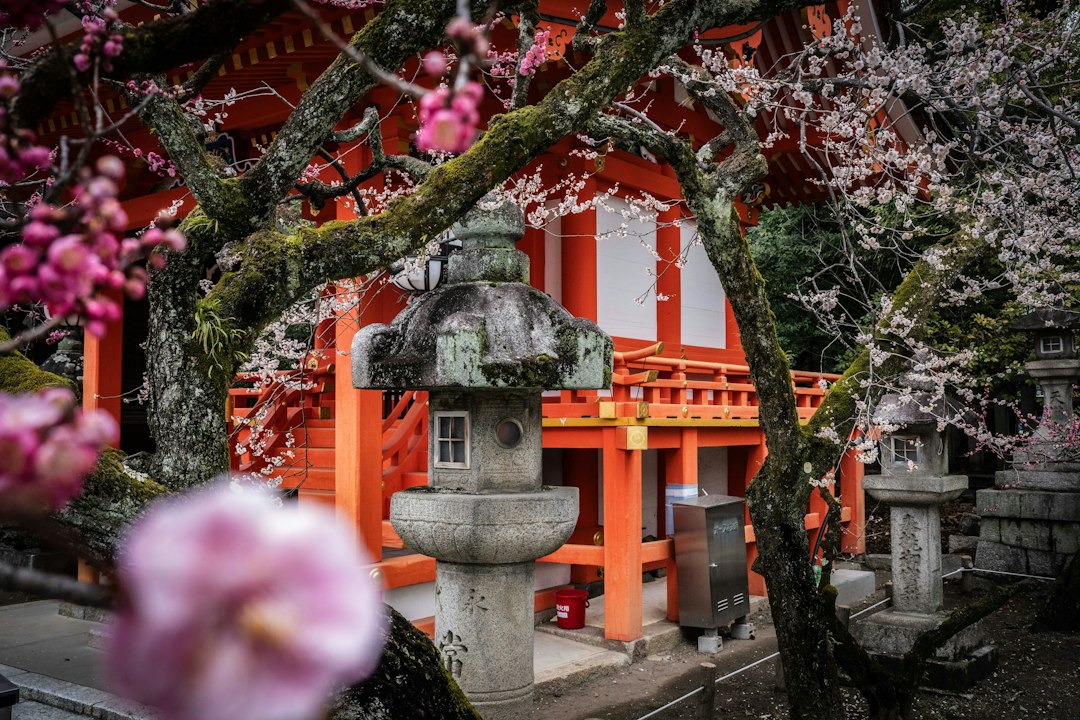
Later in the month, Kitano Tenmangu’s plum garden opens as the blossoms come in. Plum blossom is quieter than cherry blossom in every sense: fewer people, a sharper scent, and flowers that open while it is still properly cold. The shrine holds its Baikasai, an outdoor tea gathering under the plums, on February 25.
Where Winter Changes the View
Some places in Kyoto look much the same in any season. Others become entirely different in winter, and those are where we spend the short daylight.
Kinkaku-ji Under Snow: Why the First Hour Matters
When snow falls overnight, the golden pavilion turns into the image on half the postcards in Kyoto, and everyone in the city with a camera knows it. The viewing path by the pond is narrow. By mid-morning the rail is crowded and the snow on the roof is sliding off in the sun.
Our advice is to watch the forecast each evening and be at the gate close to opening if snow is expected. This is where a flexible day helps. On our private Kyoto tours the route is agreed with the traveler rather than fixed, so on a snowy morning Kinkaku-ji can move to the top of the day and everything else shifts around it.
Gion and Higashiyama Before Sunrise
Winter has one advantage that is easy to overlook: sunrise comes late, a little after seven in January. That means first light in Gion Shirakawa arrives at an hour when getting out of bed is reasonable rather than heroic.
The canal, the willows, and the wooden teahouses along the stones are empty at that hour, and the cold keeps them empty for longer than in summer. Our early morning walking tour is built on exactly this: it starts in central Kyoto, walks Gion Shirakawa and Yasaka Shrine while they are still quiet, then continues by train to Kinkaku-ji ahead of the coach parties, all in around two hours. In winter the light on that route is low, gold, and long. We wrote more about why the early hours work in our piece on seeing Kyoto at 6am.
Nothing serves breakfast at that hour. Eat something before you leave, and bring gloves.
Kibune and Kurama: Mountain Snow an Hour North
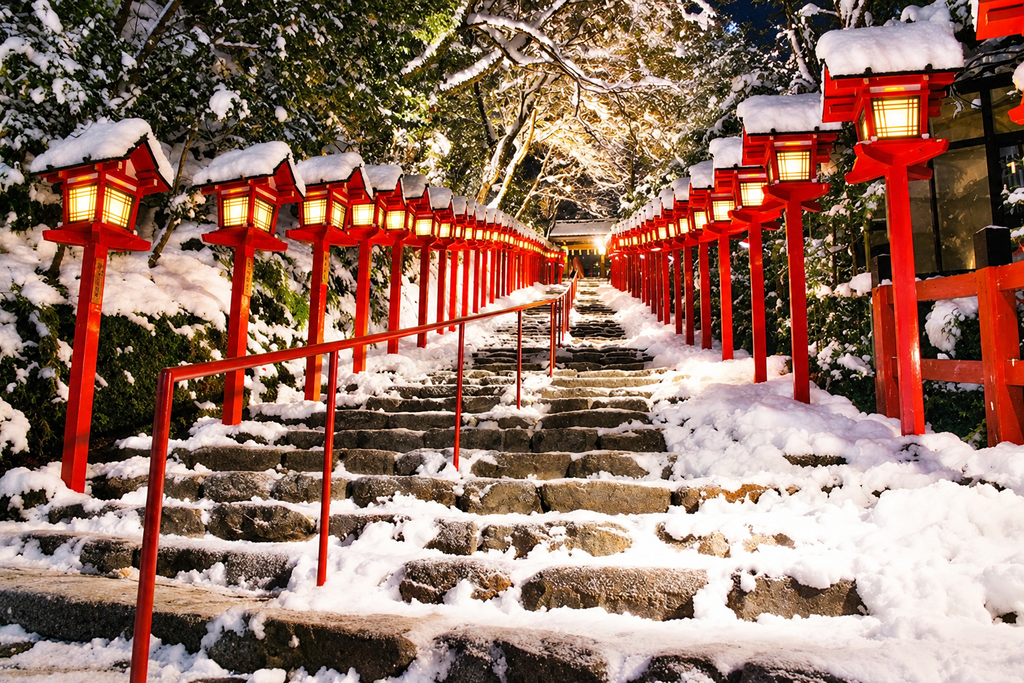
If you want snow with more certainty, go north. The Eizan Railway runs from Demachiyanagi up into the hills, and Kibune Shrine’s stone steps, lined with red lanterns, are the snow scene we would travel for when conditions cooperate.
The walk between Kibune and Kurama crosses a wooded ridge. In winter, parts of the trail can be icy, and we would skip it after heavy snow unless you have proper footwear. Kurama Onsen, a hot spring at the foot of Mount Kurama, makes a natural end to the day, though you should check its opening days before going.
Expert Tip
Winter daylight is the real constraint, not the cold. Most Winter Special Openings sites close to visitors at 4:30pm with last entry at 4pm, and many gardens shut around the same time. Put the outdoor and snow-dependent places in the morning, the special openings in the early afternoon, and keep the evening for food and a hot bath.
Eating and Warming Up
Winter is when Kyoto’s cooking makes the most sense. Much of the city’s food tradition was built around cold, damp winters in wooden houses, and it shows.
Yudofu, Nabe, and Winter Vegetables
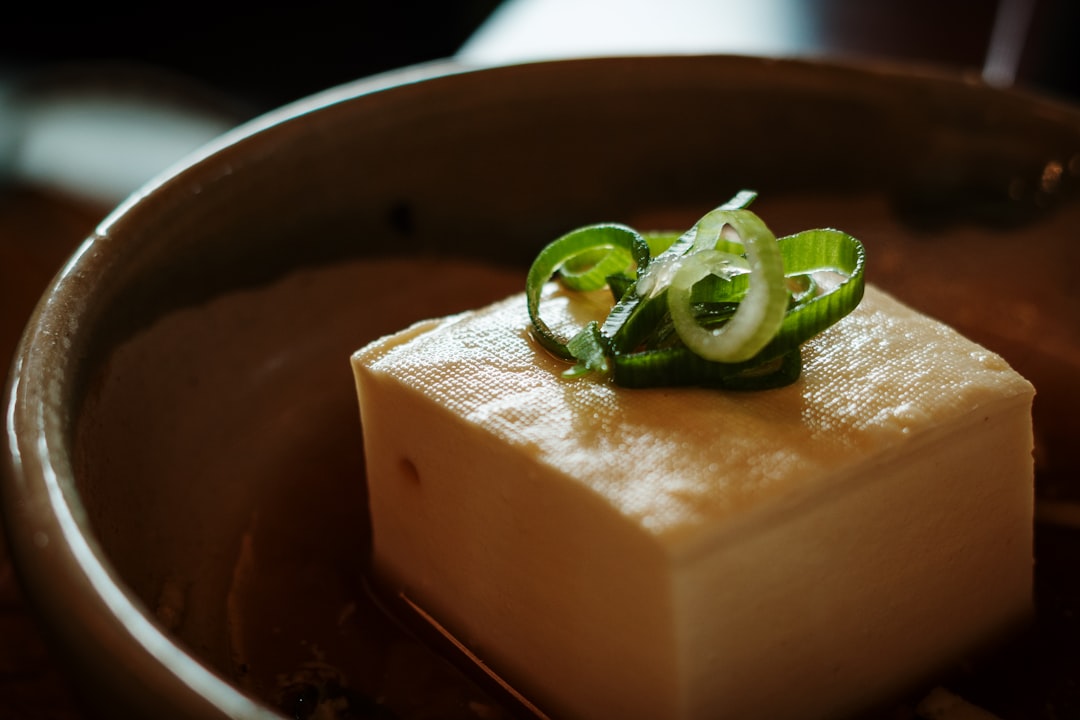
Yudofu is tofu simmered gently in a pot of kombu broth, lifted out and dipped in a soy-based sauce. It sounds austere and is. On a January afternoon after two hours in unheated temples, it is also exactly right. The area around Nanzen-ji is the traditional place to eat it, and several long-established restaurants there serve it in garden settings.
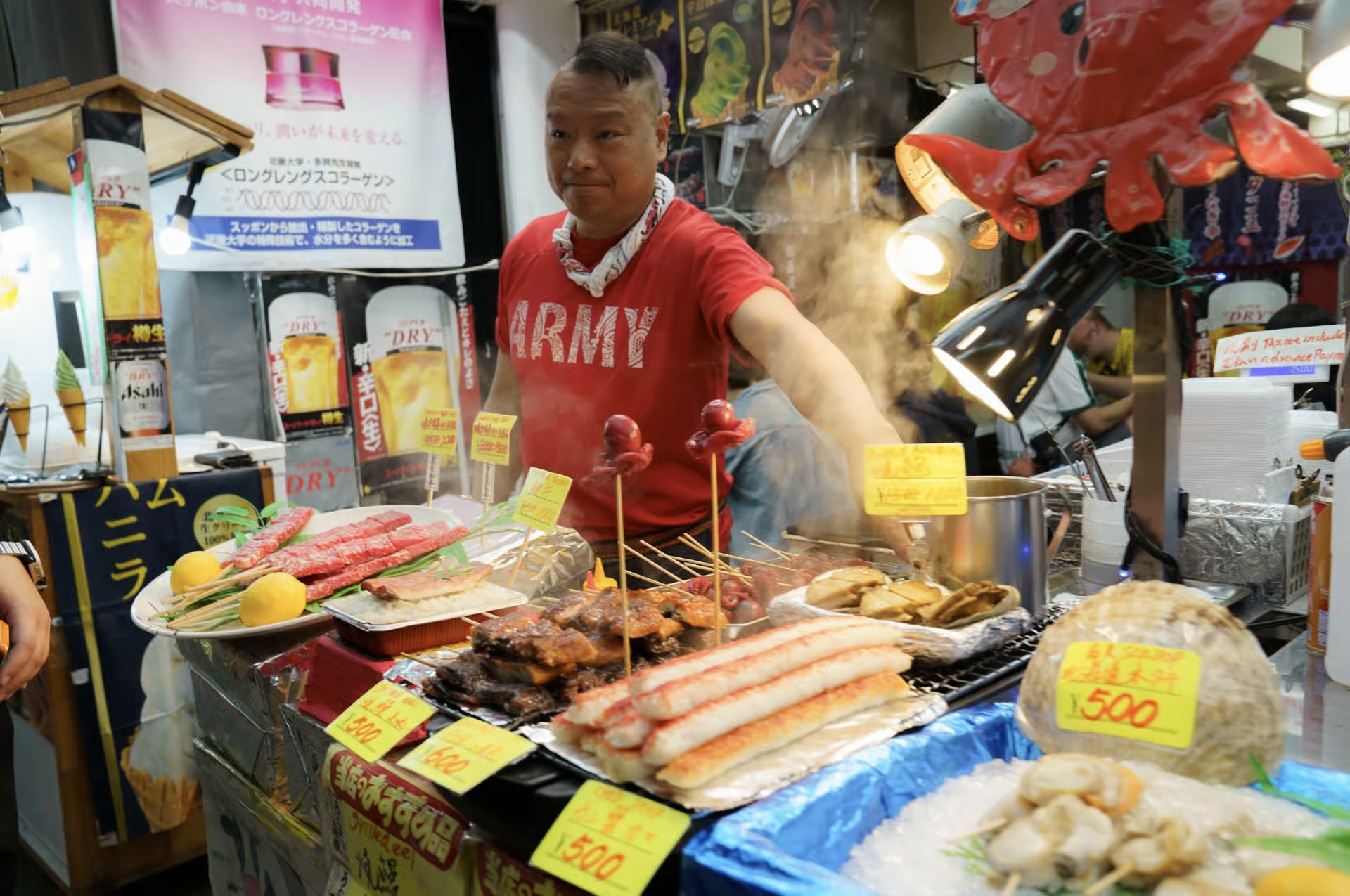
Nabe hot pots of every kind appear on menus from December onward. Kyoto’s local vegetables are at their best in the cold months too, and the pickles made from them are sold in the old shops along Nishiki Market. If you are staying near the centre, our guide on where to stay in Kyoto covers which neighborhoods put you within walking distance of the market and the older restaurants around it.
Fushimi in Brewing Season
Fushimi, in the south of the city, is one of Japan’s oldest sake-brewing districts, and winter is the brewing season. Freshly pressed sake appears around this time, and the brewery shops and tasting rooms along the canal are at their most interesting.
Fushimi Inari Taisha is in the same part of town. Outside the New Year days, a cold weekday morning at the shrine followed by a late lunch and a tasting in Fushimi is one of our favorite winter half-days in Kyoto.
Hot Springs and Bathhouses Within the City
Kyoto is not an onsen town, but it is not without options. Several neighborhood sento, the public bathhouses that residents still use, remain open across the city, and a hot bath at the end of a cold day changes how the whole trip feels.
If a proper hot spring is a priority, we would rather you spend a night at a ryokan outside the city than chase one inside it. For a wider view of the season across the country, see our guide to visiting Japan in January.
Kyoto Winter: Frequently Asked Questions
Does it snow in Kyoto in winter?
Yes, usually a few times over January and February, but snow that settles in the city centre is uncommon and tends to melt by midday. The hills to the north, around Kibune, Kurama, and Ohara, see snow more often and keep it longer. If snow is a priority, stay flexible and be ready to go out early on the morning it falls.
Is Kyoto worth visiting over New Year?
It depends on what you want. From about December 29 to January 3 many restaurants and shops close, and the major shrines are packed for hatsumode. If you want to see how Japan marks the new year, it is a memorable time to be here. If you want quiet temples and a full choice of restaurants, arrive from January 4 onward.
What should I wear in Kyoto in January?
Warm layers you can remove indoors, a windproof coat, gloves, and above all thick socks. Mornings are often near freezing, and you will spend time standing in your socks on unheated temple floors. Shoes that come off easily save a lot of fumbling at temple entrances.
Related Tours

Conclusion
Plan the mornings and leave the afternoons loose. Kyoto winter gives you clear, cold, quiet mornings and short afternoons, and the travelers who enjoy it most are the ones who spend the early hours at the places that change with the season and save the museums, the tea houses, and the hot pots for later in the day.
If your dates are flexible, aim for mid-January to mid-February, after the New Year rush and before the plum crowds build. Pack wool socks, check the snow forecast each evening, and be willing to get up in the dark once. That one early morning tends to be the one people remember.
Plan Your Japan Trip with Local Experts
Our team has guided 40,000+ travelers across Japan. Tell us about your trip and we’ll get back to you within 24 hours.