In this article:
- Kyoto, Where Beauty Depends on the Hour
- Takayama, Shirakawa-go, and the Northern Alps
- Mount Fuji, Miyajima, and the Southern Coasts
- Gardens, Seasons, and the Question of When
- Beautiful Places in Japan: Frequently Asked Questions
Introduction
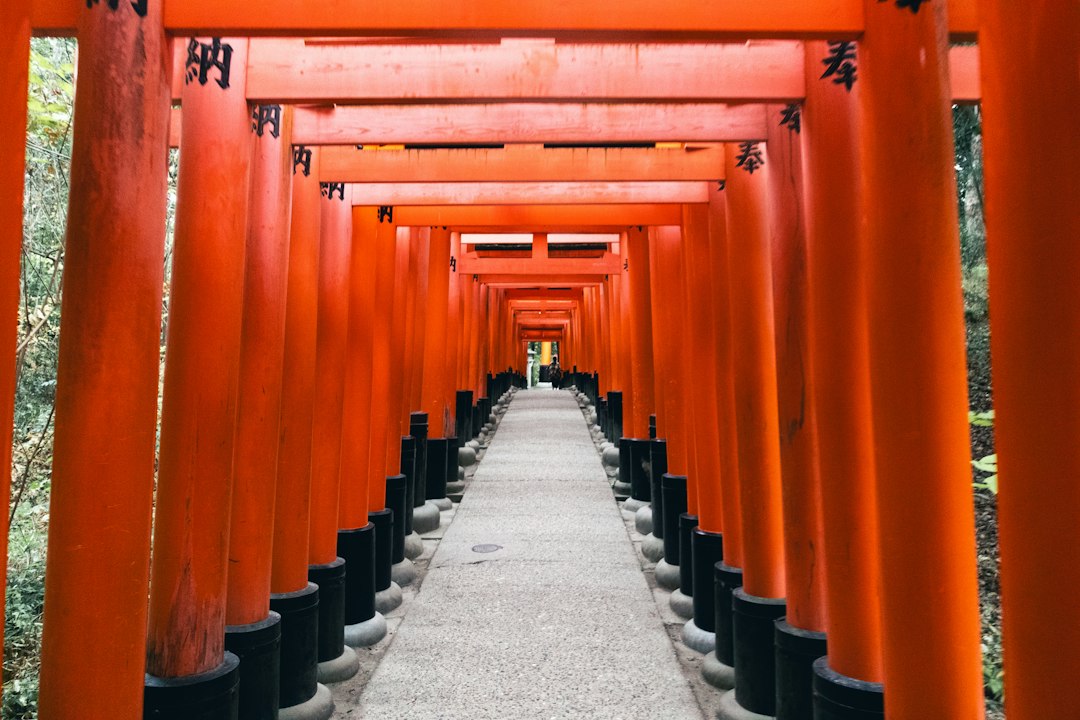
The most beautiful places in Japan are rarely beautiful all day. At seven in the morning the torii tunnel at Fushimi Inari is dim, cool, and nearly silent. By eleven it is a slow-moving queue of selfie sticks, and the same vermilion gates feel like a corridor in a shopping mall.
That gap between the photograph and the experience is what this guide is about. We work with travelers who have usually seen the famous images already. What they want to know is which places still deliver in person, and how to be there at the right moment.
So this is not a list of twenty. It is a shorter selection, grouped by region, with the timing and logistics that make each place worth the journey. Some are obvious. A few are further out than most itineraries reach.
Kyoto, Where Beauty Depends on the Hour
Kyoto holds more of Japan’s classic scenery than anywhere else, and it is also where timing matters most. The major sites are compact, the streets are narrow, and visitor numbers are high. Arrive at the wrong hour and you will see the backs of heads.
Our rule is simple. See the big names early, and spend the middle of the day somewhere quieter.
Fushimi Inari Before the Tour Groups
Fushimi Inari Taisha is open around the clock and charges nothing to enter, which makes it the easiest place in Kyoto to visit before the crowds. It sits directly outside JR Inari Station, a few minutes from Kyoto Station on the Nara Line.
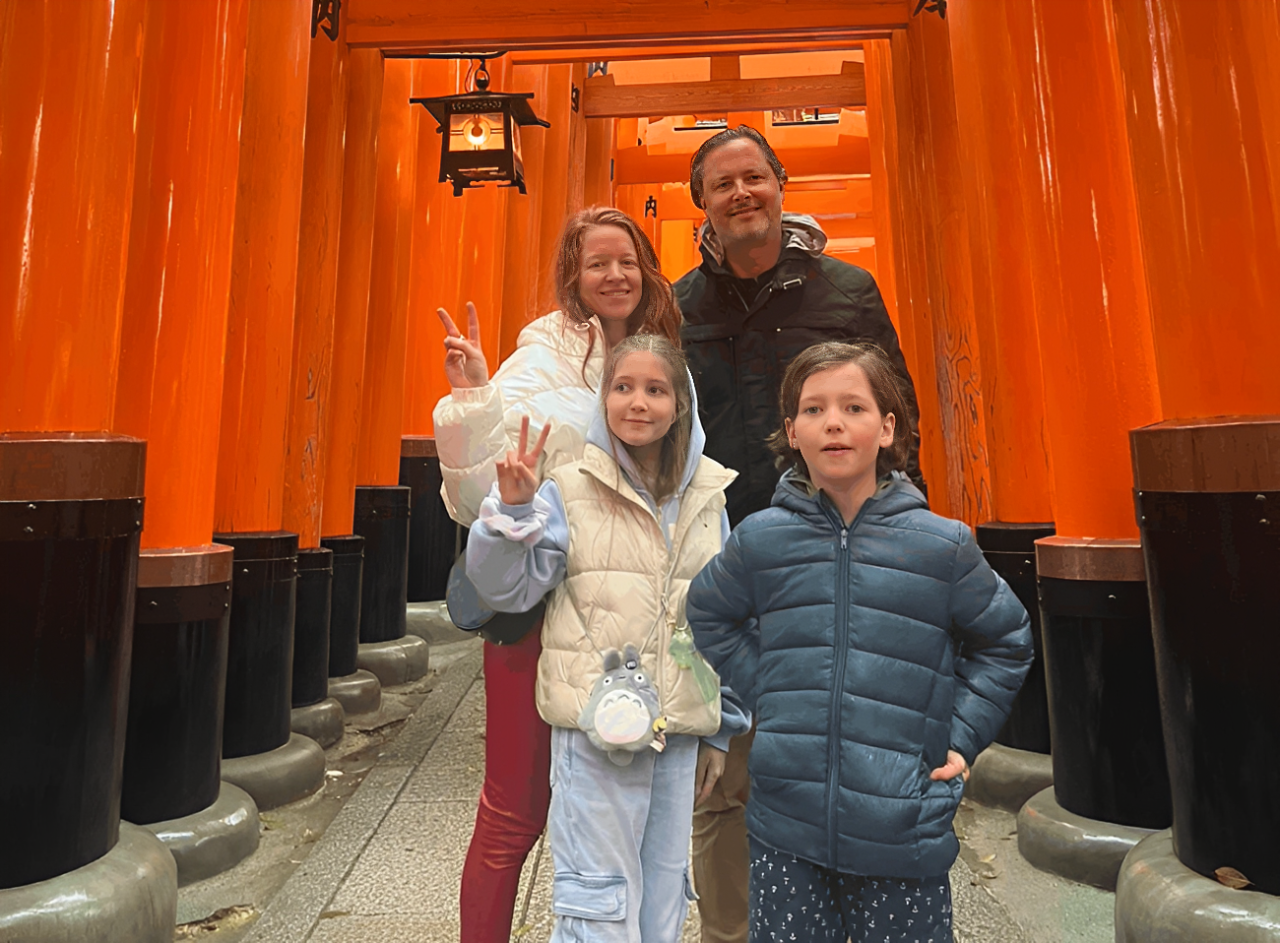
The thousands of torii gates climb the slope of Mount Inari in dense tunnels. Most visitors walk the first stretch, take their photograph, and turn around. However, the path continues uphill for a long way, and the higher you go the thinner the crowd becomes. By the Yotsutsuji intersection you get a view over southern Kyoto and a fraction of the people.
Go at dawn if you can. Late evening works too, since the lower paths are lit, although the upper trail is dark and uneven.
Arashiyama and the Bamboo Grove
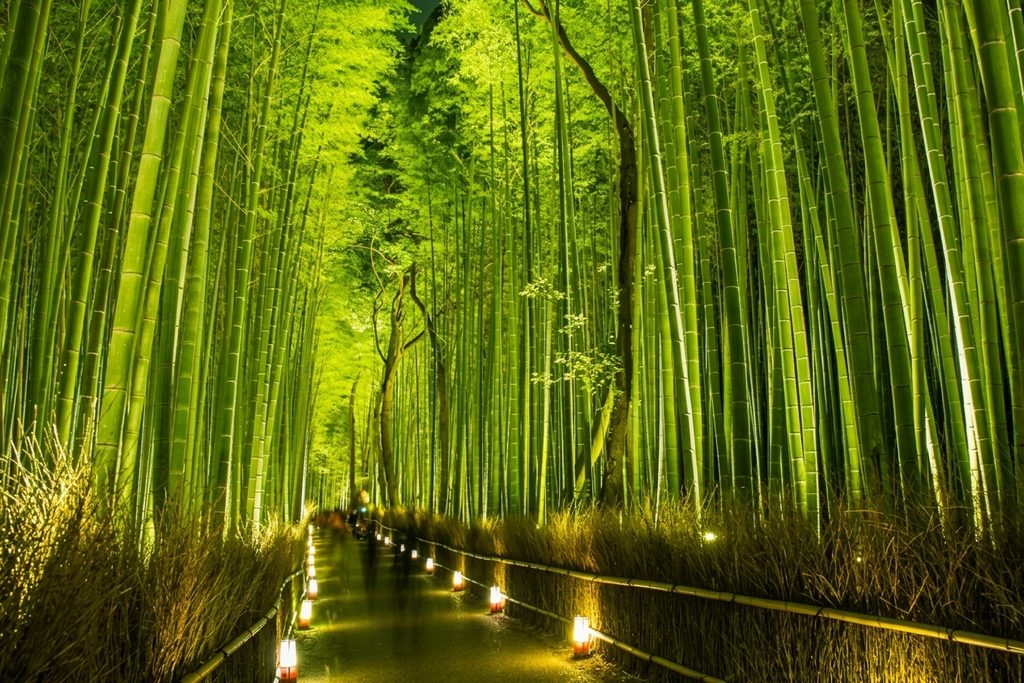
The bamboo grove in western Kyoto is one of the most photographed paths in the country, and one of the shortest. The walk takes only a few minutes, and the light filtering through the stalks is at its best early, before the path fills. We have written separately about how to beat the crowds in the Arashiyama bamboo grove.
What most visitors miss is the rest of the district. The garden at Tenryu-ji, the river views from the Togetsukyo Bridge, and the quieter temples further north toward Sagano make Arashiyama a half-day destination rather than a photo stop. The grove itself is the least interesting part of the morning.
Higashiyama’s Lanes and Kiyomizu-dera
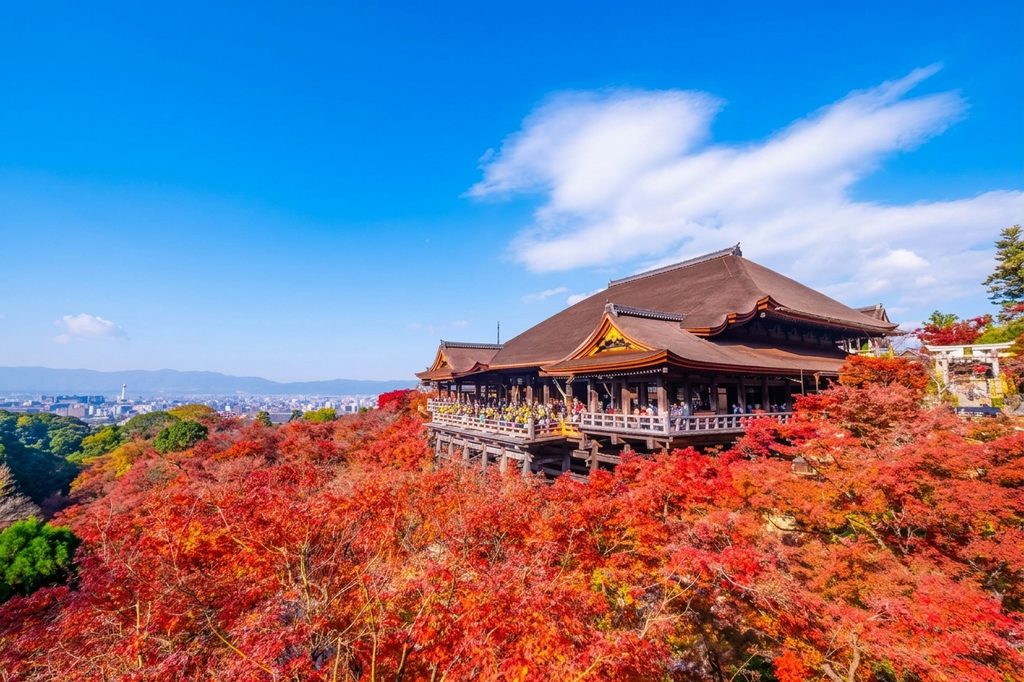
Kiyomizu-dera’s wooden stage, projecting over the hillside, is the image most people associate with Kyoto. The approach matters as much as the temple. The stone-paved lanes of Ninenzaka and Sannenzaka, lined with wooden townhouses, lead down past the Yasaka pagoda toward Gion.
In practice these streets are at their best before ten or late in the afternoon. Between those hours they are among the most crowded in Japan. On our private Kyoto days, guides usually build the route backward from this fact, putting Higashiyama at the start or end of the day and filling the middle with gardens most visitors never hear of.
Expert Tip
If you only have one early start in Kyoto, spend it on Fushimi Inari rather than Arashiyama. The shrine is open all night, so there is no gate time to wait for, and walking beyond the first tunnels thins the crowd far more reliably than any timing trick at the bamboo grove.
Takayama, Shirakawa-go, and the Northern Alps
For travelers who have already seen Kyoto, the Hida region in the mountains of Gifu is where we most often suggest going next. The scenery is different in kind: dark timber towns, steep thatched roofs, and the Northern Alps behind them.
It is also a region that repays staying overnight. Day-trippers see the towns at their busiest. Those who stay see them at their emptiest.
Takayama’s Merchant Streets
Takayama was hard to reach for most of its history, which is why its Edo-period merchant quarter is still standing. Today the Limited Express Hida runs from Nagoya in about two and a half hours, through river gorges that are worth a window seat on their own.
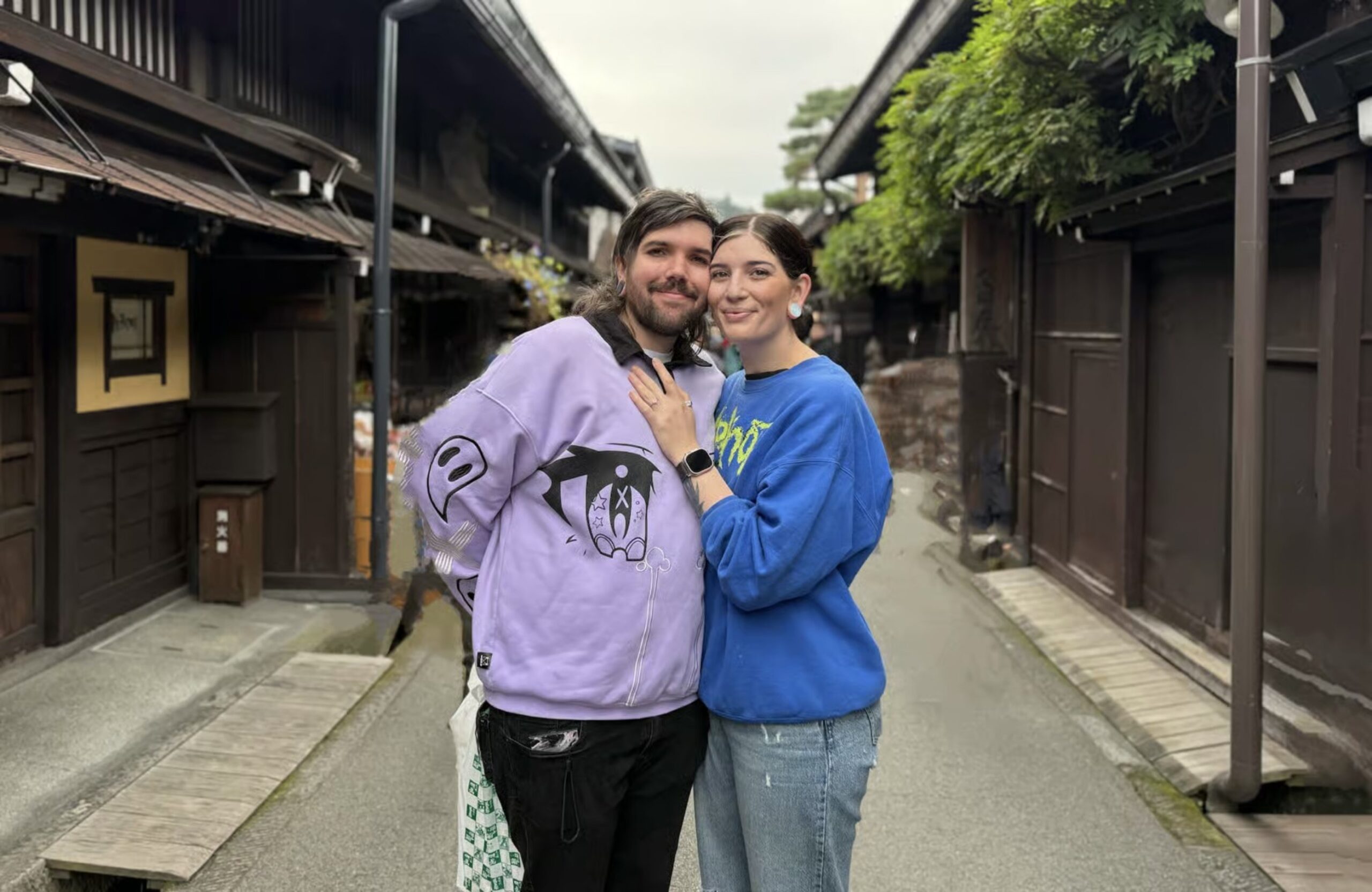
The Sanmachi Suji streets are lined with dark wooden merchant houses, many still trading as sake breweries, miso makers, and craft shops. A ball of cedar hanging outside a brewery means the new season’s sake is ready. Nearby, Takayama Jinya is the only surviving building of its kind: a local government office from the period of direct shogunal rule, with its rooms and rice storehouse intact.
Start the day at the Miyagawa morning market, which opens at seven from April to November along the river. The light on the water, the vegetable stalls, and the first coffee of the day make a better introduction to the town than anything on the main streets. Our local guide in Takayama usually begins there for that reason. For more on the town itself, see our Takayama travel guide.
Shirakawa-go’s Thatched Farmhouses
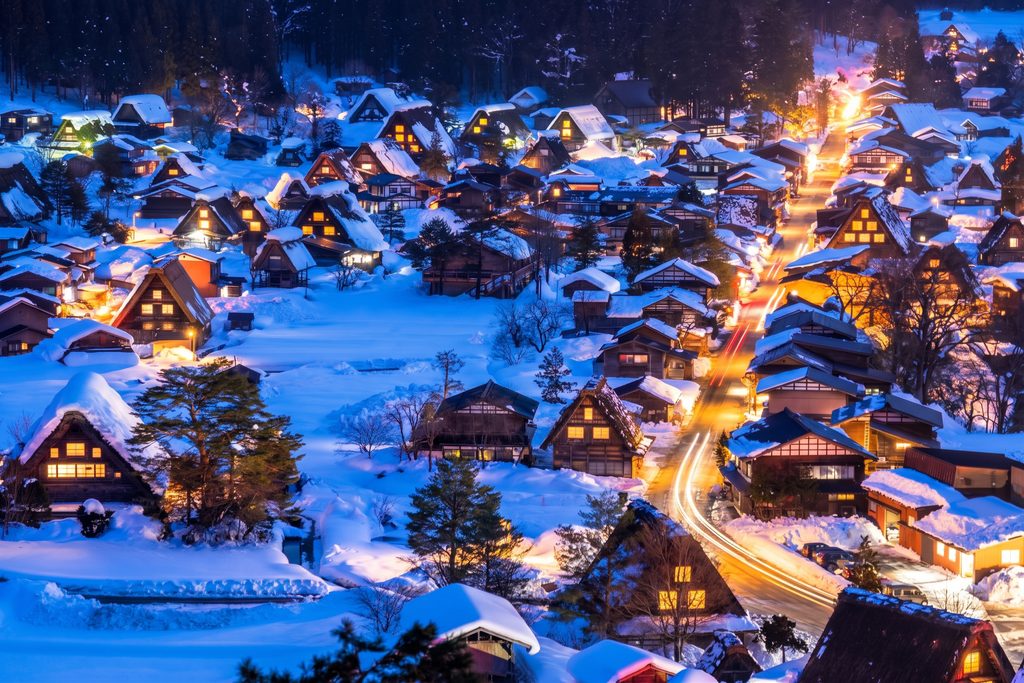
Shirakawa-go and neighbouring Gokayama were inscribed as a UNESCO World Heritage Site in 1995 for their gassho-zukuri farmhouses. The steep thatched roofs were built to shed heavy mountain snow, and in winter the village looks like a scene from another century.
It is around fifty minutes by bus from Takayama, and the direct buses require an advance reservation. That detail catches out a surprising number of travelers in peak season. We recommend booking the bus as soon as your dates are fixed, or staying a night in one of the village farmhouse inns, which lets you see the place after the day buses leave. Our guide to visiting Shirakawa-go covers the overnight option in detail.
Kamikochi
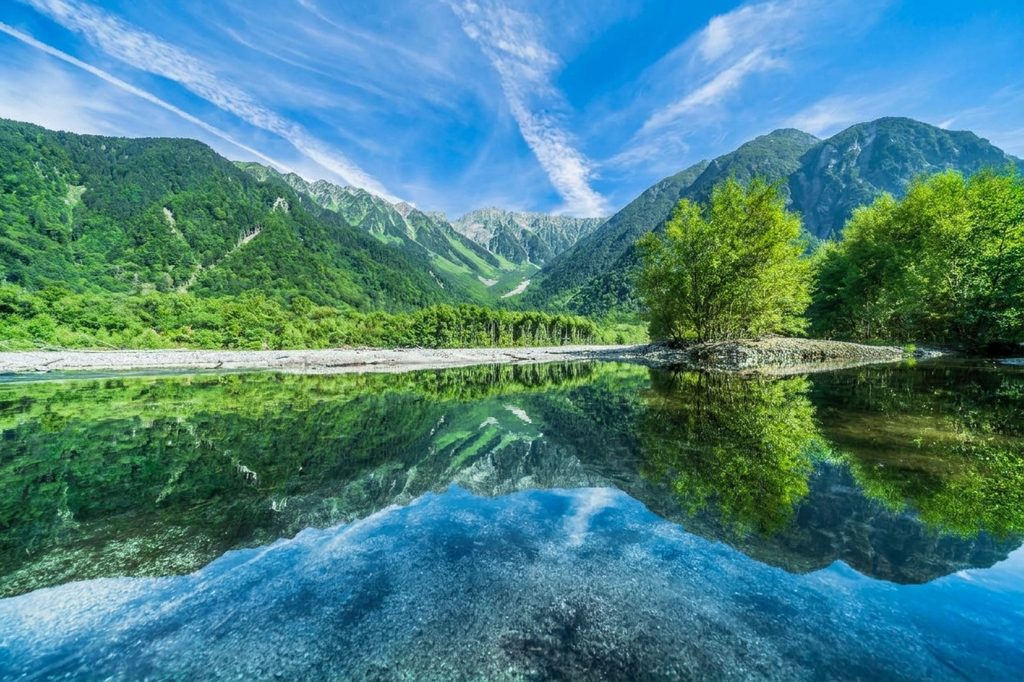
Kamikochi is a high valley in the Northern Alps, with a clear river running between granite peaks. It is open only from mid-April to mid-November and closed through the snow season.
Private cars are banned year-round. Everyone arrives by bus or taxi from parking areas below, which is a large part of why the valley still feels undisturbed. The flat riverside trail between Taisho Pond and Kappa Bridge suits any fitness level. That said, go on a weekday if you can.
Mount Fuji, Miyajima, and the Southern Coasts
Some of Japan’s most famous views depend on weather and tide rather than on the hour. These are the places where a flexible day in your itinerary pays for itself.
Chureito Pagoda and the Fuji Five Lakes
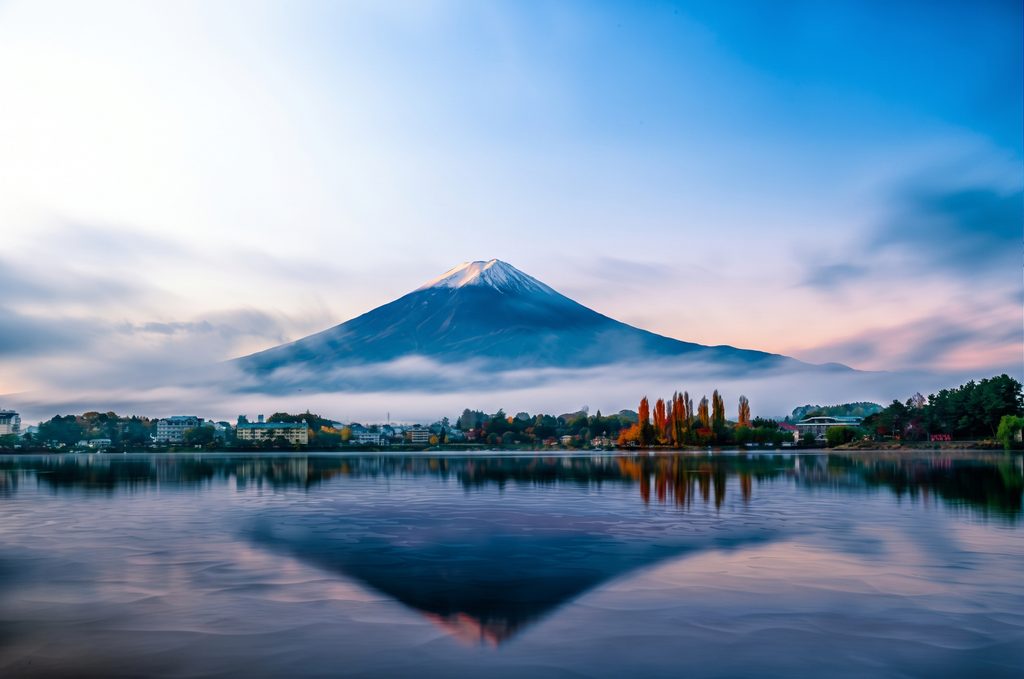
The five-storey Chureito Pagoda above Fujiyoshida, with Mount Fuji behind it, is the image on half the travel posters in Japan. Reaching the viewing deck takes 398 steps up through Arakurayama Sengen Park.
The honest caveat is that Fuji hides behind cloud on a large share of days, particularly in summer. Clear mornings in the colder months give the best odds. We suggest keeping the Fuji day movable, checking the forecast the evening before, and going early. By midday, haze and cloud often build even on a promising day.
Miyajima’s Floating Torii
Itsukushima Shrine on Miyajima is traditionally counted among the Three Views of Japan, and its great torii standing in the sea is the reason. At high tide the gate appears to float. At low tide you can walk out across the sand to its base.
The ferry from Miyajimaguchi takes about ten minutes, and a ¥100 visitor tax is collected on arrival, usually bundled into your ferry ticket. Check the tide table before you go. The two states look like different places, and seeing both requires staying for several hours or overnight.
Evening is when the island changes most. The day visitors leave, the lanes empty, and the great torii is lit against the dark water.
Takachiho Gorge
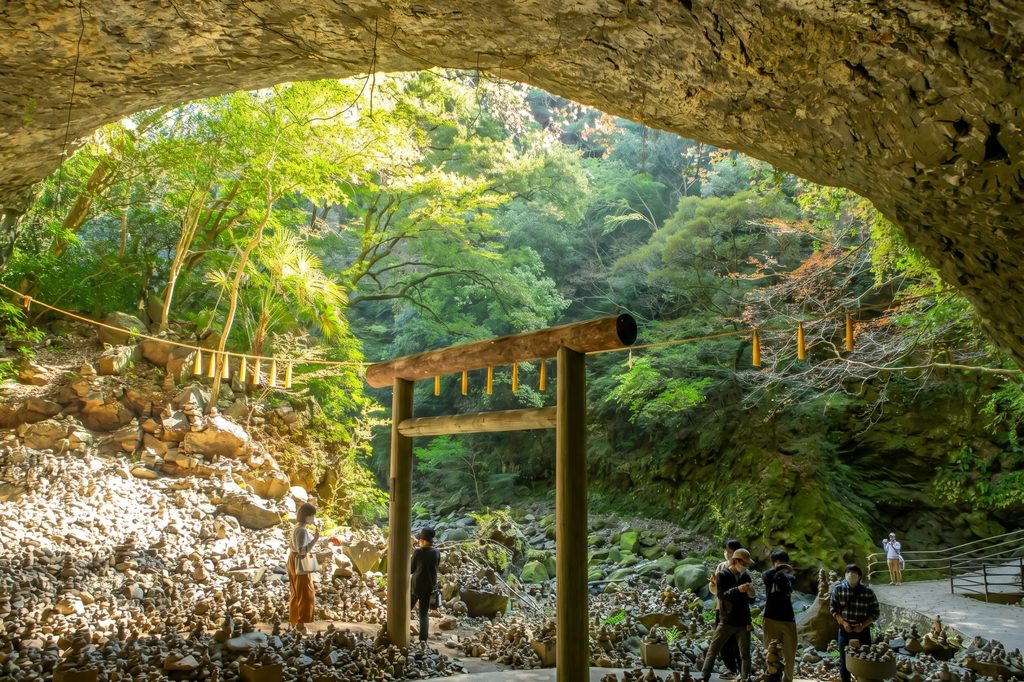
Further south in Miyazaki, Takachiho Gorge is a narrow chasm of volcanic basalt cut by the Gokase River. The 17-metre Manai Falls drops into it, and the classic view is from a rowboat on the water below.
Boats are limited and fill quickly, especially on weekends. Reserve through the official town tourism site rather than hoping to walk up. It is a long way from anywhere, so combine it with a wider Kyushu route rather than treating it as a detour.
Gardens, Seasons, and the Question of When
Choosing where to go is only half the decision. When you go changes what you see more in Japan than almost anywhere, because so much of the scenery is built around seasons.
Kenrokuen at Dawn
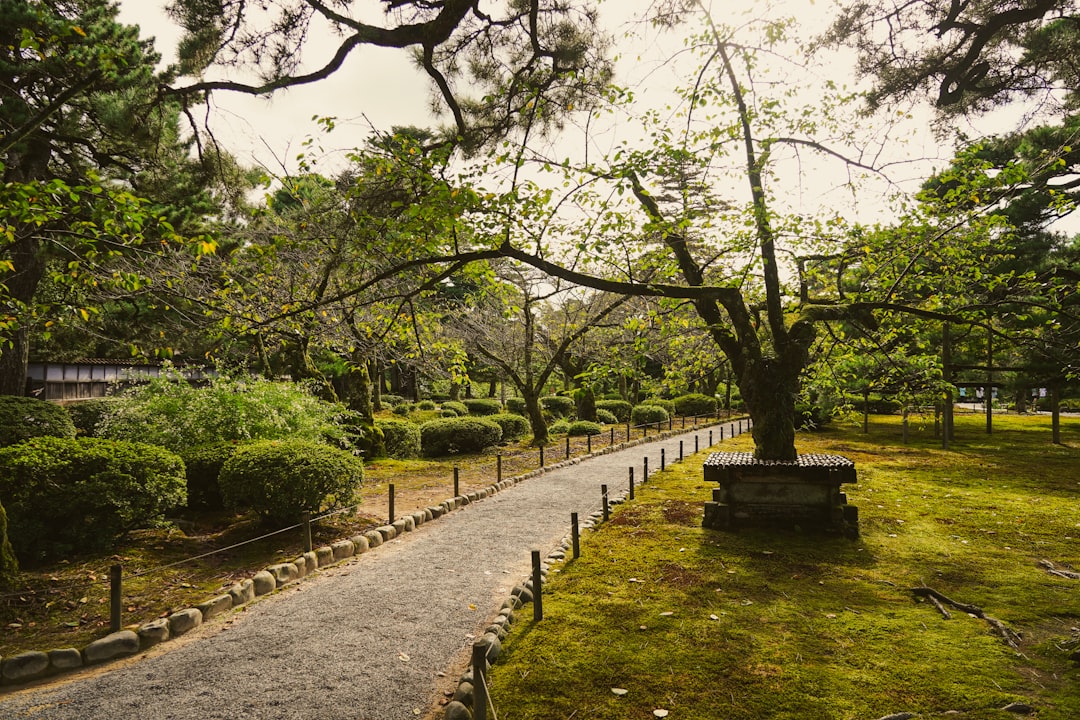
Kenrokuen in Kanazawa is counted among the three great gardens of Japan, alongside Kairakuen in Mito and Korakuen in Okayama. Regular admission is ¥320.
What few visitors know is that the garden opens its gates early each morning, free of charge, before regular hours. From April to August that means from four in the morning. Mist over the ponds, long shadows across the moss, and very few other people — it is the best time to see it by a wide margin. Only two entrances open during these hours, so check which one is nearest your hotel.
Choosing a Season
Cherry blossoms in late March and early April and autumn leaves in November are the two seasons most travelers aim for. Both are spectacular. Both also bring the highest prices and heaviest crowds of the year, especially in Kyoto.
Our view is that the shoulder weeks are often better. Early December in Kyoto still has late colour in the temple gardens with far fewer people. Winter in Takayama and Shirakawa-go brings snow on dark timber and thatch, which many of our travelers remember most. Our guide to Japan’s autumn leaves goes further into timing by region.
Summer is the hardest season in the cities. Even so, it is the right time for Kamikochi and the high mountains, where the air is cooler and the trails are open.
Expert Tip
Build one unscheduled day into any itinerary that includes Mount Fuji or Miyajima. Weather decides the Fuji view and the tide decides the Miyajima view, and a single spare day lets you move the visit to the morning that works rather than the one you booked months ago.
Beautiful Places in Japan: Frequently Asked Questions
What is the most beautiful place in Japan?
There is no single answer, but if we had to choose one region for a traveler who has never been, it would be Kyoto seen early in the morning. For a second visit, we would point to the Hida region: Takayama, Shirakawa-go, and the mountains around them. The combination of preserved towns and alpine scenery is hard to find elsewhere in the country.
When is Japan at its most beautiful?
Late March to early April for cherry blossoms, and November for autumn leaves, are the classic answers. However, both seasons are crowded and expensive. Early December, late May, and the snowy months in the mountains often give a better experience with far fewer people.
Can I combine Kyoto and Takayama in one trip?
Yes, and it is one of the routes we recommend most. Takayama is reachable by train via Nagoya, or by direct bus from Kyoto and Kanazawa. Most travelers spend at least one night in Takayama, which also makes a morning in Shirakawa-go easy to add.
Related Tours

Conclusion
Japan’s most beautiful places are well documented. What the photographs leave out is the conditions: the hour before the crowds at Fushimi Inari, the high tide at Miyajima, the clear winter morning over Fuji, the snow on Shirakawa-go’s roofs.
When you plan, pick fewer places and give each one its best moment. Put the famous Kyoto sights at dawn, stay overnight in Takayama rather than passing through, and leave one day loose for weather. Those three decisions do more for the trip than adding another destination to the list.
Plan Your Japan Trip with Local Experts
Our team has guided 40,000+ travelers across Japan. Tell us about your trip and we’ll get back to you within 24 hours.